
 EN
 AR
 DA
 NL
 FI
 FR
 DE
 EL
 HI
 IT
 JA
 KO
 NO
 PL
 PT
 RO
 RU
 ES
 SV
 TL
 IW
 ID
 SR
 VI
 HU
 TH
 TR
 FA
 MS
 IS
 AZ
 UR
 BN
 HA
 LO
 MR
 MN
 PA
 MY
 SD
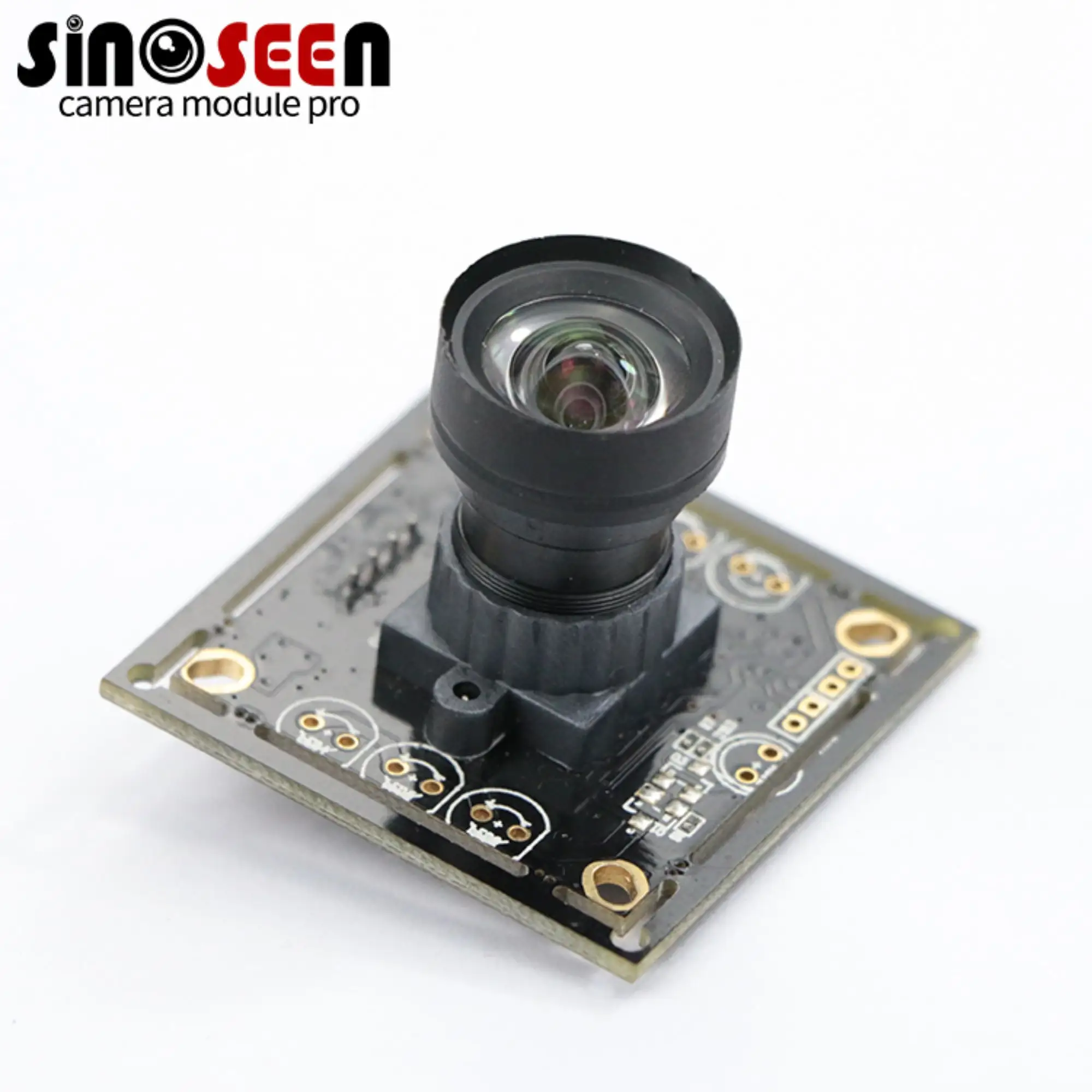
Sourcing an omnivision camera module from a factory requires strategic planning, technical knowledge, and supplier relationship management. Whether you are developing embedded vision systems, IoT devices, or industrial automation equipment, finding the right omnivision camera module supplier directly impacts your product quality, timeline, and cost structure. The procurement process involves identifying qualified factories, verifying their capabilities, assessing quality standards, and negotiating terms that align with your production volume and specifications.
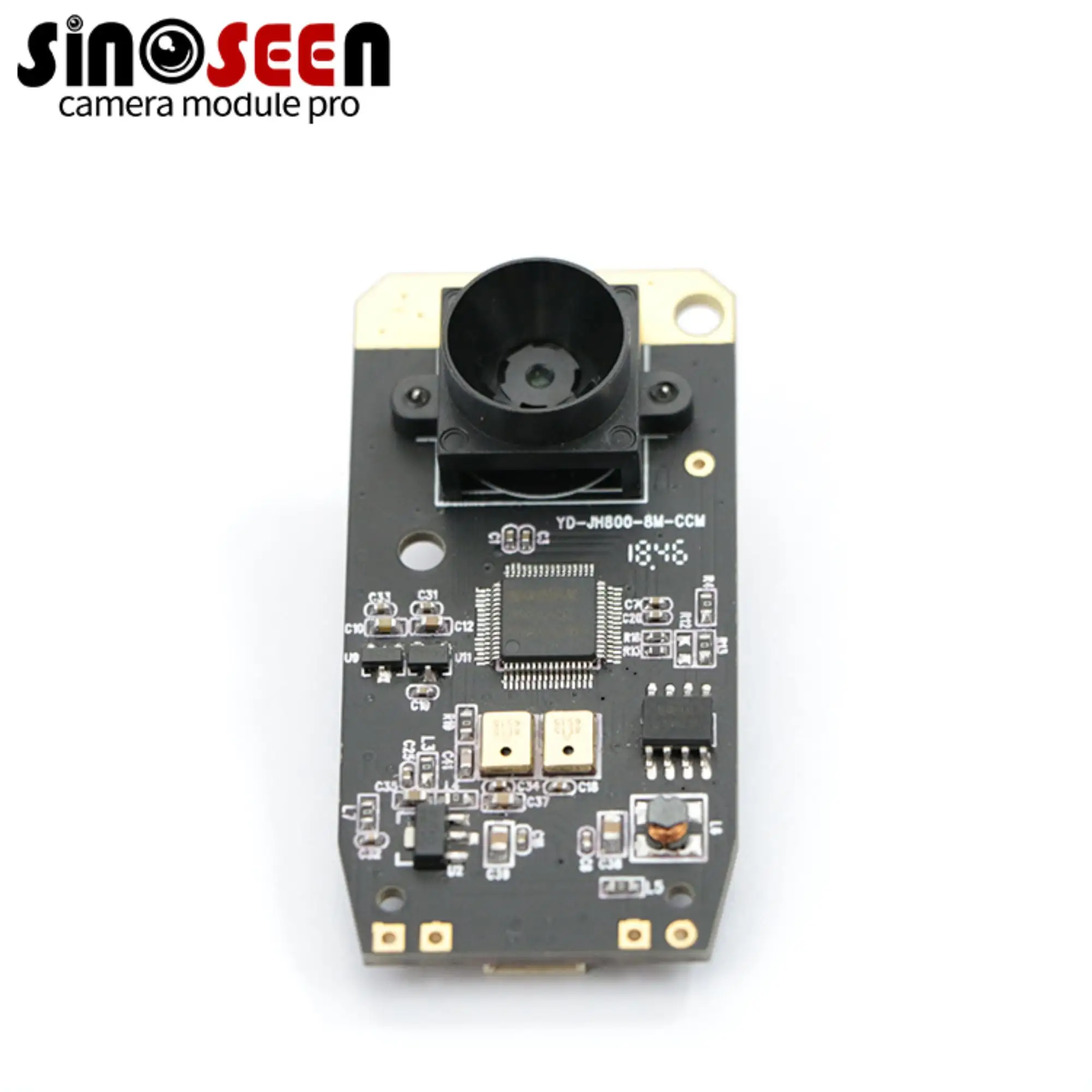
An omnivision camera module integrates advanced image sensors with optical components, support circuitry, and firmware to deliver high-performance video capture in compact form factors. These modules are widely used in robotics, machine vision, autonomous systems, and consumer electronics because they offer excellent image quality, low power consumption, and reliable MIPI CSI-2 interface compatibility. Successfully sourcing an omnivision camera module from a factory means navigating technical specifications, minimum order quantities, lead times, certification requirements, and long-term supply agreements.
Identifying Qualified Omnivision Camera Module Factories
Direct Factory Assessment and Capabilities
The first step in sourcing an omnivision camera module involves verifying that the factory possesses genuine Omnivision sensor components and legitimate manufacturing partnerships. Not all suppliers claiming to sell an omnivision camera module are authorized distributors or manufacturers. Request detailed documentation proving the factory holds official channel status with Omnivision Technology Corporation or operates under a licensed assembly agreement. Qualified omnivision camera module suppliers typically maintain ISO 9001:2015 certification, cleanroom production facilities, and established quality management systems that exceed consumer electronics standards.
Evaluate the factory's technical team, production capacity, and equipment infrastructure before placing any orders. A reliable omnivision camera module supplier should provide detailed manufacturing specifications, optical test data, and electrical performance documentation for their specific module variants. Request information about their MIPI CSI-2 interface expertise, signal integrity testing, and thermal management capabilities. Visit the factory or conduct virtual facility audits to confirm they have appropriate testing equipment, component inventory systems, and traceability protocols for sourcing an omnivision camera module at scale.
Supply Chain Transparency and Component Sourcing
Transparency in the supply chain is critical when sourcing an omnivision camera module from a factory. Ask the supplier to disclose their component sourcing strategy, including where they procure Omnivision sensors, lens assemblies, interconnect hardware, and support circuitry. Counterfeit or gray-market components represent a significant risk in the camera module industry. A trustworthy omnivision camera module factory maintains direct relationships with authorized component distributors and can provide certificates of authenticity for all major subassemblies. They should also outline their inventory management practices and explain how they maintain consistent access to genuine omnivision camera module sensor stocks across different production cycles.
Request samples and conduct reverse-engineering verification before committing to large production orders. Examine the omnivision camera module hardware, check for proper packaging, verify firmware versioning, and test interoperability with your target hardware platform. Trusted factories welcome third-party technical audits and can provide performance validation reports demonstrating that their omnivision camera module meets published Omnivision specifications and your application requirements.
Technical Specifications and Quality Standards
Module Performance Parameters and Testing Protocols
When sourcing an omnivision camera module, you must thoroughly understand the technical specifications that define performance and compatibility. Each omnivision camera module variant offers specific sensor resolutions, frame rates, interface standards, and power requirements. Confirm that the factory's omnivision camera module selection aligns with your embedded system architecture, processing bandwidth, and thermal constraints. Review the datasheet specifications for pixel size, sensor format, lens focal length, field of view, and distortion characteristics to ensure the omnivision camera module integrates seamlessly with your optical design and image processing pipeline.
Quality assurance becomes paramount when sourcing an omnivision camera module at production scale. Reputable factories operate comprehensive testing protocols including electrical characterization, optical performance validation, thermal stress testing, and MIPI signal integrity measurement. Request a detailed quality assurance plan that outlines incoming component inspection, in-process monitoring, final assembly testing, and outgoing product validation for every omnivision camera module batch. Ask about their statistical process control methods, defect rate tracking, and corrective action procedures. Understanding their omnivision camera module quality framework helps you establish realistic expectations for yield rates, defect resolution timelines, and warranty terms.
Certification and Compliance Requirements
Sourcing an omnivision camera module requires attention to regulatory compliance and industry certifications relevant to your application and target markets. Industrial or automotive omnivision camera module applications may require specific compliance certifications, environmental standards, or reliability qualifications. Verify that the factory maintains appropriate certifications for your use case, whether that involves automotive-grade reliability testing, industrial safety compliance, or consumer electronics standards. Some applications demand omnivision camera module modules that pass ESD sensitivity testing, thermal cycling validation, or radiation hardness qualification.
Work with the factory to establish clear quality specifications and acceptance criteria for your omnivision camera module orders. Define acceptable defect rates, performance tolerances, packaging standards, and documentation requirements upfront. Many factories provide options for custom omnivision camera module configurations, firmware variants, or interface adaptations tailored to specific system architectures. Clearly document these requirements in the purchase agreement to avoid delays and misaligned expectations when you eventually source an omnivision camera module at volume.
Procurement Strategy and Commercial Terms
Minimum Order Quantities and Pricing Structure
When sourcing an omnivision camera module, understand that factory minimum order quantities significantly influence your total landed cost and supply chain flexibility. Most omnivision camera module suppliers establish MOQs based on production setup costs, component batch sizes, and manufacturing efficiency considerations. Small MOQs for an omnivision camera module might range from 100 to 500 units, while larger industrial deployments may involve MOQs exceeding 5000 units. Discuss volume-tiered pricing structures with the factory so you understand how scaling your omnivision camera module orders affects per-unit costs and when price reductions become available.
Request detailed pricing breakdowns that separate component costs, assembly labor, testing, packaging, and logistics within the omnivision camera module quote. Negotiate payment terms that balance cash flow requirements with the factory's inventory carrying costs. Many omnivision camera module suppliers accept deposits to initiate production and request final payment upon shipment or after quality inspection. Consider establishing long-term supply agreements if you plan to source an omnivision camera module consistently over multiple years, as this often unlocks better pricing, priority production scheduling, and dedicated technical support.
Lead Times and Supply Chain Continuity
Lead times when sourcing an omnivision camera module depend on component availability, production capacity utilization, and logistics routing. Standard omnivision camera module lead times typically range from 4 to 12 weeks depending on order complexity and current supply chain conditions. Discuss expedite options and confirm whether the factory maintains safety stock of popular omnivision camera module configurations that could reduce delivery times for urgent orders. Ask about their supply forecasting practices and request transparency into their Omnivision sensor procurement lead times, as extended sensor shortages could impact their ability to deliver your omnivision camera module orders reliably.
Establish clear communication channels and designate specific technical contacts within the factory to manage your omnivision camera module project. Reliable factories provide production status updates, material shortage alerts, and shipping notifications to keep you informed throughout the supply cycle. Build relationships with backup omnivision camera module suppliers to reduce supply chain risk, particularly if your application is mission-critical or requires guaranteed continuity. Diversifying your sourcing strategy for omnivision camera module components mitigates the impact of geopolitical disruptions, carrier delays, or temporary factory shutdowns.
FAQ
What makes an omnivision camera module different from generic camera modules?
An omnivision camera module uses sensors manufactured by Omnivision Technologies, a leading image sensor supplier known for optimized performance in low-light conditions, color accuracy, and power efficiency. These omnivision camera module variants are specifically engineered for embedded vision applications and integrate advanced features like dynamic range optimization and noise reduction. When sourcing an omnivision camera module rather than generic alternatives, you gain access to proven sensor architectures widely supported across development platforms, better software ecosystem compatibility, and higher reliability in production environments.
How do I verify that a factory's omnivision camera module is genuine?
Request documentation proving the factory's authorization to distribute Omnivision sensors and demonstrating their legitimate supply chain. Genuine omnivision camera module suppliers provide performance data sheets, certificates of authenticity, and traceability documentation showing component batch codes. You can verify sensor authenticity by cross-referencing device IDs against Omnivision's official product databases. Ask the factory for sample units and conduct optical and electrical testing to confirm performance matches published Omnivision specifications. Reputable omnivision camera module manufacturers welcome third-party audits and technical verification before large purchases.
What is a reasonable lead time when sourcing an omnivision camera module in bulk?
Standard lead times for sourcing an omnivision camera module typically range from 6 to 10 weeks for orders exceeding minimum quantities. Lead time variability depends on current component availability, factory production scheduling, and logistics routing. Expedited omnivision camera module orders may be possible within 4 weeks if the factory maintains adequate safety stock, though expedite charges typically apply. Confirm lead time commitments in writing and discuss contingency plans if Omnivision sensor shortages or other supply chain disruptions affect your omnivision camera module delivery schedule.