
 EN
EN
 AR
AR
 DA
DA
 NL
NL
 FI
FI
 FR
FR
 DE
DE
 EL
EL
 HI
HI
 IT
IT
 JA
JA
 KO
KO
 NO
NO
 PL
PL
 PT
PT
 RO
RO
 RU
RU
 ES
ES
 SV
SV
 TL
TL
 IW
IW
 ID
ID
 SR
SR
 VI
VI
 HU
HU
 TH
TH
 TR
TR
 FA
FA
 MS
MS
 IS
IS
 AZ
AZ
 UR
UR
 BN
BN
 HA
HA
 LO
LO
 MR
MR
 MN
MN
 PA
PA
 MY
MY
 SD
SD
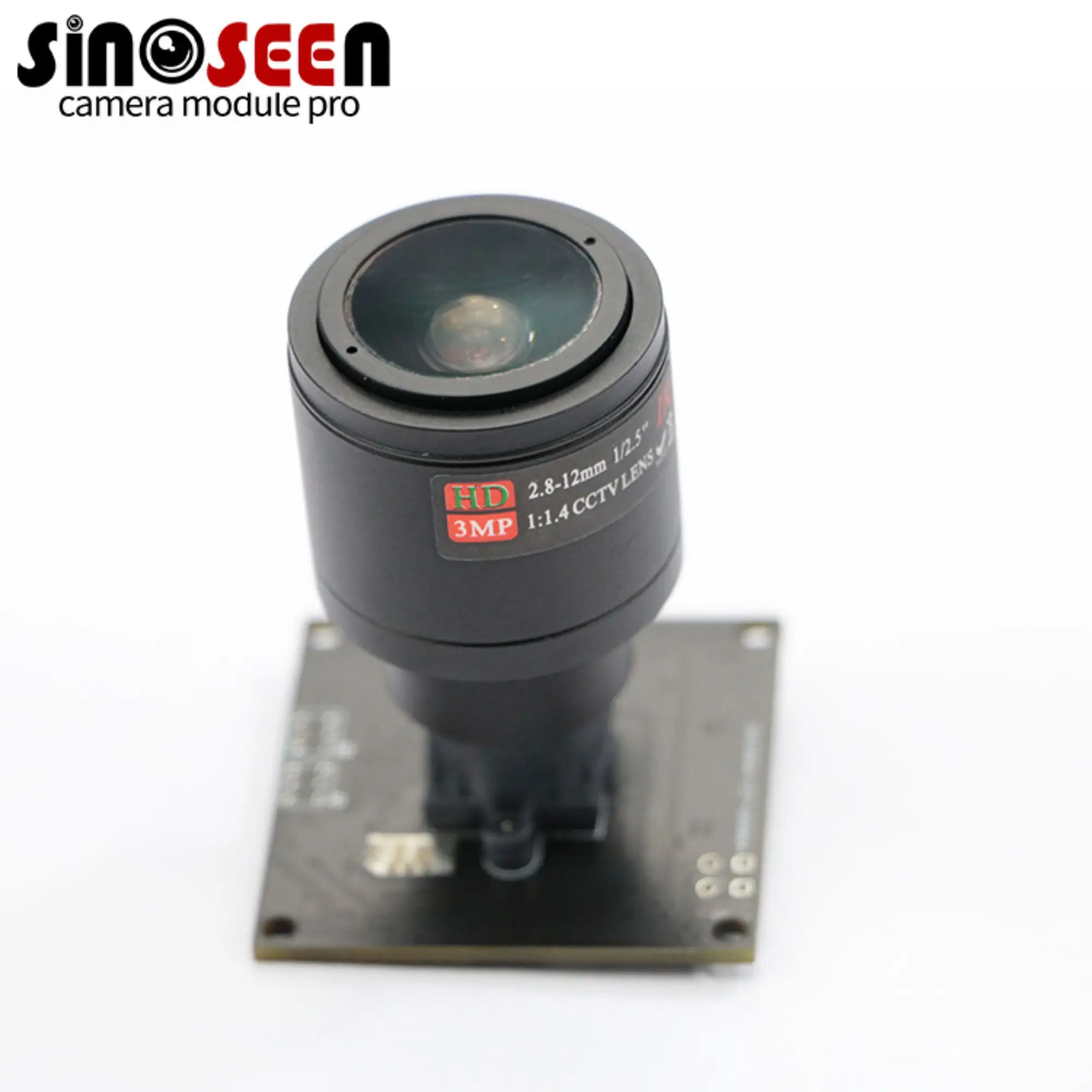
Connected hardware ecosystems demand camera solutions that integrate seamlessly with microcontroller platforms while maintaining flexibility for customization. OEM ESP32 camera module support has emerged as a critical capability for hardware manufacturers seeking to embed vision-based functionality into Internet of Things devices, edge computing systems, and smart industrial equipment. The ESP32 platform's widespread adoption across diverse application domains creates unique opportunities and technical requirements for camera module suppliers who understand both the hardware integration challenges and the software stack dependencies inherent to these connected systems.
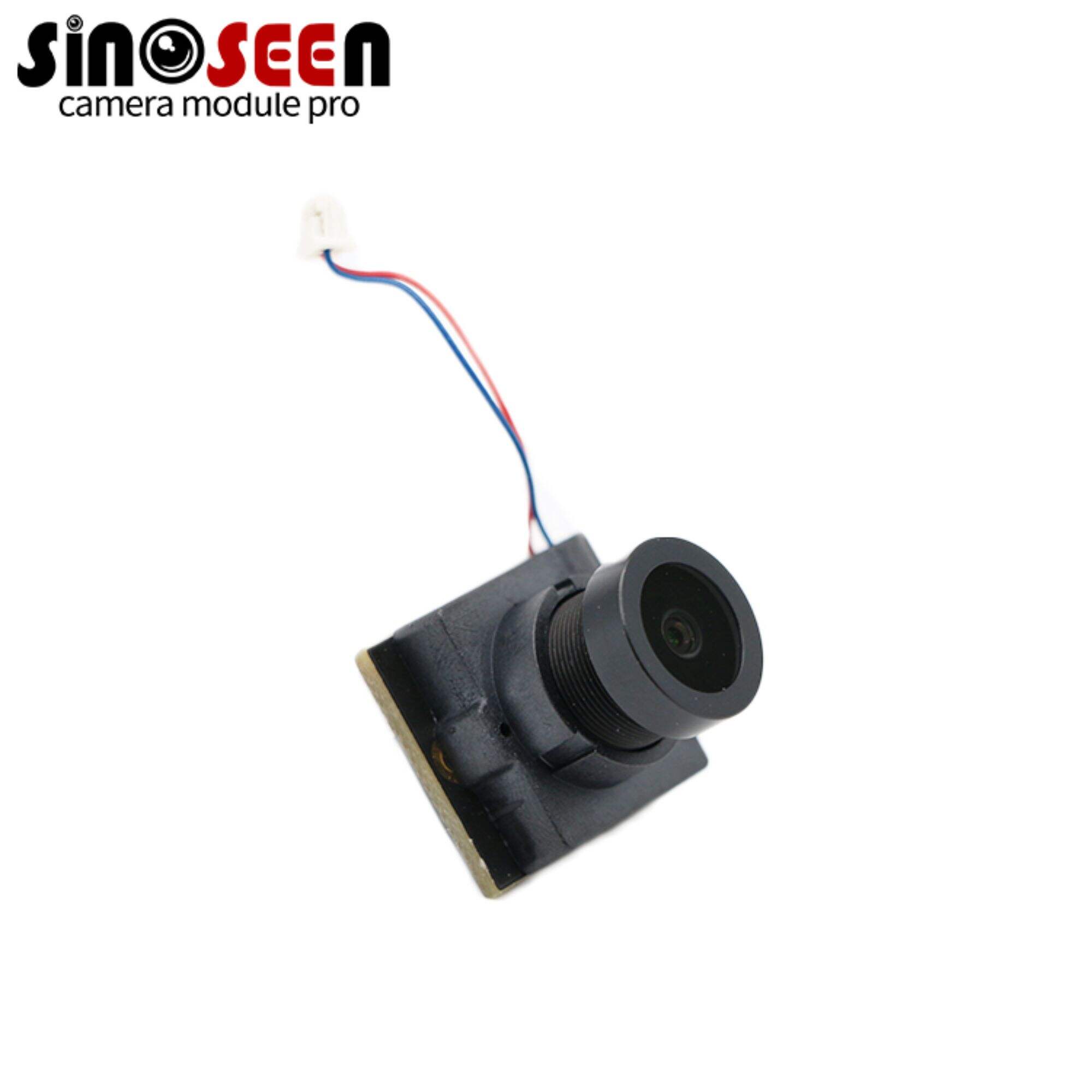
Manufacturers developing connected products face mounting pressure to reduce time-to-market while ensuring component compatibility across hardware revisions and firmware updates. An ESP32 camera module designed with proper OEM support addresses these operational realities by providing verified interface compatibility, accessible technical documentation, and engineering assistance throughout the product development cycle. This comprehensive support framework enables hardware teams to navigate the complexities of sensor integration, power management optimization, and communication protocol implementation without diverting resources from their core product differentiation strategies.
Hardware Integration Architecture for ESP32 Camera Modules
Physical Interface Standards and Connection Protocols
The foundation of effective OEM ESP32 camera module support begins with standardized physical interfaces that match the electrical characteristics and mechanical footprints expected by ESP32-based designs. Modern implementations typically employ MIPI CSI-2 interfaces for high-bandwidth image data transfer, complemented by I2C control channels for sensor configuration and parameter adjustment. The ESP32 camera module must present clearly defined pinout specifications that align with common development board layouts while accommodating custom PCB designs through flexible connector options and reference schematics.
Voltage level compatibility represents another critical consideration, as ESP32 systems generally operate at 3.3V logic levels while some image sensors require distinct voltage rails for analog and digital circuitry. Quality OEM support includes detailed power sequencing requirements, current consumption profiles across operational modes, and guidance on decoupling capacitor placement to minimize electrical noise that could degrade image quality. Engineers benefit from access to proven reference designs that demonstrate successful integration patterns, reducing the trial-and-error cycles typically associated with custom camera implementations.
Sensor Selection and Performance Characteristics
OEM providers offering genuine ESP32 camera module support maintain relationships with multiple sensor manufacturers, enabling them to recommend optimal sensor choices based on application requirements. The selection process considers factors including resolution needs, frame rate targets, low-light performance specifications, and pixel size trade-offs that impact both image quality and system cost. A ESP32 camera module built around a GC2053 sensor, for instance, provides two-megapixel resolution with enhanced sensitivity characteristics suitable for security applications and environmental monitoring systems.
Beyond raw sensor specifications, comprehensive OEM support addresses optical assembly considerations including lens mount compatibility, focal length options, and field-of-view calculations that determine effective coverage areas for specific installation scenarios. The integration of infrared cut filters for day-night operation adds mechanical complexity that requires precise alignment and secure mounting within compact module form factors. Manufacturers committed to long-term ESP32 camera module support maintain consistent optical specifications across production batches, ensuring that deployed systems maintain predictable performance throughout extended product lifecycles.
Mechanical Design and Environmental Considerations
Physical packaging decisions significantly impact the usability of an ESP32 camera module within diverse product enclosures and mounting configurations. OEM support extends to providing multiple form factor options, from bare board modules measuring under twenty millimeters square to fully enclosed assemblies with integrated mounting brackets and cable management features. Design teams appreciate access to three-dimensional CAD models in common formats that enable accurate fit verification within their product designs before committing to prototype production runs.
Environmental resilience requirements vary dramatically across application domains, with industrial ESP32 camera module deployments demanding protection against temperature extremes, humidity exposure, vibration stresses, and particulate contamination. Proper OEM support includes documentation of operating temperature ranges, storage conditions, ingress protection ratings where applicable, and reliability testing data that substantiates performance claims under challenging conditions. This information proves essential for hardware engineers conducting design validation testing and preparing compliance documentation for regulatory submissions.
Software Ecosystem and Driver Support
ESP-IDF Framework Integration
The software dimension of OEM ESP32 camera module support holds equal importance to hardware compatibility, as firmware developers require reliable driver implementations and example code to accelerate development timelines. The ESP-IDF framework provides the foundation for ESP32 application development, and quality camera module suppliers contribute tested driver code that integrates cleanly with the framework's component architecture. These drivers abstract low-level register manipulation behind intuitive APIs, enabling application developers to focus on image processing algorithms and network communication logic rather than sensor initialization sequences.
Comprehensive driver support for an ESP32 camera module includes exposure control functions, white balance adjustment capabilities, gain management interfaces, and format conversion utilities that prepare captured frames for transmission or storage. The implementation must handle synchronization between the camera interface peripheral and memory subsystem efficiently to prevent frame drops during continuous capture operations. Documentation accompanying the driver code should explain configuration options, performance implications of various settings, and debugging procedures for common integration issues encountered during development.
Application Framework Examples and Reference Code
Beyond basic driver functionality, valuable OEM ESP32 camera module support encompasses complete application examples that demonstrate typical use cases in functional implementations. Reference projects might include MJPEG streaming servers, JPEG image capture with SD card storage, face detection implementations using TensorFlow Lite for Microcontrollers, or time-lapse photography controllers with power management optimization. These examples serve dual purposes: they validate that the camera module functions correctly within realistic application contexts, and they provide starting points that customers can adapt to their specific requirements.
The code quality of these examples directly reflects the supplier's commitment to genuine support. Well-structured reference implementations employ proper error handling, include meaningful comments explaining design decisions, and demonstrate best practices for resource management within the memory-constrained ESP32 environment. When an ESP32 camera module supplier invests in maintaining their example code across ESP-IDF version updates, customers gain confidence in the long-term viability of the hardware platform and the supplier's dedication to the developer community.
Performance Optimization and Power Management
Battery-powered applications place stringent demands on ESP32 camera module implementations, requiring sophisticated power management strategies that minimize energy consumption during inactive periods while maintaining rapid wake-up capabilities. OEM support addressing these requirements provides guidance on implementing deep sleep modes, explains wake-up latency characteristics, and documents current consumption across operational states from full capture mode through various standby configurations. Engineers benefit from understanding the power sequencing requirements for sensor initialization and the trade-offs between image quality settings and energy budgets.
Performance optimization extends beyond power considerations to encompass processing efficiency and memory utilization patterns. An ESP32 camera module operating at higher resolutions generates substantial data volumes that stress the available SRAM and external PSRAM resources. Quality OEM support includes recommendations for buffer management strategies, explains DMA configuration options for efficient data movement, and identifies firmware architecture patterns that enable continuous capture operations without overwhelming the processor or communication interfaces. These optimization insights prove particularly valuable for applications implementing real-time image analysis or low-latency streaming requirements.
Technical Documentation and Engineering Resources
Datasheet Completeness and Specification Clarity
Technical documentation quality serves as a reliable indicator of genuine OEM ESP32 camera module support commitment. Comprehensive datasheets transcend basic parameter listings to provide electrical characteristics under various operating conditions, timing diagrams for interface signals, mechanical drawings with tolerance specifications, and application notes addressing common integration scenarios. The documentation should clearly identify any dependencies on specific ESP-IDF versions or configuration settings required for optimal operation, preventing the frustration of incompatibility discoveries late in development cycles.
Specification clarity extends to honest disclosure of limitations and trade-offs inherent to the camera module design. A transparent datasheet acknowledges frame rate reductions at maximum resolution settings, explains light level thresholds where image quality degrades, and documents any thermal management considerations affecting sustained operation. This candor enables engineering teams to make informed design decisions and set realistic performance expectations rather than discovering constraints during validation testing or field deployment.
Application Notes and Integration Guides
Beyond formal datasheets, practical OEM ESP32 camera module support manifests through application-focused documentation that addresses specific integration challenges. Application notes might cover topics including lens selection methodology for particular working distances, illumination requirements for acceptable image quality in security applications, or communication protocol selection for different network architectures. These documents bridge the gap between component specifications and working system implementations, shortening the learning curve for teams new to vision system integration.
Integration guides prove especially valuable when they address the nuances of combining an ESP32 camera module with complementary system components like external lighting controllers, PIR motion sensors for wake triggering, or secondary microcontrollers handling specialized processing tasks. The documentation should provide clear guidance on signal routing, shared resource management, and system-level power budgeting that accounts for the interactions between all active components. Worked examples with measured results help engineers validate their own implementations and troubleshoot deviations from expected behavior.
Revision Control and Change Management Communication
Hardware revision management represents a frequent source of integration problems when OEM suppliers fail to communicate component changes or maintain consistent part numbering across iterations. Professional ESP32 camera module support includes clear revision tracking with documented changes between versions, notification processes for upcoming modifications, and overlap periods where both old and new revisions remain available to support ongoing production. This predictability enables customers to manage their own product transitions systematically rather than responding reactively to unexpected supply chain disruptions.
Change management extends to firmware compatibility considerations when sensor revisions or interface adjustments require updated driver implementations. Responsible OEM support ensures that software updates receive the same documentation rigor as hardware changes, with release notes explaining modifications, migration guides for transitioning existing code bases, and validation testing results confirming continued operation of established functionality. This discipline prevents the fragmentation of customer implementations across incompatible hardware and software combinations that complicate long-term support obligations.
Supply Chain Stability and Manufacturing Support
Production Volume Scalability and Lead Time Management
The transition from prototype development to volume production introduces supply chain considerations that distinguish superficial ESP32 camera module vendors from committed OEM partners. Genuine support encompasses transparent capacity planning discussions, realistic lead time commitments that account for component procurement and manufacturing cycles, and flexible ordering arrangements that accommodate demand variability without imposing excessive minimum order quantities during market validation phases. Hardware manufacturers benefit from suppliers who maintain buffer inventory for critical components and communicate proactively about potential constraints affecting delivery schedules.
Scalability extends beyond simple volume increases to encompass manufacturing flexibility that supports product variants and customization requirements. An ESP32 camera module supplier offering true OEM support can accommodate cable length modifications, connector changes, firmware preloading, or custom labeling without requiring entirely new part numbers or extended development cycles. This adaptability proves essential for companies serving multiple market segments with related but distinct product configurations that share core camera module technology.
Quality Control Processes and Testing Protocols
Manufacturing quality directly impacts the reliability of products incorporating ESP32 camera module technology, making quality control processes a legitimate component of comprehensive OEM support. Professional suppliers implement rigorous incoming inspection for sensors and optical components, conduct electrical testing of assembled modules before shipment, and perform sample-based validation of optical performance parameters including focus accuracy and image uniformity. Access to quality documentation, including test procedures and acceptance criteria, enables customers to establish receiving inspection protocols aligned with their own quality management systems.
Long-term reliability testing provides additional confidence in ESP32 camera module durability under operational stresses. OEM partners committed to supporting production deployments conduct accelerated life testing, temperature cycling validation, and mechanical stress screening to identify potential failure modes before they manifest in customer applications. Sharing summarized results from these reliability programs demonstrates technical competence and supports the risk assessments that purchasing teams conduct when qualifying new component suppliers for strategic product platforms.
Regulatory Compliance and Certification Assistance
Products incorporating ESP32 camera module technology often require regulatory compliance testing for electromagnetic compatibility, radio frequency emissions, and safety standards applicable to their target markets. Supportive OEM partners provide compliance documentation for their modules, including FCC test reports, CE declarations of conformity, or RoHS material composition disclosures that system integrators can reference during their own compliance activities. Some suppliers offer guidance on antenna design considerations or shielding strategies that help customers achieve regulatory approval without extensive redesign iterations.
The complexity of international regulatory environments increases the value of OEM ESP32 camera module support that extends beyond single-region compliance. Suppliers serving global markets maintain awareness of emerging requirements in different jurisdictions and can advise customers on region-specific considerations affecting product certification strategies. This expertise proves particularly valuable for companies expanding into new geographic markets where local compliance requirements differ from their established territories, reducing the risk of costly certification failures or market entry delays.
Technical Support Infrastructure and Customer Success
Engineering Assistance Channels and Response Standards
The accessibility and competence of technical support personnel fundamentally determine the practical value of OEM ESP32 camera module support claims. Effective support infrastructure provides multiple communication channels including email ticketing systems for detailed technical inquiries, phone support for urgent troubleshooting needs, and online forums where developers can share solutions to common challenges. Response time expectations should be clearly communicated, with differentiation between initial acknowledgment, preliminary guidance, and comprehensive problem resolution.
Support quality depends heavily on the technical depth of responding personnel, who should possess genuine engineering expertise rather than functioning merely as information gatekeepers. Engineers contacting support expect interactions with individuals who understand ESP32 architecture, can interpret oscilloscope captures or logic analyzer traces, and provide substantive guidance rather than generic suggestions to consult documentation. This level of capability requires investment in support team training and close collaboration between support personnel and the engineering teams responsible for ESP32 camera module development.
Knowledge Base Development and Community Resources
Proactive OEM support extends beyond reactive problem-solving to encompass knowledge base development that captures solutions to recurring issues and best practices discovered through customer interactions. Well-organized knowledge bases enable self-service problem resolution, reducing support burden while providing immediate assistance to developers working outside standard business hours or in distant time zones. Articles should address specific technical scenarios with sufficient detail that engineers can implement recommendations without requiring follow-up clarification.
Community resources including developer forums, GitHub repositories for sample code, and tutorial content contribute to the ecosystem surrounding an ESP32 camera module platform. Suppliers who actively participate in these communities by answering questions, incorporating feedback into product improvements, and recognizing community contributions build loyalty that transcends transactional component purchasing relationships. This engagement signals long-term commitment to the platform and provides customers with confidence that choosing a particular camera module connects them to an active support network.
Custom Development Services and Turnkey Solutions
Some applications demand capabilities beyond standard ESP32 camera module offerings, creating opportunities for OEM partners to provide custom development services that address unique requirements. These services might include sensor selection and qualification for specialized imaging needs, custom mechanical housing design for harsh environments, firmware development implementing proprietary protocols, or complete subsystem integration delivering tested hardware-software combinations ready for incorporation into customer products. The availability of these services differentiates strategic component partners from commodity suppliers competing solely on price.
Turnkey solutions prove particularly valuable for companies lacking deep embedded vision expertise but requiring camera functionality within broader product offerings. An ESP32 camera module supplier offering complete imaging subsystems with documented interfaces and application examples enables faster market entry with reduced development risk. The economic model for these engagements typically involves engineering fees for custom development balanced against volume commitments that justify the supplier's investment in customer-specific capabilities. Transparent discussion of these commercial arrangements during early engagement prevents misaligned expectations and builds foundations for successful long-term partnerships.
FAQ
What distinguishes genuine OEM ESP32 camera module support from basic component supply?
Genuine OEM support encompasses comprehensive technical documentation including detailed datasheets and integration guides, proven driver software with maintained example applications, responsive engineering assistance from technically competent personnel, transparent communication about product revisions and changes, supply chain stability with realistic lead time commitments, and often extends to custom development services for specialized requirements. Basic component supply provides hardware without this surrounding infrastructure, leaving customers to independently solve integration challenges and manage compatibility issues across product lifecycles.
How does ESP32 camera module compatibility affect firmware development timelines?
Camera module compatibility with the ESP-IDF framework directly impacts development velocity by determining whether proven driver implementations exist or require custom development from sensor datasheets. Modules with well-maintained drivers and functional example code enable firmware teams to achieve working prototypes within days, while unsupported modules may require weeks of low-level driver development and debugging. The availability of performance optimization guidance and power management documentation further accelerates the path from initial functionality to production-ready implementations meeting efficiency targets.
What supply chain considerations affect long-term ESP32 camera module availability?
Long-term availability depends on the supplier's component sourcing relationships, particularly regarding image sensor procurement from manufacturers who may discontinue older models. Responsible OEM partners maintain awareness of component lifecycle status, communicate potential obsolescence issues with adequate advance notice, and ideally offer migration paths to replacement modules with similar specifications and compatible interfaces. Manufacturing capacity constraints, geopolitical factors affecting component availability, and the supplier's financial stability all influence their ability to support ongoing production volumes throughout multi-year product lifecycles.
Can ESP32 camera modules support real-time image processing applications?
ESP32 camera modules can support real-time image processing for constrained applications including motion detection, simple object recognition using lightweight machine learning models, barcode scanning, and basic image analytics that operate on reduced-resolution frames or regions of interest. The processing capabilities are limited by the ESP32's computational resources, making it suitable for edge inference scenarios where low latency and power efficiency outweigh the need for complex analysis. Applications requiring high-resolution processing or sophisticated algorithms typically offload intensive computation to cloud services or companion processors while using the ESP32 camera module for image capture and preprocessing functions.
Table of Contents
- Hardware Integration Architecture for ESP32 Camera Modules
- Software Ecosystem and Driver Support
- Technical Documentation and Engineering Resources
- Supply Chain Stability and Manufacturing Support
- Technical Support Infrastructure and Customer Success
-
FAQ
- What distinguishes genuine OEM ESP32 camera module support from basic component supply?
- How does ESP32 camera module compatibility affect firmware development timelines?
- What supply chain considerations affect long-term ESP32 camera module availability?
- Can ESP32 camera modules support real-time image processing applications?