
 EN
EN
 AR
AR
 DA
DA
 NL
NL
 FI
FI
 FR
FR
 DE
DE
 EL
EL
 HI
HI
 IT
IT
 JA
JA
 KO
KO
 NO
NO
 PL
PL
 PT
PT
 RO
RO
 RU
RU
 ES
ES
 SV
SV
 TL
TL
 IW
IW
 ID
ID
 SR
SR
 VI
VI
 HU
HU
 TH
TH
 TR
TR
 FA
FA
 MS
MS
 IS
IS
 AZ
AZ
 UR
UR
 BN
BN
 HA
HA
 LO
LO
 MR
MR
 MN
MN
 PA
PA
 MY
MY
 SD
SD
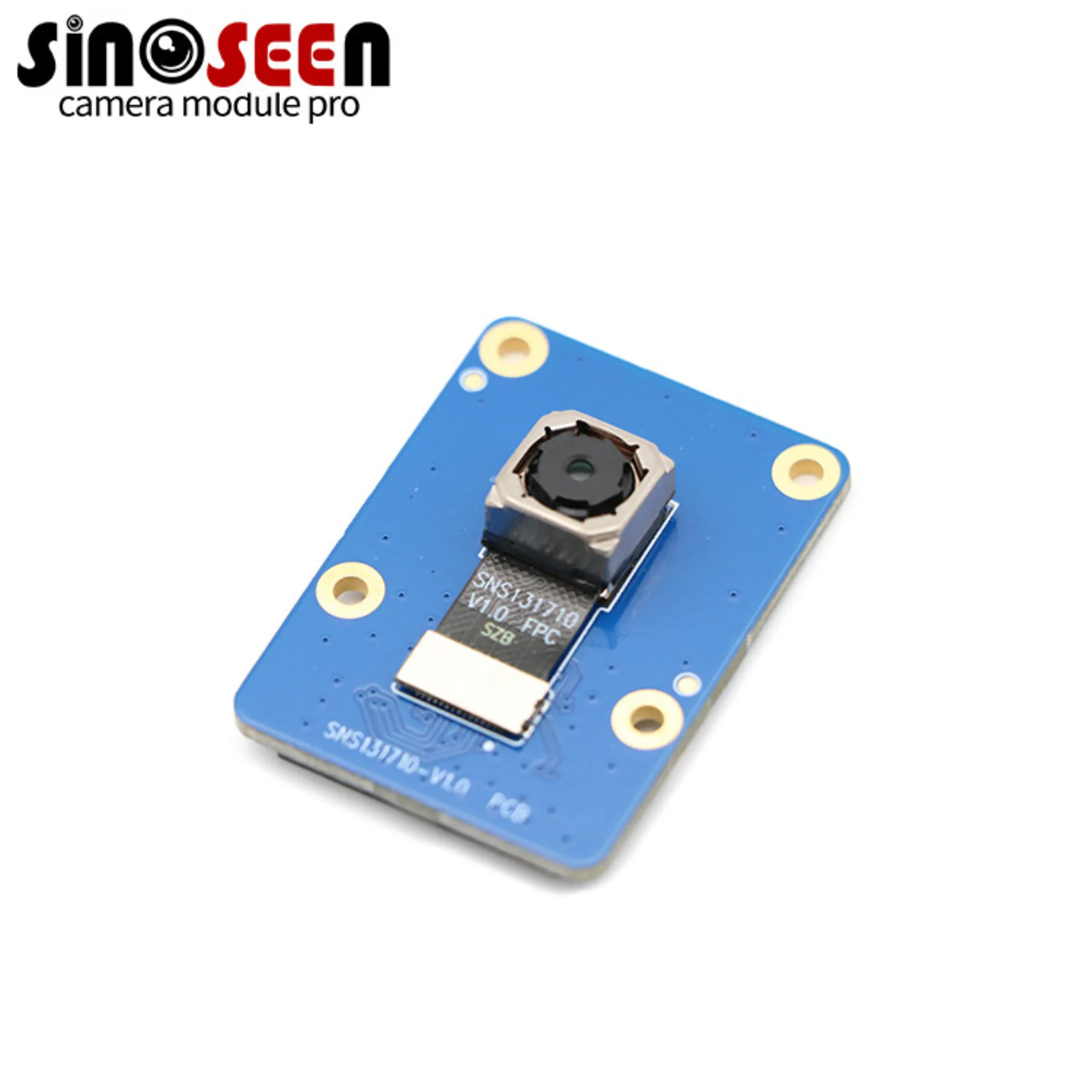
Selecting the right IMX415 camera module manufacturer is a critical decision that directly impacts product quality, supply chain reliability, and long-term business success. The Sony IMX415 sensor has become a preferred choice for industrial imaging, security systems, medical devices, and automotive applications due to its 8-megapixel resolution, exceptional low-light performance, and HDR capability. However, the quality of the final camera module depends heavily on the manufacturer's technical expertise, production standards, and ability to customize solutions that meet specific application requirements. Understanding how to evaluate and choose an IMX415 camera module manufacturer requires careful consideration of multiple technical, operational, and strategic factors that influence both immediate product performance and sustained partnership value.
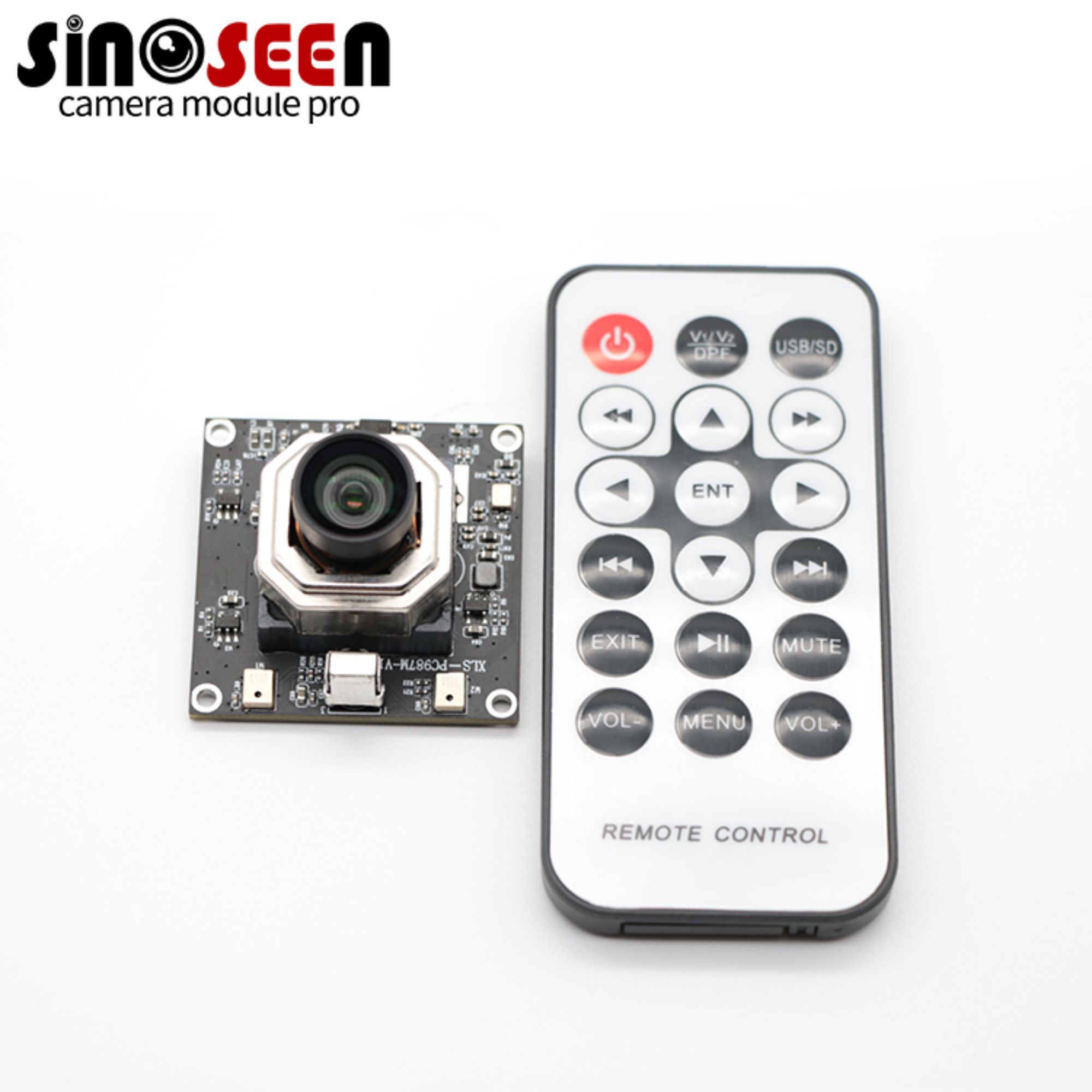
The process of choosing an IMX415 camera module manufacturer involves more than comparing price lists or reviewing standard specifications. It requires a thorough assessment of the manufacturer's engineering capabilities, quality control systems, production scalability, customization flexibility, and post-sales support infrastructure. Industrial buyers must evaluate how well a potential manufacturer understands their specific application context, whether they can deliver consistent quality across production batches, and if they possess the technical depth to solve integration challenges that inevitably arise during product development. This comprehensive evaluation framework helps companies avoid costly mistakes such as selecting suppliers who cannot maintain quality standards, lack necessary certifications, or fail to provide adequate technical documentation and support throughout the product lifecycle.
Understanding Core Manufacturing Capabilities
Technical Expertise and Engineering Depth
When evaluating an IMX415 camera module manufacturer, the first consideration should be their technical expertise in sensor integration and optical system design. A qualified manufacturer must demonstrate deep understanding of the Sony IMX415 sensor architecture, including its pixel structure, readout mechanisms, and signal processing requirements. This expertise directly influences image quality parameters such as signal-to-noise ratio, dynamic range implementation, and color reproduction accuracy. Manufacturers with robust engineering teams can optimize the module design to extract maximum performance from the IMX415 sensor while maintaining thermal stability and minimizing electronic noise that could degrade image quality in demanding applications.
The engineering capabilities of an IMX415 camera module manufacturer should extend beyond basic sensor integration to include expertise in lens selection and optical design. The manufacturer must understand how different lens specifications affect field of view, distortion characteristics, and resolution performance across the image frame. They should be capable of performing MTF analysis, managing chromatic aberration, and selecting appropriate IR-cut filters or pass filters depending on application requirements. This optical engineering competence ensures that the camera module delivers consistent image quality that meets the specific needs of industrial vision systems, security applications, or medical imaging devices where precision and reliability are paramount.
Production Infrastructure and Equipment Standards
The physical manufacturing infrastructure directly impacts the consistency and reliability of camera modules produced. An established IMX415 camera module manufacturer should operate cleanroom facilities with appropriate environmental controls to prevent particle contamination during sensitive assembly processes. The production environment must maintain controlled temperature and humidity levels, as variations can affect adhesive curing, sensor alignment precision, and overall module performance. Advanced manufacturers invest in automated assembly equipment that ensures repeatable positioning accuracy during sensor mounting, lens alignment, and flex cable attachment, reducing human error and improving production yield rates.
Quality inspection equipment represents another critical aspect of manufacturing infrastructure. Reliable IMX415 camera module manufacturers utilize automated optical inspection systems, resolution testing equipment, and specialized tools for measuring sensor plane flatness and lens centration accuracy. They should possess calibrated measurement instruments for verifying focal length, distortion characteristics, and spectral response across the visible and near-infrared spectrum. The presence of environmental testing chambers capable of thermal cycling, vibration testing, and humidity exposure demonstrates the manufacturer's commitment to validating module performance under real-world operating conditions. This equipment infrastructure indicates whether the manufacturer can consistently deliver modules that meet published specifications rather than relying on sample-based quality control that may miss systematic production issues.
Supply Chain Management and Component Sourcing
An often-overlooked aspect when choosing an IMX415 camera module manufacturer is their supply chain reliability and component sourcing practices. Manufacturers with established relationships with authorized Sony distributors can ensure authentic IMX415 sensors rather than remarked or gray-market components that may have inconsistent performance or reliability issues. The manufacturer should maintain adequate inventory buffers for critical components including sensors, lenses, and specialized flex cables to minimize production delays caused by component shortages. Understanding their supplier qualification process and component traceability systems provides insight into their ability to maintain consistent quality across production runs.
The supply chain capabilities of an IMX415 camera module manufacturer also determine their flexibility in responding to volume changes and delivery schedule requirements. Manufacturers with multiple qualified component sources can better navigate supply disruptions that periodically affect the electronics industry. They should demonstrate transparent communication about lead times, minimum order quantities, and potential supply constraints that could impact production schedules. A manufacturer's willingness to share supply chain information and work collaboratively on forecasting indicates a partnership-oriented approach that reduces risk for buyers investing in product development based on the IMX415 platform.
Evaluating Customization and Design Flexibility
Application-Specific Design Capabilities
Different applications require distinct camera module characteristics, making customization capability a key selection criterion for IMX415 camera module manufacturers. Industrial machine vision applications may prioritize global shutter emulation modes and precise synchronization with external triggers, while security cameras need optimized HDR performance and wide dynamic range in challenging lighting conditions. Medical imaging devices require strict adherence to regulatory standards and may need specialized optical filters or illumination integration. A manufacturer's ability to understand these application-specific requirements and translate them into appropriate design modifications distinguishes experienced partners from generic module suppliers who offer only standard configurations.
The customization process itself reveals much about an IMX415 camera module manufacturer's technical depth and customer orientation. Capable manufacturers engage in detailed requirements analysis, asking probing questions about operating environment, mounting constraints, interface requirements, and performance priorities. They should provide design recommendations based on their experience with similar applications and be willing to develop prototypes that allow customers to validate performance before committing to production volumes. The manufacturer's responsiveness during the design phase, quality of technical documentation provided, and willingness to iterate based on testing feedback all indicate whether they can serve as a true development partner rather than merely a component supplier.
Mechanical and Interface Configuration Options
Physical integration requirements vary significantly across applications, making mechanical flexibility an important consideration when selecting an IMX415 camera module manufacturer. The module form factor, mounting hole patterns, connector types, and cable lengths must align with the customer's housing design and system architecture. Manufacturers who offer multiple board sizes, lens holder configurations, and connector options provide greater design flexibility and reduce the need for custom mechanical adaptations on the customer side. The ability to modify module dimensions, adjust sensor positioning, or integrate additional components such as illumination LEDs directly onto the camera board demonstrates manufacturing versatility that simplifies system integration.
Interface compatibility represents another critical customization dimension for IMX415 camera module manufacturers. The IMX415 sensor supports MIPI CSI-2 output, but the specific lane configuration, data rate, and signal voltage levels must match the customer's processing platform. Manufacturers should demonstrate experience with various processor platforms including embedded systems, FPGA implementations, and dedicated ISP solutions. They should provide clear documentation of timing parameters, initialization sequences, and register configurations needed for proper sensor operation. Some applications may require additional interface conversions or signal conditioning, and manufacturers capable of integrating these functions directly into the camera module reduce system complexity and potential integration issues.
Firmware and Software Support Capabilities
Modern camera modules require sophisticated firmware to manage sensor initialization, exposure control, and image processing functions, making software capabilities an essential evaluation criterion for IMX415 camera module manufacturers. The manufacturer should provide well-documented driver software compatible with common operating systems and processing platforms used in the target application. Reference implementations for exposure control algorithms, white balance adjustment, and HDR processing help accelerate customer product development and reduce time-to-market. Manufacturers who offer customizable firmware that allows customers to adjust imaging parameters, implement proprietary algorithms, or integrate specific features provide greater product differentiation opportunities.
The quality of software documentation and technical support distinguishes professional IMX415 camera module manufacturers from suppliers who treat software as an afterthought. Comprehensive documentation should include register maps, timing diagrams, initialization code examples, and troubleshooting guides that enable customers to achieve optimal performance from the camera module. Manufacturers who provide ongoing software updates to address discovered issues, improve performance, or add new features demonstrate commitment to long-term product support. Access to application engineers who understand both the hardware and software aspects of camera module integration proves invaluable when customers encounter integration challenges or seek to optimize performance for specific use cases.
Assessing Quality Control and Reliability Standards
Testing Protocols and Quality Assurance Processes
Rigorous quality control separates professional IMX415 camera module manufacturers from those who cannot maintain consistent performance across production volumes. A comprehensive testing protocol should include both functional verification and parametric performance validation at multiple production stages. Initial incoming inspection confirms that sensors, lenses, and other components meet specifications before assembly begins. In-process testing during assembly catches alignment errors, contamination issues, or assembly defects before they propagate to finished modules. Final testing validates complete module performance including resolution, sensitivity, dynamic range, and interface functionality to ensure every unit meets published specifications.
The depth and sophistication of testing performed by an IMX415 camera module manufacturer directly impacts product reliability and customer satisfaction. Advanced manufacturers employ automated testing systems that capture multiple performance metrics in seconds, enabling 100 percent inspection without significantly impacting production throughput. Testing should include resolution verification using standardized targets, sensitivity measurement across the spectral range, HDR performance validation, and temperature-dependent characterization to identify units with marginal performance that could fail under operational stress. Manufacturers who provide detailed test reports with individual module serial numbers demonstrate transparency and enable customers to verify performance before integration into their systems.
Certification Compliance and Standards Adherence
Industry certifications and standards compliance provide objective evidence of an IMX415 camera module manufacturer's commitment to quality and professionalism. ISO 9001 certification indicates established quality management systems with documented processes for continuous improvement, corrective action, and supplier management. For applications in specific industries, additional certifications become relevant such as ISO 13485 for medical devices, IATF 16949 for automotive applications, or compliance with RoHS and REACH directives for environmental responsibility. Manufacturers holding relevant certifications have undergone external audits that validate their processes meet internationally recognized standards, reducing risk for buyers who must ensure their suppliers maintain appropriate quality systems.
Beyond formal certifications, adherence to industry-specific standards and testing protocols distinguishes qualified IMX415 camera module manufacturers. The manufacturer should demonstrate familiarity with relevant standards such as EMVA 1288 for machine vision applications, which provides standardized methods for measuring and reporting camera performance characteristics. For security applications, compliance with ONVIF standards or NDAA requirements may be essential. Medical imaging applications require understanding of regulations governing image quality, safety, and electromagnetic compatibility. A manufacturer's demonstrated experience with these standards, willingness to perform required validation testing, and ability to provide necessary documentation significantly simplifies the customer's compliance process and reduces time required for product certification.
Failure Analysis and Continuous Improvement Practices
How an IMX415 camera module manufacturer handles quality issues and implements continuous improvement reveals their long-term reliability as a partner. Established manufacturers maintain systematic approaches to failure analysis, investigating returned modules to identify root causes rather than simply replacing defective units. They should employ structured problem-solving methodologies such as 8D or Six Sigma techniques to prevent recurrence of identified issues. The manufacturer's willingness to share failure analysis findings and implemented corrective actions demonstrates transparency and commitment to quality improvement that benefits all customers.
Continuous improvement practices extend beyond reactive problem-solving to proactive quality enhancement based on production data analysis and customer feedback. Professional IMX415 camera module manufacturers track quality metrics such as first-pass yield, defect rates by category, and field failure rates to identify improvement opportunities. They should conduct periodic design reviews to incorporate lessons learned from production experience and customer applications. Manufacturers who invest in process optimization, equipment upgrades, and employee training demonstrate commitment to maintaining competitive advantage through superior quality rather than merely meeting minimum specifications. This improvement orientation provides confidence that product quality and reliability will improve over the partnership duration rather than degrading as production volumes increase.
Analyzing Business Stability and Partnership Potential
Financial Stability and Business Continuity
The financial health and business stability of an IMX415 camera module manufacturer directly impact supply continuity and long-term partnership viability. Companies developing products with multi-year lifecycles need suppliers who will remain operational throughout the product's market life, providing consistent supply and ongoing support. Evaluating a manufacturer's financial stability involves reviewing company history, ownership structure, and investment in manufacturing infrastructure. Manufacturers backed by stable ownership or those demonstrating consistent growth and reinvestment in facilities and equipment present lower supply chain risk than financially unstable operations that may exit the market or dramatically change business focus.
Business continuity planning reveals how well an IMX415 camera module manufacturer has prepared for potential disruptions such as natural disasters, supply chain interruptions, or key personnel changes. Professional manufacturers maintain documented business continuity plans that include backup suppliers for critical components, alternative production facilities, and data backup systems that protect customer intellectual property and design files. They should demonstrate adequate insurance coverage and risk management practices that protect customers from disruptions. Understanding the manufacturer's approach to business continuity helps buyers assess supply chain risk and make informed decisions about single-sourcing versus multi-sourcing strategies for critical camera module components.
Communication and Technical Support Infrastructure
Effective communication throughout the product lifecycle distinguishes responsive IMX415 camera module manufacturers from suppliers who become difficult to reach after orders are placed. During the evaluation phase, observe how quickly and thoroughly the manufacturer responds to technical inquiries, whether they assign dedicated contacts for pre-sales support, and the depth of technical knowledge demonstrated by their sales and engineering teams. Manufacturers who invest in customer-facing support infrastructure including dedicated application engineers, responsive technical support systems, and regional sales representation demonstrate commitment to customer success beyond simply shipping products.
The structure and accessibility of technical support services become critically important during product development and production ramp phases when integration challenges or quality issues require rapid resolution. An established IMX415 camera module manufacturer should provide multiple support channels including email, phone, and potentially on-site assistance for significant integration projects. They should maintain technical documentation libraries with application notes, integration guides, and troubleshooting resources that customers can access independently. Manufacturers who view technical support as a value-added service rather than a cost center build stronger customer relationships and differentiate themselves from competitors who provide minimal post-sales assistance. The quality of technical support directly impacts customer development timelines and ultimate product success.
Scalability and Production Volume Flexibility
The ability to scale production volumes while maintaining quality and delivery performance is essential when choosing an IMX415 camera module manufacturer for products expected to achieve significant market success. During initial evaluation, discuss the manufacturer's current production capacity, typical lead times at different volume levels, and their experience scaling production for similar products. Manufacturers should demonstrate realistic capacity planning that accounts for equipment limitations, labor availability, and component supply constraints. Overly optimistic commitments about production scalability often lead to delivery delays and quality issues when volumes exceed the manufacturer's actual capabilities.
Flexibility in accommodating volume fluctuations distinguishes customer-focused IMX415 camera module manufacturers from rigid suppliers with inflexible minimum order requirements. Early-stage products may require small prototype quantities followed by gradual volume increases as market acceptance grows. Manufacturers who accommodate this growth pattern without imposing prohibitive minimum orders or excessive per-unit costs for small quantities enable customers to manage inventory risk while validating market demand. Conversely, manufacturers should also demonstrate capacity to handle significant volume increases without compromising quality or delivery schedules. Understanding both minimum economic order quantities and maximum production capacity helps buyers select manufacturers whose scale appropriately matches their business trajectory and risk tolerance.
FAQ
What technical documentation should an IMX415 camera module manufacturer provide?
A qualified IMX415 camera module manufacturer should provide comprehensive technical documentation including mechanical drawings with dimensional tolerances, electrical interface specifications with pinout diagrams and signal characteristics, optical specifications detailing lens parameters and image quality metrics, and software integration guides with driver source code and register configuration examples. Additionally, they should supply test reports showing measured performance parameters, environmental reliability test results, and compliance certifications relevant to your target market. The documentation package should also include handling and storage guidelines, soldering recommendations if applicable, and troubleshooting resources to support your integration process.
How can I verify the authenticity of Sony IMX415 sensors used by a manufacturer?
Verifying sensor authenticity requires requesting proof of authorized distribution channels from the manufacturer. Legitimate IMX415 camera module manufacturers should be able to provide documentation showing they source sensors through Sony's authorized distributor network rather than gray market channels. You can request batch traceability information that links sensor lot numbers to authorized supply sources. Additionally, requesting sample modules for independent testing can reveal performance inconsistencies that might indicate counterfeit or remarked sensors. During factory visits, observing their incoming inspection processes and component storage practices provides further insight into their component sourcing practices and commitment to using genuine components.
What is a reasonable lead time for custom IMX415 camera module development?
Custom IMX415 camera module development timelines vary based on modification complexity, but typical projects require eight to sixteen weeks from initial requirements specification to prototype delivery. This timeline includes several phases: initial design and feasibility analysis taking one to two weeks, detailed engineering and component procurement requiring three to four weeks, prototype assembly and initial testing consuming two to three weeks, and iteration based on customer feedback adding another two to four weeks. More complex customizations involving significant mechanical redesign, custom lens development, or specialized firmware may extend timelines to twenty weeks or more. Production-ready modules suitable for volume manufacturing typically require additional validation cycles beyond initial prototypes.
Should I choose an IMX415 camera module manufacturer based primarily on price?
Selecting an IMX415 camera module manufacturer based primarily on price often proves counterproductive in the long term, as lowest-cost suppliers may compromise on quality control, use inferior components, or lack technical support capabilities that become essential during product development and production scaling. Price should be evaluated within the context of total cost of ownership including development support quality, customization flexibility, failure rates, warranty terms, and technical assistance availability. A slightly higher per-unit cost from a manufacturer providing superior quality, responsive engineering support, and reliable delivery performance typically delivers better overall value than the lowest-price option that may generate costly integration delays, field failures, or supply disruptions. The optimal approach involves identifying manufacturers who meet all technical and business requirements, then negotiating competitive pricing within that qualified subset rather than selecting solely on initial price quotes.
Table of Contents
- Understanding Core Manufacturing Capabilities
- Evaluating Customization and Design Flexibility
- Assessing Quality Control and Reliability Standards
- Analyzing Business Stability and Partnership Potential
-
FAQ
- What technical documentation should an IMX415 camera module manufacturer provide?
- How can I verify the authenticity of Sony IMX415 sensors used by a manufacturer?
- What is a reasonable lead time for custom IMX415 camera module development?
- Should I choose an IMX415 camera module manufacturer based primarily on price?