
 EN
EN
 AR
AR
 DA
DA
 NL
NL
 FI
FI
 FR
FR
 DE
DE
 EL
EL
 HI
HI
 IT
IT
 JA
JA
 KO
KO
 NO
NO
 PL
PL
 PT
PT
 RO
RO
 RU
RU
 ES
ES
 SV
SV
 TL
TL
 IW
IW
 ID
ID
 SR
SR
 VI
VI
 HU
HU
 TH
TH
 TR
TR
 FA
FA
 MS
MS
 IS
IS
 AZ
AZ
 UR
UR
 BN
BN
 HA
HA
 LO
LO
 MR
MR
 MN
MN
 PA
PA
 MY
MY
 SD
SD
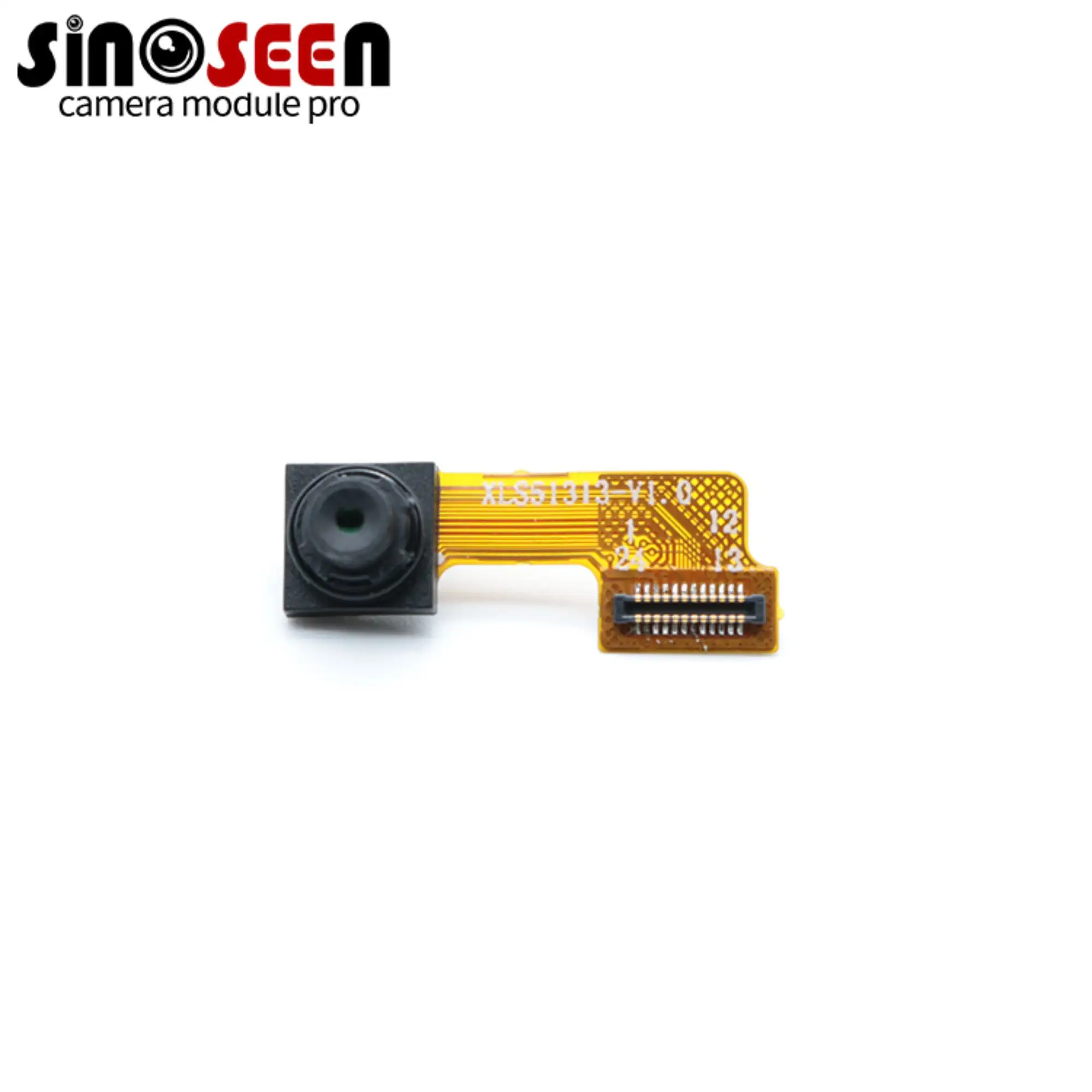
Sourcing an ESP32 camera module directly from a factory requires a systematic approach that balances technical specifications, manufacturing capabilities, quality assurance, and commercial terms. For engineers and procurement professionals working on IoT projects, embedded vision systems, or industrial monitoring applications, understanding the factory sourcing process ensures you obtain camera modules that meet your exact requirements while maintaining cost efficiency and supply chain reliability. The ESP32 camera module combines the powerful ESP32 microcontroller with integrated imaging capabilities, making it ideal for applications ranging from smart home security to industrial inspection systems.
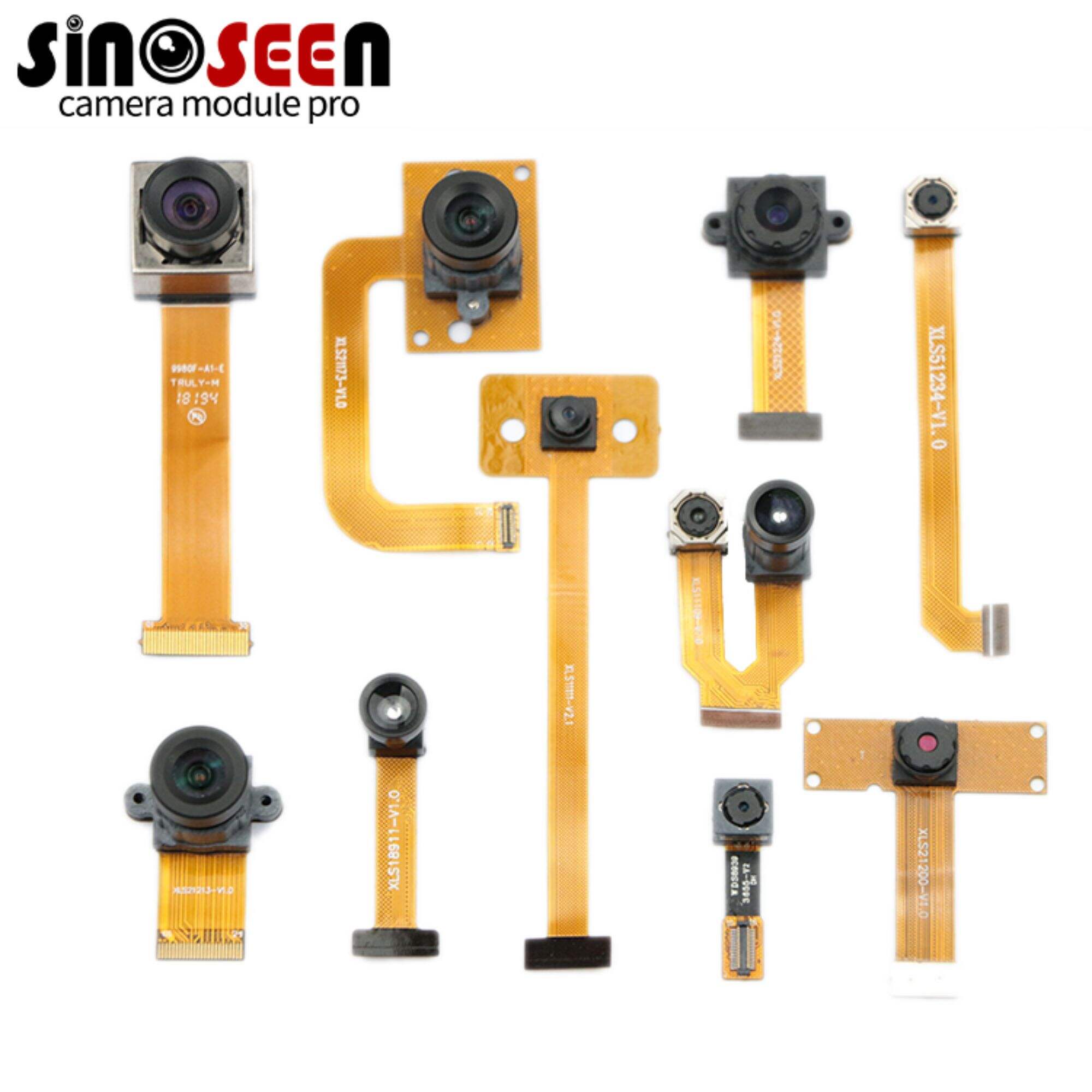
When you source directly from a factory rather than through distributors, you gain access to customization options, competitive pricing for volume orders, and direct communication with engineering teams who can adapt designs to your specific application needs. However, successful factory sourcing demands thorough preparation, clear specification documentation, and a structured evaluation process to identify manufacturers who can consistently deliver quality products that align with your technical and business requirements. This comprehensive guide walks you through each critical stage of the sourcing process, from initial research and supplier identification to technical validation, negotiation, and ongoing quality management.
Defining Your ESP32 Camera Module Requirements
Establishing Technical Specifications
Before initiating contact with factories, you must precisely define the technical specifications for your ESP32 camera module project. Start by documenting the required image sensor resolution, as this fundamentally determines the module's capability for your application. Common resolutions for ESP32 camera module implementations range from VGA (640x480) to 2MP (1600x1200), with higher resolutions demanding more processing power and memory resources. Consider whether your application requires still image capture, video streaming, or both, as this affects the sensor type and interface configuration you'll need.
The interface protocol represents another critical specification element. Most ESP32 camera module designs utilize DVP (Digital Video Port) or MIPI CSI interfaces to connect the image sensor to the ESP32 processor. DVP interfaces offer simpler implementation but consume more GPIO pins, while MIPI CSI provides higher bandwidth with fewer physical connections. Your choice should align with your overall system architecture, available GPIO resources, and data throughput requirements. Additionally, specify the lens characteristics including focal length, field of view, and whether fixed focus or auto-focus mechanisms are necessary for your application scenario.
Determining Environmental and Physical Requirements
The operating environment significantly influences which ESP32 camera module configuration suits your project. Document the temperature range your device will encounter, as industrial applications may require extended temperature ratings from -40°C to +85°C, while consumer applications typically operate within 0°C to +70°C. Humidity resistance, vibration tolerance, and ingress protection ratings become critical for outdoor deployments or harsh industrial environments. Factories can implement conformal coating, ruggedized enclosures, or specialized component selection to meet environmental challenges, but these requirements must be clearly communicated during the sourcing phase.
Physical constraints often dictate design feasibility for embedded applications. Measure the available space in your end product and specify maximum dimensions for the ESP32 camera module, including height restrictions that account for lens protrusion. Board outline, mounting hole positions, and connector placement all require precise definition to ensure mechanical compatibility with your system. Some factories offer flexible board designs or custom form factors that can adapt to unusual space constraints, making dimensional specifications a key part of your initial requirements document.
Clarifying Performance and Feature Expectations
Beyond basic imaging capability, define the performance metrics that matter for your application. Frame rate requirements directly impact the image sensor selection and ESP32 configuration, with typical ESP32 camera module implementations supporting 5-25 frames per second depending on resolution and processing overhead. Low-light performance becomes crucial for security or outdoor monitoring applications, requiring sensors with larger pixel sizes or back-illuminated technology. Specify whether your application needs advanced features like motion detection, facial recognition, or edge-based image processing, as these capabilities influence both the ESP32 firmware complexity and potential hardware acceleration requirements.
Power consumption specifications prove essential for battery-operated or energy-constrained deployments. An ESP32 camera module can consume anywhere from 100mA to 500mA during active imaging, with significant variation based on resolution, frame rate, and wireless transmission activity. Define your power budget, acceptable battery life, and whether sleep modes or duty cycling are viable for your application. Factories can optimize power performance through component selection, circuit design, and firmware configuration, but they need clear targets to guide these optimization efforts during the development process.
Identifying and Evaluating Potential Factory Partners
Conducting Market Research and Factory Discovery
Begin your search for ESP32 camera module factories by leveraging multiple discovery channels. Online B2B platforms provide access to numerous manufacturers, allowing you to filter by production capabilities, certifications, and customer reviews. Industry trade shows and electronics exhibitions offer opportunities to meet factory representatives face-to-face, examine sample products, and assess manufacturing sophistication through direct observation. Professional networks and industry associations can provide referrals to reputable manufacturers with proven track records in camera module production.
When evaluating potential factory partners, prioritize manufacturers with demonstrated experience in ESP32 camera module production or closely related products. Review their product portfolios to assess technical capability and design sophistication. Factories specializing in camera modules typically possess specialized equipment for sensor alignment, lens calibration, and optical testing that generic electronics manufacturers may lack. Request information about their engineering team's expertise, particularly their familiarity with ESP32 development, image sensor integration, and embedded firmware optimization.
Assessing Manufacturing Capabilities and Infrastructure
A factory's manufacturing infrastructure directly impacts their ability to consistently produce quality ESP32 camera module units at scale. Inquire about their production equipment, particularly SMT (Surface Mount Technology) line specifications, automated optical inspection systems, and specialized camera module assembly stations. Modern factories employ automated pick-and-place machines with vision systems to ensure precise component placement, which proves critical for the fine-pitch components typical in ESP32 camera module designs. Ask about their production capacity, lead times for different order quantities, and flexibility to accommodate both prototype and mass production requirements.
Quality management systems provide insight into a factory's operational maturity and commitment to consistent output. ISO 9001 certification indicates established quality processes, while ISO 13485 suggests experience with stringent quality requirements similar to medical device standards. For the ESP32 camera module, inquire about their optical testing capabilities, including equipment for measuring resolution, distortion, and color accuracy. Automated functional testing systems that can program and validate ESP32 firmware functionality demonstrate manufacturing sophistication beyond basic assembly capabilities.
Evaluating Business Stability and Support Capabilities
Beyond technical capabilities, assess the factory's business stability and support infrastructure. Request financial information, years in operation, and major customer references to gauge their commercial reliability. Factories serving established brands or operating successful long-term customer relationships demonstrate stability and service quality. Verify their export experience if you're sourcing internationally, as factories familiar with cross-border logistics, customs procedures, and international quality standards can streamline your supply chain operations.
Technical support capabilities become increasingly important for ESP32 camera module projects that require customization or ongoing development. Evaluate whether the factory maintains an engineering team capable of design modifications, firmware development, or troubleshooting support. Ask about their responsiveness to technical inquiries, availability of English-speaking technical staff, and willingness to collaborate on design optimization. Factories offering comprehensive support throughout the product lifecycle provide value beyond manufacturing, potentially accelerating your development timeline and improving final product quality.
Managing the Technical Validation and Sampling Process
Requesting and Reviewing Technical Documentation
Before committing to sample production, thoroughly review the factory's technical documentation for their ESP32 camera module offerings. Request complete datasheets that specify electrical characteristics, mechanical dimensions, interface pinouts, and optical performance parameters. Schematic diagrams help your engineering team understand the circuit architecture and identify any potential compatibility issues with your system. Bill of materials documents reveal component selection quality, as reputable component brands generally indicate higher reliability compared to generic alternatives.
If the factory offers customization services, request detailed information about their design modification process, including engineering fees, timeline expectations, and intellectual property arrangements. Some factories maintain standard ESP32 camera module platforms that allow parameter adjustments like sensor selection or interface configuration without full custom development. Understanding the boundaries between standard offerings and custom design helps you optimize cost and development time while achieving necessary functionality for your application.
Conducting Initial Sample Evaluation
Sample units provide the first tangible evaluation opportunity for factory-produced ESP32 camera module hardware. When ordering samples, request multiple units to assess consistency across different production runs if possible. Conduct comprehensive functional testing that exercises all critical features, including image capture at various resolutions, frame rate performance, low-light capability, and interface communication reliability. Compare measured performance against factory specifications and your application requirements, documenting any discrepancies for discussion with the manufacturer.
Physical inspection reveals manufacturing quality details that specifications cannot convey. Examine solder joint quality using magnification, checking for cold joints, insufficient solder, or bridging that indicates process control issues. Inspect component alignment and board cleanliness, as excess flux residue or contamination can cause long-term reliability problems. For the ESP32 camera module specifically, check lens mounting security, sensor protection, and connector robustness, as these mechanical elements often experience stress during integration and field deployment.
Performing Application-Specific Integration Testing
Beyond standalone evaluation, integrate the sample ESP32 camera module into your actual application environment or a representative test fixture. This integration testing reveals compatibility issues, performance limitations, or unexpected behaviors that emerge only within your specific system context. Test under realistic operating conditions including temperature extremes, power supply variations, and electromagnetic interference levels your product will encounter. Document startup behavior, thermal performance during extended operation, and recovery from power interruptions or error conditions.
Software integration testing validates the ESP32 camera module's compatibility with your firmware architecture and development tools. Verify that camera initialization sequences work reliably, image data transfers occur without corruption, and frame timing meets your application requirements. Test edge cases like rapid start-stop cycles, resolution switching, or simultaneous wireless communication that might expose timing conflicts or resource contention issues. Thorough integration testing during the sampling phase prevents costly design iterations after committing to volume production.
Negotiating Terms and Establishing Production Agreements
Structuring Pricing and Payment Terms
Pricing negotiation for ESP32 camera module manufacturing should consider multiple cost components beyond unit price. Request detailed quotations that separate material costs, manufacturing costs, testing costs, and any engineering or tooling fees for customization work. Understanding this cost breakdown helps you identify optimization opportunities and evaluate whether pricing aligns with market norms. Volume-based pricing tiers typically offer significant per-unit cost reductions, with break points often occurring at 100, 500, 1000, and 5000 units, though specific thresholds vary by factory.
Payment terms balance your cash flow needs against the factory's financial risk tolerance. Standard terms often involve a deposit of 30-50% upon order confirmation with the balance due before shipment, though established relationships may enable more favorable arrangements. For large orders or custom development projects, consider milestone-based payment structures that tie disbursements to completion of specific development stages, sample approval, or production milestones. Ensure payment terms clearly specify currency, accepted payment methods, and any banking fees responsibility.
Defining Quality Standards and Acceptance Criteria
Establish clear quality standards and acceptance criteria within your production agreement to prevent disputes about defect rates or performance shortfalls. Specify the acceptable quality level for your ESP32 camera module production, typically expressed as defects per million opportunities or percentage defect rates for critical, major, and minor defects. Define specific test procedures and acceptance criteria for key parameters like image quality, electrical functionality, and mechanical integrity. Document whether you'll conduct incoming inspection sampling or require factory-provided test reports for each production batch.
For critical applications, consider implementing a First Article Inspection process where initial production units undergo comprehensive dimensional, functional, and reliability testing before full production proceeds. This validation checkpoint catches systematic issues early before they affect large quantities. Clearly document what constitutes acceptable performance for your ESP32 camera module, including numerical specifications for resolution, frame rate, power consumption, and any application-specific requirements. Written acceptance criteria eliminate ambiguity and provide objective standards for both parties to reference throughout the production relationship.
Addressing Intellectual Property and Confidentiality
Intellectual property protection becomes especially important when sourcing custom ESP32 camera module designs or sharing proprietary application details with factories. Implement a comprehensive Non-Disclosure Agreement before sharing detailed specifications, application information, or proprietary technology. The NDA should clearly define confidential information, specify permitted uses, establish protection duration, and outline remedies for breaches. If your project involves custom firmware, algorithms, or unique hardware designs, clarify ownership rights and usage restrictions within your manufacturing agreement.
Consider including non-compete or exclusivity clauses if your ESP32 camera module design represents significant competitive advantage. These provisions might prevent the factory from producing identical or substantially similar products for competitors during a specified period. However, recognize that strong exclusivity terms may increase costs as factories price in the opportunity cost of restricted business. Balance protection needs against commercial practicality, potentially limiting exclusivity to specific market segments or application areas rather than absolute prohibition on similar products.
Implementing Ongoing Quality Management and Supply Chain Optimization
Establishing Regular Quality Monitoring Systems
Consistent quality for ESP32 camera module production requires ongoing monitoring rather than one-time validation. Implement a receiving inspection process that samples each incoming batch, testing critical parameters and documenting results in a quality database. Statistical process control techniques help identify trends before they result in failures, such as gradual shifts in image sensor performance or increasing rates of specific defect types. Schedule periodic factory audits to observe production processes, verify test procedures remain consistent, and assess whether quality systems maintain effectiveness as production volumes scale.
Establish clear communication channels for quality issues that emerge during production or field deployment. Develop a corrective action process that documents problems, identifies root causes, implements solutions, and verifies effectiveness. For ESP32 camera module quality issues, rapid communication proves essential as imaging problems might stem from sensor calibration, lens alignment, firmware configurations, or component sourcing changes. Maintain detailed traceability records linking finished modules to production dates, material lots, and test results to enable rapid investigation when field failures occur.
Optimizing Inventory and Logistics Management
Effective inventory management balances the cost of holding stock against the risk of production delays or stockouts. Work with your factory to establish appropriate lead times for ESP32 camera module orders based on their material procurement cycles and production scheduling constraints. Standard components might allow relatively short lead times of 3-4 weeks, while custom configurations or specialized sensors could require 8-12 weeks. Implement rolling forecasts that provide the factory visibility into your expected demand 3-6 months ahead, enabling them to secure materials and allocate production capacity efficiently.
Shipping and logistics coordination impacts both cost and delivery reliability. Evaluate whether air freight, ocean freight, or courier services optimize your total landed cost considering order size, urgency, and duty implications. For the ESP32 camera module, proper packaging proves critical to prevent damage during shipping, as lens elements and image sensors can suffer alignment shifts or contamination from inadequate protection. Verify that the factory uses appropriate anti-static packaging, cushioning materials, and moisture barriers for camera module shipments, particularly for ocean freight with extended transit times.
Building Long-Term Partnership Value
Transforming a transactional factory relationship into a strategic partnership creates mutual value beyond individual purchase orders. Share your product roadmap and volume projections to help the factory plan capacity investments and material contracts that benefit both parties. As your ESP32 camera module production stabilizes, explore opportunities for continuous improvement projects that reduce costs, enhance quality, or enable new capabilities. Factories often possess process knowledge and component sourcing expertise that can optimize designs if you create collaborative relationships rather than purely adversarial negotiation dynamics.
Consider consolidating your camera module requirements with a single factory once you've validated their capabilities, as volume concentration provides leverage for better pricing and priority treatment during capacity constraints. However, maintain awareness of supply chain risk, potentially qualifying a secondary source for critical ESP32 camera module components if your application cannot tolerate supply interruptions. The optimal sourcing strategy balances efficiency gains from consolidation against resilience needs from diversification, with the right balance depending on your production volumes, application criticality, and market dynamics.
FAQ
What minimum order quantity should I expect when sourcing ESP32 camera modules from a factory?
Minimum order quantities for ESP32 camera module factory sourcing typically range from 100 to 1000 units depending on whether you're ordering standard configurations or requesting customization. Standard modules with existing tooling and established material sourcing often have lower MOQs around 100-300 units, while custom designs may require 500-1000 units to justify engineering investment and tooling costs. Some factories offer prototype services with MOQs as low as 10-50 units for initial validation, though per-unit costs at these volumes significantly exceed production pricing. When negotiating MOQs, consider discussing volume commitments across multiple orders rather than single purchase quantities, as factories may reduce initial MOQ requirements if you can demonstrate ongoing demand that will justify their setup investments.
How long does the complete sourcing process take from initial contact to receiving production units?
The timeline for sourcing an ESP32 camera module from a factory varies considerably based on customization requirements and your internal decision processes. For standard modules with minimal modification, expect 6-10 weeks from initial contact through sample evaluation to first production shipment. This includes approximately 1-2 weeks for technical discussions and quotation, 2-3 weeks for sample production and shipping, 1-2 weeks for your evaluation and feedback, and 3-4 weeks for production order completion. Custom ESP32 camera module designs require substantially longer timelines of 12-20 weeks or more, as they involve engineering development phases, prototype iterations, tooling fabrication, and pilot production runs before full-scale manufacturing begins. Build realistic timelines into your project planning, including buffer periods for unexpected technical issues or communication delays that commonly occur during international factory sourcing.
What certifications should I verify the factory holds for ESP32 camera module production?
Essential certifications for ESP32 camera module factories include ISO 9001 quality management system certification, which validates structured processes for consistent production quality. If your application involves consumer products sold in regulated markets, verify the factory can support necessary product certifications like FCC for North America, CE for Europe, or RoHS compliance for hazardous substance restrictions. Factories serving industrial or commercial applications should demonstrate familiarity with relevant industry standards even if formal certification isn't required. For safety-critical applications, ISO 13485 medical device quality system certification or automotive standards like IATF 16949 indicate process maturity and quality culture appropriate for demanding requirements. Request copies of certificates directly and verify validity through issuing organizations when possible, as certification claims sometimes prove inaccurate or outdated during closer examination.
Can factories provide firmware development support for ESP32 camera module customization?
Many ESP32 camera module factories offer firmware development services ranging from basic configuration modifications to comprehensive custom software development. Capabilities vary significantly between manufacturers, with some maintaining experienced embedded software teams capable of implementing computer vision algorithms, wireless communication protocols, or application-specific processing, while others focus purely on hardware production and offer limited software support. When evaluating firmware support, request examples of previous custom development projects, inquire about their development tools and testing infrastructure, and assess their team's expertise with ESP-IDF framework and camera-specific libraries. Clarify intellectual property ownership for custom firmware, typical development timelines, and ongoing support availability for bug fixes or feature enhancements after initial development completes. For complex firmware requirements, consider whether hiring independent software developers might provide better expertise while maintaining the factory relationship focused on hardware production excellence.
Table of Contents
- Defining Your ESP32 Camera Module Requirements
- Identifying and Evaluating Potential Factory Partners
- Managing the Technical Validation and Sampling Process
- Negotiating Terms and Establishing Production Agreements
- Implementing Ongoing Quality Management and Supply Chain Optimization
-
FAQ
- What minimum order quantity should I expect when sourcing ESP32 camera modules from a factory?
- How long does the complete sourcing process take from initial contact to receiving production units?
- What certifications should I verify the factory holds for ESP32 camera module production?
- Can factories provide firmware development support for ESP32 camera module customization?