
 EN
 AR
 DA
 NL
 FI
 FR
 DE
 EL
 HI
 IT
 JA
 KO
 NO
 PL
 PT
 RO
 RU
 ES
 SV
 TL
 IW
 ID
 SR
 VI
 HU
 TH
 TR
 FA
 MS
 IS
 AZ
 UR
 BN
 HA
 LO
 MR
 MN
 PA
 MY
 SD
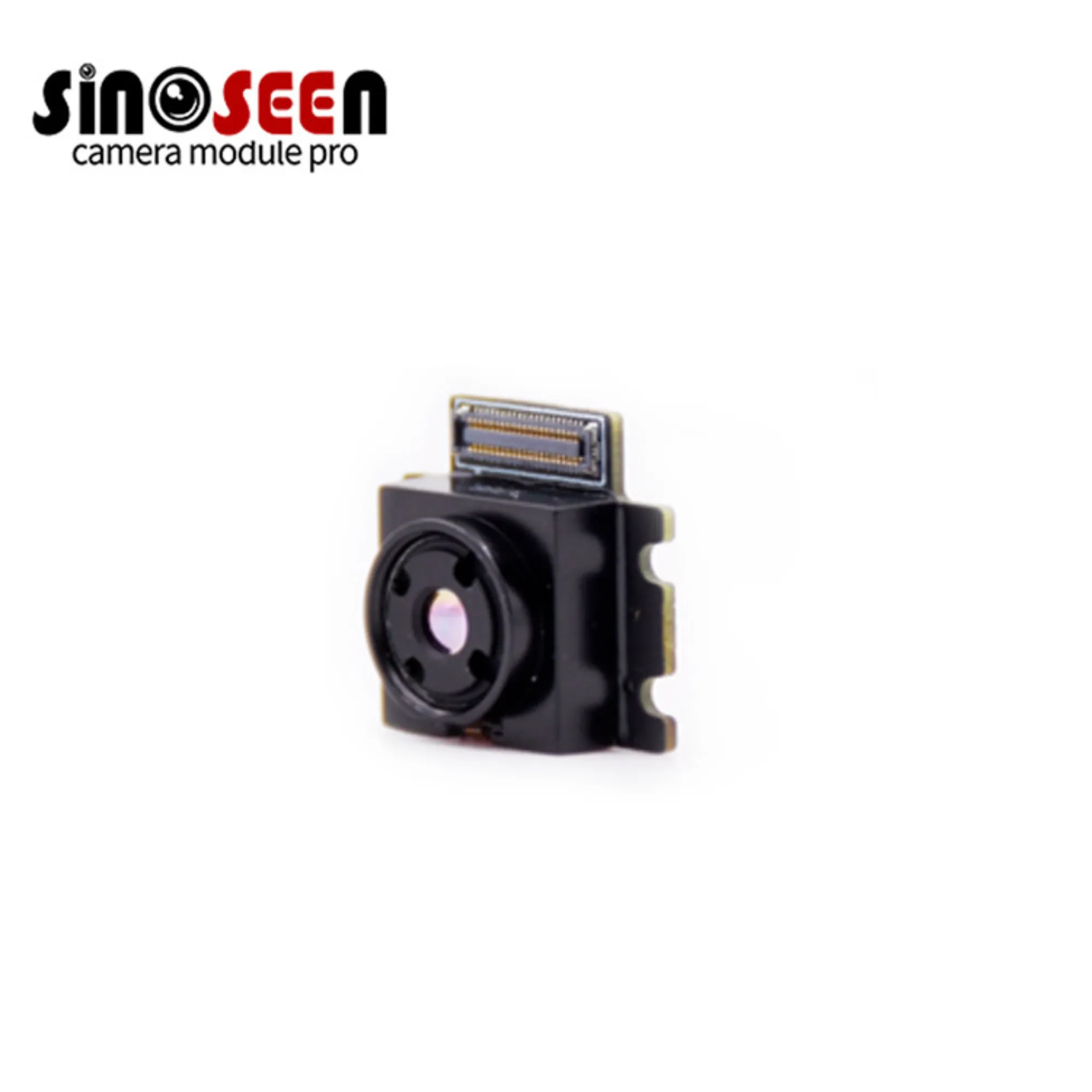
The demand for ultra-compact imaging solutions has grown exponentially across consumer electronics, industrial automation, medical devices, and IoT applications. A micro camera module represents the ideal solution for manufacturers facing strict space constraints while maintaining high image quality and reliability. Unlike traditional cameras that consume substantial board real estate, a micro camera module integrates imaging sensors, lenses, and control electronics into a footprint measured in mere millimeters, making it indispensable for next-generation product design.
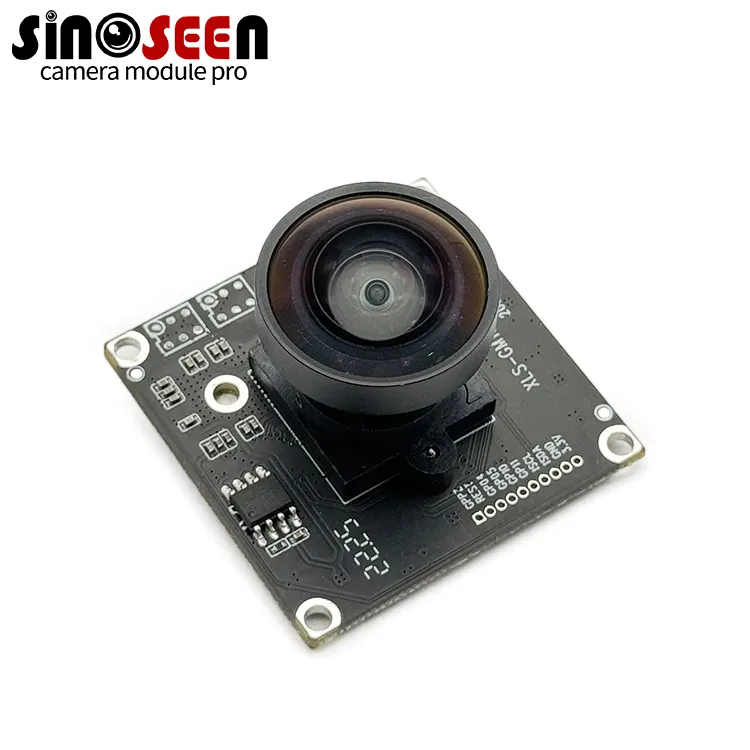
When selecting a micro camera module supplier, design engineers must evaluate technical specifications, power efficiency, integration support, and long-term supply reliability. The right micro camera module supplier offers not only compact form factors but also proven manufacturing quality, responsive technical support, and flexible customization options that align with demanding project timelines and performance requirements.
Understanding Micro Camera Module Design and Specifications
Core Components and Architecture
A micro camera module combines an image sensor, lens assembly, infrared filters, and interface control circuits into a unified package. The image sensor serves as the foundation, capturing light and converting it into electrical signals. A quality micro camera module uses either CMOS or CCD sensor technology, with CMOS sensors dominating modern designs due to lower power consumption and easier integration. The lens assembly in a micro camera module is precisely engineered to achieve optimal focus and minimize optical distortion within a compact envelope, typically ranging from 10mm to 40mm in any single dimension.
Interface standards matter significantly when evaluating a micro camera module. Most contemporary designs support MIPI CSI-2, parallel, or USB interfaces, enabling seamless integration with host processors. Resolution options for a micro camera module range from VGA (640×480) for basic monitoring applications to 12MP or higher for detail-intensive tasks. Power consumption specifications are equally critical; a well-optimized micro camera module operates at 50mA to 500mA depending on sensor size, resolution, and processing features.
Manufacturing Precision and Quality Standards
Production quality directly impacts the reliability of every micro camera module in the field. Precision manufacturing tolerances for lens alignment, sensor mounting, and electrical connections are typically held within ±0.1mm, ensuring consistent optical performance across production batches. A reputable micro camera module supplier implements rigorous quality control protocols including automated vision testing, thermal cycling validation, and environmental stress screening to identify defects before shipment. ISO 9001 certification and IPC-A-610 workmanship standards are hallmark indicators of a trustworthy micro camera module supplier.
Applications Demanding Compact Imaging Solutions
Consumer Electronics and Wearables
Smartphones, tablets, and wearable devices routinely integrate multiple micro camera modules to enable front-facing video calls, rear photography, and specialty sensors for depth mapping or iris recognition. The ultra-thin profiles demanded by modern smartphones necessitate a micro camera module measuring less than 5mm in thickness. Smartwatches and fitness trackers benefit from micro camera module integration for video conferencing and health monitoring. Drone manufacturers depend on high-performance micro camera module designs to deliver stable video feeds and real-time obstacle detection from airborne platforms.
Industrial Automation and Inspection
Manufacturing facilities employ micro camera modules for inline quality inspection, machine vision sorting, and automated defect detection on production lines. These industrial-grade micro camera module variants withstand vibration, temperature extremes, and occasional impacts while maintaining precise calibration. Robotic arms equipped with compact micro camera modules perform delicate assembly tasks and visual guidance operations in confined assembly cells. Endoscopy systems and borescope inspection tools benefit from micro camera module technology, enabling technicians to visualize internal components and pipework in spaces too small for human access.
Medical and Healthcare Applications
Surgical microscopes integrate micro camera modules to capture and record procedures for educational and documentation purposes. Portable diagnostic devices such as dermatoscopes, otoscopes, and ophthalmology instruments rely on ultra-compact micro camera module designs for clinical examination and image capture. Telemedicine platforms increasingly embed micro camera modules in patient monitoring devices and remote diagnostic equipment, supporting distributed healthcare delivery models.
Selecting the Right Micro Camera Module Supplier
Technical Support and Customization Capabilities
A competent micro camera module supplier provides comprehensive technical documentation, reference schematics, firmware support, and driver libraries that accelerate integration timelines. Customization services—such as alternative lens options, specialized infrared filters, or modified connector configurations—distinguish responsive suppliers from commodity competitors. The best micro camera module supplier maintains engineering staff capable of addressing integration challenges, optimizing power consumption for battery-powered devices, and troubleshooting performance issues during product validation phases.
Lead times and minimum order quantities impact project feasibility, particularly for startups and low-volume applications. Progressive micro camera module suppliers offer flexible quantity options, sample programs, and expedited delivery channels to support innovation cycles. Transparent communication regarding production capacity, supply chain resilience, and long-term component availability helps design teams avoid costly program delays.
Supply Chain Reliability and Business Continuity
Partnering with a stable micro camera module supplier protects product designs from obsolescence and supply disruptions. Established suppliers maintain strategic component inventories, cultivate relationships with sensor and lens manufacturers, and implement business continuity plans addressing geopolitical, environmental, and logistical risks. Requesting supply agreements, extended production roadmaps, and end-of-life notifications from your micro camera module supplier ensures predictable component availability throughout product lifecycles spanning multiple years.
Reputation and references within industry communities provide valuable insight into supplier reliability. Design engineers should request case studies, customer references, and failure rate data from potential micro camera module suppliers to validate quality claims and operational maturity.
FAQ
What resolution range does a typical micro camera module offer?
Modern micro camera modules span resolution capabilities from 0.3MP for basic monitoring applications to 50MP or higher for specialized imaging tasks. Most commercial designs range between 2MP and 12MP, balancing image detail, processing bandwidth, and power consumption. A micro camera module supplier typically offers multiple resolution options within their product portfolio, enabling customers to select the optimal specification for specific use cases without requiring complete redesign.
How does power consumption vary across micro camera module designs?
Power consumption for a micro camera module depends on sensor technology, resolution, frame rate, and processing features. A simple VGA-resolution micro camera module may draw only 50mA in standby mode, while a high-resolution 12MP variant operating at continuous streaming might consume 300–500mA. Dynamic power management features in advanced micro camera modules enable frame rate reduction, selective region processing, and sleep modes to reduce energy draw in battery-powered applications. Your micro camera module supplier can provide detailed power profiles and optimization recommendations specific to your application requirements.
What interface options should I consider when choosing a micro camera module?
Interface selection for a micro camera module depends on host processor capabilities and integration complexity. MIPI CSI-2 interfaces dominate modern mobile and embedded designs, supporting high-speed data transmission with minimal pin count. Parallel interfaces remain common in legacy systems and industrial equipment. USB interfaces simplify integration for general-purpose computing platforms. Your micro camera module supplier should provide detailed interface documentation, timing specifications, and software drivers to ensure reliable host processor integration regardless of chosen protocol.