
 EN
 AR
 DA
 NL
 FI
 FR
 DE
 EL
 HI
 IT
 JA
 KO
 NO
 PL
 PT
 RO
 RU
 ES
 SV
 TL
 IW
 ID
 SR
 VI
 HU
 TH
 TR
 FA
 MS
 IS
 AZ
 UR
 BN
 HA
 LO
 MR
 MN
 PA
 MY
 SD
The micro camera module has become an essential component in modern OEM devices, enabling manufacturers to integrate advanced imaging capabilities without significant size or cost penalties. As consumer electronics and industrial applications demand increasingly compact visual sensing solutions, the choice of a reliable micro camera module manufacturer directly impacts product performance, time-to-market, and overall system reliability. Understanding the landscape of micro camera module suppliers and their technical capabilities is critical for any OEM organization planning device integration.
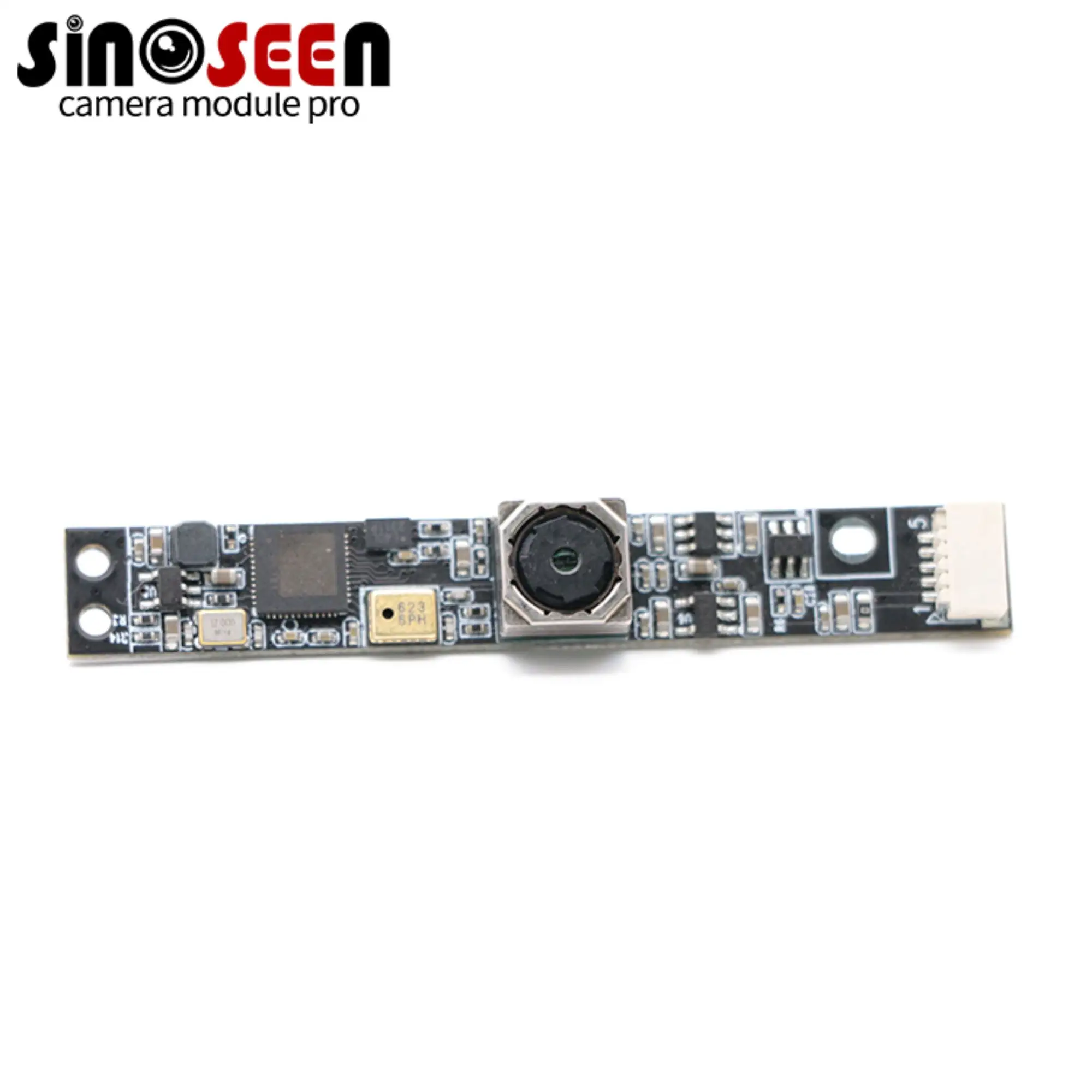
Selecting the right micro camera module manufacturer requires careful evaluation of technical specifications, customization capabilities, supply chain stability, and post-integration support. The micro camera module market has matured significantly, with specialized manufacturers offering tailored solutions for specific OEM requirements ranging from smartphone cameras to industrial inspection systems and automotive applications. This guide explores how OEM device manufacturers can identify, evaluate, and partner with qualified micro camera module suppliers to achieve optimal imaging performance and cost efficiency.
Understanding Micro Camera Module Specifications
Core Technical Parameters of Micro Camera Modules
A micro camera module represents a complete imaging subsystem integrating lens optics, image sensor, signal processing circuitry, and mechanical housing into a compact form factor. The primary technical specifications that differentiate micro camera module offerings include sensor resolution, measured in megapixels, which directly impacts image clarity and detail capture capability. Focal length and field of view determine the spatial coverage of the imaging system, with different OEM applications requiring distinct optical configurations. The micro camera module's frame rate capability, measured in frames per second, affects video recording quality and motion tracking performance.
Interface Standards and Integration Requirements
Modern micro camera module designs follow standardized interface protocols to simplify OEM integration. The MIPI CSI-2 interface has become the industry standard for mobile and embedded applications, allowing manufacturers to adopt the micro camera module without major system redesign. Power consumption characteristics of the micro camera module directly influence battery life in portable OEM devices, making this specification critical for smartphones, wearables, and portable medical equipment. Image stabilization technology, whether optical or electronic, represents an increasingly important micro camera module feature that enhances visual output quality in challenging conditions. OEM engineers must verify that the micro camera module's mechanical dimensions, mounting options, and thermal characteristics align with specific device architecture requirements.
Evaluating Micro Camera Module Manufacturers
Manufacturing Capabilities and Customization Options
Leading micro camera module manufacturers provide flexible customization services allowing OEM partners to tailor optical and electronic specifications to exact application requirements. The capability to modify sensor resolution, field of view, interface protocols, and physical dimensions within the micro camera module design distinguishes responsive manufacturers from commodity suppliers. Advanced manufacturers offer the micro camera module in multiple sensor size variations, enabling OEM devices ranging from ultra-compact portable devices to professional imaging systems. Quality assurance protocols adopted by micro camera module manufacturers should include comprehensive optical testing, sensor validation, and thermal stress screening to ensure long-term reliability. OEM manufacturers should verify that their micro camera module supplier maintains ISO 9001 certification and implements Six Sigma manufacturing processes to achieve consistent quality standards.
Supply Chain Reliability and Production Scalability
Dependable micro camera module manufacturers demonstrate strong supply chain management and the capacity to scale production volumes as OEM demand grows. The micro camera module industry requires secure sourcing of optical glass, specialized image sensors, and precision mechanical components, making supplier relationship management essential. Established micro camera module manufacturers maintain strategic inventory levels and backup sourcing agreements to protect OEM partners against component shortages. Lead times for the micro camera module production and delivery vary based on customization complexity, ranging from standard off-the-shelf offerings with 2-4 week delivery to fully custom designs requiring 8-12 weeks. OEM organizations should evaluate the micro camera module manufacturer's geographic distribution of manufacturing and warehousing facilities to minimize logistics costs and ensure rapid product availability across target markets.
Integration Strategies for OEM Device Manufacturers
Technical Integration and System Optimization
Successful OEM integration of the micro camera module begins with detailed technical specification matching during the design phase. Engineers must ensure the micro camera module's electrical interface, mechanical form factor, and optical characteristics align perfectly with device architecture requirements. The micro camera module integration process requires careful firmware development to manage image acquisition, processing, and output formatting according to application-specific requirements. Thermal management becomes critical when the micro camera module operates continuously in compact device enclosures, requiring thoughtful mechanical design and potentially active cooling solutions. Signal integrity considerations for the micro camera module's high-speed digital interface demand careful PCB layout, impedance control, and EMI shielding to prevent image degradation or system interference.
Testing, Validation, and Production Support
Professional micro camera module manufacturers provide comprehensive technical support throughout the OEM integration lifecycle, including design consultations, prototype validation, and production optimization. The micro camera module validation process should include extensive environmental testing encompassing temperature extremes, humidity exposure, mechanical vibration, and electrostatic discharge scenarios. OEM device manufacturers benefit from accessing detailed integration documentation, reference designs, and software libraries provided by reputable micro camera module suppliers. Volume production ramp-up requires close collaboration between OEM engineering teams and the micro camera module manufacturer to optimize component procurement, assembly workflows, and quality control procedures. Post-launch support from the micro camera module manufacturer includes ongoing technical assistance, firmware updates, and component availability guarantees critical for maintaining OEM device reliability throughout product lifecycles spanning multiple years.
FAQ
What factors distinguish a quality micro camera module manufacturer from competitors?
Quality micro camera module manufacturers demonstrate technical expertise spanning optical design, sensor technology, and embedded systems integration, supported by advanced manufacturing facilities and rigorous quality assurance protocols. Distinguishing characteristics include responsive customization capabilities, transparent technical documentation, proven supply chain reliability, and comprehensive post-sale technical support. Leading micro camera module manufacturers invest continuously in research and development to incorporate emerging technologies like advanced autofocus systems, improved low-light performance, and enhanced image stabilization features. Certifications such as ISO 9001, ISO 14001, and relevant industry compliance standards provide verifiable evidence of the micro camera module manufacturer's commitment to quality and environmental responsibility.
How should OEM manufacturers approach initial micro camera module selection and prototyping?
OEM organizations should begin by clearly defining their application requirements, including resolution needs, field of view specifications, physical space constraints, power budgets, and interface requirements before approaching micro camera module manufacturers. Requesting evaluation samples or prototype units allows engineering teams to validate optical performance, assess integration feasibility, and verify compatibility with existing device architectures before committing to production volumes. Detailed communication with the micro camera module manufacturer regarding performance expectations, environmental operating conditions, and long-term support requirements ensures alignment and reduces integration risks. Technical collaboration during the prototype phase, including joint testing and iterative refinement, accelerates the path to production-ready micro camera module designs.
What ongoing support should OEM partners expect from their micro camera module manufacturer?
Responsible micro camera module manufacturers maintain active technical support throughout the production lifecycle, providing rapid response to integration questions, offering firmware updates addressing performance optimizations, and delivering consistent component quality meeting agreed specifications. OEM partners should expect clear communication regarding component availability, advance notice of any design changes or end-of-life declarations for the micro camera module, and flexibility in managing volume adjustments during product demand fluctuations. Premium micro camera module manufacturers offer extended warranty periods, expedited replacement protocols for defective units, and continuous improvement suggestions based on field performance data. Establishing clear service level agreements with the micro camera module manufacturer ensures both parties maintain aligned expectations regarding response times, quality metrics, and escalation procedures for addressing production or technical issues.