
 EN
EN
 AR
AR
 DA
DA
 NL
NL
 FI
FI
 FR
FR
 DE
DE
 EL
EL
 HI
HI
 IT
IT
 JA
JA
 KO
KO
 NO
NO
 PL
PL
 PT
PT
 RO
RO
 RU
RU
 ES
ES
 SV
SV
 TL
TL
 IW
IW
 ID
ID
 SR
SR
 VI
VI
 HU
HU
 TH
TH
 TR
TR
 FA
FA
 MS
MS
 IS
IS
 AZ
AZ
 UR
UR
 BN
BN
 HA
HA
 LO
LO
 MR
MR
 MN
MN
 PA
PA
 MY
MY
 SD
SD
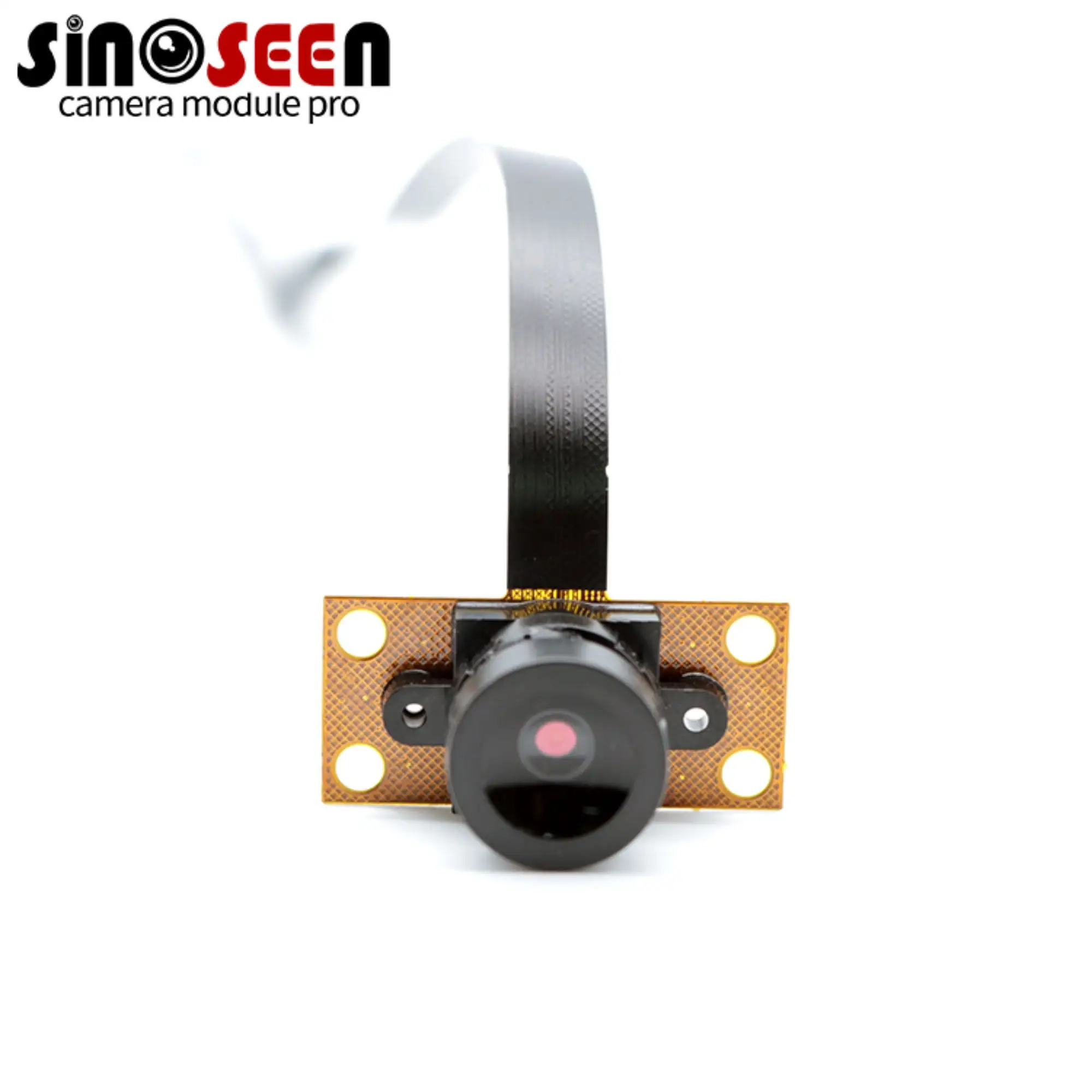
Selecting the right ip camera module supplier is critical for organizations building or upgrading network surveillance systems. An ip camera module serves as the foundational component that captures, processes, and transmits video data across your surveillance infrastructure. The quality of your ip camera module directly influences system reliability, image clarity, and operational longevity. Businesses must understand what defines a trustworthy ip camera module supplier and how to evaluate module specifications against surveillance requirements.
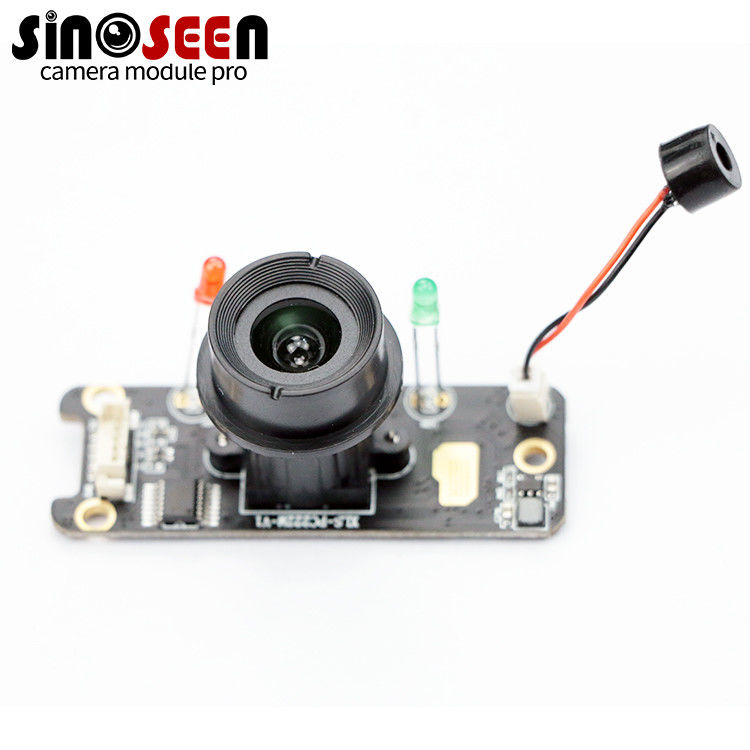
An ip camera module supplier must provide components that integrate seamlessly into modern network environments while maintaining consistent performance under demanding conditions. Whether you operate retail facilities, transportation networks, industrial sites, or secure premises, your ip camera module supplier choice affects system scalability, maintenance costs, and long-term total cost of ownership. This guide examines how to identify qualified ip camera module suppliers and the technical factors that distinguish premium modules from standard offerings.
Understanding IP Camera Module Requirements
Core Technical Specifications for Network Surveillance
An ip camera module must meet specific technical standards to function effectively within network surveillance systems. Resolution capability represents a fundamental requirement; modern ip camera module components typically support 1080p HD or higher resolutions to capture usable detail across monitored areas. Your ip camera module supplier should offer specifications that include sensor type, lens compatibility, frame rate options, and low-light performance metrics. Customers increasingly demand ip camera module solutions that include wide dynamic range (WDR) technology to handle challenging lighting conditions where areas contain both bright and dark regions simultaneously.
Network bandwidth considerations directly influence ip camera module procurement decisions. Your ip camera module supplier must provide detailed information about compression standards, bitrate efficiency, and network compatibility. An ip camera module designed for professional surveillance typically incorporates H.264 or H.265 compression to minimize bandwidth consumption while preserving image quality. Power consumption specifications matter significantly; your ip camera module supplier should clearly document power requirements to ensure your infrastructure can support module deployment without costly electrical upgrades. Temperature operating ranges, housing ratings, and connectivity options further distinguish quality ip camera module suppliers from basic providers.
Integration and Deployment Considerations
When evaluating an ip camera module supplier, assess compatibility with existing network infrastructure and video management systems. Your ip camera module supplier should provide modules that support standard protocols including RTSP, ONVIF, and industry-specific APIs. An ip camera module that integrates with established platforms reduces deployment complexity and training requirements. Suppliers offering modular designs allow flexibility in selecting lenses, housing, and interface options tailored to specific deployment scenarios. Your ip camera module supplier should provide comprehensive documentation addressing configuration, network setup, and system integration procedures.
Evaluating IP Camera Module Suppliers
Quality Assurance and Manufacturing Standards
Distinguishing reliable ip camera module suppliers requires examining manufacturing processes and quality control practices. Reputable ip camera module suppliers maintain certifications reflecting compliance with industry standards such as ISO 9001 for quality management. Your ip camera module supplier should demonstrate rigorous testing procedures validating optical performance, sensor reliability, and network stability. Environmental stress testing confirms that ip camera module components withstand temperature fluctuations, humidity, vibration, and thermal cycling without performance degradation. An ip camera module supplier committed to quality typically provides detailed test reports and reliability metrics rather than generic specifications.
Warranty terms and support infrastructure reveal an ip camera module supplier's confidence in their products. Established ip camera module suppliers offer extended warranty periods covering defects and manufacturing failures. Technical support responsiveness distinguishes premium ip camera module suppliers; quality suppliers maintain accessible support channels addressing integration questions, troubleshooting guidance, and performance optimization. Your ip camera module supplier should provide documentation, firmware updates, and application notes supporting successful deployment. Long-term component availability ensures that replacement modules remain obtainable, preventing system obsolescence and supporting mixed-generation deployments.
Customization and Scalability Capabilities
Organizations implementing surveillance across multiple locations require ip camera module suppliers offering customization options. Advanced ip camera module suppliers provide configurable sensor options, variable resolution settings, and adjustable lens parameters accommodating diverse operational requirements. Your ip camera module supplier should support volume scaling without significant price increases, enabling cost-effective expansion of surveillance infrastructure. Flexibility in power delivery options, interface configurations, and housing designs indicates a sophisticated ip camera module supplier capable of addressing non-standard requirements. Suppliers offering development kits and technical documentation facilitate faster integration for customers with specialized needs.
Industry Applications and Deployment Scenarios
Specialized Use Cases for Network Surveillance Modules
Retail environments require ip camera module suppliers providing compact, discreet components suitable for ceiling mounting and point-of-sale monitoring. Your ip camera module supplier must deliver consistent color accuracy for merchandise recognition and incident documentation. Transportation facilities demand ip camera module solutions incorporating robust design elements withstanding vibration and environmental exposure common in vehicle and infrastructure monitoring. An ip camera module supplier specializing in transportation applications provides enhanced low-light capabilities for 24-hour operation and wide dynamic range handling reflective surfaces. Industrial facilities increasingly leverage ip camera module technology for process monitoring, equipment safety, and facility protection.
Critical infrastructure installations require ip camera module suppliers offering military-grade reliability and redundancy options. Your ip camera module supplier should provide shock-resistant designs, environmental sealing, and temperature-extremes specifications for outdoor and harsh-condition deployment. Specialized ip camera module suppliers address surveillance needs in banking, government facilities, and high-security installations through enhanced authentication protocols and tamper-detection features. Data privacy considerations increasingly influence ip camera module procurement; forward-thinking suppliers provide edge processing capabilities minimizing data transmission and supporting local processing requirements.
Emerging Technologies in IP Camera Modules
Contemporary ip camera module suppliers increasingly incorporate artificial intelligence capabilities directly into hardware components. Smart ip camera module designs enable on-device analytics for object detection, motion classification, and anomalous behavior identification. Your ip camera module supplier should support edge computing frameworks reducing dependency on centralized processing infrastructure. Multi-spectral ip camera module technology expanding beyond visible light into infrared and thermal imaging represents the next generation of surveillance capabilities. Progressive ip camera module suppliers invest in research supporting integration of depth-sensing, 3D reconstruction, and advanced image stabilization.
FAQ
What distinguishes a professional-grade ip camera module supplier from basic manufacturers?
Professional ip camera module suppliers invest in rigorous quality assurance, provide comprehensive technical documentation, offer extended warranties, and maintain responsive support infrastructure. Your ip camera module supplier should provide detailed specifications, test reports, and application guidance. Quality ip camera module suppliers maintain long-term component availability and support mixed-generation deployments. Premium suppliers offer customization options, volume scalability, and integration support rather than generic off-the-shelf products.
How do I select an ip camera module supplier for specific operational requirements?
Begin by documenting surveillance requirements including coverage area, lighting conditions, resolution needs, and integration constraints. Your ip camera module supplier should provide modules matching these specifications. Evaluate the ip camera module supplier's ability to customize sensor options, lens compatibility, and interface configurations. Request sample modules for testing within your actual deployment environment. A responsive ip camera module supplier will provide technical guidance addressing your specific use case and environmental challenges.
What role does an ip camera module supplier play in long-term system maintenance?
Your ip camera module supplier represents a critical partner in maintaining surveillance system reliability and performance. Established ip camera module suppliers provide firmware updates, technical documentation, and replacement components supporting multi-year system operation. Quality ip camera module suppliers maintain availability of legacy components enabling repair of older installations without complete system replacement. Responsive support from your ip camera module supplier reduces downtime, accelerates troubleshooting, and optimizes image quality across the surveillance lifecycle.