
 EN
EN
 AR
AR
 DA
DA
 NL
NL
 FI
FI
 FR
FR
 DE
DE
 EL
EL
 HI
HI
 IT
IT
 JA
JA
 KO
KO
 NO
NO
 PL
PL
 PT
PT
 RO
RO
 RU
RU
 ES
ES
 SV
SV
 TL
TL
 IW
IW
 ID
ID
 SR
SR
 VI
VI
 HU
HU
 TH
TH
 TR
TR
 FA
FA
 MS
MS
 IS
IS
 AZ
AZ
 UR
UR
 BN
BN
 HA
HA
 LO
LO
 MR
MR
 MN
MN
 PA
PA
 MY
MY
 SD
SD
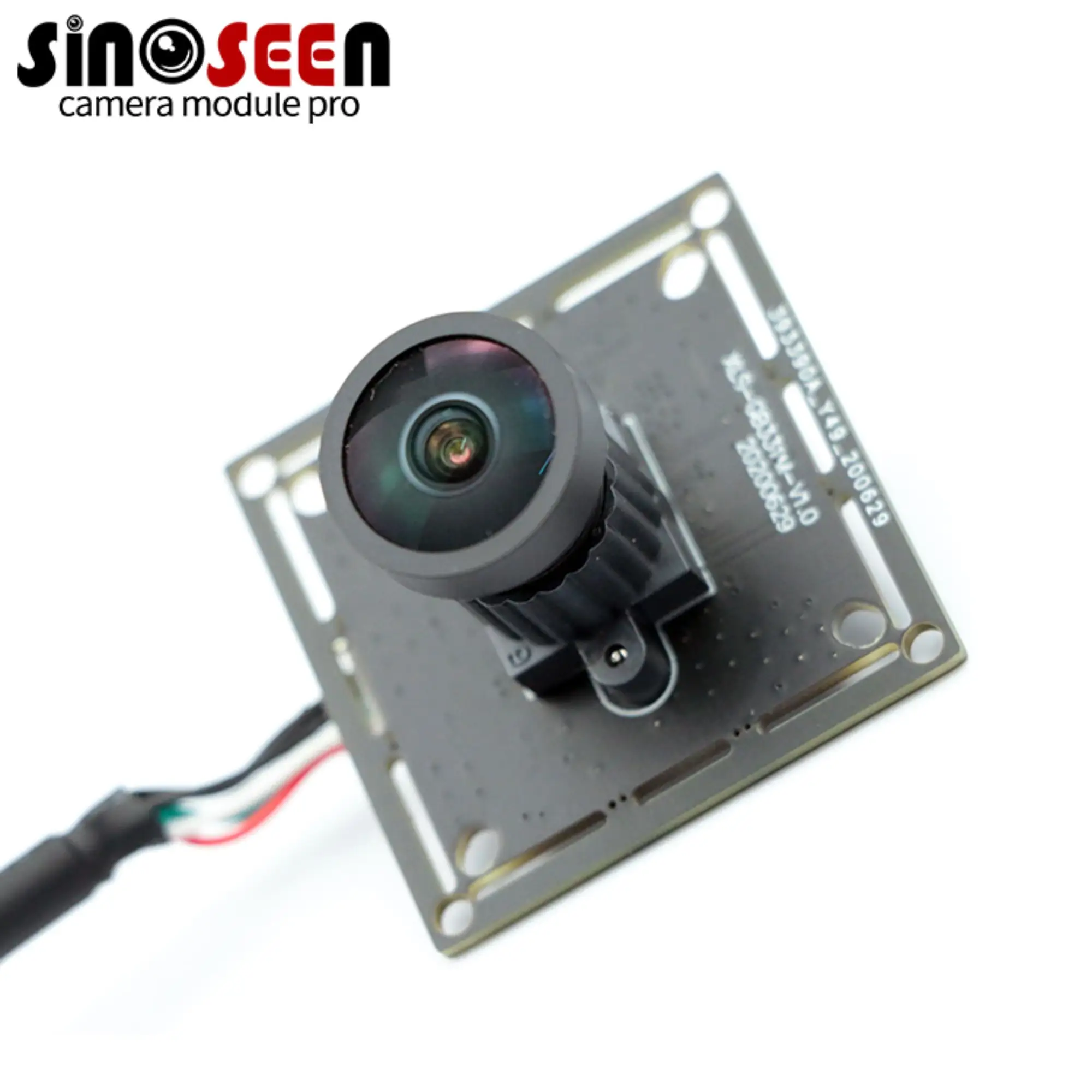
Sourcing the right ai camera module factory partner is a critical decision that directly impacts your product quality, time-to-market, and manufacturing costs. Whether you're developing autonomous vehicles, surveillance systems, industrial automation equipment, or smart robotics, the choice of ai camera module manufacturer can make or break your project timeline and technical performance. The manufacturing landscape for ai camera module solutions has become increasingly complex, with numerous suppliers offering varying levels of expertise, quality assurance, and customization capabilities.
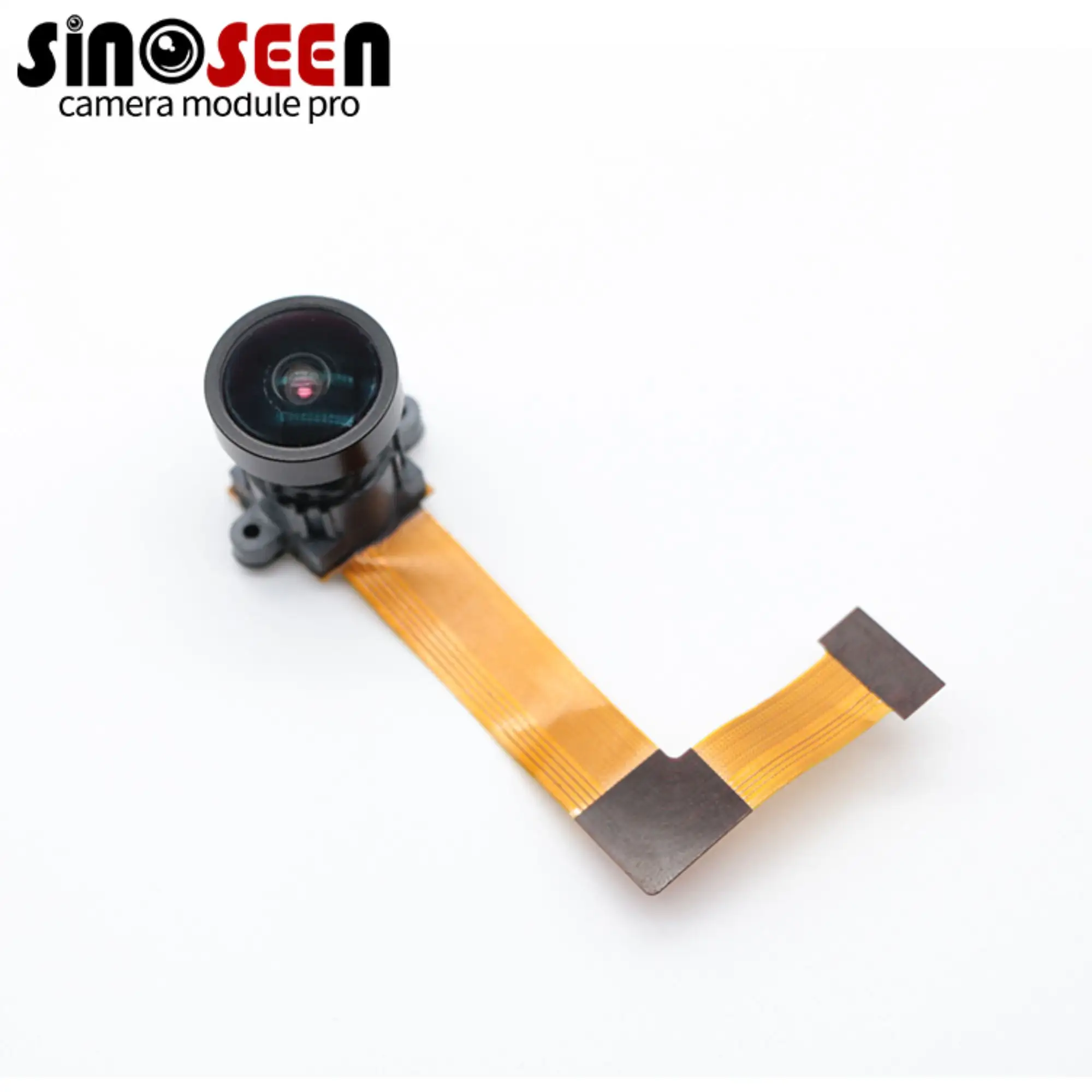
Finding a reliable ai camera module factory partner requires a systematic approach that balances technical requirements, production capacity, quality standards, and long-term business fit. This guide walks you through the essential evaluation criteria, due diligence processes, and negotiation strategies to help you identify a manufacturing partner that aligns with your business objectives and product specifications for ai camera module development.
Understanding Your AI Camera Module Requirements
Define Technical Specifications and Performance Metrics
Before approaching potential partners, you must clearly document your ai camera module specifications, including sensor type, resolution, frame rate, interface standards, processing power requirements, and environmental tolerances. Establish the exact performance metrics your application demands, whether that involves real-time object detection, low-light performance, thermal imaging, or specialized AI processing capabilities. Your technical requirements document becomes the foundation for evaluating whether each ai camera module factory can actually deliver what you need rather than simply promising general capabilities.
Assess Production Volume and Timeline Expectations
Communicate your production volume projections, including pilot quantities, initial production runs, and expected scaling timelines. Different ai camera module manufacturers have varying optimal batch sizes and lead time commitments. A factory optimized for mass production of millions of units annually may not be ideal for specialized, lower-volume applications, while a smaller ai camera module producer might lack the infrastructure for rapid scaling when your market demands grow.
Evaluating Factory Capabilities and Quality Standards
Verify Technical Expertise and Engineering Support
A competent ai camera module factory should demonstrate deep expertise in sensor integration, edge AI processing, and embedded vision system optimization. Request evidence of their R&D capabilities, including past projects involving similar technology integrations, published technical documentation, and engineering team credentials. Ask specific technical questions about their approach to power optimization, thermal management, and edge processing integration within ai camera module architectures to gauge their genuine expertise versus superficial product offerings.
Assess Quality Management and Certification Standards
Examine the ai camera module factory's quality management system, including ISO certifications, industry-specific compliance credentials, and documented testing protocols. Request detailed information about their incoming material inspection processes, in-process quality checkpoints, and final product validation procedures for ai camera module manufacturing. A reputable factory should maintain comprehensive traceability systems, perform statistical process control, and offer transparent defect rate reporting and continuous improvement documentation.
Evaluate Manufacturing Flexibility and Customization Capacity
The ideal ai camera module factory partner should offer customization options for your specific application requirements without sacrificing production efficiency. This includes flexibility in interface configurations, processing specifications, form factor adaptations, and integration support. Verify that their ai camera module production processes can accommodate design modifications, alternative component sourcing when necessary, and responsive engineering support during the development phase.
Conducting Due Diligence and Financial Assessment
Review Financial Stability and Production Capacity
Investigate the ai camera module factory's financial health through credit references, payment history, and industry reputation. Verify their production capacity can handle your volume requirements without quality degradation or unrealistic lead times. Request information about their supply chain resilience, component sourcing strategies, and contingency planning for material shortages that could impact ai camera module delivery schedules.
Examine Intellectual Property and Confidentiality Practices
Ensure the ai camera module factory maintains strict confidentiality agreements and has robust intellectual property protection procedures. Request details about their data security practices, facility access controls, and employee confidentiality requirements. Your proprietary algorithms, integration methods, and customized ai camera module specifications deserve protection from unauthorized disclosure or competitive sharing.
Conduct Reference Checks and Site Visits
Request customer references from companies with similar ai camera module requirements and conduct detailed conversations about their manufacturing experience, quality outcomes, and responsiveness to technical challenges. A site visit to the ai camera module factory provides invaluable insights into their operational discipline, equipment quality, workforce capabilities, and organizational culture. Observe their testing laboratories, assembly areas, and quality control operations firsthand.
Negotiating Terms and Building Long-Term Partnerships
Structure Pricing and Volume Commitments
Develop a pricing model for your ai camera module that reflects realistic volume projections while providing tiered pricing incentives for scale. Establish clear volume commitments with corresponding price points, but maintain flexibility for market fluctuations. Include provisions for cost reduction as production volumes increase and manufacturing processes mature for your ai camera module specifications.
Define Service Level Agreements and Support Commitments
Establish comprehensive service level agreements covering ai camera module lead times, quality standards, defect response procedures, and technical support availability. Specify response times for engineering questions, defect investigation, and design modification requests. Include provisions for ongoing collaboration on process improvements and future ai camera module enhancements as your product evolves.
Create a Scalable Transition Plan
Collaborate with the ai camera module factory to develop a realistic production ramp strategy that protects quality while increasing output. Include specific milestones, communication protocols, and escalation procedures for managing issues during volume transitions. A well-structured plan demonstrates mutual commitment to success and reduces surprises when ai camera module production scales.
FAQ
What qualifications should an AI camera module factory partner have?
A qualified ai camera module factory should possess relevant industry certifications like ISO 9001 and ISO 13485, demonstrated expertise in sensor integration and edge AI processing, proven experience manufacturing similar products, comprehensive quality management systems, and transparent communication about capabilities and limitations. They should provide technical documentation, reference customers, and evidence of continuous improvement initiatives within their ai camera module manufacturing operations.
How can I verify the quality standards of an AI camera module manufacturer?
Request detailed quality documentation including their testing procedures, defect rate metrics, traceability systems, and corrective action records for previous ai camera module batches. Ask about their incoming inspection processes, in-process quality checkpoints, and final validation testing. Schedule a facility visit to observe their operations firsthand and request references from existing customers who can validate the actual quality performance of the ai camera module products delivered.
What contractual protections should I include when sourcing an AI camera module?
Include clearly defined quality standards and defect acceptance criteria specific to your ai camera module application, detailed specifications preventing ambiguity, intellectual property and confidentiality agreements, service level agreements with specific response times and remedies, pricing structures with volume tiers, and dispute resolution procedures. Establish provisions for regular communication, design modification processes, and exit clauses if the ai camera module factory fails to meet commitments.