
 EN
EN
 AR
AR
 DA
DA
 NL
NL
 FI
FI
 FR
FR
 DE
DE
 EL
EL
 HI
HI
 IT
IT
 JA
JA
 KO
KO
 NO
NO
 PL
PL
 PT
PT
 RO
RO
 RU
RU
 ES
ES
 SV
SV
 TL
TL
 IW
IW
 ID
ID
 SR
SR
 VI
VI
 HU
HU
 TH
TH
 TR
TR
 FA
FA
 MS
MS
 IS
IS
 AZ
AZ
 UR
UR
 BN
BN
 HA
HA
 LO
LO
 MR
MR
 MN
MN
 PA
PA
 MY
MY
 SD
SD
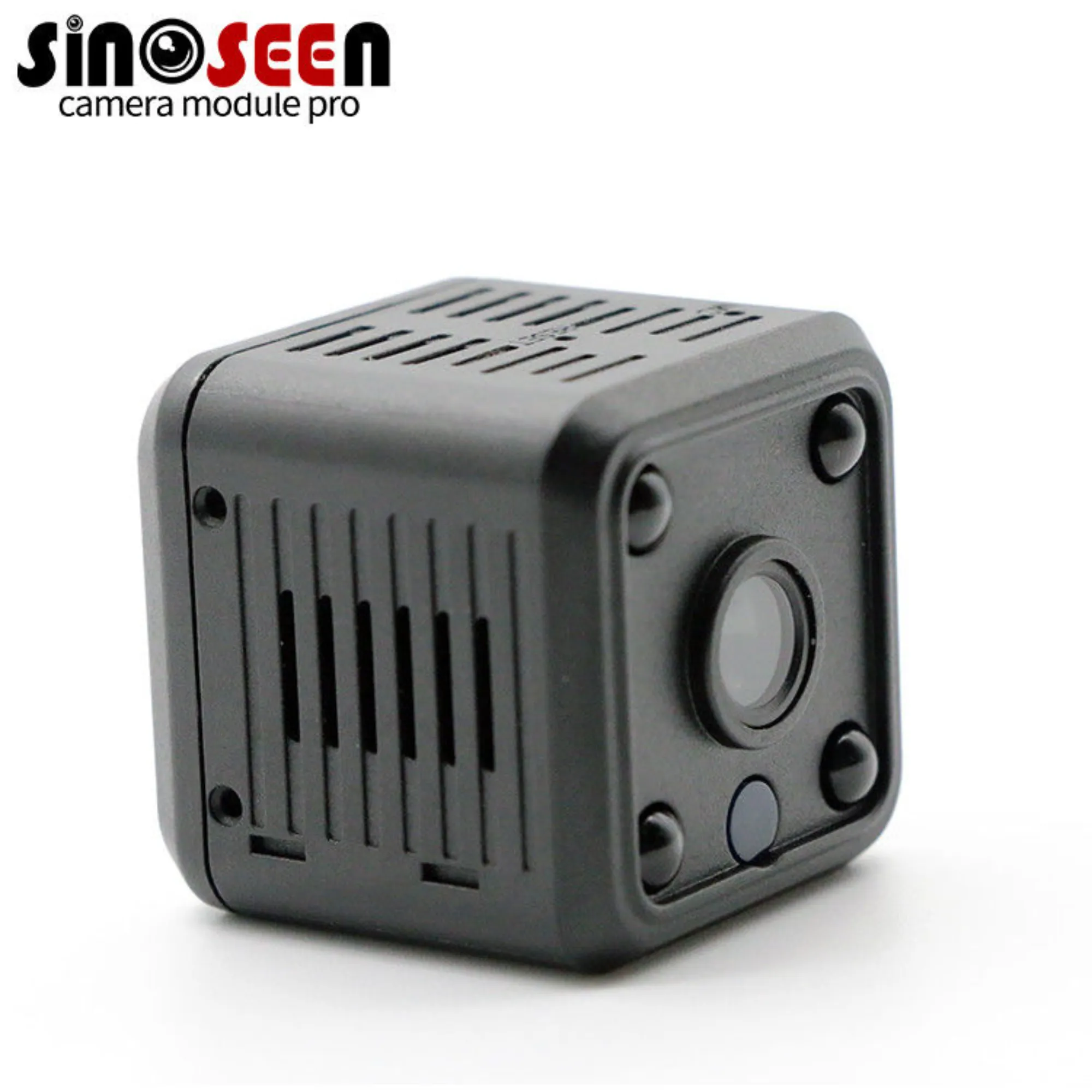
Selecting the right IP camera module manufacturer is a critical decision for organizations building custom security solutions. An IP camera module serves as the foundational imaging component in networked surveillance systems, face recognition platforms, and industrial monitoring applications. Organizations that manufacture OEM security products require an IP camera module supplier capable of delivering consistent quality, customization flexibility, and technical support throughout the product lifecycle. The choice of IP camera module manufacturer directly impacts the performance, reliability, and market competitiveness of your security solution.
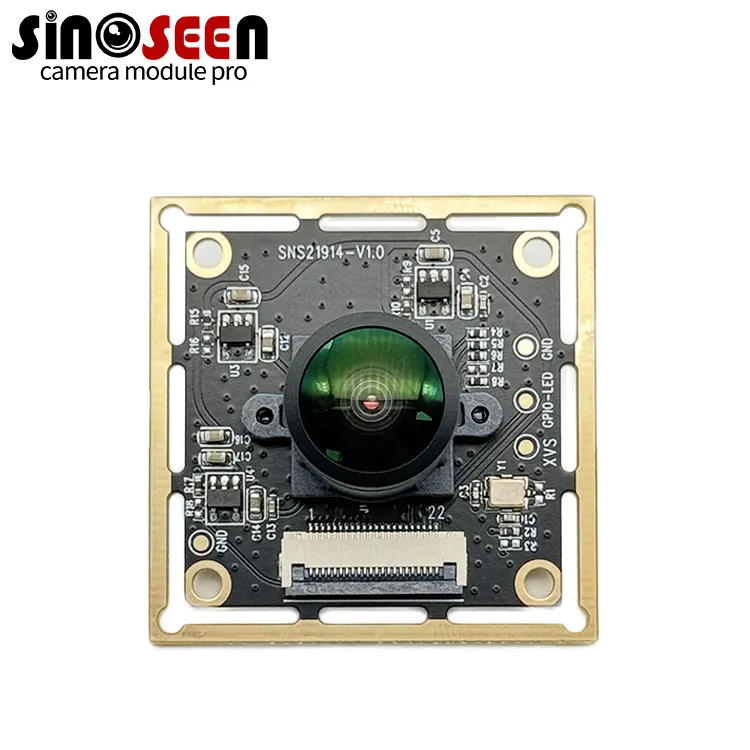
An effective IP camera module manufacturer understands the technical demands of OEM integration, including sensor compatibility, network protocol support, thermal management, and power efficiency. Whether you are developing surveillance systems for enterprise facilities, integrating face recognition technology into access control platforms, or building traffic monitoring solutions, your IP camera module supplier must deliver imaging modules that meet industry standards while accommodating your custom specifications. This guide explores how to evaluate IP camera module manufacturers and select a partner aligned with your security solution requirements.
Understanding IP Camera Module Requirements for OEM Applications
Core Specifications and Performance Criteria
An IP camera module manufacturer must provide modules with clearly defined sensor specifications, resolution capabilities, and image processing performance. Resolution is fundamental—whether your application requires 2 megapixel standard definition for access points, 5 megapixel clarity for facility monitoring, or 16 megapixel precision for facial recognition, the IP camera module must deliver consistent image quality under varying lighting conditions. Low-light performance, dynamic range, and color accuracy are equally important. OEM manufacturers depend on IP camera module suppliers who publish detailed specifications, provide sample modules for testing, and offer technical documentation supporting integration decisions.
Network Integration and Protocol Support
The IP camera module you select must integrate seamlessly with your networked security infrastructure. A reliable IP camera module manufacturer ensures their products support standard protocols including RTSP, HTTP, and industry-specific security standards. The module must handle network bandwidth constraints, support H.264 and H.265 video compression, and integrate with management platforms used in your ecosystem. When evaluating an IP camera module manufacturer, verify their technical team can troubleshoot network compatibility issues and optimize streaming performance for your specific deployment environment.
Evaluating IP Camera Module Manufacturers for OEM Partnerships
Manufacturing Capability and Quality Assurance
A credible IP camera module manufacturer demonstrates consistent production quality through documented quality assurance processes. Look for an IP camera module manufacturer with ISO certifications, environmental testing capabilities, and failure rate documentation. The manufacturer should maintain strict component sourcing standards, implement automated testing procedures, and provide defect rate reporting. When you engage with an IP camera module manufacturer, request their quality control documentation, ask about supply chain transparency, and verify their ability to maintain consistency across large production runs. This due diligence protects your OEM product reputation and minimizes field failures.
Customization and Technical Support
OEM applications frequently require customization beyond standard IP camera module offerings. The right IP camera module manufacturer should accommodate requests for specific sensor types, custom lens specifications, alternative housing designs, and proprietary firmware modifications. Technical support quality distinguishes excellent IP camera module manufacturers from basic suppliers. Your manufacturer should provide dedicated engineering resources for integration consultation, troubleshooting support during product development, and responsive communication channels. When evaluating potential partners, engage their technical team with specific application questions to assess their depth of knowledge and commitment to supporting your success.
IP Camera Module Applications and Industry-Specific Solutions
Security and Surveillance System Integration
Enterprise surveillance systems rely on ip camera module components that deliver consistent performance across diverse deployment environments. An IP camera module manufacturer serving surveillance applications must understand facility requirements, environmental conditions, and integration with video management systems. The IP camera module must support advanced features including motion detection, scene-adaptive exposure, and night vision capability. Security integrators depend on IP camera module suppliers who provide modular solutions compatible with existing surveillance infrastructure while maintaining image quality standards required for incident documentation and forensic analysis.
Facial Recognition and Biometric Systems
Facial recognition applications impose rigorous demands on IP camera module performance. An IP camera module manufacturer specializing in biometric solutions must deliver modules with precise facial features capture, controlled lighting compatibility, and high frame rate capability. The IP camera module requires exceptional image sharpness, accurate color reproduction, and minimal distortion to enable reliable facial matching. OEM developers building access control or identity verification systems need an IP camera module manufacturer experienced with neural network integration, edge processing requirements, and privacy-compliant image handling protocols.
Industrial and Infrastructure Monitoring
Industrial monitoring, traffic analysis, and infrastructure inspection applications require IP camera module solutions engineered for challenging environments. An IP camera module manufacturer supporting industrial use cases should offer wide temperature operating ranges, rugged housing options, and resistance to dust and moisture ingress. The IP camera module must perform reliably in high-vibration environments, extreme temperature zones, and outdoor conditions with direct sunlight exposure. Manufacturers targeting industrial applications should provide IP camera module variants with specialized optics for capturing detail at varying distances and environmental hardening suitable for uncontrolled deployment scenarios.
FAQ
What should I prioritize when selecting an IP camera module manufacturer?
Prioritize technical specifications alignment with your application, manufacturing quality consistency, and proven support capabilities. Verify the IP camera module manufacturer has experience in your specific market segment, maintains transparent quality documentation, and demonstrates genuine engineering support rather than transactional supply relationships. Request references from existing OEM clients and conduct technical evaluations during your selection process.
How does IP camera module resolution impact my security solution?
Resolution directly determines detail capture capability—higher megapixel IP camera module options enable facial recognition precision and evidence-quality documentation but increase data processing and storage requirements. Select IP camera module resolution based on your specific application demands, balancing detail requirements against bandwidth, processing power, and storage infrastructure constraints inherent to your deployment environment.
What customization options does a typical IP camera module manufacturer offer?
Experienced IP camera module manufacturers typically offer sensor selection, lens customization, housing modifications, firmware adjustments, and interface standardization. Some IP camera module manufacturers support proprietary software integration, specialized color profiles, and custom mechanical designs. Discuss your specific requirements during the supplier evaluation phase to understand available customization scope and associated lead time and cost implications.