
 EN
EN
 AR
AR
 DA
DA
 NL
NL
 FI
FI
 FR
FR
 DE
DE
 EL
EL
 HI
HI
 IT
IT
 JA
JA
 KO
KO
 NO
NO
 PL
PL
 PT
PT
 RO
RO
 RU
RU
 ES
ES
 SV
SV
 TL
TL
 IW
IW
 ID
ID
 SR
SR
 VI
VI
 HU
HU
 TH
TH
 TR
TR
 FA
FA
 MS
MS
 IS
IS
 AZ
AZ
 UR
UR
 BN
BN
 HA
HA
 LO
LO
 MR
MR
 MN
MN
 PA
PA
 MY
MY
 SD
SD
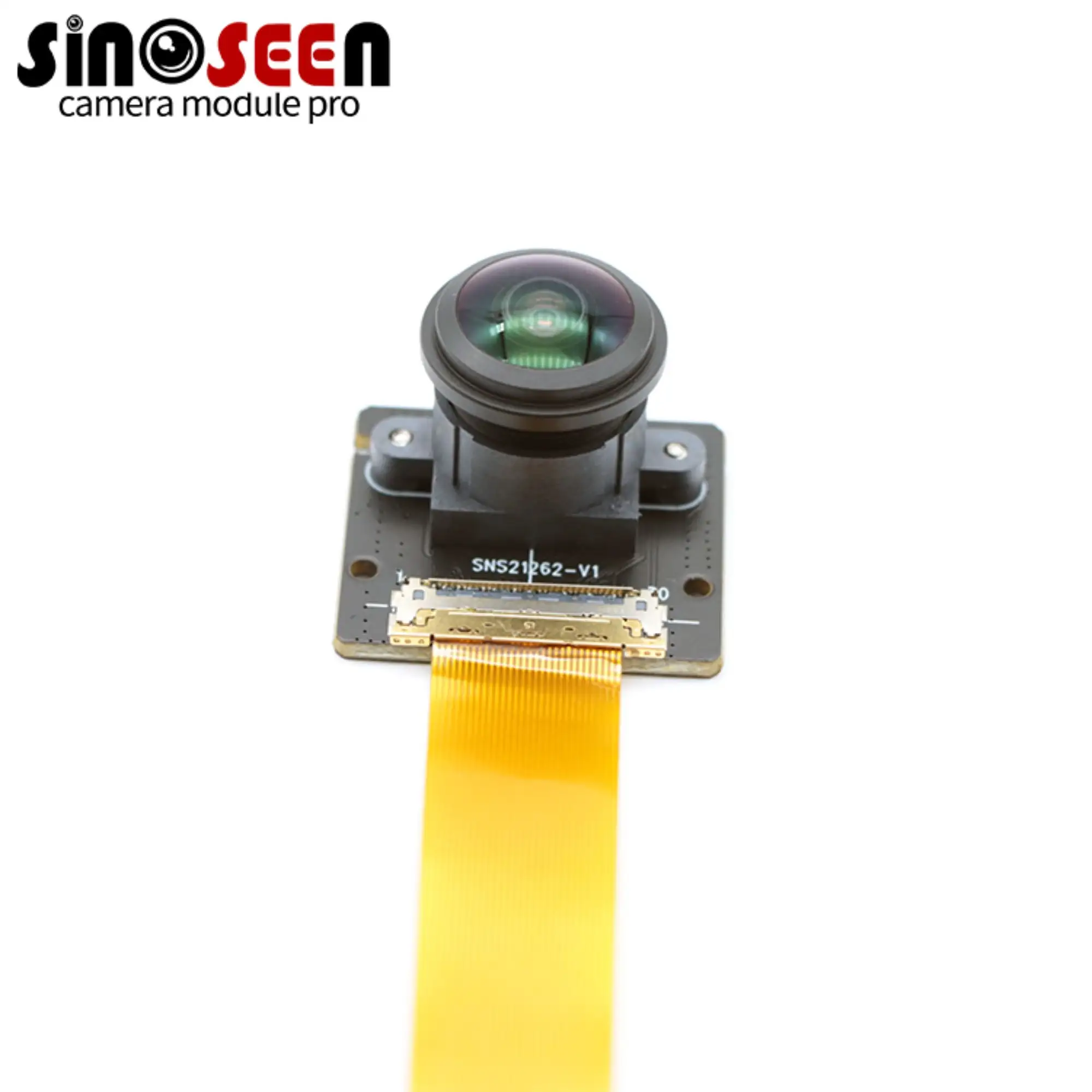
Smart hardware manufacturers face mounting pressure to integrate advanced vision capabilities without compromising cost or time-to-market. The ai camera module has emerged as a critical component for OEMs seeking to deliver intelligent edge devices that can process visual data locally, reduce latency, and minimize cloud dependency. Understanding the ai camera module landscape, sourcing strategies, and technical specifications is essential for procurement teams navigating wholesale channels and building competitive products.
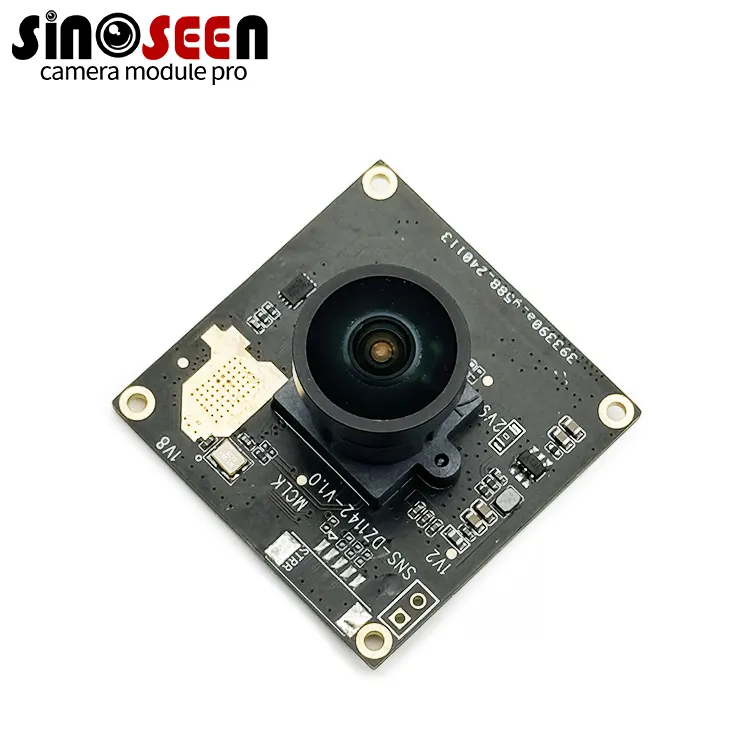
The ai camera module market has shifted fundamentally as edge artificial intelligence capabilities have become standard rather than premium differentiators. OEM buyers evaluating wholesale ai camera module options must assess sensor quality, processing power, power efficiency, integration complexity, and supply chain reliability. This guide explores the key considerations, application scenarios, and strategic approaches to sourcing the ai camera module for diverse smart hardware platforms.
Understanding AI Camera Module Architecture and Capabilities
Core Components and Processing Power
An ai camera module integrates a high-resolution image sensor, onboard AI accelerator, and firmware optimized for real-time inference at the edge. Unlike traditional camera modules, the ai camera module combines vision capture with neural network processing, enabling devices to perform object detection, facial recognition, and scene analysis without constant cloud transmission. The ai camera module typically includes ISP (Image Signal Processor) technology, edge computing hardware, and low-latency data pipelines designed for immediate decision-making.
OEMs selecting an ai camera module for wholesale deployment must evaluate sensor resolution, frame rate capacity, and the processing architecture's compatibility with popular deep learning frameworks. The ai camera module performance directly influences product capabilities such as person counting, anomaly detection, and environmental monitoring. Manufacturers benefit from ai camera module designs that support HDR imaging, wide dynamic range, and robust performance across varying lighting conditions.
Integration and Interface Standards
The ai camera module typically connects to host systems via standardized interfaces such as MIPI CSI-2, USB, or Ethernet, simplifying integration for OEM teams. A quality ai camera module includes comprehensive documentation, SDK support, and reference implementations that accelerate time-to-deployment. Wholesale ai camera module suppliers should provide clear pinout diagrams, power consumption specifications, and thermal management guidance to ensure reliable integration into diverse hardware platforms.
Procurement teams evaluating the ai camera module must confirm support for their target operating system, processor architecture, and development environment. The ai camera module's interface compatibility determines how seamlessly it can be incorporated into existing product designs without costly redesigns. Suppliers offering flexible ai camera module configurations often provide multiple sensor options, processing tiers, and customization paths to support varied OEM requirements.
Wholesale Sourcing and Supply Chain Considerations
Volume Pricing and Minimum Order Quantities
Wholesale ai camera module pricing depends significantly on production volumes, sensor specifications, and processing capabilities embedded within the module. OEMs typically negotiate tiered pricing for the ai camera module based on annual commitments and order patterns. Understanding the total cost of ownership for the ai camera module requires analyzing component costs, NRE (Non-Recurring Engineering) charges, quality assurance testing, and logistics expenses across different volume brackets.
Strategic sourcing of the ai camera module involves evaluating supplier capacity, lead times, and flexibility to accommodate demand fluctuations. Wholesale suppliers offering the ai camera module should demonstrate capability to scale production, maintain consistent quality standards, and provide technical support throughout the manufacturing lifecycle. Buyers conducting due diligence on ai camera module suppliers should verify certifications, manufacturing processes, and compliance with industry standards such as RoHS and CE marking.
Supply Chain Resilience and Lead Times
The ai camera module supply chain has faced disruption from semiconductor shortages and logistics constraints, making supplier reliability a critical evaluation factor. OEMs sourcing the ai camera module must assess supplier inventory levels, buffer stock policies, and alternative sourcing options to mitigate risk. A dependable ai camera module wholesaler provides transparent communication about component sourcing, production schedules, and potential delays affecting delivery timelines.
Establishing long-term partnerships with ai camera module suppliers helps OEMs negotiate favorable terms and secure priority access during periods of high demand. Quality wholesale agreements for the ai camera module should include provisions for price stability, quality guarantees, and dispute resolution mechanisms. OEM teams can reduce supply chain vulnerabilities by diversifying their ai camera module supplier base and maintaining strategic safety stock levels aligned with sales forecasts.
Application Scenarios and Market Demand
Smart Surveillance and Security Systems
The ai camera module powers next-generation surveillance solutions that perform real-time threat detection, person identification, and behavioral analysis directly at the edge device. Smart cities and commercial security installations increasingly deploy the ai camera module to reduce bandwidth consumption and enhance privacy by processing sensitive data locally. The ai camera module enables rapid alerts, forensic analysis, and compliance with data protection regulations by minimizing cloud transmission of raw video feeds.
Security OEMs integrating the ai camera module benefit from reduced infrastructure costs, improved response times, and enhanced system reliability independent of internet connectivity. The ai camera module's low-light performance and advanced processing capabilities support 24/7 monitoring in diverse environmental conditions. Wholesale procurement of the ai camera module for security applications requires understanding specific threat detection algorithms, integration with management platforms, and regulatory compliance requirements across target markets.
Industrial Automation and Quality Control
Manufacturing facilities deploy the ai camera module for automated visual inspection, defect detection, and quality assurance processes. The ai camera module enables real-time analysis of production lines, identifying anomalies and non-conforming products before they reach distribution. Industrial OEMs leveraging the ai camera module achieve consistent product quality, reduced waste, and improved traceability throughout the manufacturing workflow.
The ai camera module's deterministic performance and rugged design support operation in harsh industrial environments with temperature extremes and vibration. Wholesale ai camera module providers serving industrial customers must deliver devices with extended temperature ratings, sealed optics, and certified reliability metrics. Integration of the ai camera module into industrial systems requires validation against safety standards, electromagnetic compatibility requirements, and operational durability specifications.
Smart Home and Consumer IoT Devices
Smart home OEMs integrate the ai camera module into doorbell cameras, baby monitors, and environmental sensors to provide intelligent automation and user convenience. The ai camera module enables gesture recognition, voice activation, and context-aware responses that enhance user experience while maintaining privacy through edge processing. Consumer applications of the ai camera module demonstrate strong market demand as households seek intelligent security and convenience features.
Retail and entertainment industries deploy the ai camera module for customer analytics, foot traffic measurement, and dynamic content personalization. The ai camera module's compact form factor and power efficiency support battery-powered and solar-enabled devices that consumers expect from modern IoT products. Wholesale demand for the ai camera module in consumer segments continues accelerating as prices decline and capabilities mature across different resolution and processing tiers.
FAQ
What factors should OEMs prioritize when selecting an ai camera module for wholesale procurement?
OEMs should evaluate sensor quality, onboard processing power, power consumption, interface compatibility, supplier reliability, and total cost of ownership when sourcing the ai camera module. The ai camera module selection must align with target application requirements, production volumes, and time-to-market constraints. Comprehensive technical evaluation of the ai camera module specifications, reference designs, and customer support from suppliers ensures successful integration and long-term competitiveness.
How does the ai camera module reduce overall system costs compared to cloud-based vision solutions?
The ai camera module processes data locally, eliminating bandwidth costs, cloud storage fees, and latency penalties associated with continuous cloud transmission. Deploying the ai camera module reduces infrastructure investments required for data centers and transmission networks. The ai camera module enables lower operational expenses through reduced network traffic, improved privacy compliance, and faster response times that differentiate products in competitive markets.
What technical specifications should OEMs verify before committing to an ai camera module wholesale purchase?
Critical specifications include sensor resolution, frame rate, neural network acceleration capability, power requirements, operating temperature range, and interface standards supported by the ai camera module. OEMs should verify the ai camera module's compatibility with their target processors, software platforms, and development tools. Performance testing of the ai camera module across intended use cases, lighting conditions, and environmental extremes validates suitability before production commitment.
Table of Contents
- Understanding AI Camera Module Architecture and Capabilities
- Wholesale Sourcing and Supply Chain Considerations
- Application Scenarios and Market Demand
-
FAQ
- What factors should OEMs prioritize when selecting an ai camera module for wholesale procurement?
- How does the ai camera module reduce overall system costs compared to cloud-based vision solutions?
- What technical specifications should OEMs verify before committing to an ai camera module wholesale purchase?