
 EN
 AR
 DA
 NL
 FI
 FR
 DE
 EL
 HI
 IT
 JA
 KO
 NO
 PL
 PT
 RO
 RU
 ES
 SV
 TL
 IW
 ID
 SR
 VI
 HU
 TH
 TR
 FA
 MS
 IS
 AZ
 UR
 BN
 HA
 LO
 MR
 MN
 PA
 MY
 SD
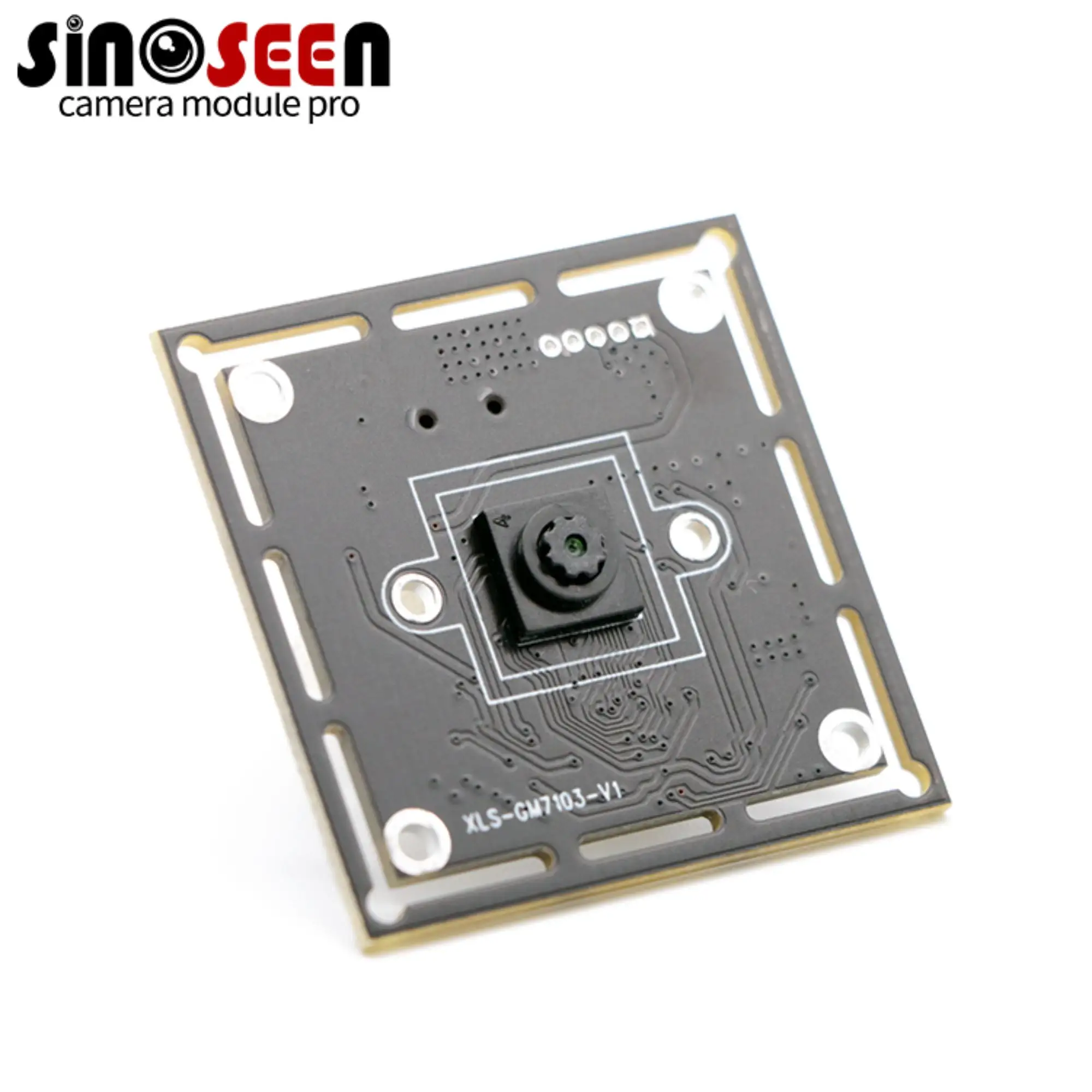
Sourcing a reliable cmos camera module factory partner is one of the most critical decisions in developing imaging products for industrial applications, consumer electronics, or automotive systems. The quality, reliability, and cost-effectiveness of your cmos camera module directly influence your product's performance, market competitiveness, and long-term profitability. Unlike off-the-shelf components, a cmos camera module represents a specialized manufacturing domain that requires deep technical expertise, proven production capabilities, and consistent quality management. Choosing the wrong cmos camera module supplier can lead to extended development timelines, costly redesigns, and damaged market reputation. This guide walks you through the essential steps to identify, evaluate, and partner with a trustworthy cmos camera module factory that aligns with your technical requirements and business goals.
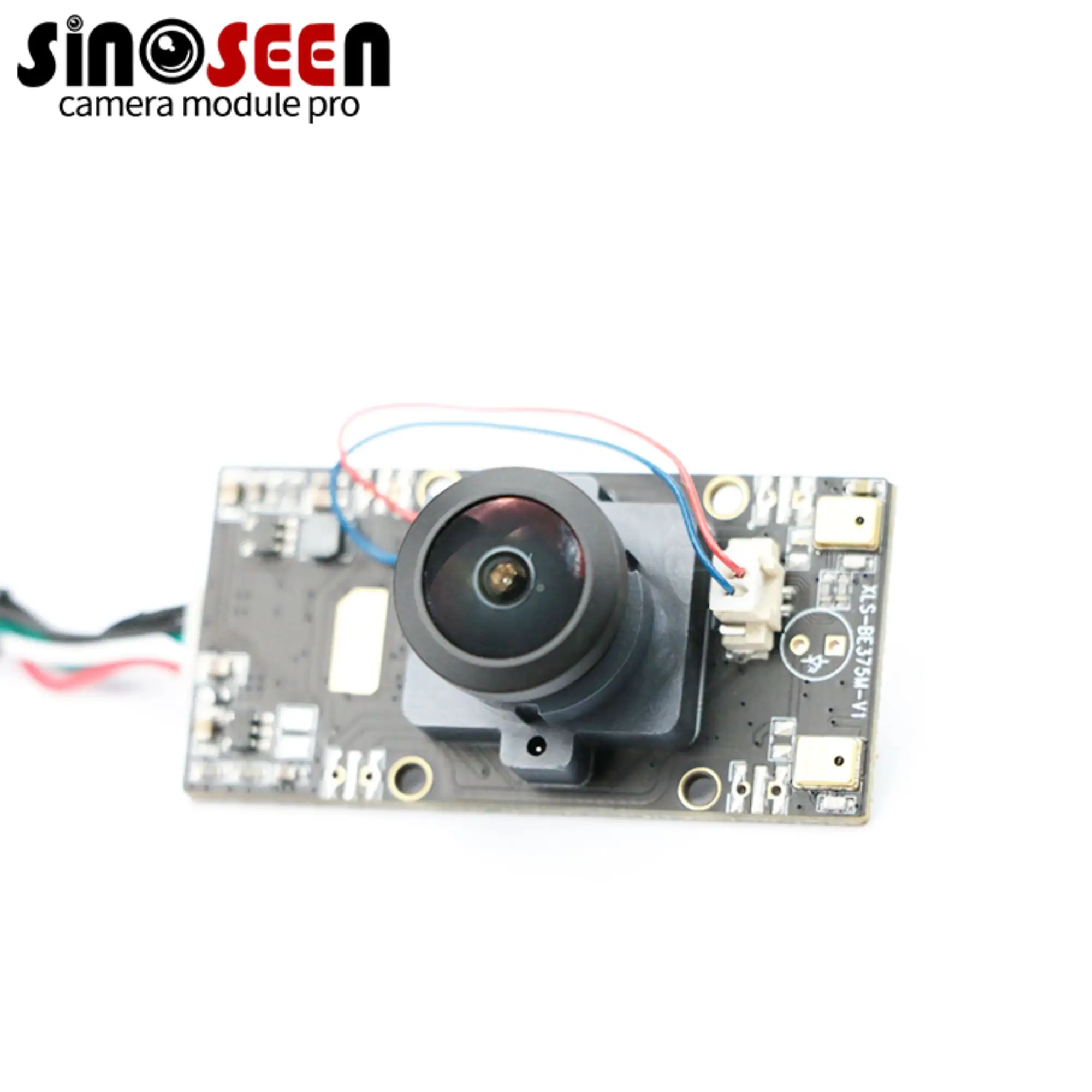
Identifying the right cmos camera module factory partner demands a structured evaluation process that goes beyond price comparison. A qualified cmos camera module manufacturer must demonstrate technical depth, scalable production capacity, rigorous quality control, and a transparent communication framework. The sourcing journey typically spans supplier research, technical assessment, sample validation, and pilot production phases. Success depends on clear specifications, mutual trust, and alignment on timelines and costs. This comprehensive approach minimizes risk and establishes a foundation for stable, long-term supply relationships.
Understanding Your CMOS Camera Module Requirements
Define Technical Specifications and Performance Criteria
Before approaching potential cmos camera module suppliers, establish a detailed technical specification document that captures every critical parameter. Resolution, sensor size, frame rate, interface protocol (MIPI CSI-2, parallel, USB), lens mount type, and operating temperature range all influence which cmos camera module factories can realistically meet your needs. Consider the optical performance metrics your application demands, such as low-light sensitivity, dynamic range, and color accuracy. A well-defined cmos camera module specification prevents misalignment with suppliers and eliminates ambiguous quotes. Document edge-case requirements early, such as custom packaging, extreme environmental tolerance, or proprietary firmware integration. The more precise your cmos camera module specification, the easier it is for factories to identify technical gaps or manufacturing constraints upfront.
Assess Volume Requirements and Timeline Expectations
Production volume and development timeline significantly shape which cmos camera module factory partners are suitable matches. High-volume production requires factories with established supply chains, automated assembly lines, and proven yield management capabilities. Conversely, a cmos camera module supplier focused on mid-to-low volume runs may excel in flexibility and customization but struggle with scaling. Clearly communicate your anticipated volume ramp, desired time-to-market, and long-term growth projections to potential cmos camera module manufacturers. Some factories specialize in rapid prototyping and low-volume custom cmos camera module work, while others prioritize high-volume commodity production. Matching your volume profile to the right cmos camera module factory prevents resource allocation mismatches and ensures realistic delivery commitments.
Evaluating CMOS Camera Module Factory Capabilities
Assess Manufacturing Experience and Technical Certifications
A reputable cmos camera module factory should hold industry certifications such as ISO 9001 (quality management), ISO 14001 (environmental compliance), and ISO/TS 16949 (automotive-grade quality). Request detailed information about their cmos camera module design and manufacturing capabilities, including in-house assembly equipment, test facilities, and optical alignment technology. Ask about their experience with your specific sensor types (OmniVision, Sony, Galaxycore, etc.) and interface standards. Inquire into their cmos camera module testing protocols, failure analysis procedures, and traceability systems. A mature cmos camera module manufacturer maintains comprehensive documentation of production processes, material sourcing, and quality metrics. Visit their facility if possible to observe the cmos camera module assembly environment, equipment maintenance practices, and workforce training standards. Direct observation of their cmos camera module factory operations reveals discipline, cleanliness, and attention to detail that no questionnaire can fully capture.
Evaluate Supply Chain Stability and Component Sourcing
The resilience of your cmos camera module supply chain depends on your factory partner's ability to secure critical components consistently. Understand how your cmos camera module supplier sources image sensors, optical lenses, and interconnect materials. Ask about their relationships with semiconductor vendors, their inventory buffer strategies, and contingency plans for supply disruptions. A robust cmos camera module factory maintains qualified alternate suppliers for critical components to mitigate single-source risk. Request details about their lead times for bulk orders and their ability to accommodate urgent volume adjustments. Verify that the cmos camera module supplier has weathered industry supply shocks and maintained on-time delivery during component shortages. Strong relationships with component vendors and diversified sourcing networks are hallmarks of a reliable cmos camera module manufacturing partner.
Validating Quality Standards and Sample Production
Request Samples and Conduct Rigorous Testing
Never commit to production scale with a cmos camera module factory without first validating sample quality. Request a small batch of samples that match your final specifications exactly, including custom packaging or firmware if applicable. Test these cmos camera module samples across your full range of operating conditions, including temperature extremes, vibration, and electrical stress. Perform optical benchmarking to verify image quality, color reproduction, and optical distortion against your requirements. Examine the cmos camera module samples for soldering defects, component alignment, and packaging integrity. Compare the cmos camera module sample performance against competing suppliers or reference designs to establish baseline quality expectations. This validation phase protects you from discovering manufacturing defects or performance shortfalls only after tooling and production setup are complete.
Establish Clear Quality Agreements and Metrics
Before moving into production, formalize quality expectations in a supplier agreement that defines acceptable defect rates, performance tolerances, and inspection protocols for your cmos camera module orders. Specify incoming quality acceptance (IQA) procedures, in-process testing checkpoints, and final acceptance criteria for every cmos camera module shipment. Define statistical process control (SPC) requirements and establish trigger points for corrective action if your cmos camera module defect rates exceed thresholds. Require the cmos camera module factory to provide detailed production records, test reports, and traceability documentation for each batch. Include clauses addressing non-conforming cmos camera module units, warranty periods, and return procedures. A transparent, metrics-driven quality framework demonstrates that both partners are committed to consistent cmos camera module excellence and reduces disputes over acceptable quality levels.
FAQ
What certifications should I verify before selecting a CMOS camera module factory?
Look for ISO 9001 quality management certification, ISO 14001 environmental compliance, and ISO/TS 16949 for automotive applications if relevant. Additionally, verify that the cmos camera module factory holds industry-specific certifications related to sensor manufacturing and optical components. Request evidence of customer audits, third-party quality assessments, and compliance with your industry's regulatory requirements. A credible cmos camera module supplier will provide readily available documentation and grant you access to audit the facility if needed.
How many samples should I request from a CMOS camera module supplier before committing to production?
Request a minimum of 10–20 samples of your cmos camera module design to establish a statistically meaningful baseline for quality assessment. This sample size allows you to identify potential defects, performance variations, and manufacturing inconsistencies before production scales. If your cmos camera module design involves custom modifications or new sensor types, request an even larger initial batch to thoroughly validate the manufacturing process. Document all test results and maintain traceability records linking each cmos camera module sample to its production lot and manufacturing date.
What should a CMOS camera module supply agreement include?
A comprehensive supply agreement for your cmos camera module partnership should specify technical specifications, acceptable quality levels, delivery schedules, pricing terms, and payment conditions. Include clauses addressing intellectual property protection, confidentiality, volume commitments, and price adjustment mechanisms. Define the cmos camera module warranty period, return procedures for defective units, and liability limits. Establish communication protocols for urgent issues and escalation procedures. Clarify responsibilities for design changes, tooling costs, and supply chain risks affecting your cmos camera module orders. A detailed, mutually agreed agreement prevents misunderstandings and provides a clear framework for dispute resolution throughout your cmos camera module partnership.