
 EN
 AR
 DA
 NL
 FI
 FR
 DE
 EL
 HI
 IT
 JA
 KO
 NO
 PL
 PT
 RO
 RU
 ES
 SV
 TL
 IW
 ID
 SR
 VI
 HU
 TH
 TR
 FA
 MS
 IS
 AZ
 UR
 BN
 HA
 LO
 MR
 MN
 PA
 MY
 SD
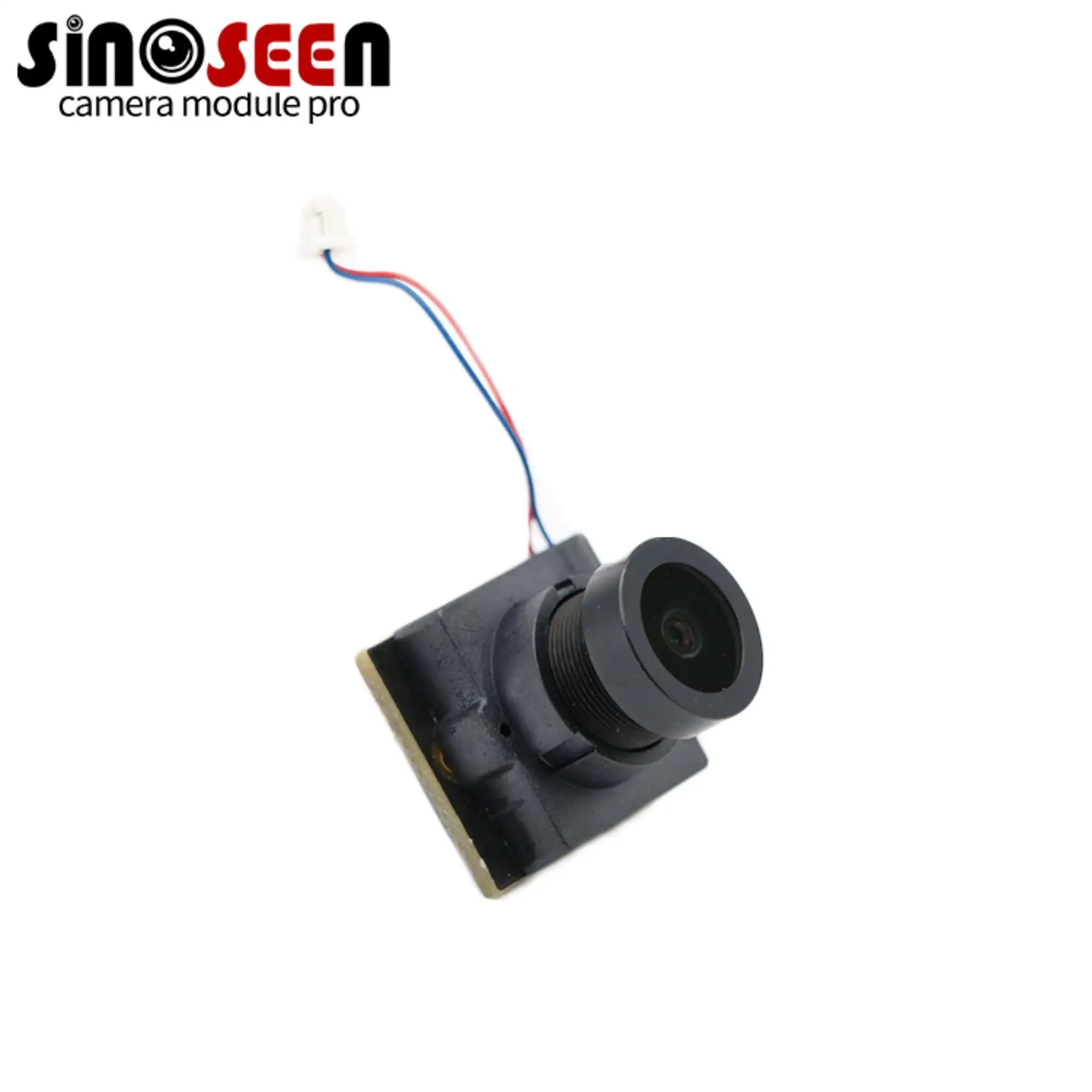
Selecting the right ir camera module supplier is a critical decision for any organization deploying night monitoring infrastructure. Whether you're managing security operations, environmental surveillance, or industrial facility monitoring, the quality and reliability of your ir camera module directly impacts system performance, maintenance costs, and overall operational effectiveness. A dependable ir camera module supplier understands the technical demands of low-light environments, offers consistent product quality, and provides the support necessary to ensure your night monitoring projects succeed.
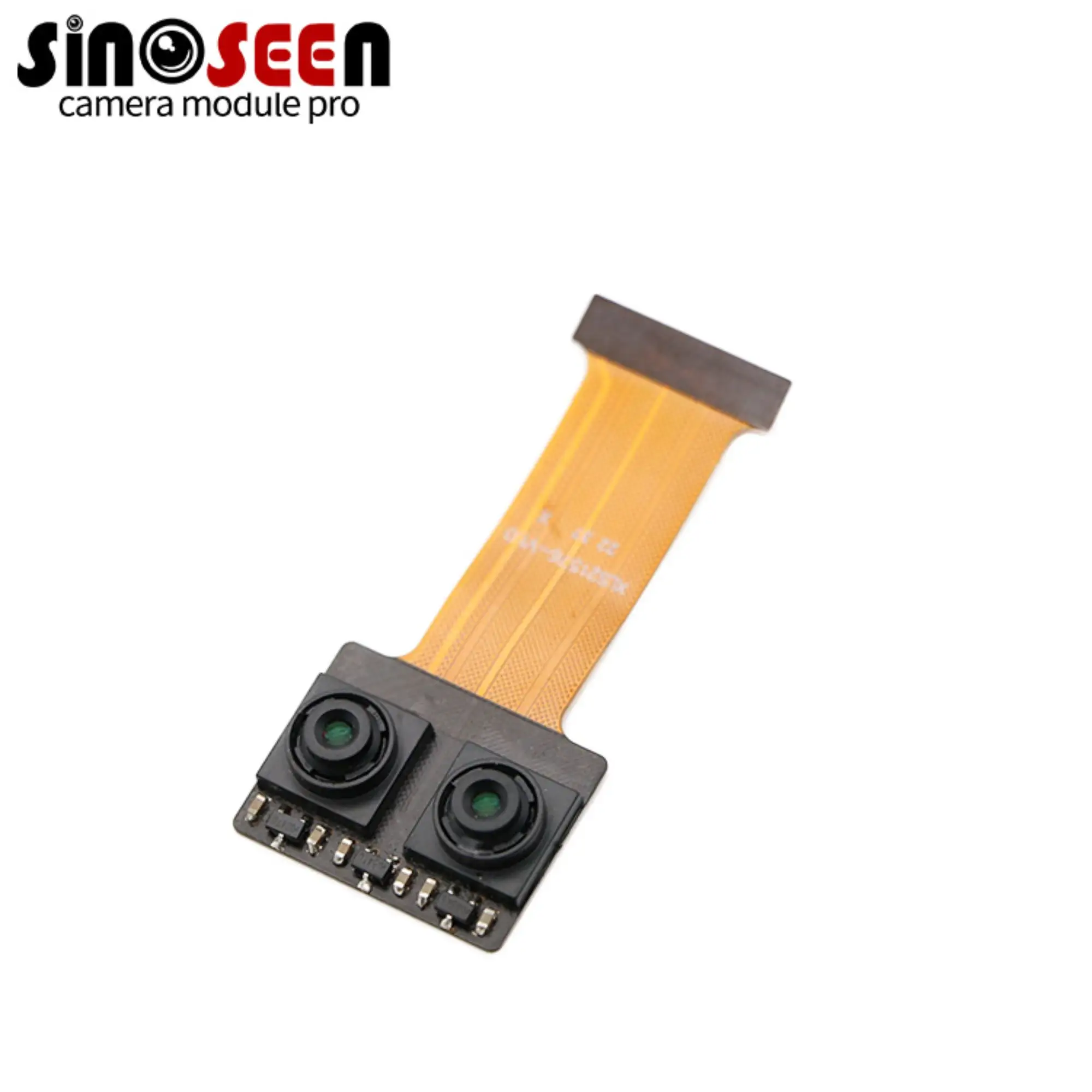
The landscape of night monitoring has evolved significantly, with ir camera module technology becoming increasingly accessible and affordable for mid-market and enterprise deployments. However, not all ir camera module suppliers deliver the same level of performance, innovation, or customer support. This guide explores the essential factors to consider when evaluating an ir camera module supplier, the technical specifications that matter most, and how to align supplier capabilities with your specific monitoring objectives and budget constraints.
Understanding IR Camera Module Technology and Supplier Capabilities
Core IR Camera Module Function in Night Monitoring Systems
An ir camera module operates by detecting infrared radiation emitted or reflected by objects in a scene, then converting that thermal or light-amplified data into a visible image. Unlike standard visible-light cameras, an ir camera module functions effectively in complete darkness, fog, or heavy precipitation, making it indispensable for 24-hour surveillance and monitoring applications. Your ir camera module supplier should clearly articulate how their products handle resolution, frame rate, sensitivity, and dynamic range under various environmental conditions.
Different ir camera module variants serve different purposes. Thermal ir camera module designs detect heat signatures, while low-light ir camera module sensors amplify ambient infrared or moonlight. A qualified ir camera module supplier will help you understand which technology matches your deployment scenario. For example, border security and perimeter monitoring often benefit from thermal ir camera module systems, while facility access control might leverage low-illumination ir camera module solutions that preserve color detail when ambient light increases.
Supplier Experience and Technical Expertise
When evaluating an ir camera module supplier, investigate their track record in your specific industry. An experienced ir camera module supplier has deployed solutions in similar environments, understands common failure points, and anticipates integration challenges before they arise. Request case studies or references from deployments comparable to your project scope. A credible ir camera module supplier can discuss optical performance trade-offs, processing algorithms, and how their ir camera module integrates with existing security management platforms.
Technical expertise directly translates to product reliability and system longevity. Does your ir camera module supplier provide detailed datasheets, application notes, and field performance data? Can they explain sensor specifications like 'noise equivalent temperature difference' or 'minimum illumination levels' in practical terms? These interactions reveal whether the ir camera module supplier operates at a commodity level or brings genuine engineering depth to support your night monitoring infrastructure.
Key Selection Criteria for Night Monitoring Projects
Resolution, Sensitivity, and Environmental Performance
Resolution represents the clarity and detail your ir camera module can capture. A higher-resolution ir camera module captures fine details necessary for facial recognition or license plate identification, while lower-resolution ir camera module sensors may suffice for simple intrusion detection. Your ir camera module supplier should quantify resolution in megapixels and explain how resolution affects storage, bandwidth, and processing requirements. Sensitivity determines how effectively an ir camera module performs in dark conditions; suppliers should specify minimum illumination thresholds and signal-to-noise ratios.
Environmental hardness matters in long-term deployments. Does the ir camera module supplier offer weatherproof housings, wide operating temperature ranges, and shock resistance? For coastal, industrial, or harsh-climate installations, your ir camera module supplier must provide options for corrosion resistance and thermal stability. Request environmental testing data and certifications. A reliable ir camera module supplier will transparently discuss how temperature extremes, humidity, and vibration affect ir camera module performance and longevity.
Integration Compatibility and Support Structure
Your ir camera module supplier must ensure seamless integration with your existing management infrastructure. Does their ir camera module support standard protocols like ONVIF, RTSP, or proprietary APIs used by your video management system? Incompatible ir camera module designs force costly middleware development or require replacing entire software stacks. Confirm that the ir camera module supplier can provide driver support, firmware updates, and technical documentation needed for integration.
Support structure defines the usability of your ir camera module supplier relationship. Does the ir camera module supplier offer responsive technical support, field troubleshooting assistance, or training for your deployment team? What is their warranty coverage and mean-time-to-replacement for defective ir camera module units? A strong ir camera module supplier operates service centers or partner networks near your deployment locations, reducing downtime and repair turnaround. Clarify support response times and escalation procedures before committing to a purchase.
Evaluating Cost Structure and Long-Term Value
Pricing Models and Total Cost of Ownership
Comparing ir camera module prices requires looking beyond unit cost to total cost of ownership. A low-cost ir camera module supplier may offer cheaper initial purchase prices but generate higher long-term expenses through unreliable performance, frequent replacements, or expensive support. Calculate the full five-year cost: unit price, installation, integration, maintenance, warranty claims, and expected replacement rates. A transparent ir camera module supplier provides tiered pricing, bulk discounts, and financing options suited to project scales.
Some ir camera module suppliers employ volume-based or tiered pricing that rewards larger commitments, while others maintain fixed pricing regardless of quantity. Understand whether your ir camera module supplier charges separately for software licenses, firmware updates, or technical support. Hidden costs in ir camera module deployments often emerge from inadequate initial specification, forcing mid-project upgrades or architectural redesigns. Work with your ir camera module supplier during the planning phase to establish clear cost structures and avoid surprises during deployment.
Warranty, Reliability, and Replacement Guarantees
The ir camera module supplier's warranty terms reflect confidence in product durability. Standard warranties cover manufacturer defects but may exclude environmental damage or user error. Investigate whether your ir camera module supplier offers extended warranties, accidental damage protection, or performance guarantees. Some ir camera module suppliers guarantee specific uptime percentages or performance minimums; others may offer advance replacement programs that reduce downtime by shipping replacement units before you return failed ir camera module systems.
Field reliability data distinguishes leading ir camera module suppliers from mediocre ones. Request failure rate statistics, mean time between failure data, and root cause analyses for any reported issues. A mature ir camera module supplier has invested in reliability engineering, quality control processes, and continuous improvement cycles. If an ir camera module supplier deflects these questions or claims their products are flawless, that signals limited real-world experience. Honest communication about reliability challenges and mitigation strategies indicates a trustworthy ir camera module supplier.
FAQ
What specifications matter most when selecting an ir camera module supplier?
Resolution, minimum illumination levels, thermal sensitivity, frame rate, weatherproofing, and integration compatibility rank as the highest-priority ir camera module specifications. However, the 'most important' specification depends on your specific application. For perimeter security, thermal sensitivity and long-range detection matter more than color detail. For access control verification, higher resolution and low-light color imaging become critical. Work with your ir camera module supplier to define specifications that align with your operational objectives rather than pursuing maximum specifications that inflate cost without delivering practical benefit.
How do I verify an ir camera module supplier's reliability claims?
Request objective evidence rather than marketing materials. Ask the ir camera module supplier for independent test results, third-party certifications, and field deployment statistics from comparable projects. Contact previous customers directly and ask about actual performance, support responsiveness, and maintenance frequency. Visit the ir camera module supplier's facility if possible, observe their quality control processes, and assess the maturity of their operations. Red flags include reluctance to provide references, absence of technical documentation, or inability to explain product limitations honestly. A confident ir camera module supplier welcomes scrutiny and provides substantive answers to technical questions.
Can one ir camera module supplier meet all our night monitoring requirements?
Large monitoring deployments often involve multiple ir camera module variants and technologies. One ir camera module supplier may excel at thermal systems while another leads in low-light color imaging. Rather than forcing compatibility with a single ir camera module supplier, evaluate whether potential partners can integrate diverse ir camera module technologies through standardized interfaces and shared management platforms. Some ir camera module suppliers serve as ecosystem integrators, sourcing best-of-breed components from multiple manufacturers and providing unified support. Clarify whether your ir camera module supplier offers proprietary-only solutions or can support a heterogeneous environment.