
 EN
 AR
 DA
 NL
 FI
 FR
 DE
 EL
 HI
 IT
 JA
 KO
 NO
 PL
 PT
 RO
 RU
 ES
 SV
 TL
 IW
 ID
 SR
 VI
 HU
 TH
 TR
 FA
 MS
 IS
 AZ
 UR
 BN
 HA
 LO
 MR
 MN
 PA
 MY
 SD
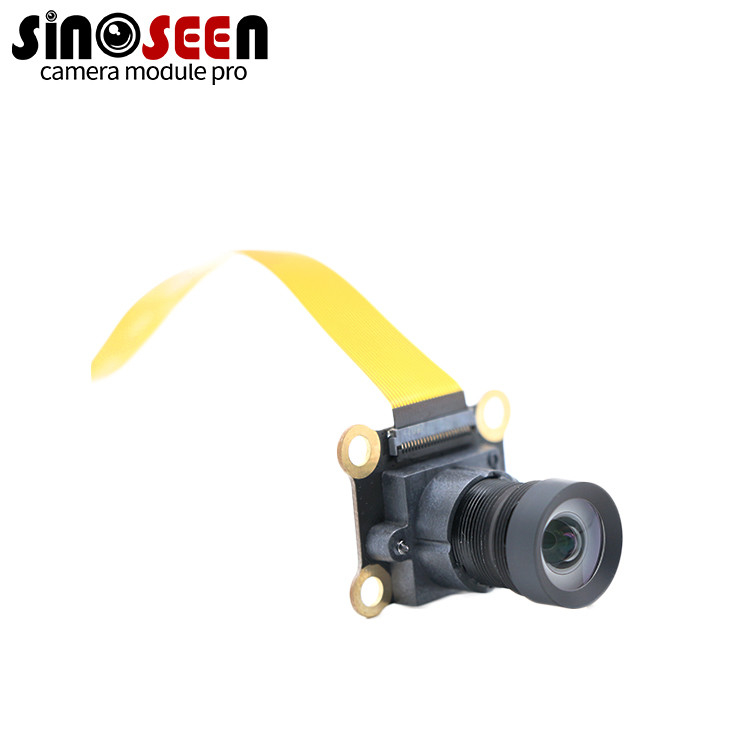
An ir camera module is a specialized imaging device designed to capture high-quality video and images in extreme low-light or complete darkness environments. Unlike conventional cameras that rely on visible light, an ir camera module detects infrared radiation emitted or reflected by objects, making it invaluable for surveillance, security, industrial inspection, and night vision applications. The technology behind an ir camera module enables professionals to monitor environments around the clock without compromising image clarity or operational effectiveness. Industries ranging from security to manufacturing depend on ir camera module solutions to maintain visibility and operational continuity in challenging lighting conditions.
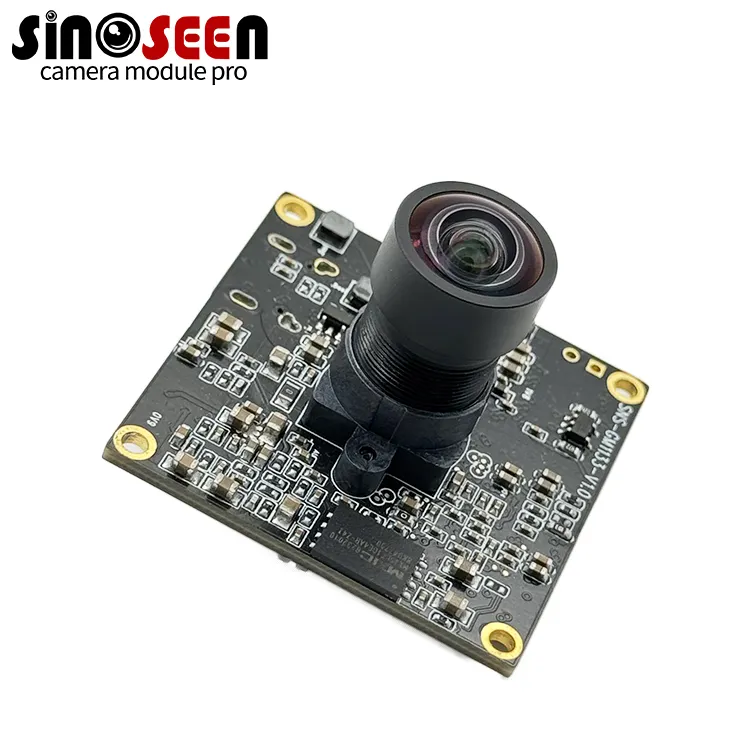
Selecting the right ir camera module manufacturer is crucial for achieving reliable performance in your specific application. An ir camera module manufacturer must deliver consistent image quality, durability, and technical support tailored to diverse operational demands. The best ir camera module manufacturers combine advanced sensor technology with proven manufacturing practices to ensure that each ir camera module meets stringent industry standards. Understanding the capabilities and specializations of leading ir camera module manufacturers helps businesses make informed decisions about their imaging infrastructure investments.
Core Technology Behind IR Camera Module Solutions
Sensor Types and Infrared Detection Mechanisms
An ir camera module typically uses one of two primary sensor technologies: microbolometer arrays or cooled semiconductor detectors. A microbolometer-based ir camera module offers room-temperature operation, lower cost, and sufficient sensitivity for most commercial and industrial applications. This type of ir camera module measures temperature changes caused by infrared radiation striking the detector, converting thermal energy into electrical signals that generate visible images. Cooled semiconductor detectors, while more expensive, provide superior sensitivity for specialized applications requiring extreme precision. An ir camera module manufacturer selecting the appropriate technology ensures the device balances performance requirements with operational cost-effectiveness for your intended use case.
Image Processing and Signal Enhancement
Modern ir camera module designs incorporate sophisticated image processing algorithms that enhance visibility and detail extraction from infrared data. An ir camera module manufacturer integrates noise reduction, dynamic range optimization, and real-time image enhancement to deliver sharp, interpretable footage even in challenging thermal environments. The signal processing pipeline within an ir camera module automatically adjusts sensitivity and contrast to maintain usable images across varying thermal conditions. Advanced ir camera module manufacturers invest in proprietary algorithms that distinguish meaningful thermal signatures from background noise, improving detection accuracy for security and industrial monitoring tasks.
Selecting the Right IR Camera Module Manufacturer
Evaluating Technical Specifications and Performance Criteria
When assessing an ir camera module manufacturer, examine key technical specifications including thermal sensitivity, temperature range, resolution, and frame rate capabilities. An ir camera module designed for low-light applications must demonstrate thermal sensitivity measured in millidegrees Kelvin, enabling detection of minimal temperature differences. The operational temperature range of an ir camera module determines its suitability for outdoor industrial environments, arctic conditions, or heated industrial spaces. Frame rate capabilities of an ir camera module affect real-time monitoring quality and motion tracking precision. A reputable ir camera module manufacturer provides transparent performance data, third-party validation, and detailed datasheets enabling proper evaluation against your specific requirements.
Manufacturing Standards and Quality Assurance
A reliable ir camera module manufacturer maintains rigorous quality control processes, environmental testing, and compliance certifications that guarantee consistent device performance. An ir camera module produced under ISO-certified manufacturing standards ensures each unit meets dimensional tolerances, thermal performance benchmarks, and reliability expectations. Professional ir camera module manufacturers conduct comprehensive thermal stability testing, vibration resistance evaluation, and extended operational stress testing to validate long-term reliability. Certifications such as IP67 waterproofing, thermal shock resistance, and electromagnetic compatibility demonstrate that an ir camera module manufacturer prioritizes durability in challenging field conditions. Technical support, warranty coverage, and replacement protocols from your ir camera module manufacturer directly impact total cost of ownership and operational continuity.
Applications and Industry-Specific Use Cases
Security and Surveillance Infrastructure
An ir camera module serves as the foundation for perimeter security systems, access control monitoring, and facility-wide surveillance networks that operate continuously regardless of lighting conditions. Security personnel depend on ir camera module clarity and detection range to identify threats, unauthorized access, or suspicious activity during nighttime hours. An ir camera module manufacturer specializing in surveillance applications optimizes image contrast, face recognition compatibility, and integration with security management software. The thermal imaging capability of an ir camera module enables detection of concealed objects and individuals regardless of camouflage or darkness, significantly enhancing security effectiveness. Professional installations often combine multiple ir camera module types and resolutions to create comprehensive surveillance coverage balancing cost with coverage requirements.
Industrial Inspection and Predictive Maintenance
Industrial facilities leverage ir camera module technology for equipment monitoring, thermal anomaly detection, and predictive maintenance workflows that prevent costly operational failures. An ir camera module identifies overheating components, electrical hotspots, and mechanical friction before they cause equipment breakdown or safety hazards. Predictive maintenance teams use ir camera module data to schedule maintenance activities during planned downtime rather than experiencing emergency failures. An ir camera module manufacturer focusing on industrial applications designs modules with ruggedized construction, extended temperature ranges, and integration compatibility with industrial IoT platforms. Manufacturing plants, power distribution facilities, and processing centers all benefit from systematic ir camera module monitoring that extends equipment lifespan and improves operational safety.
FAQ
What thermal sensitivity should an IR camera module have for effective low-light monitoring?
An effective ir camera module for low-light applications should demonstrate thermal sensitivity between 40 to 100 millidegrees Kelvin, enabling reliable detection of minor temperature variations in ambient environments. Thermal sensitivity specifications vary based on intended application, with surveillance ir camera module systems typically requiring 50 to 70 mK sensitivity and industrial ir camera module solutions needing 30 to 50 mK sensitivity for precise anomaly detection. An ir camera module manufacturer should clearly specify thermal sensitivity performance and validate these specifications through independent testing.
How does an IR camera module differ from standard night vision technology?
An ir camera module detects thermal radiation emitted by objects, requiring no external light source and functioning equally well in complete darkness or bright sunlight. Standard night vision technology amplifies available ambient light, requiring moonlight or starlight to generate usable images and performing poorly in total darkness. An ir camera module provides temperature-based imaging independent of visible light conditions, making it superior for true 24/7 monitoring. An ir camera module manufacturer choosing thermal imaging technology ensures continuous operational visibility regardless of environmental lighting.
What factors determine the price range of an IR camera module from different manufacturers?
An ir camera module price depends on sensor type, resolution capabilities, thermal sensitivity specifications, durability ratings, and manufacturing certifications. An ir camera module manufacturer using microbolometer arrays typically offers more competitive pricing than cooled detector technologies while maintaining adequate performance for commercial applications. Additional factors affecting ir camera module cost include environmental durability ratings, weatherproofing certifications, embedded image processing capabilities, and warranty terms. Evaluating total cost of ownership rather than initial purchase price helps identify the best ir camera module manufacturer value for your specific requirements.