
 EN
 AR
 DA
 NL
 FI
 FR
 DE
 EL
 HI
 IT
 JA
 KO
 NO
 PL
 PT
 RO
 RU
 ES
 SV
 TL
 IW
 ID
 SR
 VI
 HU
 TH
 TR
 FA
 MS
 IS
 AZ
 UR
 BN
 HA
 LO
 MR
 MN
 PA
 MY
 SD
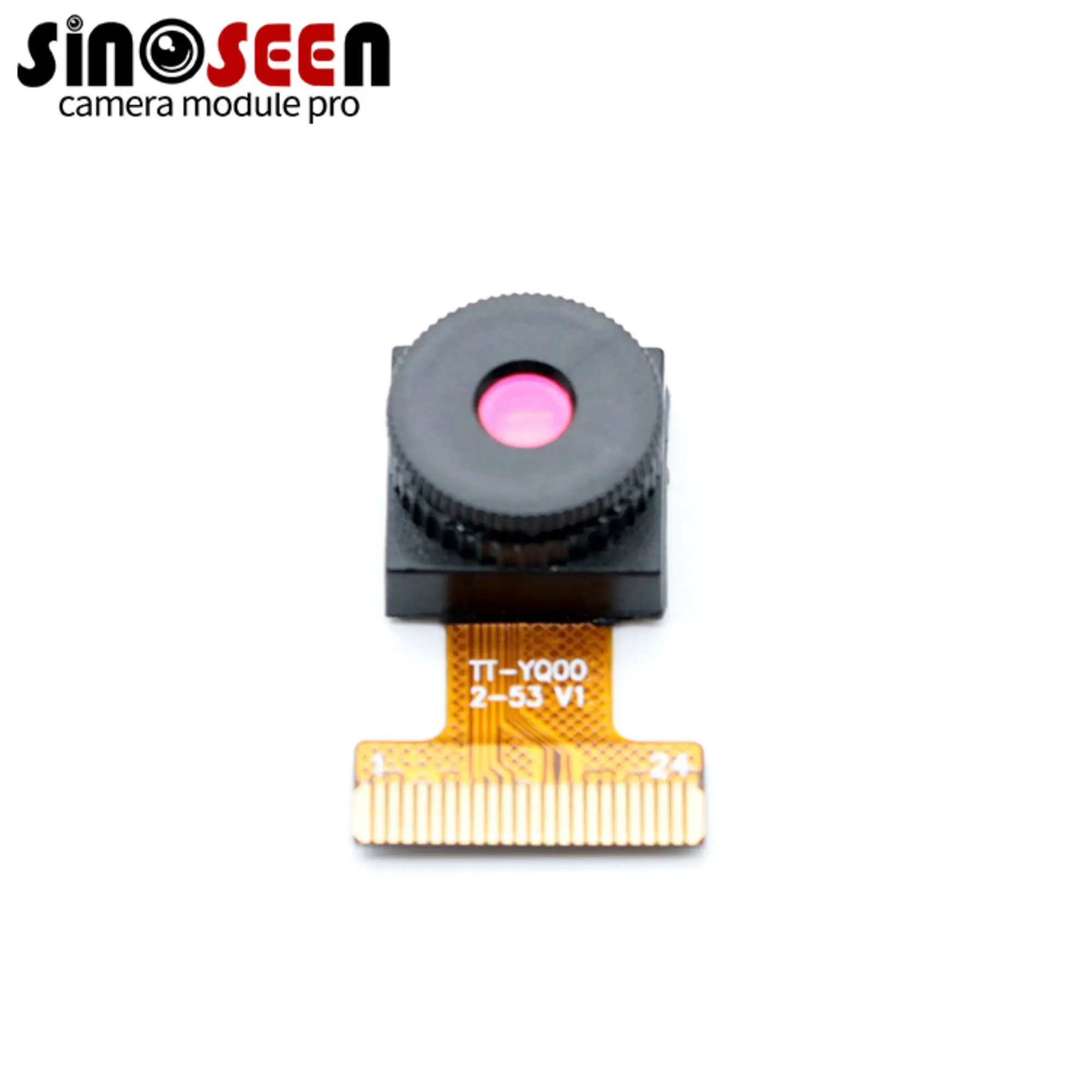
Selecting the right ir camera module factory is one of the most critical decisions in developing custom thermal imaging solutions. The quality, reliability, and technical expertise of your manufacturing partner directly impact product performance, time-to-market, and long-term operational costs. Whether you're building industrial inspection systems, security applications, or specialized thermal sensing devices, the factory you choose will shape your product's competitive advantage and customer satisfaction. Understanding how to evaluate ir camera module manufacturers ensures you partner with a supplier capable of delivering consistent quality, meeting your customization requirements, and supporting your business growth.
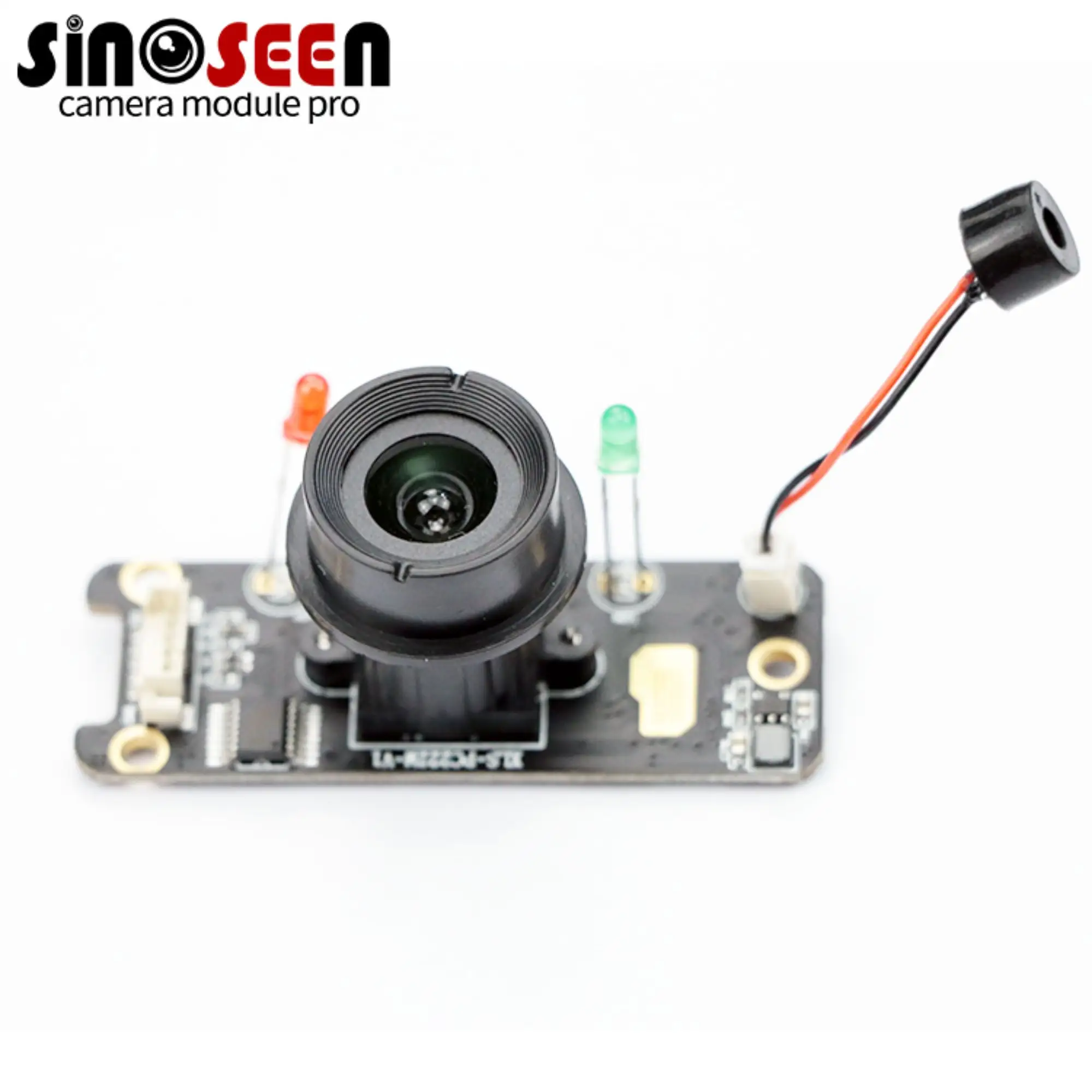
Choosing an ir camera module factory requires balancing multiple technical, operational, and commercial factors. The ideal partner combines advanced manufacturing capabilities with genuine customization flexibility, proven quality assurance processes, and responsive technical support. This guide walks you through the essential evaluation criteria, helping you identify a factory that aligns with your technical specifications, production volume, timeline, and budget constraints while ensuring your custom ir camera module solutions perform reliably in demanding applications.
Core Technical Capabilities and Manufacturing Standards
Sensor Technology and Performance Specifications
An ir camera module factory must demonstrate mastery of thermal sensor technology across multiple detector types, including uncooled microbolometer sensors, cooled indium antimonide detectors, and other thermal imaging platforms. When evaluating a potential ir camera module manufacturer, request detailed specifications for thermal sensitivity, temperature range, frame rate, and resolution options. The factory should provide clear documentation of sensor noise equivalent temperature difference (NETD), spectral response, and absolute radiometric accuracy. Ask about their in-house sensor sourcing relationships or whether they partner with established thermal detector suppliers. A reliable ir camera module factory maintains rigorous calibration standards and can deliver consistent performance across production batches without significant variance in thermal accuracy or image quality.
Customization and Integration Flexibility
Your ir camera module factory partner must offer genuine customization beyond standard off-the-shelf options. This includes flexible interface protocols such as MIPI CSI-2, USB, Ethernet, or proprietary interfaces that match your host system architecture. Evaluate whether the factory can modify optics, housing materials, mechanical dimensions, and thermal stabilization systems to fit your specific industrial or environmental requirements. An advanced ir camera module supplier should support custom lens selections, specialized filters for particular spectral ranges, and integrated processing capabilities. Request examples of previous custom implementations and technical documentation demonstrating their ability to integrate your ir camera module into complex applications. Manufacturing facilities with modular design architectures allow faster customization cycles and reduce engineering risk.
Quality Assurance, Testing, and Regulatory Compliance
Production Testing and Quality Control Protocols
Quality assurance capabilities directly determine whether your ir camera module meets performance expectations consistently. Leading ir camera module factories implement comprehensive testing at multiple production stages, including thermal imaging uniformity validation, dark current characterization, response linearity verification, and environmental stress testing. Ask about their thermal cycling procedures, humidity resistance protocols, and vibration testing against industrial standards. A trustworthy ir camera module manufacturer maintains statistical process control data, performs radiometric calibration verification, and provides detailed quality certifications for each production batch. Request information about their defect detection capabilities, yield rates for custom configurations, and how they handle non-conforming units. The factory should maintain ISO 9001 or equivalent quality management certification and demonstrate traceability throughout the manufacturing process.
Environmental Compliance and Regulatory Requirements
Ensure your selected ir camera module factory complies with relevant regulatory frameworks including RoHS, REACH, and industry-specific standards for your target market. If your thermal imaging application requires FCC certification, military compliance, or aerospace-grade qualification, verify that the ir camera module manufacturer has demonstrated experience with these certifications. Ask about their documentation practices, material composition transparency, and conflict mineral compliance protocols. A responsible ir camera module factory maintains comprehensive technical documentation, component traceability records, and supply chain verification procedures. Understanding the factory's environmental commitments and waste management practices is increasingly important for corporate sustainability goals. Request copies of certifications, compliance test reports, and environmental declarations to verify alignment with your company's regulatory and ethical standards.
Production Capacity, Lead Times, and Long-Term Partnership Stability
Manufacturing Scalability and Volume Flexibility
Your ir camera module factory must demonstrate the capacity to scale production as your business grows. Evaluate their current production throughput, available manufacturing floor space, equipment capabilities, and workforce training programs. A reliable ir camera module supplier should clearly communicate minimum order quantities, lead time structures for different volume tiers, and pricing scalability. Ask whether they maintain inventory buffers for critical components and how they manage supply chain disruptions affecting ir camera module manufacturing. Understanding their subcontractor network and backup sourcing strategies ensures consistent delivery even during component shortages. The factory should provide realistic production schedules, clear communication about capacity constraints, and flexibility to adjust volumes within reasonable parameters as your market demands evolve.
Technical Support, Documentation, and Partnership Value
Beyond manufacturing, your ir camera module factory partner should provide comprehensive technical support throughout your product lifecycle. This includes detailed design guides, application notes, firmware documentation, and responsive engineering support for integration challenges. Evaluate their communication responsiveness, availability of technical personnel, and willingness to collaborate on design optimization. A high-value ir camera module manufacturer offers training programs, reference designs, and sample code or SDKs accelerating your development timeline. Ask about their approach to handling design issues discovered during production, warranty policies, and field support procedures. Long-term partnership success requires the factory to understand your business objectives, provide proactive technical recommendations, and demonstrate genuine interest in your product success beyond the initial order.
FAQ
What technical specifications should I prioritize when comparing ir camera module factories?
Focus on thermal sensitivity (NETD), operational temperature range, frame rate capabilities, resolution options, and interface compatibility with your system architecture. Additionally, evaluate their ability to deliver consistent performance across production batches through rigorous calibration and quality control. Request detailed specifications for any custom configurations you require, and verify the factory maintains documentation supporting radiometric accuracy and environmental performance claims.
How can I verify that an ir camera module factory has genuine customization capabilities?
Request detailed examples of previous custom implementations, technical case studies, and client references demonstrating successful complex integrations. Ask the factory to provide custom design proposals showing how they would modify their ir camera module platform for your specific requirements. Evaluate their design flexibility regarding optics, housing materials, thermal management, and interface protocols. A capable ir camera module supplier should offer modular architectures supporting rapid customization rather than rigid standard products.
What quality certifications and compliance standards should an ir camera module factory provide?
Prioritize ISO 9001 certification, RoHS and REACH compliance documentation, and industry-specific certifications relevant to your application such as FCC, military standards, or aerospace qualification. Request detailed quality assurance documentation including batch test reports, radiometric calibration certificates, and environmental testing records. Verify their supply chain transparency through conflict mineral compliance protocols and material composition documentation ensuring your custom ir camera module meets all applicable regulatory requirements.