
 EN
 AR
 DA
 NL
 FI
 FR
 DE
 EL
 HI
 IT
 JA
 KO
 NO
 PL
 PT
 RO
 RU
 ES
 SV
 TL
 IW
 ID
 SR
 VI
 HU
 TH
 TR
 FA
 MS
 IS
 AZ
 UR
 BN
 HA
 LO
 MR
 MN
 PA
 MY
 SD
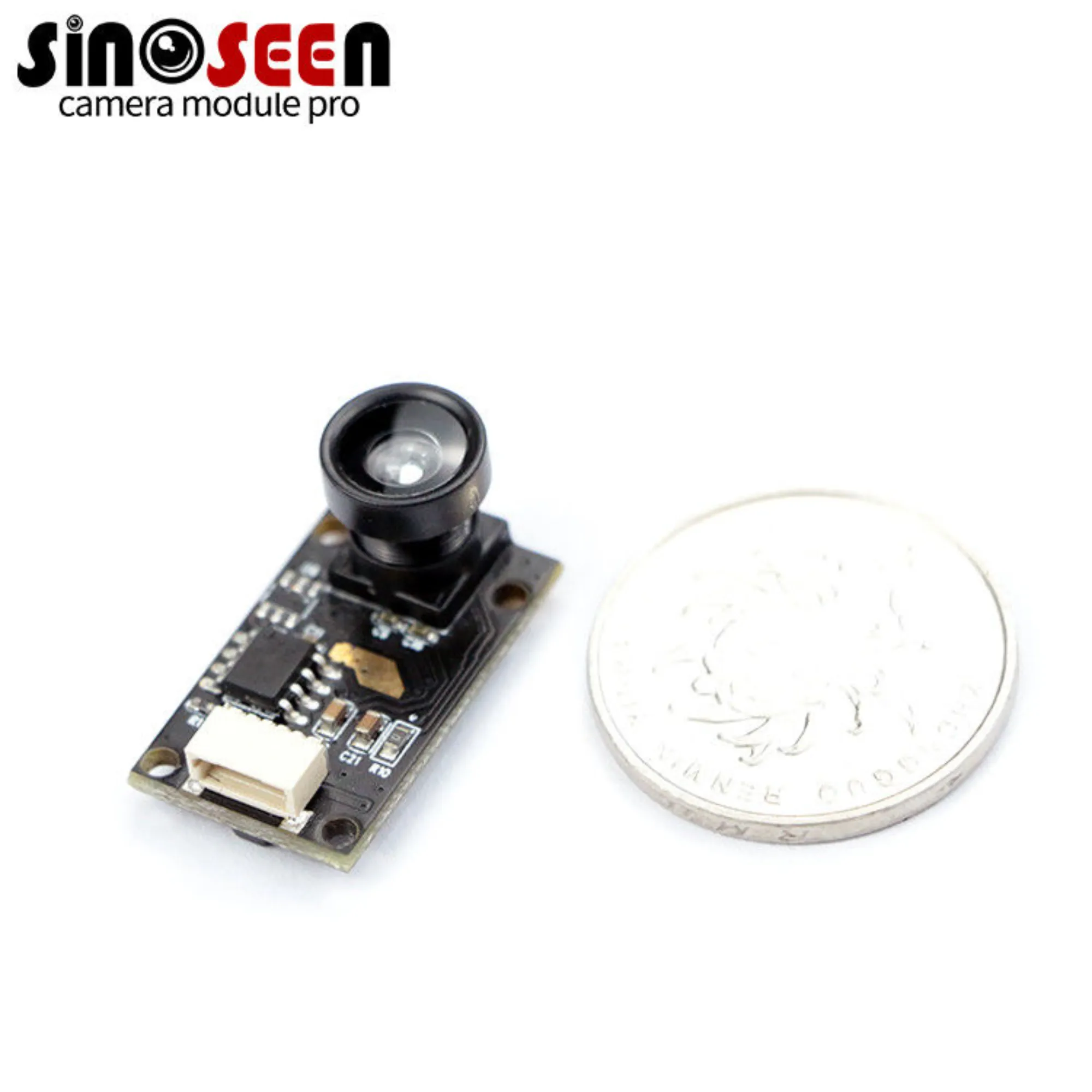
An embedded camera module has become essential for modern compact systems across industrial, medical, automotive, and consumer electronics applications. As device manufacturers push toward smaller form factors and higher integration density, selecting the right embedded camera module manufacturer becomes critical to project success. The embedded camera module must deliver optical quality, power efficiency, thermal management, and seamless integration into space-constrained designs without compromising performance or reliability.
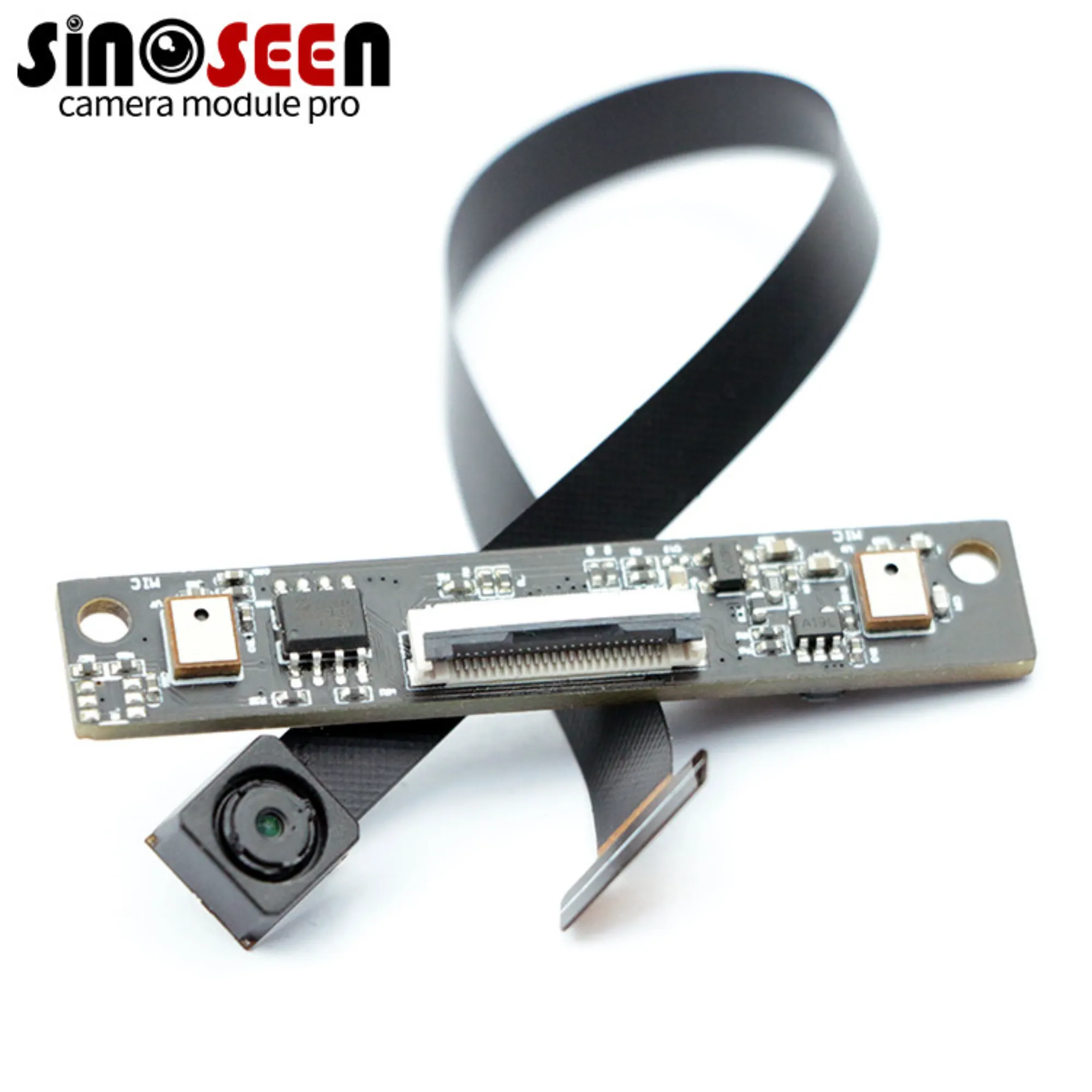
An experienced embedded camera module manufacturer understands the unique constraints of compact system design. From ultra-low power consumption requirements to miniaturized optical designs, the embedded camera module must balance performance with physical limitations. Working with a specialized embedded camera module manufacturer ensures your compact systems achieve both market-ready functionality and production scalability. This guide explores what to expect from a quality embedded camera module manufacturer and how to evaluate options for your specific application.
Understanding the Role of an Embedded Camera Module Manufacturer
Core Capabilities of an Embedded Camera Module Manufacturer
An embedded camera module manufacturer must integrate multiple disciplines including optical engineering, semiconductor integration, firmware development, and thermal design. The embedded camera module manufacturer combines image sensors, lens assemblies, ISP processors, and interface controllers into a single compact unit. This integration requires deep expertise in sensor selection, optical calibration, and power management. A capable embedded camera module manufacturer maintains in-house design tools and testing facilities to validate image quality, color accuracy, and low-light performance before delivery.
Industry Standards and Compliance
Leading embedded camera module manufacturers adhere to MIPI Camera Serial Interface (CSI) standards, enabling plug-and-play integration with mainstream SoC platforms. The embedded camera module manufacturer must support various resolutions, from 0.3MP to 50MP, depending on application requirements. Quality embedded camera module manufacturers invest in certifications for automotive (AEC-Q100), medical (ISO 13485), and industrial (IEC standards) environments. This standardization ensures the embedded camera module works reliably across temperature ranges, humidity conditions, and mechanical stress scenarios typical in production environments.
Design Considerations for Compact System Integration
Power Efficiency and Thermal Management
Compact systems demand extreme power efficiency from integrated components. An embedded camera module manufacturer specializing in low-power designs ensures standby currents below 1mA and active consumption optimized for battery-powered devices. Thermal dissipation becomes critical when the embedded camera module operates inside sealed enclosures. The embedded camera module manufacturer employs thermal simulation, copper substrate integration, and selective component binning to maintain safe operating temperatures. Choosing an embedded camera module manufacturer experienced in thermal-constrained environments prevents premature component degradation and unexpected field failures.
Form Factor and Mechanical Integration
Space constraints define embedded camera module specification in compact systems. An embedded camera module manufacturer must deliver solutions in sub-20mm form factors while maintaining optical quality. The embedded camera module manufacturer offers flexible mounting options, including FPC connectors, M12 lens mounts, and CSP (Chip-Scale Package) designs. Mechanical compatibility extends to lens focusing mechanisms, with embedded camera module manufacturers providing both fixed-focus and autofocus variants. The embedded camera module manufacturer considers vibration tolerance, shock resistance, and EMI shielding to ensure reliability in demanding operational conditions.
Evaluating Embedded Camera Module Manufacturer Selection Criteria
Technical Support and Customization Capabilities
A responsive embedded camera module manufacturer provides early-stage design consultation, prototype samples, and performance optimization services. The embedded camera module manufacturer should offer customization options for sensor resolution, color filter array, autofocus mechanisms, and interface protocols. Technical documentation from the embedded camera module manufacturer should include detailed datasheets, integration guides, firmware source code access, and video format specifications. The embedded camera module manufacturer's support team must be accessible throughout development, prototyping, and production phases.
Production Scalability and Supply Chain Reliability
An embedded camera module manufacturer capable of scaling from low-volume prototypes to high-volume production prevents supply chain disruptions. The embedded camera module manufacturer must maintain component inventory, buffer stock, and diversified supplier relationships. Long-term availability statements from the embedded camera module manufacturer provide confidence for products with 5-10 year lifecycles. The embedded camera module manufacturer should communicate proactively about component obsolescence, offering upgrade paths before supply discontinuation. Transparent supply chain practices from the embedded camera module manufacturer reduce project risk and enable predictable cost structures.
Performance Validation and Quality Assurance
Image Quality and Optical Performance
The embedded camera module manufacturer must demonstrate repeatable image quality through standardized testing protocols. Metrics like modulation transfer function (MTF), color accuracy, dynamic range, and low-light sensitivity define embedded camera module performance. The embedded camera module manufacturer conducts environmental stress testing, including thermal cycling, vibration endurance, and humidity exposure. Quality assurance from an embedded camera module manufacturer includes pixel-level defect screening, lens centering verification, and ISP tuning validation. These rigorous embedded camera module manufacturer processes ensure consistent performance across production batches.
Firmware and Software Integration
An embedded camera module manufacturer provides optimized firmware supporting multiple image formats, exposure control algorithms, and power management modes. The embedded camera module manufacturer delivers driver packages for popular platforms like Linux, Android, and RTOS environments. Firmware updates from the embedded camera module manufacturer address compatibility issues, performance enhancements, and security patches throughout the product lifecycle. The embedded camera module manufacturer's software stack should be stable, well-documented, and compatible with customer development frameworks.
FAQ
What distinguishes a premium embedded camera module manufacturer from standard suppliers?
Premium embedded camera module manufacturers differentiate through specialized expertise in compact system integration, proprietary optical designs, advanced power management, and comprehensive technical support. They maintain in-house R&D capabilities, invest in custom firmware development, and offer flexible customization without excessive NRE charges. An embedded camera module manufacturer at this level provides transparency in supply chain, commits to long-term component availability, and delivers consistent quality across production volumes. They also proactively communicate roadmaps, obsolescence notices, and upgrade paths.
How does an embedded camera module manufacturer support different optical requirements?
An experienced embedded camera module manufacturer offers diverse lens options, including wide-angle, standard, and macro variants with different focal lengths and apertures. The embedded camera module manufacturer can integrate fixed-focus, manual focus, or autofocus mechanisms depending on application needs. Sensor selection flexibility allows the embedded camera module manufacturer to deliver resolutions from 0.3MP to 50MP with various pixel sizes and color filter patterns. The embedded camera module manufacturer also supports specialized optical features like infrared cut filters, neutral density filters, or polarizing coatings for specific industries.
What timeline should customers expect from an embedded camera module manufacturer?
An embedded camera module manufacturer typically requires 4-8 weeks for custom design and prototype delivery, depending on complexity and customization scope. Initial production runs can scale to 10,000+ units within 8-12 weeks after design approval. The embedded camera module manufacturer should provide realistic timelines upfront and maintain buffer capacity for urgent orders or design iterations. Development schedules vary based on whether the embedded camera module manufacturer uses existing reference designs or creates entirely custom optical and mechanical solutions.