
 EN
 AR
 DA
 NL
 FI
 FR
 DE
 EL
 HI
 IT
 JA
 KO
 NO
 PL
 PT
 RO
 RU
 ES
 SV
 TL
 IW
 ID
 SR
 VI
 HU
 TH
 TR
 FA
 MS
 IS
 AZ
 UR
 BN
 HA
 LO
 MR
 MN
 PA
 MY
 SD
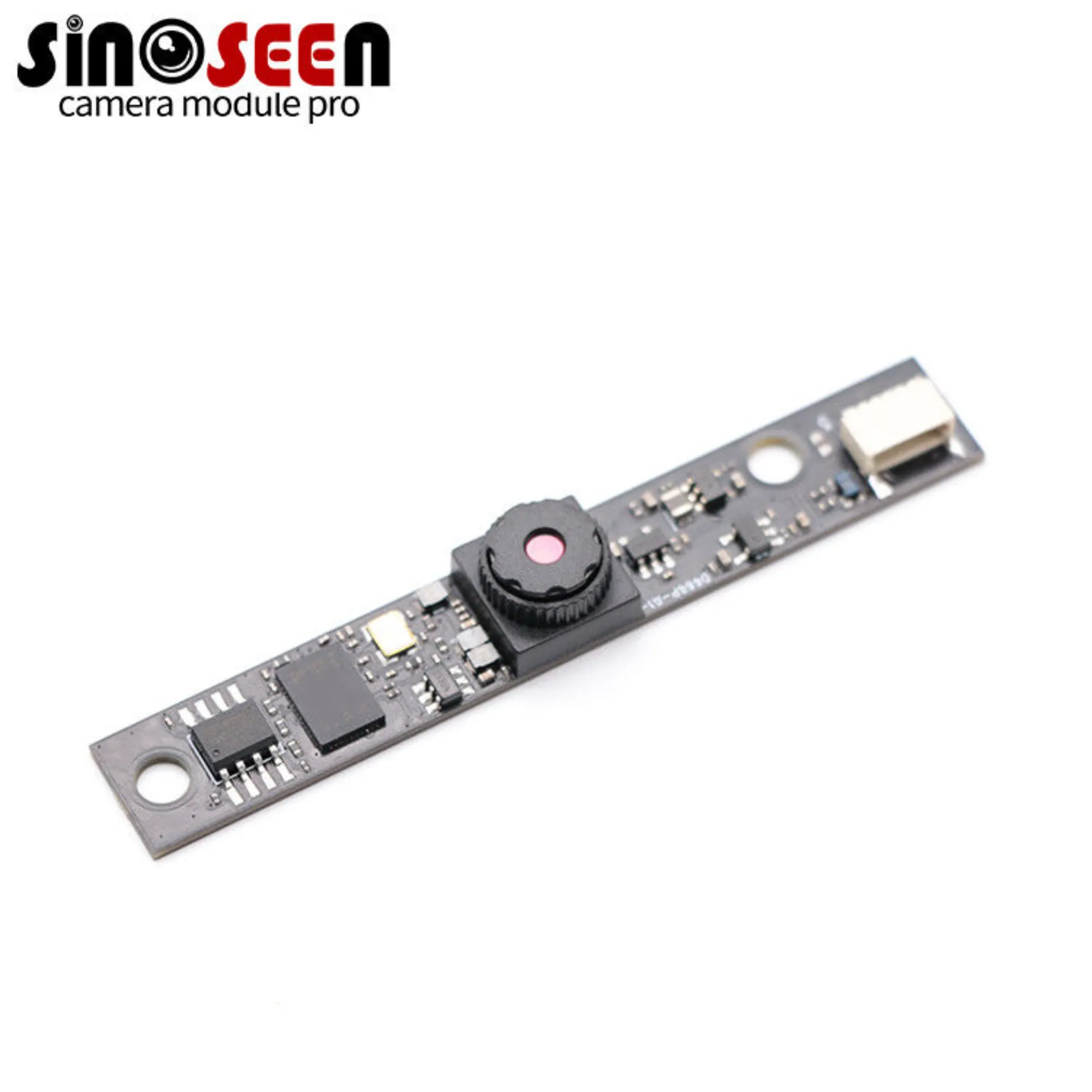
Hardware developers need reliable imaging components to bring their products to market efficiently. An embedded camera module serves as the core visual sensing technology in countless applications, from industrial automation to consumer electronics. Sourcing an embedded camera module through wholesale channels provides cost advantages, volume flexibility, and access to customizable designs that align with specific project requirements. Understanding the embedded camera module wholesale landscape helps developers make informed procurement decisions that balance performance, cost, and supply reliability.
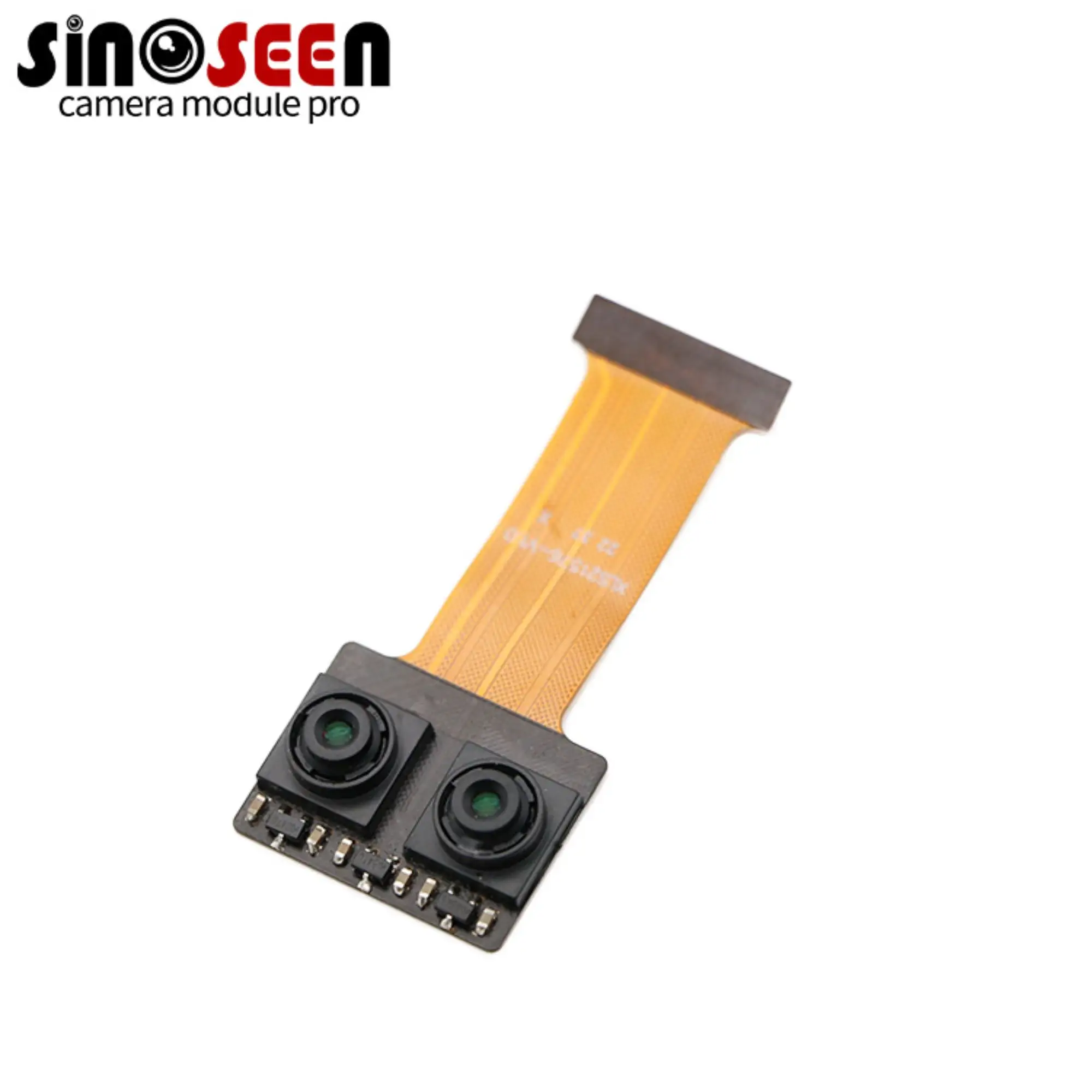
Purchasing an embedded camera module at wholesale pricing opens opportunities for hardware developers to scale their operations without prohibitive component costs. Wholesale suppliers typically offer volume discounts, technical support, and customization options that standard retail channels cannot match. Whether you're designing medical imaging systems, robotics platforms, automotive solutions, or consumer devices, the embedded camera module wholesale market provides pathways to obtain high-quality sensors with flexible ordering terms.
Understanding Embedded Camera Module Specifications and Integration
Core Technical Specifications
An embedded camera module combines a camera sensor, lens assembly, and supporting electronics into a compact integrated unit. When evaluating an embedded camera module for your project, key specifications include sensor resolution, pixel size, frame rate, interface type, and power consumption. MIPI CSI-2 interfaces have become industry standard for embedded camera module designs, enabling high-speed data transmission while minimizing pin count and power requirements. The embedded camera module resolution ranges from 1MP to 200MP depending on application needs, with each specification level serving distinct market segments from IoT edge devices to professional imaging systems.
Integration Complexity and Developer Support
Integrating an embedded camera module into your hardware platform requires careful attention to mechanical fit, electrical interface compatibility, and firmware development. Wholesale suppliers specializing in embedded camera module solutions typically provide reference designs, software development kits, and technical documentation to accelerate integration timelines. The embedded camera module comes with datasheets that specify operating parameters, thermal characteristics, and environmental tolerances. Hardware developers benefit from supplier expertise when customizing an embedded camera module for specific dimensions, connector types, or performance enhancements that distinguish their end products.
Wholesale Sourcing Advantages for Hardware Developers
Cost Efficiency and Volume Flexibility
Wholesale purchasing of an embedded camera module dramatically reduces per-unit costs compared to retail procurement channels. As your production volumes grow, the embedded camera module pricing tiers typically offer progressive discounts that improve project economics. Wholesale suppliers maintain inventory levels that accommodate both prototype quantities and large-scale manufacturing runs, providing flexibility during different project phases. An embedded camera module vendor relationship established early supports future growth without requiring alternative suppliers or component re-qualification.
Customization and Technical Partnership
Wholesale embedded camera module suppliers often provide customization services that retail channels cannot offer. You can request specific modifications to an embedded camera module design, such as alternative lens coatings, custom focusing ranges, or integration of additional filters. The embedded camera module supplier becomes a technical partner invested in your product success, offering collaborative engineering support and accelerated development cycles. This partnership approach transforms the embedded camera module from a commodity component into a differentiated technology element within your hardware platform.
Navigating Market Options and Selection Criteria
Interface Standards and Ecosystem Compatibility
Selecting the right embedded camera module requires understanding available interface standards and their implications for system architecture. The embedded camera module landscape includes options for USB, Ethernet, CSI, and proprietary interfaces, each offering distinct advantages for different applications. MIPI-based embedded camera module designs have become prevalent because they balance performance, power efficiency, and developer accessibility. Confirming that your chosen embedded camera module interfaces seamlessly with your processor platform prevents costly redesigns and accelerates product launch timelines.
Reliability and Supply Chain Considerations
When committing to an embedded camera module from a wholesale supplier, supply chain stability becomes critical to manufacturing continuity. Reputable embedded camera module vendors maintain transparent roadmaps, commit to minimum lead times, and communicate proactively about component obsolescence or transitions. The embedded camera module supplier's production capacity and quality certifications directly impact your ability to fulfill customer demand. Establishing long-term relationships with embedded camera module manufacturers ensures consistent availability and component consistency across production batches.
FAQ
What industries benefit most from wholesale embedded camera module procurement?
Industrial automation, agricultural technology, medical imaging, security systems, and consumer robotics represent primary markets where wholesale embedded camera module sourcing delivers significant advantages. Companies developing IoT devices, autonomous vehicles, and smart manufacturing solutions increasingly rely on wholesale embedded camera module suppliers to meet aggressive timelines and cost targets. Startups and established enterprises alike leverage embedded camera module wholesale channels to validate concepts before committing to higher-volume production commitments.
How do customization capabilities affect embedded camera module wholesale pricing?
Customization requests for an embedded camera module typically involve engineering fees and tooling costs that offset some wholesale discount benefits. However, the embedded camera module customization ensures optimal performance for your specific use case and creates competitive differentiation in your final product. Wholesale suppliers evaluate embedded camera module customization requests based on production volume potential and technical feasibility. Discussing customization scope early in the embedded camera module selection process helps clarify costs and timelines before formal commitments.
What technical support do wholesale embedded camera module suppliers typically provide?
Leading wholesale embedded camera module suppliers offer comprehensive technical support including firmware development assistance, reference circuit designs, and troubleshooting collaboration. The embedded camera module documentation typically includes software libraries, application notes, and integration guides that accelerate developer productivity. Ongoing technical support for the embedded camera module continues through production ramp, with suppliers addressing performance optimization questions and manufacturing-related inquiries. Access to technical resources distinguishes premium embedded camera module suppliers from basic component distributors.