
 EN
 AR
 DA
 NL
 FI
 FR
 DE
 EL
 HI
 IT
 JA
 KO
 NO
 PL
 PT
 RO
 RU
 ES
 SV
 TL
 IW
 ID
 SR
 VI
 HU
 TH
 TR
 FA
 MS
 IS
 AZ
 UR
 BN
 HA
 LO
 MR
 MN
 PA
 MY
 SD
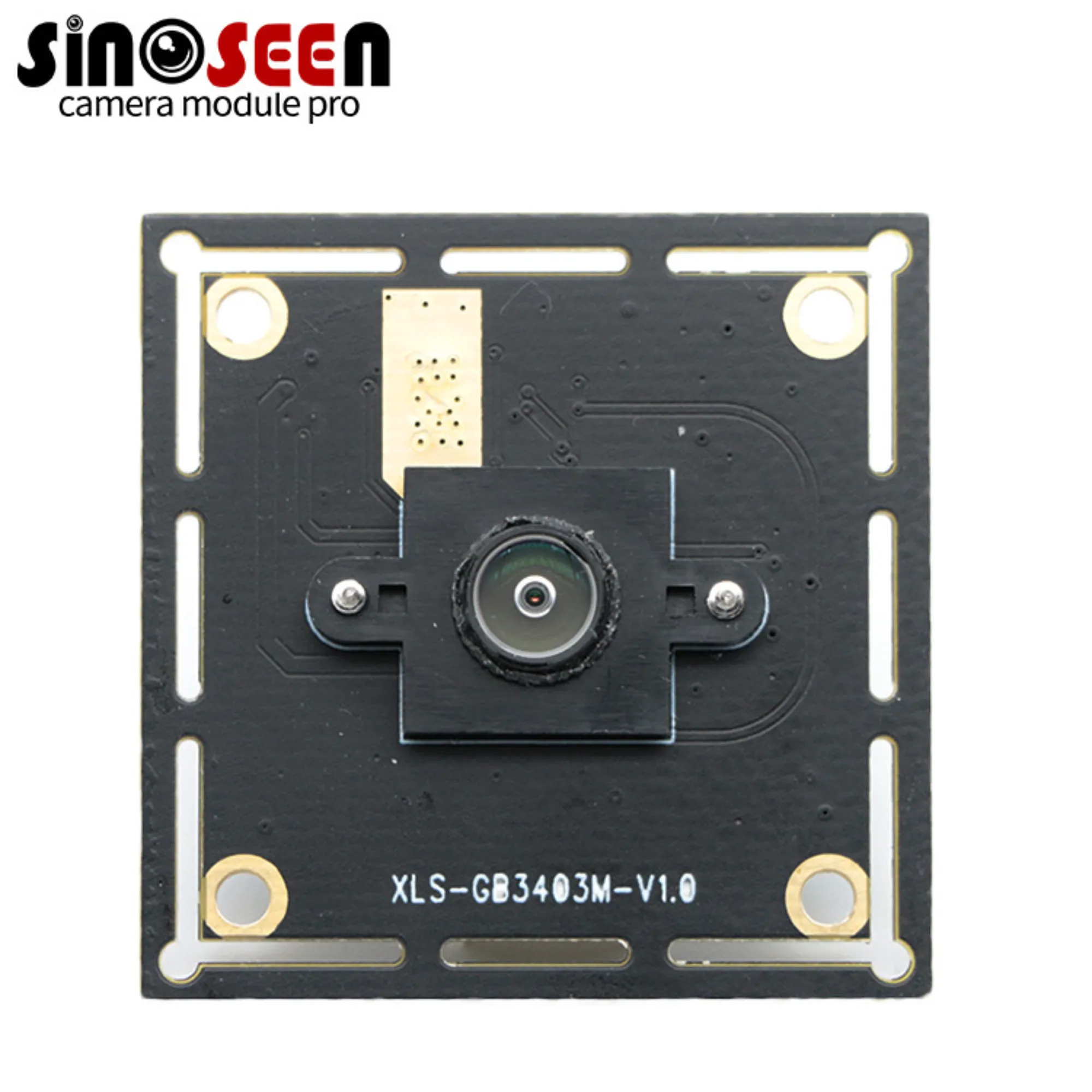
The modern electronics industry demands precision, flexibility, and rapid deployment of vision technologies across countless applications. An embedded camera module represents the intersection of advanced imaging sensors, compact form factors, and production-ready functionality that manufacturers worldwide depend upon. However, off-the-shelf solutions rarely align perfectly with the specific requirements of every OEM, which is why understanding how embedded camera module factories support customization has become essential for product developers, systems integrators, and manufacturers seeking competitive advantage.
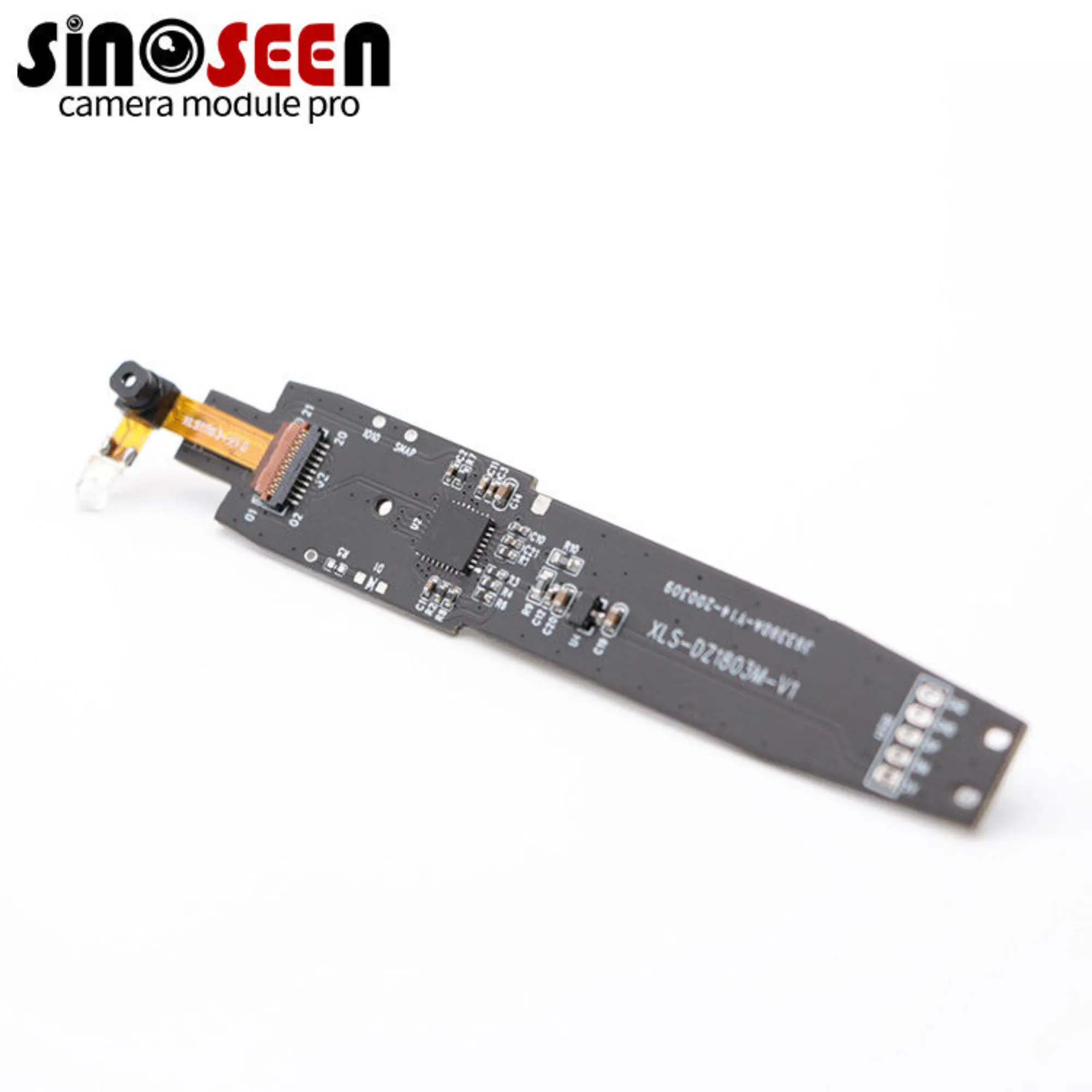
The relationship between OEM manufacturers and embedded camera module factories extends far beyond simple procurement. Today's leading embedded camera module providers function as technical partners, offering design consultation, prototyping support, and manufacturing flexibility that directly influence product performance and time-to-market. This collaborative approach has transformed how businesses approach vision system integration, making customization not an expensive exception but a standard capability within the embedded camera module industry.
Design Flexibility and Interface Standardization
Sensor Selection and Optical Configuration
Embedded camera module factories maintain relationships with multiple sensor manufacturers, allowing them to match resolution, pixel size, frame rate, and spectral sensitivity to specific application needs. When you partner with an embedded camera module provider, you gain access to this ecosystem rather than being locked into a single sensor option. An embedded camera module designed for industrial quality inspection might employ a high-resolution global shutter sensor, while an embedded camera module intended for driver monitoring requires lower power consumption and infrared sensitivity. Factories conducting embedded camera module production assess your performance requirements and recommend appropriate sensor technologies, then optimize optical components including lens selection, focusing mechanisms, and aperture design to meet your exact specifications.
Interface Compatibility and Protocol Support
The physical and electrical interface of an embedded camera module determines how seamlessly it integrates into your system architecture. Experienced embedded camera module factories offer multiple interface options including MIPI CSI-2, USB 3.1, Ethernet, and parallel digital interfaces, allowing each embedded camera module to match your host processor's input capabilities. Rather than forcing your design around a fixed embedded camera module interface, manufacturers can specify interface requirements, then work with the embedded camera module provider to configure appropriate signal conditioning, serialization, or conversion electronics. This flexibility in embedded camera module integration eliminates costly redesigns and adapter boards, reducing overall system complexity and power consumption in your final product.
Manufacturing Scale and Production Flexibility
Rapid Prototyping and Small-Batch Production
Embedded camera module customization begins during the prototyping phase, where factories validate design concepts before committing to high-volume tooling. Leading embedded camera module manufacturers maintain assembly capacity specifically allocated for prototype and low-volume production runs, enabling rapid iteration without the cost burden of full factory setup. An embedded camera module prototype can progress from concept to functional sample within weeks rather than months, allowing your engineering team to validate performance in real operating conditions. This embedded camera module development flexibility means you can refine specifications based on actual performance data, reducing the risk of manufacturing a high-volume embedded camera module that fails to meet application requirements. Small-batch embedded camera module runs serve as valuable validation steps before scaling to production volumes, and factories accommodate these intermediate steps as routine business practice.
Scalable Manufacturing and Supply Chain Integration
As your product advances from development to commercial production, embedded camera module factories scale production capacity without requiring you to change suppliers or redesign around a different embedded camera module variant. The same embedded camera module design that was proven in pilot production transitions seamlessly into high-volume manufacturing, maintaining consistent performance, cost structure, and delivery. Factories managing embedded camera module production for multiple customers maintain strategic inventory of common components, allowing faster lead times for embedded camera module orders even during supply chain disruptions. This embedded camera module manufacturing continuity provides supply security that standalone prototyping facilities cannot offer, reducing the risk that your product launch will be delayed by component shortages affecting your embedded camera module supply.
Technical Support and System Integration Services
Application-Specific Firmware and Driver Development
Modern embedded camera module systems require sophisticated software to extract full capability from the hardware, and factories providing embedded camera module solutions typically include driver development and firmware customization as standard services. An embedded camera module may include on-board image processing capabilities, lens distortion correction, automatic exposure control, or specialized triggering logic that requires careful tuning to match your specific operating environment. Embedded camera module providers work closely with your system engineers to develop application-specific configurations, then validate performance across temperature ranges, lighting conditions, and mounting orientations relevant to your target market. This embedded camera module software support ensures that you receive not just hardware components but fully integrated vision solutions ready for deployment in production systems.
Mechanical Integration and Housing Design
The mechanical packaging of an embedded camera module significantly influences system reliability, thermal performance, and manufacturing cost. Factories provide embedded camera module design consultation regarding housing materials, thermal management solutions, cable routing, and connector placement that optimize performance in your specific installation environment. An embedded camera module intended for outdoor surveillance has fundamentally different thermal and weatherproofing requirements than an embedded camera module deployed inside a controlled manufacturing facility. Experienced embedded camera module manufacturers maintain engineering resources dedicated to solving these mechanical integration challenges, designing custom mounting brackets, heat dissipation systems, and protective enclosures that make your embedded camera module deployment straightforward and reliable. This embedded camera module mechanical customization often represents the difference between a promising vision sensor and a production-ready system component that performs consistently across diverse real-world conditions.
FAQ
What lead times should I expect for customized embedded camera module orders?
Lead times for embedded camera module customization vary based on design complexity and production volume. Standard embedded camera module variants with existing sensors and interfaces typically require 8–12 weeks from order to first delivery, including design verification and pilot production. More significant embedded camera module modifications involving new optical designs, custom housing, or specialized electronics may require 12–16 weeks. Small-volume embedded camera module orders often have longer lead times per unit than high-volume production, reflecting the overhead of setup and validation activities. Discussing your timeline requirements with the embedded camera module factory early in your project planning ensures that customization schedules align with your product development roadmap.
Can embedded camera module factories accommodate very small production quantities during product launch?
Yes, most embedded camera module manufacturers understand that new products often launch with conservative initial quantities before scaling based on market response. Factories maintain embedded camera module assembly lines capable of producing quantities ranging from dozens to millions of units, allowing your production volume to evolve without changing suppliers or requiring design modifications. Initial embedded camera module runs of 500–2000 units are common during market launch phases, and factories accommodate these volumes without imposing premium pricing that would make your product uncompetitive. As your embedded camera module demand grows, production rates scale naturally within the same factory infrastructure, maintaining quality consistency and delivery reliability throughout your product lifecycle.
How do embedded camera module factories handle design changes after production begins?
Design changes to embedded camera module products are managed through formal engineering change order processes that maintain traceability and ensure seamless transitions between revisions. If performance feedback from field deployments suggests that your embedded camera module design would benefit from hardware modifications, sensor upgrades, or firmware refinements, the factory implements these changes systematically. New embedded camera module batches incorporate the improvements while existing inventory is consumed, eliminating wasteful scrap of functional components. Factories maintain detailed configuration records for each embedded camera module production lot, allowing you to identify which devices in the field contain specific hardware revisions and implement targeted software updates if necessary. This embedded camera module change management discipline protects your product reliability while enabling continuous optimization based on real-world operational experience.