
 EN
 AR
 DA
 NL
 FI
 FR
 DE
 EL
 HI
 IT
 JA
 KO
 NO
 PL
 PT
 RO
 RU
 ES
 SV
 TL
 IW
 ID
 SR
 VI
 HU
 TH
 TR
 FA
 MS
 IS
 AZ
 UR
 BN
 HA
 LO
 MR
 MN
 PA
 MY
 SD
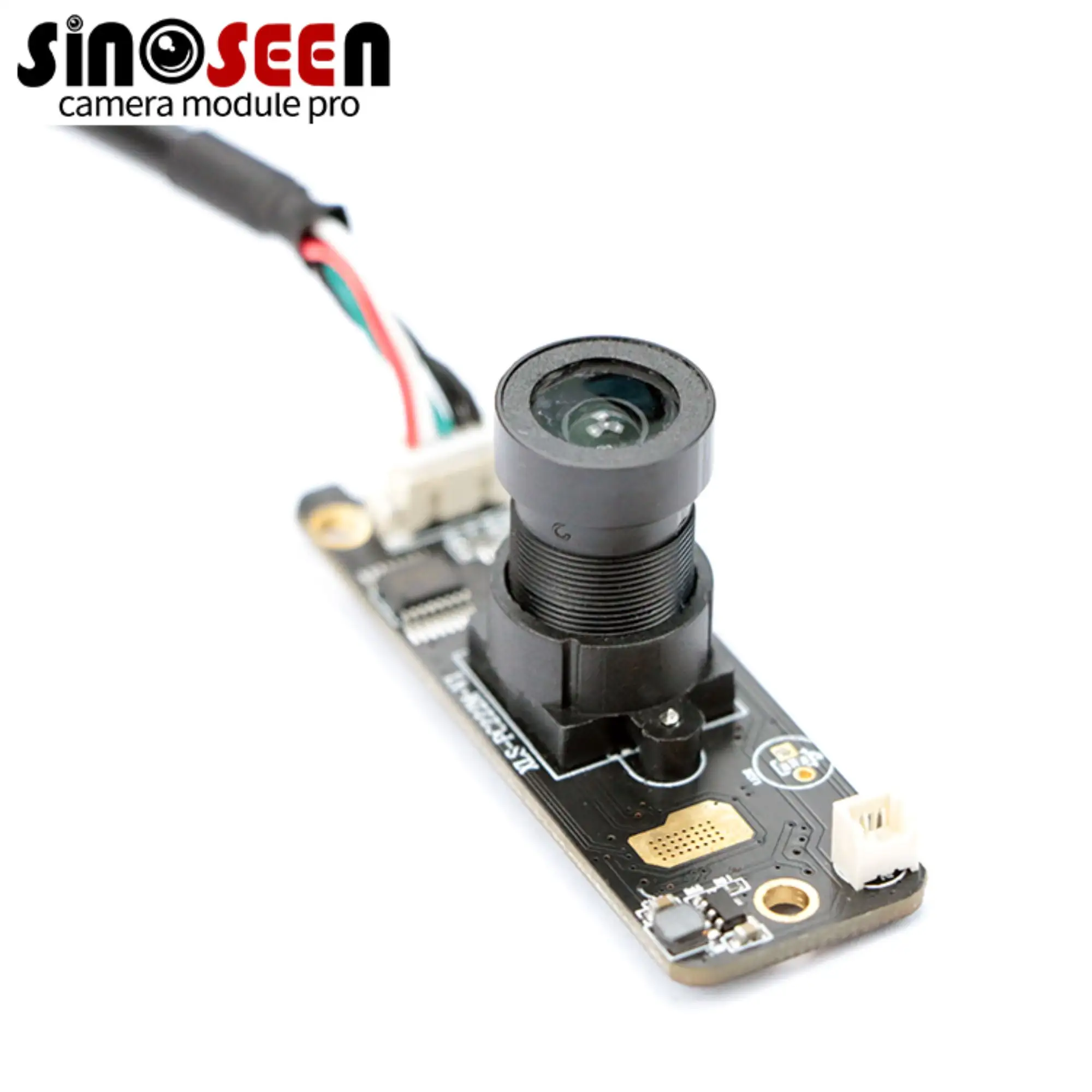
The demand for advanced imaging solutions has transformed industrial automation, surveillance, robotics, and autonomous systems across global markets. An AI camera module represents the convergence of optical precision, computational intelligence, and embedded vision technology designed to deliver real-time processing capabilities at the edge. These specialized components enable devices to capture, analyze, and respond to visual information without relying on cloud infrastructure, making them essential for applications requiring low latency, high reliability, and autonomous decision-making. Understanding how to select and integrate an AI camera module into your product strategy directly impacts performance, time-to-market, and competitive positioning.
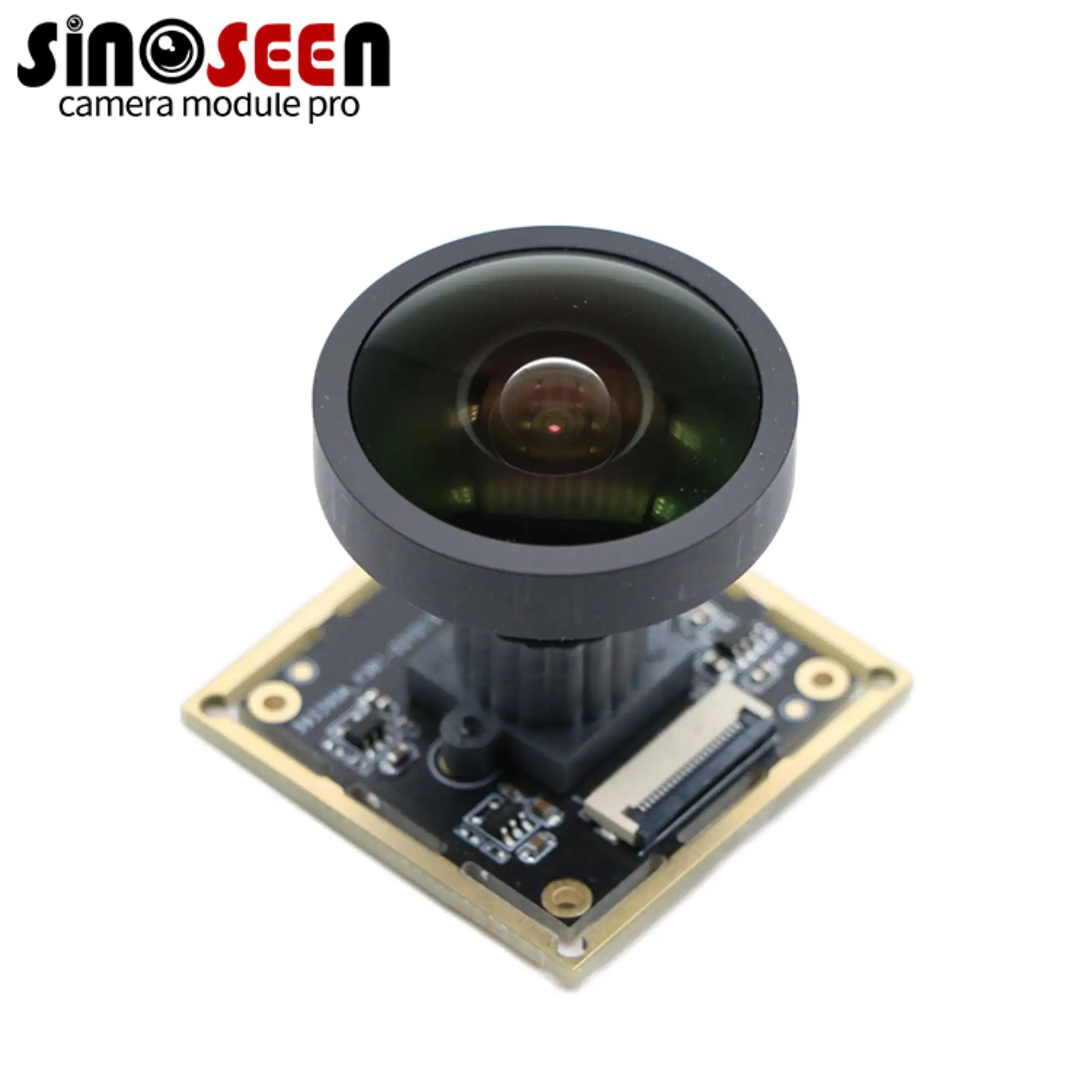
Today's manufacturers of intelligent vision products face mounting pressure to deliver solutions that combine affordability with superior optical and processing performance. The right AI camera module manufacturer provides not only hardware components but also technical support, integration frameworks, and optimization tools that accelerate product development cycles. Whether your application involves industrial inspection, autonomous navigation, or smart city infrastructure, the choice of AI camera module supplier fundamentally shapes your ability to deliver differentiated solutions that meet emerging market expectations for speed, accuracy, and operational efficiency.
Understanding AI Camera Module Capabilities and Architecture
Core Components and Technology Integration
An effective AI camera module integrates multiple layers of technology to process visual data in real time. The hardware foundation typically includes a high-resolution image sensor, dedicated image signal processor, and optionally embedded inference accelerators that execute deep learning models directly on the module. This architecture eliminates the latency penalties associated with sending raw video streams to remote servers, enabling instantaneous decision-making in time-critical applications. A professional AI camera module manufacturer designs these components to work in seamless coordination, optimizing thermal management, power efficiency, and signal integrity across the entire system.
The software layer complements the hardware foundation by providing standardized interfaces, driver support, and firmware that allows rapid integration into larger platforms. Manufacturers of enterprise-grade AI camera module products typically bundle their hardware with comprehensive software development kits, documentation, and example implementations that reduce customer engineering effort. This ecosystem approach transforms the AI camera module from a passive component into an active intelligence layer that customers can leverage across multiple product generations and use cases.
Performance Specifications and Industrial Requirements
Selecting the appropriate AI camera module for your application requires careful evaluation of specifications that extend beyond traditional megapixel counts. Frame rate capability, dynamic range, low-light sensitivity, and processing throughput define whether an AI camera module can reliably operate in challenging industrial environments. A reputable AI camera module manufacturer publishes detailed performance benchmarks, thermal operating ranges, and reliability metrics that allow engineering teams to make informed decisions aligned with their specific deployment scenarios.
Interface standards such as MIPI CSI-2 have become increasingly prevalent in modern AI camera module designs, enabling efficient data transfer to host processors while maintaining strict power budgets. The choice between parallel and serial interfaces, along with resolution and color depth options, directly impacts system-level design complexity and cost. A quality AI camera module manufacturer offers multiple configuration options to serve diverse market segments, from edge computing devices to industrial robotics platforms.
Market Leadership and Manufacturing Capabilities
Quality Assurance and Supply Chain Excellence
Manufacturers competing in the AI camera module space must demonstrate robust quality assurance processes, traceability systems, and reliability testing protocols that guarantee consistent performance across production batches. Leading AI camera module manufacturers invest in automated optical testing, functional verification, and environmental stress testing to ensure each unit meets strict specification tolerances. This commitment to quality directly translates into reduced field failures, lower warranty costs, and enhanced customer satisfaction in demanding applications where vision system reliability directly impacts safety and productivity.
Supply chain resilience has become a defining characteristic of trustworthy AI camera module manufacturers in an era of global component shortages and geopolitical uncertainty. Established manufacturers maintain diversified supplier relationships, strategic inventory buffers, and alternative sourcing strategies that protect customers from production disruptions. When evaluating an AI camera module manufacturer, confirm their commitment to supply continuity, lead time predictability, and transparent communication regarding component availability.
Technical Support and Design Collaboration
Beyond component delivery, differentiated AI camera module manufacturers provide engineering support that accelerates customer product development timelines. This includes hardware reference designs, software libraries, integration assistance, and performance optimization consulting that help customers leverage the full potential of their chosen AI camera module. Professional manufacturers maintain technical documentation standards that facilitate rapid prototyping and reduce the engineering effort required to achieve production-ready implementations.
The best AI camera module manufacturers also engage in collaborative customization, working with customers to address unique application requirements through firmware modifications, optical tuning, or specialized form factor designs. This partnership approach builds long-term relationships and establishes the manufacturer as a strategic technology partner rather than a transactional supplier. Customers benefit from technical guidance that helps optimize power consumption, thermal management, and image processing pipelines specific to their use cases.
Application Scenarios and Market Expansion Opportunities
Industrial Automation and Quality Control
Industrial inspection systems rely heavily on AI camera module technology to detect defects, verify assembly accuracy, and enforce quality standards with consistency that exceeds manual inspection capabilities. An AI camera module integrated into quality control equipment can process thousands of images hourly, identifying subtle anomalies that protect brand reputation and reduce costly recalls. Manufacturers serving industrial markets require AI camera module solutions that operate reliably under harsh conditions, including temperature fluctuations, vibration, and electromagnetic interference common in factory environments.
The integration of deep learning inference on the AI camera module itself enables real-time decision-making without external compute dependencies, making factory systems more autonomous and responsive. This capability has become essential as manufacturers pursue Industry 4.0 objectives, where edge intelligence and distributed processing replace centralized supervisory control. An effective AI camera module for industrial applications balances computational power with reliability, cost-effectiveness, and integration simplicity.
Autonomous Systems and Robotics Applications
Autonomous vehicles, delivery robots, and industrial robotic systems depend on sophisticated AI camera module implementations that provide high-fidelity environmental awareness and real-time threat detection. These demanding applications require AI camera module solutions with exceptional dynamic range, rapid processing speed, and redundancy features that ensure safety and operational reliability. An AI camera module manufacturer specializing in robotics applications understands the stringent performance requirements and develops solutions that balance frame rate, resolution, and inference latency.
The complexity of autonomous navigation demands multiple AI camera module instances working in coordinated fashion, necessitating standardized form factors, power management, and data synchronization capabilities. Manufacturers that offer scalable AI camera module architectures capable of supporting multi-camera systems provide significant advantages to robotics integrators. This ecosystem approach, combined with optimized software frameworks, enables faster development cycles and more reliable autonomous system deployments.
FAQ
What performance metrics should I prioritize when evaluating an AI camera module manufacturer?
Focus on metrics specific to your application rather than generic specifications. For industrial inspection, prioritize resolution, dynamic range, and image processing speed. For autonomous systems, evaluate frame rate consistency, latency under computational load, and thermal stability. Consult with the AI camera module manufacturer regarding performance benchmarks in test environments that simulate your actual deployment conditions. Request sample units for extended evaluation before committing to production volumes.
How does an AI camera module reduce system complexity compared to external vision processors?
An integrated AI camera module consolidates image capture, preprocessing, and inference into a single compact module, eliminating separate processors and reducing wiring, power distribution, and thermal management complexity. This monolithic approach lowers overall system cost, reduces software integration burden, and accelerates time-to-market. The AI camera module manufacturer handles hardware-software optimization internally, allowing your team to focus on higher-level application logic rather than low-level signal processing.
What support services distinguish leading AI camera module manufacturers from competitors?
Premium AI camera module manufacturers offer comprehensive software development kits, technical documentation, integration examples, and responsive engineering support that accelerate customer projects. They provide firmware updates addressing performance enhancements and security improvements, ensuring long-term product relevance. The best AI camera module manufacturers also facilitate customer success through training programs, design consultation, and collaborative optimization that creates measurable value beyond the component itself.