
 EN
EN
 AR
AR
 DA
DA
 NL
NL
 FI
FI
 FR
FR
 DE
DE
 EL
EL
 HI
HI
 IT
IT
 JA
JA
 KO
KO
 NO
NO
 PL
PL
 PT
PT
 RO
RO
 RU
RU
 ES
ES
 SV
SV
 TL
TL
 IW
IW
 ID
ID
 SR
SR
 VI
VI
 HU
HU
 TH
TH
 TR
TR
 FA
FA
 MS
MS
 IS
IS
 AZ
AZ
 UR
UR
 BN
BN
 HA
HA
 LO
LO
 MR
MR
 MN
MN
 PA
PA
 MY
MY
 SD
SD
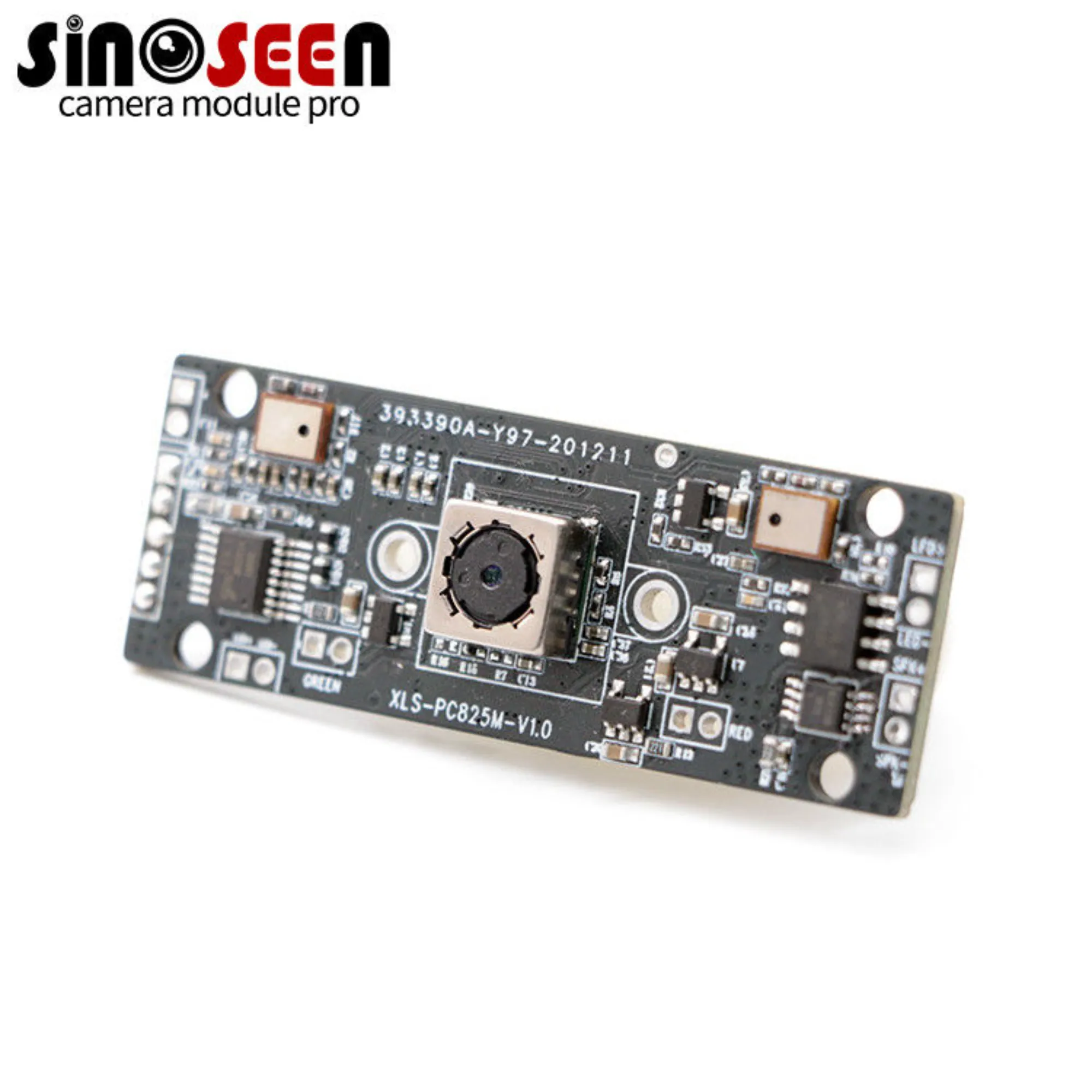
Product innovation in imaging technology moves fast, and for many development teams, partnering with a small camera module factory has become a strategic decision rather than a budget compromise. A well-equipped small camera module facility brings agility, direct engineering access, and a willingness to customize that large manufacturers rarely offer. When your development roadmap depends on rapid iteration, the camera module supplier you choose can either accelerate or stall your entire project.
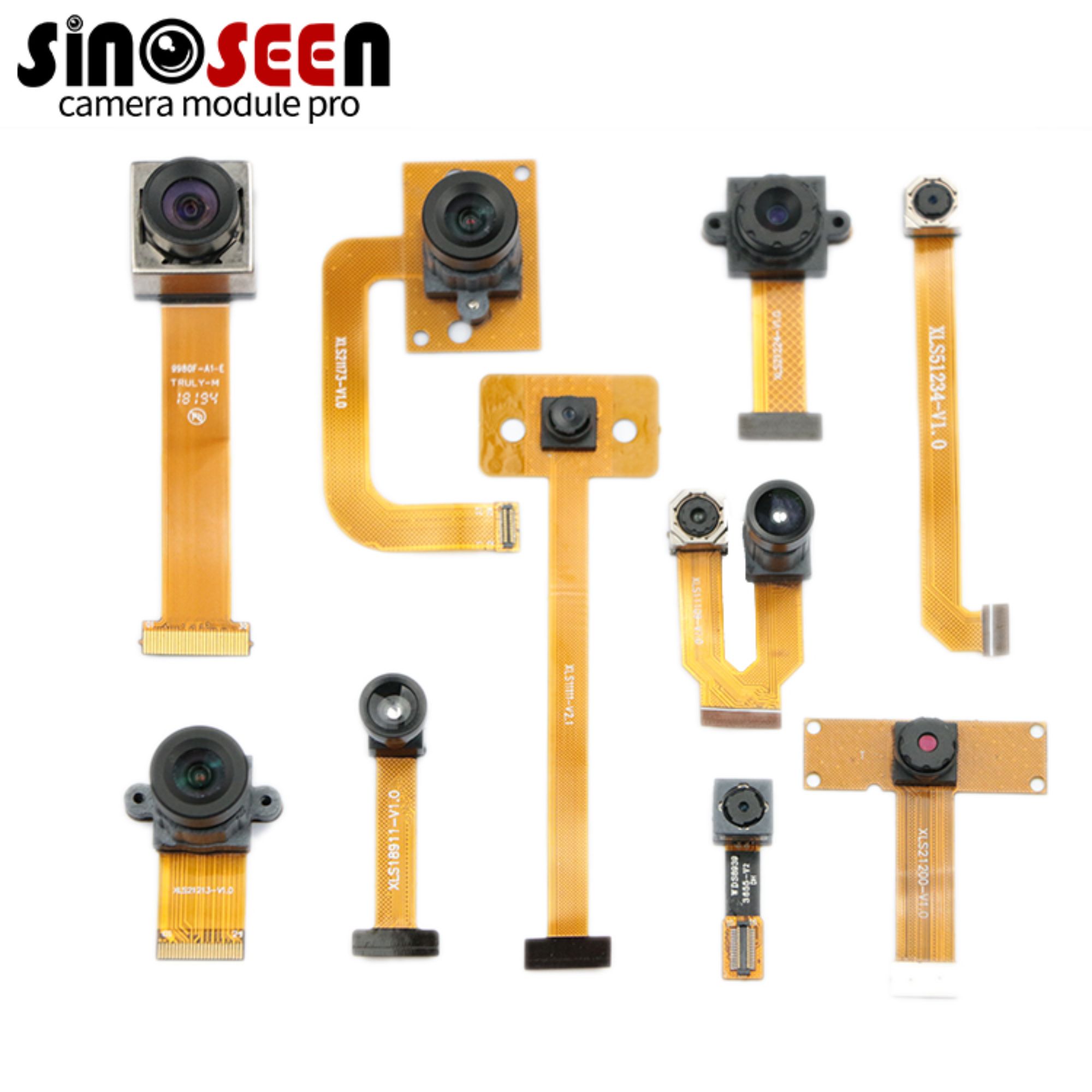
Understanding how a small camera module factory operates helps product teams make smarter sourcing decisions. These factories typically focus on flexible production runs, close collaboration with OEM clients, and building camera module designs that match highly specific application requirements. From robotics to medical devices, the camera module sits at the heart of the product, making factory support a critical factor in how quickly and effectively innovation can happen.
Flexible Design Support in Camera Module Production
Custom Specifications for Every Camera Module Project
One of the strongest advantages a small camera module factory offers is the ability to produce a camera module to custom specifications without requiring enormous minimum order quantities. Large-scale manufacturers often enforce rigid product catalogs, which means development teams must adapt their designs around available camera module options rather than building around their actual product needs. Small factories reverse this dynamic entirely.
A dedicated small-scale camera module supplier can adjust lens focal length, sensor size, interface type, and form factor based on what the product requires. Whether the target application needs a MIPI camera module for an embedded system or a compact camera module for a wearable device, the engineering team at a small factory can engage directly with client specifications. This level of camera module customization is rarely accessible through volume-focused manufacturers.
Iterative Engineering for Camera Module Optimization
Small camera module factories also excel at supporting iterative engineering cycles. When a product team identifies a performance gap in an early prototype, a responsive camera module supplier can revise optical parameters, update the PCB layout, or change the interface configuration within a shorter turnaround than a large factory would typically allow. This responsiveness gives development teams the freedom to experiment with camera module designs without committing to large production runs too early in the process.
Every product innovation cycle involves testing, feedback, and adjustment. A camera module partner that can move through these stages quickly reduces development cost and time-to-market. For startups and mid-size product companies, this camera module agility is often the difference between launching on schedule and losing ground to competitors.
How Small Factories Accelerate Camera Module Development Timelines
Direct Communication and Faster Camera Module Decisions
In a large camera module manufacturing environment, engineering decisions often move through multiple departments before reaching the team responsible for actual production. At a small camera module factory, the project engineer, production manager, and quality technician frequently work in close proximity, and sometimes the same person handles multiple roles. This structure means camera module decisions happen faster and with fewer communication gaps.
When a client requests a change to the camera module interface, lens coating, or housing dimension, the small factory can evaluate feasibility, provide feedback, and begin implementation within days rather than weeks. This shortened decision loop is especially valuable during the early stages of camera module development when specifications are still being refined. Product teams that need quick answers about camera module compatibility or performance can rely on direct access to the people who actually build the product.
Prototype-to-Production Transitions for Camera Module Projects
Moving from a camera module prototype to a production-ready unit is a critical phase where many projects encounter delays. Small factories that specialize in camera module manufacturing understand this transition and structure their processes to support it. Once a camera module design is validated, the same team that built the prototype can oversee production scaling, ensuring that the production units match the tested specifications without quality drift.
This continuity between prototype and production is a major benefit of working with a small camera module supplier. It reduces the risk of specification misinterpretation during handoff and allows engineers to maintain control over critical camera module parameters. The result is a smoother, faster path from validated design to market-ready camera module units.
Supporting OEM Innovation Through Camera Module Customization
OEM-Ready Camera Module Solutions for Diverse Applications
Small camera module factories are often the preferred choice for OEM clients who need a camera module tailored to a specific product category. Medical imaging equipment, smart home devices, industrial inspection systems, and automotive applications each place different demands on the camera module in terms of resolution, operating temperature, connector type, and housing design. A small factory can engineer a camera module solution that meets these varied requirements without forcing clients into a one-size-fits-all configuration.
For OEM product teams, having a camera module supplier that understands the downstream application context makes a significant difference. The camera module design choices made at the factory level directly affect how well the final product performs in the hands of end users. Small factories that invest in understanding the OEM client's market can contribute meaningful design suggestions that improve the camera module and the product it powers.
Quality Control and Long-Term Camera Module Support
Innovation does not end at launch. A camera module used in a deployed product needs consistent quality across production batches and reliable support if specifications need to change over time. Small camera module factories are well-positioned to provide this ongoing relationship. Because they work with a smaller number of clients, they can allocate more attention to each camera module project and maintain detailed records of design decisions and component sourcing.
Long-term camera module support also includes responding to component obsolescence, updating firmware compatibility, and adjusting the camera module design when product revisions require changes. These tasks require a factory partner that is invested in the relationship, not simply fulfilling a purchase order. Small camera module suppliers typically offer this level of engagement because their business model depends on retained client relationships rather than high-volume anonymous transactions.
FAQ
What types of products benefit most from a custom camera module?
Products with specific size constraints, interface requirements, or performance targets benefit most from a custom camera module. This includes medical devices, robotics, industrial inspection tools, and smart wearables where off-the-shelf camera module options do not meet the technical requirements of the application.
How does a small factory handle camera module quality assurance?
A small camera module factory typically performs quality checks at each stage of production, from incoming component inspection to final optical and functional testing of each camera module unit. Because production volumes are lower, technicians can apply more thorough attention to each camera module batch, reducing the likelihood of defects reaching the client.
Can a small camera module factory support high-volume production eventually?
Many small camera module factories are designed to scale with their clients. Once a camera module design is stabilized and validated, the factory can increase production capacity incrementally. Some small camera module suppliers also have partnerships with larger facilities that can absorb volume increases while the original factory maintains design and quality oversight for the camera module program.