
 EN
 AR
 DA
 NL
 FI
 FR
 DE
 EL
 HI
 IT
 JA
 KO
 NO
 PL
 PT
 RO
 RU
 ES
 SV
 TL
 IW
 ID
 SR
 VI
 HU
 TH
 TR
 FA
 MS
 IS
 AZ
 UR
 BN
 HA
 LO
 MR
 MN
 PA
 MY
 SD
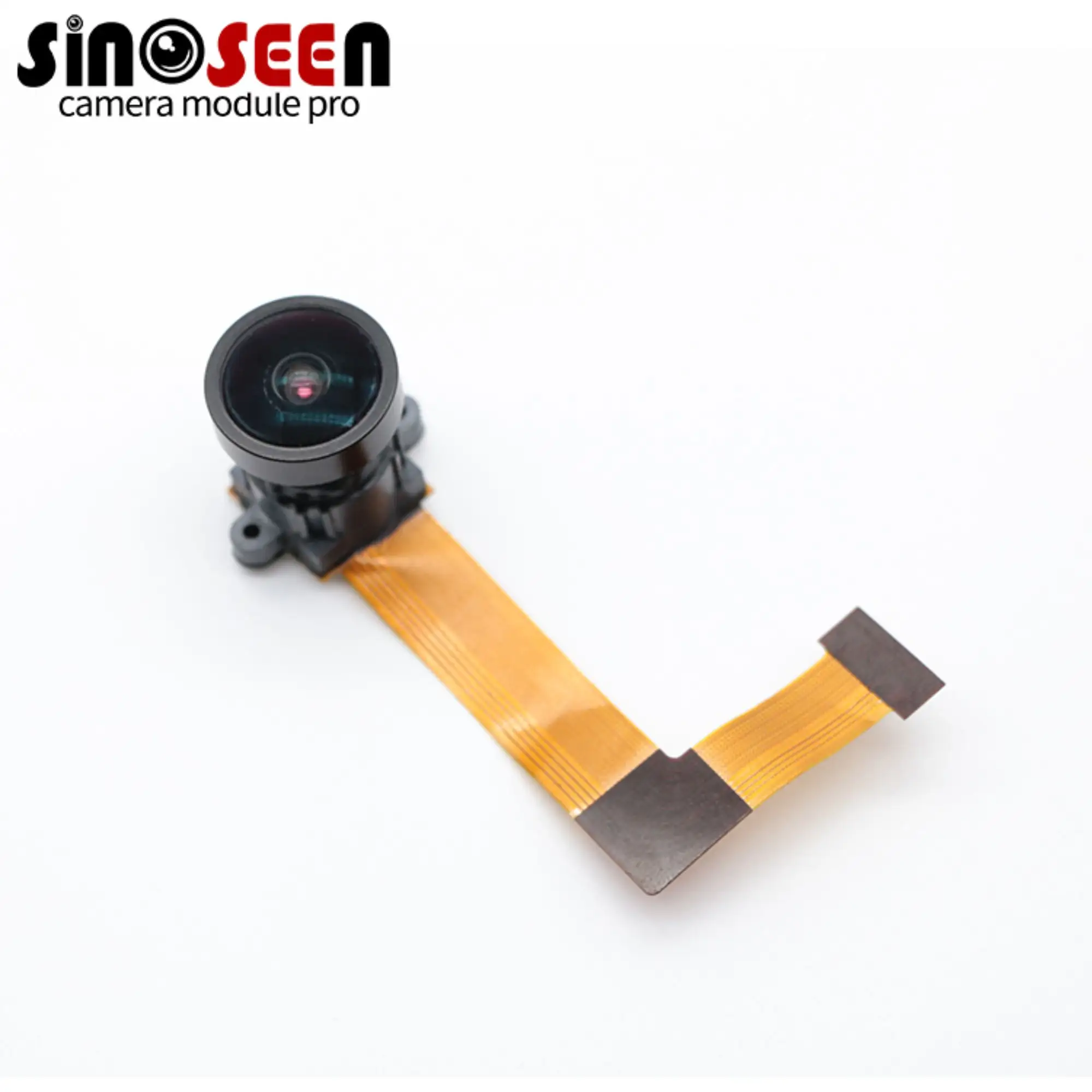
The demand for AI camera module solutions continues to accelerate as organizations deploy intelligent applications at the network edge. An AI camera module supplier plays a critical role in enabling edge computing devices to capture, process, and analyze visual data with minimal latency and maximum efficiency. Unlike traditional camera modules that rely on cloud processing, an AI camera module integrates advanced computational capabilities directly into the device, allowing real-time decision making without constant connectivity requirements. This architectural shift transforms how industries approach surveillance, quality control, autonomous navigation, and environmental monitoring at distributed locations.
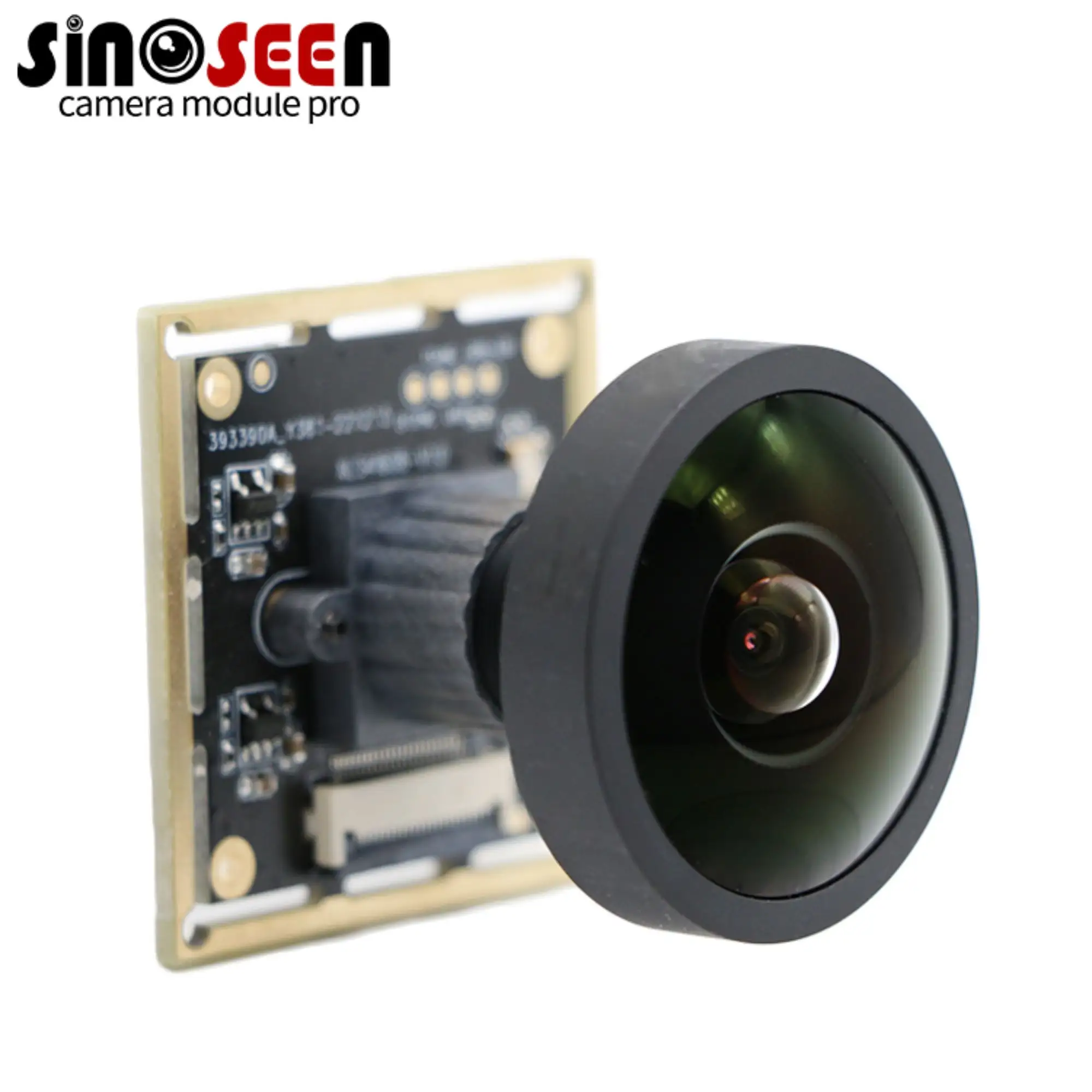
Selecting the right AI camera module supplier directly impacts the performance, reliability, and scalability of your edge computing infrastructure. A qualified AI camera module provider must deliver hardware that meets stringent performance standards, firmware that supports industry-standard frameworks, and technical support that understands both computer vision requirements and edge deployment constraints. The supplier relationship extends beyond component procurement to encompass design consultation, integration assistance, and ongoing optimization to ensure your edge devices achieve intended performance targets in production environments.
Understanding AI Camera Module Architecture for Edge Deployment
Core Processing Capabilities in Edge-Optimized Design
An AI camera module designed for edge computing must balance computational power with energy efficiency and thermal constraints. The architecture typically combines a high-resolution image sensor with specialized processors that execute machine learning inference tasks locally on the device. When you evaluate an AI camera module supplier, assess whether their offerings include dedicated neural processing units, sufficient memory for model execution, and support for popular AI frameworks such as TensorFlow Lite, ONNX, and PyTorch. This integrated approach eliminates the latency penalties associated with cloud-based vision processing and reduces bandwidth consumption, two critical factors in distributed deployment scenarios.
Sensor Specifications and Output Integration
The AI camera module image sensor represents the foundation of visual data quality. Premium suppliers configure their AI camera module products with sensors offering high dynamic range, low-light performance, and global shutter capabilities depending on application requirements. Output interfaces such as MIPI CSI-2, parallel RGB, or USB connectivity must integrate seamlessly with your edge device architecture. An experienced AI camera module supplier provides detailed technical specifications, development guides, and reference implementations that simplify integration into your hardware design and firmware stack.
Evaluating AI Camera Module Supplier Capabilities and Support
Technical Expertise and Integration Support
A reliable AI camera module supplier demonstrates deep expertise in embedded vision, edge computing architectures, and machine learning optimization. Beyond component specifications, evaluate whether your chosen AI camera module supplier offers hardware abstraction layers, driver packages, and sample applications that accelerate your time-to-market. Suppliers who provide reference designs for common use cases, detailed API documentation, and active technical support channels significantly reduce integration complexity. Consider requesting case studies or speaking with existing customers to understand how effectively the AI camera module supplier supports production deployments across different industries and use cases.
Quality Assurance and Long-Term Supply Reliability
Manufacturing consistency and component availability directly affect your ability to scale edge computing deployments. An established AI camera module supplier maintains rigorous quality control processes, implements burn-in testing protocols, and maintains component inventory to support production timelines. Request information about the AI camera module supplier's quality certifications, failure rate metrics, and supply chain resilience strategies. For mission-critical applications, clarify the supplier's long-term product roadmap, component lifecycle commitments, and end-of-life planning. These factors prevent costly production disruptions and ensure your edge computing infrastructure maintains consistent performance throughout the device lifecycle.
Practical Implementation Considerations for AI Camera Module Selection
Performance Optimization and Thermal Management
Edge devices operating continuously in outdoor or industrial environments face significant thermal challenges. An AI camera module supplier should provide detailed thermal analysis, including power consumption specifications under various processing loads and recommended cooling strategies. The AI camera module module interface, mounting compatibility, and power delivery requirements must align with your device's thermal design. Discuss with your AI camera module supplier how their hardware performs under sustained processing loads, whether firmware includes adaptive throttling mechanisms, and what environmental operating ranges are validated for your target application scenarios.
Model Flexibility and Framework Support
Different applications require different machine learning models, inference frameworks, and preprocessing pipelines. Your AI camera module supplier should support flexibility in model deployment, allowing you to update inference logic without replacing hardware components. Confirm that your chosen AI camera module supplier's development environment supports the specific frameworks your data science team uses and provides clear documentation for model conversion, optimization, and deployment workflows. This flexibility becomes critical as application requirements evolve or new model versions require deployment across your existing edge device infrastructure.
FAQ
What specifications should I prioritize when selecting an AI camera module supplier?
Priority specifications include image sensor resolution and low-light performance, processing unit architecture with dedicated AI acceleration, memory capacity for model execution, power consumption under typical workloads, thermal performance characteristics, and supported output interfaces. An AI camera module supplier should clearly articulate how their specific product meets your resolution, frame rate, and inference latency requirements while operating within your power and thermal budgets.
How does an AI camera module supplier ensure compatibility with my edge computing platform?
Compatibility depends on driver availability for your operating system, SDK support for your development framework, and interface compatibility with your hardware platform. A capable AI camera module supplier provides comprehensive documentation, reference implementations, and actively maintains driver updates. Request the AI camera module supplier demonstrate their hardware functioning with your specific platform before finalizing procurement decisions, or review their compatibility matrix with established edge computing platforms.
What ongoing support should I expect from an AI camera module supplier?
Comprehensive AI camera module suppliers offer technical support channels for integration issues, firmware updates addressing performance or compatibility improvements, hardware replacement procedures for defective units, and consultation on application-specific optimization. Clarify support availability during your product development phase and throughout production deployment. Establish clear escalation procedures and response time commitments with your AI camera module supplier to ensure production issues receive appropriate attention when they arise.