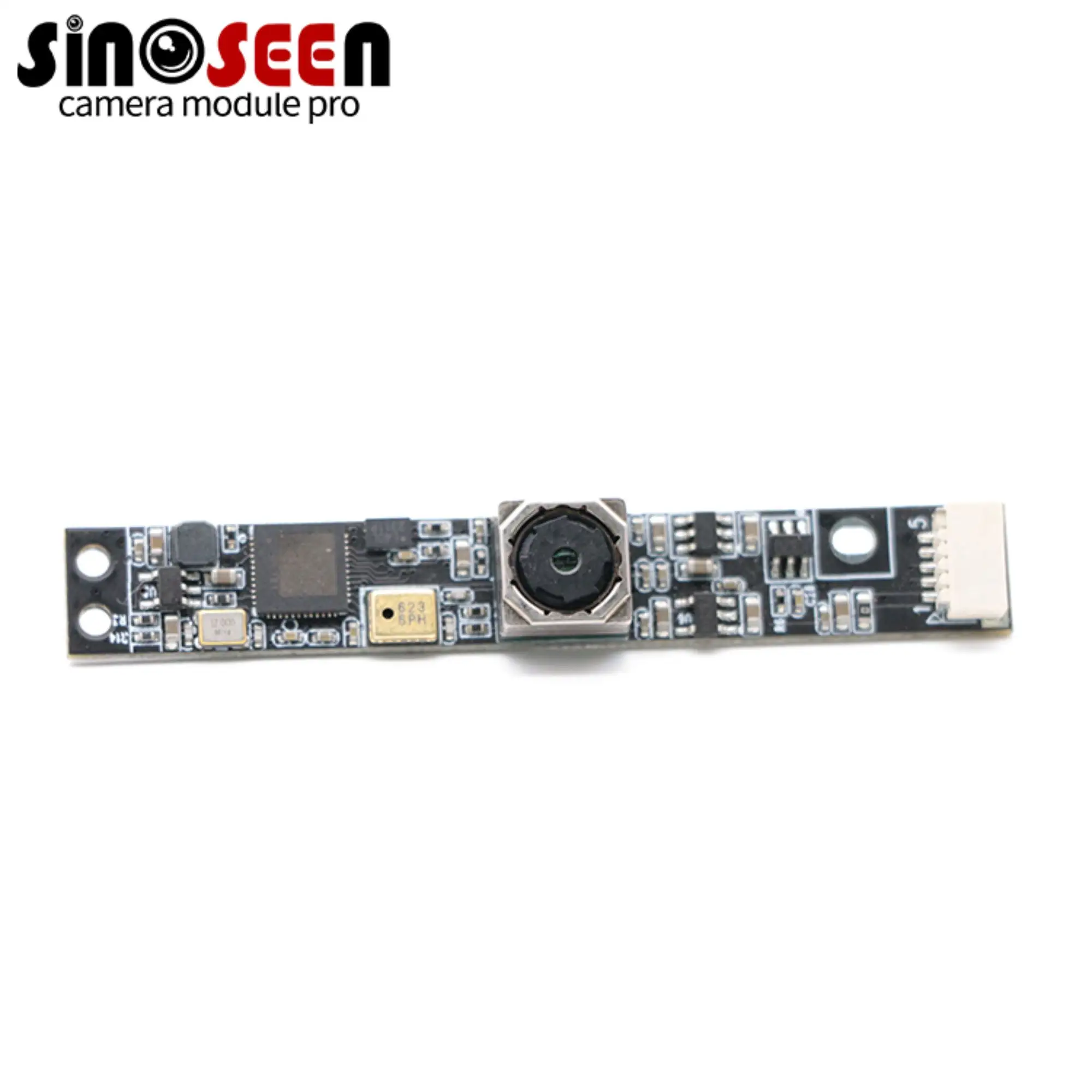
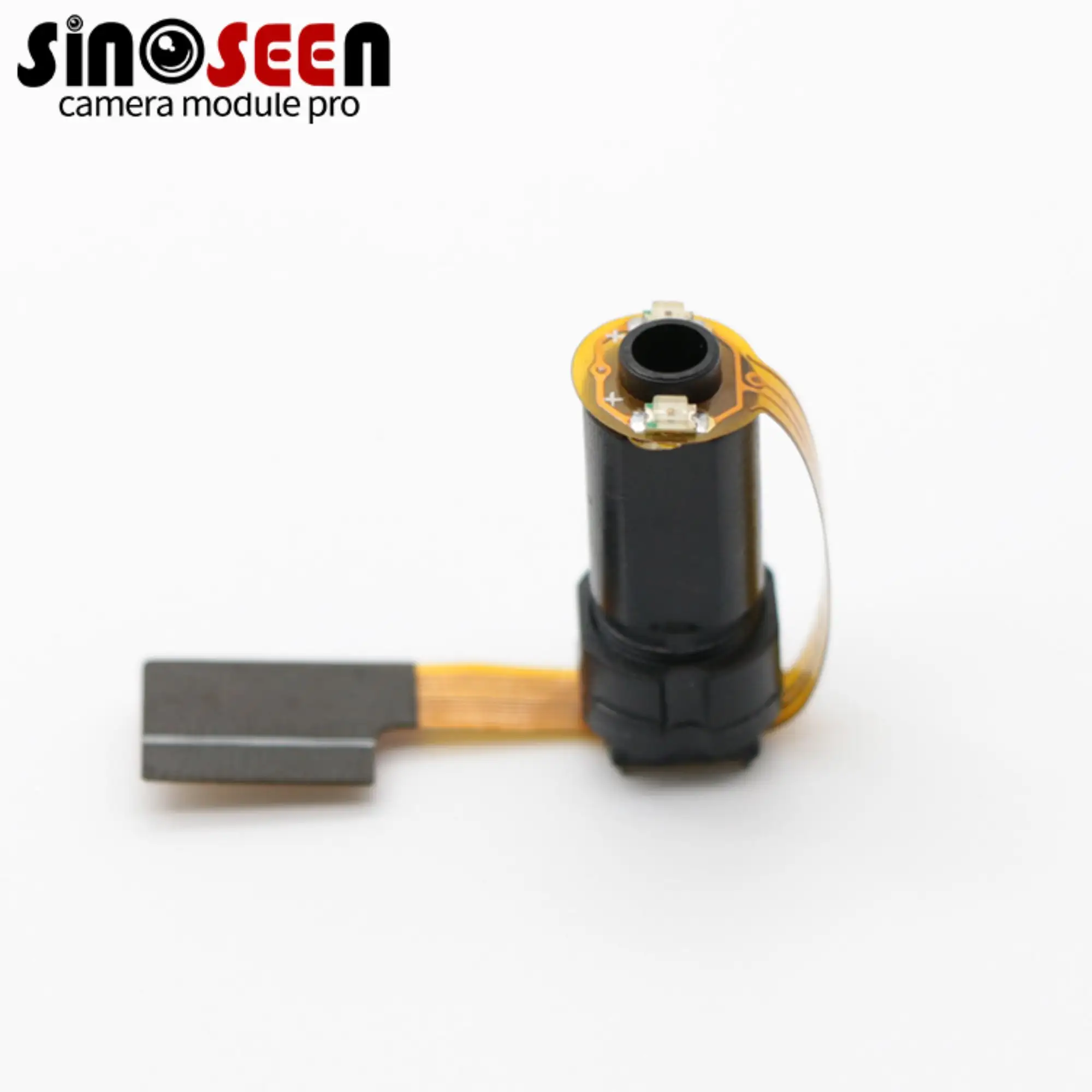
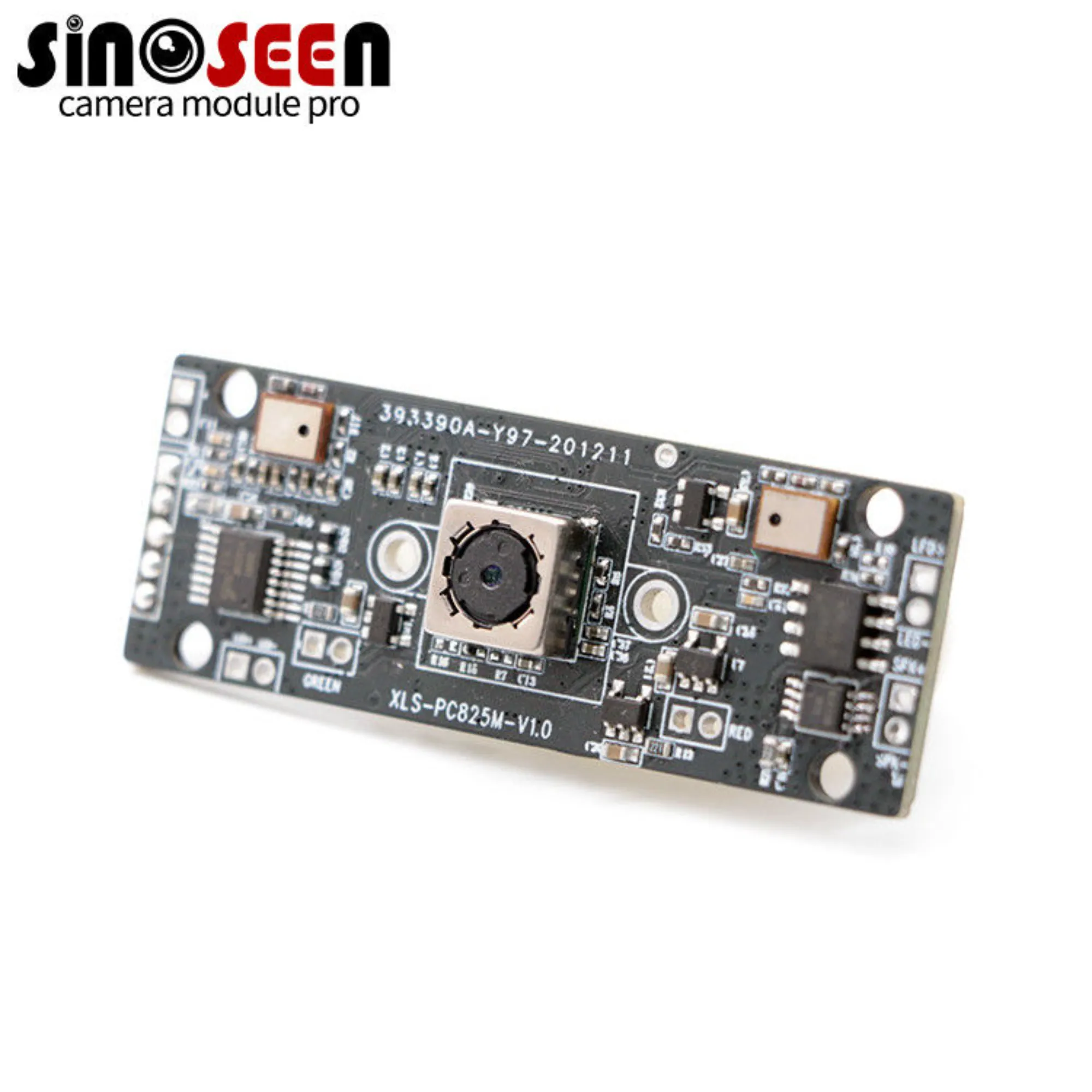
micro camera for drone
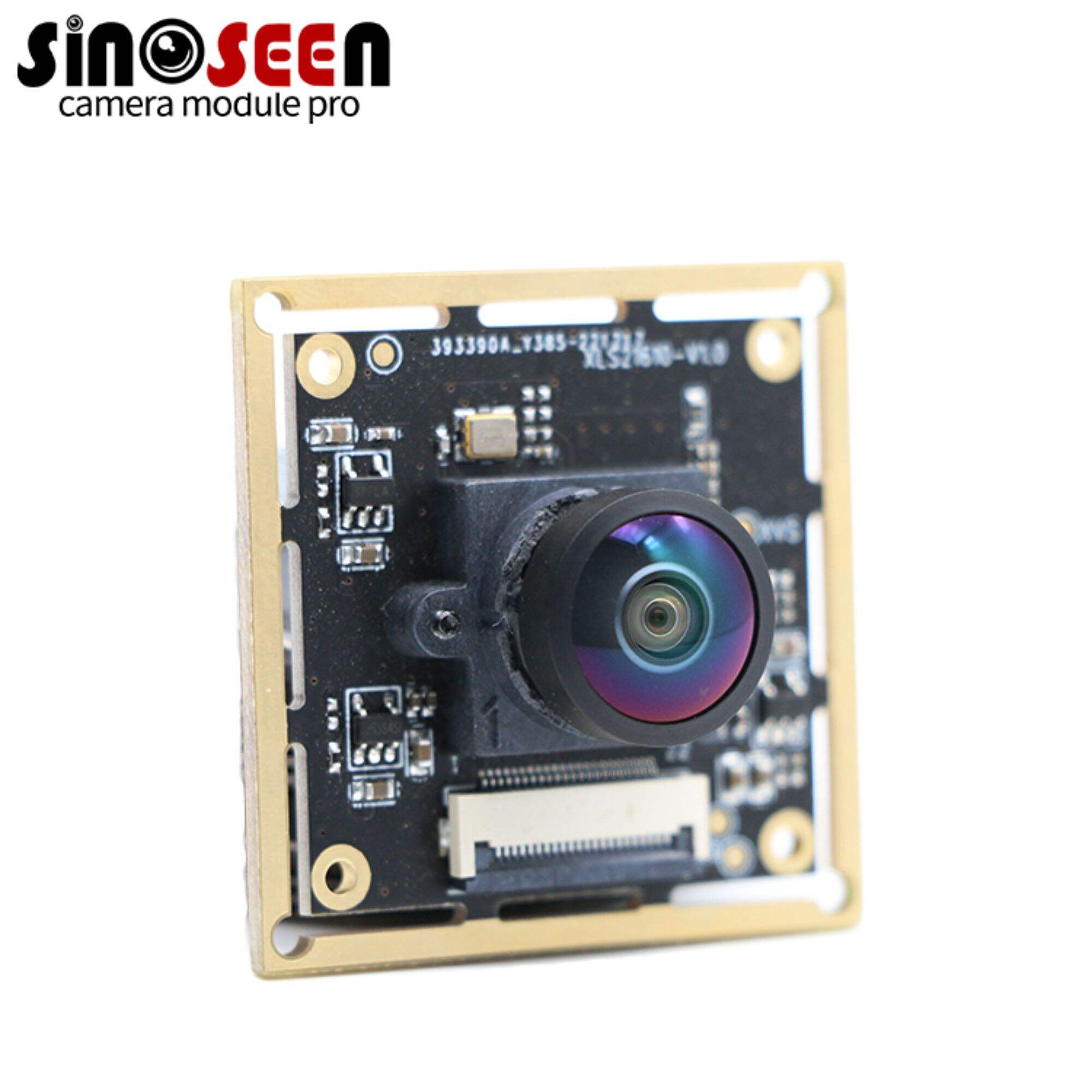
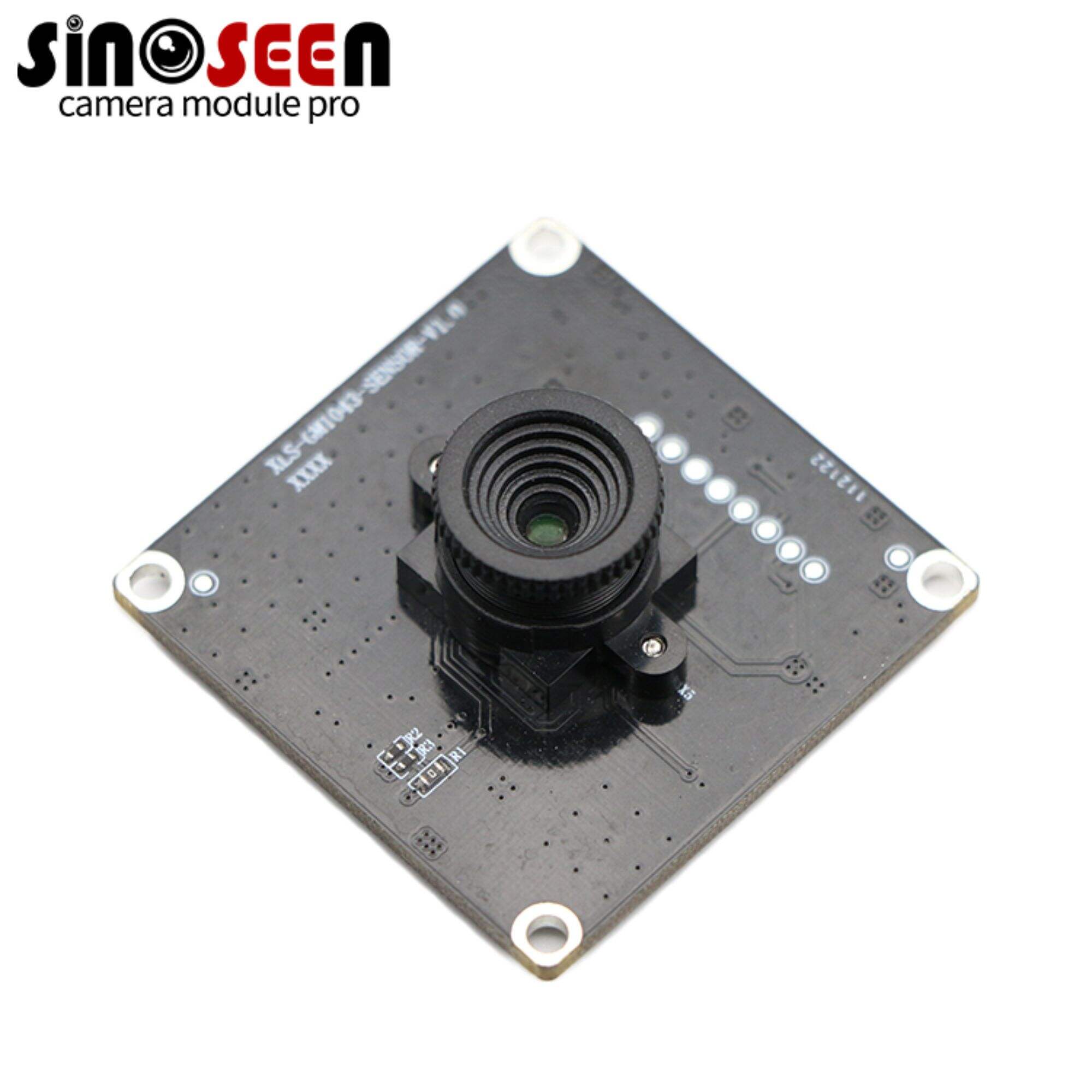
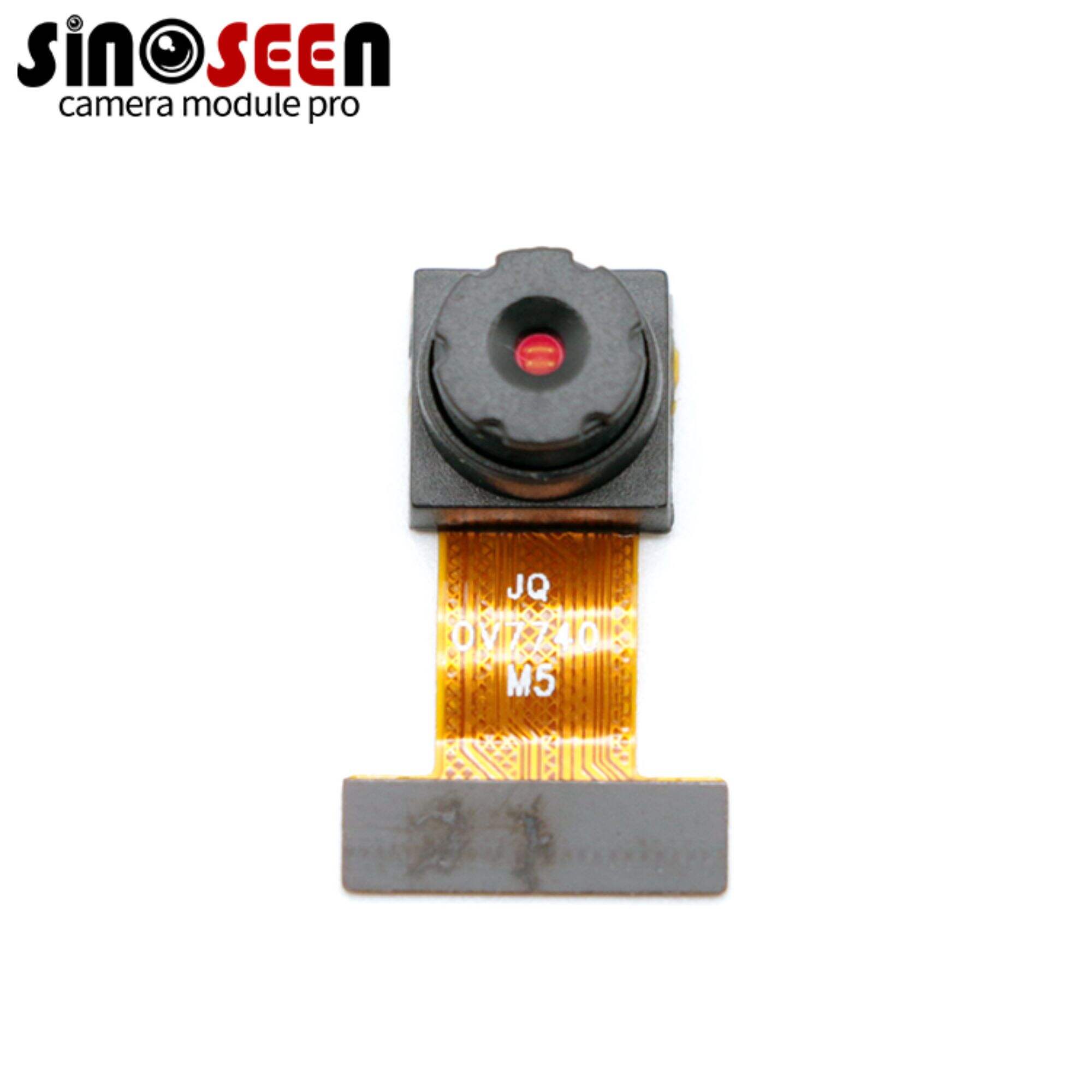
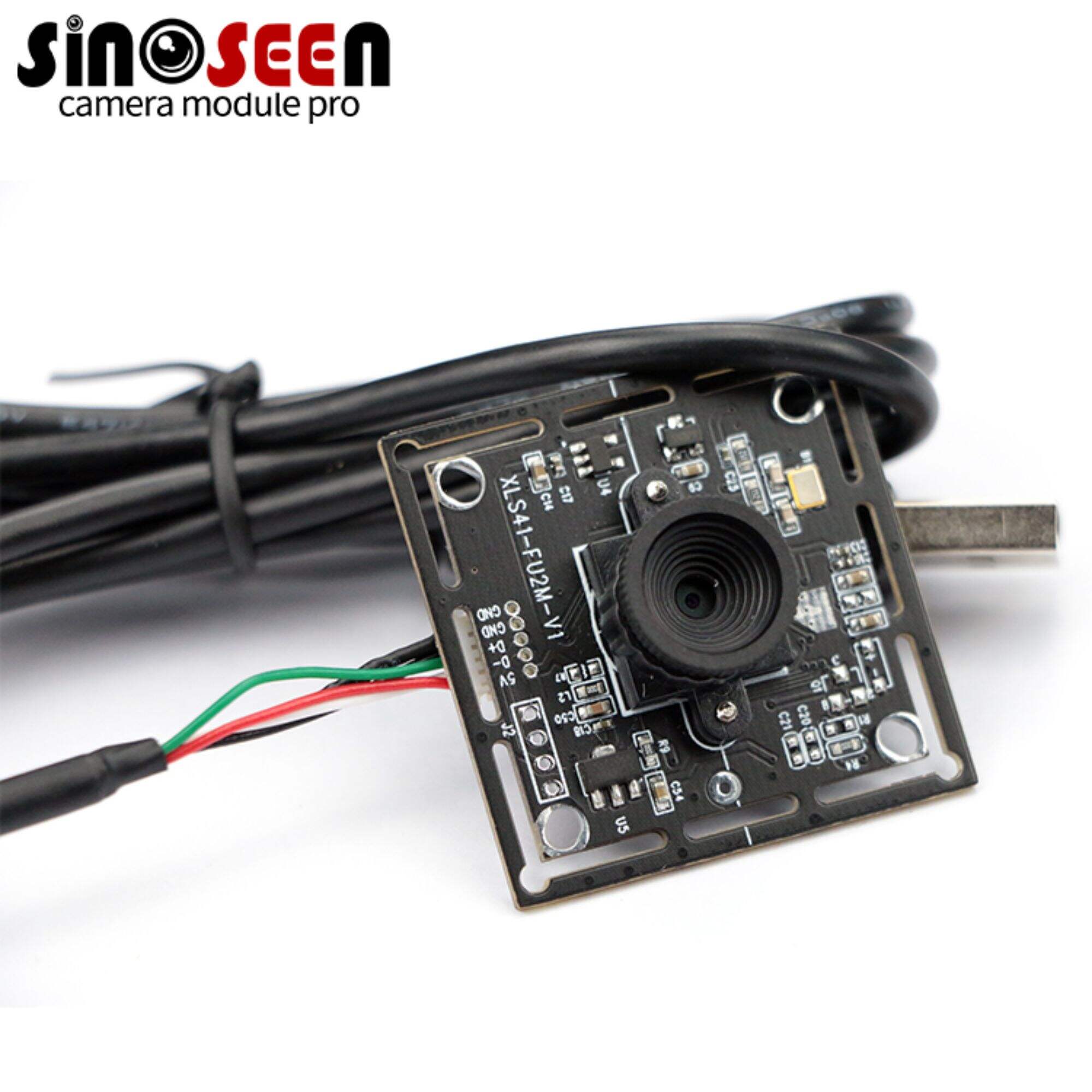
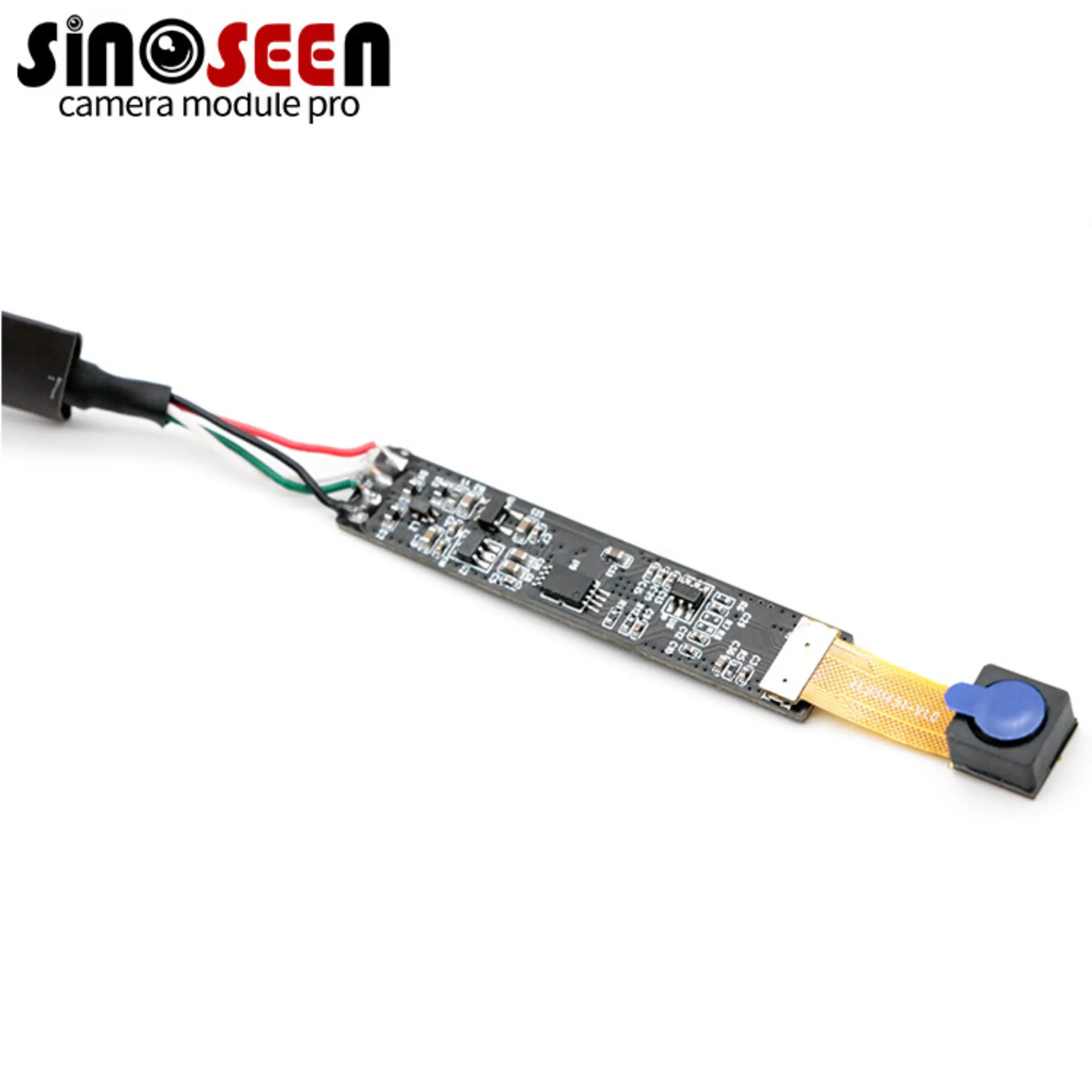
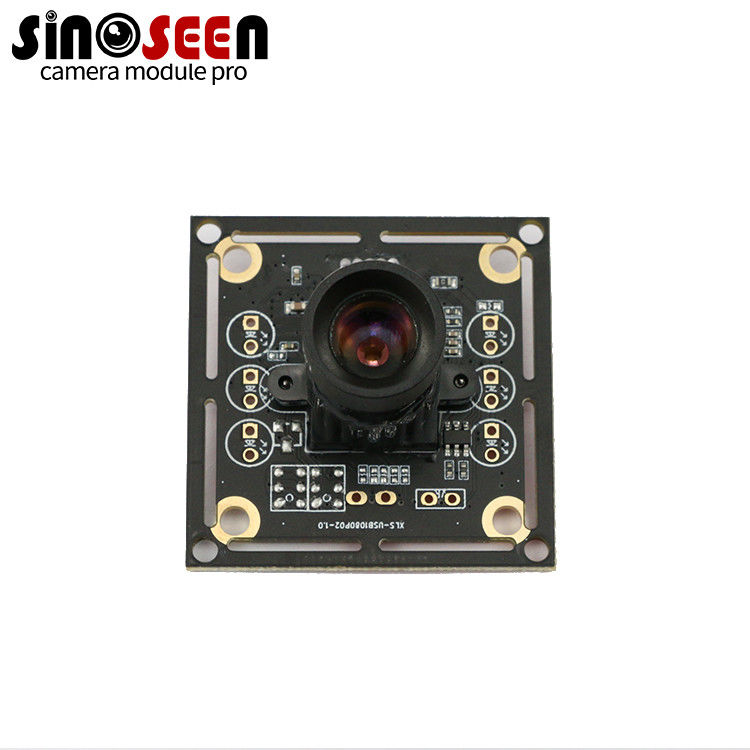
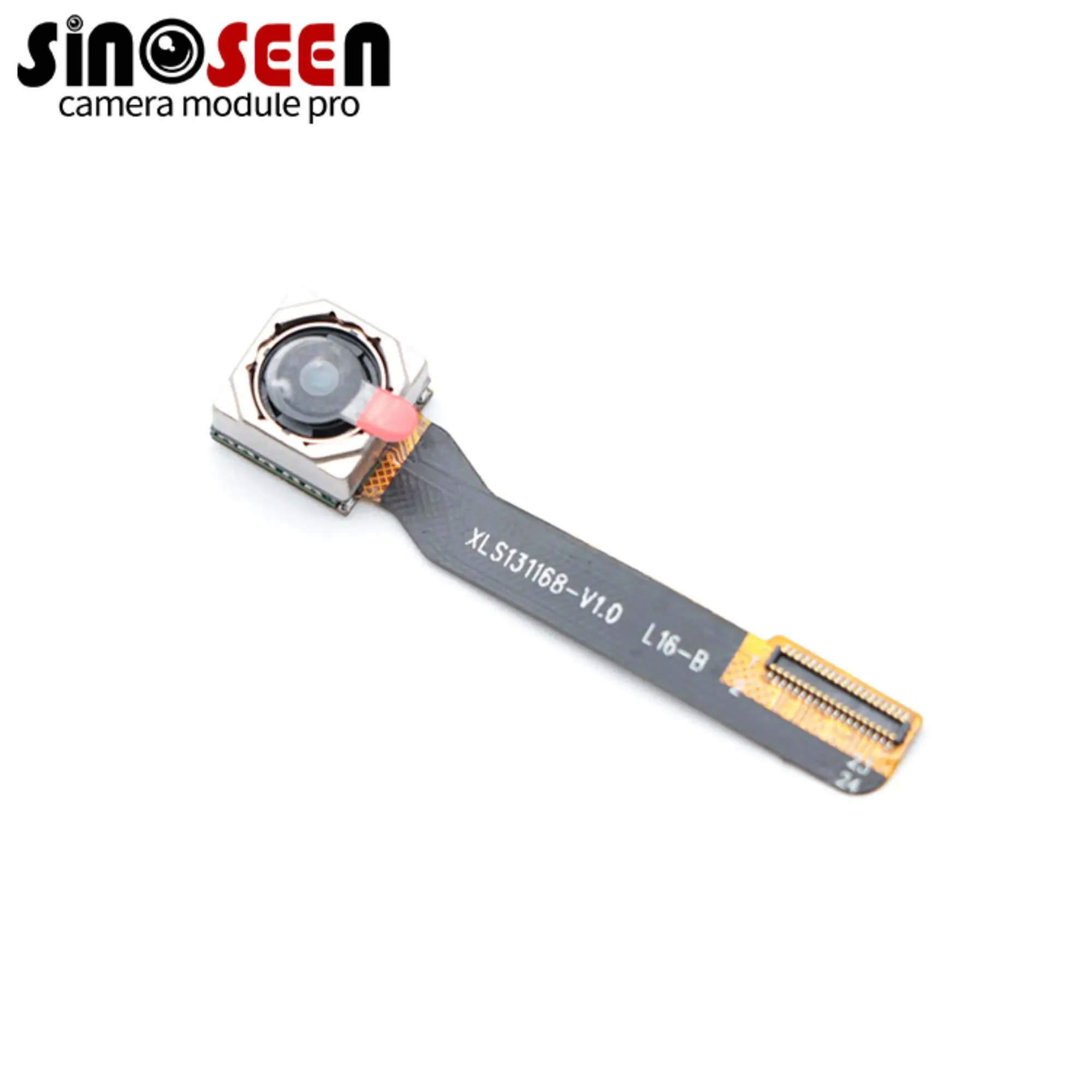
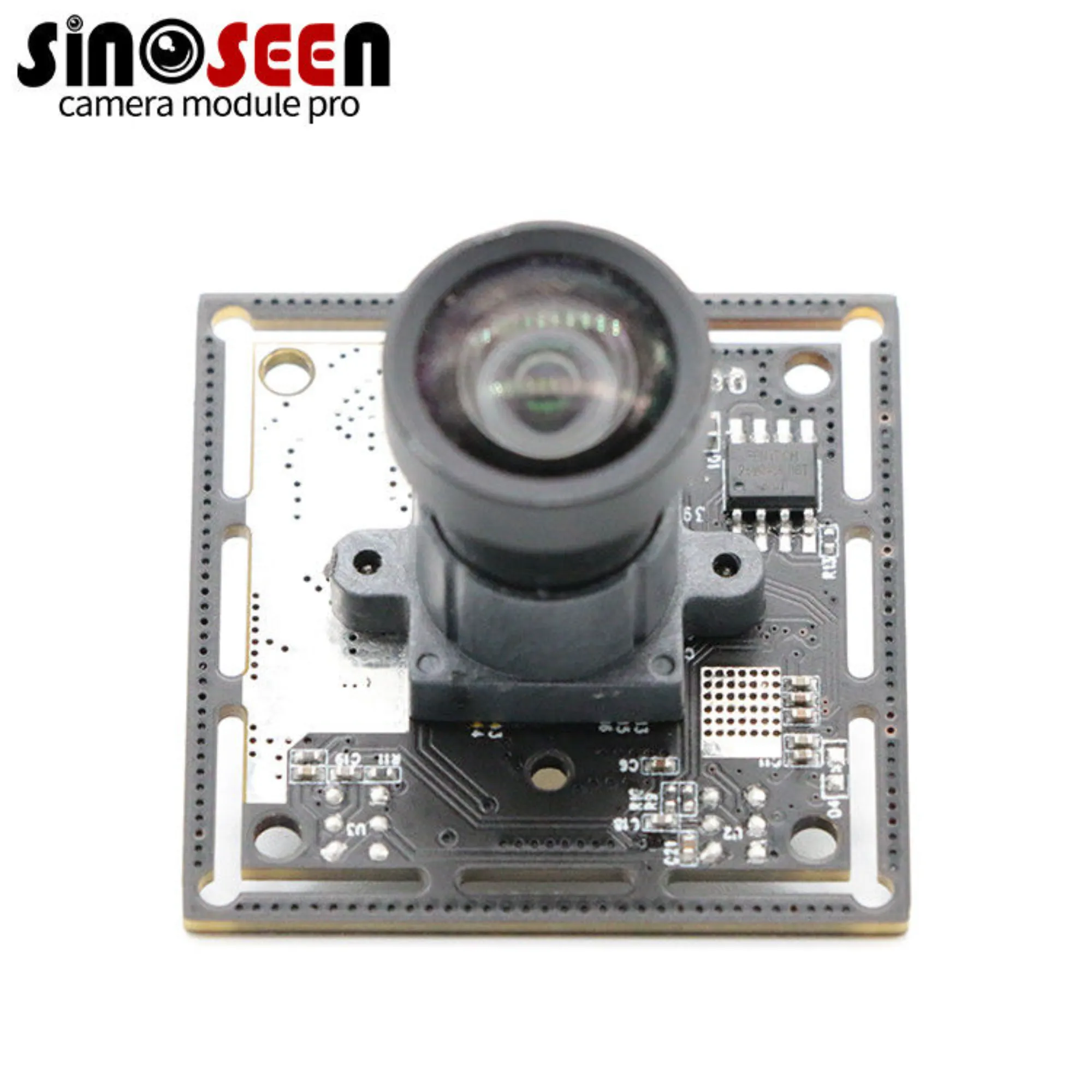
The micro camera for drone represents a revolutionary advancement in aerial photography and surveillance technology, delivering professional-grade imaging capabilities in an incredibly compact form factor. These miniaturized optical systems are specifically engineered to integrate seamlessly with small unmanned aerial vehicles while maintaining exceptional performance standards. Modern micro camera for drone units typically measure less than 30mm in diameter and weigh under 15 grams, making them ideal for lightweight quadcopters and racing drones where every gram matters. The primary functions encompass high-definition video recording, real-time image transmission, and automated stabilization systems that ensure crystal-clear footage even during aggressive flight maneuvers. Advanced micro camera for drone models feature 4K recording capabilities, allowing operators to capture stunning aerial cinematography with remarkable detail and color accuracy. The technological framework includes sophisticated image sensors, typically CMOS-based, that deliver superior low-light performance and dynamic range optimization. Many units incorporate electronic image stabilization algorithms that compensate for drone vibrations and sudden movements, ensuring smooth footage without the need for bulky mechanical gimbals. Wireless transmission capabilities enable real-time streaming to ground stations or mobile devices, facilitating immediate monitoring and control. The micro camera for drone applications span across multiple industries, including cinematography, surveillance, inspection services, search and rescue operations, and recreational flying. Commercial applications utilize these cameras for infrastructure monitoring, agricultural assessment, and real estate photography. The compact design philosophy prioritizes power efficiency, allowing extended flight times without compromising image quality. Modern micro camera for drone systems often feature intelligent shooting modes, including time-lapse, slow-motion, and automated tracking functions that follow subjects autonomously. The durability aspects include weatherproofing and shock resistance, ensuring reliable operation in challenging environmental conditions while maintaining the lightweight profile essential for optimal drone performance.

 EN
EN
 AR
AR
 DA
DA
 NL
NL
 FI
FI
 FR
FR
 DE
DE
 EL
EL
 HI
HI
 IT
IT
 JA
JA
 KO
KO
 NO
NO
 PL
PL
 PT
PT
 RO
RO
 RU
RU
 ES
ES
 SV
SV
 TL
TL
 IW
IW
 ID
ID
 SR
SR
 VI
VI
 HU
HU
 TH
TH
 TR
TR
 FA
FA
 MS
MS
 IS
IS
 AZ
AZ
 UR
UR
 BN
BN
 HA
HA
 LO
LO
 MR
MR
 MN
MN
 PA
PA
 MY
MY
 SD
SD