Innovative Camera Modules for Every Application | Sinoseen

All Categories

micro camera board

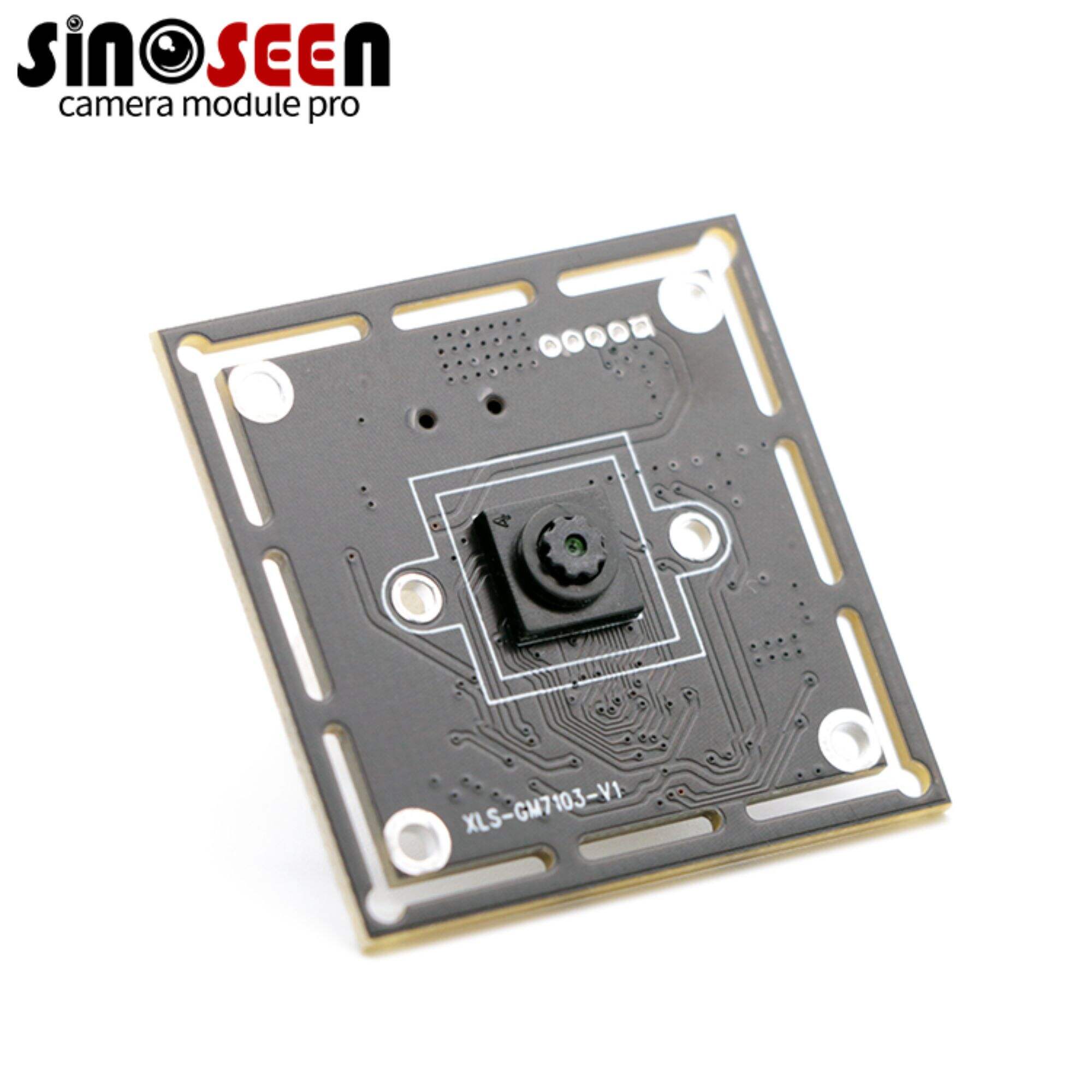
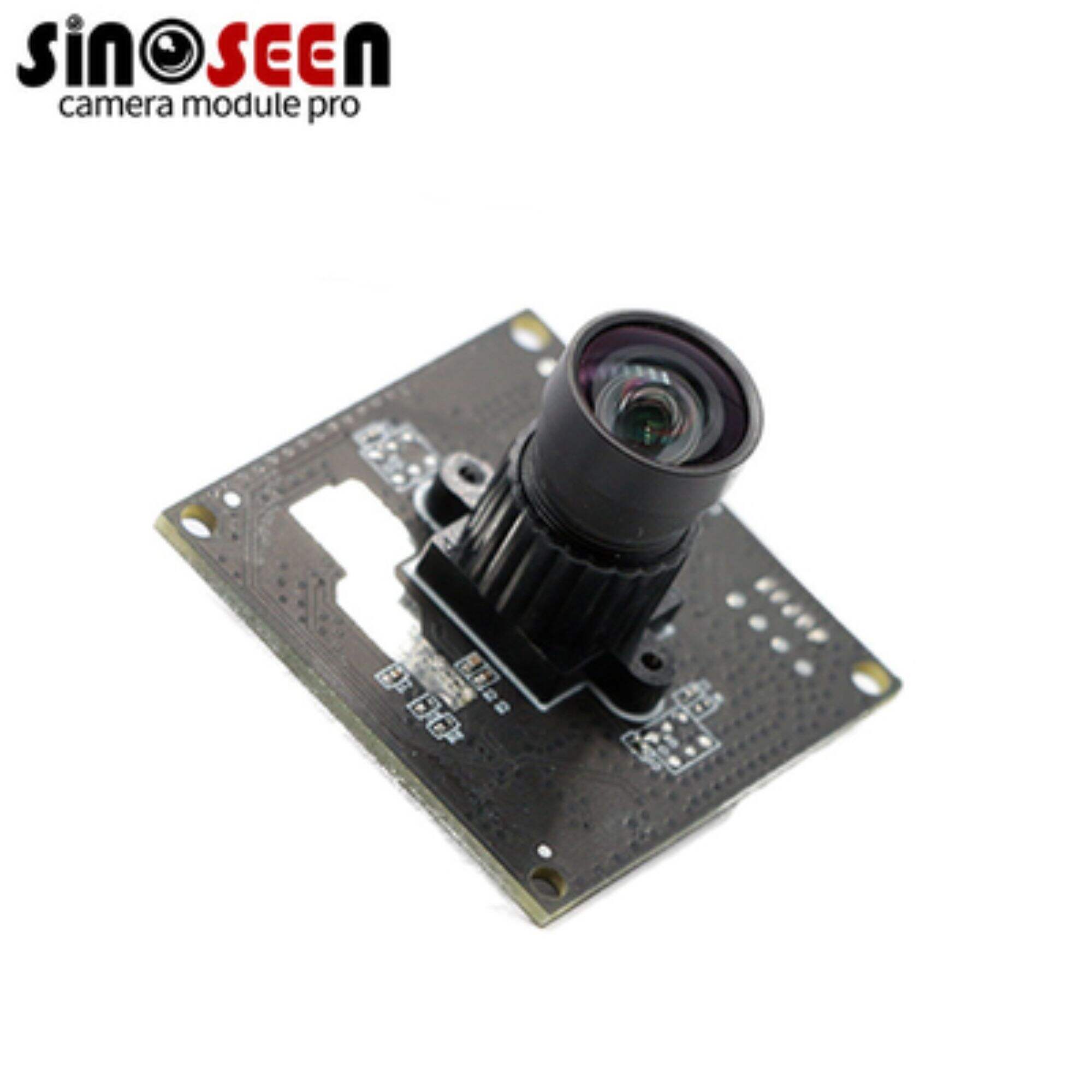
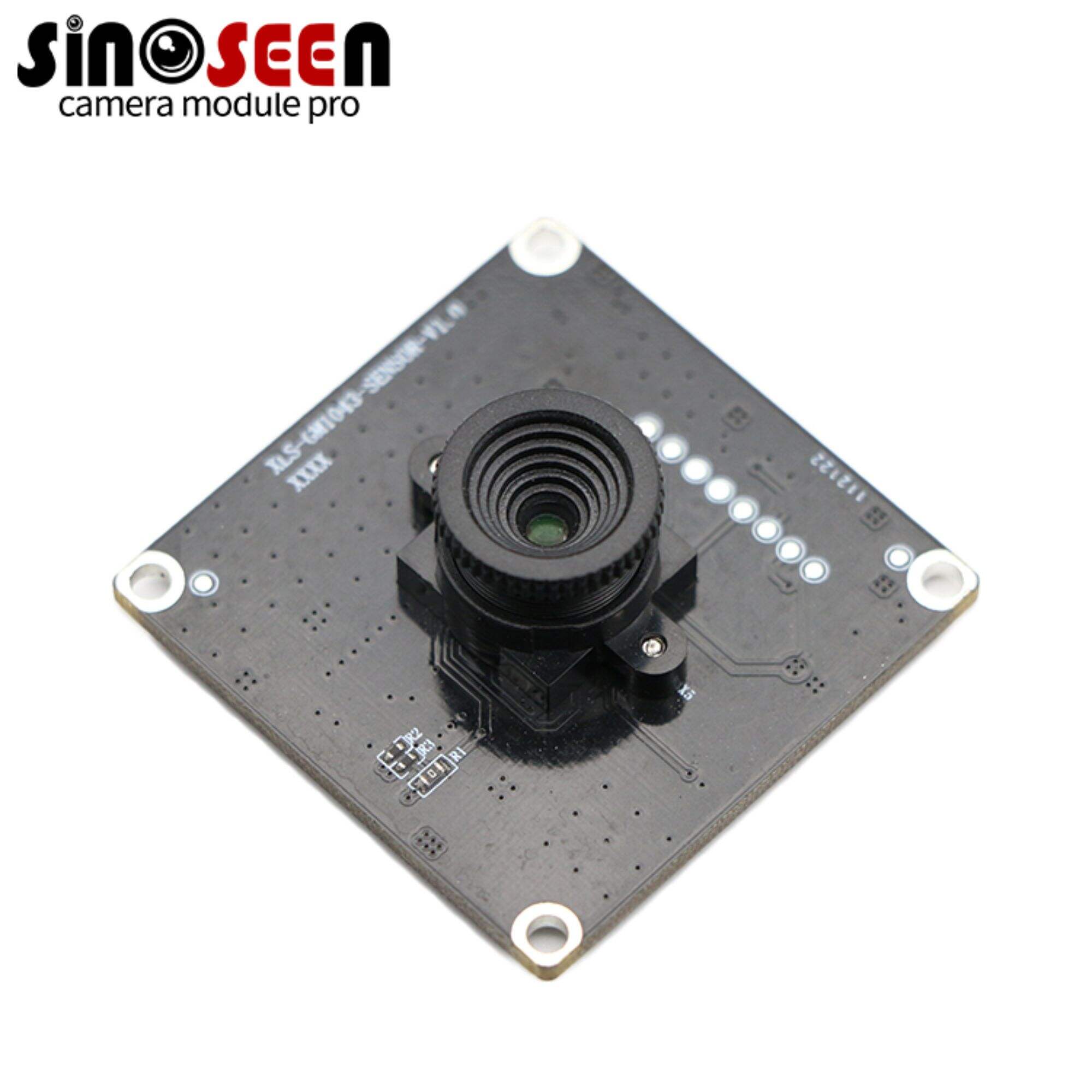
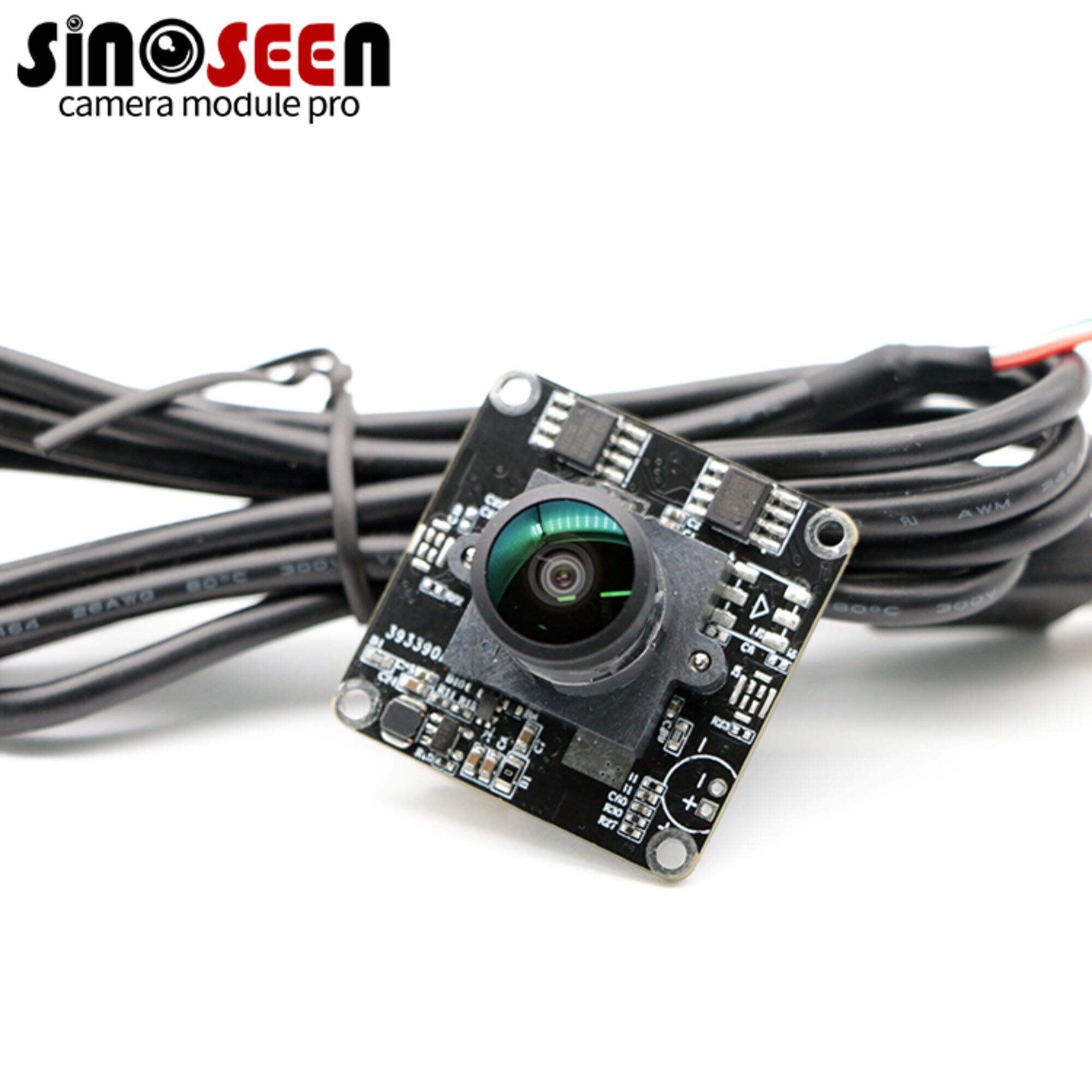
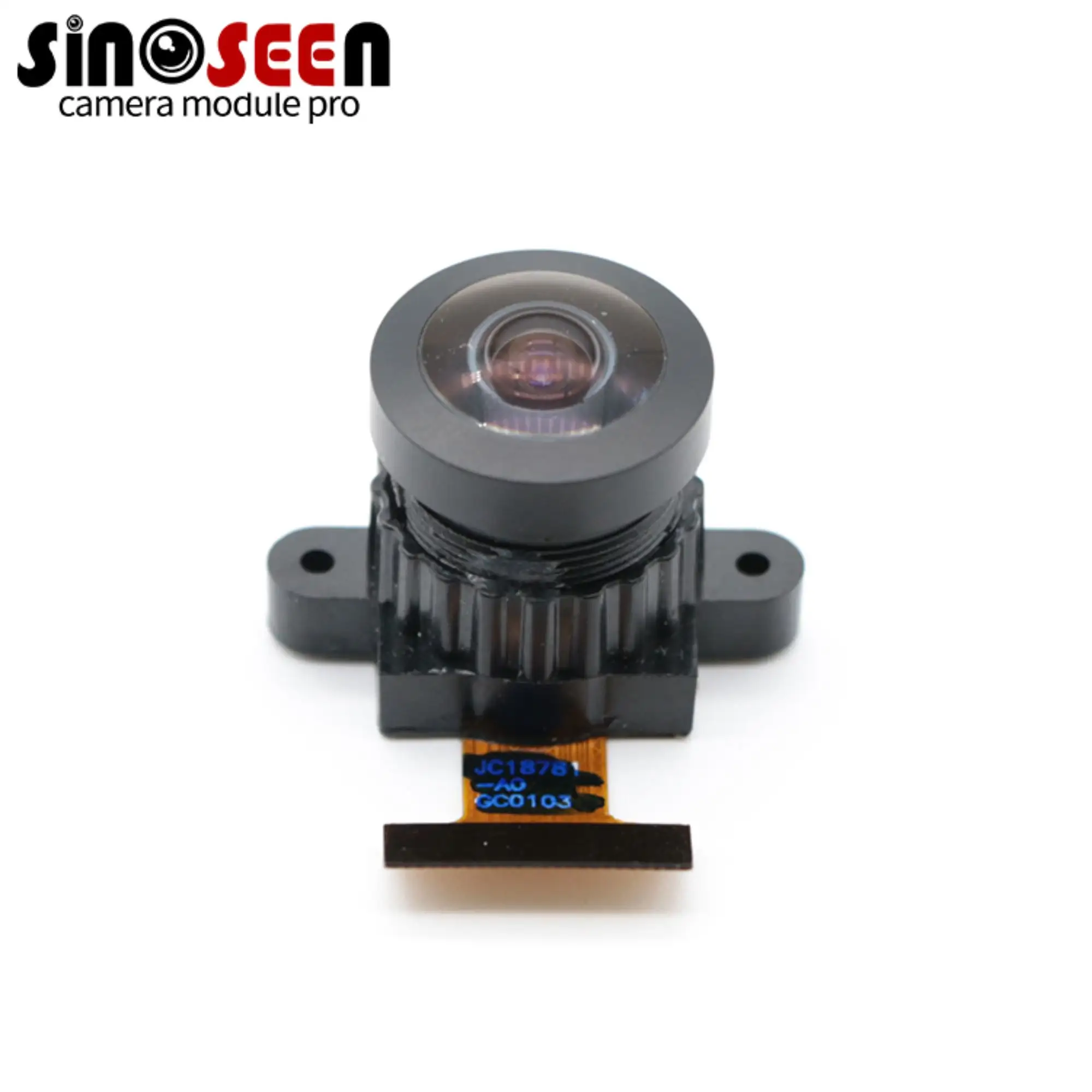
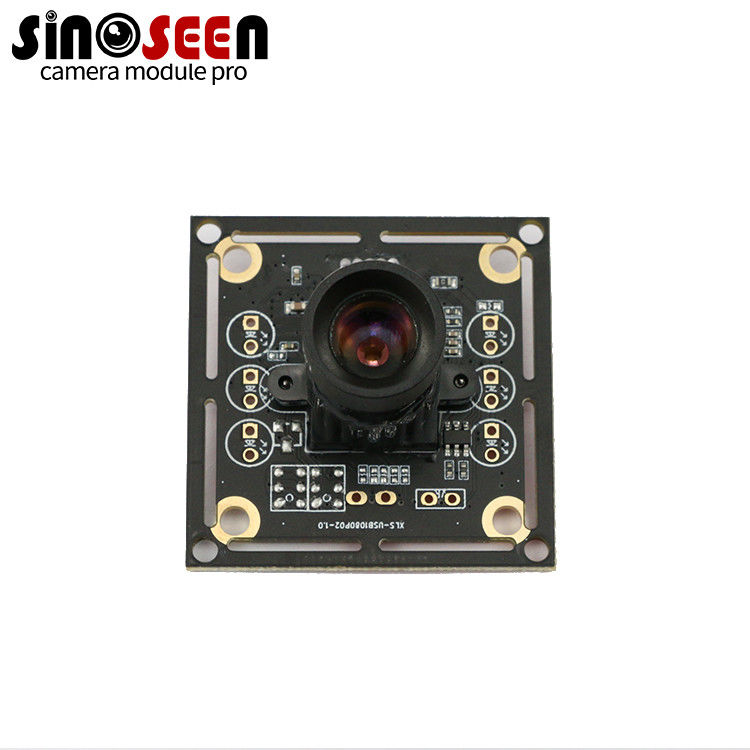
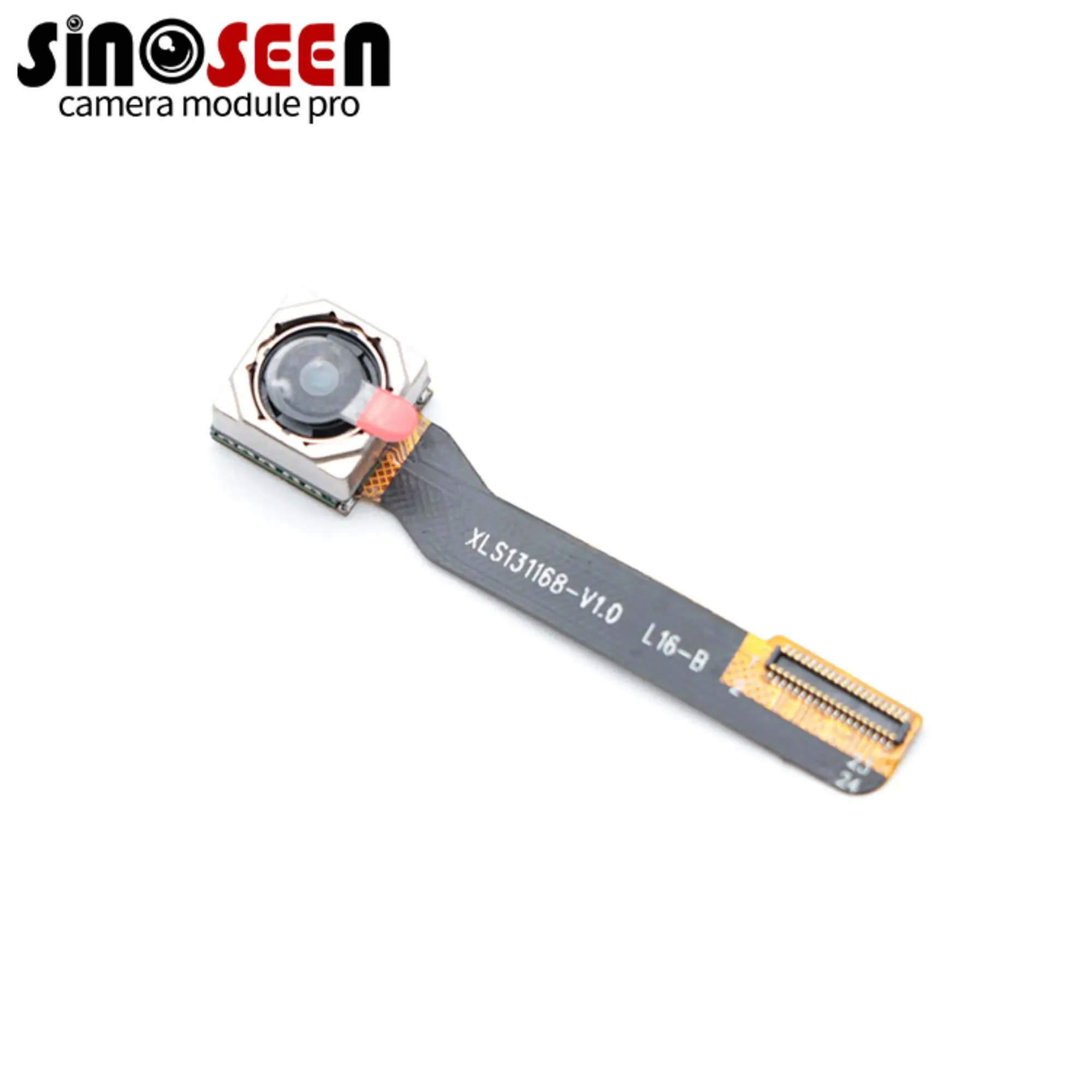
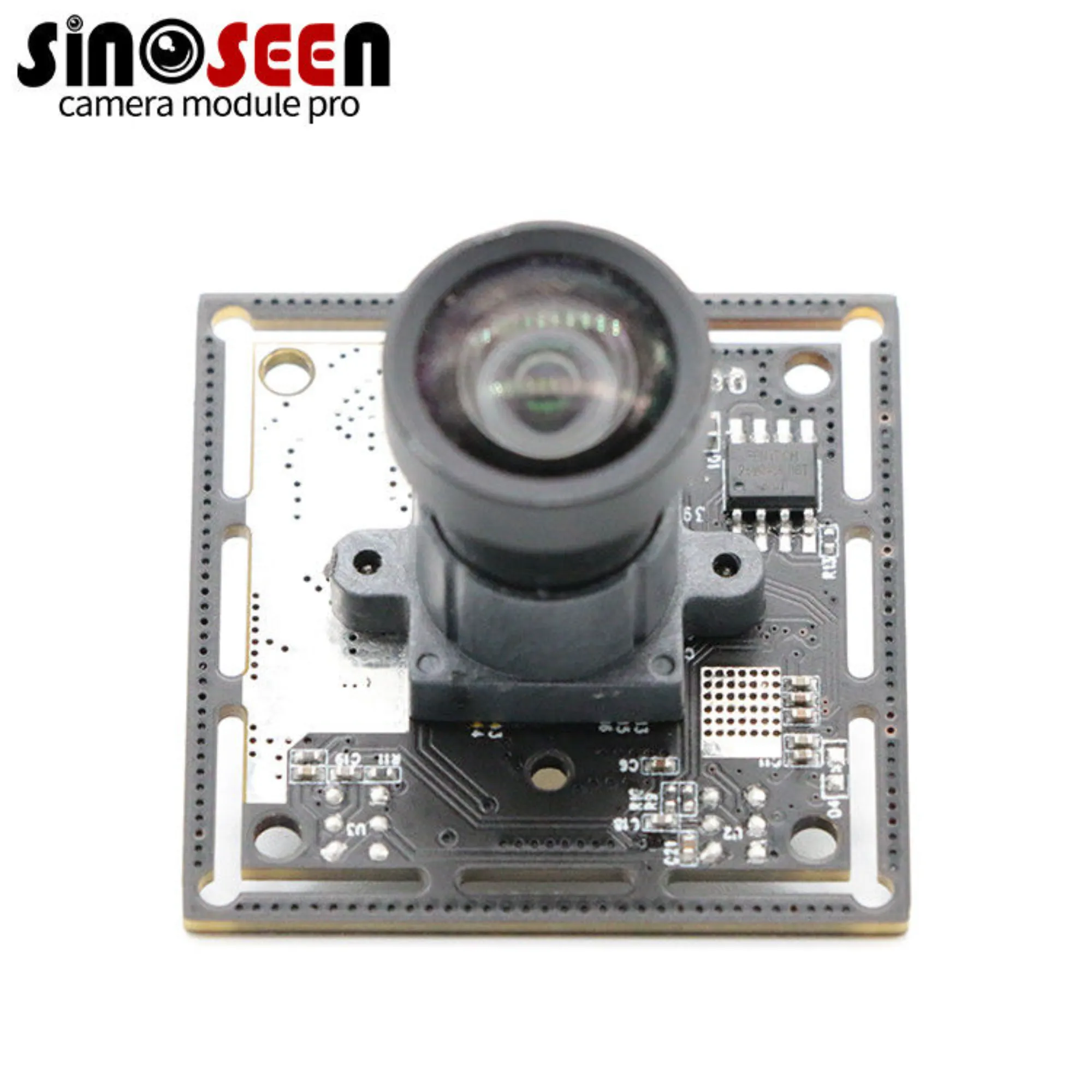
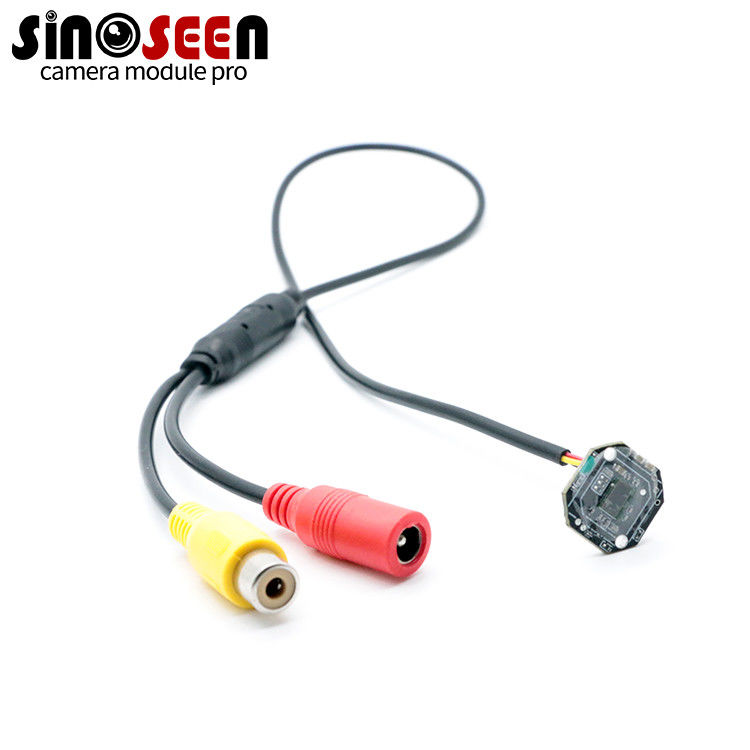
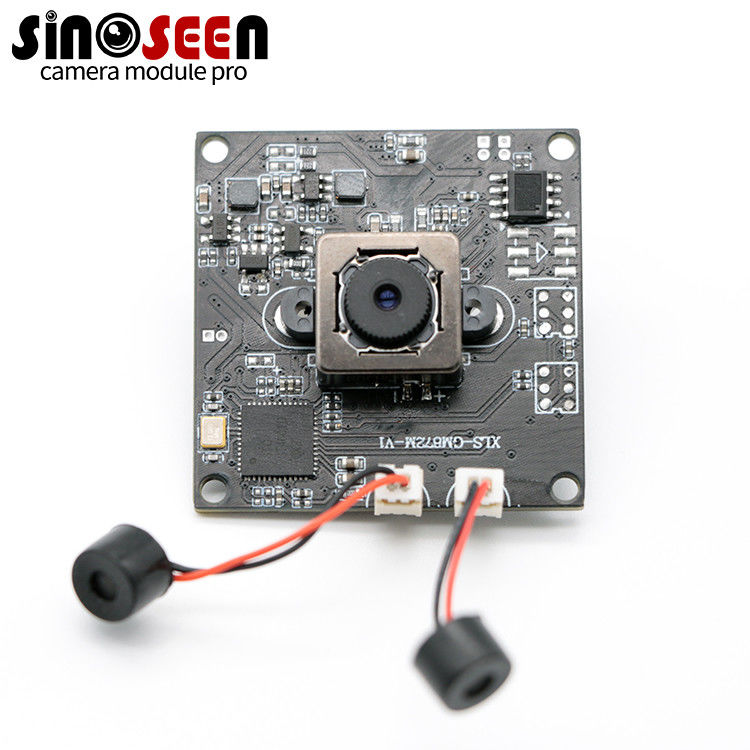
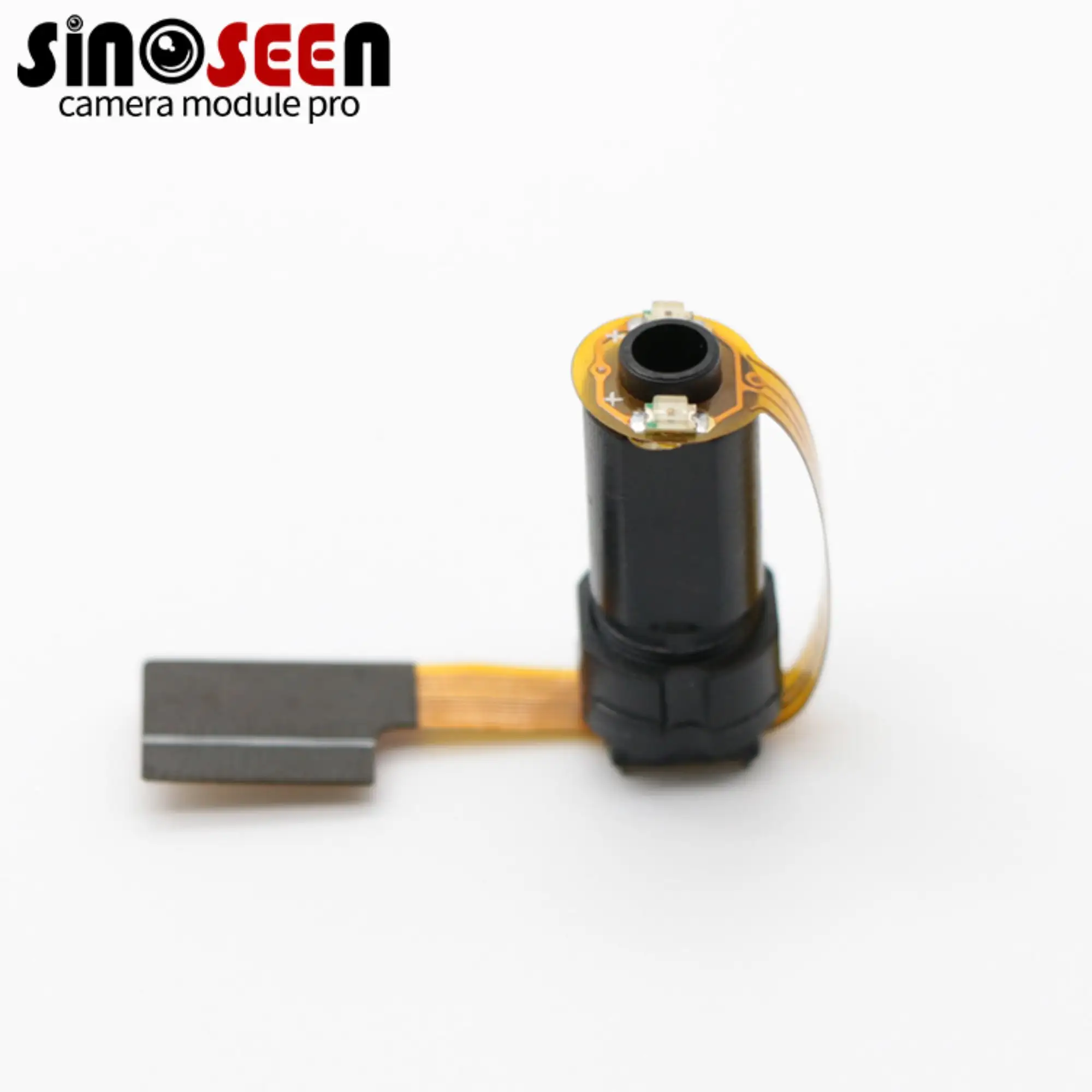
The micro camera board represents a revolutionary advancement in compact imaging technology, delivering professional-grade video and photography capabilities in an incredibly small form factor. This sophisticated electronic component integrates a high-resolution image sensor, advanced processing units, and essential circuitry onto a single printed circuit board, typically measuring just a few centimeters in size. The micro camera board serves as the core foundation for countless modern imaging applications, from smartphone cameras to security systems and IoT devices. Its primary functions encompass real-time image capture, video recording, digital signal processing, and seamless data transmission to connected devices or storage systems. The technological architecture of the micro camera board incorporates cutting-edge CMOS or CCD sensor technology, enabling exceptional image quality with minimal power consumption. These boards feature sophisticated auto-focus mechanisms, digital image stabilization, and advanced noise reduction algorithms that ensure crystal-clear results even in challenging lighting conditions. The integrated digital signal processor handles complex computational photography tasks, including HDR processing, color correction, and real-time enhancement filters. Modern micro camera boards support various communication protocols, including USB, MIPI CSI, and wireless connectivity options, making them highly versatile for different implementation scenarios. The applications for micro camera boards span numerous industries and use cases. In consumer electronics, they power smartphone cameras, tablets, laptops, and smart home devices. The automotive industry relies heavily on these compact imaging solutions for backup cameras, dashboard recorders, and advanced driver assistance systems. Medical professionals utilize micro camera boards in endoscopic equipment, surgical instruments, and diagnostic devices where space constraints are critical. Security and surveillance systems benefit from their discreet size and high-quality imaging capabilities, enabling covert monitoring and comprehensive area coverage. The micro camera board also plays a vital role in emerging technologies such as augmented reality, virtual reality, and drone applications, where weight and size optimization are paramount.

New Products

The micro camera board offers numerous compelling advantages that make it an ideal choice for modern imaging applications across various industries and consumer segments. The most significant benefit lies in its exceptionally compact design, which allows manufacturers to integrate high-quality imaging capabilities into space-constrained devices without compromising functionality or performance. This miniaturization advantage enables the creation of sleeker, more portable products that meet contemporary consumer demands for lightweight and aesthetically pleasing technology. The power efficiency of the micro camera board stands as another major advantage, consuming significantly less energy compared to traditional camera systems while maintaining superior image quality. This enhanced energy efficiency translates directly into longer battery life for mobile devices, reduced operational costs for continuous monitoring systems, and improved sustainability for environmentally conscious applications. The cost-effectiveness of micro camera boards provides substantial economic benefits for manufacturers and end-users alike, as mass production capabilities and streamlined manufacturing processes result in competitive pricing without sacrificing quality or reliability. The versatility and adaptability of these boards enable seamless integration into diverse applications, from consumer electronics to industrial automation systems, providing manufacturers with flexible design options and reducing development time and costs. The micro camera board delivers exceptional image quality through advanced sensor technology and sophisticated processing algorithms, producing sharp, vibrant images with accurate color reproduction and minimal noise interference. This superior imaging performance ensures professional-grade results suitable for demanding applications such as medical imaging, security surveillance, and content creation. The plug-and-play functionality of modern micro camera boards significantly simplifies integration processes, reducing technical complexity and accelerating product development cycles for manufacturers. The robust construction and reliable performance of these boards ensure consistent operation in various environmental conditions, from extreme temperatures to high-humidity environments, making them suitable for outdoor applications and industrial settings. The scalable nature of micro camera board technology allows for easy customization and modification to meet specific application requirements, providing manufacturers with the flexibility to create tailored solutions for niche markets and specialized use cases. The future-proof design of contemporary micro camera boards incorporates support for emerging technologies and industry standards, ensuring long-term compatibility and protecting investment in product development.

Practical Tips

 How to Select the Right AI Camera Module for Facial Recognition Systems?

02

Mar

How to Select the Right AI Camera Module for Facial Recognition Systems?

Selecting the appropriate AI camera module for facial recognition systems represents a critical decision that directly impacts system performance, accuracy, and overall operational efficiency. Modern facial recognition applications demand sophisticat...
View More
How to Optimize Low-Light Performance in Custom Camera Module Designs?

02

Mar

How to Optimize Low-Light Performance in Custom Camera Module Designs?

Custom camera module designs face unique challenges when operating in environments with minimal illumination, making low-light performance optimization a critical engineering consideration. Modern applications ranging from security surveillance to au...
View More
How to Integrate a Small Camera Module into Compact Medical Devices?

02

Mar

How to Integrate a Small Camera Module into Compact Medical Devices?

Medical device miniaturization continues to revolutionize healthcare, enabling less invasive procedures and improved patient outcomes. When designing compact medical equipment, integrating a small camera module requires careful consideration of space...
View More
Why do Robotics Manufacturers Prefer High-Speed AI Camera Modules?

02

Mar

Why do Robotics Manufacturers Prefer High-Speed AI Camera Modules?

The robotics industry has experienced unprecedented growth in recent years, with manufacturers increasingly demanding sophisticated vision systems that can process visual data at lightning speed. High-speed AI camera modules have emerged as the corne...
View More

Get In Touch

micro camera board

Ultra-Compact Design with Maximum Performance

Ultra-Compact Design with Maximum Performance

The ultra-compact design of the micro camera board represents a groundbreaking achievement in miniaturization technology, delivering maximum imaging performance within an incredibly small physical footprint. This remarkable engineering accomplishment allows manufacturers to integrate professional-grade camera functionality into devices where space is at an absolute premium, opening up entirely new possibilities for product design and innovation. The typical micro camera board measures just a few square centimeters yet houses sophisticated imaging sensors, processing units, and supporting circuitry that would have required significantly larger components just a few years ago. This dramatic size reduction does not come at the expense of performance; rather, it represents the culmination of advanced semiconductor manufacturing processes and innovative circuit design techniques that optimize every millimeter of available space. The compact nature of the micro camera board enables manufacturers to create sleeker, more elegant product designs that appeal to modern consumers who prioritize portability and aesthetic appeal. In smartphones and tablets, this miniaturization allows for thinner profiles and more screen real estate, while in automotive applications, it enables discrete camera placement that does not interfere with vehicle aerodynamics or aesthetics. The space-saving benefits extend to industrial and medical applications, where the micro camera board can be integrated into confined spaces such as machinery housings, surgical instruments, and monitoring equipment without requiring significant design modifications. The ultra-compact design also facilitates multi-camera configurations, allowing manufacturers to implement sophisticated imaging systems with multiple perspectives and enhanced functionality within the same device footprint. This capability proves particularly valuable in security systems, autonomous vehicles, and virtual reality applications where comprehensive visual coverage is essential. The reduced size also translates to lower material costs and simplified assembly processes, contributing to overall cost-effectiveness while maintaining the highest standards of build quality and reliability. The micro camera board's compact design enables innovative mounting options and installation flexibility that would be impossible with larger camera systems, opening up new application possibilities in robotics, drones, and IoT devices.
Advanced Image Processing and AI Integration

Advanced Image Processing and AI Integration

The advanced image processing capabilities and artificial intelligence integration of the micro camera board represent a quantum leap forward in computational photography and intelligent imaging systems. Modern micro camera boards incorporate sophisticated digital signal processors and dedicated AI chips that enable real-time image enhancement, object recognition, and intelligent scene analysis directly on the board itself, eliminating the need for external processing hardware and reducing system complexity. These advanced processing capabilities include automatic exposure adjustment, dynamic range optimization, noise reduction algorithms, and color correction systems that work seamlessly together to produce stunning image quality under any lighting conditions. The AI integration enables intelligent features such as automatic subject tracking, facial recognition, gesture detection, and scene classification, transforming the micro camera board from a simple imaging device into an intelligent visual sensor capable of understanding and interpreting its environment. The machine learning algorithms embedded within the micro camera board continuously adapt and improve performance based on usage patterns and environmental conditions, ensuring optimal image quality and functionality over time. The real-time processing capabilities eliminate latency issues commonly associated with cloud-based image processing, providing instantaneous results for time-critical applications such as autonomous driving, security monitoring, and industrial quality control. The advanced image stabilization technology incorporated into modern micro camera boards utilizes sophisticated gyroscopic sensors and predictive algorithms to compensate for camera movement and vibration, producing smooth, professional-quality video footage even in challenging conditions. The HDR processing capabilities enable the capture of images with exceptional dynamic range, preserving detail in both bright highlights and dark shadows for more natural and visually appealing results. The low-light performance of advanced micro camera boards incorporates cutting-edge sensor technology and intelligent noise reduction algorithms that enable clear image capture in extremely dim conditions without the need for additional lighting equipment. The computational photography features include advanced focus stacking, panoramic image creation, and multi-frame enhancement techniques that leverage the processing power of the integrated AI systems to create images that surpass the capabilities of traditional camera systems.
Seamless Connectivity and Integration Solutions

Seamless Connectivity and Integration Solutions

The seamless connectivity and integration solutions offered by the micro camera board provide unparalleled flexibility and ease of implementation across diverse applications and technological ecosystems. Modern micro camera boards support multiple communication protocols and interface standards, including USB 2.0 and 3.0, MIPI CSI-2, I2C, SPI, and various wireless connectivity options such as Wi-Fi, Bluetooth, and proprietary RF protocols, ensuring compatibility with virtually any host system or device architecture. This comprehensive connectivity support eliminates integration challenges and reduces development time for manufacturers seeking to incorporate imaging capabilities into their products. The plug-and-play functionality of contemporary micro camera boards simplifies the integration process significantly, as many boards come with pre-configured drivers and software development kits that enable rapid prototyping and deployment. The standardized interfaces and well-documented APIs facilitate seamless integration with popular development platforms and operating systems, including Linux, Android, Windows, and embedded real-time operating systems commonly used in industrial applications. The micro camera board's integration solutions extend beyond basic connectivity to include sophisticated streaming capabilities that enable real-time video transmission over networks, cloud platforms, and edge computing systems. This streaming functionality supports various compression standards and adaptive bitrate technologies that optimize bandwidth usage while maintaining excellent image quality, making it ideal for remote monitoring, telemedicine, and live broadcasting applications. The modular design approach of modern micro camera boards allows for easy customization and expansion through additional sensor modules, lens assemblies, and processing units, providing manufacturers with the flexibility to create tailored solutions for specific market requirements. The hot-swappable capabilities of certain micro camera board designs enable field replacement and upgrades without system shutdown, ensuring continuous operation in critical applications such as security monitoring and industrial automation. The power management integration includes intelligent sleep modes, dynamic power scaling, and energy harvesting capabilities that optimize battery life and reduce operational costs in portable and remote applications. The comprehensive software ecosystem surrounding micro camera boards includes development tools, debugging utilities, and extensive documentation that accelerate the development process and reduce time-to-market for new products incorporating imaging functionality.

Related Search

Get in touch