
 EN
EN
 AR
AR
 DA
DA
 NL
NL
 FI
FI
 FR
FR
 DE
DE
 EL
EL
 HI
HI
 IT
IT
 JA
JA
 KO
KO
 NO
NO
 PL
PL
 PT
PT
 RO
RO
 RU
RU
 ES
ES
 SV
SV
 TL
TL
 IW
IW
 ID
ID
 SR
SR
 VI
VI
 HU
HU
 TH
TH
 TR
TR
 FA
FA
 MS
MS
 IS
IS
 AZ
AZ
 UR
UR
 BN
BN
 HA
HA
 LO
LO
 MR
MR
 MN
MN
 PA
PA
 MY
MY
 SD
SD
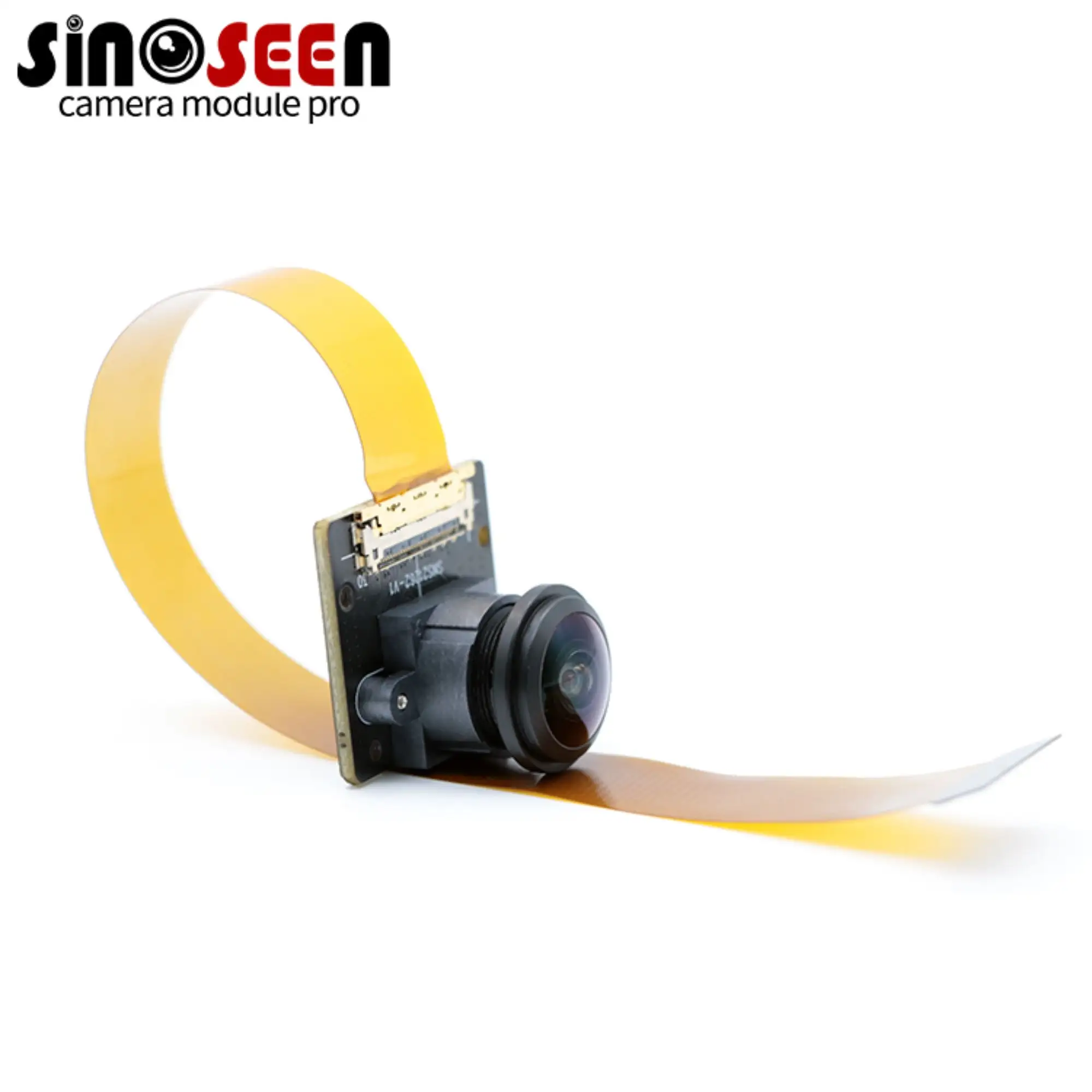
Finding the right ESP32 camera module manufacturer is crucial for smart device projects that demand reliable imaging solutions, seamless integration capabilities, and consistent performance across diverse applications. The ESP32 camera module has become a cornerstone component in modern IoT devices, security systems, and embedded applications, making the selection of an experienced manufacturer a critical business decision that directly impacts project success, time-to-market, and overall product quality.
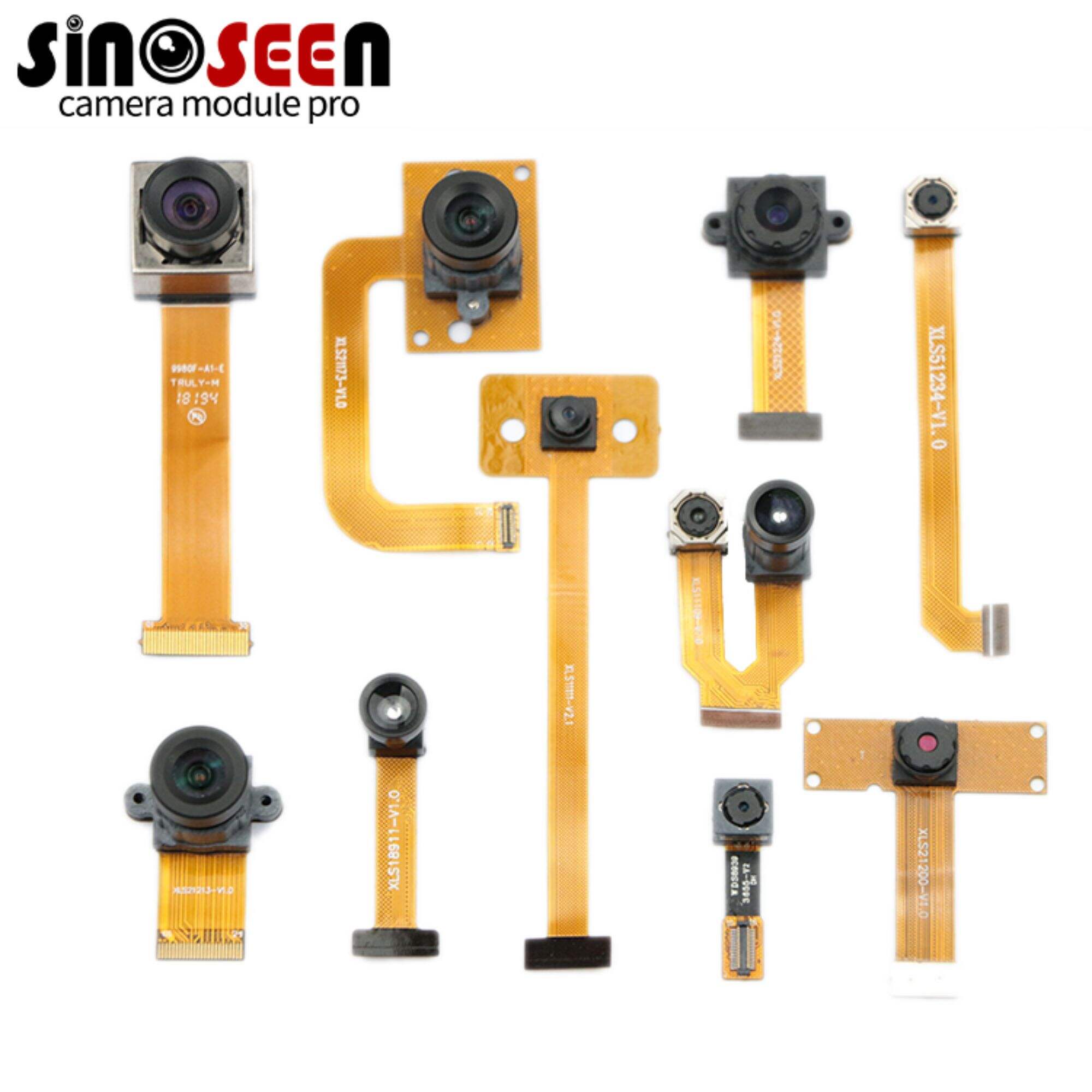
Smart device manufacturers increasingly rely on specialized ESP32 camera module producers who understand the intricate requirements of IoT ecosystems, wireless connectivity demands, and power optimization challenges. A competent manufacturer brings expertise in hardware design, firmware development, quality assurance protocols, and supply chain management, ensuring that your smart device project receives components that meet stringent performance standards while maintaining cost-effectiveness and scalability for mass production.
Manufacturing Capabilities and Technical Expertise
Advanced Production Infrastructure
Leading ESP32 camera module manufacturers maintain state-of-the-art production facilities equipped with precision assembly lines, automated testing equipment, and quality control systems designed specifically for camera module manufacturing. These facilities incorporate cleanroom environments that prevent dust contamination during sensitive assembly processes, ensuring optimal image sensor performance and longevity. The manufacturing infrastructure includes specialized equipment for lens alignment, sensor calibration, and electrical testing that validates each ESP32 camera module against predetermined specifications.
The production capability extends beyond basic assembly to include custom form factor development, where manufacturers can adapt standard ESP32 camera module designs to meet specific dimensional requirements. This flexibility proves essential for smart device projects with unique enclosure constraints or specialized mounting requirements. Advanced manufacturers also invest in automated optical inspection systems that detect microscopic defects, ensuring consistent quality across high-volume production runs.
Design and Development Support
Experienced ESP32 camera module manufacturers provide comprehensive design support that encompasses hardware optimization, firmware customization, and integration guidance. This support includes schematic review services, PCB layout recommendations, and thermal management analysis to ensure optimal performance within your smart device architecture. The design team typically offers assistance with power management optimization, signal integrity analysis, and mechanical integration challenges that commonly arise during product development.
The development support extends to firmware customization, where manufacturers can modify the ESP32 camera module software stack to meet specific application requirements. This includes custom image processing algorithms, communication protocol adaptations, and power management features tailored to your smart device's operational profile. Many manufacturers also provide SDK documentation, reference designs, and development tools that accelerate the integration process and reduce time-to-market for smart device projects.
Quality Standards and Certification Compliance
Industry Certification Requirements
Professional ESP32 camera module manufacturers maintain comprehensive certification portfolios that include FCC, CE, IC, and other regional compliance certifications essential for global market access. These certifications demonstrate adherence to electromagnetic compatibility standards, safety regulations, and wireless communication protocols that govern smart device deployment. The certification process involves rigorous testing of the ESP32 camera module under various environmental conditions, ensuring reliable operation across diverse deployment scenarios.
Quality management systems such as ISO 9001 and ISO 14001 provide structured frameworks for consistent manufacturing processes, environmental responsibility, and continuous improvement initiatives. These standards ensure that ESP32 camera module production follows documented procedures, maintains traceability throughout the supply chain, and implements corrective actions when quality issues are identified. Many manufacturers also pursue automotive-grade certifications like AEC-Q100 for ESP32 camera modules destined for vehicular applications.
Testing and Validation Protocols
Comprehensive testing protocols form the backbone of reliable ESP32 camera module manufacturing, encompassing functional testing, environmental stress testing, and long-term reliability validation. Functional testing verifies image quality parameters, communication interface performance, power consumption characteristics, and firmware stability under various operating conditions. Environmental testing subjects each ESP32 camera module to temperature cycling, humidity exposure, vibration testing, and shock resistance evaluation to ensure robust performance in real-world deployment scenarios.
Accelerated life testing protocols simulate extended operational periods to identify potential failure modes and estimate product lifespan under normal usage conditions. These tests provide valuable data for warranty planning, maintenance scheduling, and reliability engineering decisions. Many manufacturers also implement statistical process control methodologies that monitor key quality indicators throughout production, enabling proactive adjustments to maintain consistent ESP32 camera module performance.
Customization and Integration Services
Hardware Customization Options
Professional manufacturers offer extensive customization capabilities for ESP32 camera module hardware, including sensor selection, lens optimization, form factor modifications, and interface adaptations. Sensor customization involves selecting appropriate image sensors based on resolution requirements, light sensitivity specifications, and frame rate capabilities that align with your smart device application. Lens customization addresses field-of-view requirements, focus characteristics, and optical performance parameters that determine image quality under specific use conditions.
Interface customization enables seamless integration with existing smart device architectures by adapting the ESP32 camera module communication protocols, connector types, and electrical specifications to match system requirements. This includes MIPI CSI interface modifications, I2C configuration adjustments, and power supply adaptations that ensure compatibility with diverse microcontroller ecosystems. Mechanical customization addresses mounting solutions, cable assemblies, and enclosure integration requirements specific to your smart device design.
Software and Firmware Development
Advanced ESP32 camera module manufacturers provide comprehensive software development services that include custom firmware development, device driver creation, and application programming interface design. Custom firmware development addresses specific functionality requirements such as specialized image processing algorithms, advanced communication protocols, and power management optimizations tailored to your smart device application. This includes real-time image enhancement, motion detection algorithms, and adaptive exposure control that improve overall system performance.
Software integration services encompass development of device drivers, middleware components, and application-level interfaces that facilitate seamless ESP32 camera module integration within existing software architectures. Many manufacturers provide ongoing firmware maintenance services, security updates, and feature enhancements that ensure long-term compatibility with evolving system requirements. Documentation support includes technical specifications, integration guides, and troubleshooting resources that expedite development and reduce technical support requirements.
Supply Chain Management and Production Scaling
Component Sourcing and Inventory Management
Reliable ESP32 camera module manufacturers maintain robust supply chain relationships with component suppliers, ensuring consistent availability of critical components including image sensors, processors, passive components, and specialized optical elements. Strategic partnerships with key suppliers enable favorable pricing arrangements, priority allocation during component shortages, and access to latest technology developments that benefit smart device projects. Inventory management systems track component availability, lead times, and quality metrics to prevent production disruptions.
Supply chain diversification strategies protect against single-source dependencies by establishing relationships with multiple suppliers for critical components. This approach ensures continuity of ESP32 camera module production even when individual suppliers experience capacity constraints or quality issues. Many manufacturers also maintain strategic inventory buffers for high-demand components, enabling rapid response to urgent production requirements and shorter lead times for smart device projects.
Production Capacity and Scalability
Manufacturing capacity planning ensures that ESP32 camera module production can scale efficiently to meet growing demand from smart device projects. This includes investment in flexible production equipment, cross-trained personnel, and modular facility designs that enable rapid capacity expansion when market conditions warrant increased production volumes. Capacity management systems monitor utilization rates, identify bottlenecks, and optimize resource allocation to maximize throughput efficiency.
Scalability considerations extend beyond physical production capacity to include quality management systems, supply chain coordination, and technical support capabilities that maintain service levels during growth periods. Many manufacturers implement lean manufacturing principles and continuous improvement methodologies that enhance efficiency, reduce waste, and lower production costs as volumes increase. This enables competitive pricing for ESP32 camera module projects while maintaining quality standards and delivery performance.
Technical Support and After-Sales Service
Integration Assistance and Technical Guidance
Comprehensive technical support services differentiate professional ESP32 camera module manufacturers by providing integration assistance, troubleshooting guidance, and optimization recommendations throughout the product development lifecycle. Integration support includes schematic review, PCB layout consultation, and system-level testing guidance that helps smart device developers avoid common pitfalls and accelerate time-to-market. Technical experts provide guidance on optimal ESP32 camera module placement, thermal management strategies, and signal routing techniques that maximize performance.
Ongoing technical support encompasses troubleshooting assistance, performance optimization recommendations, and compatibility guidance for system updates or modifications. Many manufacturers maintain dedicated application engineering teams that provide specialized expertise for complex integration challenges, custom feature development, and performance tuning requirements. This support extends to field application assistance, where engineers can provide on-site guidance for challenging installations or specialized deployment scenarios.
Warranty and Long-Term Support
Professional ESP32 camera module manufacturers offer comprehensive warranty programs that protect smart device investments through guaranteed replacement, repair services, and performance assurance over extended periods. Warranty terms typically cover manufacturing defects, premature failures, and performance degradation that falls below specified parameters. Clear warranty procedures streamline the replacement process, minimizing downtime and ensuring continuity of smart device operations.
Long-term support commitments ensure availability of ESP32 camera module components, spare parts, and technical assistance throughout the product lifecycle. This includes commitment to maintain production capability for established product lines, provide firmware updates for security vulnerabilities, and offer upgrade paths when technology evolution requires component updates. Many manufacturers also provide obsolescence management services that help customers transition to newer ESP32 camera module versions when current products reach end-of-life status.
FAQ
What factors should I consider when selecting an ESP32 camera module manufacturer for my smart device project?
Key selection factors include manufacturing capability and capacity, quality certification portfolio, customization flexibility, technical support quality, and supply chain reliability. Evaluate the manufacturer's experience with similar projects, their ability to meet your volume requirements, and their track record for on-time delivery. Additionally, consider their willingness to provide customization services, the depth of their technical expertise, and the comprehensiveness of their warranty and support programs.
How important is certification compliance for ESP32 camera module manufacturers?
Certification compliance is crucial for market access and regulatory approval of smart devices incorporating ESP32 camera modules. Manufacturers should maintain current certifications for target markets including FCC, CE, IC, and other regional requirements. Quality management certifications like ISO 9001 demonstrate systematic approaches to quality control, while specialized certifications for automotive or medical applications may be required for specific market segments.
What customization options are typically available for ESP32 camera module projects?
Customization options include sensor selection for specific resolution and performance requirements, lens optimization for field-of-view and optical characteristics, mechanical modifications for form factor and mounting requirements, interface adaptations for communication protocols, and firmware development for specialized functionality. Many manufacturers also offer custom cable assemblies, connector modifications, and enclosure integration services to facilitate seamless smart device integration.
How do ESP32 camera module manufacturers ensure consistent quality across high-volume production?
Quality assurance involves comprehensive testing protocols including functional verification, environmental stress testing, and accelerated life testing to validate performance and reliability. Manufacturers implement statistical process control, automated optical inspection, and documented quality management systems to maintain consistency. Regular audits, supplier qualification programs, and continuous improvement initiatives further ensure that quality standards are maintained throughout production scaling.
Table of Contents
- Manufacturing Capabilities and Technical Expertise
- Quality Standards and Certification Compliance
- Customization and Integration Services
- Supply Chain Management and Production Scaling
- Technical Support and After-Sales Service
-
FAQ
- What factors should I consider when selecting an ESP32 camera module manufacturer for my smart device project?
- How important is certification compliance for ESP32 camera module manufacturers?
- What customization options are typically available for ESP32 camera module projects?
- How do ESP32 camera module manufacturers ensure consistent quality across high-volume production?