Innovative Camera Modules for Every Application | Sinoseen

All Categories

image sensor module

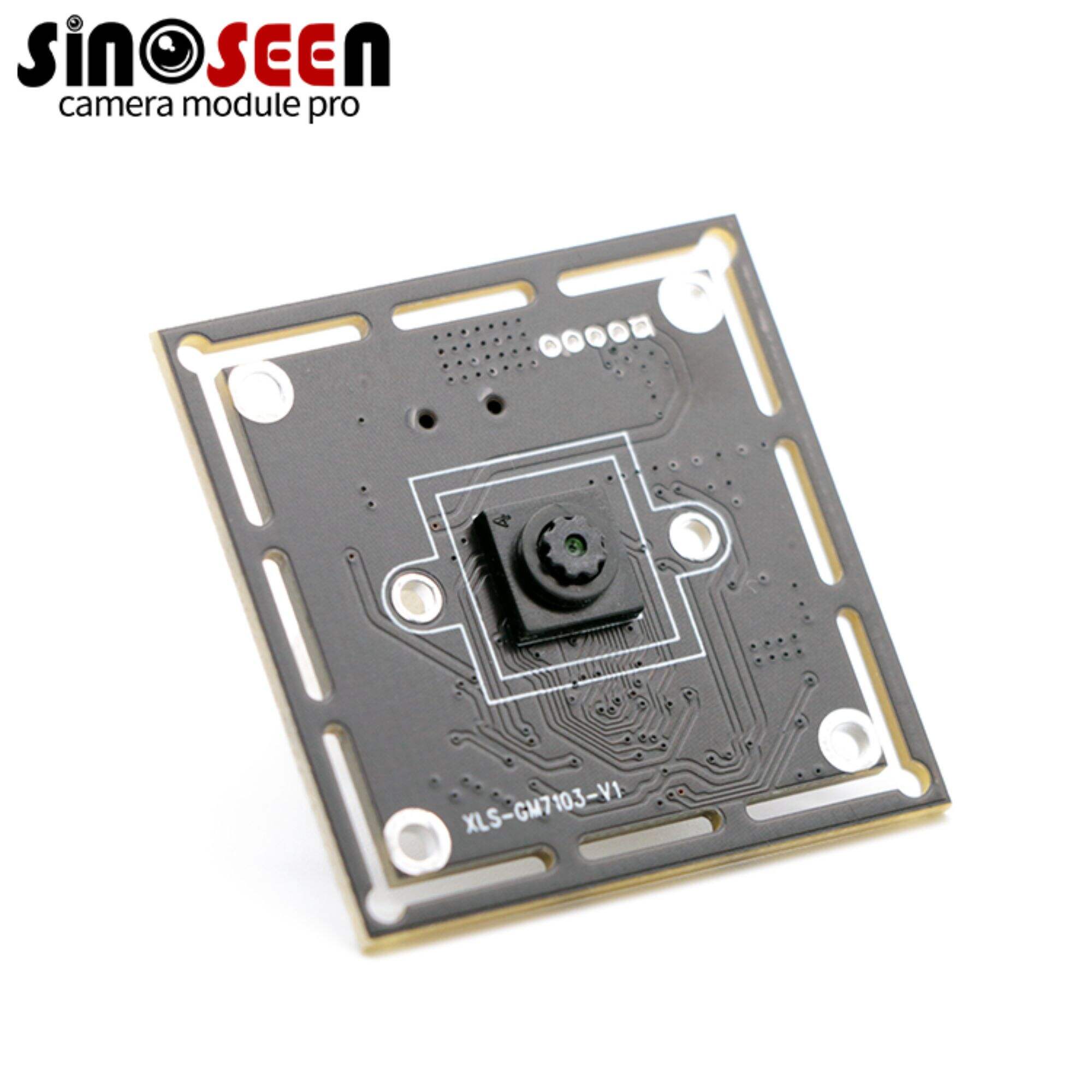
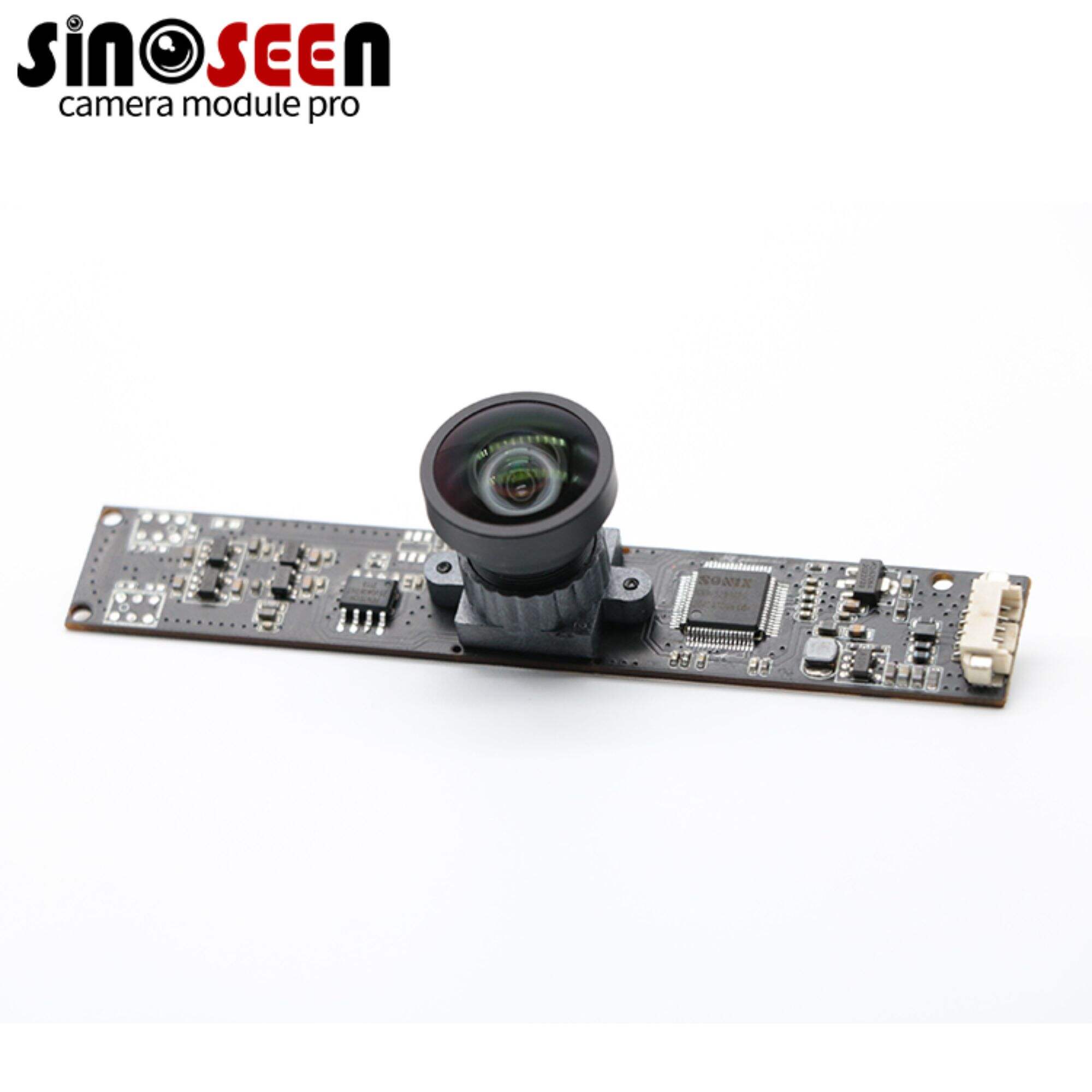
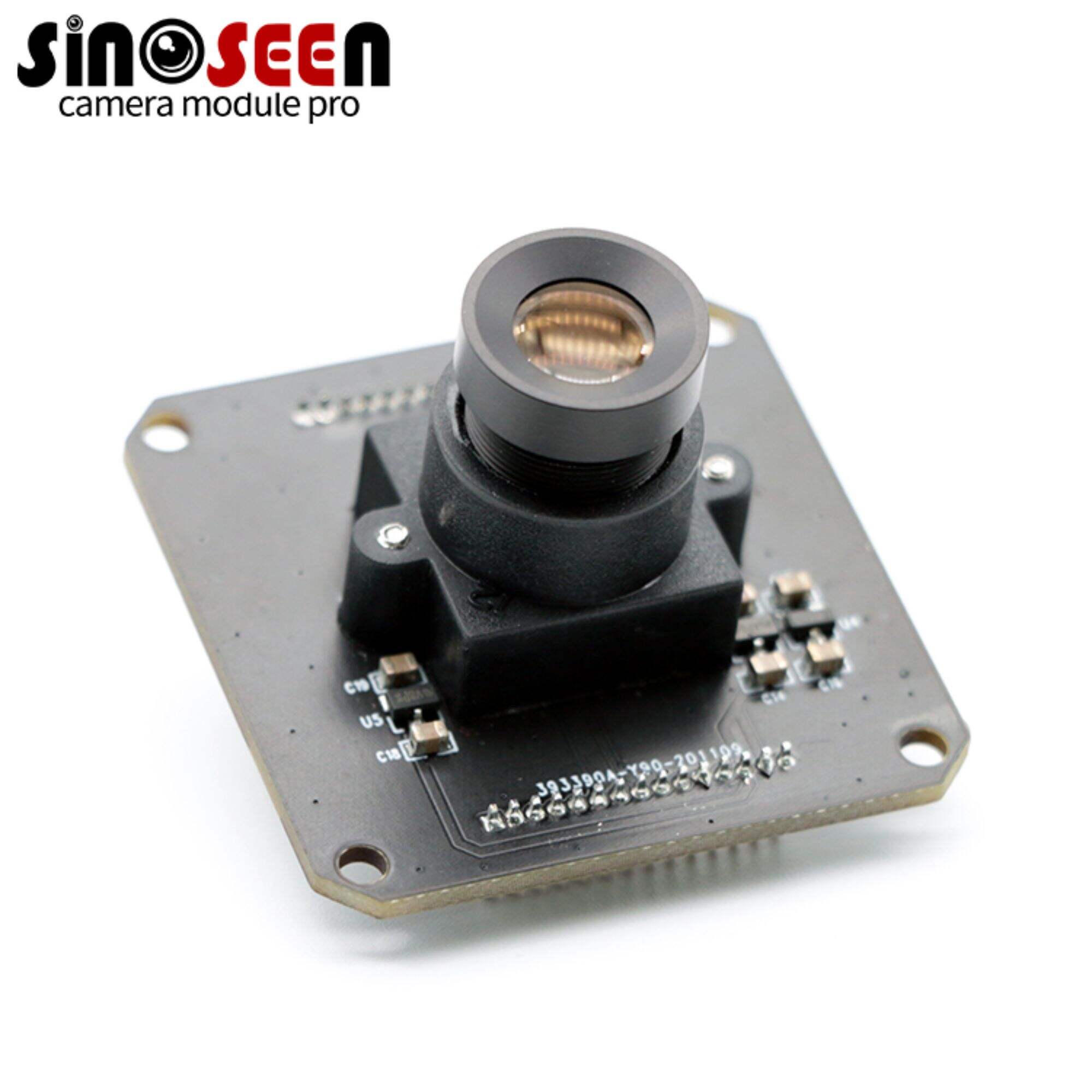
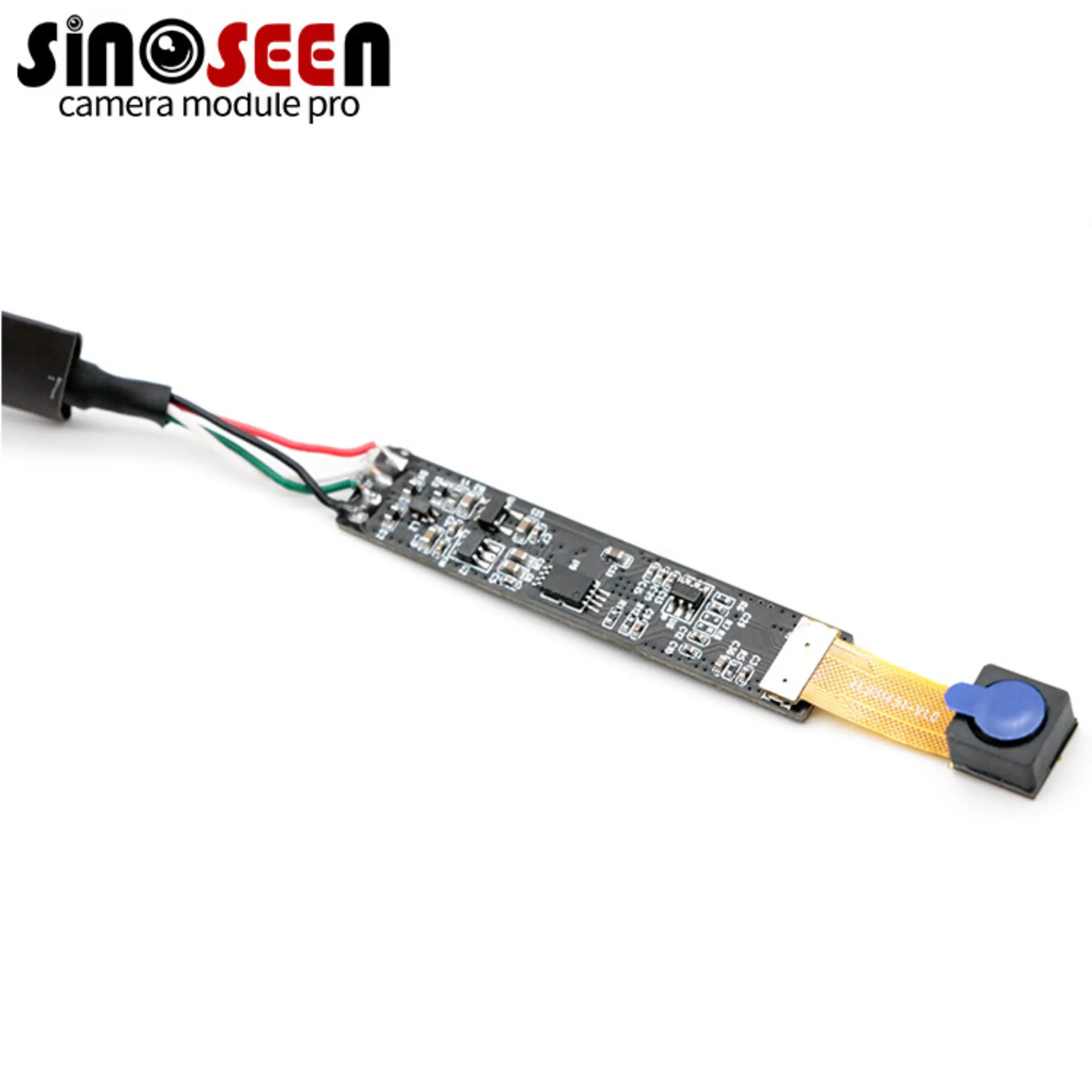
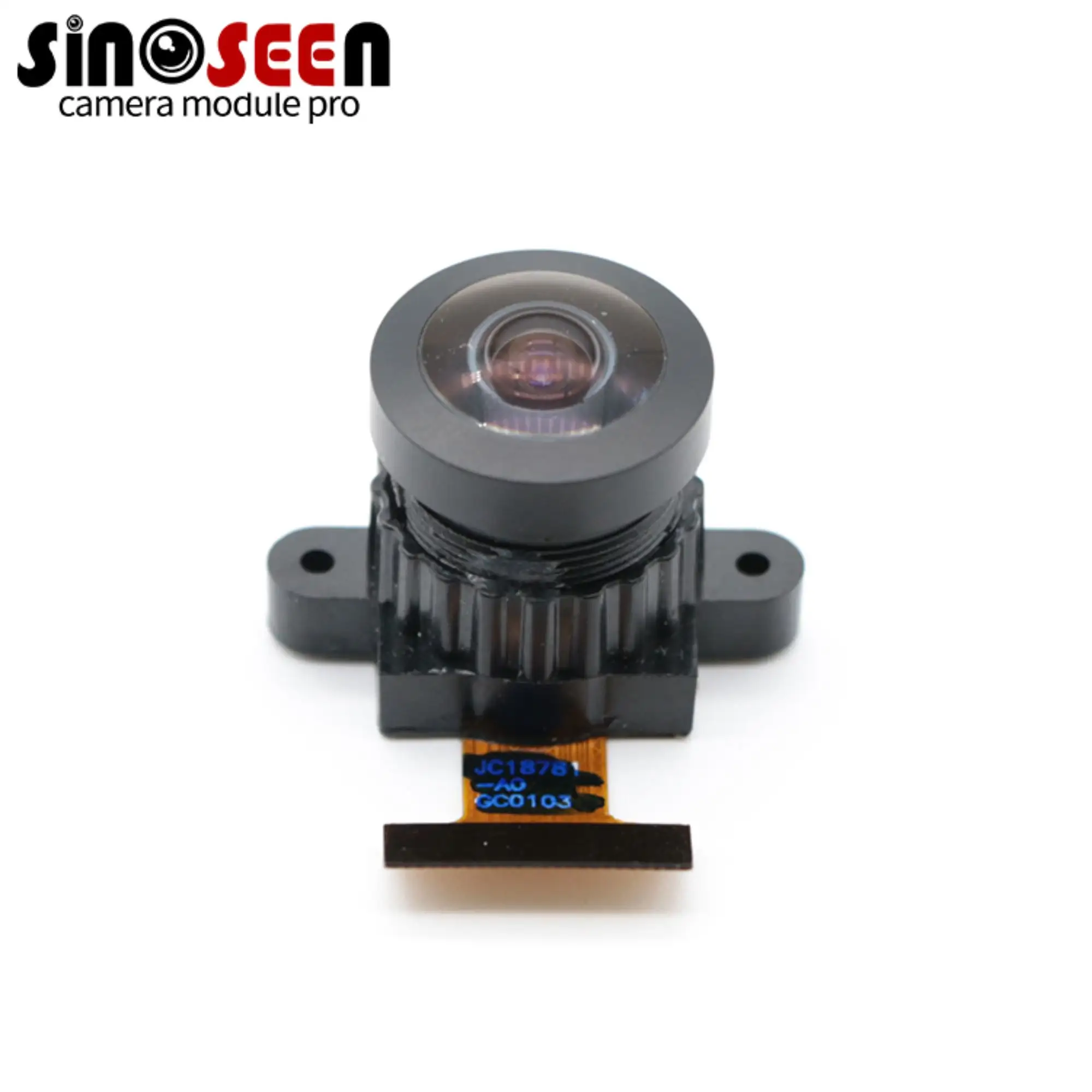
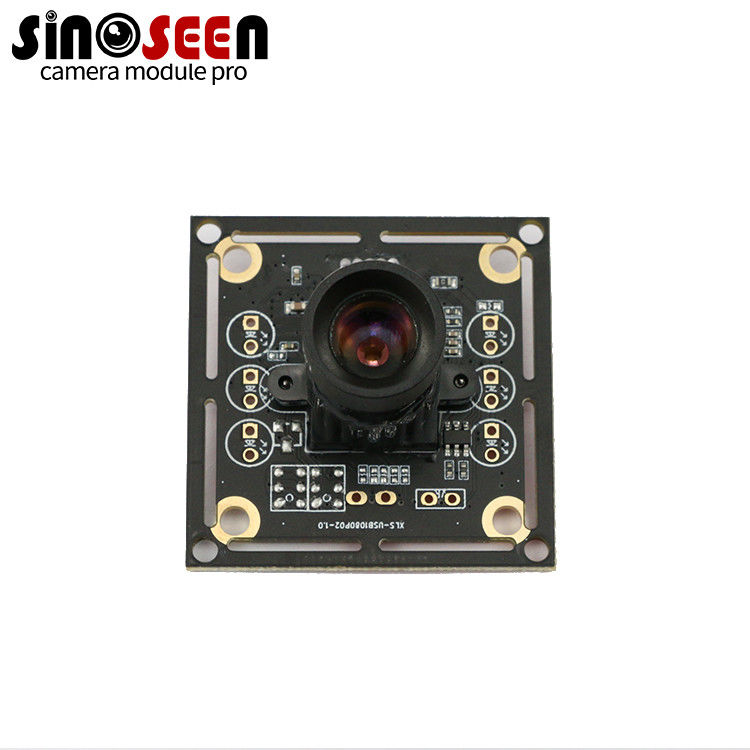
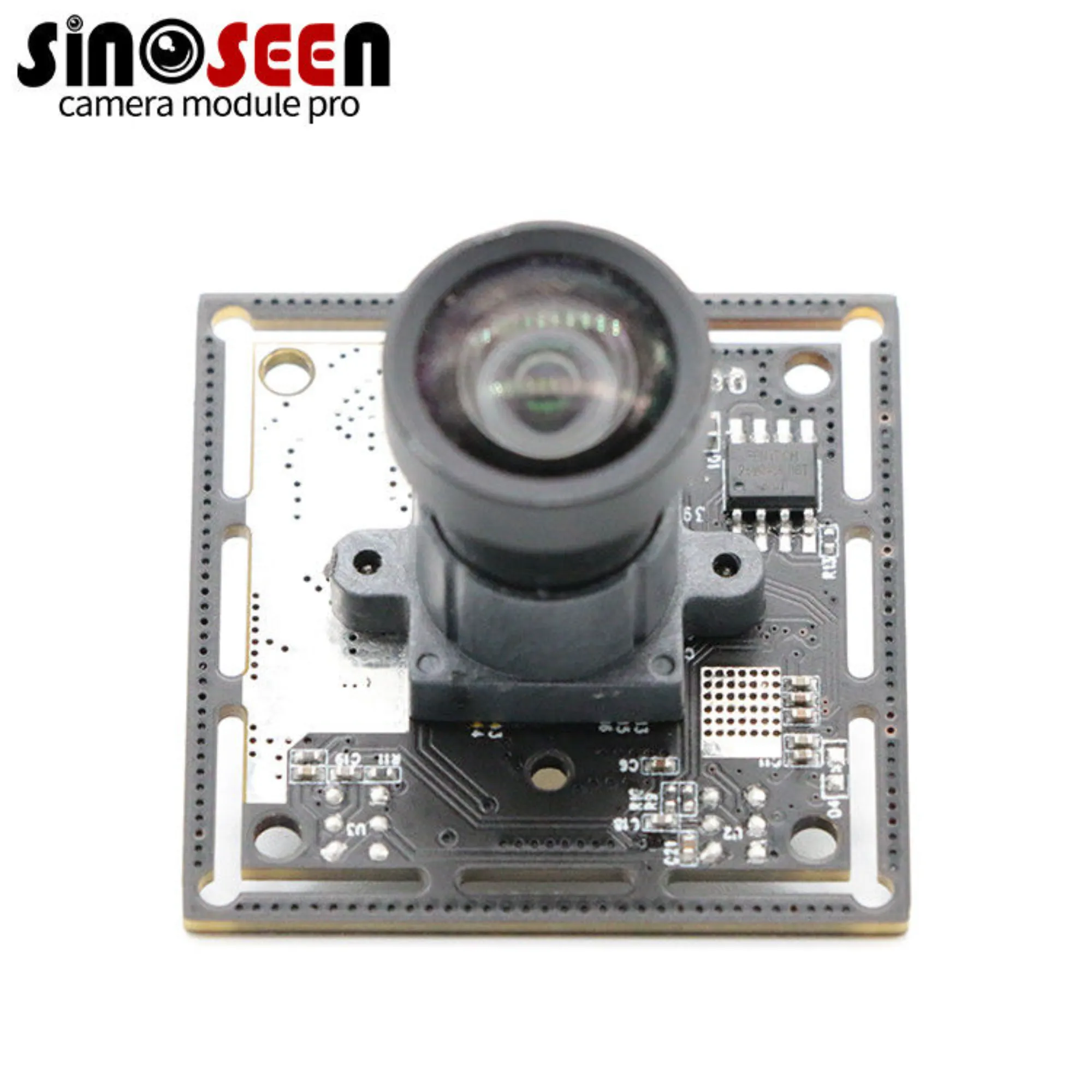
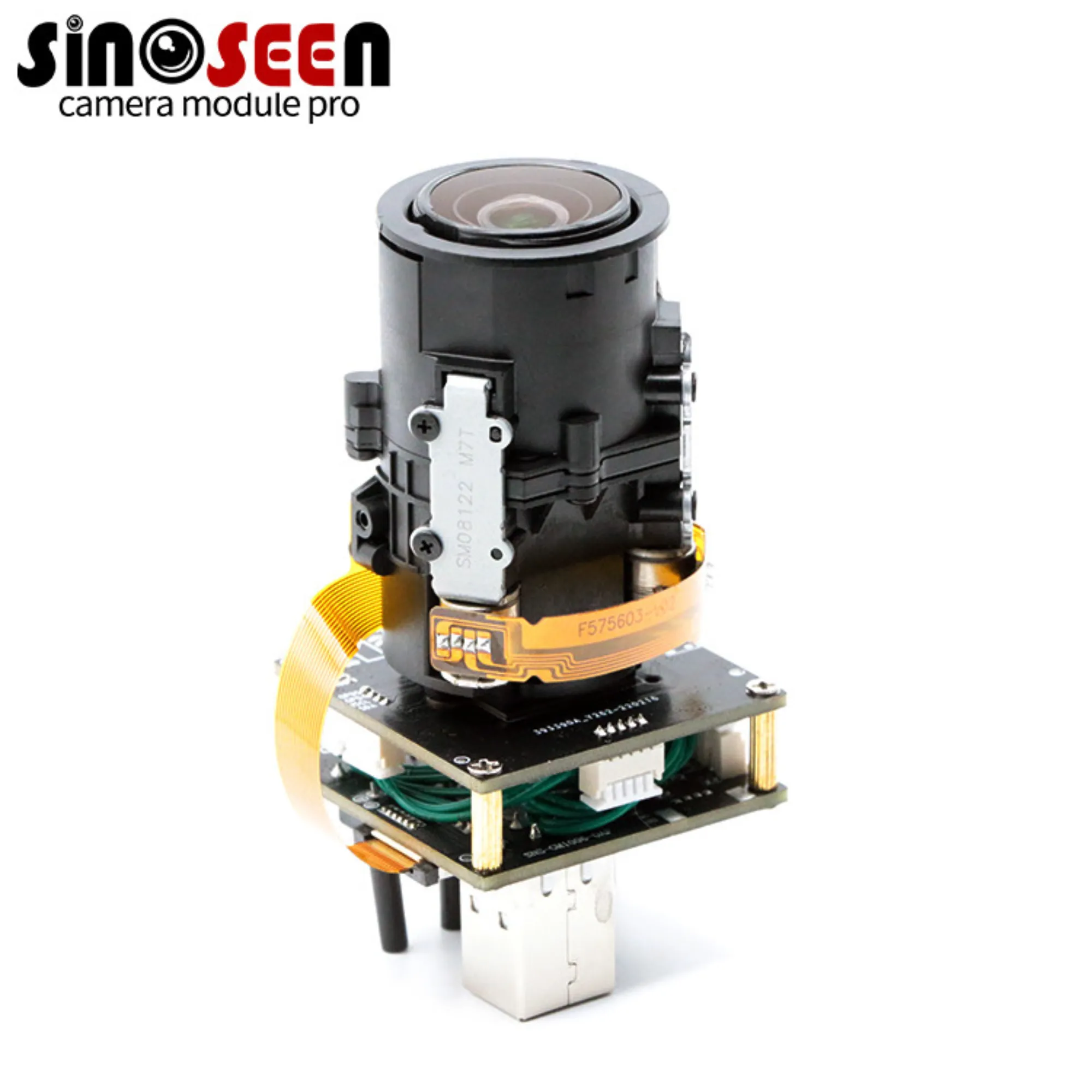
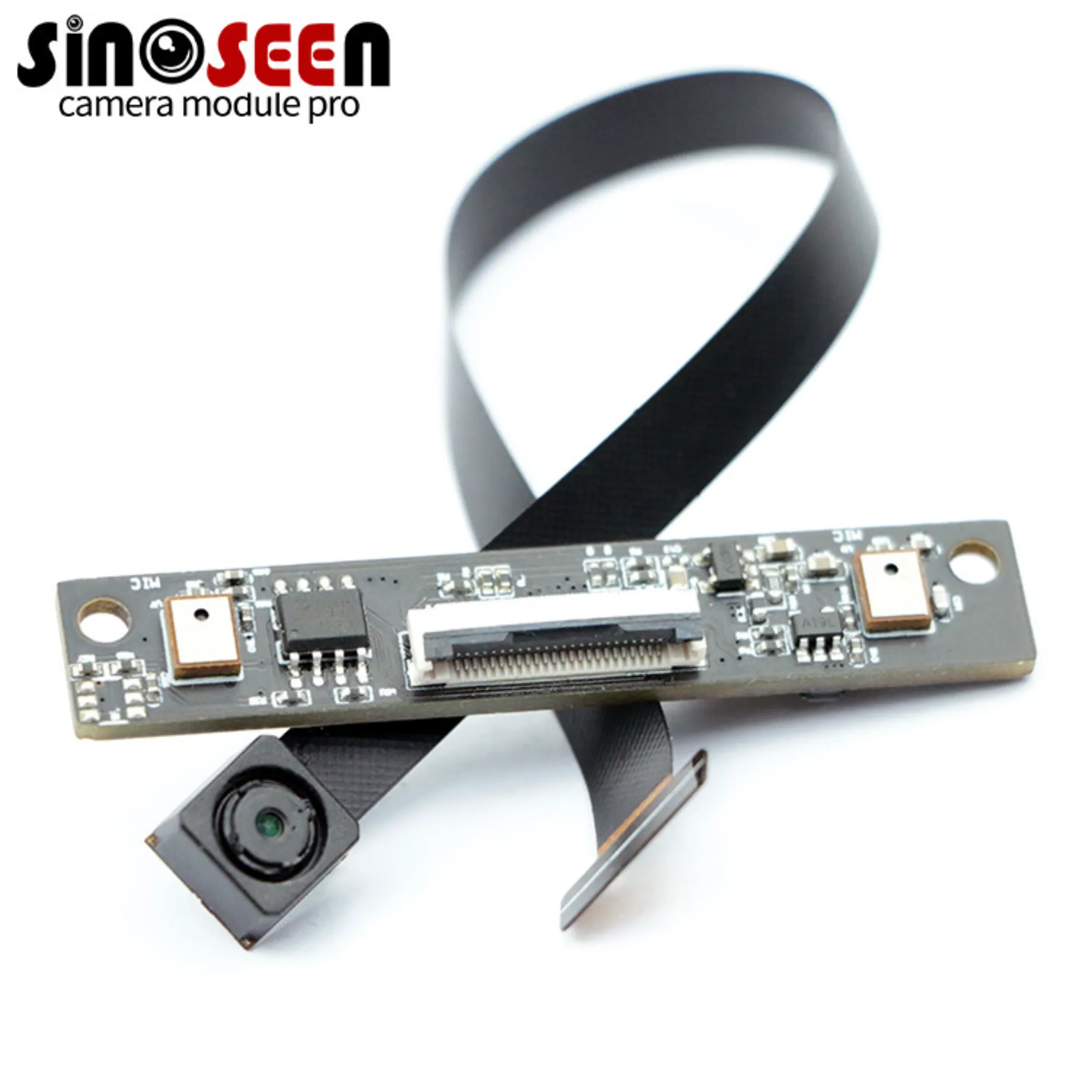
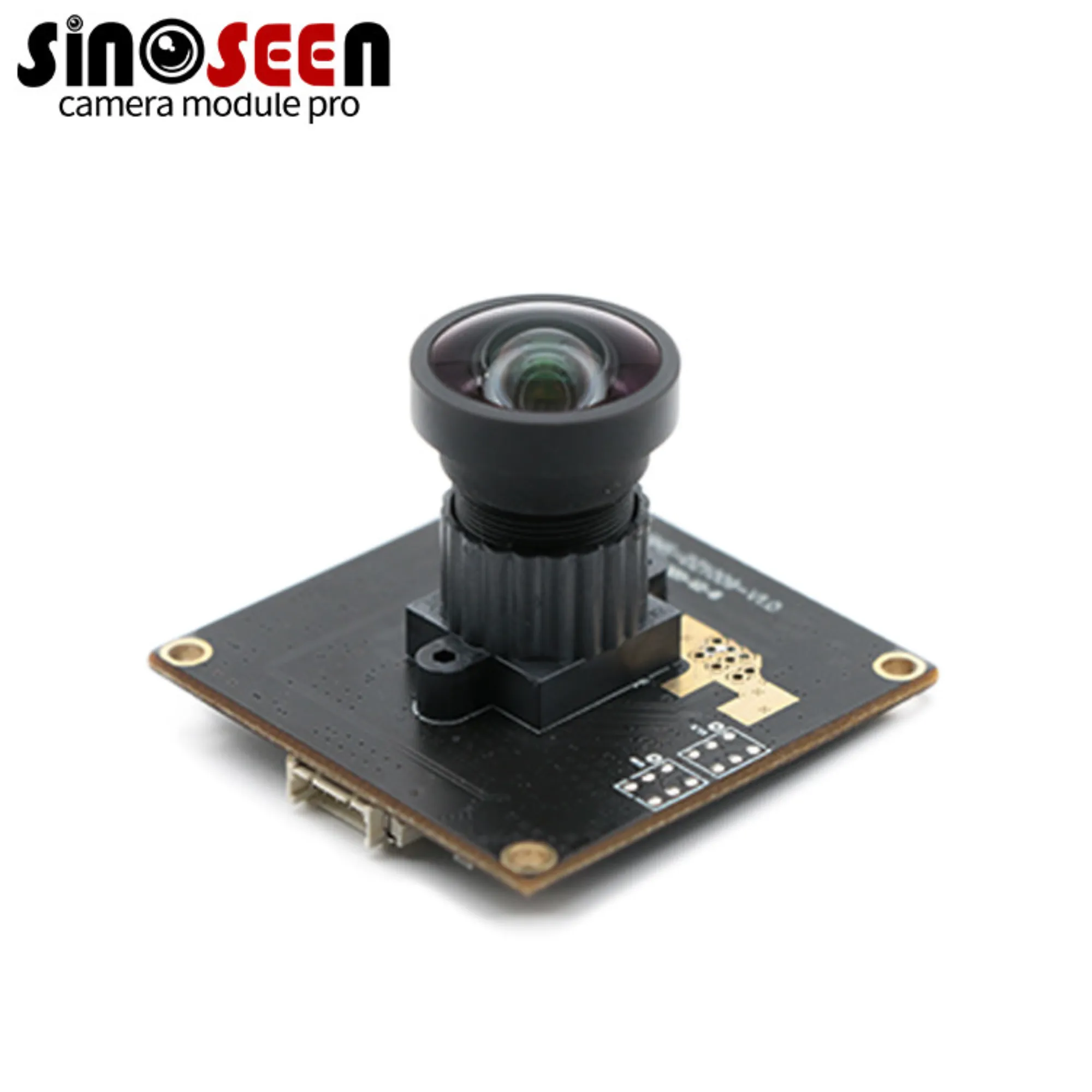
An image sensor module represents a sophisticated electronic component that captures and converts optical signals into digital data, serving as the foundation for modern imaging systems. This critical technology combines multiple elements including photodiodes, amplifiers, analog-to-digital converters, and control circuits within a compact package. The image sensor module functions by detecting photons that strike its surface, converting light energy into electrical charges that are subsequently processed into digital image data. Two primary technologies dominate the market: CCD (Charge-Coupled Device) and CMOS (Complementary Metal-Oxide-Semiconductor) sensors, with CMOS variants gaining prominence due to their superior power efficiency and integration capabilities. The module incorporates advanced features such as automatic exposure control, white balance adjustment, and noise reduction algorithms that enhance image quality across varying lighting conditions. Modern image sensor modules support multiple resolution formats ranging from standard definition to ultra-high definition 4K and beyond, accommodating diverse application requirements. The integration of on-chip processing capabilities enables real-time image enhancement, reducing computational burden on host systems. These modules feature standardized interfaces including MIPI CSI, USB, and Ethernet connectivity options, facilitating seamless integration into existing hardware architectures. Advanced variants incorporate artificial intelligence acceleration for edge computing applications, enabling intelligent image analysis and pattern recognition at the sensor level. The compact form factor and robust construction make image sensor modules suitable for deployment in challenging environments while maintaining consistent performance. Temperature compensation mechanisms ensure stable operation across industrial temperature ranges, while low-power design extends battery life in portable applications. The modular architecture supports customization through interchangeable lens systems and optical filters, allowing optimization for specific use cases such as infrared imaging, machine vision, or surveillance applications.

New Product Recommendations

Image sensor modules deliver exceptional value through their superior performance characteristics and practical benefits that directly impact user experience and operational efficiency. These devices provide outstanding image quality through advanced pixel technology and sophisticated signal processing algorithms, ensuring clear and detailed captures even in challenging lighting conditions. The high sensitivity of modern image sensor modules allows for excellent low-light performance, reducing the need for additional illumination and enabling applications in dimly lit environments where traditional cameras struggle. Power efficiency stands as a major advantage, with contemporary modules consuming significantly less energy compared to older technologies, extending battery life in portable devices and reducing operational costs in continuous monitoring systems. The compact design of image sensor modules enables integration into space-constrained applications while maintaining full functionality, making them ideal for mobile devices, drones, and embedded systems. Real-time processing capabilities eliminate delays between capture and display, crucial for applications requiring immediate response such as automotive safety systems and industrial quality control. The digital output format of image sensor modules simplifies integration with modern computing systems, reducing complexity and development time for manufacturers. Cost-effectiveness emerges through reduced component count and simplified system architecture, as these modules incorporate multiple functions traditionally requiring separate components. Reliability proves exceptional due to solid-state construction with no moving parts, minimizing maintenance requirements and extending operational lifespan in industrial environments. The standardized interfaces and protocols facilitate rapid prototyping and deployment, accelerating time-to-market for new products. Versatility allows single modules to serve multiple applications through software configuration, reducing inventory complexity and development costs. Advanced features like automatic gain control and dynamic range optimization adapt automatically to changing conditions, reducing manual intervention and ensuring consistent results. The modular approach enables easy upgrades and replacements without redesigning entire systems, protecting investment and enabling future enhancements. Environmental resilience through robust packaging and temperature compensation ensures reliable operation across diverse conditions, from consumer electronics to harsh industrial settings.

Practical Tips

Why Choose a High-Performance Embedded Camera Module for AI Applications?

02

Mar

Why Choose a High-Performance Embedded Camera Module for AI Applications?

Artificial intelligence applications demand precision, speed, and reliability in their visual data acquisition systems. An embedded camera module serves as the critical foundation for AI-powered devices, from autonomous vehicles to smart manufacturin...
View More
 How to Select the Right AI Camera Module for Facial Recognition Systems?

02

Mar

How to Select the Right AI Camera Module for Facial Recognition Systems?

Selecting the appropriate AI camera module for facial recognition systems represents a critical decision that directly impacts system performance, accuracy, and overall operational efficiency. Modern facial recognition applications demand sophisticat...
View More
How to Optimize Low-Light Performance in Custom Camera Module Designs?

02

Mar

How to Optimize Low-Light Performance in Custom Camera Module Designs?

Custom camera module designs face unique challenges when operating in environments with minimal illumination, making low-light performance optimization a critical engineering consideration. Modern applications ranging from security surveillance to au...
View More
Why do Robotics Manufacturers Prefer High-Speed AI Camera Modules?

02

Mar

Why do Robotics Manufacturers Prefer High-Speed AI Camera Modules?

The robotics industry has experienced unprecedented growth in recent years, with manufacturers increasingly demanding sophisticated vision systems that can process visual data at lightning speed. High-speed AI camera modules have emerged as the corne...
View More

Get In Touch

image sensor module

Ultra-High Resolution Imaging with Advanced Processing

Ultra-High Resolution Imaging with Advanced Processing

Modern image sensor modules excel in delivering exceptional resolution capabilities that transform how visual information is captured and processed across diverse applications. These advanced sensors support resolutions ranging from 2 megapixels to beyond 100 megapixels, providing unprecedented detail and clarity for professional imaging, surveillance, and industrial inspection tasks. The high pixel density achieved through cutting-edge semiconductor manufacturing processes enables capture of fine details that were previously impossible to detect, making these modules invaluable for quality control, medical imaging, and scientific research applications. The integration of advanced image signal processors within the module architecture performs real-time enhancement operations including noise reduction, edge sharpening, and color correction, delivering superior image quality without requiring external processing power. This on-board processing capability reduces system complexity and latency while improving overall performance efficiency. The modules incorporate sophisticated algorithms for handling high dynamic range scenarios, automatically adjusting exposure and gain settings to optimize image quality across varying lighting conditions. Advanced pixel technologies such as back-illuminated sensors and pixel binning enhance light sensitivity and signal-to-noise ratio, ensuring clear images even in challenging environments. The high-resolution capabilities prove particularly beneficial in machine vision applications where precise measurements and defect detection require exceptional detail recognition. Furthermore, the ability to extract multiple lower-resolution streams from high-resolution sensors provides flexibility for applications requiring different quality levels simultaneously, such as recording high-definition video while providing lower-resolution streams for real-time analysis. The advanced processing features include intelligent auto-focus systems, face detection algorithms, and motion tracking capabilities that enhance user experience and application functionality. These comprehensive imaging solutions reduce development complexity while providing professional-grade results that meet demanding industry standards.
Exceptional Low-Light Performance and Sensitivity

Exceptional Low-Light Performance and Sensitivity

The remarkable low-light performance of contemporary image sensor modules revolutionizes imaging capabilities in challenging illumination conditions, opening new possibilities for applications previously limited by lighting constraints. These sensors achieve outstanding sensitivity through innovative pixel architectures, including larger pixel sizes and improved photodiode designs that capture more photons and convert them efficiently into electrical signals. Advanced noise reduction technologies integrated within the image sensor module minimize unwanted artifacts while preserving image detail, ensuring clear captures even in near-darkness conditions. The implementation of global shutter technology in many modules eliminates rolling shutter distortion, crucial for capturing fast-moving objects in low-light environments without motion blur or skewing effects. Multi-frame noise reduction algorithms combine multiple exposures to enhance signal-to-noise ratio, producing clean images with minimal grain in situations where single-frame capture would yield poor results. The exceptional low-light capabilities prove invaluable for security and surveillance applications, enabling continuous monitoring without supplemental lighting that might compromise covert operations or disturb natural behaviors in wildlife observation. Automotive applications benefit significantly from these low-light capabilities, with image sensor modules providing clear visibility for advanced driver assistance systems during dawn, dusk, and nighttime driving conditions. The enhanced sensitivity extends operational hours for outdoor monitoring systems, reducing reliance on artificial illumination and associated power consumption. Industrial inspection applications leverage these capabilities for quality control in manufacturing environments where adding lighting might interfere with production processes or worker comfort. The modules maintain color accuracy even in low-light conditions through sophisticated white balance algorithms and spectral response optimization, ensuring that color-critical applications receive reliable results regardless of ambient lighting. Advanced gain control systems automatically adjust sensitivity based on scene conditions while preventing oversaturation and maintaining detail in both shadow and highlight regions. These low-light performance advantages significantly expand the operational envelope of imaging systems, enabling 24-hour operation and reliable performance across diverse environmental conditions.
Versatile Integration and Connectivity Options

Versatile Integration and Connectivity Options

Image sensor modules offer exceptional versatility through comprehensive integration options and standardized connectivity protocols that simplify implementation across diverse platforms and applications. The modular design philosophy enables seamless integration into existing systems through industry-standard interfaces including MIPI CSI-2, USB 2.0/3.0, Ethernet, and custom serial protocols, accommodating various host system architectures and bandwidth requirements. This connectivity flexibility allows manufacturers to select the most appropriate interface based on specific application needs, whether prioritizing high-speed data transfer, power efficiency, or compatibility with legacy systems. The standardized mounting options and compact form factors facilitate integration into space-constrained environments while maintaining secure physical connections that withstand vibration and environmental stress. Software compatibility spans multiple operating systems and development environments, with comprehensive driver support and software development kits that accelerate integration and reduce development time. The modules support various data formats and compression standards, enabling optimization for specific bandwidth and storage requirements while maintaining image quality appropriate for each application. Plug-and-play functionality through automatic device recognition and configuration reduces integration complexity, allowing rapid deployment without extensive software development. The versatile power management options accommodate different voltage levels and current requirements, making these modules suitable for battery-powered portable devices as well as industrial systems with abundant power supplies. Advanced modules incorporate programmable features that allow customization of image processing parameters, exposure settings, and output formats through software control, providing application-specific optimization without hardware modifications. The scalable architecture supports multiple sensor configurations, from single-camera setups to complex multi-camera arrays for stereo vision and panoramic imaging applications. Backward and forward compatibility features protect investment by ensuring that modules remain functional as host systems evolve, while upgrade paths enable enhanced capabilities without complete system replacement. The comprehensive documentation and technical support resources facilitate smooth integration processes, reducing development risks and accelerating time-to-market for new products incorporating these advanced imaging solutions.

Related Search

Get in touch