wireless camera module
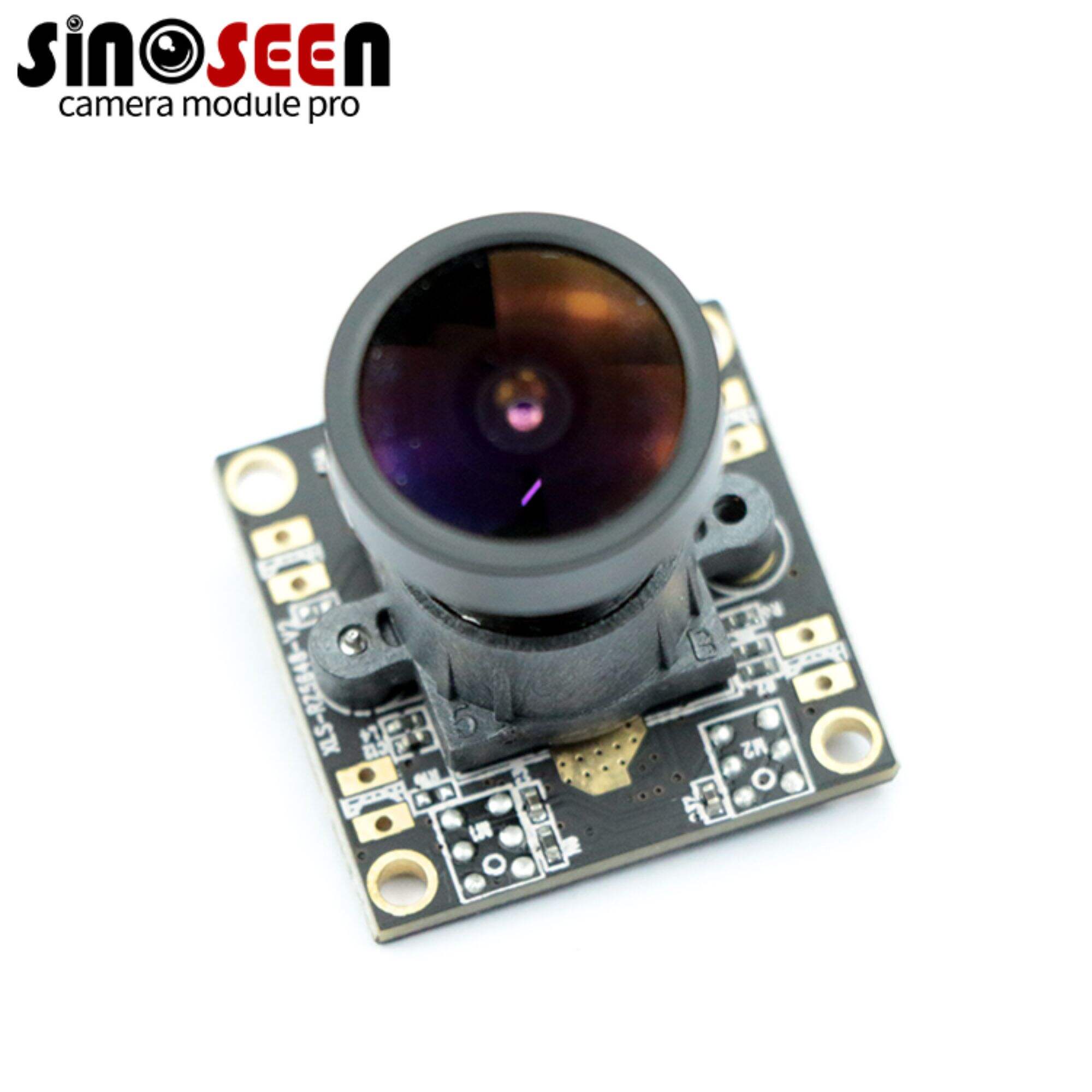
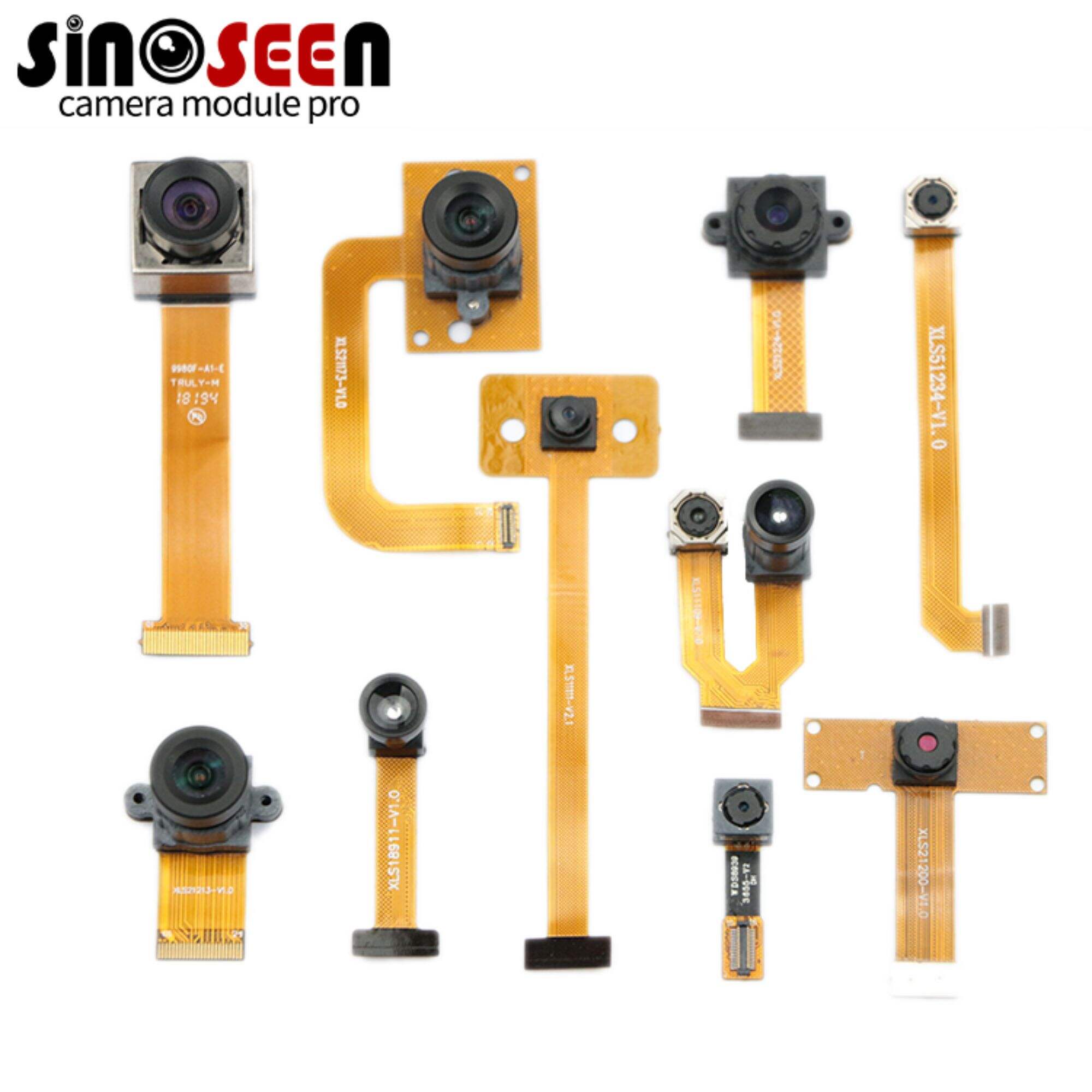
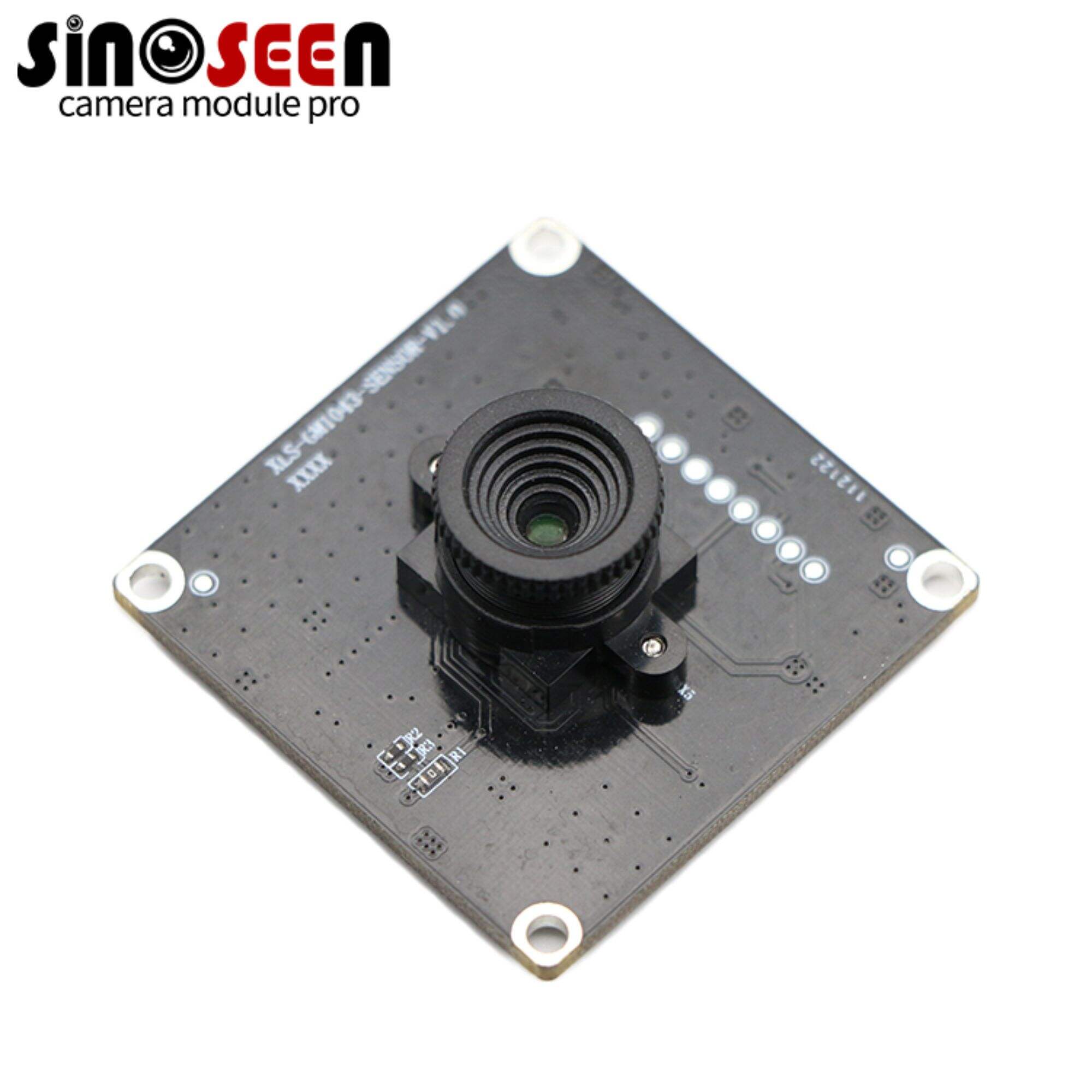
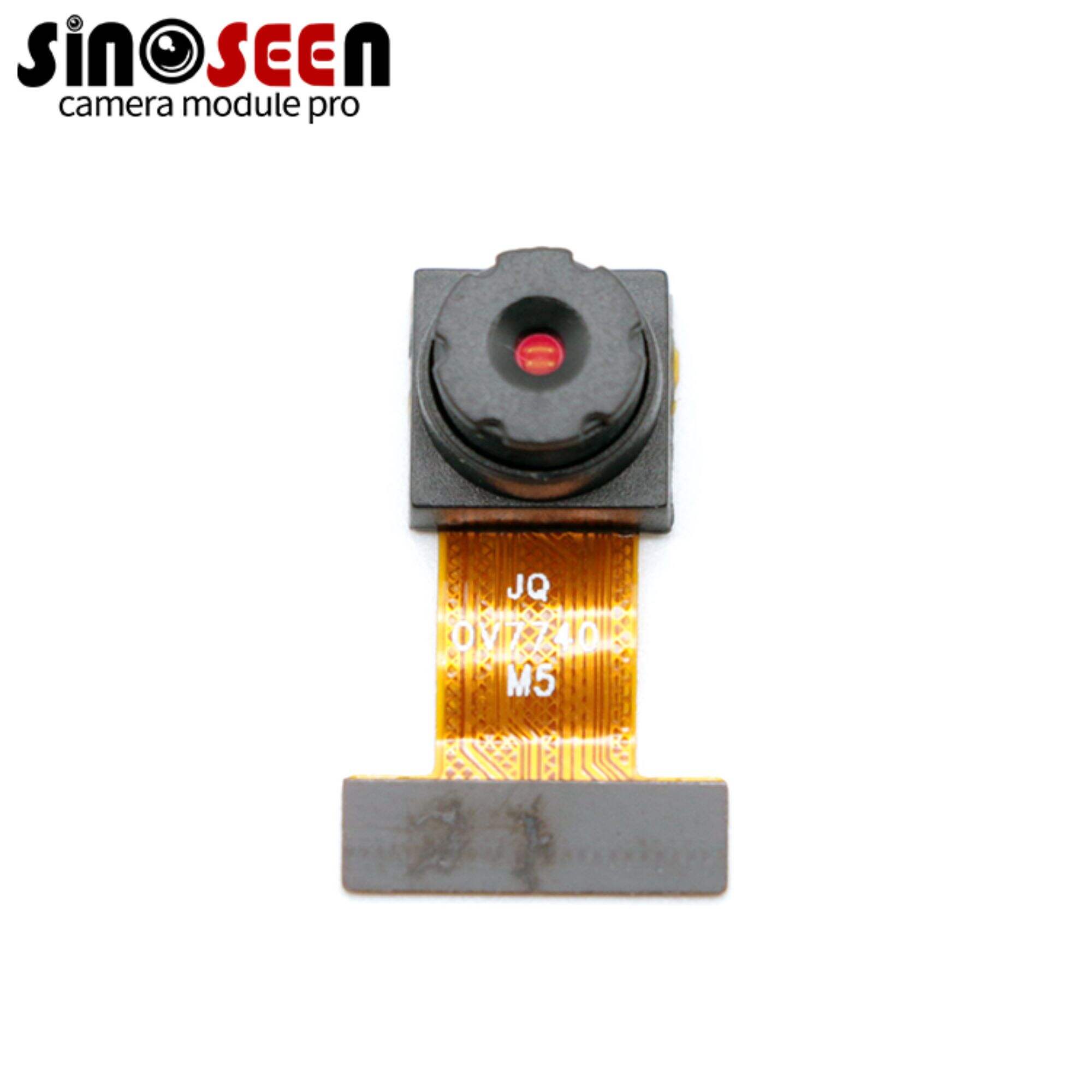
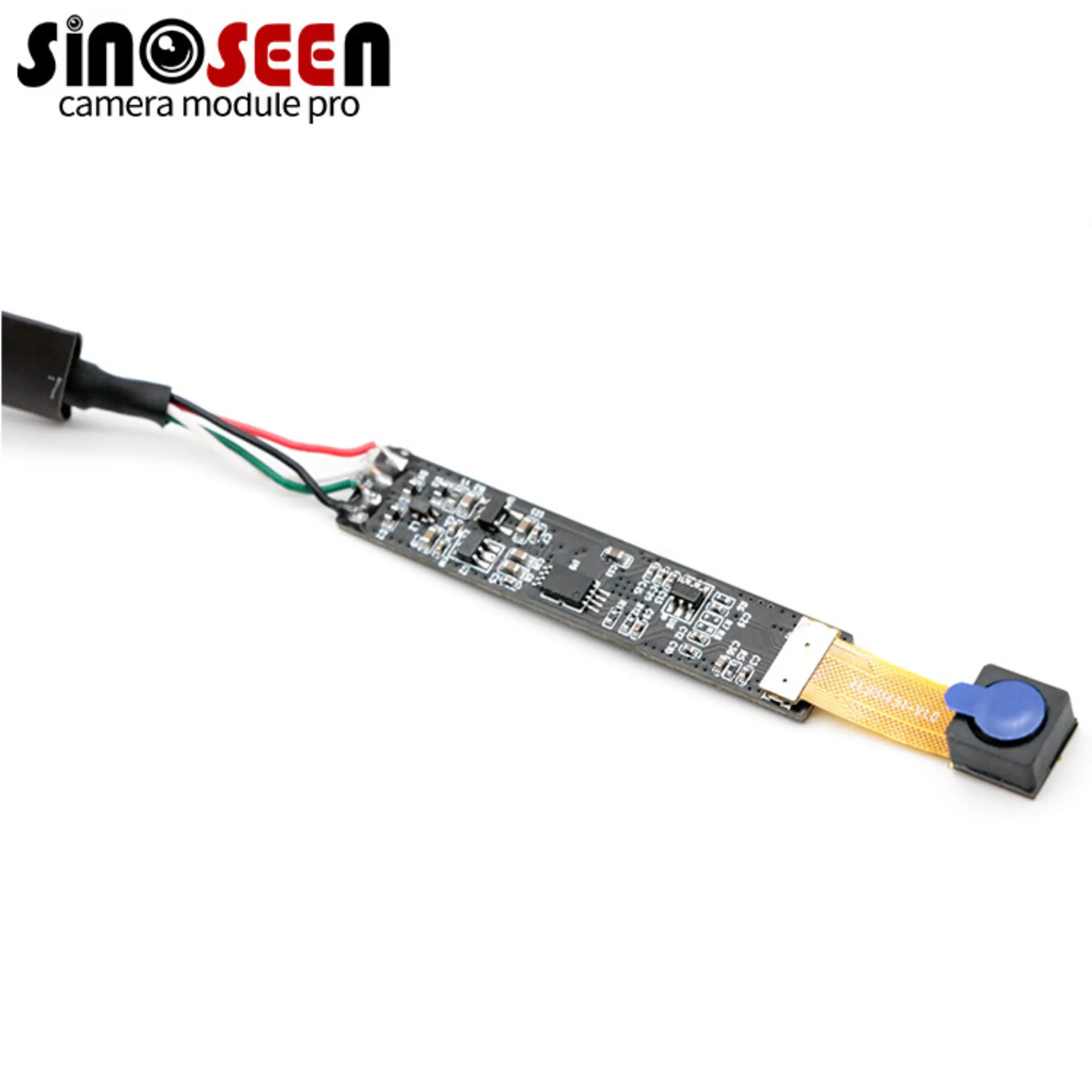
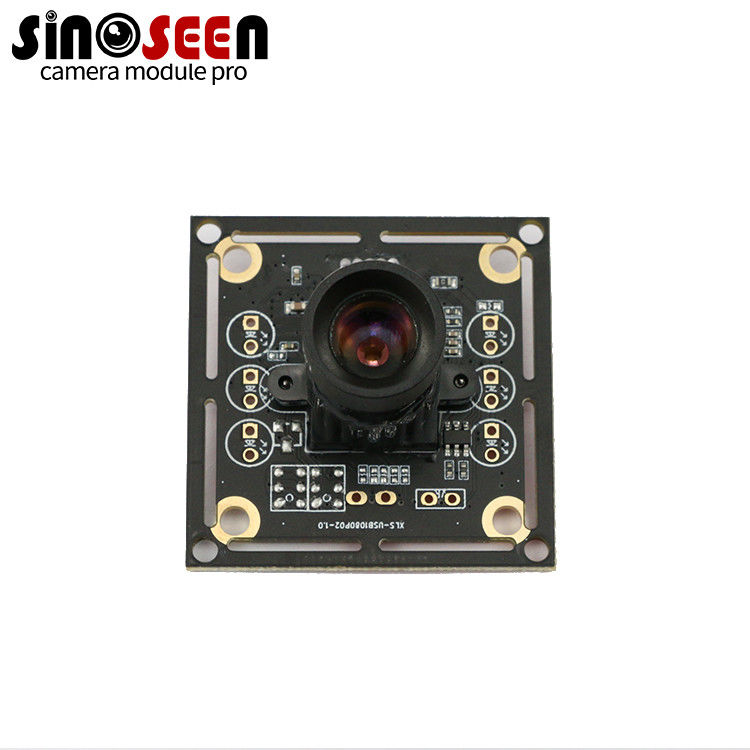
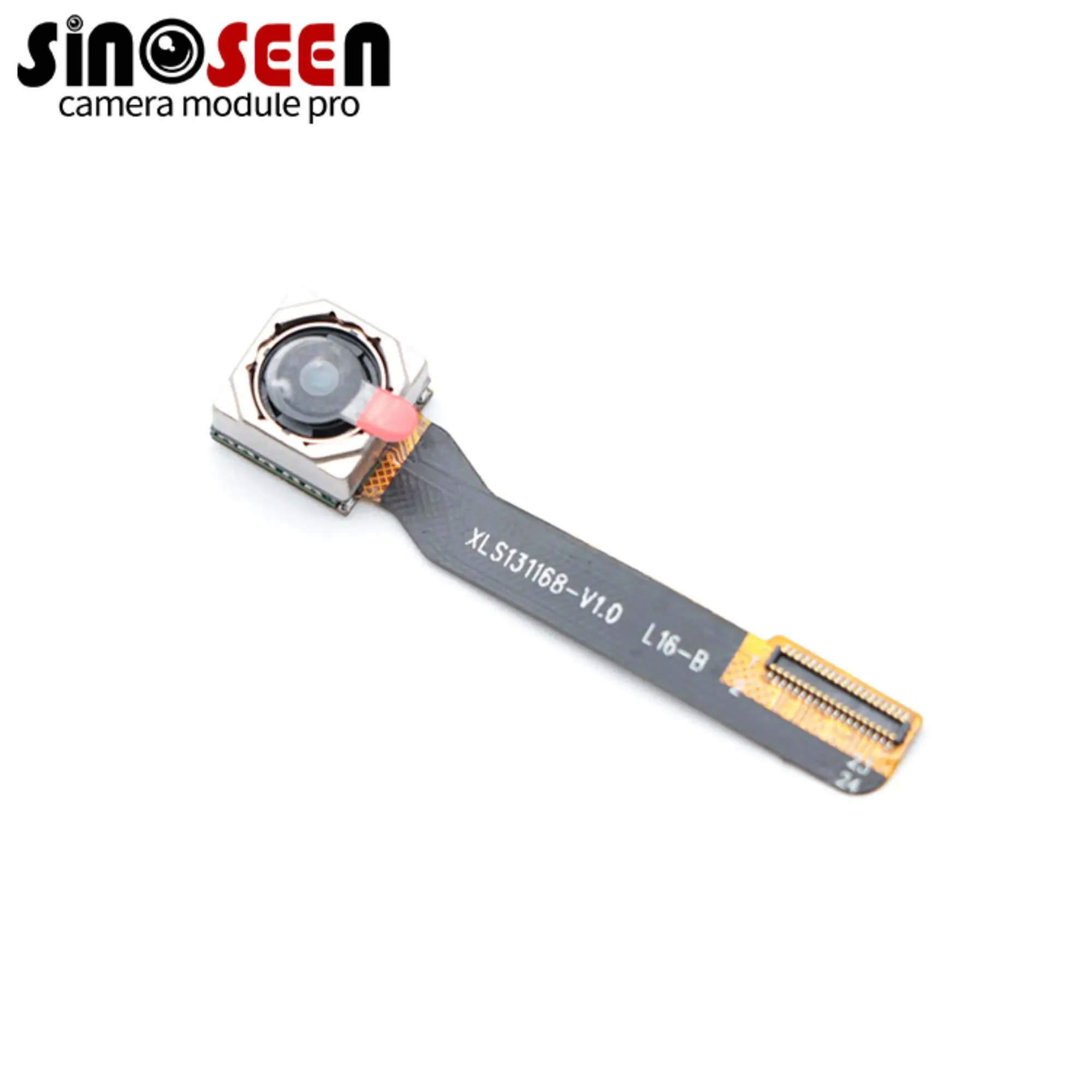
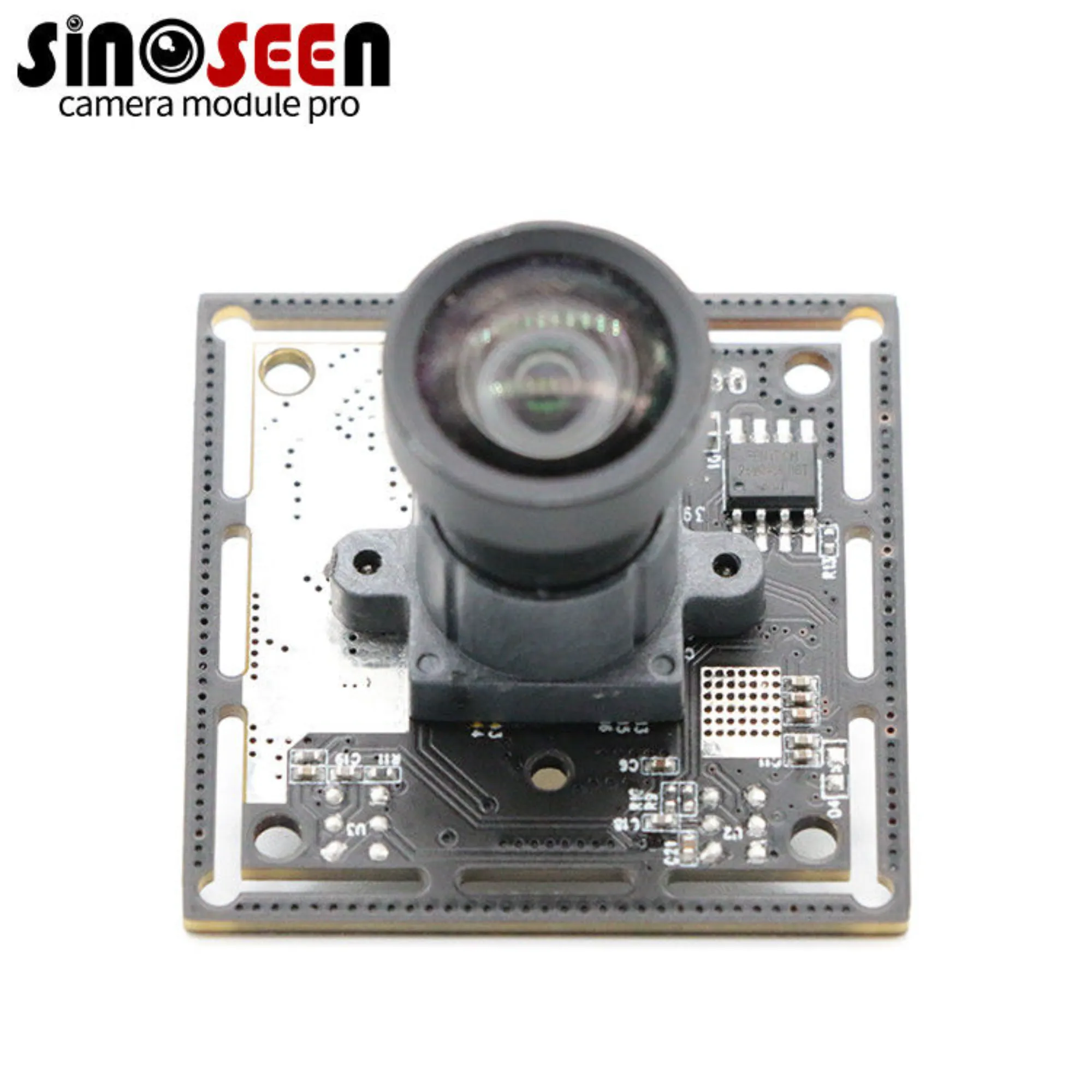
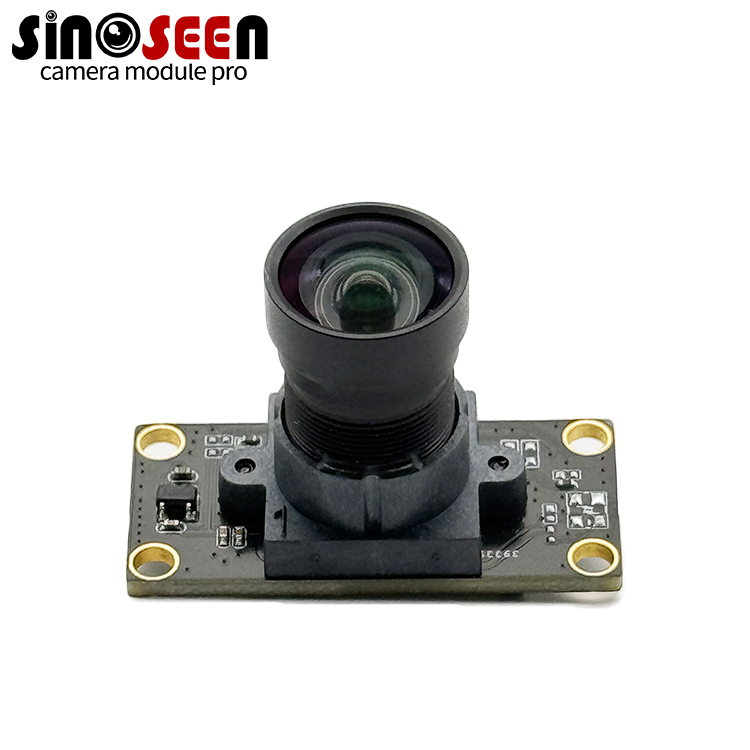
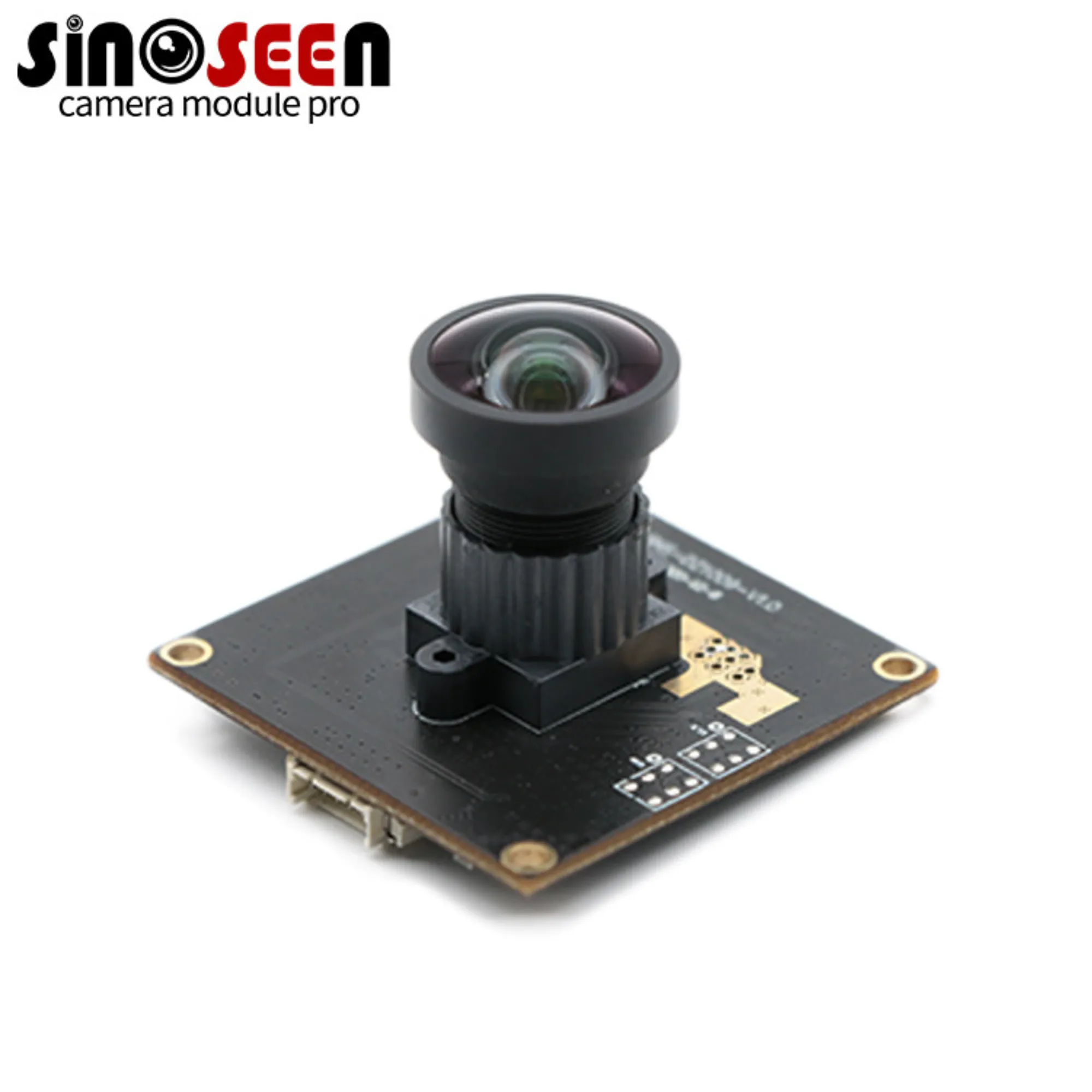
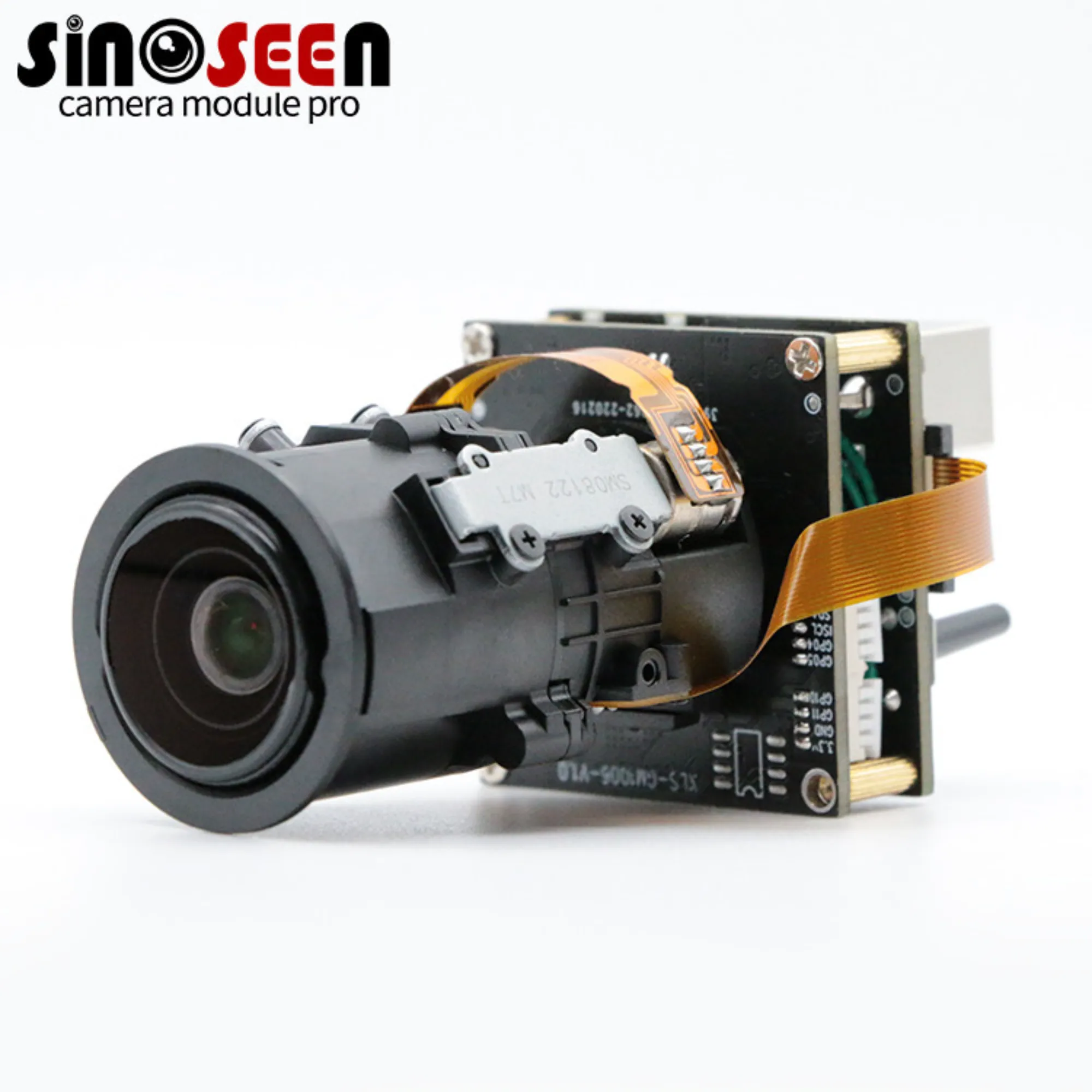
The wireless camera module represents a revolutionary advancement in imaging technology, combining compact design with powerful connectivity capabilities to deliver seamless video capture and transmission solutions. This sophisticated device integrates high-resolution image sensors, advanced wireless communication protocols, and intelligent processing units within a miniaturized form factor. Modern wireless camera modules support multiple transmission standards including Wi-Fi, Bluetooth, and cellular networks, enabling real-time streaming and remote monitoring capabilities across various platforms. The core functionality encompasses video recording, live streaming, motion detection, and automated alerts, making these modules essential components for contemporary surveillance and communication systems. These devices feature advanced compression algorithms that optimize bandwidth usage while maintaining exceptional image quality, ensuring efficient data transmission even in challenging network conditions. The wireless camera module incorporates sophisticated power management systems that extend operational duration and reduce energy consumption, making them ideal for battery-powered applications. Enhanced security protocols protect data transmission through encryption and authentication mechanisms, safeguarding sensitive information from unauthorized access. Integration capabilities allow seamless connectivity with existing infrastructure, supporting various mounting options and interface configurations. The modular design facilitates easy installation and maintenance, reducing deployment complexity and operational costs. Advanced features include night vision capabilities, wide-angle lenses, and weather-resistant housing that ensure reliable performance across diverse environmental conditions. Smart analytics features enable automatic scene recognition, facial detection, and behavioral analysis, adding intelligence to basic monitoring functions. The wireless camera module supports multiple resolution options, from standard definition to ultra-high definition, accommodating different bandwidth requirements and storage limitations. Remote configuration capabilities allow users to adjust settings, update firmware, and manage multiple devices through centralized management platforms, streamlining operational efficiency and reducing maintenance overhead.

 EN
EN
 AR
AR
 DA
DA
 NL
NL
 FI
FI
 FR
FR
 DE
DE
 EL
EL
 HI
HI
 IT
IT
 JA
JA
 KO
KO
 NO
NO
 PL
PL
 PT
PT
 RO
RO
 RU
RU
 ES
ES
 SV
SV
 TL
TL
 IW
IW
 ID
ID
 SR
SR
 VI
VI
 HU
HU
 TH
TH
 TR
TR
 FA
FA
 MS
MS
 IS
IS
 AZ
AZ
 UR
UR
 BN
BN
 HA
HA
 LO
LO
 MR
MR
 MN
MN
 PA
PA
 MY
MY
 SD
SD