Computational Photography and AI Enhancement
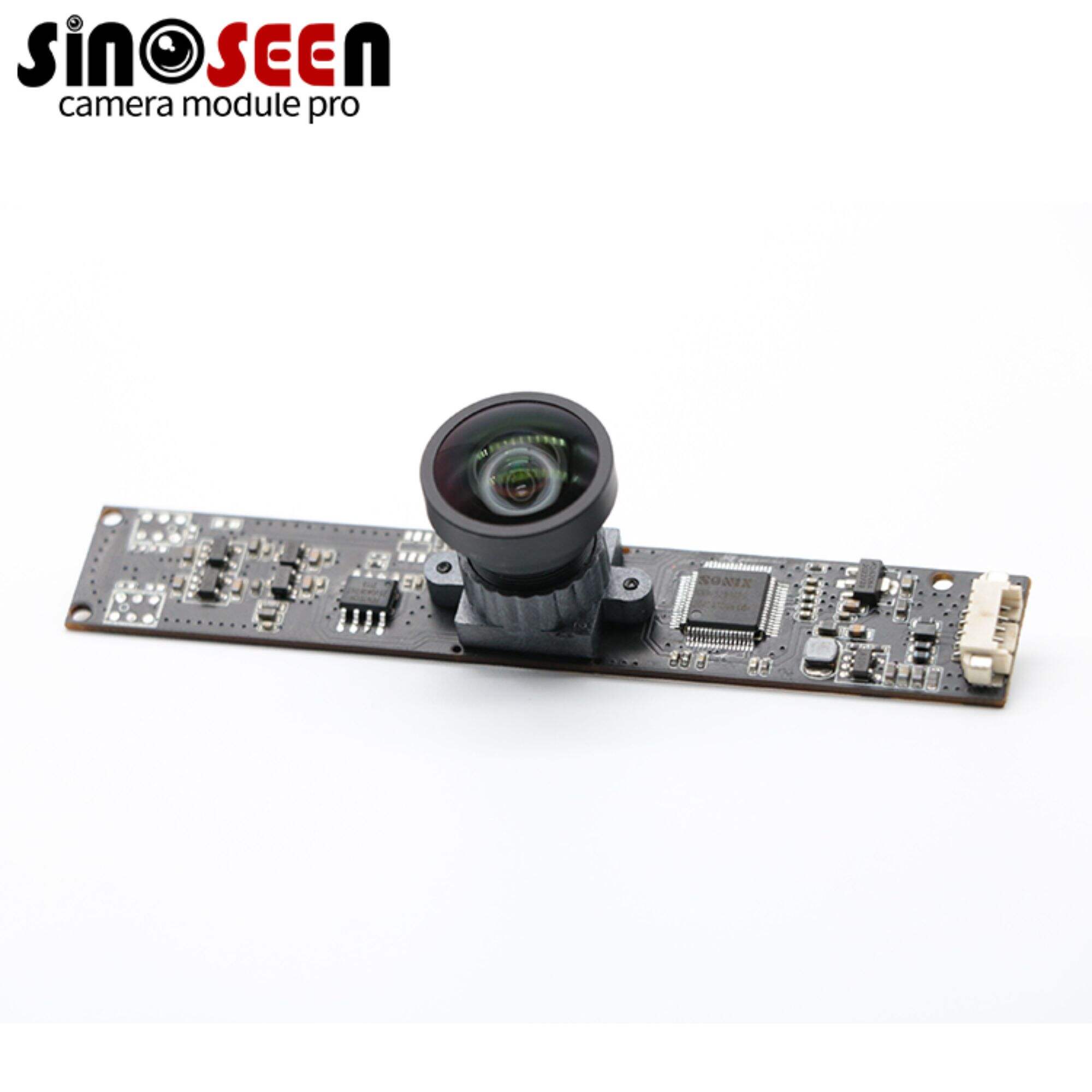
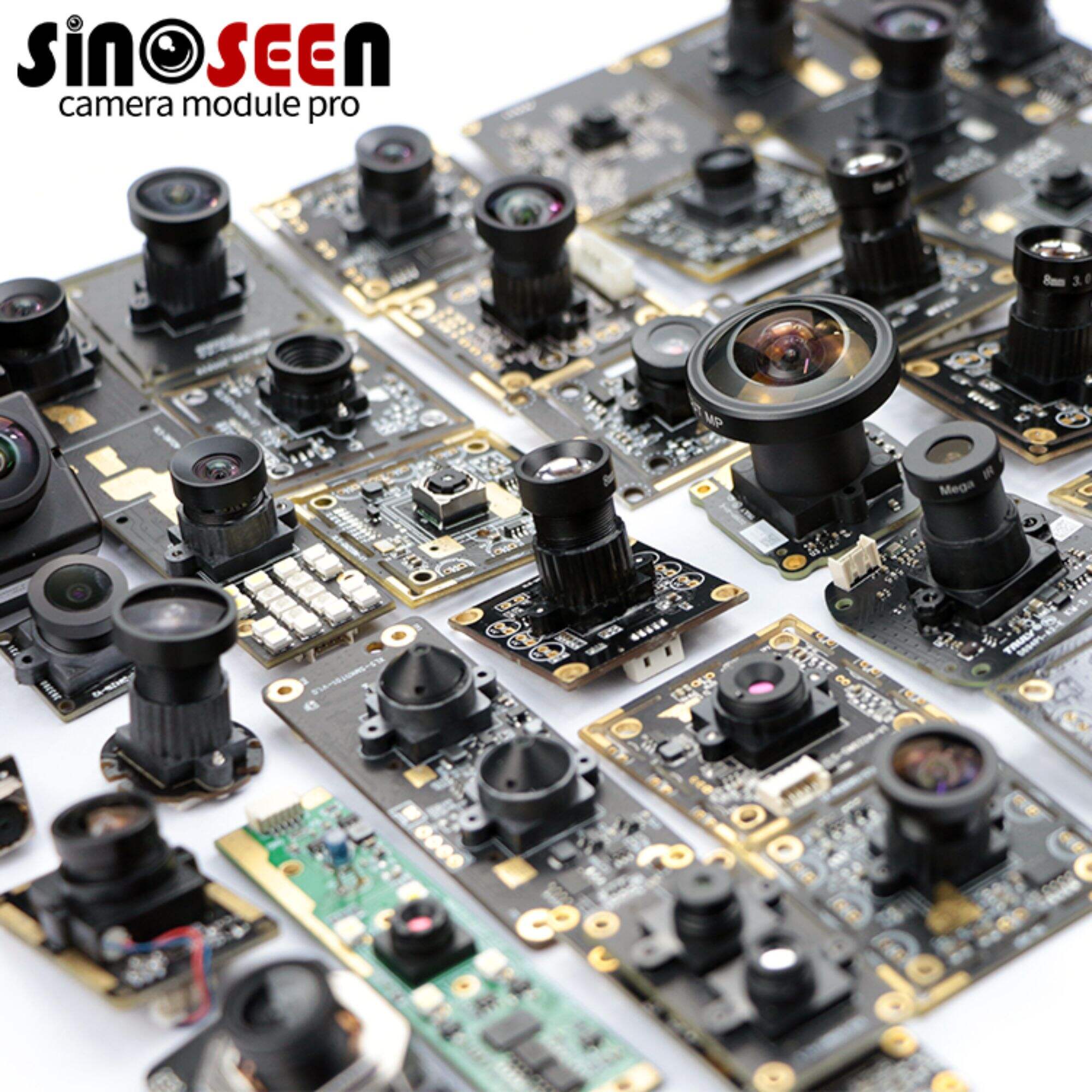
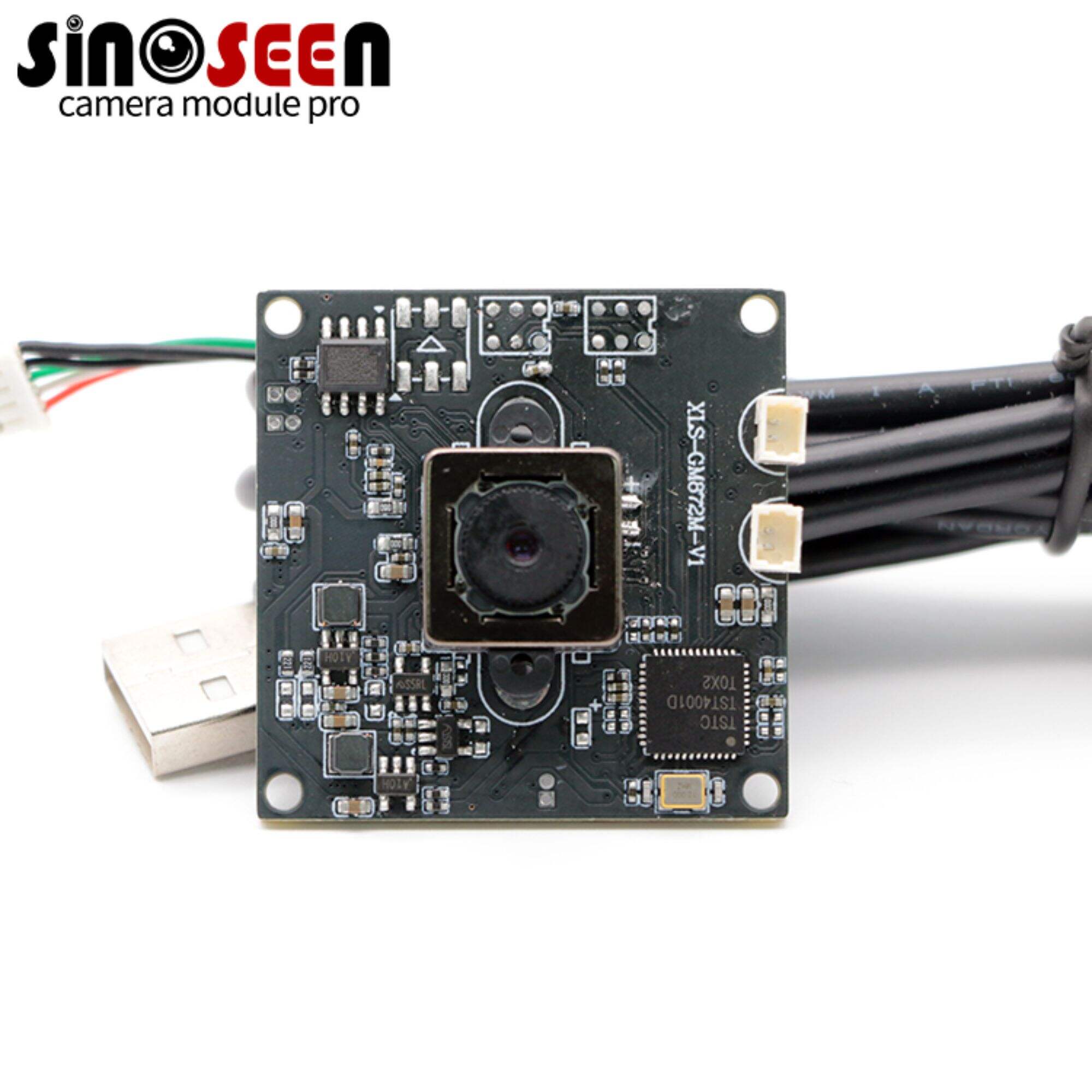
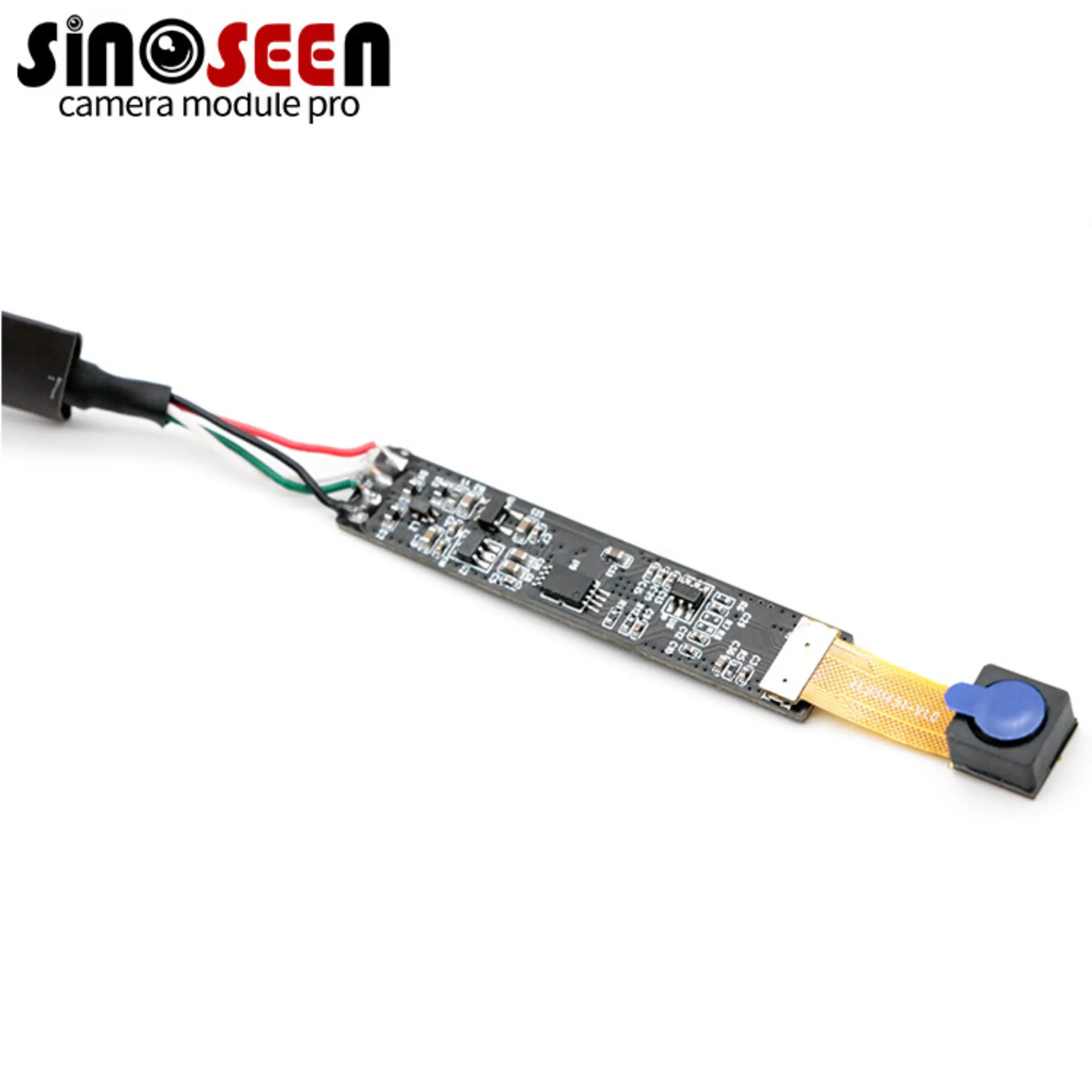
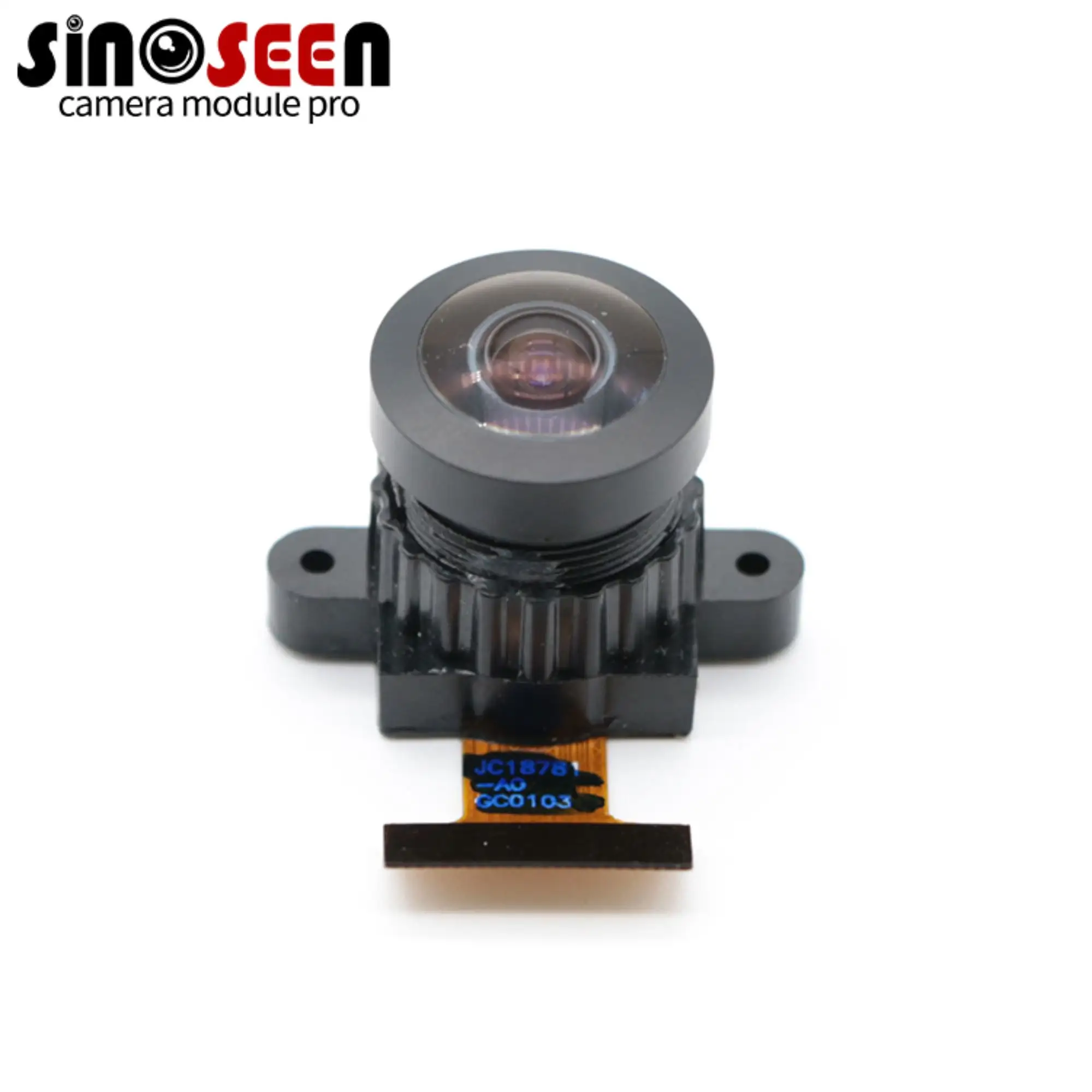
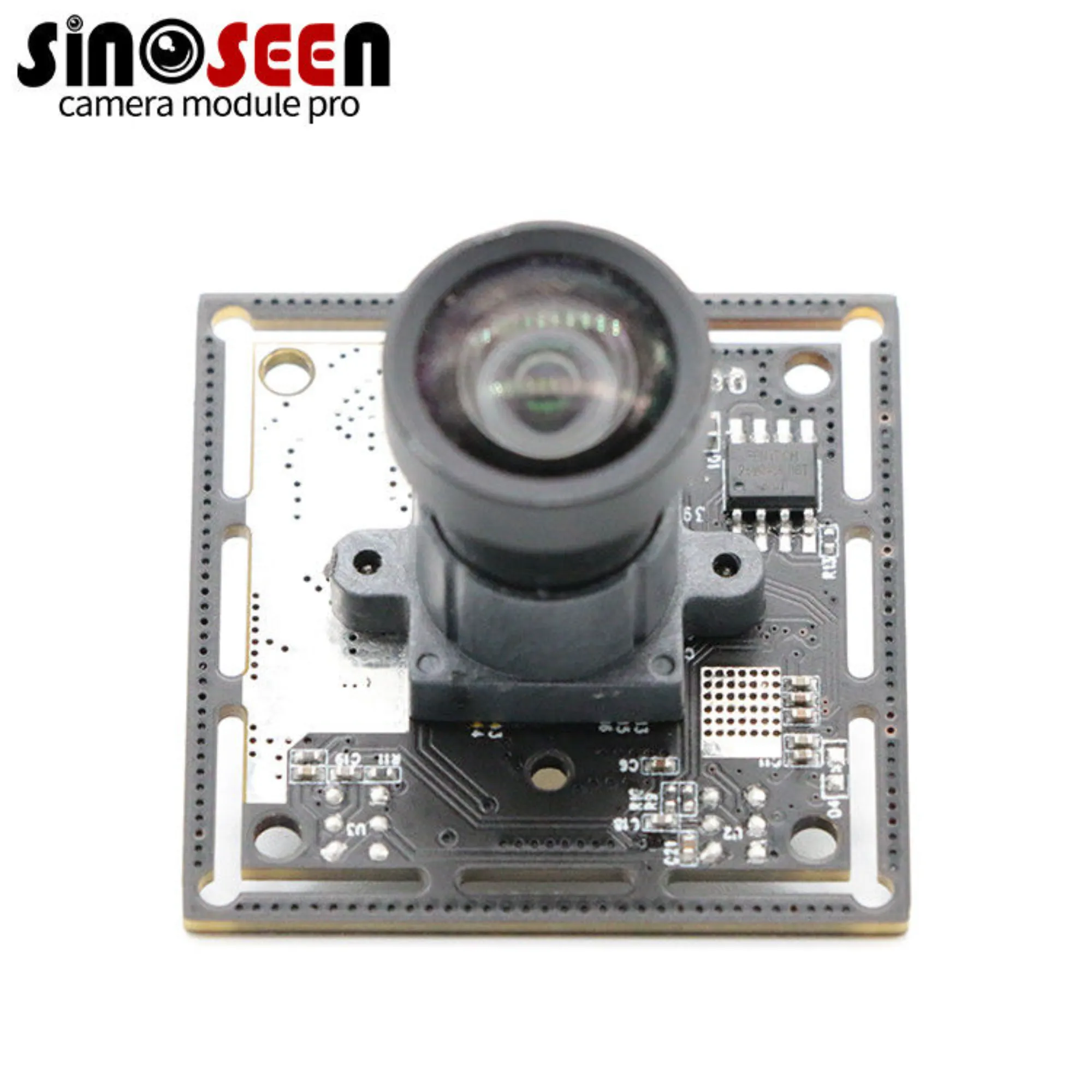
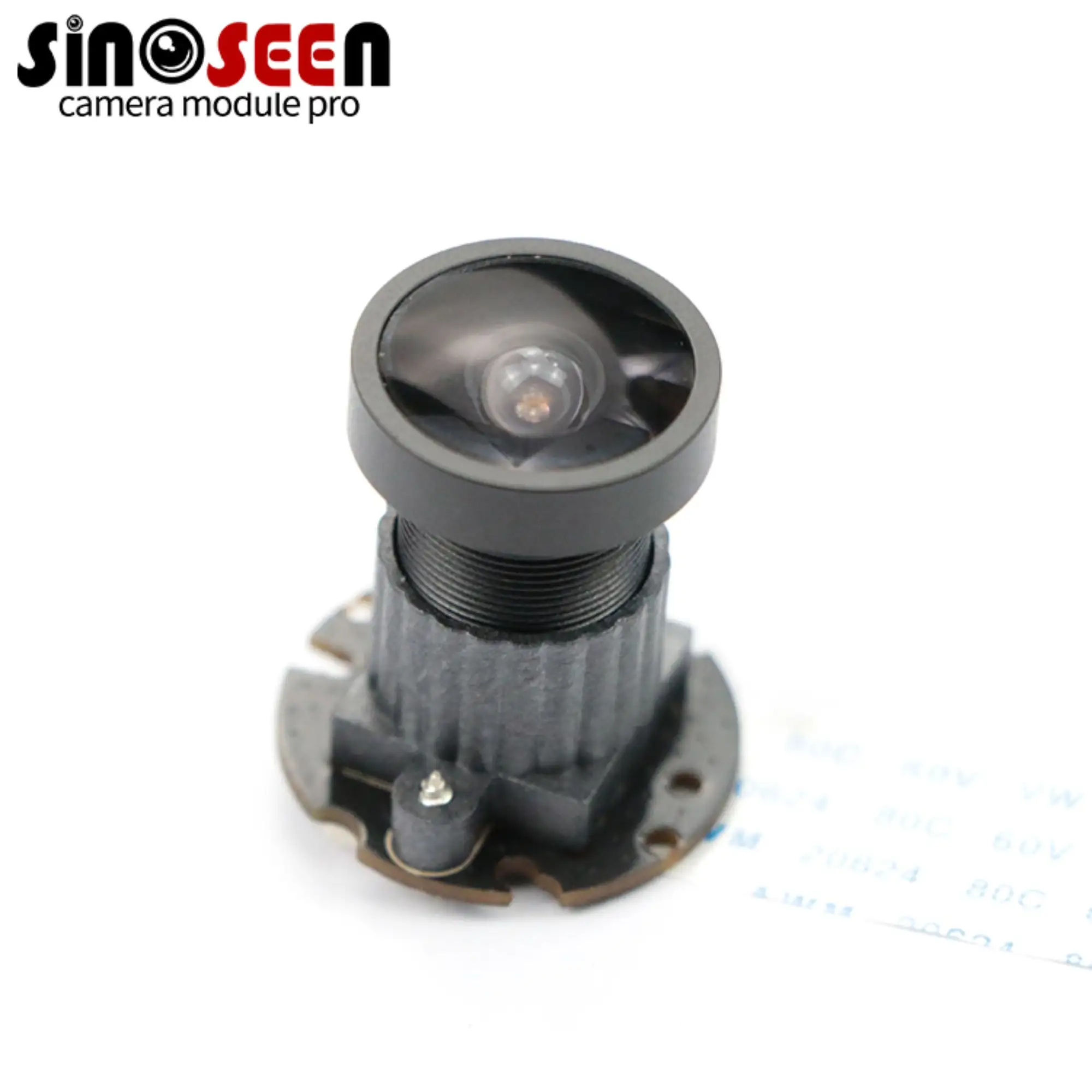
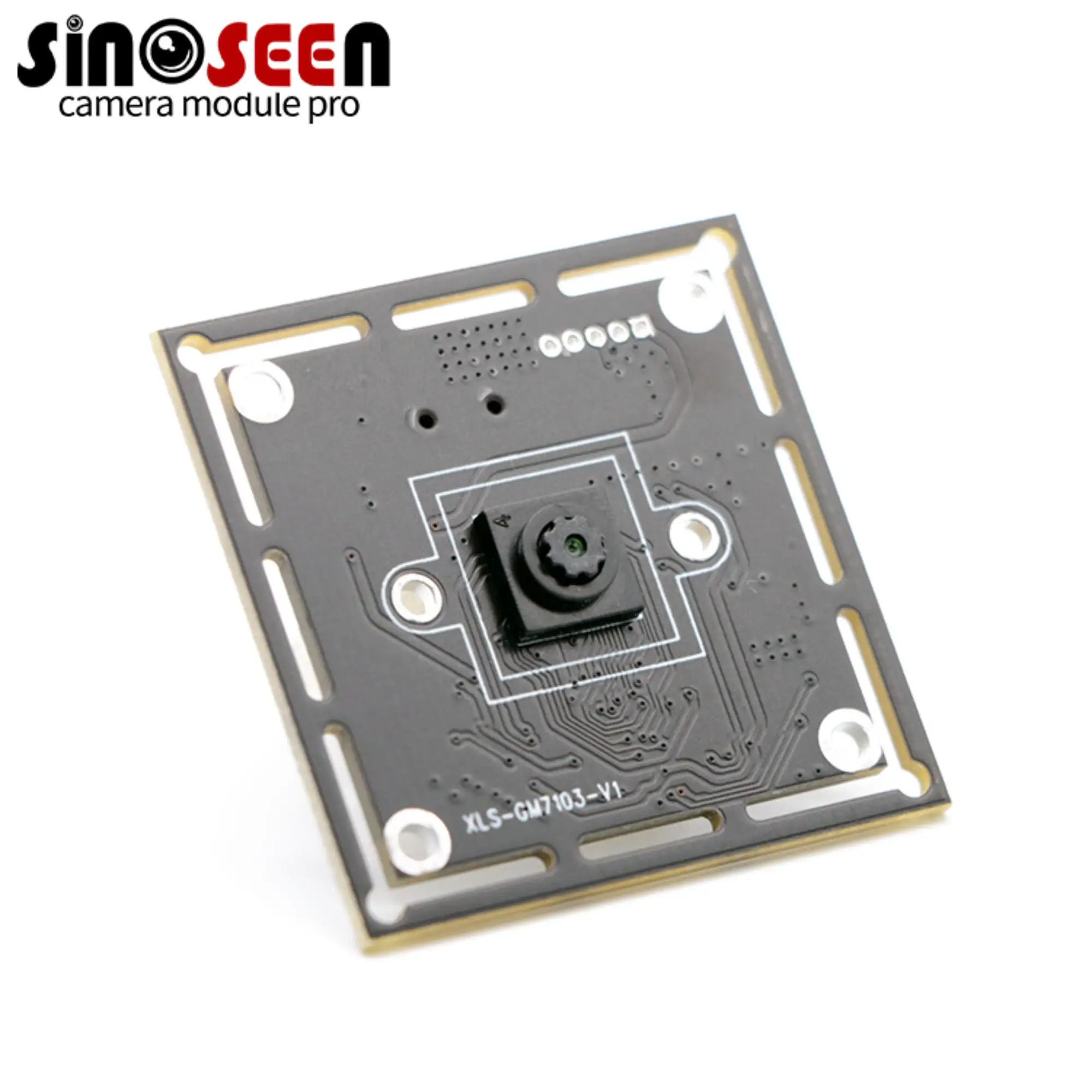
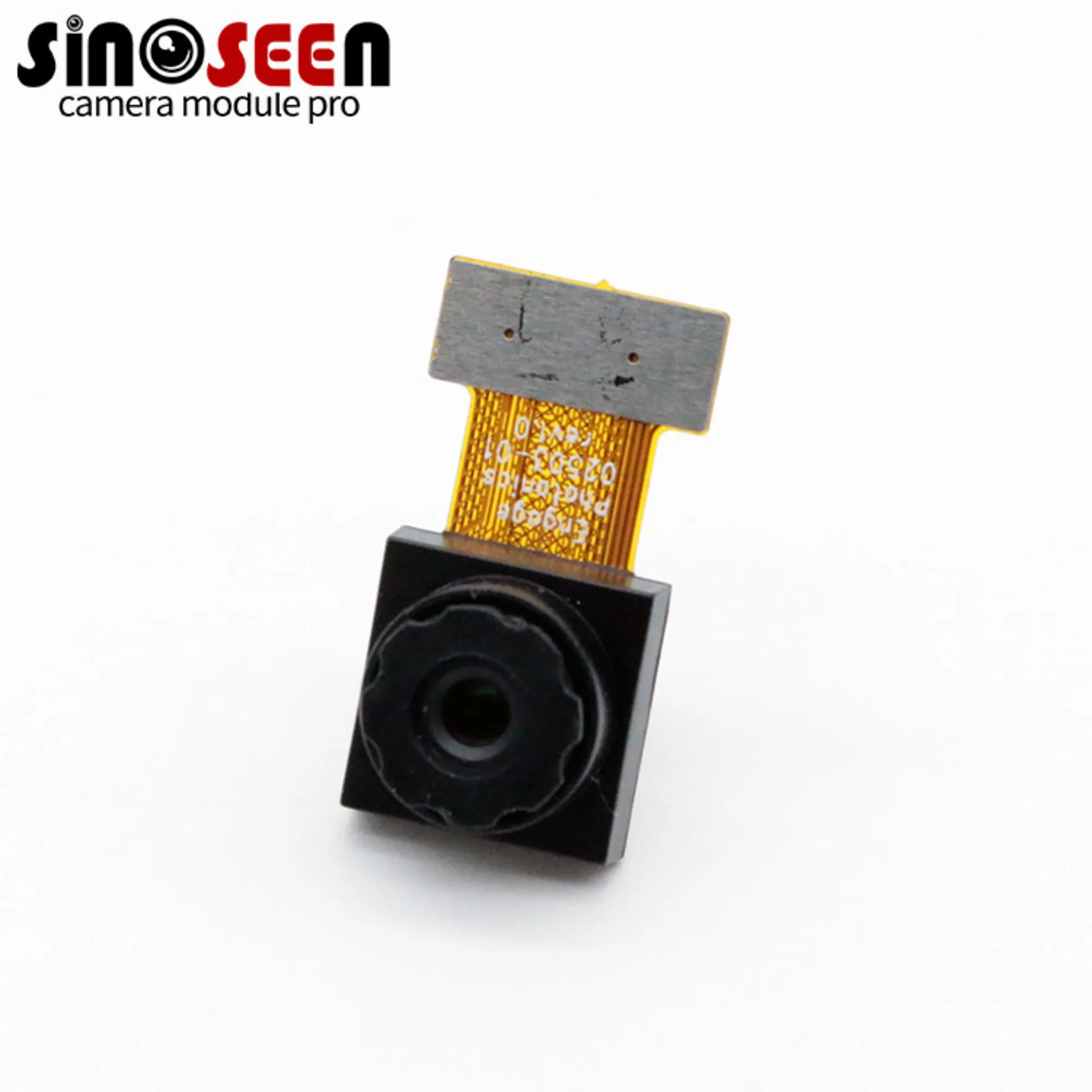
The integration of computational photography and artificial intelligence represents a revolutionary advancement in high resolution camera module capabilities, transforming traditional imaging into an intelligent, adaptive system that automatically optimizes every aspect of the photography process. Modern high resolution camera modules incorporate powerful image signal processors (ISPs) and dedicated AI chips that work in concert to analyze scenes in real-time, applying sophisticated algorithms to enhance image quality beyond what traditional optical systems alone could achieve. These intelligent systems can identify various scene types, from landscapes and portraits to night scenes and macro photography, automatically adjusting camera settings including exposure, focus, white balance, and color saturation to match the optimal parameters for each specific situation. The AI-powered scene recognition technology utilizes vast databases of image data to understand composition elements, lighting conditions, and subject matter, enabling the camera module to make informed decisions about processing parameters that would typically require extensive manual adjustment from experienced photographers. Advanced computational photography techniques include multi-frame processing, where the high resolution camera module captures multiple images in rapid succession and combines them using intelligent algorithms to reduce noise, extend dynamic range, and enhance overall image quality. This process happens seamlessly in the background, presenting users with a single, optimized image that contains detail and quality that exceeds what any individual frame could provide. Night mode capabilities represent another significant advantage of AI-enhanced high resolution camera modules, utilizing sophisticated algorithms to capture and combine multiple exposures, effectively extending the camera's sensitivity and producing clear, detailed images even in extremely low-light conditions. The intelligent noise reduction algorithms analyze image data at the pixel level, distinguishing between actual image detail and unwanted noise, preserving fine textures and patterns while eliminating grain and artifacts that could degrade image quality. Portrait mode features utilize depth-sensing capabilities and machine learning to create professional-looking background blur effects, accurately separating subjects from backgrounds and applying realistic depth-of-field simulation that rivals expensive professional camera lenses.

 EN
EN
 AR
AR
 DA
DA
 NL
NL
 FI
FI
 FR
FR
 DE
DE
 EL
EL
 HI
HI
 IT
IT
 JA
JA
 KO
KO
 NO
NO
 PL
PL
 PT
PT
 RO
RO
 RU
RU
 ES
ES
 SV
SV
 TL
TL
 IW
IW
 ID
ID
 SR
SR
 VI
VI
 HU
HU
 TH
TH
 TR
TR
 FA
FA
 MS
MS
 IS
IS
 AZ
AZ
 UR
UR
 BN
BN
 HA
HA
 LO
LO
 MR
MR
 MN
MN
 PA
PA
 MY
MY
 SD
SD