Innovative Camera Modules for Every Application | Sinoseen

All Categories

usb 3.0 camera module

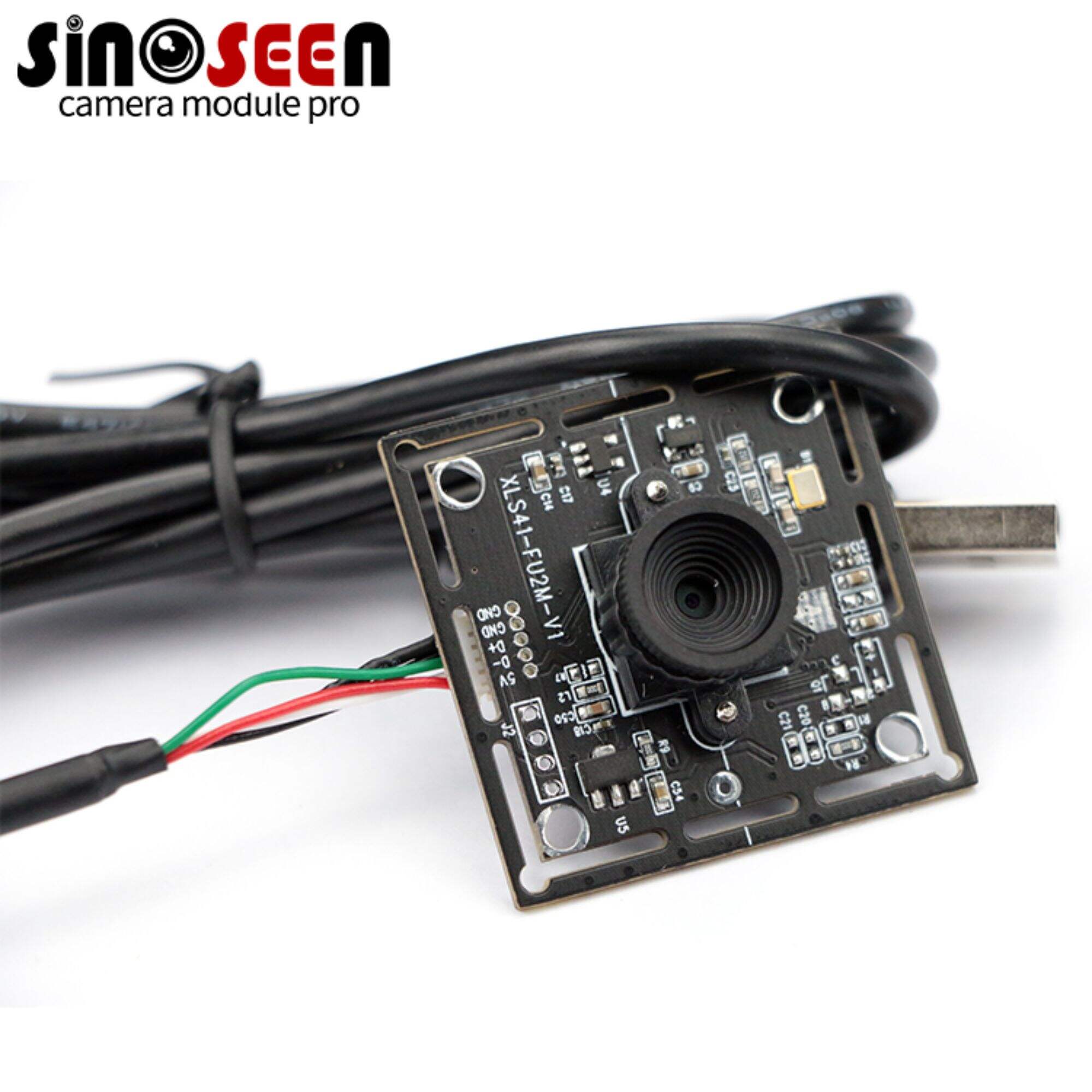
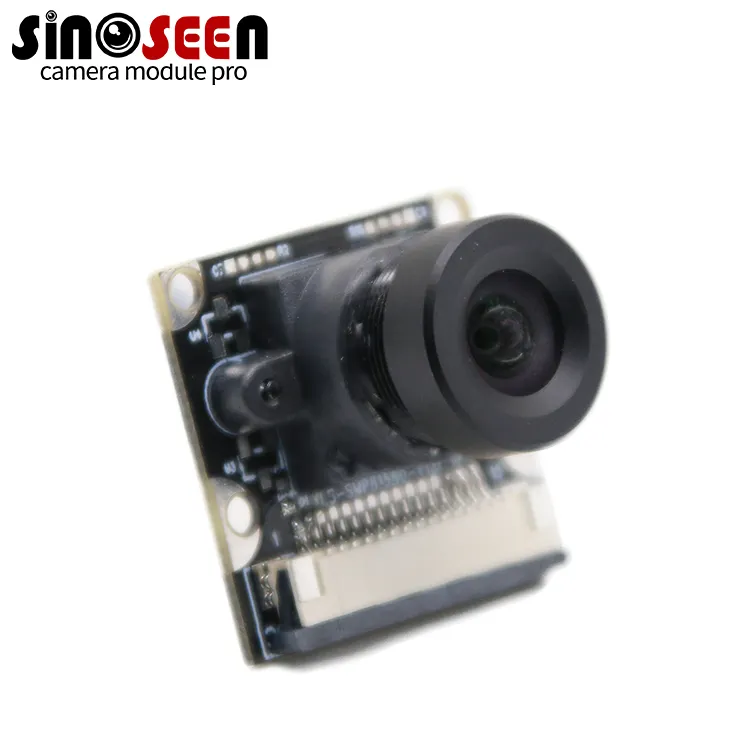
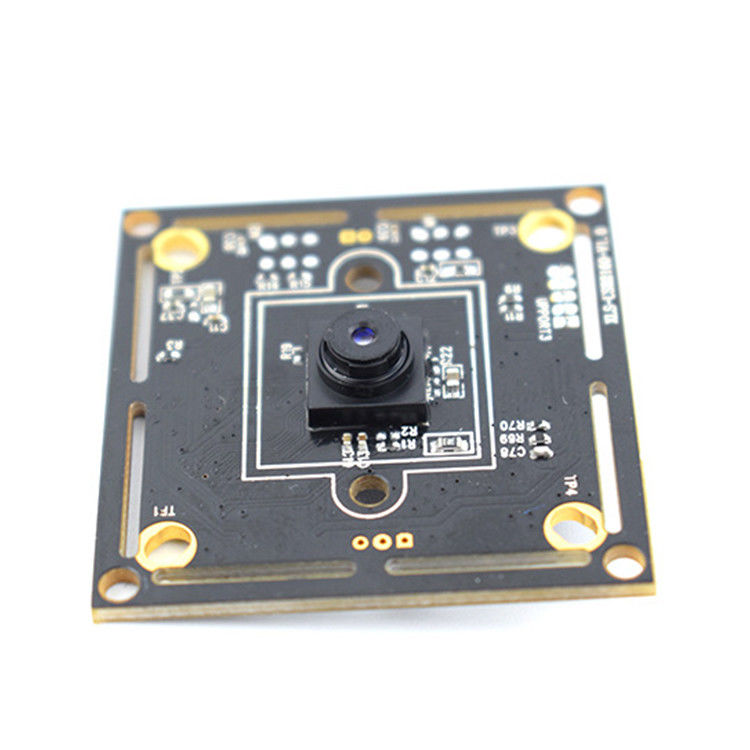
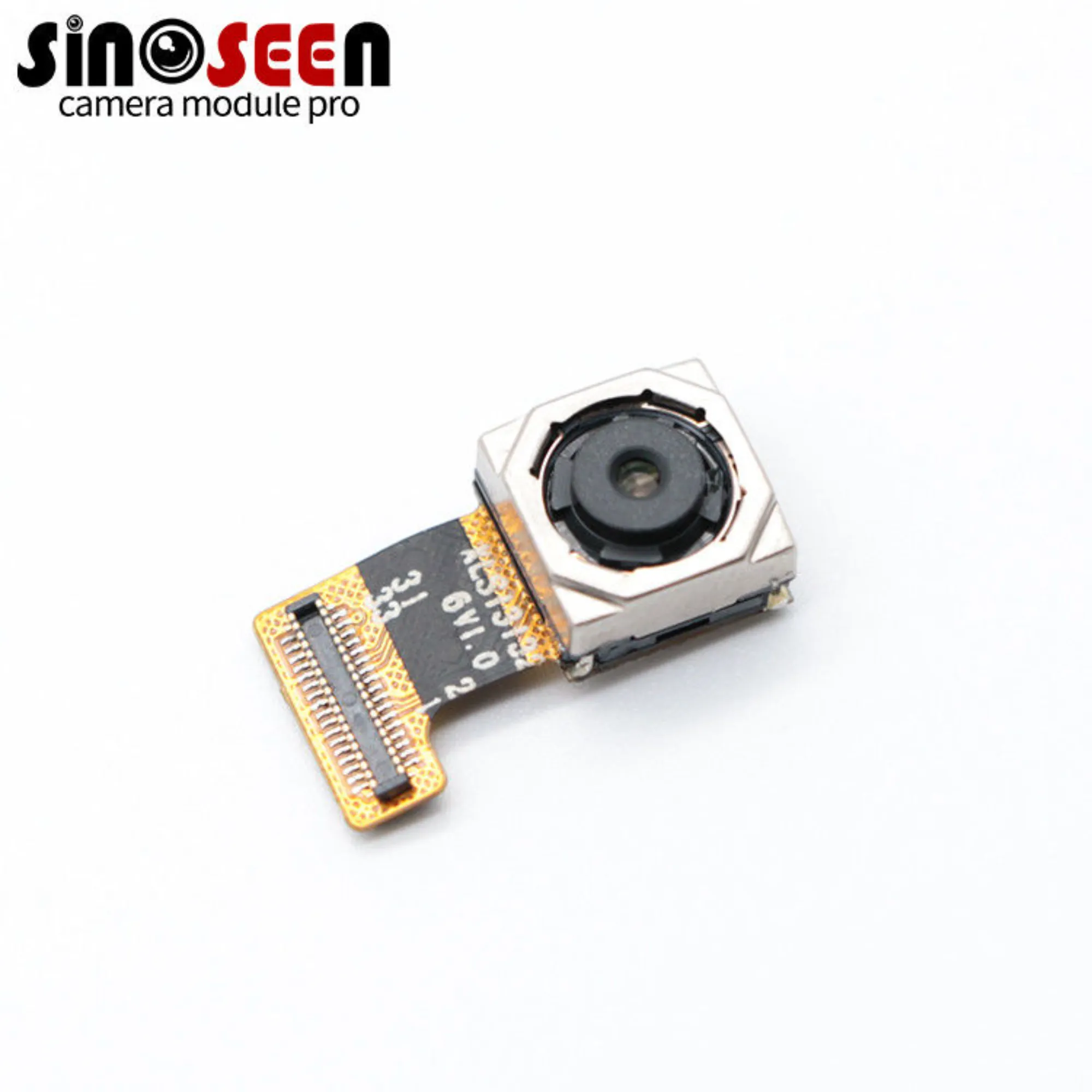
The USB 3.0 camera module represents a significant advancement in digital imaging technology, combining high-speed data transmission with exceptional image quality. This sophisticated imaging device integrates a high-resolution sensor with USB 3.0 connectivity, delivering superior performance for professional and consumer applications. The USB 3.0 camera module operates through a streamlined interface that enables plug-and-play functionality across multiple operating systems, making it an ideal solution for diverse imaging requirements. The core functionality of the USB 3.0 camera module centers on its ability to capture high-definition video and still images while maintaining rapid data transfer rates. The module incorporates advanced CMOS or CCD sensors that provide excellent light sensitivity and color reproduction. The USB 3.0 interface ensures bandwidth capabilities up to 5 Gbps, allowing for real-time transmission of uncompressed high-resolution content without latency issues. Key technological features include automatic exposure control, digital zoom capabilities, and integrated image stabilization. The USB 3.0 camera module supports various resolution formats, from standard definition to 4K ultra-high-definition, adapting to specific application needs. The module's compact form factor and lightweight design make it suitable for integration into portable devices and stationary installations alike. Applications for the USB 3.0 camera module span multiple industries and use cases. In medical imaging, these modules enable precise documentation and diagnosis through high-quality visual capture. Industrial inspection systems utilize the USB 3.0 camera module for quality control and automated monitoring processes. Security and surveillance applications benefit from the module's reliable performance and easy installation. Educational institutions employ these modules for distance learning, content creation, and scientific research. The broadcasting industry leverages the USB 3.0 camera module for live streaming and content production, while automotive applications include driver assistance systems and vehicle monitoring. The versatility and performance characteristics of the USB 3.0 camera module continue to drive innovation across these diverse sectors.

New Products

The USB 3.0 camera module delivers exceptional speed advantages that transform how users capture and process visual content. Users experience dramatically faster data transfer rates compared to previous USB standards, enabling real-time streaming of high-definition content without delays or buffering issues. This speed enhancement proves particularly valuable for professionals who require immediate access to captured footage or images. The module eliminates the bottlenecks commonly associated with slower interfaces, allowing users to work more efficiently and productively. Cost-effectiveness represents another significant advantage of the USB 3.0 camera module. Users avoid expensive proprietary interfaces and specialized hardware requirements, as the universal USB 3.0 standard works seamlessly with existing computer systems. This compatibility reduces total ownership costs and eliminates the need for additional adapters or converters. Organizations can implement the USB 3.0 camera module across their entire infrastructure without substantial hardware upgrades, maximizing their technology investment. The plug-and-play functionality of the USB 3.0 camera module simplifies installation and setup processes for all users. The module automatically configures itself when connected to compatible devices, eliminating complex installation procedures and technical expertise requirements. Users can immediately begin capturing content without extensive training or technical support, making the technology accessible to individuals with varying technical skill levels. This ease of use translates to reduced deployment time and lower training costs for organizations. Power efficiency stands as a notable benefit of the USB 3.0 camera module design. The module draws power directly from the USB connection, eliminating external power supplies and reducing cable clutter. This self-powered operation enables portable applications and simplifies installation in locations where power outlets are limited or inaccessible. Users appreciate the clean, minimalist setup that reduces environmental impact and operational costs. The USB 3.0 camera module provides superior image quality through advanced sensor technology and optimized signal processing. Users capture crisp, detailed images with accurate color reproduction and excellent low-light performance. The digital interface prevents signal degradation common in analog systems, ensuring consistent image quality regardless of cable length or environmental conditions. This reliability proves essential for applications requiring precise visual documentation or analysis. Scalability advantages allow users to expand their systems easily by connecting multiple USB 3.0 camera modules to a single host device. This flexibility supports complex multi-camera setups without requiring expensive switching equipment or specialized controllers. Users can configure systems ranging from simple single-camera applications to sophisticated multi-angle capture systems, adapting to changing requirements without significant infrastructure modifications.

Practical Tips

Why Choose a High-Performance Embedded Camera Module for AI Applications?

02

Mar

Why Choose a High-Performance Embedded Camera Module for AI Applications?

Artificial intelligence applications demand precision, speed, and reliability in their visual data acquisition systems. An embedded camera module serves as the critical foundation for AI-powered devices, from autonomous vehicles to smart manufacturin...
View More
How to Optimize Low-Light Performance in Custom Camera Module Designs?

02

Mar

How to Optimize Low-Light Performance in Custom Camera Module Designs?

Custom camera module designs face unique challenges when operating in environments with minimal illumination, making low-light performance optimization a critical engineering consideration. Modern applications ranging from security surveillance to au...
View More
How to Integrate a Small Camera Module into Compact Medical Devices?

02

Mar

How to Integrate a Small Camera Module into Compact Medical Devices?

Medical device miniaturization continues to revolutionize healthcare, enabling less invasive procedures and improved patient outcomes. When designing compact medical equipment, integrating a small camera module requires careful consideration of space...
View More
Why do Robotics Manufacturers Prefer High-Speed AI Camera Modules?

02

Mar

Why do Robotics Manufacturers Prefer High-Speed AI Camera Modules?

The robotics industry has experienced unprecedented growth in recent years, with manufacturers increasingly demanding sophisticated vision systems that can process visual data at lightning speed. High-speed AI camera modules have emerged as the corne...
View More

Get In Touch

usb 3.0 camera module

Lightning-Fast Data Transfer and Real-Time Performance

Lightning-Fast Data Transfer and Real-Time Performance

The USB 3.0 camera module revolutionizes digital imaging through its exceptional data transfer capabilities that fundamentally change how users interact with visual content. The SuperSpeed USB 3.0 interface delivers bandwidth up to 5 Gbps, representing a tenfold improvement over USB 2.0 standards. This dramatic speed increase enables the USB 3.0 camera module to transmit uncompressed high-definition video streams in real-time without any perceptible delay or quality degradation. Users experience seamless live streaming capabilities that rival expensive broadcast-quality equipment, making professional-grade content creation accessible to a broader audience. The enhanced speed capabilities of the USB 3.0 camera module eliminate the frustrating bottlenecks that plague slower interfaces. Content creators can capture 4K video directly to their computers while simultaneously monitoring the feed in real-time, enabling precise control over composition and timing. This immediate feedback loop proves invaluable for professional applications where split-second decisions impact final output quality. The module's ability to handle multiple high-resolution streams simultaneously opens new possibilities for multi-camera productions and complex visual documentation projects. Security professionals benefit enormously from the USB 3.0 camera module's real-time transmission capabilities, as surveillance footage can be monitored, recorded, and analyzed without delays that might compromise security response times. The high-speed interface ensures that critical events are captured and transmitted instantly, providing security personnel with the timely information necessary for effective incident response. Medical professionals utilizing the USB 3.0 camera module for diagnostic imaging appreciate the immediate availability of high-quality visual data, enabling faster diagnosis and treatment decisions. The module's speed advantages extend beyond simple data transfer to encompass the entire imaging workflow, from capture to storage and analysis. Users can implement automated image processing routines that execute in real-time, enabling immediate quality assessment and corrective actions. This capability proves particularly valuable in industrial quality control applications where rapid feedback prevents defective products from progressing through production lines.
Universal Compatibility and Effortless Integration

Universal Compatibility and Effortless Integration

The USB 3.0 camera module excels in providing universal compatibility that eliminates the integration challenges commonly associated with specialized imaging equipment. This remarkable versatility stems from the widespread adoption of USB 3.0 standards across all major computing platforms, ensuring that the USB 3.0 camera module functions seamlessly with Windows, macOS, and Linux operating systems without requiring proprietary drivers or specialized software. Users can confidently deploy these modules across diverse computing environments, knowing that consistent performance and functionality will be maintained regardless of the underlying platform architecture. The plug-and-play functionality of the USB 3.0 camera module represents a paradigm shift from traditional camera integration processes that often required extensive technical expertise and time-consuming configuration procedures. When users connect the module to their devices, the operating system automatically recognizes the hardware and configures the necessary drivers, enabling immediate operation without manual intervention. This streamlined approach dramatically reduces deployment time and eliminates the technical barriers that previously prevented non-technical users from implementing advanced imaging solutions. Educational institutions particularly benefit from this ease of integration, as teachers and students can focus on content creation rather than technical troubleshooting. The USB 3.0 camera module's compatibility extends beyond basic connectivity to encompass a vast ecosystem of software applications and development platforms. Popular streaming software, video conferencing applications, and content creation tools recognize the module automatically, allowing users to begin productive work immediately upon connection. Developers appreciate the standardized interface that enables rapid prototype development and testing without concerns about hardware compatibility issues. This broad software support ensures that users can select the best applications for their specific needs without being constrained by hardware limitations. Cross-platform development projects benefit significantly from the USB 3.0 camera module's consistent behavior across different operating systems, enabling developers to create unified applications that function identically regardless of the deployment environment. The module's adherence to industry standards ensures long-term compatibility and reduces the risk of obsolescence, protecting user investments in imaging infrastructure. Organizations can confidently standardize on USB 3.0 camera modules knowing that their systems will remain compatible with future hardware and software updates, providing excellent long-term value and reducing total cost of ownership.

Compact Design with Professional-Grade Performance

Compact Design with Professional-Grade Performance

The USB 3.0 camera module achieves an exceptional balance between compact form factor and professional-grade imaging performance, addressing the critical need for high-quality visual capture in space-constrained applications. The module's miniaturized design incorporates advanced sensor technology and sophisticated image processing capabilities typically found in much larger camera systems, enabling users to deploy professional imaging solutions in environments where traditional cameras would be impractical or impossible to install. This space efficiency proves invaluable for medical applications where the USB 3.0 camera module can be integrated into surgical equipment or diagnostic devices without compromising functionality or adding bulk to critical instruments. The engineering excellence behind the USB 3.0 camera module's compact design extends to its thermal management and power efficiency characteristics. The module operates within strict temperature parameters while maintaining consistent performance, enabling reliable operation in demanding environments such as industrial monitoring systems or outdoor security installations. Users benefit from the module's ability to deliver professional image quality without generating excessive heat or requiring active cooling systems, simplifying installation and reducing maintenance requirements. The low power consumption of the USB 3.0 camera module enables battery-powered applications and reduces operational costs in continuous-use scenarios. Despite its compact dimensions, the USB 3.0 camera module incorporates sophisticated image processing capabilities that rival those found in expensive broadcast cameras. Advanced features such as automatic white balance, exposure control, and digital noise reduction function seamlessly within the miniaturized package, delivering consistently excellent image quality across varying lighting conditions and environmental factors. Users can rely on the module to produce professional results without manual adjustments or external processing equipment, streamlining workflows and reducing system complexity. The module's robust construction ensures reliable performance even in challenging environments, with protective housings available for harsh industrial or outdoor applications. Quality control professionals appreciate the USB 3.0 camera module's ability to capture detailed images of small components and intricate assemblies while fitting into cramped inspection stations or automated production lines. The combination of professional performance and compact design enables new applications that were previously impossible with larger camera systems, expanding the possibilities for visual documentation and analysis across numerous industries and use cases.

Related Search

Get in touch