Innovative Camera Modules for Every Application | Sinoseen

All Categories

camera esp 32

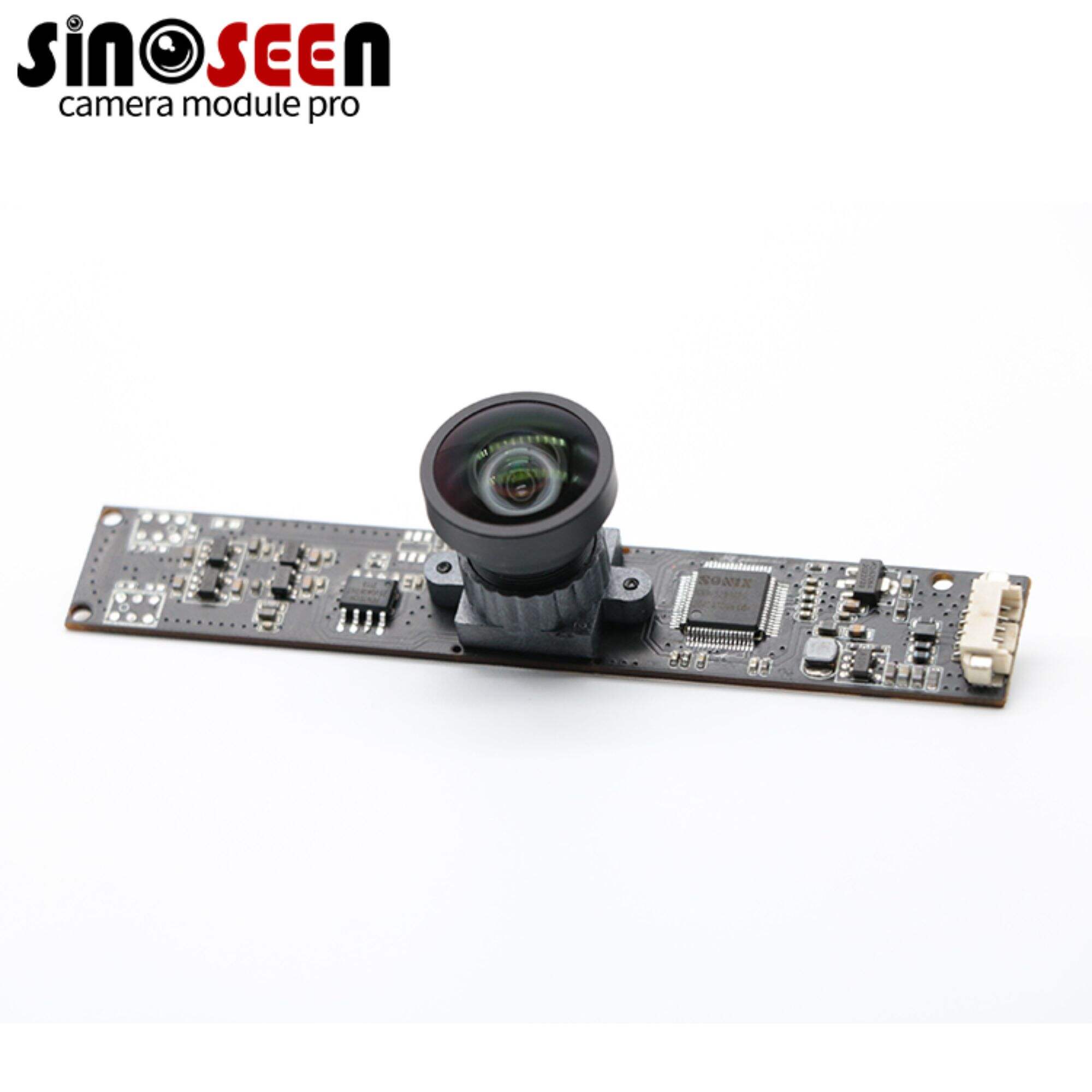
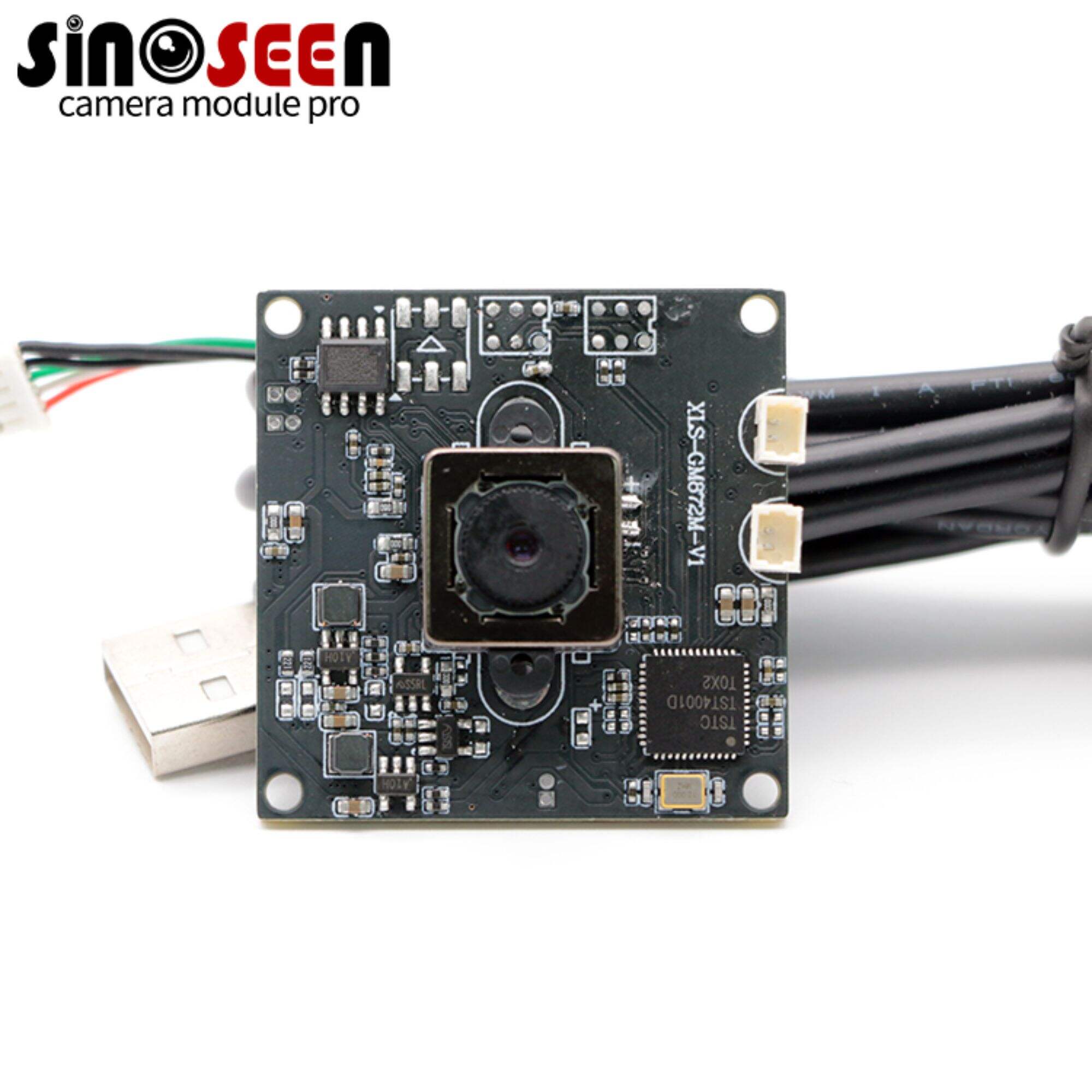
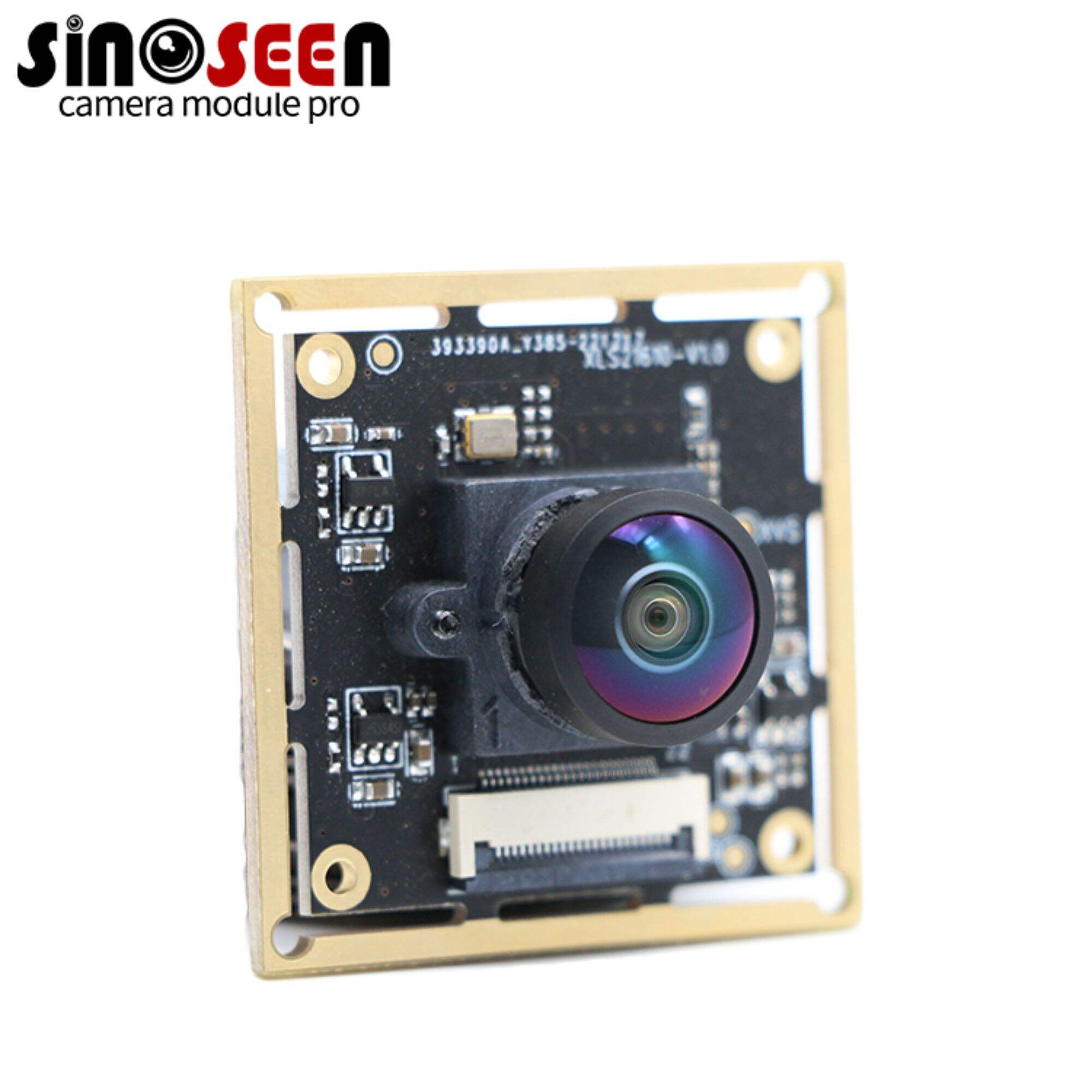
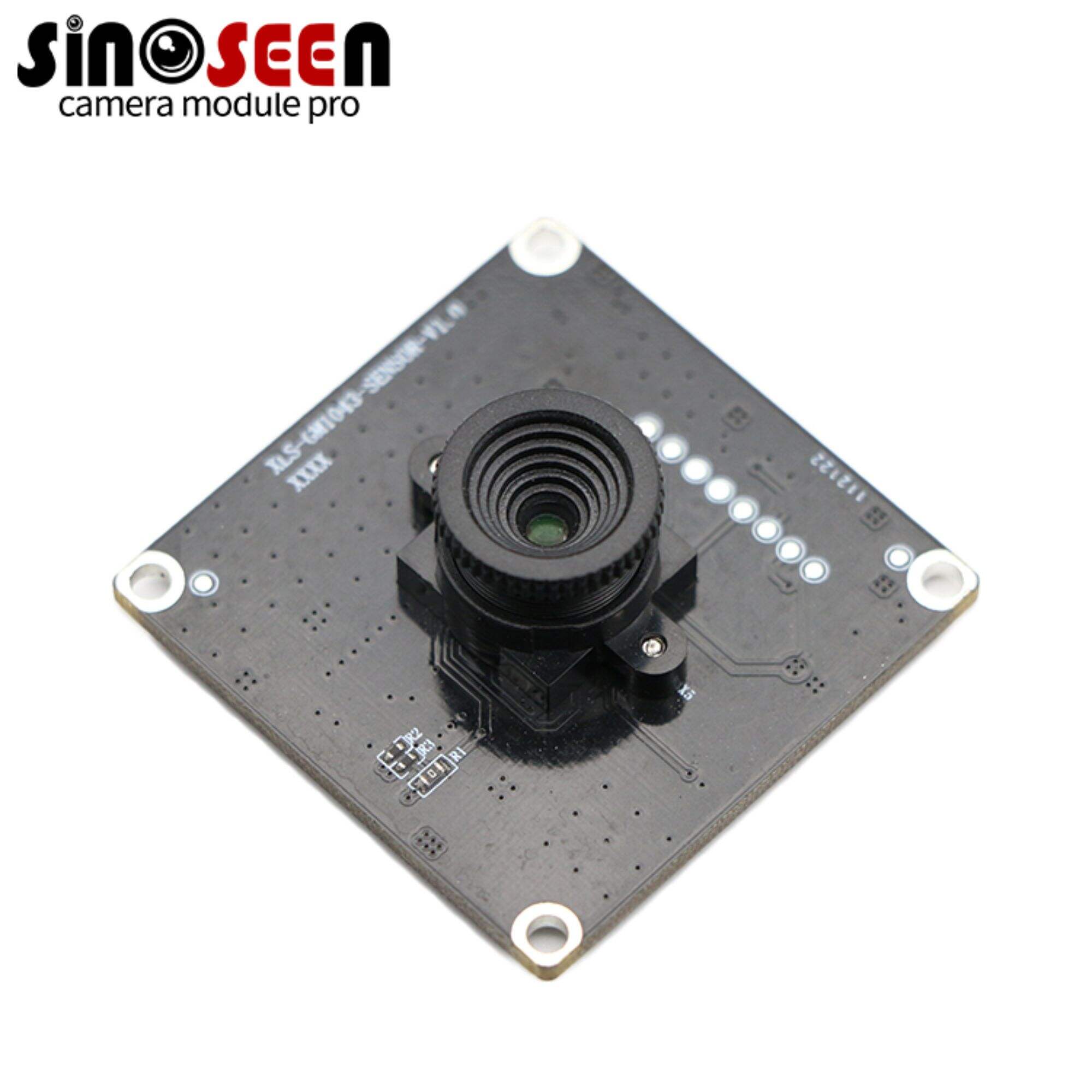
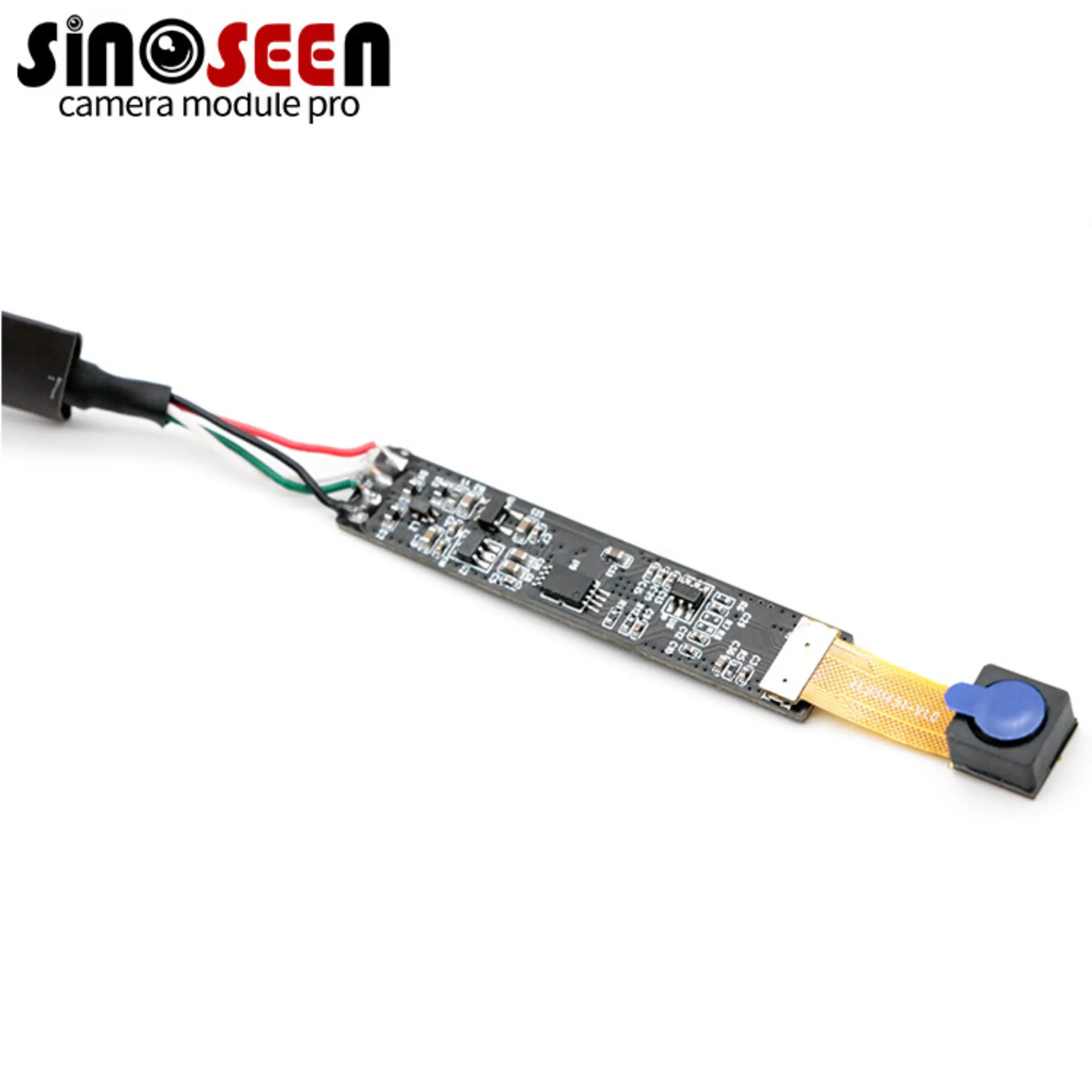
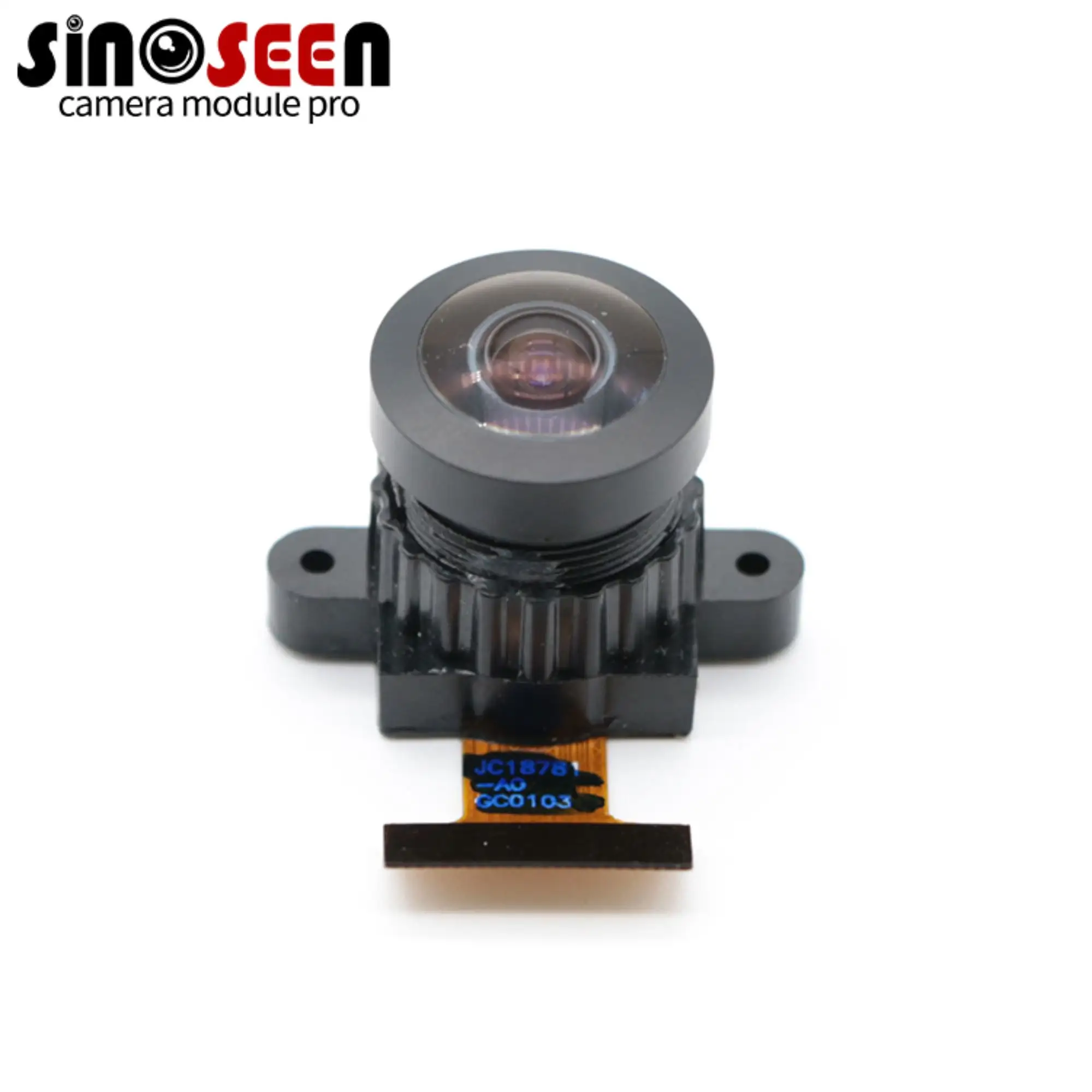
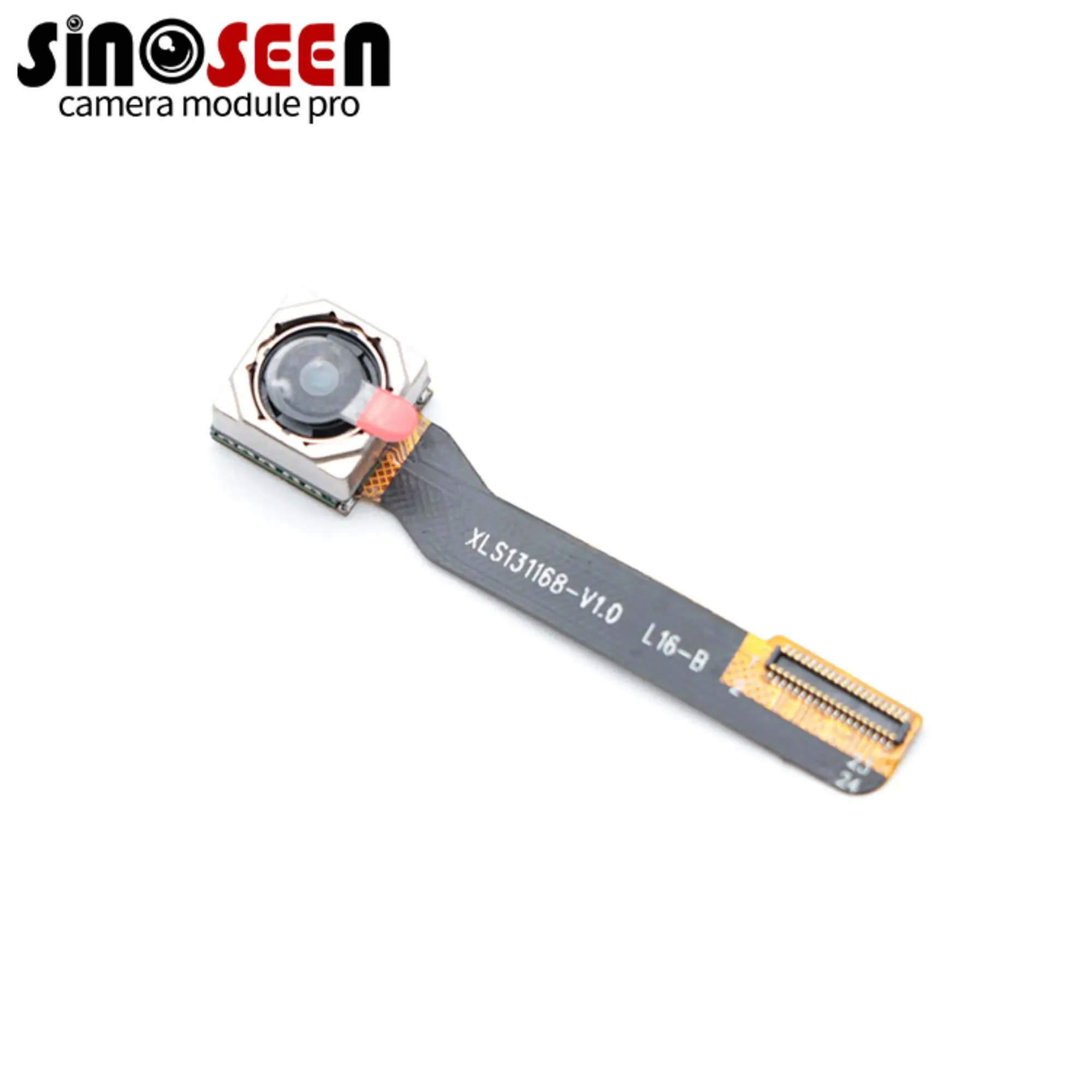
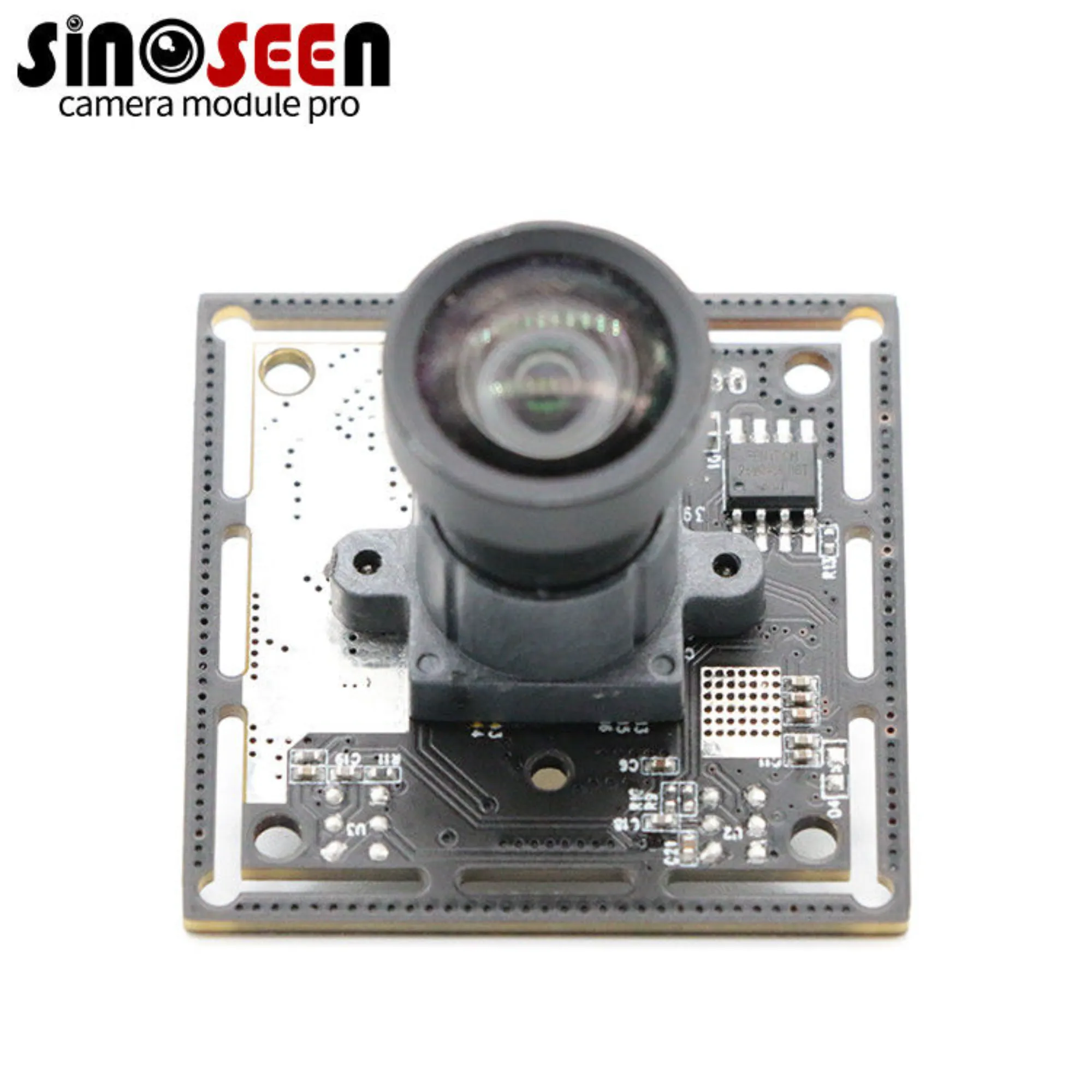
The camera ESP 32 represents a revolutionary integration of microcontroller technology and visual capture capabilities, transforming how developers and engineers approach IoT projects requiring visual data collection. This sophisticated device combines the powerful ESP32 microcontroller with advanced camera functionality, creating a versatile platform for countless applications across industries. The camera ESP 32 features a dual-core processor operating at up to 240 MHz, providing exceptional computational power for image processing and wireless communication tasks. Built-in Wi-Fi and Bluetooth connectivity enable seamless data transmission and remote control capabilities, making it ideal for modern smart applications. The integrated camera module supports various resolutions and formats, allowing users to capture high-quality images and video streams for analysis, monitoring, and documentation purposes. Memory specifications include up to 520 KB of SRAM and support for external flash memory expansion, ensuring adequate storage for captured images and program code. The camera ESP 32 operates on a wide voltage range, typically 3.0V to 3.6V, making it compatible with various power sources including batteries and USB connections. GPIO pins provide extensive interfacing options for sensors, displays, and other peripherals, expanding project possibilities significantly. The device supports multiple programming environments, including Arduino IDE and ESP-IDF, accommodating developers with different skill levels and preferences. Real-time image processing capabilities enable on-device analysis and decision-making without requiring constant internet connectivity. The compact form factor and low power consumption make the camera ESP 32 suitable for portable and battery-powered applications where space and energy efficiency are critical considerations.

New Product Recommendations

The camera ESP 32 delivers exceptional value through its comprehensive feature set that addresses common challenges in visual IoT development. Cost-effectiveness stands as a primary advantage, as this single device replaces multiple components traditionally required for camera-based projects, reducing both hardware costs and development complexity significantly. Users save money while gaining access to professional-grade imaging capabilities typically found in expensive specialized equipment. Wireless connectivity eliminates the need for complex wiring systems, enabling quick deployment in remote locations where traditional cameras would require extensive infrastructure investment. The built-in Wi-Fi allows instant image transmission to cloud storage or local servers, providing real-time monitoring capabilities essential for security and industrial applications. Power efficiency ensures extended operation on battery power, making the camera ESP 32 perfect for outdoor installations and temporary monitoring setups where electrical connections are unavailable or impractical. Easy programming reduces development time dramatically, as extensive libraries and community support accelerate project completion from concept to deployment. The device handles complex image processing tasks internally, reducing server load and bandwidth requirements while improving response times for time-critical applications. Versatile mounting options and compact design facilitate installation in tight spaces where larger camera systems cannot fit, expanding deployment possibilities across various environments. Multiple resolution settings allow optimization for specific applications, balancing image quality with storage and transmission requirements based on project needs. The camera ESP 32 integrates seamlessly with existing IoT ecosystems, supporting popular communication protocols and cloud platforms without requiring additional gateway devices. Robust construction ensures reliable operation in challenging environmental conditions, reducing maintenance requirements and operational costs over time. Open-source compatibility provides access to continuous improvements and updates from the global developer community, ensuring long-term project viability and feature enhancement opportunities.

Latest News

Why Choose a High-Performance Embedded Camera Module for AI Applications?

02

Mar

Why Choose a High-Performance Embedded Camera Module for AI Applications?

Artificial intelligence applications demand precision, speed, and reliability in their visual data acquisition systems. An embedded camera module serves as the critical foundation for AI-powered devices, from autonomous vehicles to smart manufacturin...
View More
 How to Select the Right AI Camera Module for Facial Recognition Systems?

02

Mar

How to Select the Right AI Camera Module for Facial Recognition Systems?

Selecting the appropriate AI camera module for facial recognition systems represents a critical decision that directly impacts system performance, accuracy, and overall operational efficiency. Modern facial recognition applications demand sophisticat...
View More
How to Integrate a Small Camera Module into Compact Medical Devices?

02

Mar

How to Integrate a Small Camera Module into Compact Medical Devices?

Medical device miniaturization continues to revolutionize healthcare, enabling less invasive procedures and improved patient outcomes. When designing compact medical equipment, integrating a small camera module requires careful consideration of space...
View More
Why do Robotics Manufacturers Prefer High-Speed AI Camera Modules?

02

Mar

Why do Robotics Manufacturers Prefer High-Speed AI Camera Modules?

The robotics industry has experienced unprecedented growth in recent years, with manufacturers increasingly demanding sophisticated vision systems that can process visual data at lightning speed. High-speed AI camera modules have emerged as the corne...
View More

Get In Touch

camera esp 32

Advanced Image Processing and Real-Time Analytics

Advanced Image Processing and Real-Time Analytics

The camera ESP 32 excels in delivering sophisticated image processing capabilities that transform raw visual data into actionable intelligence without relying on external computing resources. This powerful feature enables edge computing scenarios where immediate analysis and decision-making are crucial for application success. The integrated dual-core processor handles complex algorithms including motion detection, object recognition, and facial identification directly on the device, eliminating latency issues associated with cloud-based processing systems. Real-time analytics capabilities allow the camera ESP 32 to trigger immediate responses based on visual inputs, such as sending alerts when unauthorized movement is detected or automatically adjusting lighting conditions based on ambient light analysis. Machine learning integration supports custom model deployment for specialized recognition tasks, enabling applications ranging from quality control in manufacturing to wildlife monitoring in remote locations. The device processes multiple image formats and resolutions simultaneously, allowing developers to optimize performance based on specific application requirements while maintaining system responsiveness. Advanced filtering and enhancement algorithms improve image quality in challenging lighting conditions, ensuring reliable performance during dawn, dusk, and indoor environments with variable illumination. Buffer management systems prevent data loss during high-frequency capture sessions, maintaining image integrity even when processing demands exceed instantaneous transmission capabilities. Customizable processing pipelines allow developers to implement application-specific algorithms while leveraging built-in optimization routines for maximum efficiency. The camera ESP 32 supports real-time streaming with simultaneous local processing, enabling applications that require both live monitoring and intelligent analysis capabilities. Edge AI implementation reduces bandwidth requirements significantly by transmitting only relevant processed data rather than raw image streams, making it ideal for locations with limited internet connectivity or expensive data plans.
Seamless Wireless Connectivity and Cloud Integration

Seamless Wireless Connectivity and Cloud Integration

The camera ESP 32 revolutionizes project deployment through its comprehensive wireless communication capabilities that eliminate traditional connectivity barriers while enabling sophisticated cloud-based applications. Built-in Wi-Fi and Bluetooth functionality provides multiple connection options, allowing seamless integration with existing network infrastructure or direct peer-to-peer communication with mobile devices and other IoT components. Advanced antenna design ensures reliable signal transmission across extended ranges, making the device suitable for outdoor installations and large facility monitoring where signal strength traditionally poses challenges. The wireless architecture supports both infrastructure and ad-hoc network modes, providing flexibility for temporary installations or permanent monitoring systems that require different connectivity approaches. Cloud integration capabilities enable automatic image backup, remote configuration management, and centralized monitoring across multiple camera ESP 32 units deployed throughout various locations. REST API support facilitates integration with popular cloud platforms including AWS, Google Cloud, and Microsoft Azure, while webhook functionality enables real-time notifications and automated workflow triggers based on captured images and processed data. Over-the-air update capabilities ensure firmware and software remain current without requiring physical access to deployed devices, reducing maintenance costs and enabling continuous feature improvements. Secure communication protocols protect transmitted images and configuration data from unauthorized access, meeting enterprise security requirements for sensitive monitoring applications. Multi-device synchronization allows coordinated operation across camera ESP 32 networks, enabling applications such as multi-angle surveillance systems and distributed environmental monitoring platforms. Network failover mechanisms maintain operation during connectivity interruptions by storing images locally until connection restoration, preventing data loss during temporary network outages. The device supports various authentication methods including WPA3 security protocols and certificate-based validation, ensuring secure operation in corporate and public network environments while maintaining ease of deployment for home and personal projects.
Versatile Hardware Integration and Expandability Options

Versatile Hardware Integration and Expandability Options

The camera ESP 32 provides exceptional hardware integration flexibility that accommodates diverse project requirements through extensive peripheral support and expandable architecture design. Multiple GPIO pins enable connection of sensors, actuators, displays, and communication modules, transforming the basic camera functionality into comprehensive monitoring and control systems tailored to specific application needs. SPI and I2C communication interfaces support integration with temperature sensors, humidity monitors, GPS modules, and other measurement devices, creating multi-functional systems that combine visual monitoring with environmental data collection. External storage expansion capabilities through SD card slots and external flash memory support enable extended image storage and data logging without compromising system performance or requiring constant connectivity for data offloading. Power management features accommodate various power sources including solar panels, battery packs, and USB connections, making the camera ESP 32 suitable for remote installations where traditional power infrastructure is unavailable or unreliable. Flexible mounting hardware and compact form factor enable installation in challenging locations including outdoor enclosures, vehicle interiors, and industrial equipment where space constraints and environmental factors require specialized deployment solutions. Modular sensor integration allows progressive system expansion as project requirements evolve, protecting initial investments while enabling advanced functionality additions through simple hardware connections. The device supports multiple display interfaces for local image preview and status indication, enabling standalone operation without requiring external monitoring devices for system feedback and configuration verification. Programmable LED indicators provide visual status feedback and can serve as notification systems for detected events, reducing dependency on external alerting mechanisms while maintaining user awareness of system operation. Extension board compatibility allows rapid prototyping and custom functionality development through standardized connection interfaces that accommodate specialized sensors and actuators for unique application requirements. Industrial-grade component selection ensures reliable operation in harsh environments including temperature extremes, humidity variations, and vibration exposure common in manufacturing and outdoor monitoring applications where consumer-grade equipment typically fails to maintain consistent performance standards.

Related Search

Get in touch