Innovative Camera Modules for Every Application | Sinoseen

All Categories

esp32 camera sensor board

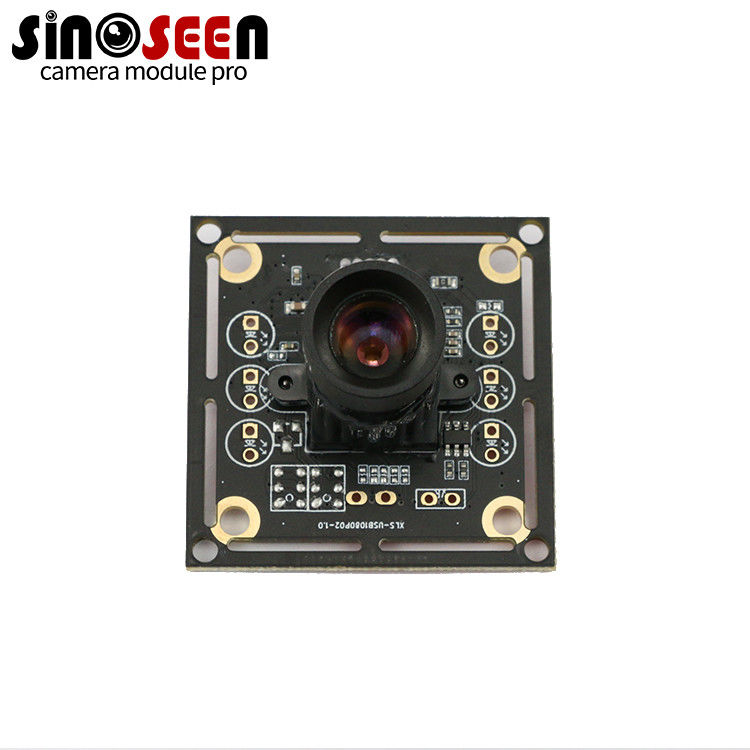
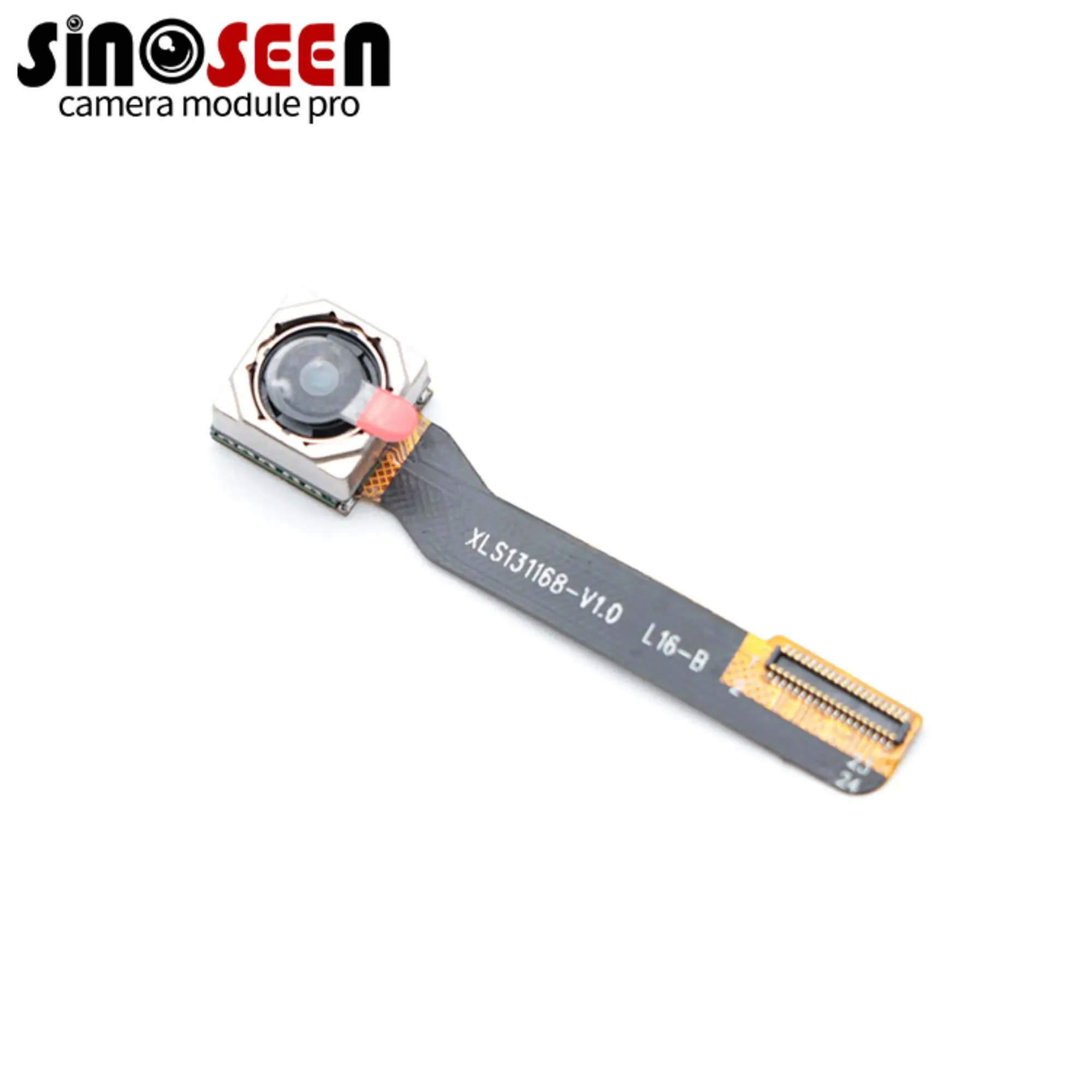
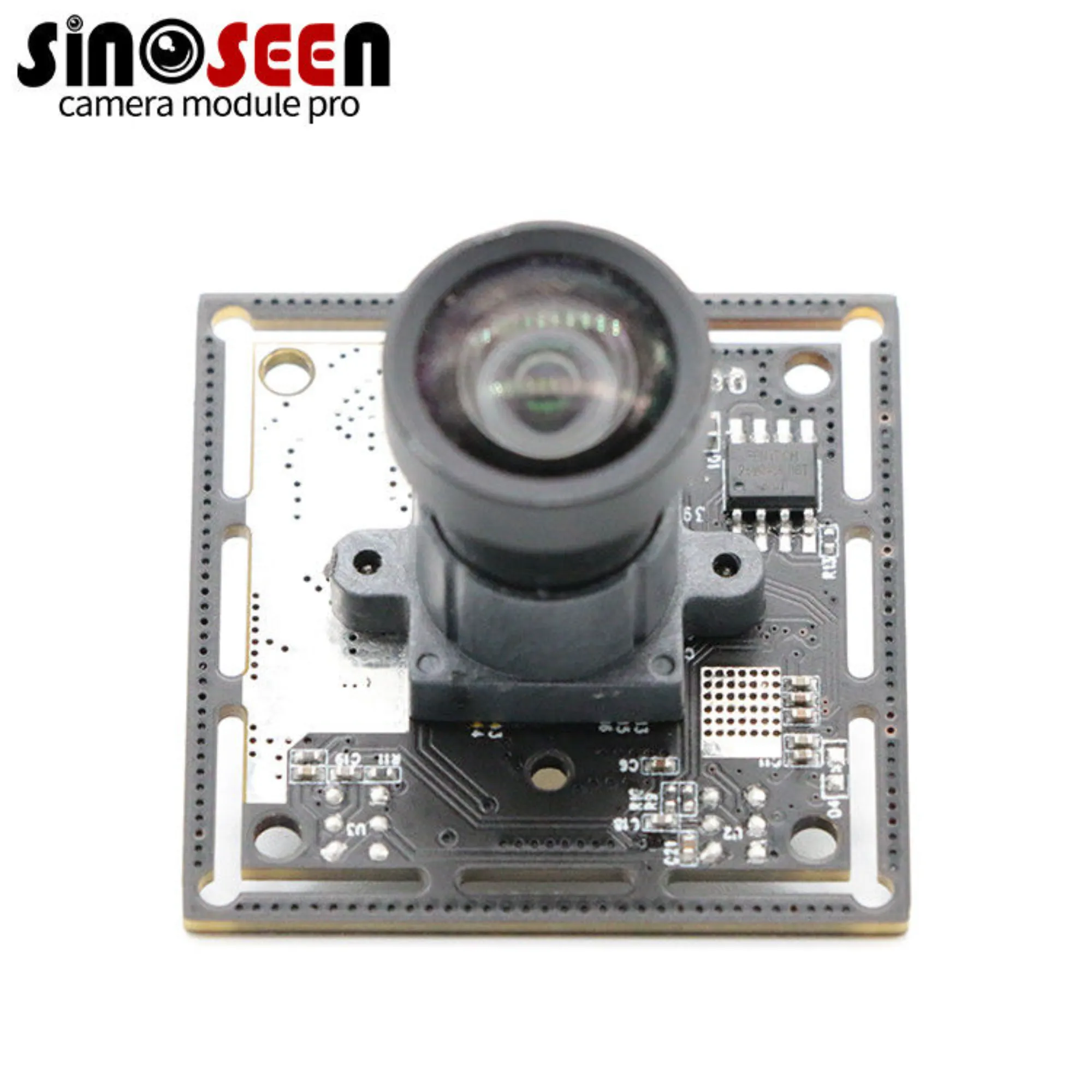
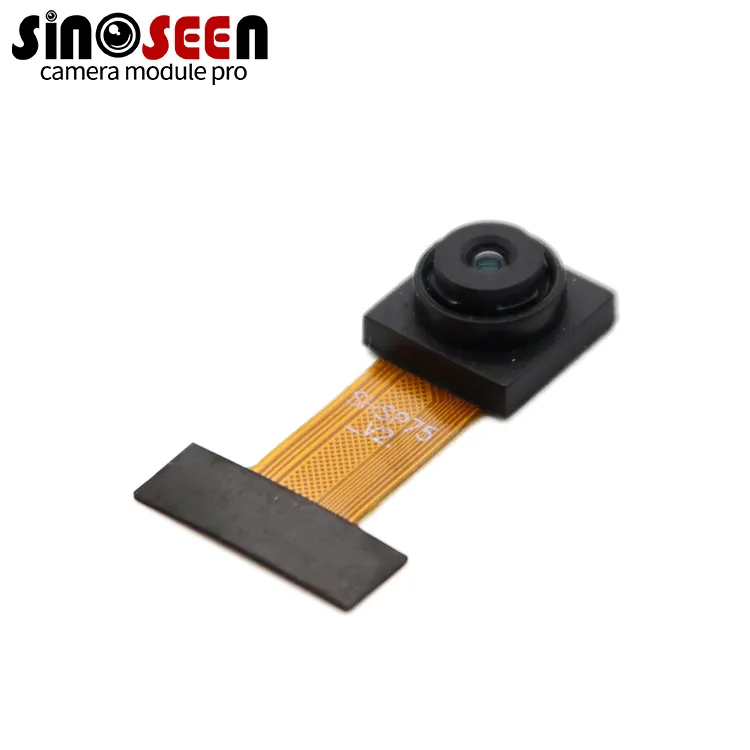
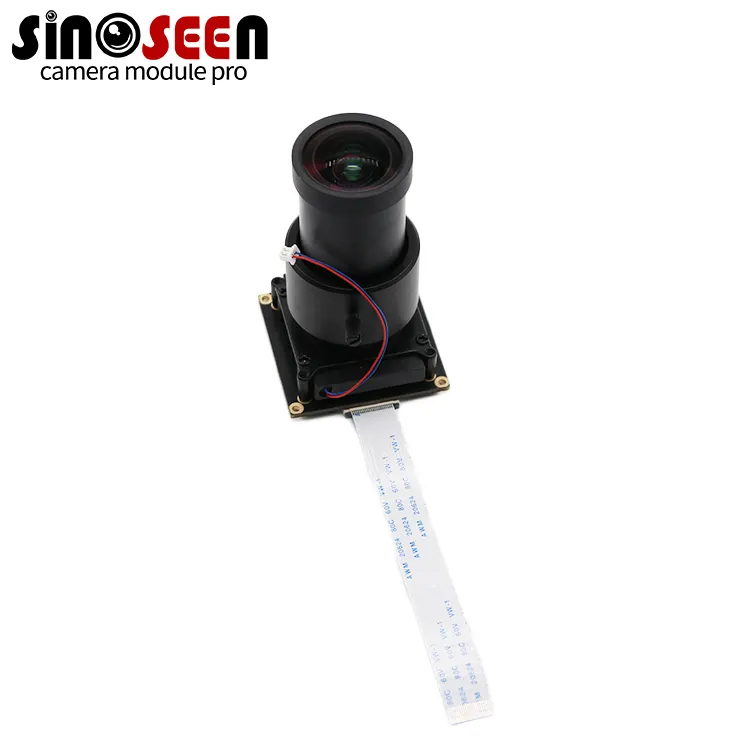
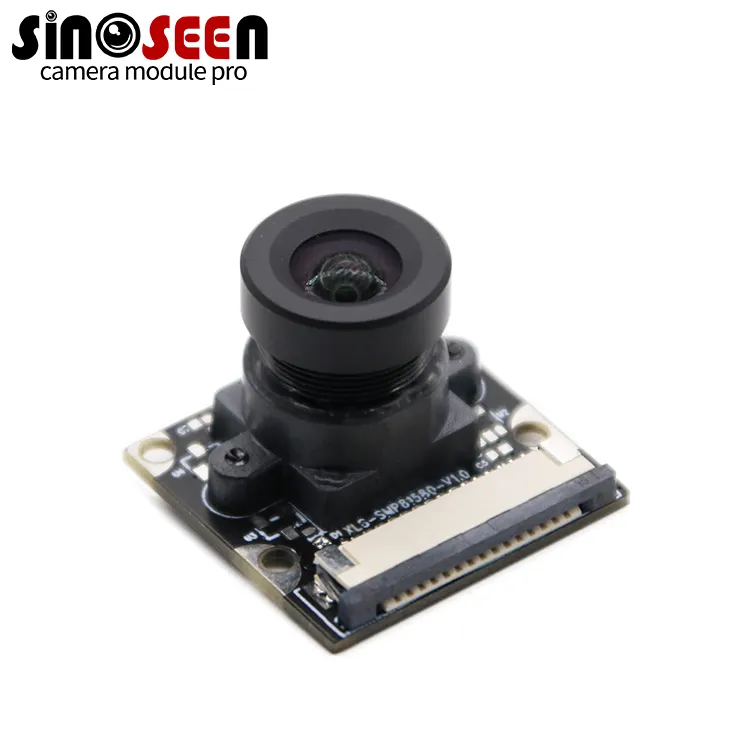
The ESP32 camera sensor board represents a revolutionary development in compact imaging technology, combining powerful microcontroller capabilities with high-quality camera functionality in a single, affordable package. This innovative board integrates the renowned ESP32 microcontroller with a sophisticated camera module, creating a versatile platform that serves both hobbyists and professional developers. The ESP32 camera sensor board features dual-core processing power, built-in Wi-Fi and Bluetooth connectivity, and comprehensive GPIO pins that enable seamless integration with various sensors and peripherals. The camera module typically incorporates a 2-megapixel OV2640 sensor capable of capturing images at resolutions up to 1600x1200 pixels and recording video at multiple frame rates. The board supports various image formats including JPEG and BMP, while offering adjustable parameters such as brightness, contrast, saturation, and white balance. Advanced features include face detection, motion detection, and automatic exposure control, making it suitable for sophisticated imaging applications. The ESP32 camera sensor board operates on low power consumption principles, making it ideal for battery-powered projects and remote monitoring systems. Its compact form factor, measuring approximately 40mm x 27mm, allows for easy installation in space-constrained environments. The board supports multiple programming environments including Arduino IDE, ESP-IDF, and MicroPython, providing flexibility for developers with different skill levels. Storage capabilities include support for microSD cards up to 32GB, enabling local image and video storage. The ESP32 camera sensor board excels in Internet of Things applications, security systems, robotics projects, and educational platforms. Its robust construction ensures reliable performance in various environmental conditions, while the active community support provides extensive documentation and example projects for rapid development deployment.

New Product Releases

The ESP32 camera sensor board delivers exceptional value through its comprehensive feature set and user-friendly design approach. Cost-effectiveness stands as a primary advantage, offering professional-grade imaging capabilities at a fraction of traditional camera system costs. Users save significantly on development expenses while gaining access to enterprise-level functionality typically reserved for expensive industrial cameras. The board eliminates the need for separate microcontroller purchases, reducing component costs and simplifying project architecture. Installation simplicity represents another major benefit, as the ESP32 camera sensor board requires minimal setup procedures. Developers can begin capturing images within minutes of unboxing, thanks to pre-configured firmware and extensive code libraries. The plug-and-play nature reduces development time dramatically, allowing rapid prototyping and faster time-to-market for commercial products. Wireless connectivity capabilities provide unmatched flexibility for modern applications. Built-in Wi-Fi enables remote monitoring, cloud storage integration, and real-time image streaming without additional hardware requirements. Users can access camera feeds from anywhere with internet connectivity, making it perfect for security applications and remote sensing projects. The ESP32 camera sensor board supports multiple wireless protocols, ensuring compatibility with existing network infrastructures. Power efficiency optimization makes the board ideal for portable and remote applications. Advanced power management features extend battery life significantly, enabling months of operation on single battery charges in low-power modes. This efficiency reduces maintenance requirements and operational costs for deployed systems. Programming versatility accommodates developers with varying experience levels. Support for multiple development environments means users can choose familiar programming languages and tools. Extensive community-contributed libraries accelerate development processes, while comprehensive documentation ensures smooth learning curves. The board handles complex image processing tasks internally, reducing computational loads on external systems. Real-time processing capabilities enable immediate response to visual triggers, making it suitable for automation and security applications. Scalability features allow single prototypes to expand into large-scale deployments without significant architecture changes, protecting initial development investments while supporting business growth.

Latest News

Why Choose a High-Performance Embedded Camera Module for AI Applications?

02

Mar

Why Choose a High-Performance Embedded Camera Module for AI Applications?

Artificial intelligence applications demand precision, speed, and reliability in their visual data acquisition systems. An embedded camera module serves as the critical foundation for AI-powered devices, from autonomous vehicles to smart manufacturin...
View More
How to Optimize Low-Light Performance in Custom Camera Module Designs?

02

Mar

How to Optimize Low-Light Performance in Custom Camera Module Designs?

Custom camera module designs face unique challenges when operating in environments with minimal illumination, making low-light performance optimization a critical engineering consideration. Modern applications ranging from security surveillance to au...
View More
How to Integrate a Small Camera Module into Compact Medical Devices?

02

Mar

How to Integrate a Small Camera Module into Compact Medical Devices?

Medical device miniaturization continues to revolutionize healthcare, enabling less invasive procedures and improved patient outcomes. When designing compact medical equipment, integrating a small camera module requires careful consideration of space...
View More
Why do Robotics Manufacturers Prefer High-Speed AI Camera Modules?

02

Mar

Why do Robotics Manufacturers Prefer High-Speed AI Camera Modules?

The robotics industry has experienced unprecedented growth in recent years, with manufacturers increasingly demanding sophisticated vision systems that can process visual data at lightning speed. High-speed AI camera modules have emerged as the corne...
View More

Get In Touch

esp32 camera sensor board

Advanced Dual-Core Processing Power with Integrated Camera Technology

Advanced Dual-Core Processing Power with Integrated Camera Technology

The ESP32 camera sensor board revolutionizes embedded imaging through its sophisticated dual-core architecture that seamlessly integrates powerful processing capabilities with high-resolution camera functionality. This remarkable combination delivers unprecedented performance in a compact, energy-efficient package that transforms how developers approach visual sensing projects. The dual-core Tensilica LX6 processor operates at frequencies up to 240MHz, providing substantial computational resources for complex image processing algorithms, real-time analysis, and concurrent task execution. This processing power enables the ESP32 camera sensor board to handle demanding applications such as facial recognition, object detection, and motion tracking without requiring external processing units. The integrated camera module features a high-quality OV2640 sensor that captures stunning images with exceptional clarity and detail. Users benefit from multiple resolution options ranging from 96x96 pixels for ultra-low bandwidth applications to full 1600x1200 pixel images for detailed documentation and analysis. The camera sensor supports various output formats including JPEG compression for efficient storage and transmission, as well as raw RGB565 format for advanced image processing applications. Advanced camera control features allow precise adjustment of exposure settings, white balance, contrast, and saturation to optimize image quality for specific environmental conditions. The ESP32 camera sensor board implements sophisticated automatic gain control and exposure algorithms that adapt to changing lighting conditions, ensuring consistent image quality across diverse operating environments. This intelligent adaptation reduces the need for manual calibration and enables reliable operation in challenging lighting scenarios. The dual-core architecture enables parallel processing capabilities where one core handles camera operations while the second core manages network communications, sensor interfacing, and user applications simultaneously. This parallel processing approach eliminates performance bottlenecks and ensures smooth operation even under heavy computational loads. The integrated design philosophy extends beyond mere component integration to include optimized data pathways and shared memory architectures that maximize throughput while minimizing power consumption, making the ESP32 camera sensor board an ideal solution for battery-powered and remote sensing applications.
Comprehensive Wireless Connectivity with Cloud Integration Capabilities

Comprehensive Wireless Connectivity with Cloud Integration Capabilities

The ESP32 camera sensor board excels in wireless communication through its built-in Wi-Fi and Bluetooth capabilities that enable seamless connectivity with modern digital ecosystems and cloud-based services. This comprehensive connectivity suite transforms traditional isolated camera systems into intelligent, networked devices capable of real-time data sharing, remote monitoring, and collaborative sensing applications. The integrated Wi-Fi module supports both 2.4GHz networks and provides robust connectivity with excellent range and reliability characteristics that ensure consistent performance in various deployment scenarios. Users can establish direct connections to existing wireless networks or configure the board as an access point for standalone operation, providing flexibility for diverse installation requirements. The ESP32 camera sensor board supports multiple wireless security protocols including WPA2 encryption, ensuring secure data transmission and protecting sensitive visual information from unauthorized access. Advanced networking features include support for TCP/IP protocols, HTTP/HTTPS communications, and WebSocket connections that enable real-time streaming capabilities and bidirectional data exchange. The board seamlessly integrates with popular cloud platforms including Amazon Web Services, Google Cloud Platform, and Microsoft Azure, enabling automatic image upload, remote storage, and advanced analytics processing. Cloud integration capabilities extend beyond simple storage to include machine learning services, automated image classification, and intelligent alerting systems that add significant value to basic camera functionality. The built-in Bluetooth Low Energy support enables efficient communication with mobile devices, sensors, and other IoT components while maintaining minimal power consumption. This connectivity option proves particularly valuable for configuration applications, data synchronization, and local sensor networks where ultra-low power operation is essential. The ESP32 camera sensor board implements intelligent connection management algorithms that automatically handle network reconnections, optimize bandwidth usage, and manage connection quality to ensure reliable operation in challenging wireless environments. Advanced features include support for mesh networking protocols that enable multiple boards to form self-healing networks for wide-area monitoring applications. The wireless capabilities extend to support for real-time streaming protocols that enable live video transmission with minimal latency, making the board suitable for security applications, remote monitoring, and interactive robotics projects where immediate visual feedback is crucial for effective operation.
Versatile Programming Environment with Extensive Development Support

Versatile Programming Environment with Extensive Development Support

The ESP32 camera sensor board stands out through its exceptional programming versatility and comprehensive development ecosystem that accommodates developers ranging from beginners to advanced professionals across multiple programming paradigms and development environments. This flexibility ensures that users can leverage their existing skills while exploring new technologies without being constrained by proprietary development tools or limited programming options. The board supports the popular Arduino IDE environment, making it immediately accessible to millions of makers and hobbyists who are familiar with Arduino programming concepts and libraries. This compatibility enables rapid prototyping and quick project development while providing access to thousands of community-contributed libraries that extend functionality and accelerate development processes. The Arduino framework integration includes specialized camera libraries that simplify image capture, processing, and transmission operations through intuitive function calls and well-documented APIs. Advanced developers can utilize the comprehensive ESP-IDF development framework that provides low-level access to all ESP32 camera sensor board capabilities including direct hardware control, real-time operating system features, and optimized performance configurations. The ESP-IDF environment enables creation of commercial-grade applications with professional debugging tools, performance profiling capabilities, and extensive customization options that meet enterprise development requirements. MicroPython support adds another dimension of programming accessibility by enabling rapid development using Python syntax and libraries, making the ESP32 camera sensor board accessible to data scientists, researchers, and developers who prefer Python's expressive programming style. The development ecosystem includes comprehensive documentation, example projects, and tutorial resources that guide users through common implementation scenarios and advanced techniques. Community support extends through active forums, GitHub repositories, and educational platforms where developers share knowledge, troubleshoot challenges, and collaborate on innovative projects. The ESP32 camera sensor board benefits from regular firmware updates and feature enhancements that continuously expand capabilities and improve performance without requiring hardware modifications. Development tools include simulators, debugging interfaces, and over-the-air update capabilities that streamline the development and deployment processes. The programming environment supports modular development approaches where developers can create reusable code libraries, implement custom protocols, and integrate third-party services through well-defined interfaces. This modularity enables scalable development practices that support everything from simple proof-of-concept projects to complex commercial applications with minimal code restructuring requirements, making the ESP32 camera sensor board an excellent long-term development platform choice.

Related Search

Get in touch