Innovative Camera Modules for Every Application | Sinoseen

All Categories

esp cam module

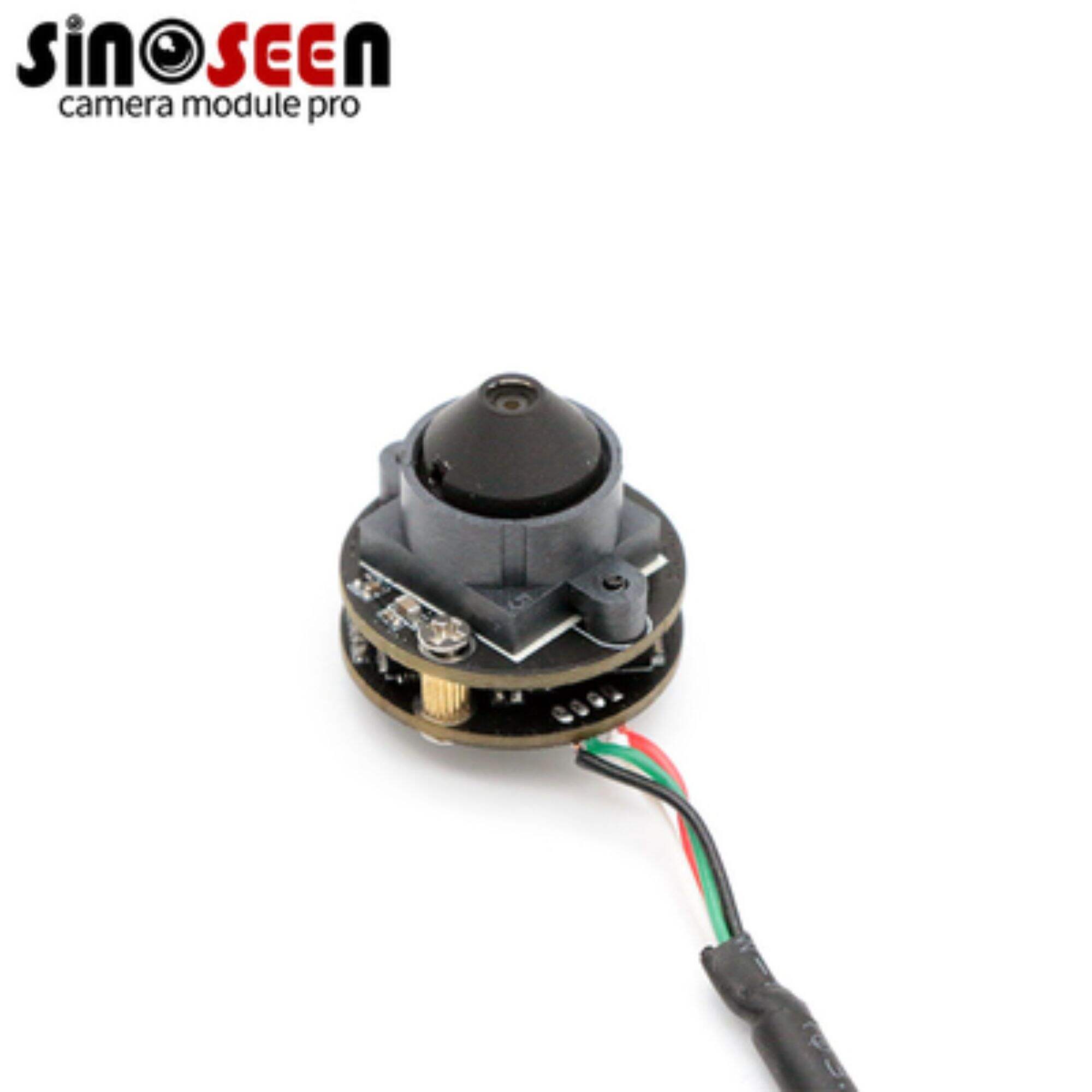
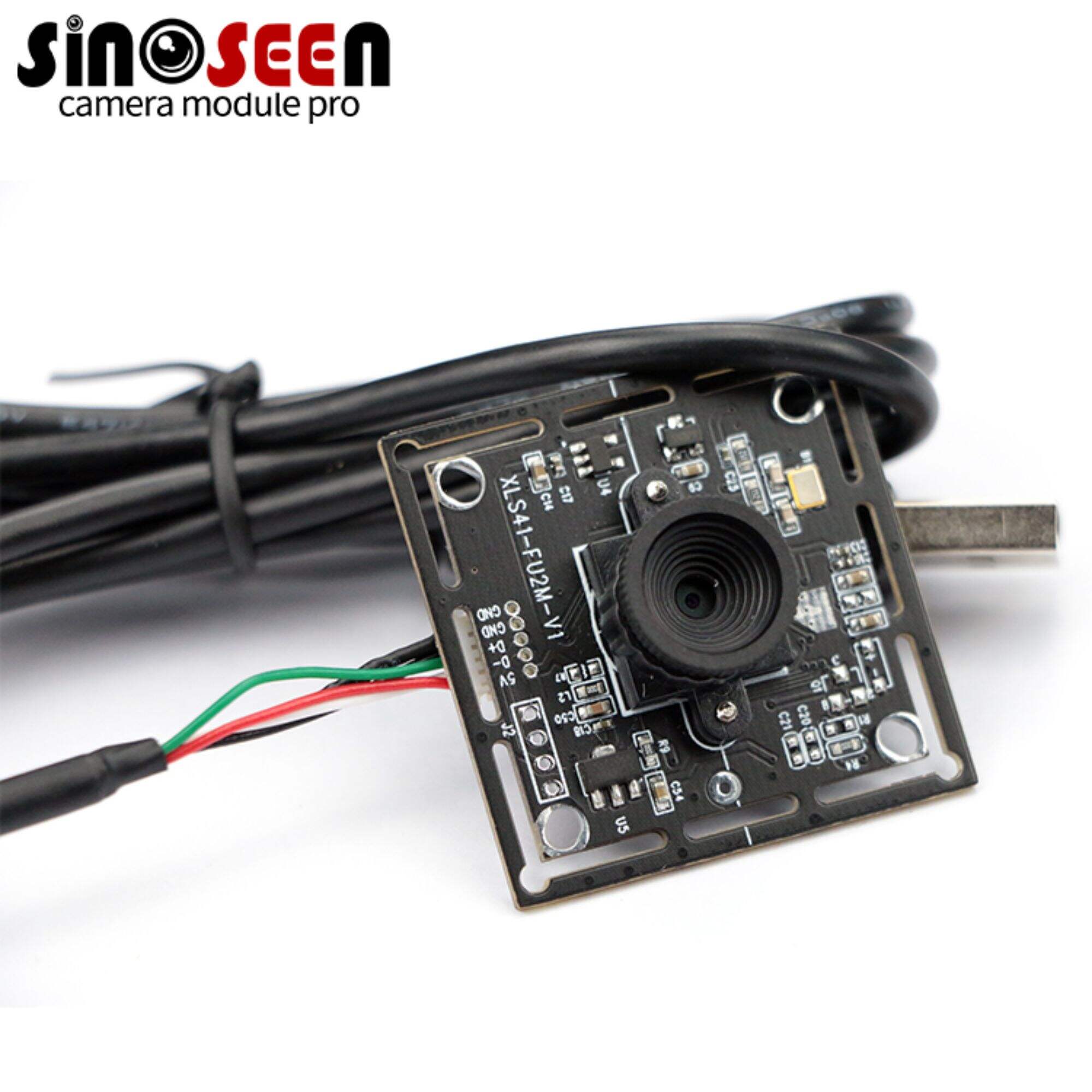
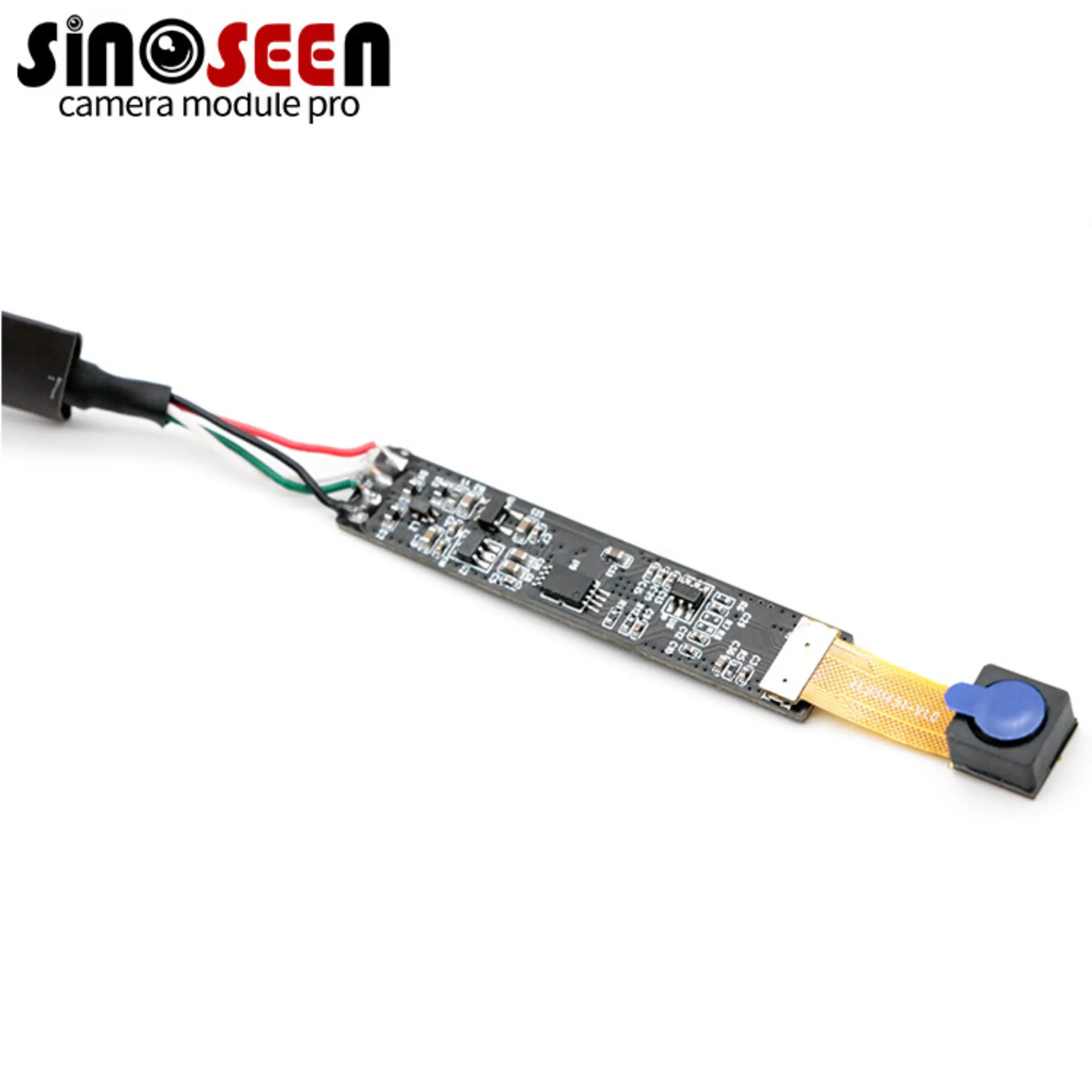
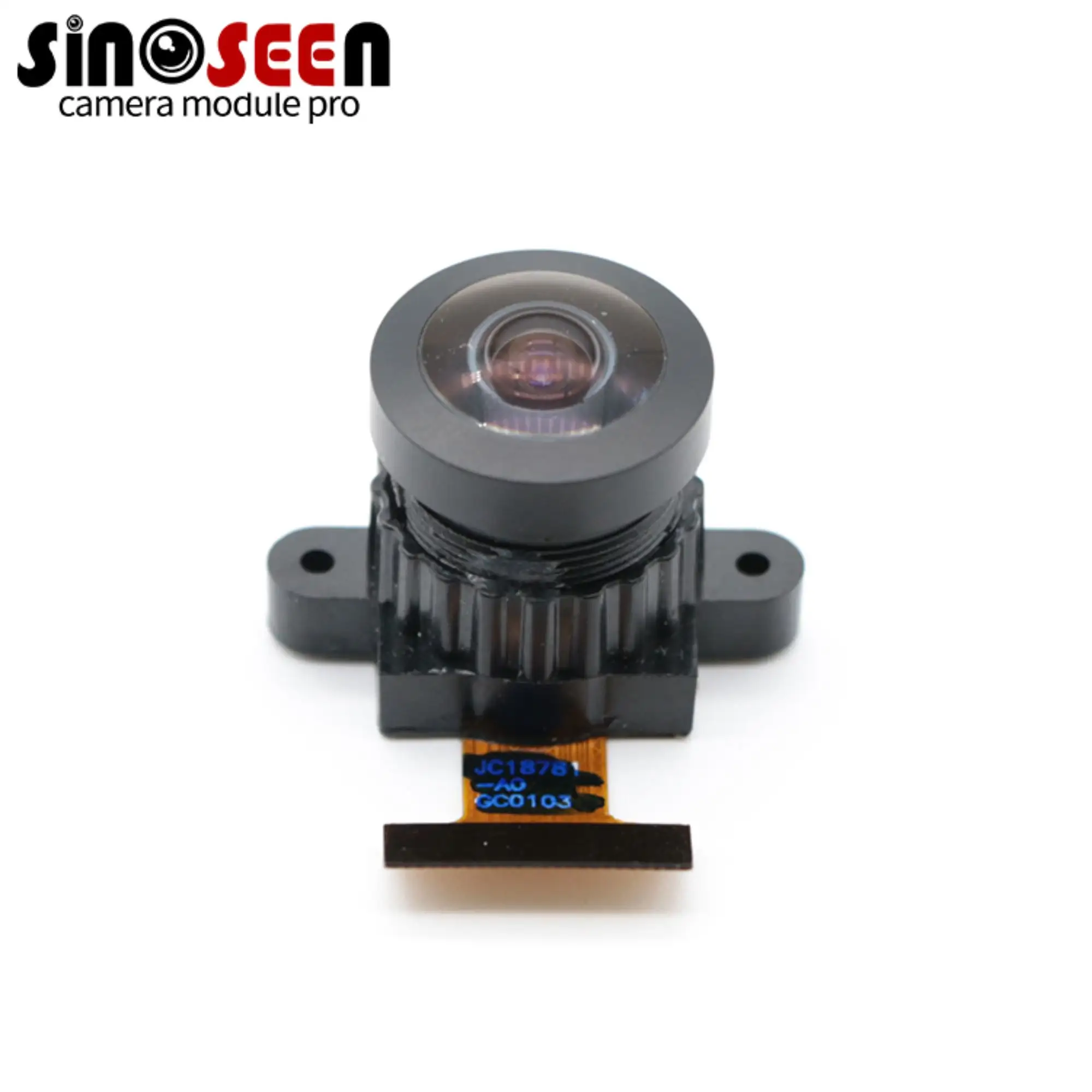
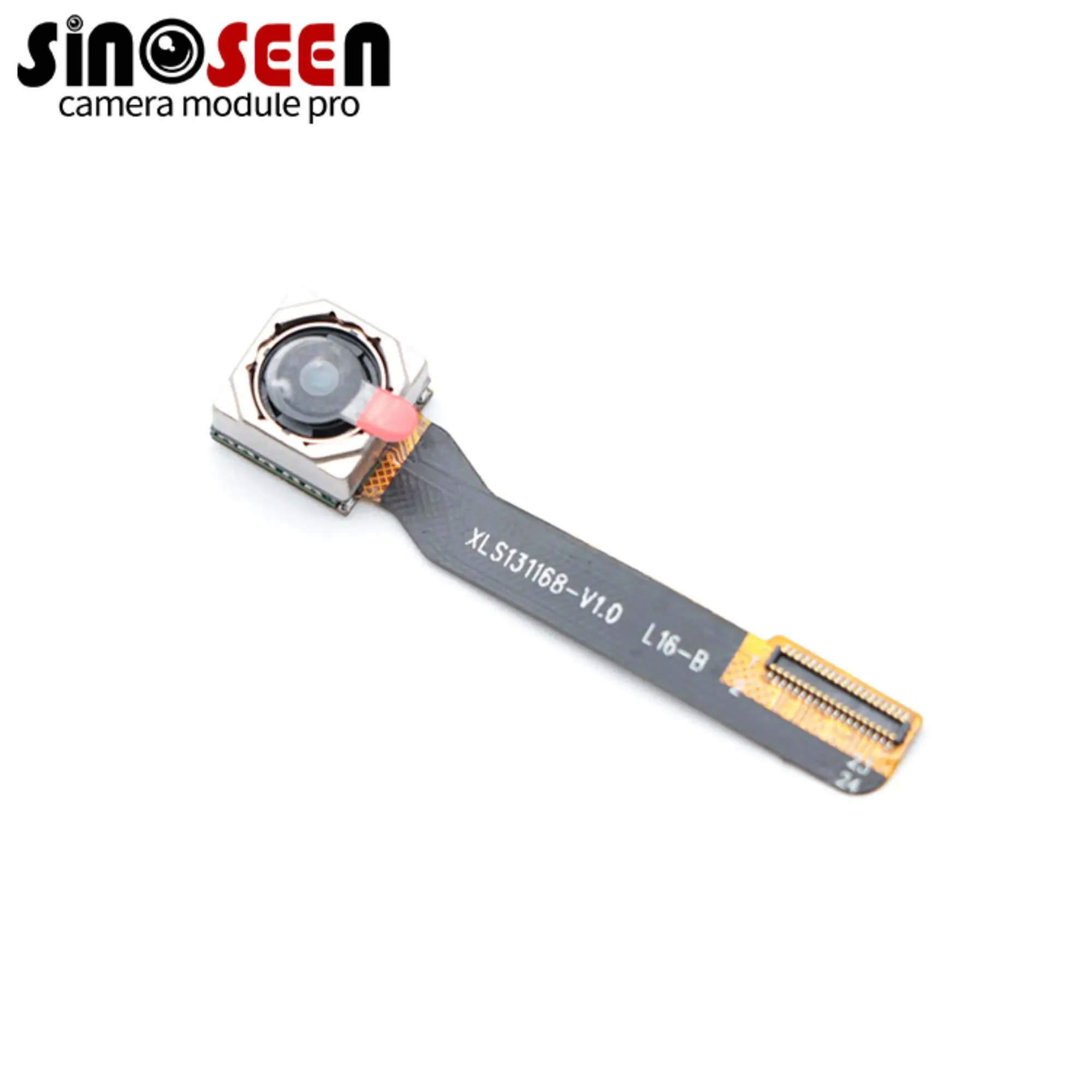
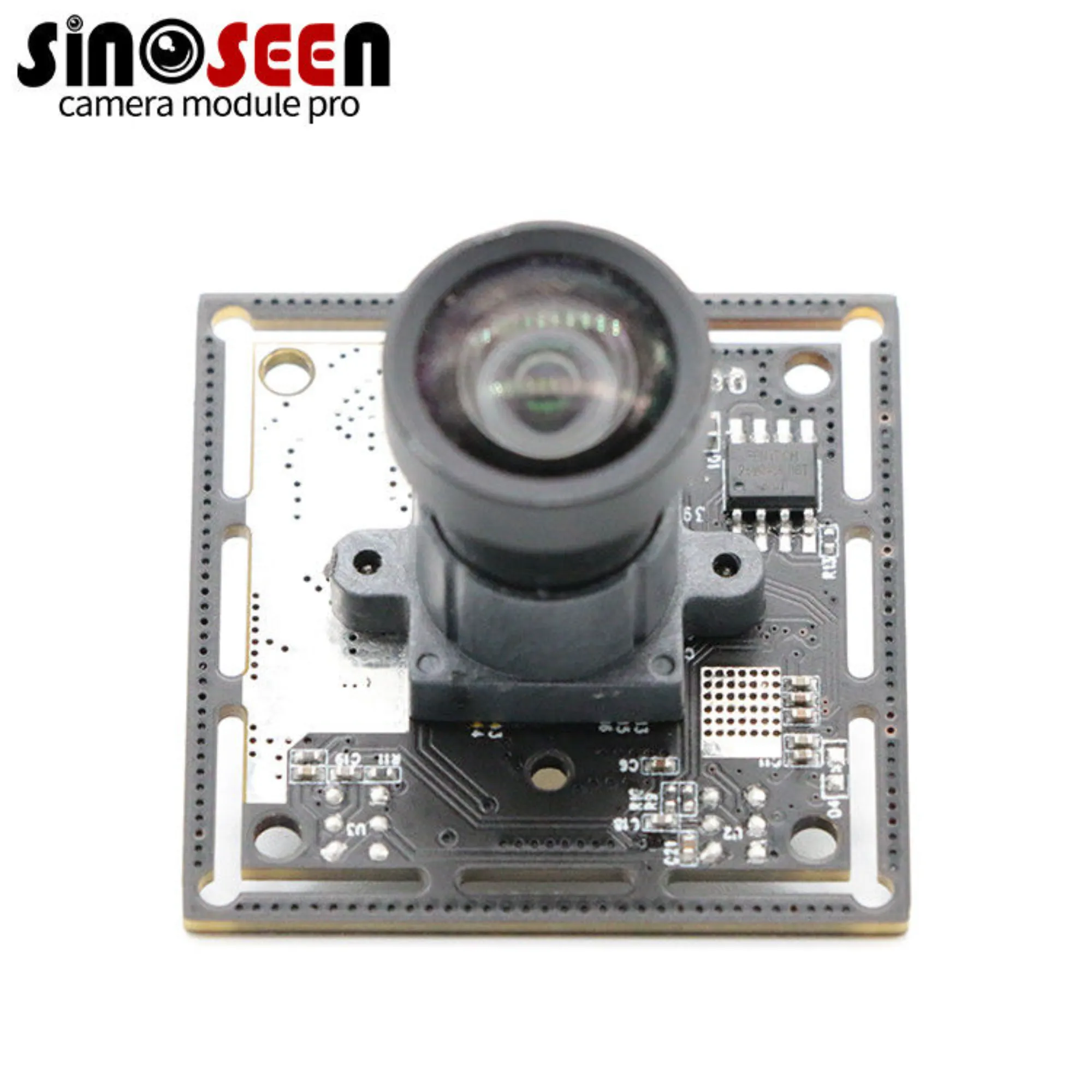
The esp cam module represents a revolutionary advancement in wireless camera technology, combining the power of ESP32 microcontroller with integrated camera capabilities. This compact yet powerful device serves as an all-in-one solution for IoT camera applications, delivering exceptional performance in a remarkably small form factor. The esp cam module incorporates a high-resolution OV2640 camera sensor that captures crisp images and smooth video streams, making it ideal for surveillance, monitoring, and creative projects. Built on the robust ESP32 platform, this module features dual-core processing capabilities, extensive memory resources, and comprehensive connectivity options including Wi-Fi and Bluetooth. The esp cam module supports multiple image formats and resolutions, ranging from UXGA down to 96x96 pixels, providing flexibility for various application requirements. Its onboard flash memory enables local storage capabilities, while the integrated antenna ensures reliable wireless communication. The module operates efficiently within a wide voltage range, making it suitable for battery-powered applications and embedded systems. Programming the esp cam module is straightforward through the Arduino IDE or ESP-IDF framework, allowing developers to customize functionality according to specific needs. The device supports real-time streaming protocols, enabling live video transmission over networks with minimal latency. Advanced features include motion detection, face recognition capabilities, and automatic exposure control, enhancing the module's intelligence and adaptability. The esp cam module's compact design measures just 40.5mm x 27mm, making integration into space-constrained projects effortless. Its GPIO pins provide expansion possibilities for connecting additional sensors, actuators, or display modules. The robust hardware architecture ensures stable operation across varying environmental conditions, while the active developer community provides extensive documentation, libraries, and project examples for rapid prototyping and deployment.

New Product Releases

The esp cam module delivers remarkable cost-effectiveness compared to traditional camera systems, making advanced imaging technology accessible to hobbyists, students, and professional developers alike. This affordability factor eliminates financial barriers that typically prevent experimentation with camera-based IoT projects. Users save significant money while gaining access to professional-grade features that would otherwise require expensive specialized equipment. The module's integrated design reduces component count and simplifies procurement processes, further lowering overall project costs. Easy integration stands as another major advantage, as the esp cam module requires minimal additional components to create functional camera systems. Developers can quickly prototype and deploy solutions without extensive hardware design knowledge or complex circuit layouts. The standardized pin configuration ensures compatibility with popular development boards and breadboards, streamlining the development process. Pre-built libraries and example codes accelerate project timelines, allowing users to focus on application logic rather than low-level hardware programming. Versatile connectivity options distinguish the esp cam module from conventional camera solutions, providing both Wi-Fi and Bluetooth capabilities in a single device. This dual connectivity enables flexible deployment scenarios, from local mesh networks to cloud-based applications. Users can stream video directly to smartphones, tablets, or web browsers without requiring additional networking hardware. The wireless nature eliminates cable constraints, enabling installation in remote or hard-to-reach locations. Power efficiency represents a crucial advantage for battery-operated applications, as the esp cam module incorporates advanced power management features. Sleep modes and dynamic frequency scaling optimize energy consumption, extending operational life in portable devices. The module can wake from deep sleep states triggered by external events or timer interrupts, enabling intelligent surveillance systems that conserve power during inactive periods. Customizable image quality settings allow users to balance power consumption with visual fidelity based on specific requirements. Robust community support provides invaluable resources for esp cam module users, including comprehensive documentation, troubleshooting guides, and project repositories. Active forums facilitate knowledge sharing and collaborative problem-solving among developers worldwide. Regular firmware updates introduce new features and security enhancements, ensuring long-term viability and protection against emerging threats. This community-driven ecosystem accelerates learning curves and reduces development risks for new users.

Practical Tips

Why Choose a High-Performance Embedded Camera Module for AI Applications?

02

Mar

Why Choose a High-Performance Embedded Camera Module for AI Applications?

Artificial intelligence applications demand precision, speed, and reliability in their visual data acquisition systems. An embedded camera module serves as the critical foundation for AI-powered devices, from autonomous vehicles to smart manufacturin...
View More
 How to Select the Right AI Camera Module for Facial Recognition Systems?

02

Mar

How to Select the Right AI Camera Module for Facial Recognition Systems?

Selecting the appropriate AI camera module for facial recognition systems represents a critical decision that directly impacts system performance, accuracy, and overall operational efficiency. Modern facial recognition applications demand sophisticat...
View More
How to Integrate a Small Camera Module into Compact Medical Devices?

02

Mar

How to Integrate a Small Camera Module into Compact Medical Devices?

Medical device miniaturization continues to revolutionize healthcare, enabling less invasive procedures and improved patient outcomes. When designing compact medical equipment, integrating a small camera module requires careful consideration of space...
View More
Why do Robotics Manufacturers Prefer High-Speed AI Camera Modules?

02

Mar

Why do Robotics Manufacturers Prefer High-Speed AI Camera Modules?

The robotics industry has experienced unprecedented growth in recent years, with manufacturers increasingly demanding sophisticated vision systems that can process visual data at lightning speed. High-speed AI camera modules have emerged as the corne...
View More

Get In Touch

esp cam module

Advanced Image Processing Capabilities

Advanced Image Processing Capabilities

The esp cam module excels in delivering sophisticated image processing capabilities that rival expensive commercial camera systems, making it an exceptional choice for diverse applications. The integrated OV2640 camera sensor captures high-quality images up to 1600x1200 resolution, providing crystal-clear detail for security monitoring, quality inspection, and documentation purposes. This impressive resolution capability ensures that users can capture fine details necessary for accurate analysis and identification tasks. The module supports multiple image formats including JPEG compression with adjustable quality levels, allowing users to optimize file sizes based on storage constraints and transmission requirements. Variable frame rate control enables smooth video streaming for real-time monitoring applications while conserving bandwidth when needed. The esp cam module incorporates automatic gain control and exposure compensation algorithms that adapt to changing lighting conditions, ensuring consistent image quality across different environments. White balance adjustment maintains accurate color reproduction under various illumination sources, from natural sunlight to artificial indoor lighting. Advanced noise reduction algorithms minimize image artifacts in low-light conditions, extending the module's operational effectiveness during nighttime surveillance or dimly lit environments. The onboard image signal processor handles complex mathematical operations efficiently, reducing computational load on the main ESP32 cores and enabling simultaneous execution of application logic. Motion detection capabilities allow the esp cam module to identify movement within the field of view, triggering alerts or recording sequences only when activity occurs. This intelligent functionality conserves storage space and processing resources while ensuring important events are never missed. Face detection algorithms can identify human subjects in real-time, enabling access control systems and automated attendance tracking applications. The module supports region-of-interest configuration, allowing users to focus processing power on specific areas within the camera's field of view. This selective processing approach improves performance and reduces false alerts in surveillance applications. Histogram equalization enhances image contrast automatically, improving visibility in challenging lighting scenarios. The esp cam module's processing capabilities extend beyond basic capture functions, incorporating edge detection algorithms useful for object recognition and automated inspection systems.
Seamless IoT Integration and Connectivity

Seamless IoT Integration and Connectivity

The esp cam module revolutionizes IoT camera deployment through its seamless integration capabilities and comprehensive connectivity options, positioning it as the ideal solution for modern smart systems. Built upon the powerful ESP32 platform, the module inherently supports Wi-Fi 802.11 b/g/n standards, enabling direct connection to existing wireless networks without additional hardware requirements. This native Wi-Fi capability facilitates easy integration into home automation systems, industrial monitoring networks, and cloud-based platforms. Bluetooth connectivity provides alternative communication pathways for local device pairing and configuration, particularly useful in scenarios where Wi-Fi networks are unavailable or restricted. The dual-mode connectivity ensures reliable data transmission across diverse deployment environments and use cases. Web server functionality allows the esp cam module to host its own interface, enabling direct browser-based access without specialized software installation. Users can view live video feeds, adjust camera settings, and download captured images through standard web browsers on smartphones, tablets, or computers. This browser-based approach eliminates compatibility concerns and simplifies user interactions across different operating systems and devices. MQTT protocol support enables seamless integration with popular IoT platforms including Home Assistant, OpenHAB, and commercial cloud services. This standardized messaging protocol ensures reliable communication and event-driven automation in complex IoT ecosystems. HTTP POST capabilities facilitate direct image uploads to web services and cloud storage platforms, enabling automated backup and remote access functionality. The esp cam module supports WebSocket connections for low-latency bidirectional communication, perfect for real-time control applications and interactive systems. REST API implementation allows integration with modern web applications and mobile apps, enabling developers to create custom interfaces tailored to specific requirements. Over-the-air update functionality ensures the esp cam module can receive firmware improvements and security patches remotely, maintaining system security and adding new features without physical access. This OTA capability is crucial for deployed systems in remote locations where manual updates would be impractical or expensive. JSON data formatting standardizes communication protocols, ensuring compatibility with modern web services and database systems. The module's ability to timestamp images and embed metadata facilitates comprehensive logging and analysis capabilities essential for security and monitoring applications.
Exceptional Flexibility and Customization Options

Exceptional Flexibility and Customization Options

The esp cam module stands out in the market due to its exceptional flexibility and extensive customization options, empowering developers to create tailored solutions that meet specific project requirements and constraints. The Arduino IDE compatibility provides a familiar development environment for millions of makers and engineers worldwide, significantly reducing the learning curve for newcomers while offering advanced features for experienced developers. This accessibility ensures that users can quickly transition from concept to working prototype without investing time in learning proprietary development tools or complex programming frameworks. The ESP-IDF framework offers professional-grade development capabilities for users requiring advanced functionality and optimization, providing direct hardware access and real-time operating system features. Multiple programming language support includes C++, Python, and JavaScript options, accommodating diverse developer preferences and existing skillsets within development teams. The esp cam module's GPIO pins provide extensive expansion possibilities, enabling connection of additional sensors, displays, motors, and control devices. These general-purpose input/output pins support various communication protocols including I2C, SPI, and UART, facilitating integration with a vast ecosystem of electronic components and modules. PWM output capabilities enable precise control of servo motors, LED brightness, and other analog devices, expanding the module's utility beyond simple camera functionality. Interrupt-driven programming allows responsive system behavior, enabling the esp cam module to react instantly to external events such as motion sensors, buttons, or network messages. Flexible power supply options accommodate various deployment scenarios, from USB-powered desktop applications to battery-operated remote installations. The module operates efficiently across a wide voltage range, ensuring compatibility with different power sources and enabling energy optimization strategies. Deep sleep modes dramatically reduce power consumption during inactive periods, making the esp cam module suitable for solar-powered or battery-operated applications where energy conservation is critical. Customizable image parameters include resolution selection, compression ratios, color saturation, brightness adjustment, and contrast control, allowing users to optimize image quality for specific applications and transmission constraints. The module supports multiple simultaneous image formats, enabling applications that require both high-resolution storage and low-resolution streaming capabilities. Memory allocation flexibility allows developers to balance image quality, processing speed, and available RAM based on application priorities and hardware limitations. Custom firmware development enables complete control over module behavior, allowing integration of proprietary algorithms and specialized functionality not available in standard implementations.

Related Search

Get in touch