Innovative Camera Modules for Every Application | Sinoseen

All Categories

smart camera module

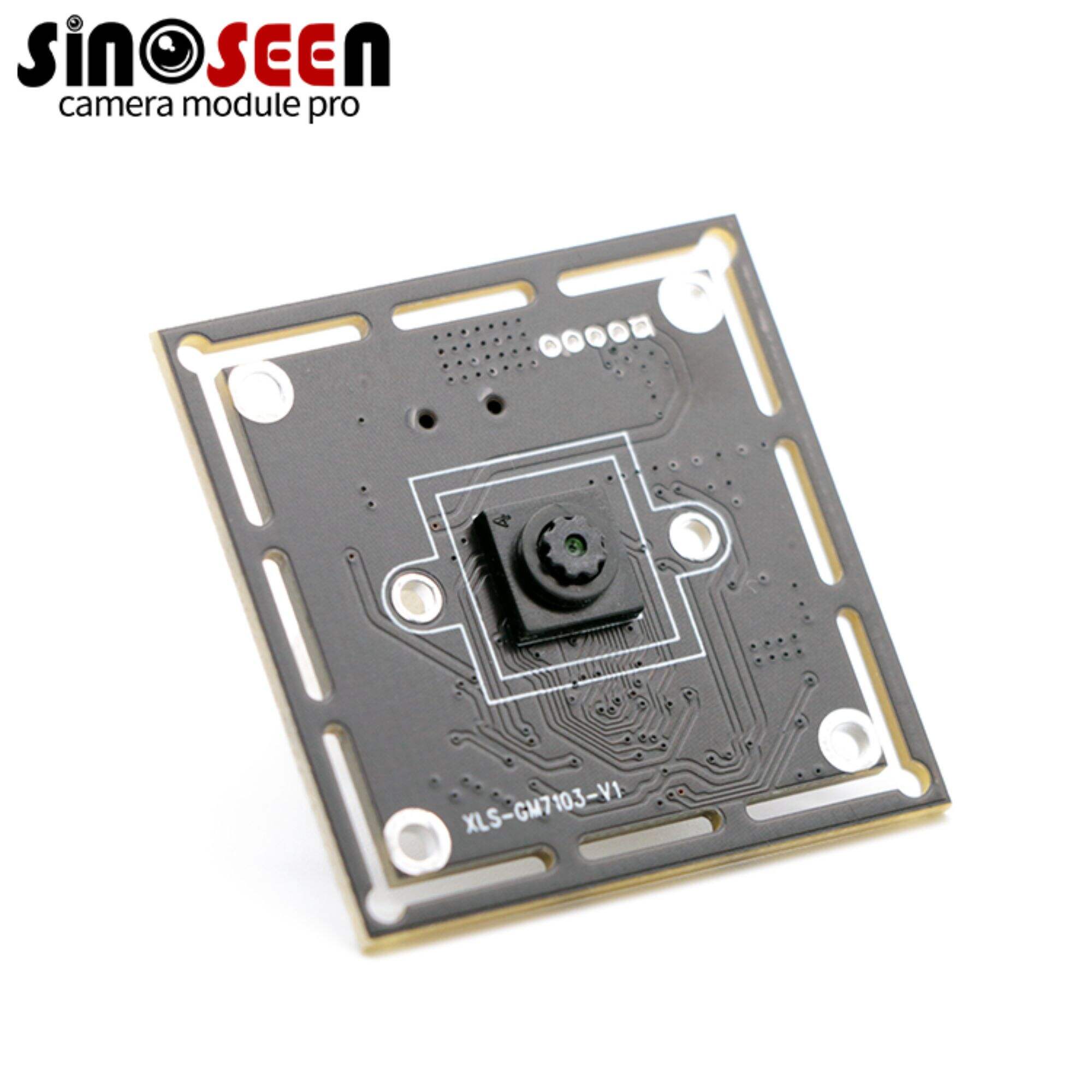
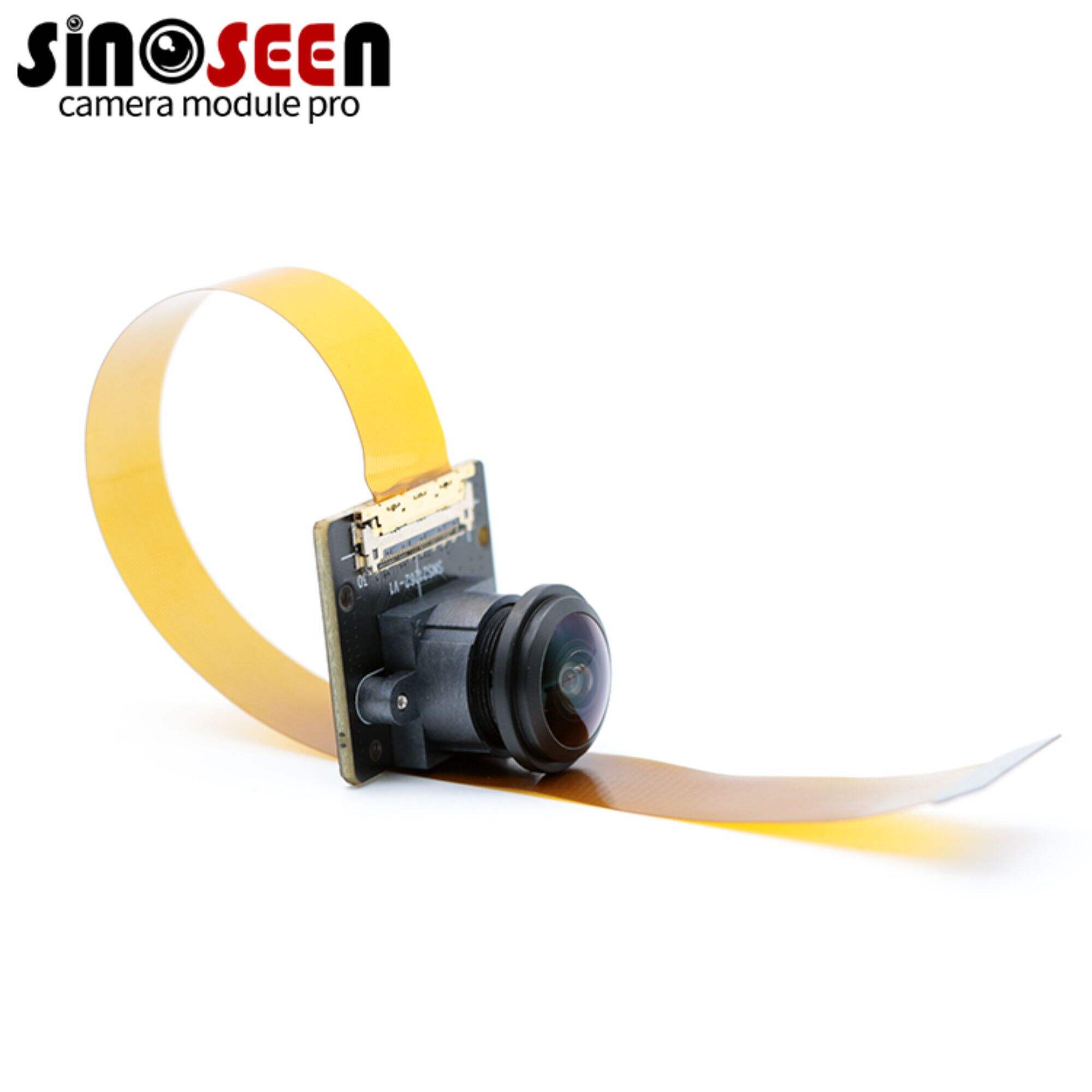
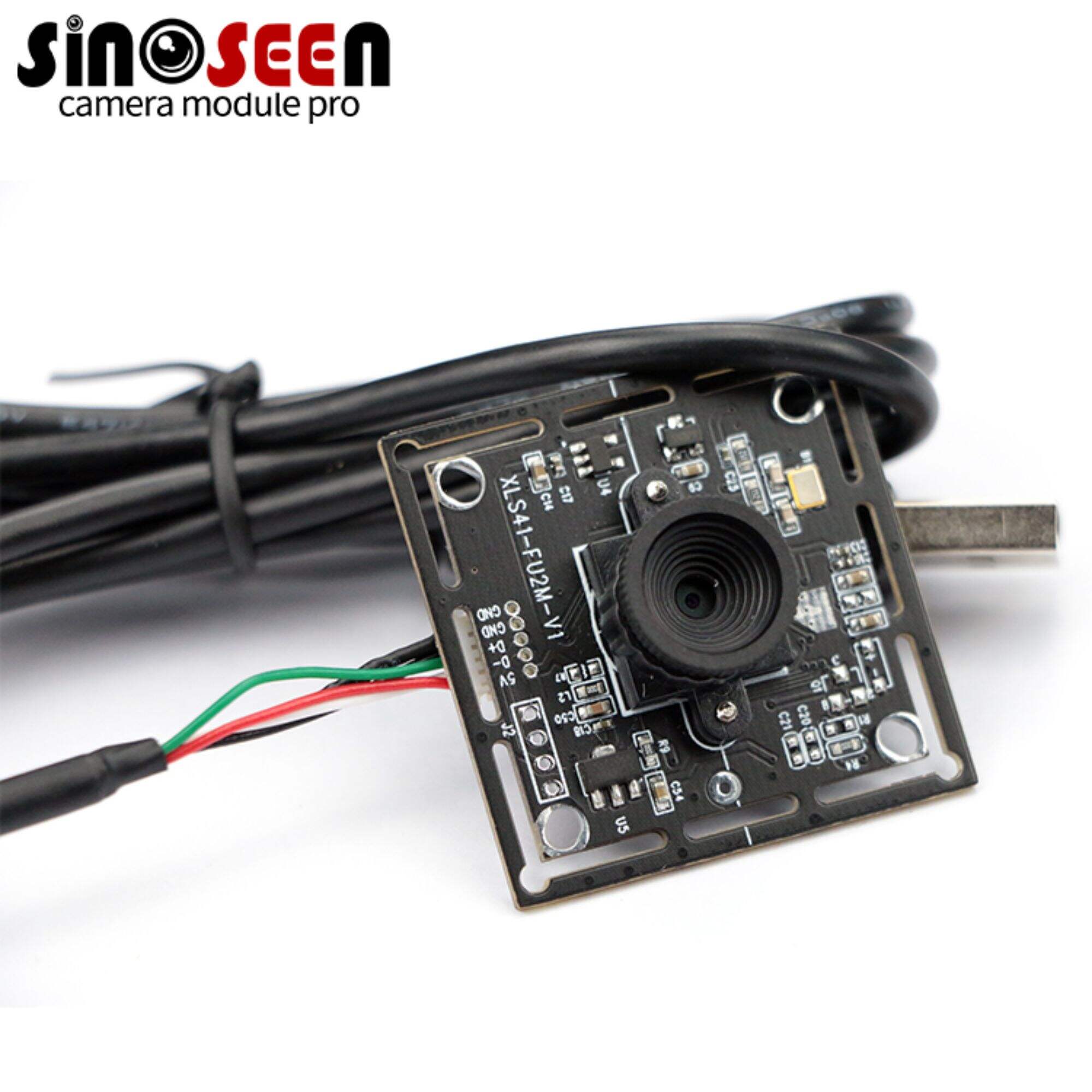
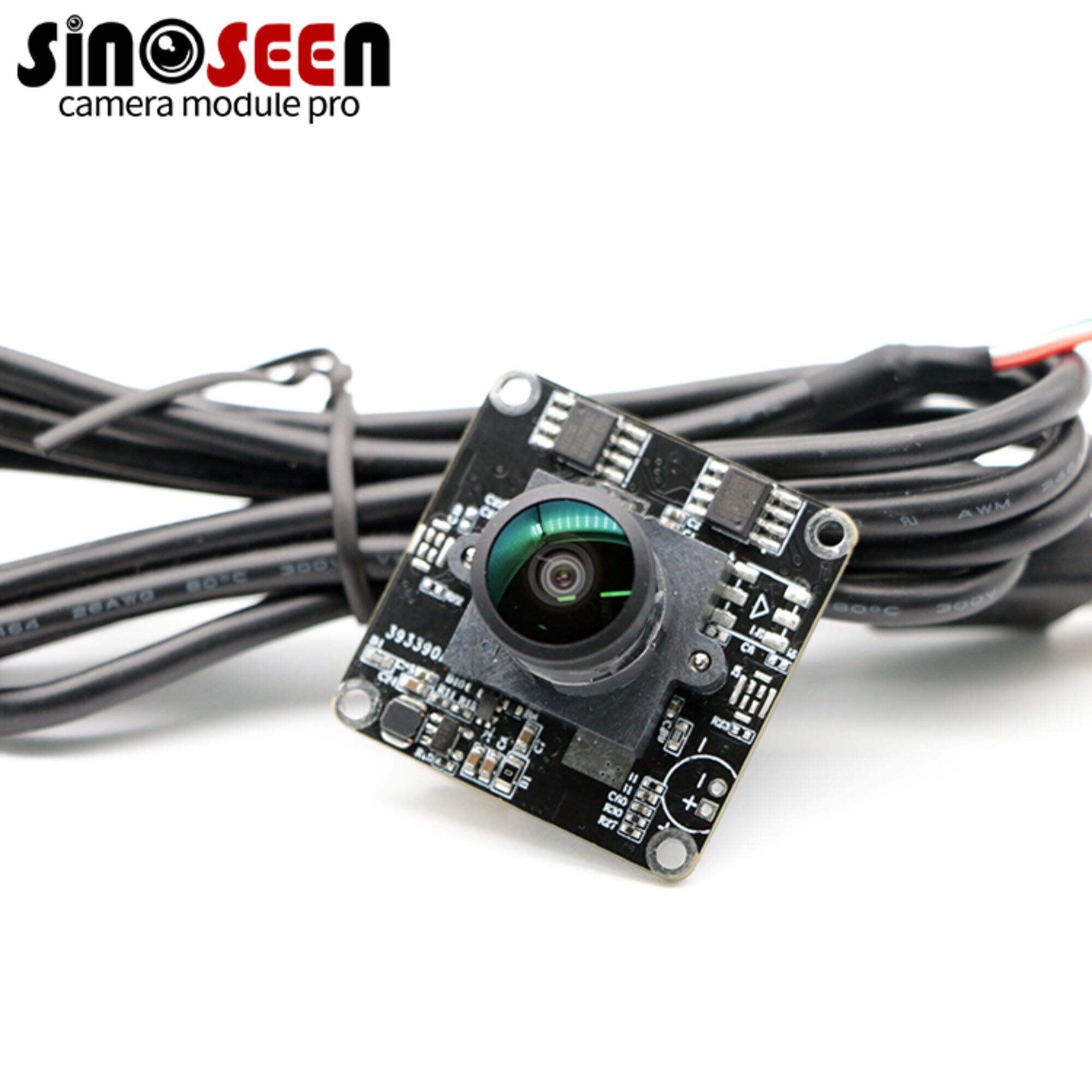
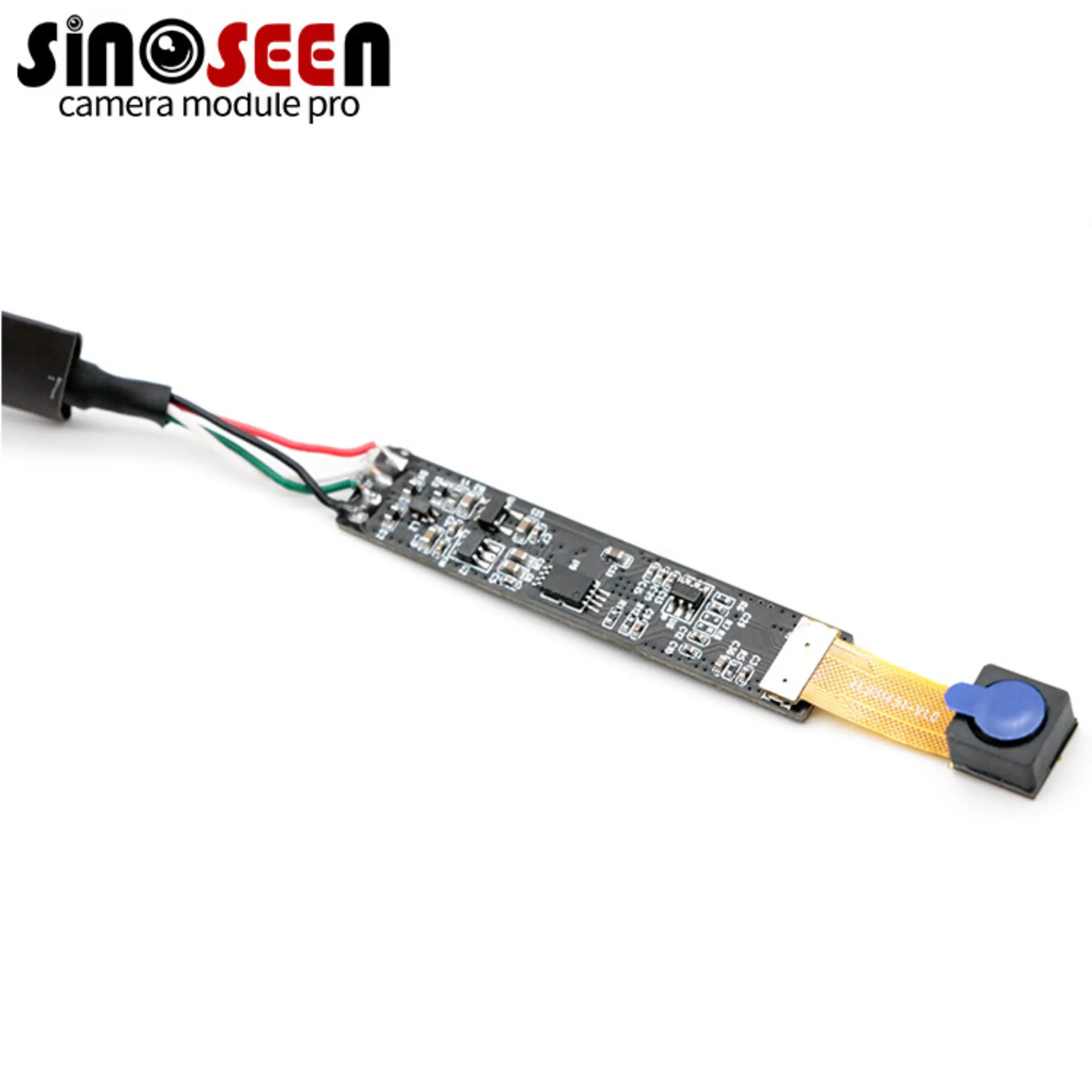
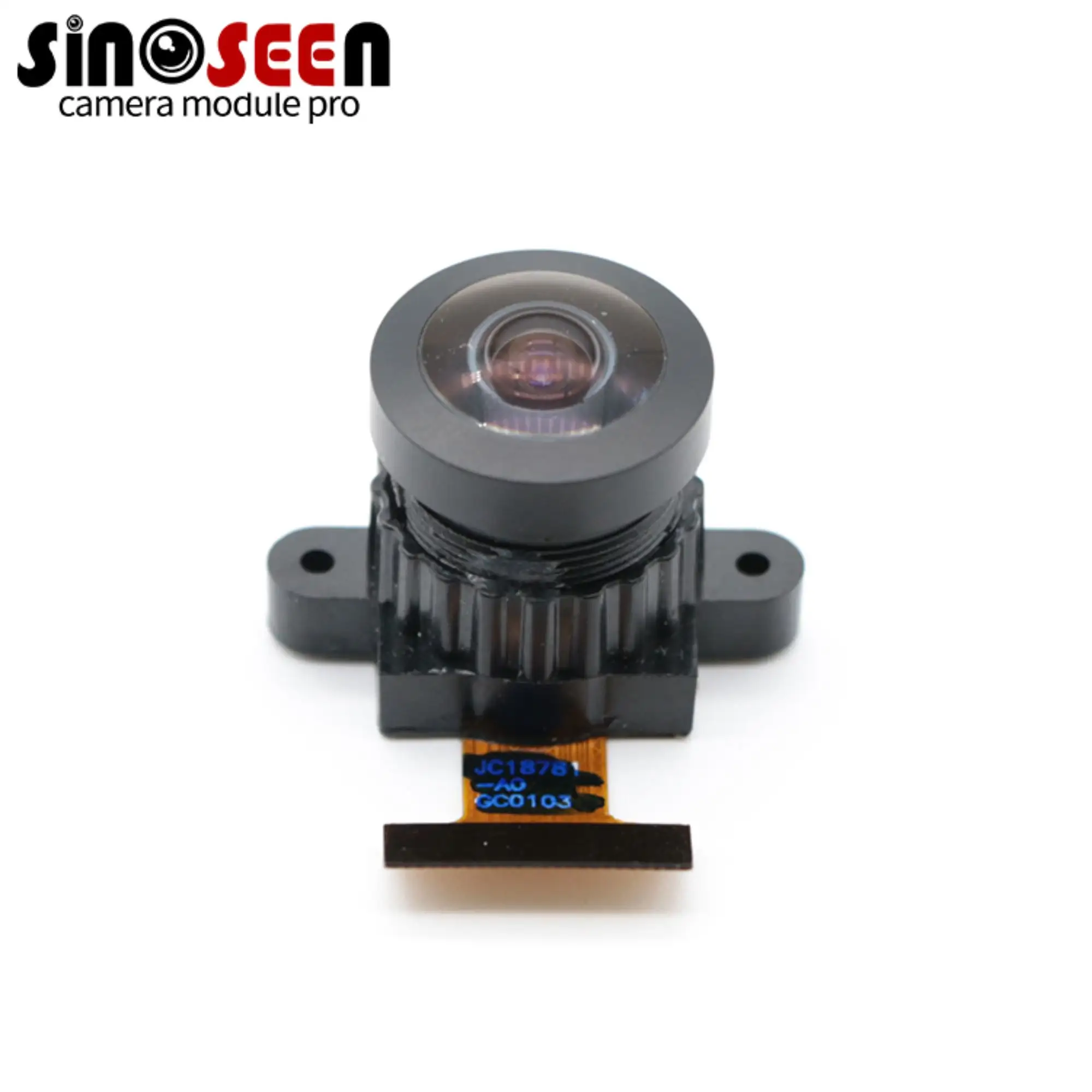
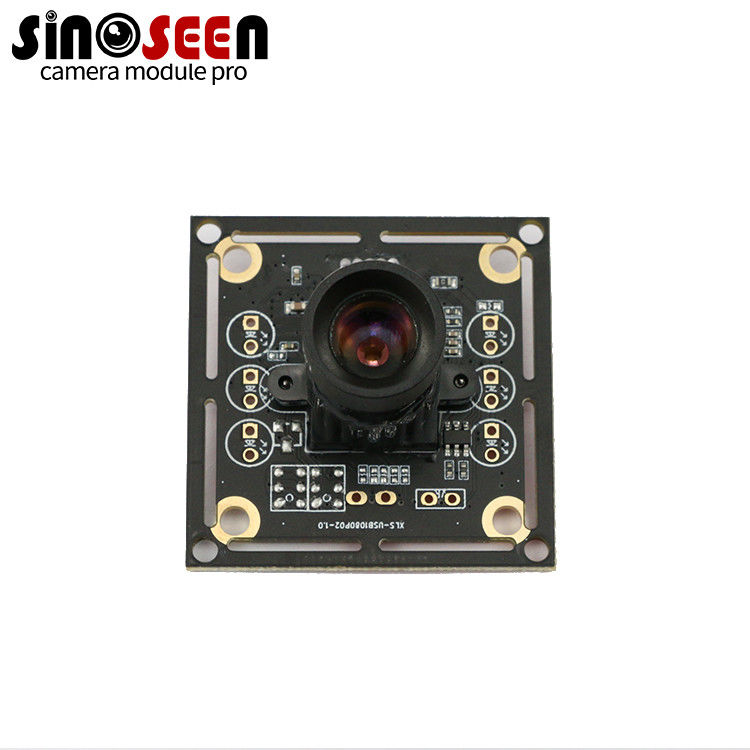
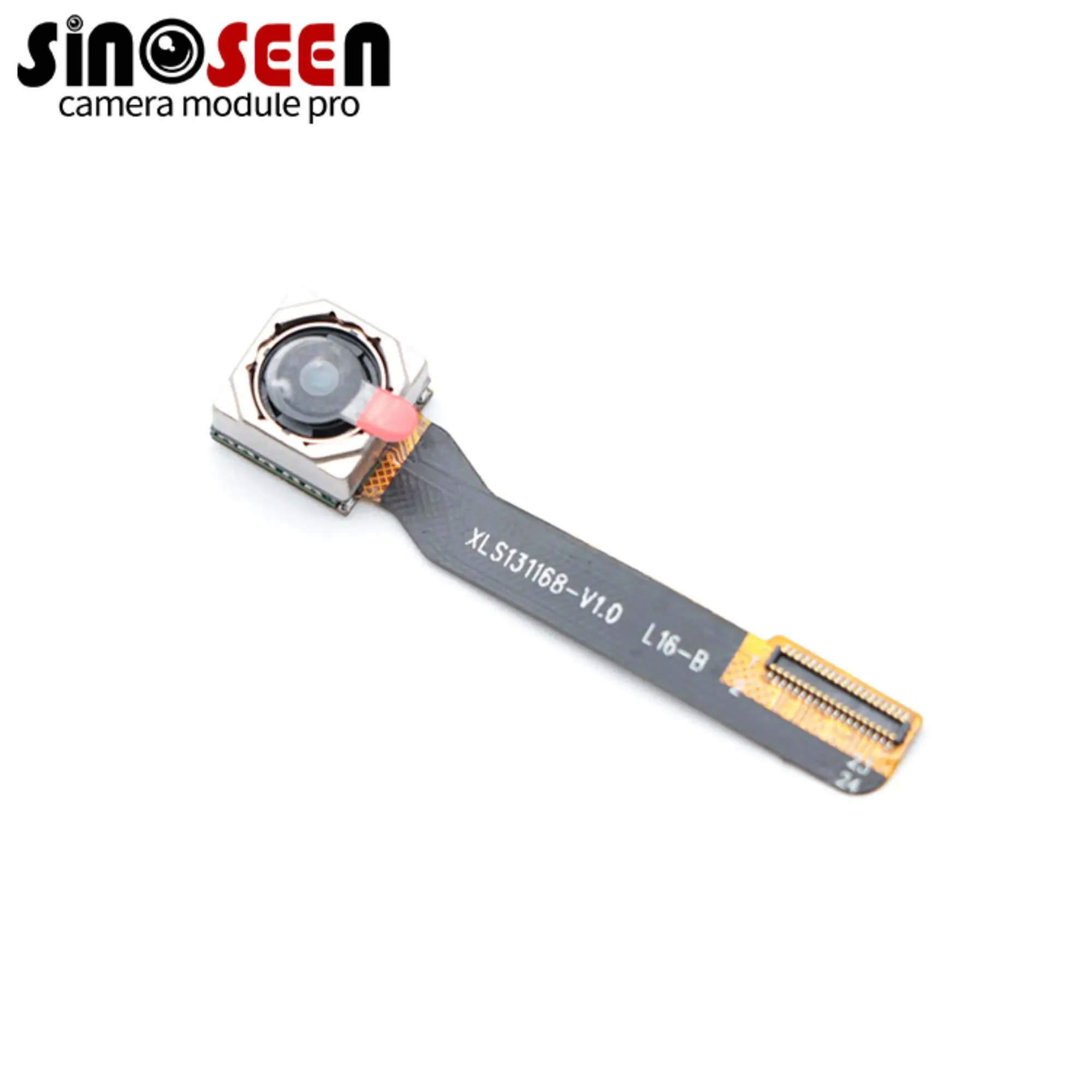
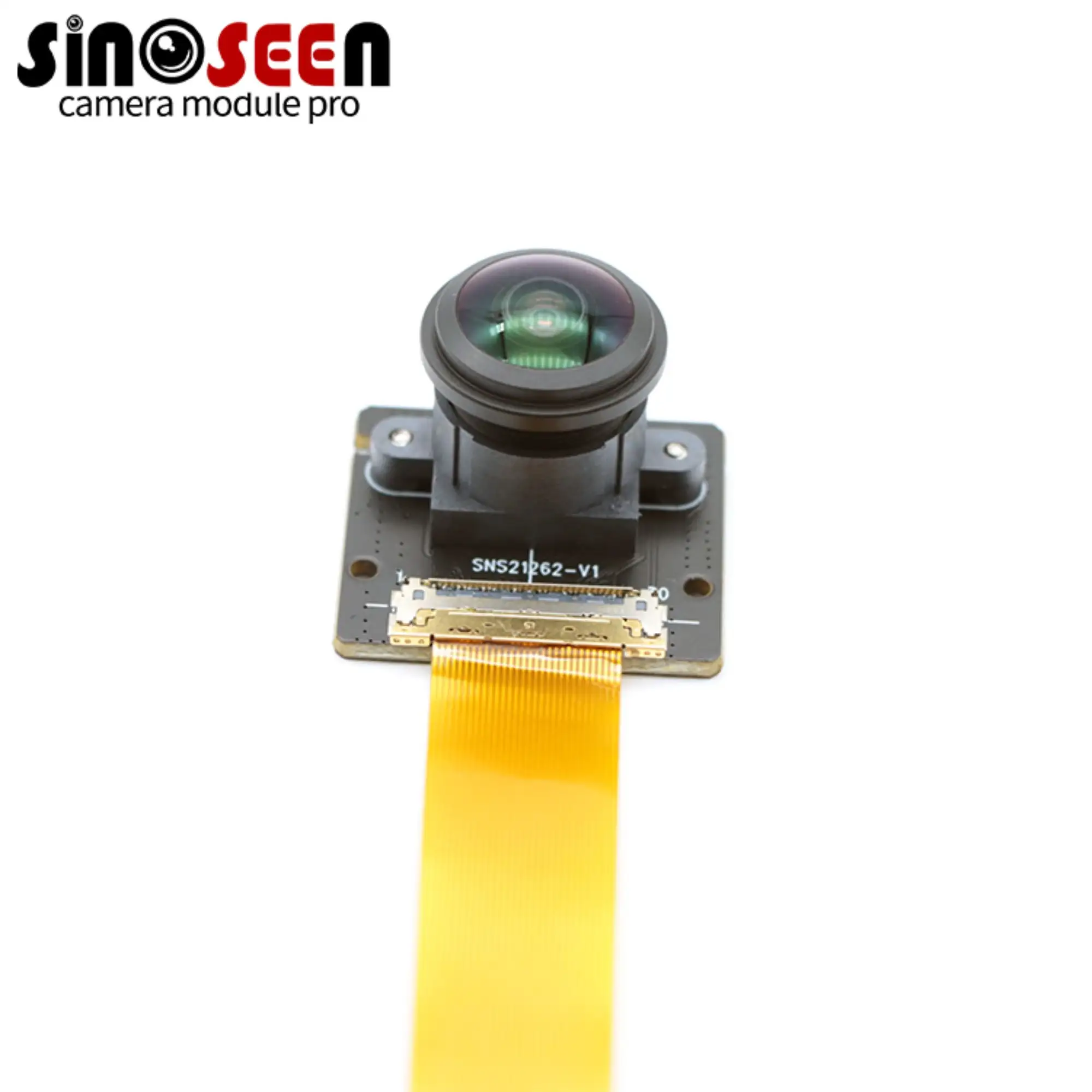
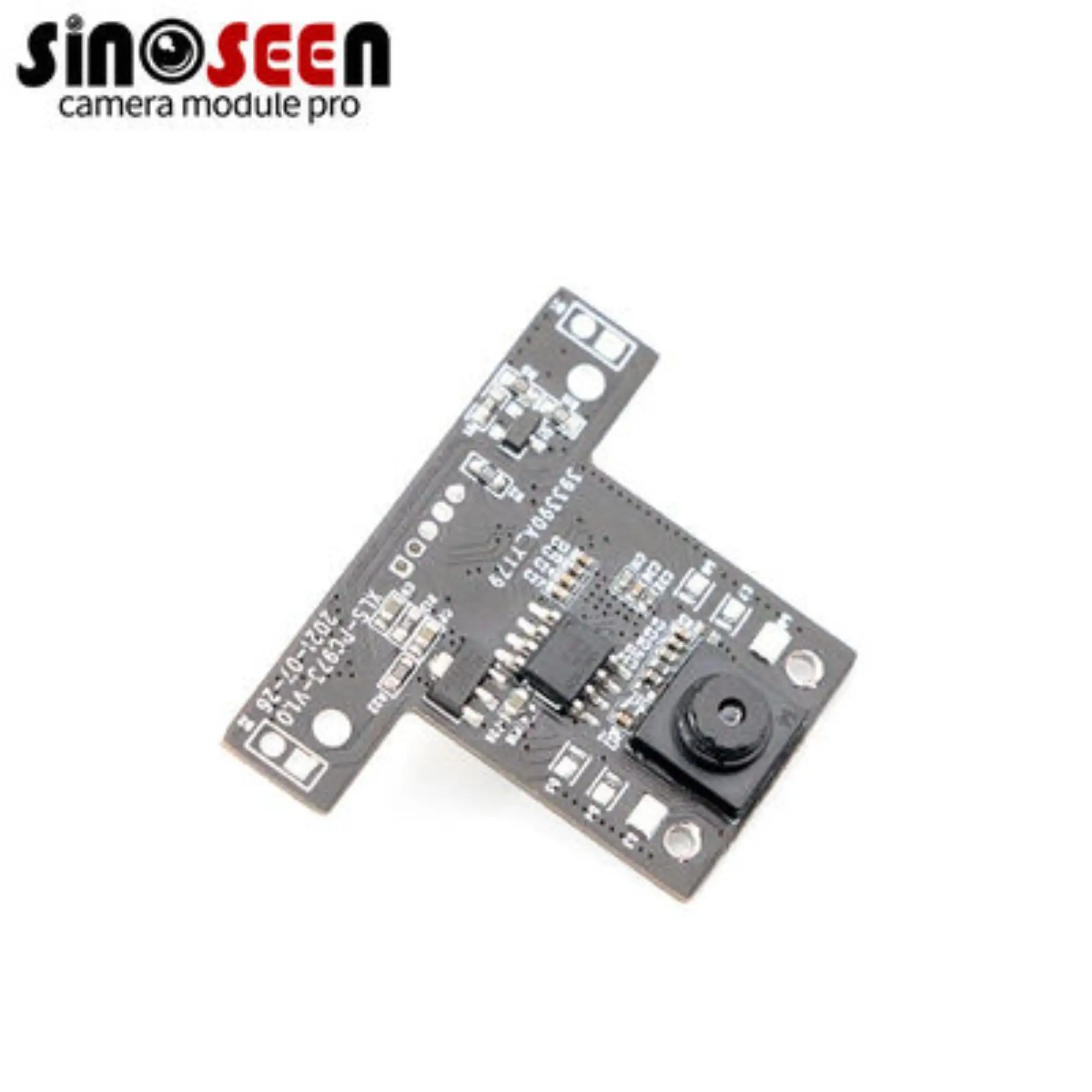
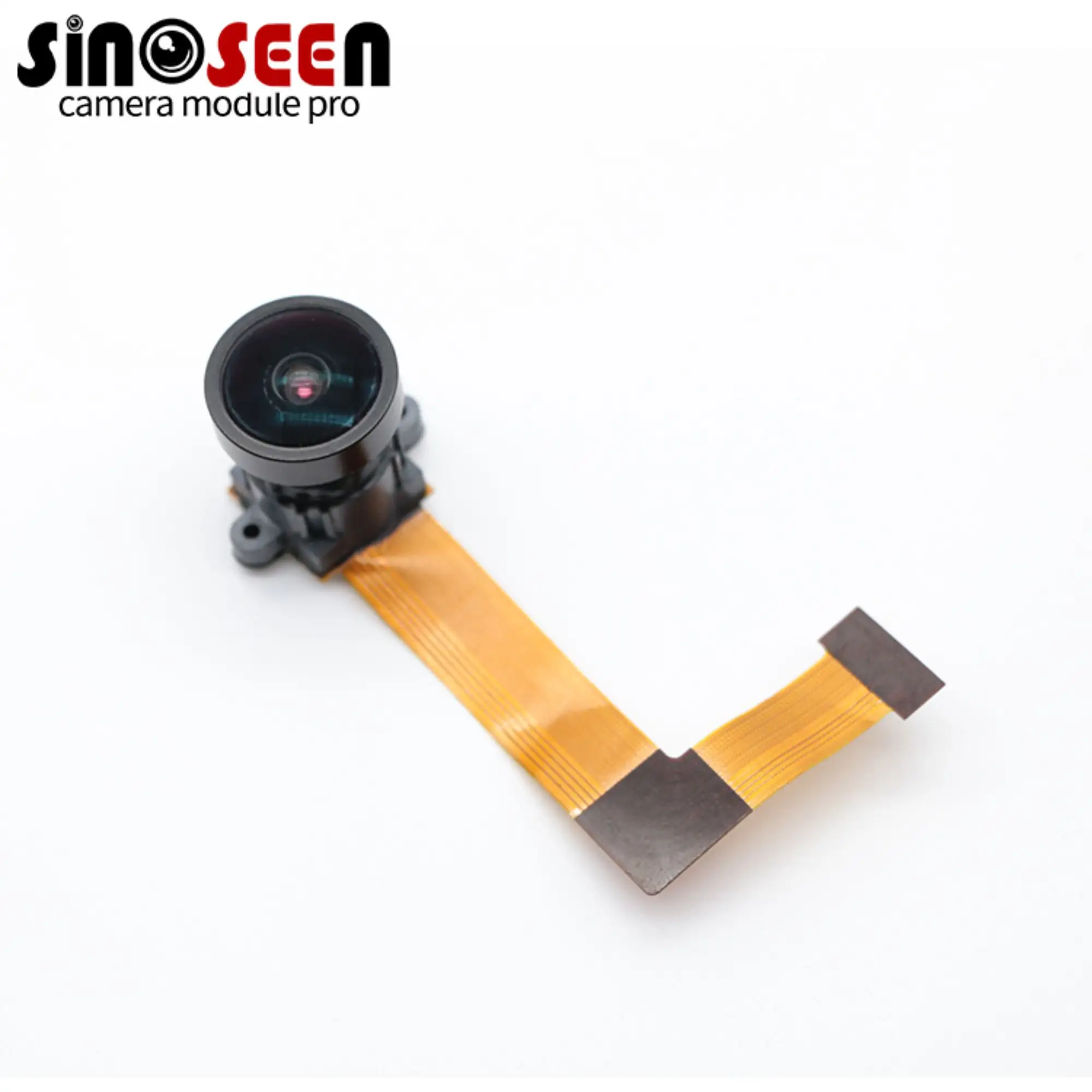
A smart camera module represents a revolutionary integration of advanced imaging technology and artificial intelligence capabilities, designed to transform ordinary devices into intelligent visual systems. These compact yet powerful components combine high-resolution image sensors, sophisticated processing units, and embedded AI algorithms to deliver enhanced visual recognition and analysis capabilities. The smart camera module incorporates multiple technological layers, including optical sensors, image signal processors, machine learning accelerators, and connectivity interfaces, all packaged into a single, space-efficient unit. The primary functions of a smart camera module encompass real-time image capture, automated object detection, facial recognition, motion tracking, and environmental analysis. These modules excel at performing complex visual tasks such as identifying specific objects, recognizing human faces, detecting movement patterns, and analyzing scene composition without requiring external processing power. The technological features that distinguish smart camera modules include advanced image stabilization, low-light performance enhancement, automatic focus adjustment, and built-in noise reduction algorithms. Many smart camera modules also incorporate edge computing capabilities, enabling immediate data processing and decision-making at the device level. Applications for smart camera modules span numerous industries and consumer markets, including security surveillance systems, automotive driver assistance technologies, industrial quality control, healthcare monitoring devices, and smart home automation systems. In retail environments, these modules enable automated checkout processes and inventory management, while in manufacturing settings, they facilitate quality inspection and safety monitoring. The versatility of smart camera modules makes them essential components in modern IoT ecosystems, where visual intelligence drives automation and enhances user experiences across various applications.

New Product Recommendations

Smart camera modules deliver exceptional value through their ability to process visual information locally, eliminating the need for constant cloud connectivity and reducing latency significantly. This edge processing capability ensures immediate responses to visual triggers, making these modules ideal for applications requiring real-time decision-making. Users benefit from enhanced privacy protection since sensitive visual data remains on the device rather than being transmitted to external servers. The compact design of smart camera modules allows seamless integration into existing products without requiring extensive hardware modifications or increased device dimensions. Manufacturers appreciate the cost-effectiveness these modules provide, as they eliminate the need for separate processing units and reduce overall system complexity. Energy efficiency represents another crucial advantage, with smart camera modules consuming minimal power while delivering superior performance compared to traditional camera systems paired with external processors. The built-in artificial intelligence capabilities enable automatic scene optimization, ensuring optimal image quality across varying lighting conditions and environmental factors. Smart camera modules offer remarkable flexibility in deployment, supporting multiple communication protocols and integration methods to suit diverse application requirements. The reliability of these modules stems from their solid-state design and robust construction, ensuring consistent performance in challenging environmental conditions. Users experience enhanced functionality through features like automatic object tracking, intelligent motion detection, and adaptive exposure control that traditional cameras cannot provide. The scalability of smart camera modules allows businesses to implement comprehensive visual monitoring solutions without significant infrastructure investments. Advanced security features protect against unauthorized access and ensure data integrity throughout the imaging process. The user-friendly nature of smart camera modules simplifies installation and configuration, enabling quick deployment across various applications. These modules support continuous learning capabilities, improving their performance over time through exposure to different scenarios and environments. The standardized interfaces and protocols used by smart camera modules facilitate easy integration with existing systems and future upgrades.

Tips And Tricks

Why Choose a High-Performance Embedded Camera Module for AI Applications?

02

Mar

Why Choose a High-Performance Embedded Camera Module for AI Applications?

Artificial intelligence applications demand precision, speed, and reliability in their visual data acquisition systems. An embedded camera module serves as the critical foundation for AI-powered devices, from autonomous vehicles to smart manufacturin...
View More
 How to Select the Right AI Camera Module for Facial Recognition Systems?

02

Mar

How to Select the Right AI Camera Module for Facial Recognition Systems?

Selecting the appropriate AI camera module for facial recognition systems represents a critical decision that directly impacts system performance, accuracy, and overall operational efficiency. Modern facial recognition applications demand sophisticat...
View More
How to Optimize Low-Light Performance in Custom Camera Module Designs?

02

Mar

How to Optimize Low-Light Performance in Custom Camera Module Designs?

Custom camera module designs face unique challenges when operating in environments with minimal illumination, making low-light performance optimization a critical engineering consideration. Modern applications ranging from security surveillance to au...
View More
How to Integrate a Small Camera Module into Compact Medical Devices?

02

Mar

How to Integrate a Small Camera Module into Compact Medical Devices?

Medical device miniaturization continues to revolutionize healthcare, enabling less invasive procedures and improved patient outcomes. When designing compact medical equipment, integrating a small camera module requires careful consideration of space...
View More

Get In Touch

smart camera module

Revolutionary Edge AI Processing Technology

Revolutionary Edge AI Processing Technology

The most compelling feature of modern smart camera modules lies in their revolutionary edge AI processing technology, which fundamentally transforms how visual data is captured, analyzed, and utilized in real-time applications. This cutting-edge technology embeds sophisticated artificial intelligence algorithms directly within the camera module hardware, enabling immediate processing of visual information without relying on external computing resources or cloud connectivity. The edge AI processing capability represents a paradigm shift from traditional imaging systems that merely capture images to intelligent systems that understand and interpret visual content instantaneously. This technology incorporates advanced neural network architectures optimized for visual recognition tasks, including convolutional neural networks and deep learning models specifically designed for efficient operation within the constraints of compact hardware. The processing power enables complex operations such as multi-object detection, facial recognition with liveness detection, behavioral analysis, and environmental condition assessment, all performed locally within the smart camera module itself. Users benefit tremendously from this technology through dramatically reduced response times, enhanced privacy protection, and decreased bandwidth requirements. The elimination of cloud dependency ensures consistent performance regardless of internet connectivity status, making these modules reliable for critical applications in remote locations or environments with limited network access. The edge processing capability also significantly reduces operational costs by minimizing data transmission requirements and eliminating the need for expensive cloud computing services. Furthermore, this technology enables sophisticated features like real-time video analytics, automatic alert generation, and intelligent filtering of relevant events, providing users with actionable insights rather than raw video footage. The continuous evolution of edge AI processing technology ensures that smart camera modules become increasingly capable over time, with regular firmware updates introducing new recognition capabilities and performance improvements without requiring hardware replacements.
Advanced Multi-Spectrum Imaging Capabilities

Advanced Multi-Spectrum Imaging Capabilities

Smart camera modules distinguish themselves through advanced multi-spectrum imaging capabilities that extend far beyond conventional visible light photography, opening new possibilities for applications across diverse industries and use cases. This sophisticated imaging technology incorporates multiple sensor types and specialized optical components to capture visual information across various electromagnetic spectrums, including infrared, near-infrared, and ultraviolet ranges. The multi-spectrum approach enables smart camera modules to function effectively in challenging lighting conditions, from complete darkness to extremely bright environments, ensuring consistent image quality and recognition accuracy regardless of environmental factors. These capabilities prove invaluable in security applications where 24-hour monitoring is essential, allowing the smart camera module to seamlessly transition between daylight and nighttime operation without compromising performance. The thermal imaging components integrated into advanced smart camera modules enable temperature monitoring and heat signature detection, making them indispensable for industrial safety applications, medical diagnostics, and energy efficiency monitoring. The sophisticated sensor fusion technology combines data from multiple spectrum sources to create comprehensive scene understanding, enabling the smart camera module to distinguish between different materials, detect hidden objects, and identify potential hazards that would be invisible to standard cameras. Users benefit from this advanced imaging technology through enhanced security capabilities, improved safety monitoring, and access to previously unavailable visual information. The multi-spectrum imaging capabilities also enable specialized applications such as agricultural monitoring, where different spectral bands can reveal plant health, soil conditions, and irrigation needs. In healthcare settings, these capabilities support non-invasive monitoring and diagnostic applications, while in industrial environments, they facilitate quality control processes that require material composition analysis. The integration of advanced image processing algorithms optimizes the multi-spectrum data to deliver clear, actionable visual information while maintaining the compact form factor that makes smart camera modules practical for widespread deployment.
Seamless Integration and Scalability Framework

Seamless Integration and Scalability Framework

The seamless integration and scalability framework of smart camera modules represents a crucial advantage that enables businesses and developers to implement comprehensive visual intelligence solutions efficiently and cost-effectively across various scales and applications. This framework encompasses standardized hardware interfaces, universal software protocols, and flexible configuration options that simplify the deployment process while ensuring compatibility with existing systems and future expansions. The smart camera module design incorporates multiple connectivity options, including USB, Ethernet, WiFi, and specialized industrial protocols, allowing seamless integration with diverse host systems ranging from embedded devices to enterprise-level infrastructure. The standardized API architecture enables developers to quickly incorporate smart camera module functionality into their applications without extensive custom development work, significantly reducing time-to-market for new products and solutions. The scalability framework supports everything from single-unit implementations to large-scale deployments involving hundreds or thousands of smart camera modules, with centralized management capabilities that streamline configuration, monitoring, and maintenance tasks. Users benefit from the flexibility to start with small-scale implementations and expand their systems gradually as needs evolve, without requiring complete system overhauls or compatibility concerns. The modular architecture allows for easy customization of smart camera module functionality to meet specific application requirements while maintaining standardized interfaces for consistent integration experiences. The framework supports advanced features like automatic device discovery, plug-and-play installation, and over-the-air updates that minimize maintenance overhead and ensure systems remain current with the latest capabilities. The comprehensive documentation and development tools provided with the integration framework enable rapid prototyping and deployment, while extensive testing and validation procedures ensure reliable operation across diverse environments. The scalability framework also incorporates robust security measures, including encrypted communications, secure authentication protocols, and access control mechanisms that protect smart camera module deployments from unauthorized access and data breaches. This comprehensive approach to integration and scalability makes smart camera modules accessible to organizations of all sizes while providing the flexibility needed to support evolving requirements and technological advancements.

Related Search

Get in touch