Innovative Camera Modules for Every Application | Sinoseen

All Categories

compact camera board module

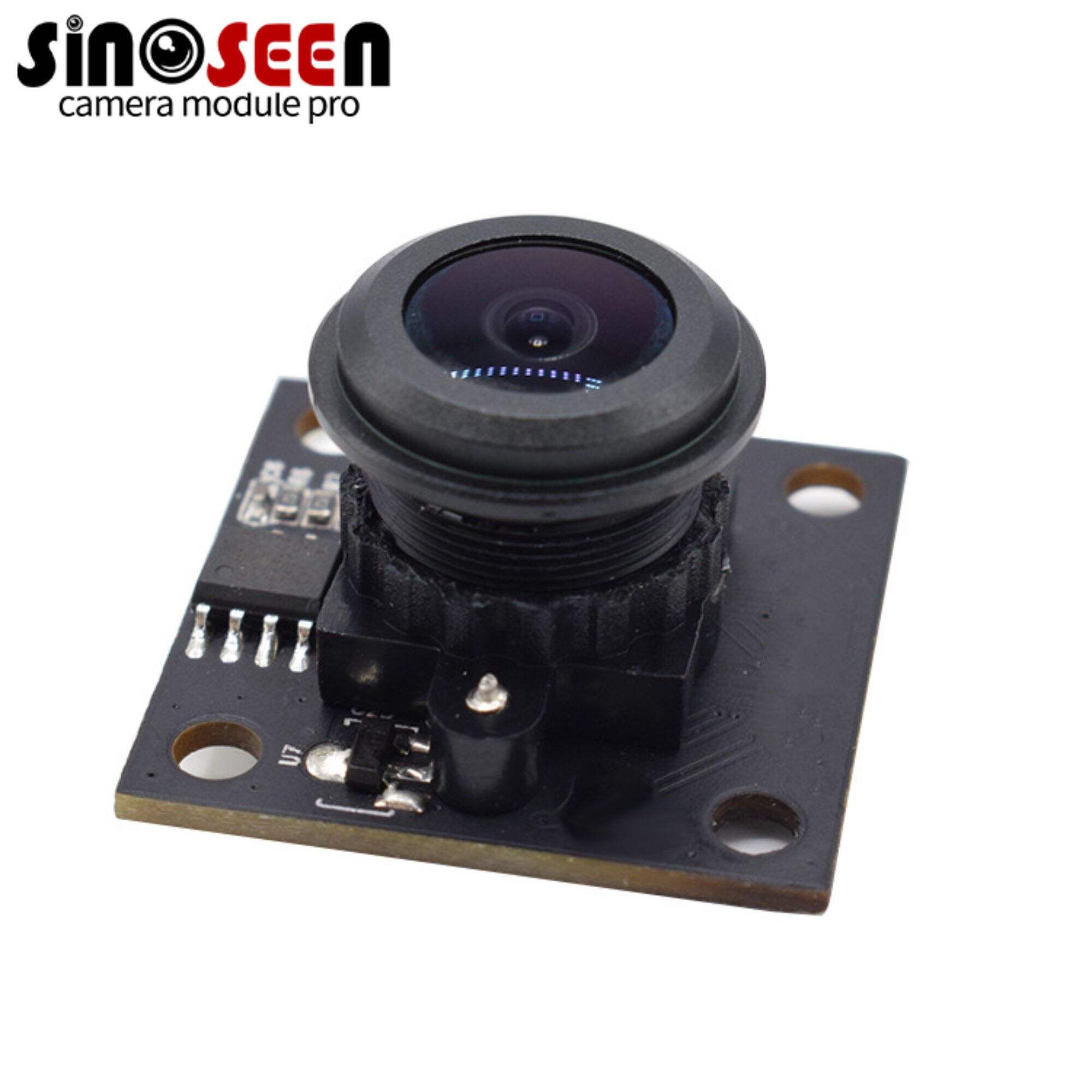
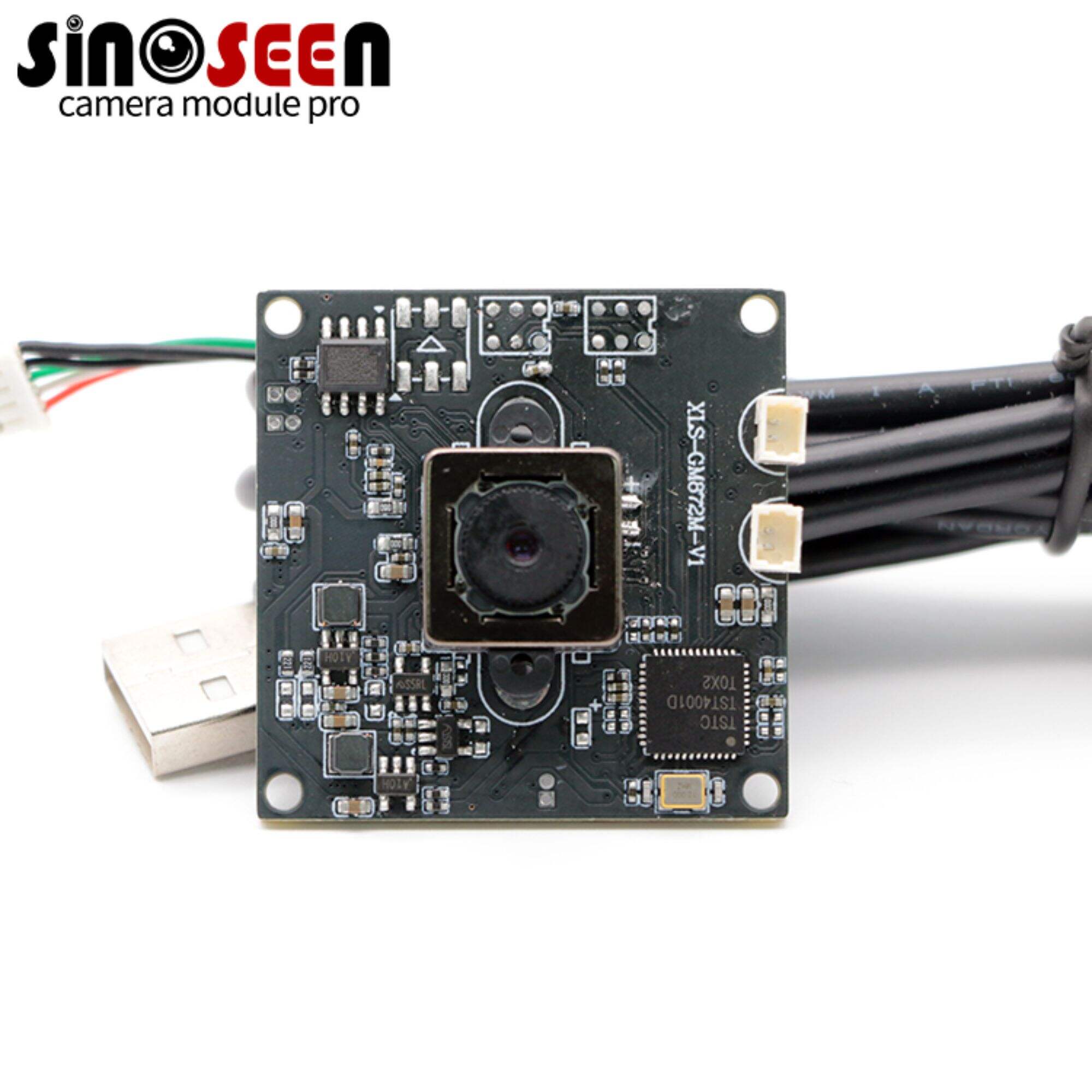
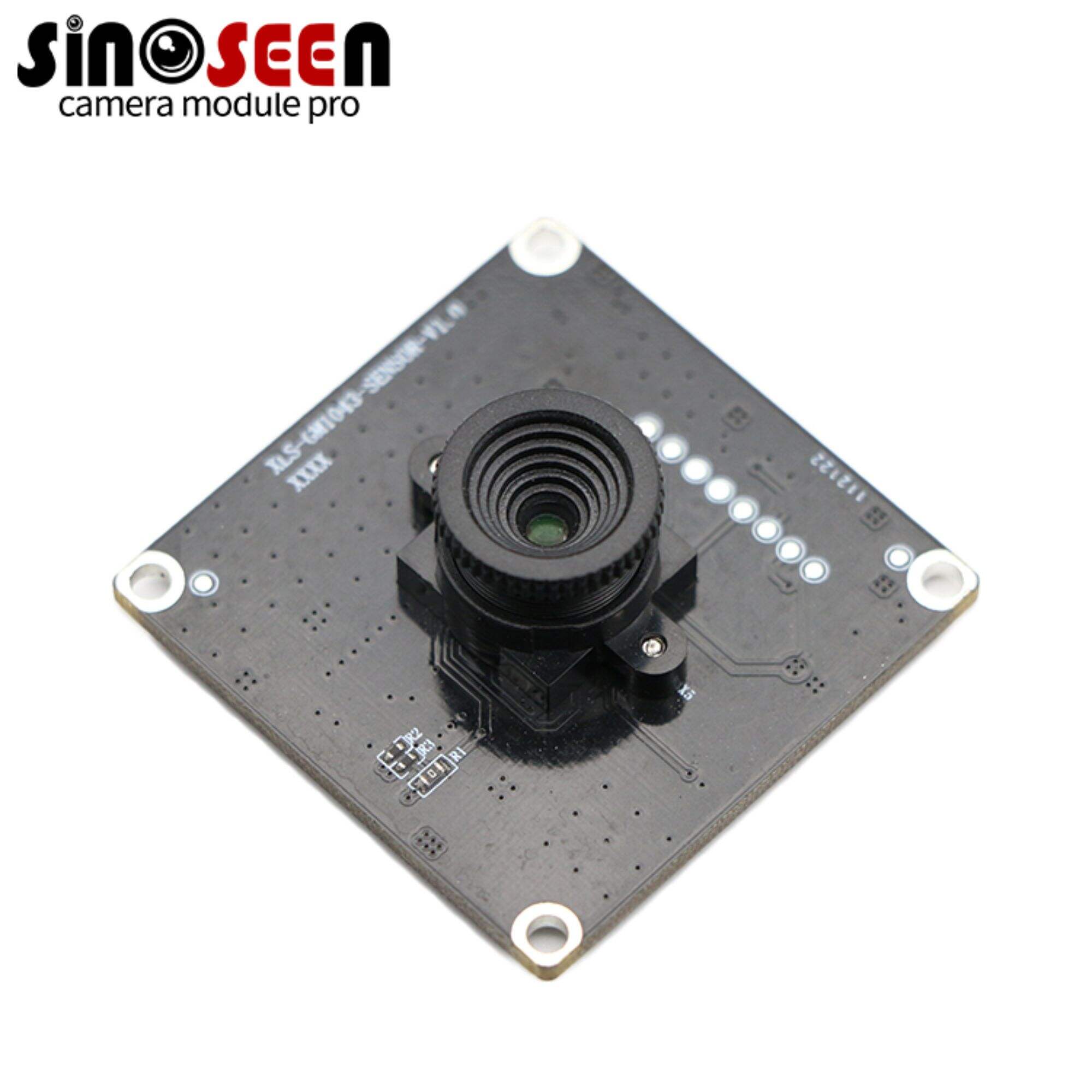
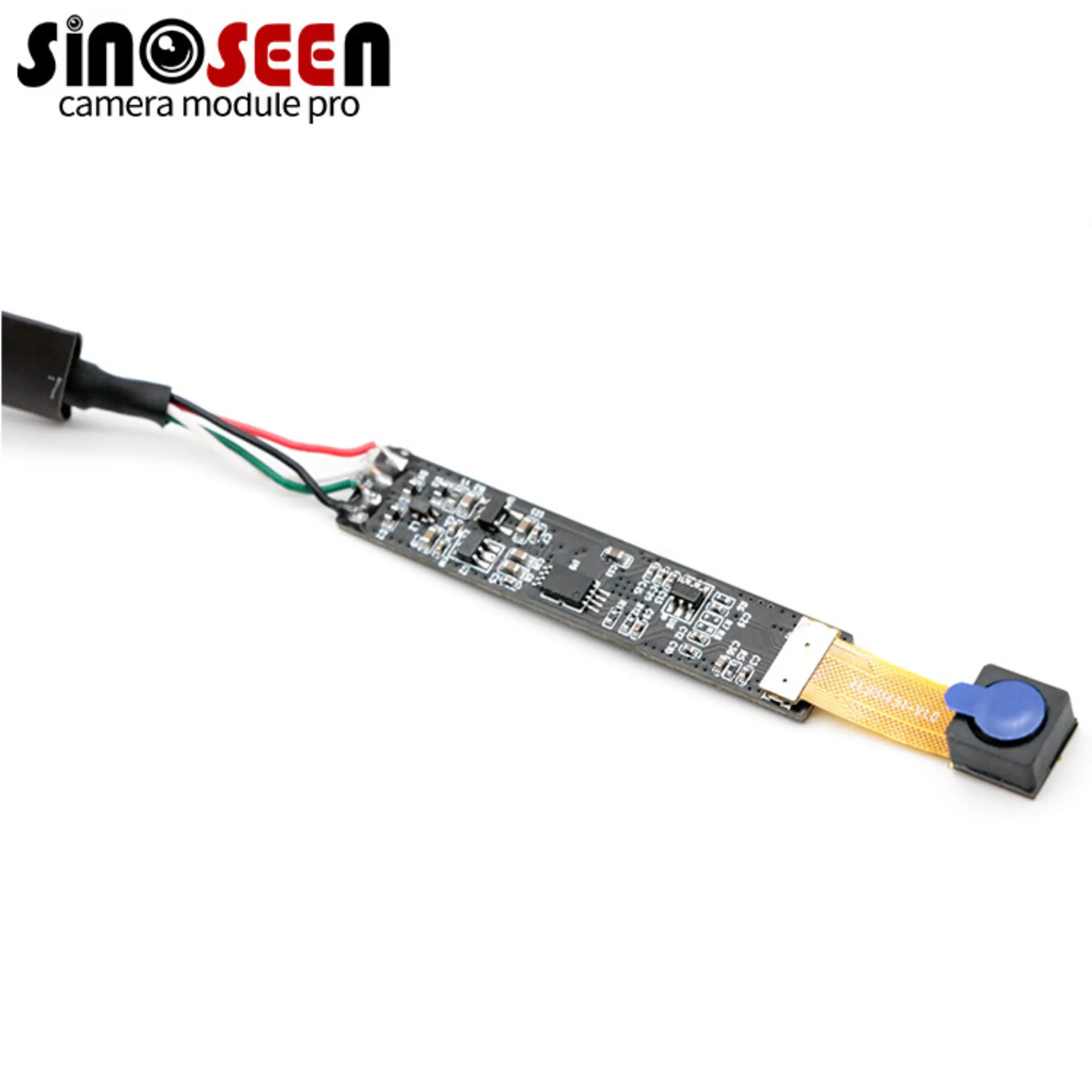
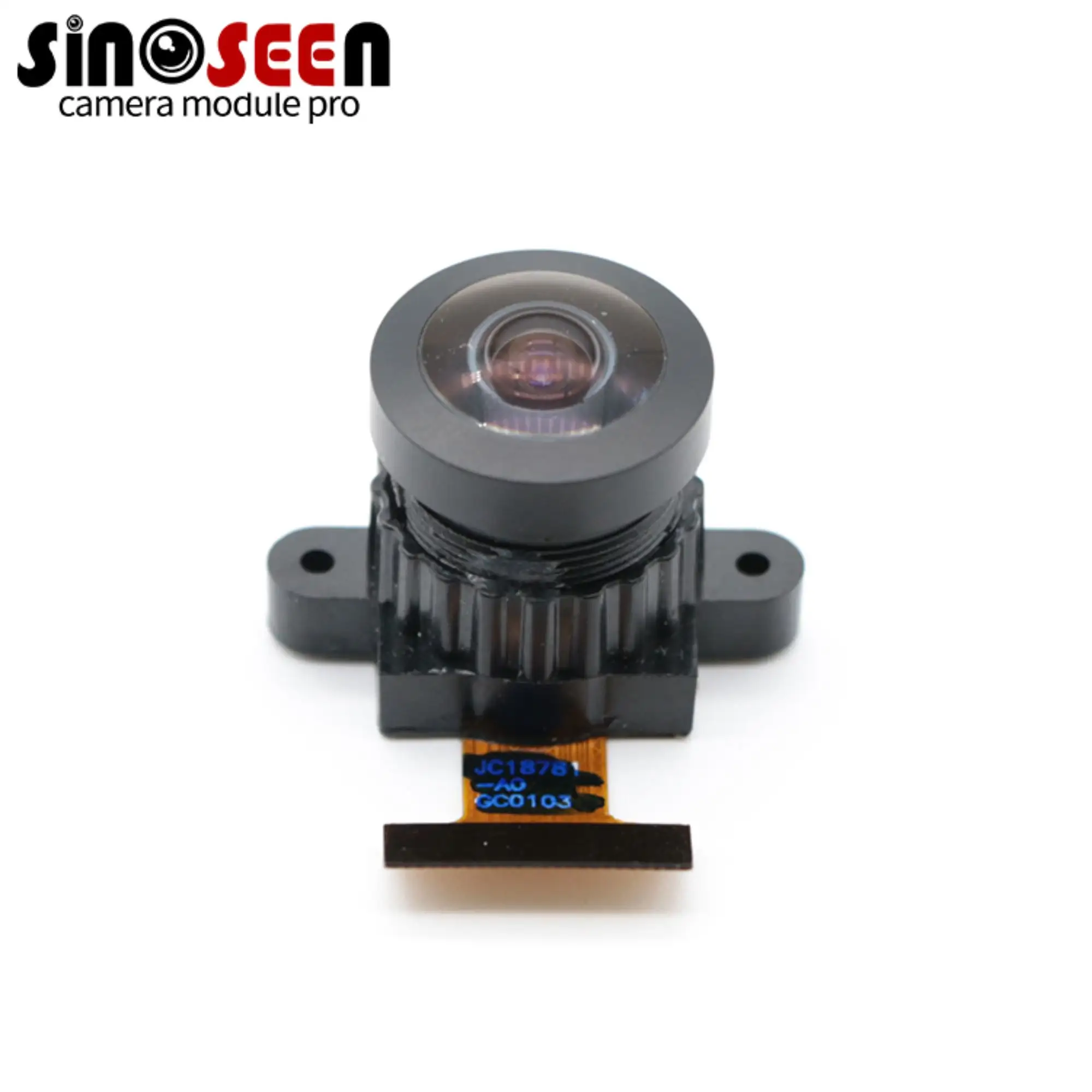
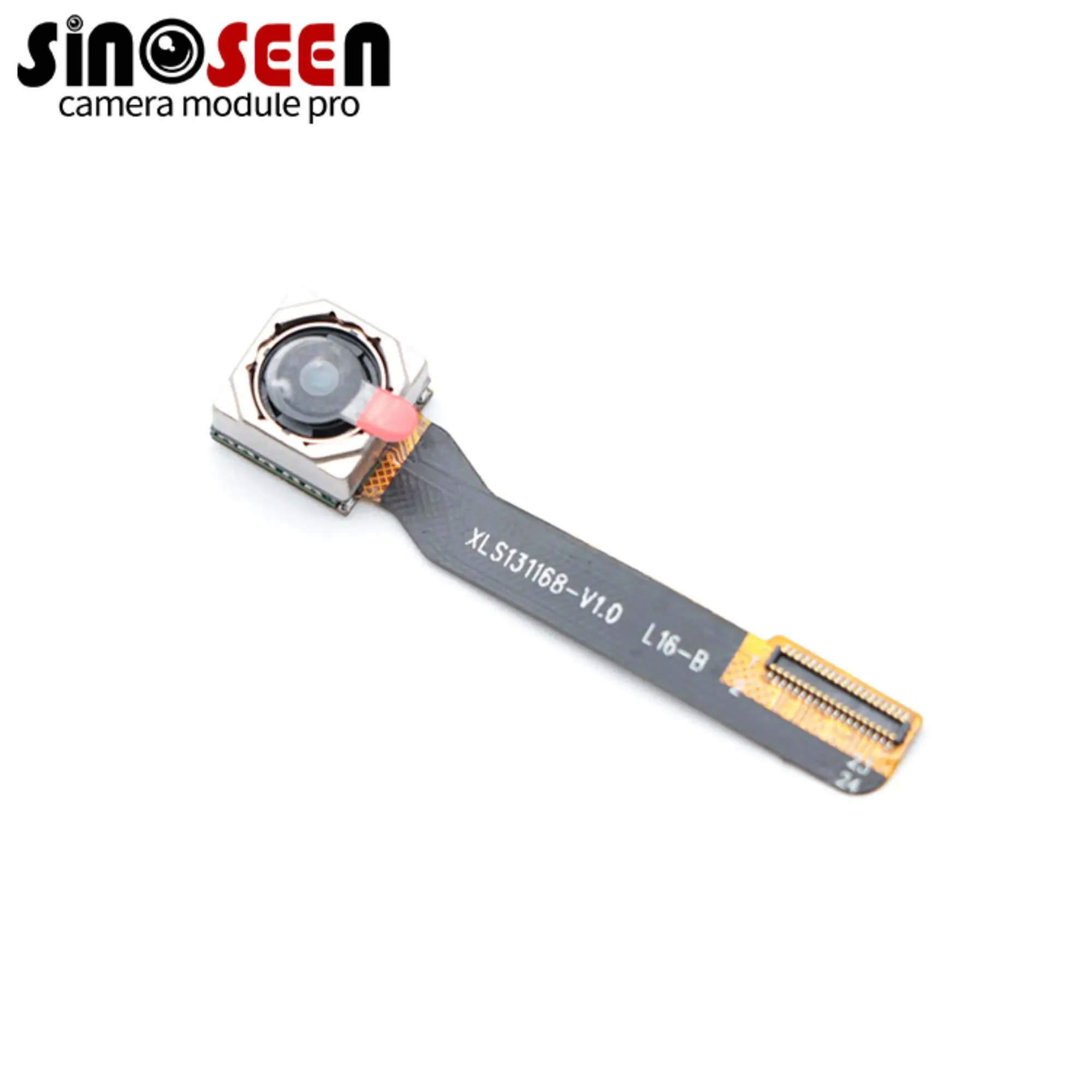
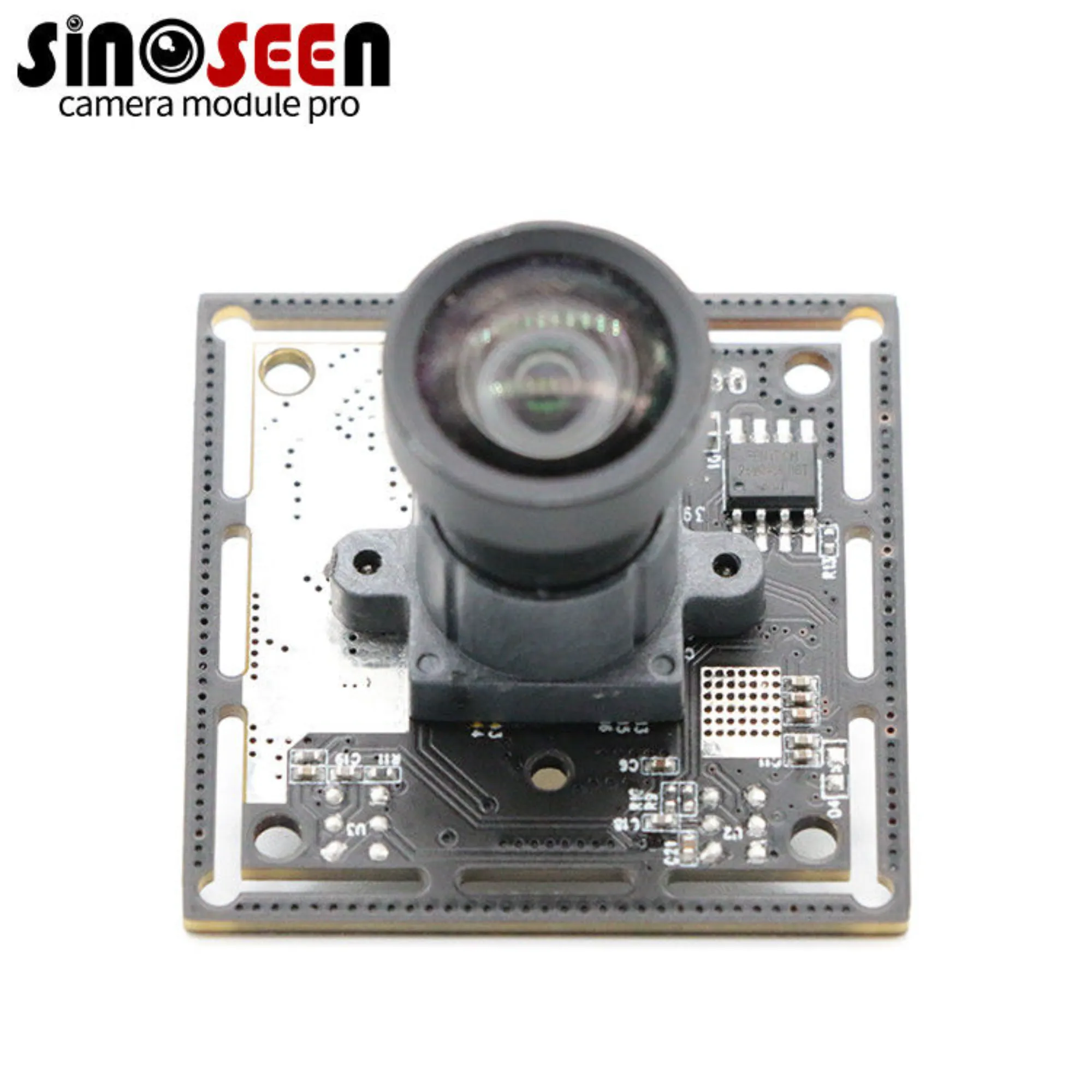
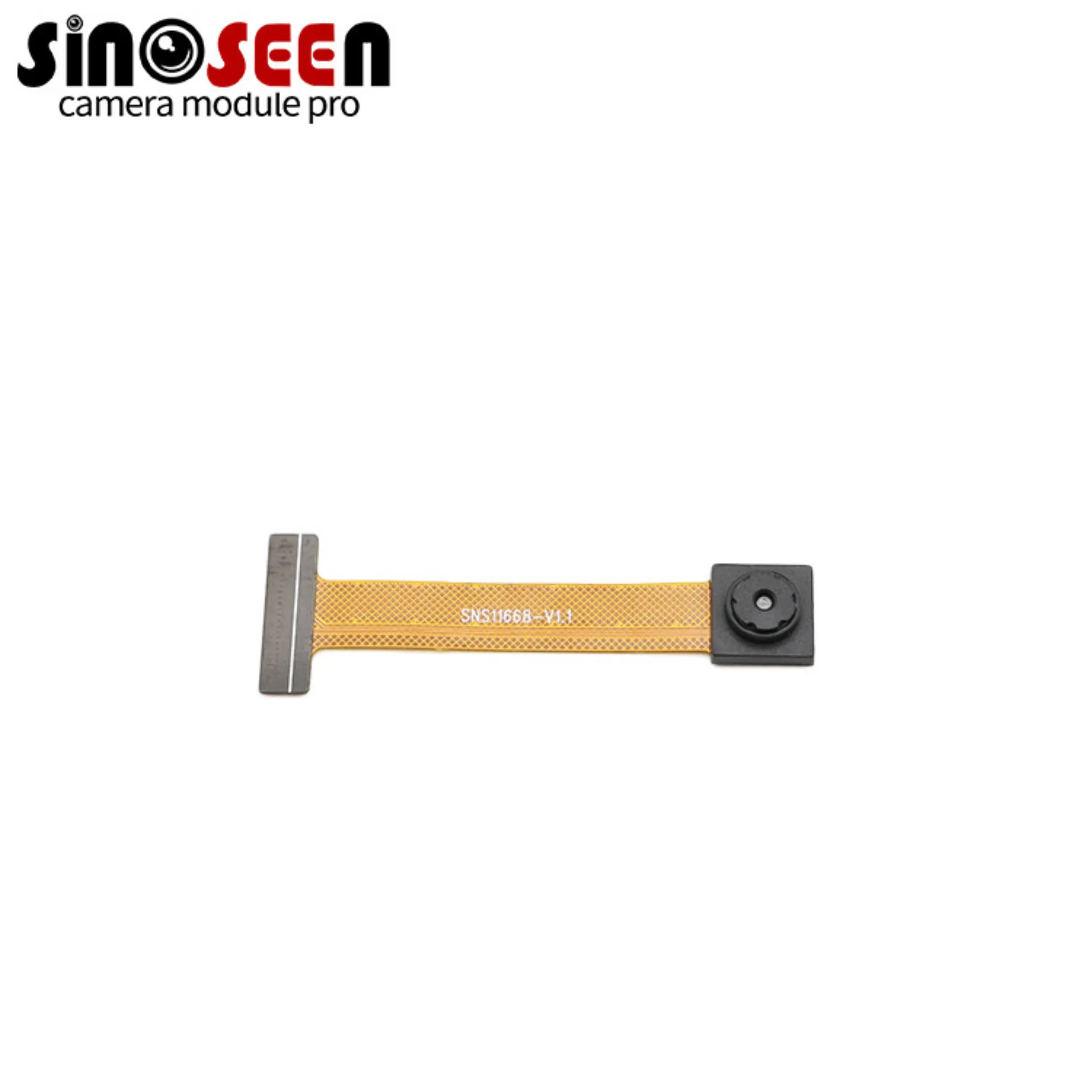
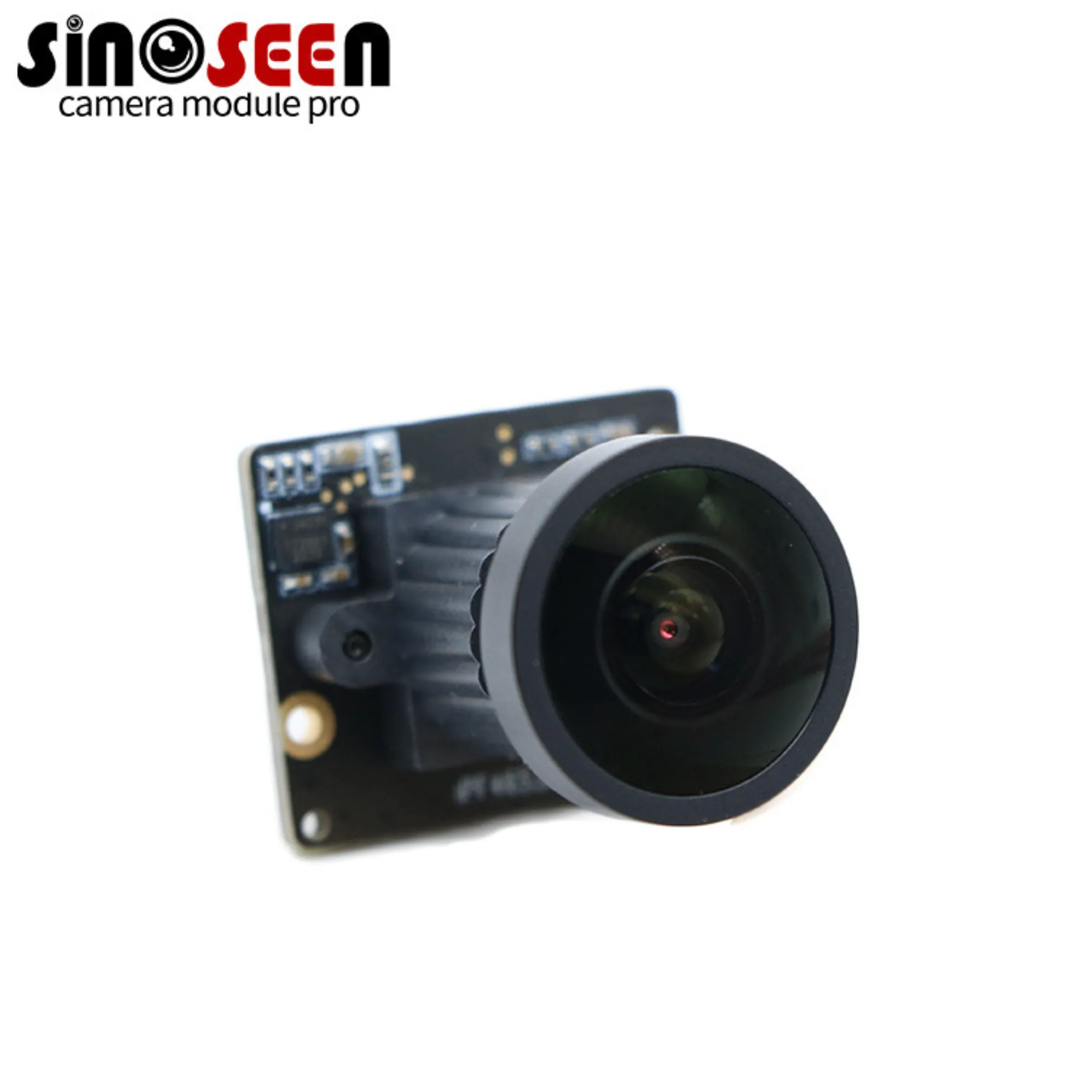
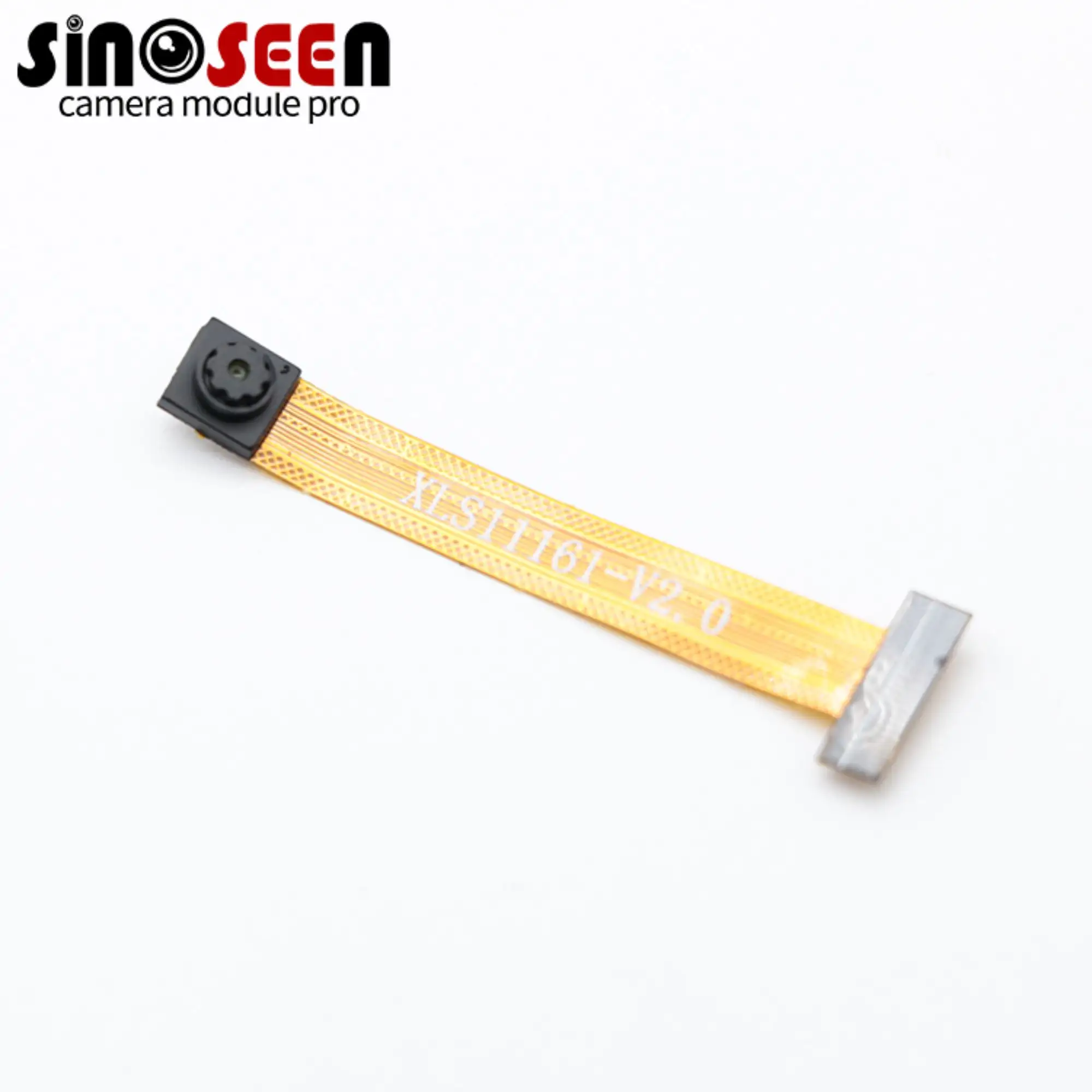
The compact camera board module represents a revolutionary advancement in modern imaging technology, offering a sophisticated yet space-efficient solution for diverse visual capture applications. This miniaturized electronic component integrates essential camera functionality into a remarkably small form factor, making it an ideal choice for developers and manufacturers seeking to incorporate high-quality imaging capabilities into their products without compromising on space or performance. The compact camera board module combines cutting-edge sensor technology with optimized processing components, delivering exceptional image quality while maintaining minimal power consumption and thermal footprint. These modules typically feature advanced CMOS or CCD sensors that capture crisp, detailed images and smooth video footage across various lighting conditions. The integrated image signal processor handles real-time data processing, ensuring optimal color reproduction, noise reduction, and dynamic range enhancement. Modern compact camera board modules support multiple resolution options, ranging from standard definition to ultra-high-definition formats, accommodating diverse application requirements. The technological architecture incorporates sophisticated autofocus mechanisms, automatic exposure control, and white balance adjustment, enabling consistent image quality across different environmental conditions. Many modules include built-in stabilization features that compensate for vibrations and movement, ensuring sharp image capture even in challenging operational scenarios. The compact design philosophy extends beyond physical dimensions to include streamlined connectivity options, with standard interfaces such as MIPI CSI, USB, and Ethernet enabling seamless integration with host systems. These modules are engineered for reliability and longevity, featuring robust construction materials and protective housings that withstand environmental stresses while maintaining optimal performance. The versatility of compact camera board modules makes them suitable for numerous applications, including surveillance systems, automotive safety solutions, medical imaging devices, industrial inspection equipment, robotics platforms, and consumer electronics products where space constraints and performance requirements intersect.

New Products

The compact camera board module delivers substantial practical benefits that make it an exceptional choice for modern imaging applications. First and foremost, the space-saving design allows manufacturers to integrate professional-grade imaging capabilities into products where traditional camera systems would be prohibitively large. This miniaturization advantage opens new possibilities for product development, enabling innovative designs that were previously impossible due to size constraints. The plug-and-play functionality of these modules significantly reduces development time and costs, as engineers can focus on their core product features rather than developing complex imaging systems from scratch. The standardized interfaces and comprehensive documentation provided with compact camera board modules ensure smooth integration processes, minimizing technical challenges and accelerating time-to-market for new products. Energy efficiency stands as another crucial advantage, with these modules consuming minimal power while delivering high-performance imaging capabilities. This efficiency translates directly into longer battery life for portable devices and reduced operational costs for continuous-use applications. The cost-effectiveness of compact camera board modules becomes apparent when considering the complete solution they provide, eliminating the need for separate components and reducing assembly complexity. Quality assurance comes built-in, as reputable manufacturers subject these modules to rigorous testing protocols, ensuring consistent performance across production batches. The scalability offered by compact camera board modules allows businesses to implement imaging solutions across multiple product lines without significant re-engineering efforts. Maintenance requirements remain minimal due to the solid-state nature of the technology and protective enclosures that shield sensitive components from environmental factors. Technical support and firmware updates are typically provided by module manufacturers, reducing the burden on end-product developers and ensuring long-term performance optimization. The flexibility of these modules accommodates various mounting options and orientations, making them adaptable to diverse mechanical designs and installation requirements. Additionally, the standardized nature of compact camera board modules creates opportunities for future upgrades and replacements without requiring complete system redesigns, providing a sustainable approach to product development that protects initial investments while enabling continuous improvement.

Tips And Tricks

Why Choose a High-Performance Embedded Camera Module for AI Applications?

02

Mar

Why Choose a High-Performance Embedded Camera Module for AI Applications?

Artificial intelligence applications demand precision, speed, and reliability in their visual data acquisition systems. An embedded camera module serves as the critical foundation for AI-powered devices, from autonomous vehicles to smart manufacturin...
View More
 How to Select the Right AI Camera Module for Facial Recognition Systems?

02

Mar

How to Select the Right AI Camera Module for Facial Recognition Systems?

Selecting the appropriate AI camera module for facial recognition systems represents a critical decision that directly impacts system performance, accuracy, and overall operational efficiency. Modern facial recognition applications demand sophisticat...
View More
How to Integrate a Small Camera Module into Compact Medical Devices?

02

Mar

How to Integrate a Small Camera Module into Compact Medical Devices?

Medical device miniaturization continues to revolutionize healthcare, enabling less invasive procedures and improved patient outcomes. When designing compact medical equipment, integrating a small camera module requires careful consideration of space...
View More
Why do Robotics Manufacturers Prefer High-Speed AI Camera Modules?

02

Mar

Why do Robotics Manufacturers Prefer High-Speed AI Camera Modules?

The robotics industry has experienced unprecedented growth in recent years, with manufacturers increasingly demanding sophisticated vision systems that can process visual data at lightning speed. High-speed AI camera modules have emerged as the corne...
View More

Get In Touch

compact camera board module

Ultra-Compact Design with Professional Performance

Ultra-Compact Design with Professional Performance

The most compelling feature of the compact camera board module lies in its ability to deliver professional-grade imaging performance within an incredibly small form factor. This engineering achievement represents years of technological advancement in sensor miniaturization, component integration, and thermal management. The compact design does not compromise on image quality, as these modules incorporate the same high-performance sensors and processing capabilities found in larger camera systems. The miniaturization process involves sophisticated packaging techniques that optimize component placement while maintaining signal integrity and minimizing electromagnetic interference. Advanced semiconductor fabrication processes enable the integration of multiple functions onto single chips, reducing the overall component count and board space requirements. The thermal design of compact camera board modules ensures stable operation across wide temperature ranges, with innovative heat dissipation solutions that prevent performance degradation even in confined spaces. The mechanical robustness of these modules exceeds expectations, with reinforced solder joints, protective coatings, and shock-resistant constructions that withstand the rigors of real-world applications. The compact form factor enables new application possibilities in fields such as medical endoscopy, where size constraints are critical, and automotive systems, where space optimization directly impacts vehicle design flexibility. The weight reduction achieved through compact camera board modules becomes particularly valuable in aerospace, drone, and mobile device applications where every gram matters. The streamlined design also simplifies installation procedures, reducing labor costs and potential assembly errors. Furthermore, the compact nature of these modules allows for multi-camera implementations in space-constrained environments, enabling advanced imaging techniques such as stereoscopic vision and panoramic capture. The professional performance aspects include features like low-light sensitivity, high dynamic range capture, and precise color reproduction that meet stringent industry standards. These capabilities ensure that the compact camera board module can serve demanding applications without requiring compromises in image quality or functionality.
Seamless Integration and Connectivity Solutions

Seamless Integration and Connectivity Solutions

The compact camera board module excels in providing effortless integration capabilities that streamline the development process and reduce time-to-market for new products. The standardized interface design ensures compatibility with a wide range of host systems and development platforms, eliminating the need for custom integration solutions. These modules typically feature industry-standard connectors and communication protocols that are well-documented and widely supported by development tools and software libraries. The plug-and-play nature of modern compact camera board modules means that developers can achieve operational status quickly, often within hours of initial connection rather than weeks of custom development. The comprehensive software development kits provided with these modules include drivers, APIs, and example applications that accelerate the integration process and provide reliable starting points for custom implementations. The flexibility of connectivity options accommodates various system architectures, from simple embedded systems to complex multi-processor platforms. Real-time streaming capabilities enable live video transmission with minimal latency, making these modules suitable for applications requiring immediate visual feedback or remote monitoring. The digital interfaces eliminate the need for analog signal processing, reducing system complexity and improving noise immunity. Many compact camera board modules include onboard processing capabilities that can perform image enhancement, format conversion, and compression operations, reducing the computational load on host systems. The modular approach to system design enabled by these components allows for rapid prototyping and iterative development processes. The standardized mounting options and mechanical interfaces ensure that compact camera board modules can be easily incorporated into existing product designs or adapted to new mechanical configurations. Power management features integrated into these modules optimize energy consumption and provide status monitoring capabilities that enhance system reliability. The backward compatibility maintained by established manufacturers ensures that product upgrades and replacements can be implemented without extensive system modifications. Additionally, the extensive documentation and technical support provided by reputable suppliers reduces the learning curve for development teams and minimizes integration risks.
Versatile Applications Across Multiple Industries

Versatile Applications Across Multiple Industries

The remarkable versatility of the compact camera board module makes it an invaluable component across numerous industries and applications, demonstrating its adaptability to diverse operational requirements and environmental conditions. In the surveillance and security sector, these modules enable the deployment of discrete monitoring systems that can be seamlessly integrated into existing infrastructure without drawing attention or requiring significant structural modifications. The automotive industry leverages compact camera board modules for advanced driver assistance systems, backup cameras, and autonomous vehicle applications where space constraints and reliability requirements are paramount. Medical device manufacturers incorporate these modules into endoscopic equipment, diagnostic instruments, and surgical tools where miniaturization directly impacts patient comfort and procedural effectiveness. Industrial automation systems benefit from the compact camera board module through quality control applications, robotic vision systems, and process monitoring solutions that require precise imaging in challenging environments. The consumer electronics market utilizes these modules in smartphones, tablets, laptops, and smart home devices where form factor optimization and cost efficiency are critical success factors. Aerospace and defense applications rely on compact camera board modules for reconnaissance systems, guidance mechanisms, and situational awareness tools that must perform reliably under extreme conditions. The agricultural sector employs these modules in drone-based crop monitoring systems, automated harvesting equipment, and livestock management solutions that require durable imaging capabilities in outdoor environments. Scientific research applications benefit from the high-resolution capabilities and precise control features of compact camera board modules in microscopy, spectroscopy, and experimental observation systems. The versatility extends to marine applications, where these modules provide underwater imaging capabilities for research vessels, autonomous underwater vehicles, and offshore monitoring systems. Educational institutions integrate compact camera board modules into teaching platforms and research projects, providing students with access to professional-grade imaging technology at reasonable costs. The retail and logistics industries employ these modules in barcode scanning systems, inventory management solutions, and customer behavior analysis applications that require reliable image capture in high-traffic environments. This broad applicability demonstrates the fundamental value proposition of compact camera board modules as universal imaging solutions that can adapt to virtually any application requiring visual data capture and processing capabilities.

Related Search

Get in touch