 EN
EN
 AR
AR
 DA
DA
 NL
NL
 FI
FI
 FR
FR
 DE
DE
 EL
EL
 HI
HI
 IT
IT
 JA
JA
 KO
KO
 NO
NO
 PL
PL
 PT
PT
 RO
RO
 RU
RU
 ES
ES
 SV
SV
 TL
TL
 IW
IW
 ID
ID
 SR
SR
 VI
VI
 HU
HU
 TH
TH
 TR
TR
 FA
FA
 MS
MS
 IS
IS
 AZ
AZ
 UR
UR
 BN
BN
 HA
HA
 LO
LO
 MR
MR
 MN
MN
 PA
PA
 MY
MY
 SD
SD

Sinoseen Global Shutter USB 3.0 Stereo Camera with 6-Axis IMU for Robot Training and AI Data Collection
Product Details:
Place of Origin: |
Shenzhen,China |
Brand Name: |
Sinoseen |
Certification: |
RoHS CE/RED FCC ISO |
Model Number: |
SNS-SM1292-V1.0 |
Payment & Shipping Terms:
Minimum Order Quantity: |
3 |
Price: |
negotiable |
Packaging Details: |
Tray+Anti-static bag in carton box |
Delivery Time: |
2-3weeks |
Payment Terms: |
T/T |
Supply Ability: |
500000 pieces/month |
- Parameter
- Related products
- Inquiry
Product Description
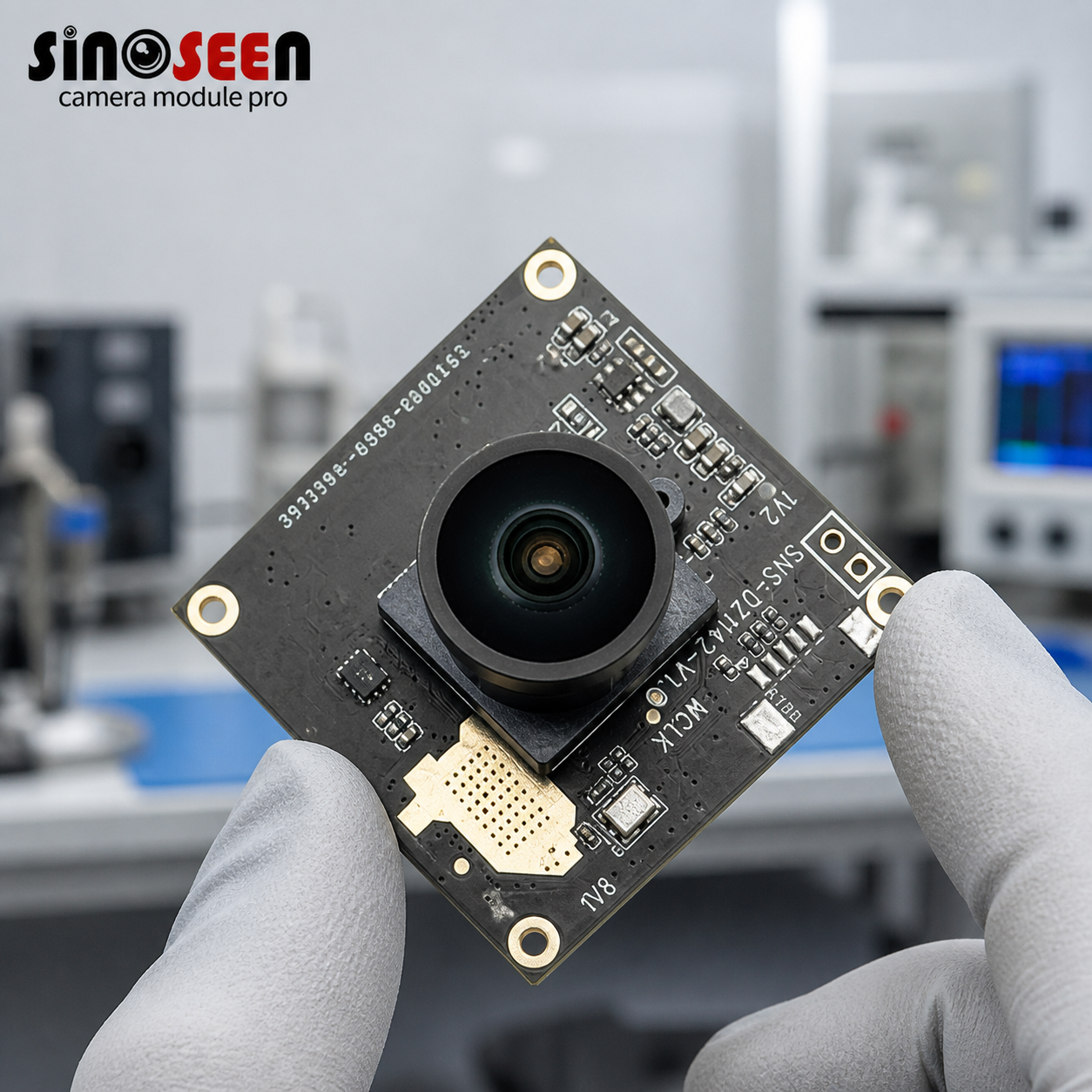
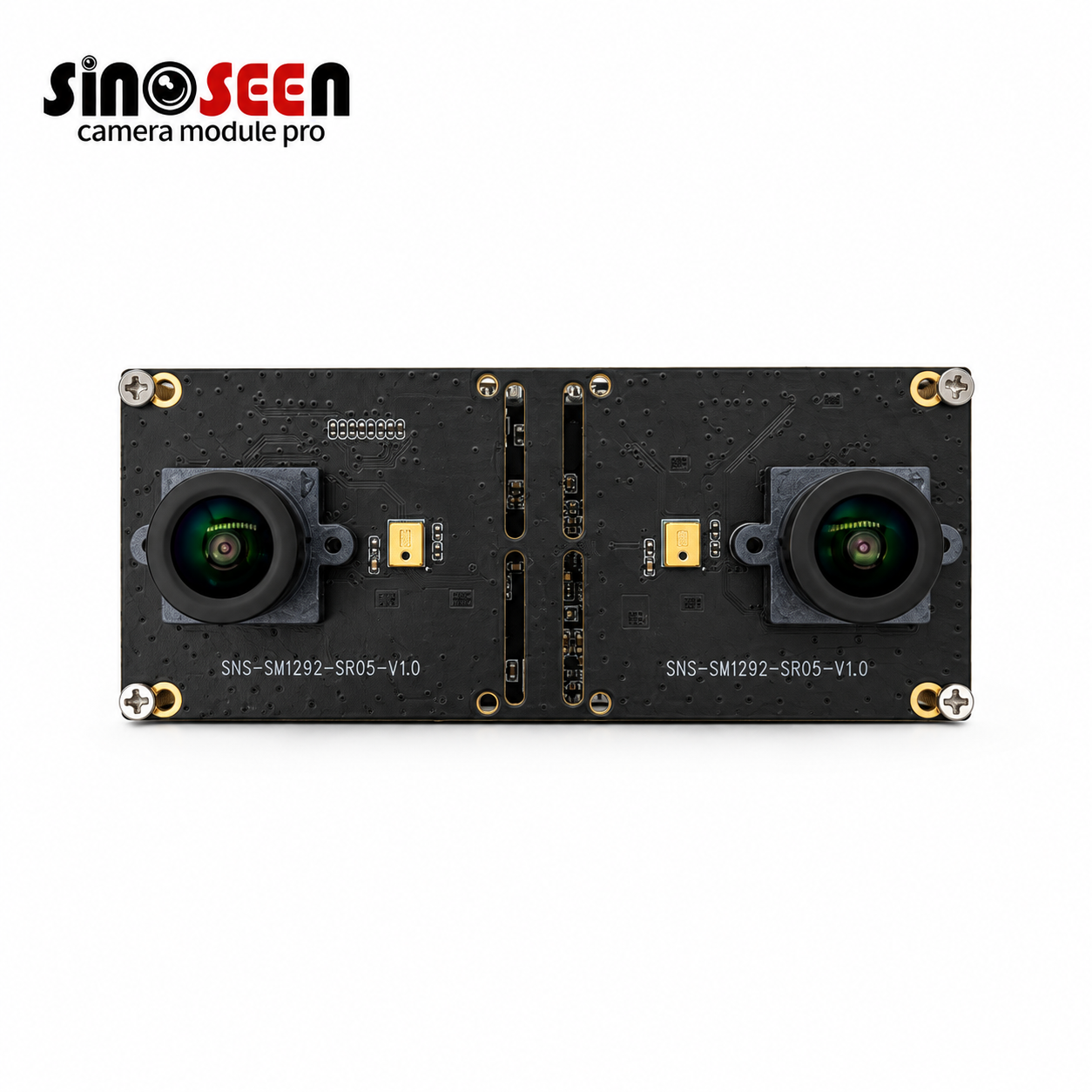
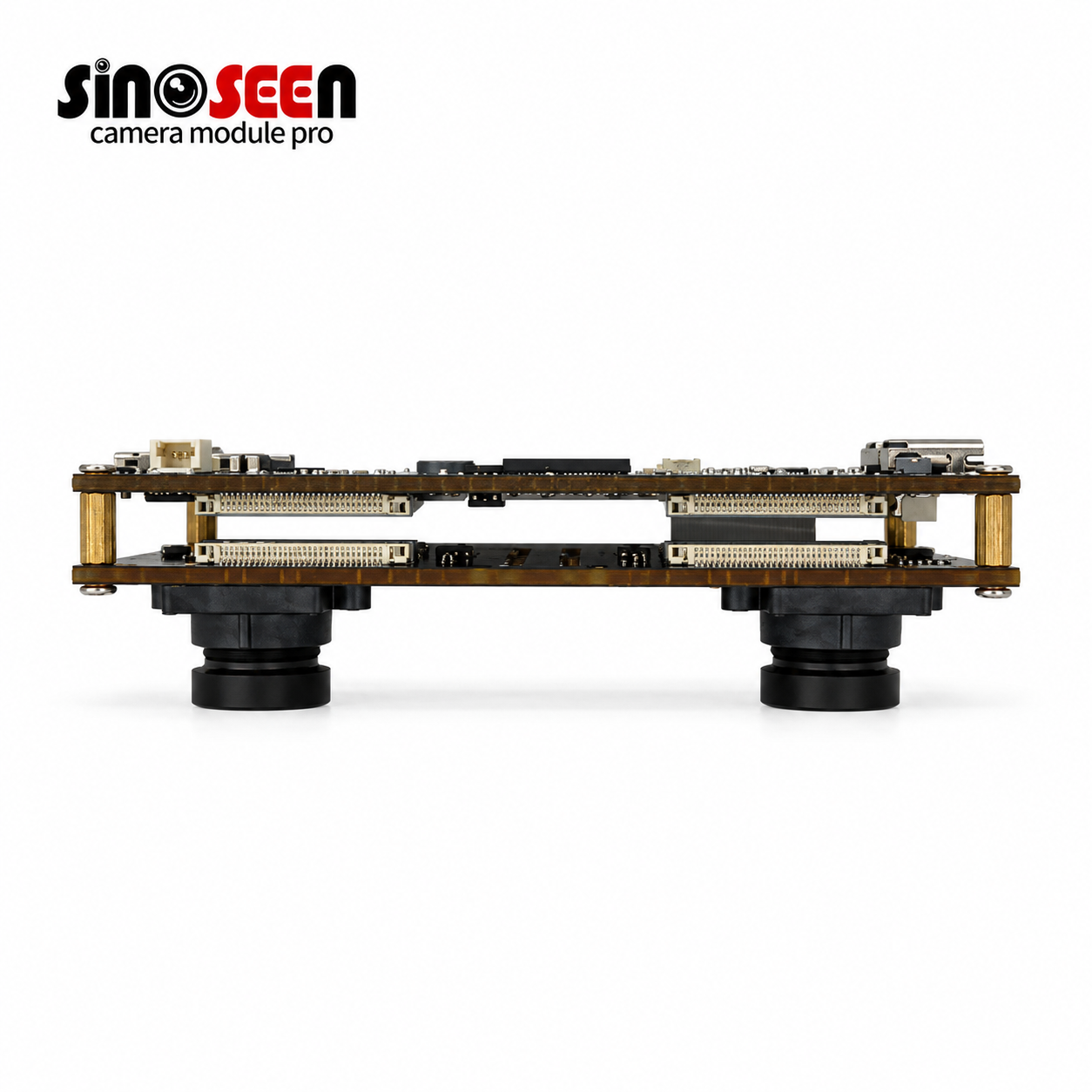
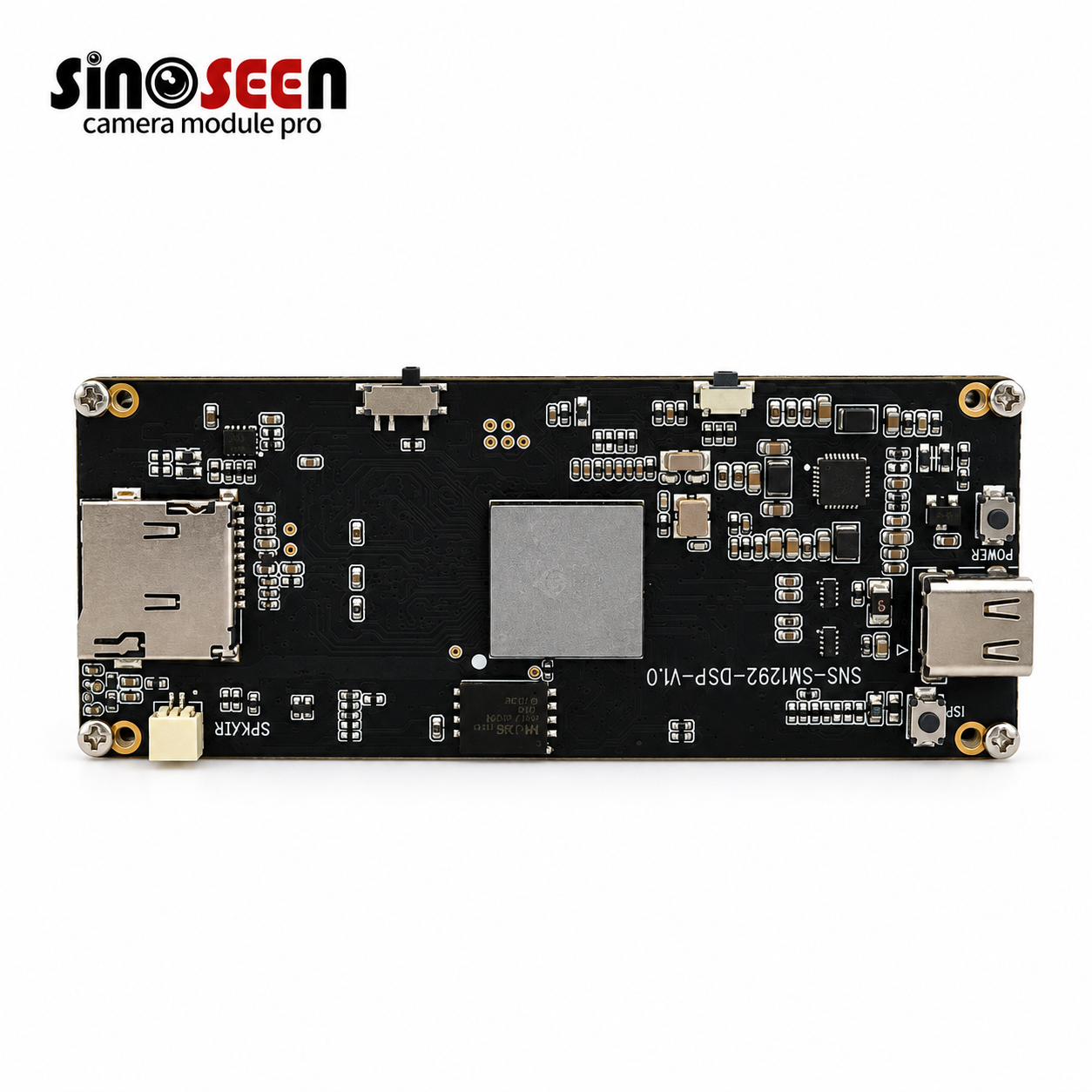
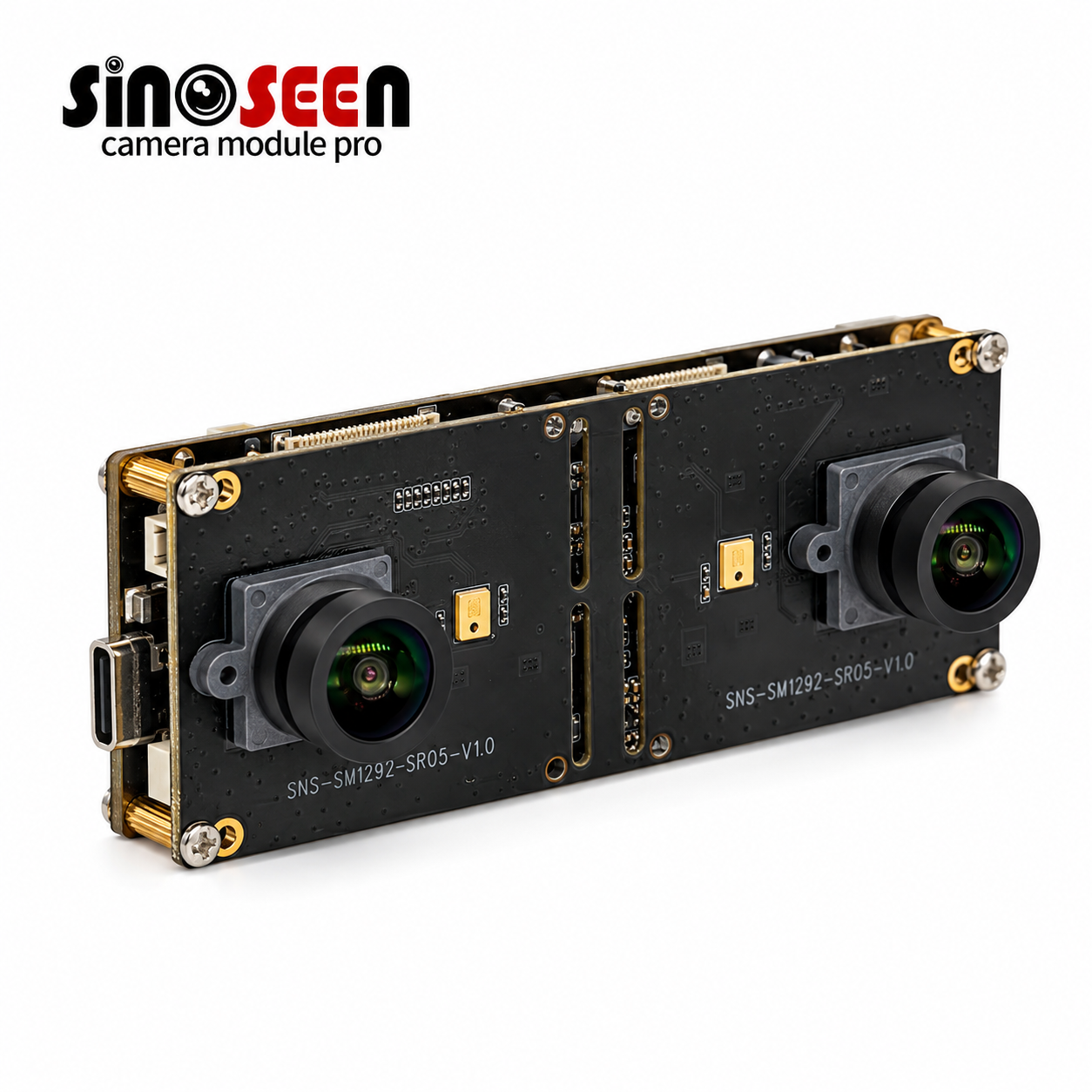
The Sinoseen SNS-SM1292-V1.0 stereo camera combines global shutter imaging, a built-in 6-axis IMU and SD card recording for robot training and AI data collection. Featuring a 5120 × 1440 output mode at 30 FPS and USB 3.0 Type-C connectivity, it provides visual capture and motion-sensing hardware for human demonstration recording, egocentric datasets and vision algorithm development.
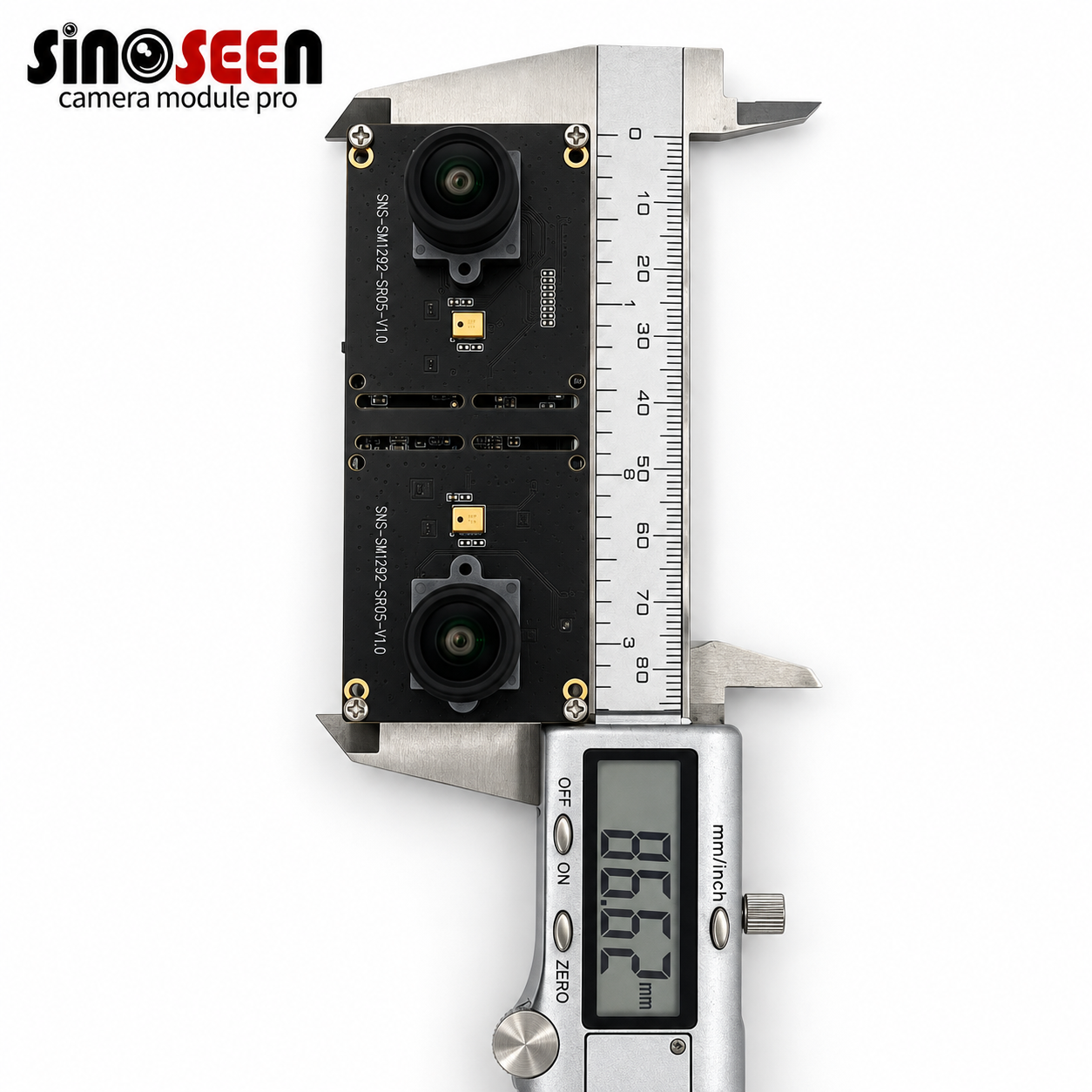
The SNS-SM1292-V1.0 is designed for projects that need to capture visual observations alongside camera movement. Its stereo imaging architecture provides two viewpoints of a scene, while the integrated 6-axis IMU supplies acceleration and angular velocity measurements for further processing.
Global shutter exposure helps preserve object geometry during camera or subject movement. Wide-angle optics capture more of the surrounding workspace, making the camera a candidate for recording hand-object interactions, task demonstrations and activities in environments such as warehouses and restaurants.
USB 3.0 connectivity supports host-connected acquisition, while SD card recording provides a local storage option. The camera can be evaluated for head-mounted capture or fixed installations according to mounting, power and recording requirements. Stereo depth estimation and visual-inertial processing depend on the selected calibration, timing and software implementation.
Product Overview & Features
Stereo Imaging for AI Dataset Collection
A specified 5120 × 1440 output mode at 30 FPS supports stereo video acquisition for task demonstrations, scene observation and algorithm evaluation.
Global Shutter for Moving Scenes
Global shutter exposure reduces the geometric distortion associated with rolling shutter capture, helping retain object shapes during movement. Exposure time should still be matched to motion speed to control blur.
Built-In 6-Axis IMU
The integrated accelerometer and gyroscope provide motion measurements for visual-inertial research, camera movement analysis and dataset development.
Wide-Angle Scene Coverage
The specified lens offers a 174° diagonal, 146° horizontal and 118° vertical field of view, with a ±3° tolerance. This broad coverage helps capture surrounding objects and interactions within a workspace.
USB 3.0 Type-C Connection
The USB 3.0 interface supports a theoretical signaling rate of up to 5 Gbps. A Type-C connection provides a practical interface for integration with compatible acquisition hosts.
SD Card Recording
An SD card slot supports local video recording workflows. Card compatibility, recording settings and operation alongside USB streaming should be selected for the intended deployment.
Multiple Video Formats
Listed video formats include MJPEG, H.264 and H.265, providing options for balancing image quality, storage requirements and host processing. Available resolution and frame-rate combinations depend on the selected format and firmware.
Specifications
| Model Series | SNS-SM1292-V1.0 |
| Camera Configuration | Stereo camera |
| Shutter Type | Global shutter |
| Sensor Optical Format | 1/2.53 inch |
| Sensor Effective Pixels | 2592 × 1944 |
| Pixel Size | 2.2 μm × 2.2 μm |
| Video Output Mode | 5120 × 1440 at 30 fps |
| Video Output Formats | MJPEG, H.264, H.265 |
| Sensor Data Format | 10-bit RAW Bayer |
| IMU | Built-in 6-axis IMU; listed model: TDK-42688P |
| Interface | USB 3.0 Type-C |
| Interface Signaling Rate | Up to 5 Gbps |
| Power Supply | 5 V ±5% |
| Local Storage | SD card slot; local recording supported |
| Lens Mount | M12 × P0.5 |
Customization for Your Capture Workflow
Sinoseen provides OEM/ODM camera development support to help match imaging hardware to your application. For this stereo platform, customization requests can be assessed around optics, mechanical integration, connectivity and data acquisition requirements.
Customization Options
Optics: Lens selection, field of view and working distance to match the target scene.
Mechanical Integration: Mounting arrangements, enclosure requirements and stereo geometry changes, subject to engineering review.
Connectivity: Cable length, cable routing and connector arrangements for the host system.
Data Workflow: Review output formats, image controls, IMU access and recording requirements against available firmware capabilities.
Customization Process
Step 1 — Share Your Application
Provide the target task, working distance, lighting conditions, host platform, mounting constraints and required data types.
Step 2 — Review the Technical Configuration
Evaluate optics, image output, stereo timing, IMU requirements and storage options. Agree on the scope and acceptance criteria.
Step 3 — Evaluate Samples
Test sample units in the intended environment, checking image quality, host compatibility, recording stability and data usability.
Step 4 — Finalize the Design
Confirm the approved hardware, firmware configuration, mechanical drawings and inspection requirements.
Step 5 — Production and Integration Support
Proceed with production according to the approved specification and provide support for deployment and integration questions.
Call to Action
Tell us what you need to capture, which host you use and how the camera will be mounted. Contact Sinoseen to discuss samples and a suitable stereo camera configuration.
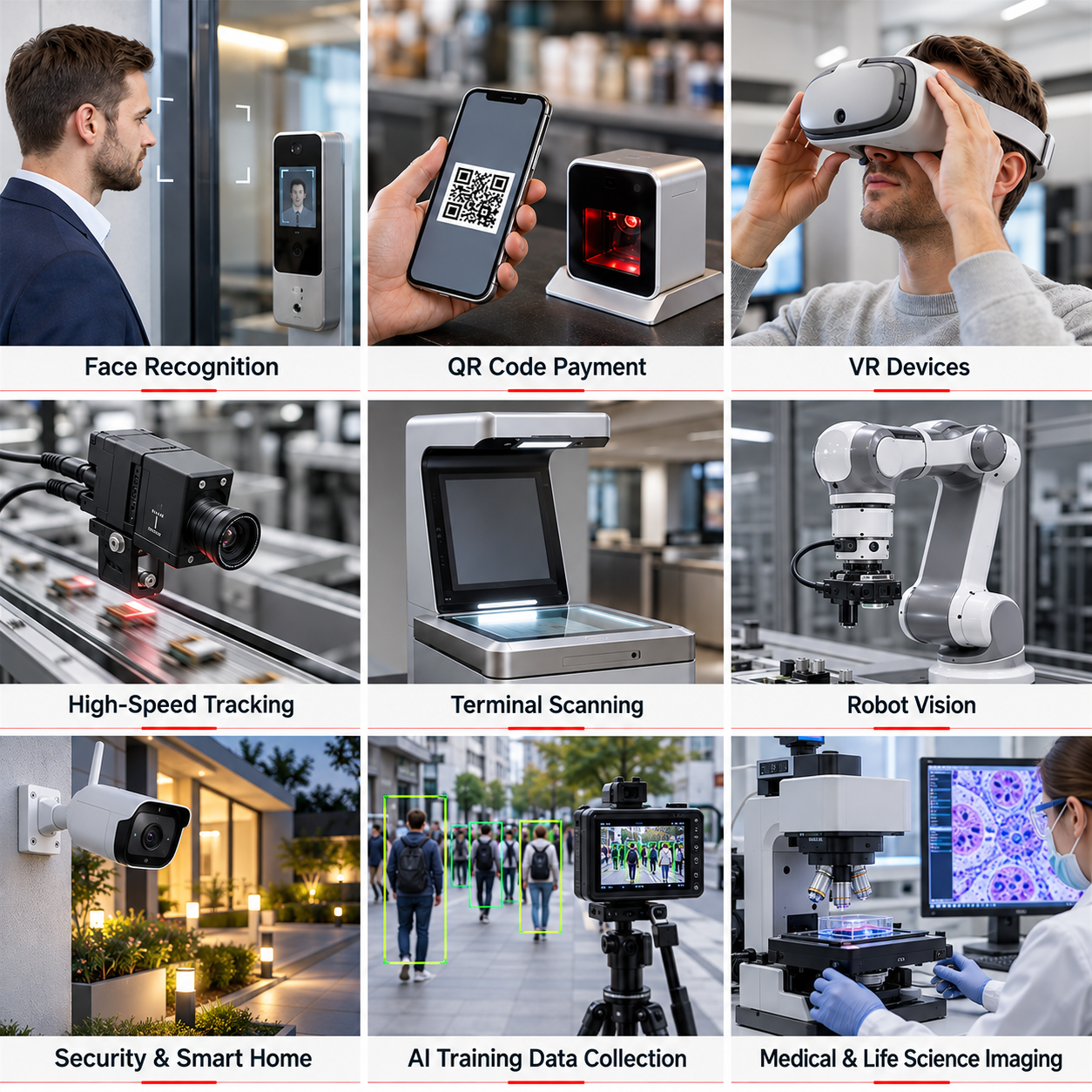
Application Areas
Face Recognition: Face capture for access control.
QR Code Payment: Code imaging for decoding.
VR Devices: Visual input for motion tracking.
High-Speed Tracking: Moving-object image capture.
Terminal Scanning: Document and barcode imaging.
Robot Vision: Images for positioning and guidance.
Security & Smart Home: Indoor and outdoor monitoring.
AI Training Data Collection: Image capture for AI datasets.
Medical & Life Science Imaging: Image capture for microscopy and research.
About Sinoseen
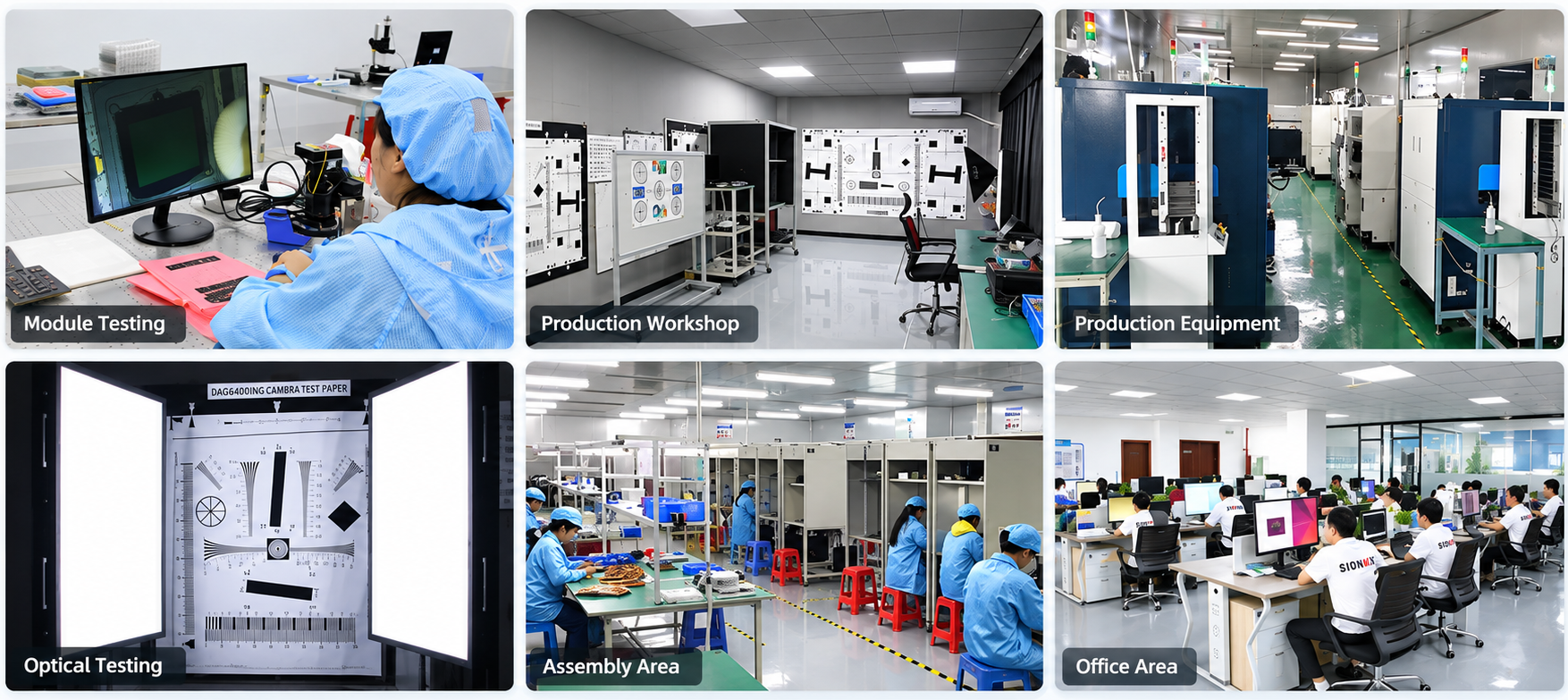
Established in 2016, Shenzhen Sinoseen Technology Co., Ltd. specializes in CMOS camera modules and OEM/ODM imaging solutions. Our product portfolio includes USB, MIPI and DVP camera modules, with services covering design, development, manufacturing and after-sales support.
We work with customers to translate application requirements into camera specifications, supporting projects from initial evaluation through production.
Certifications & Intellectual Property
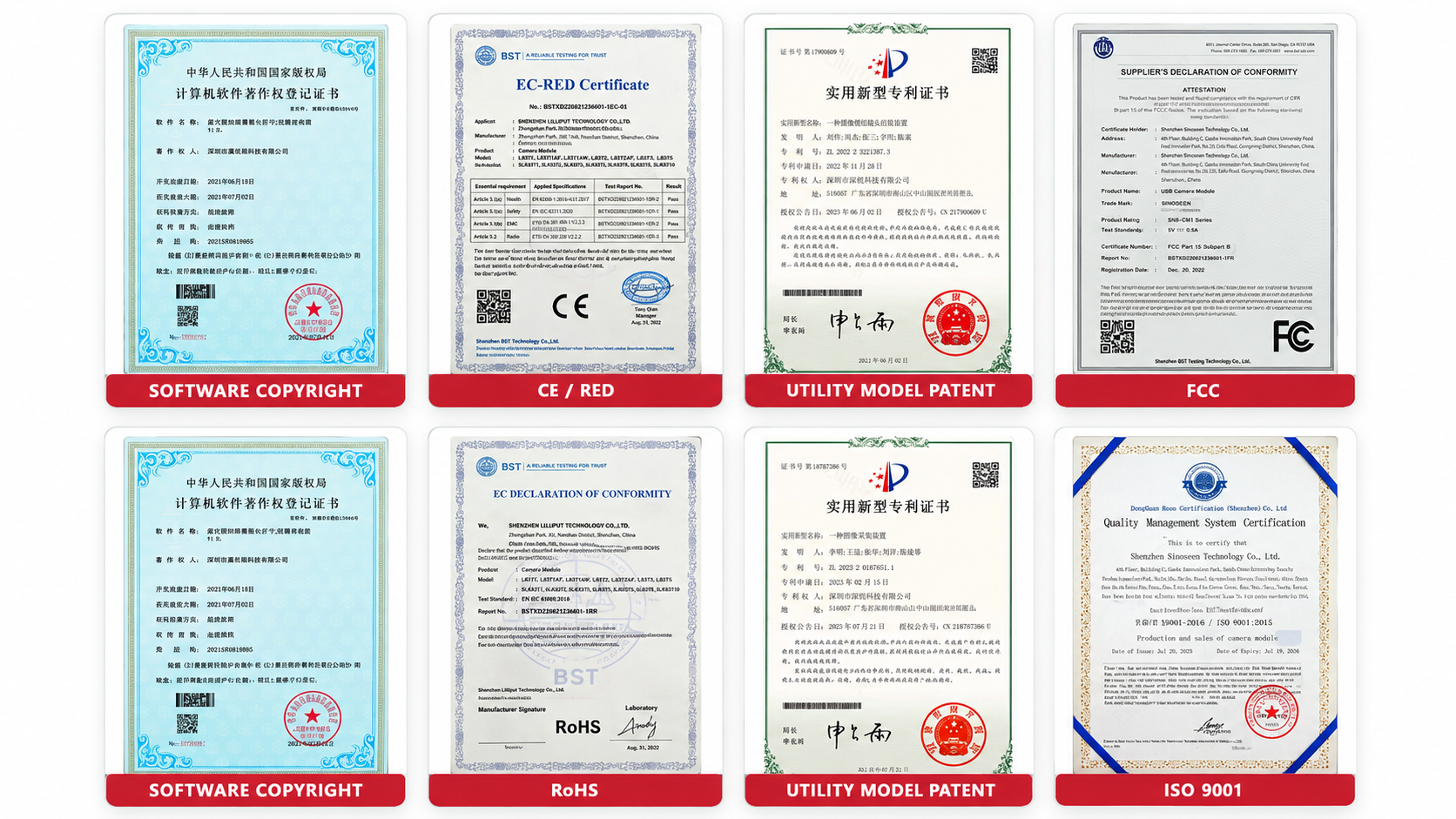
Sinoseen’s documentation includes quality management records, product compliance documents, software copyrights, and utility model patents. For your camera module project, please request the current documents applicable to the selected model and configuration, including relevant CE, FCC, or RoHS documentation.
Frequently Asked Questions
Q1: What applications is this stereo camera designed for?
It is designed for robot training, AI data collection and vision algorithm development. Potential deployments include human demonstration recording, head-mounted egocentric capture and fixed scene observation in warehouses or restaurants.
Q2: What resolution and frame rate does it support?
The specification lists a 5120 × 1440 output mode at 30 FPS. Confirm the left/right image arrangement and available modes for the selected video format before integration.
Q3: Does the camera directly output depth maps or point clouds?
The stereo views can provide image inputs for depth estimation. Built-in depth processing, point-cloud output and measurement accuracy are not specified. Projects requiring these functions should confirm calibration data, stereo timing and software support.
Q4: What does the built-in IMU provide?
The 6-axis IMU measures acceleration and angular velocity. Access methods, sample rates and alignment with image timestamps should be confirmed for visual-inertial processing or synchronized dataset collection.
Q5: Can the camera record to an SD card without a computer?
Local SD card recording is described in the product specification. Standalone recording controls, supported card capacities and simultaneous USB streaming need to be confirmed for the supplied firmware. A suitable power source is still required.