 EN
EN
 AR
AR
 DA
DA
 NL
NL
 FI
FI
 FR
FR
 DE
DE
 EL
EL
 HI
HI
 IT
IT
 JA
JA
 KO
KO
 NO
NO
 PL
PL
 PT
PT
 RO
RO
 RU
RU
 ES
ES
 SV
SV
 TL
TL
 IW
IW
 ID
ID
 SR
SR
 VI
VI
 HU
HU
 TH
TH
 TR
TR
 FA
FA
 MS
MS
 IS
IS
 AZ
AZ
 UR
UR
 BN
BN
 HA
HA
 LO
LO
 MR
MR
 MN
MN
 PA
PA
 MY
MY
 SD
SD

Why do Robotics Manufacturers Prefer High-Speed AI Camera Modules?
The robotics industry has experienced unprecedented growth in recent years, with manufacturers increasingly demanding sophisticated vision systems that can process visual data at lightning speed. High-speed AI camera modules have emerged as the cornerstone technology enabling robots to perceive, analyze, and respond to their environment with remarkable precision. These advanced imaging solutions combine cutting-edge sensor technology with artificial intelligence processing capabilities, delivering performance levels that traditional camera systems simply cannot match. As robotics applications become more complex and demanding, manufacturers are recognizing that high-speed AI camera modules are no longer optional accessories but essential components for competitive advantage.
Revolutionary Performance Characteristics
Ultra-Fast Processing Capabilities
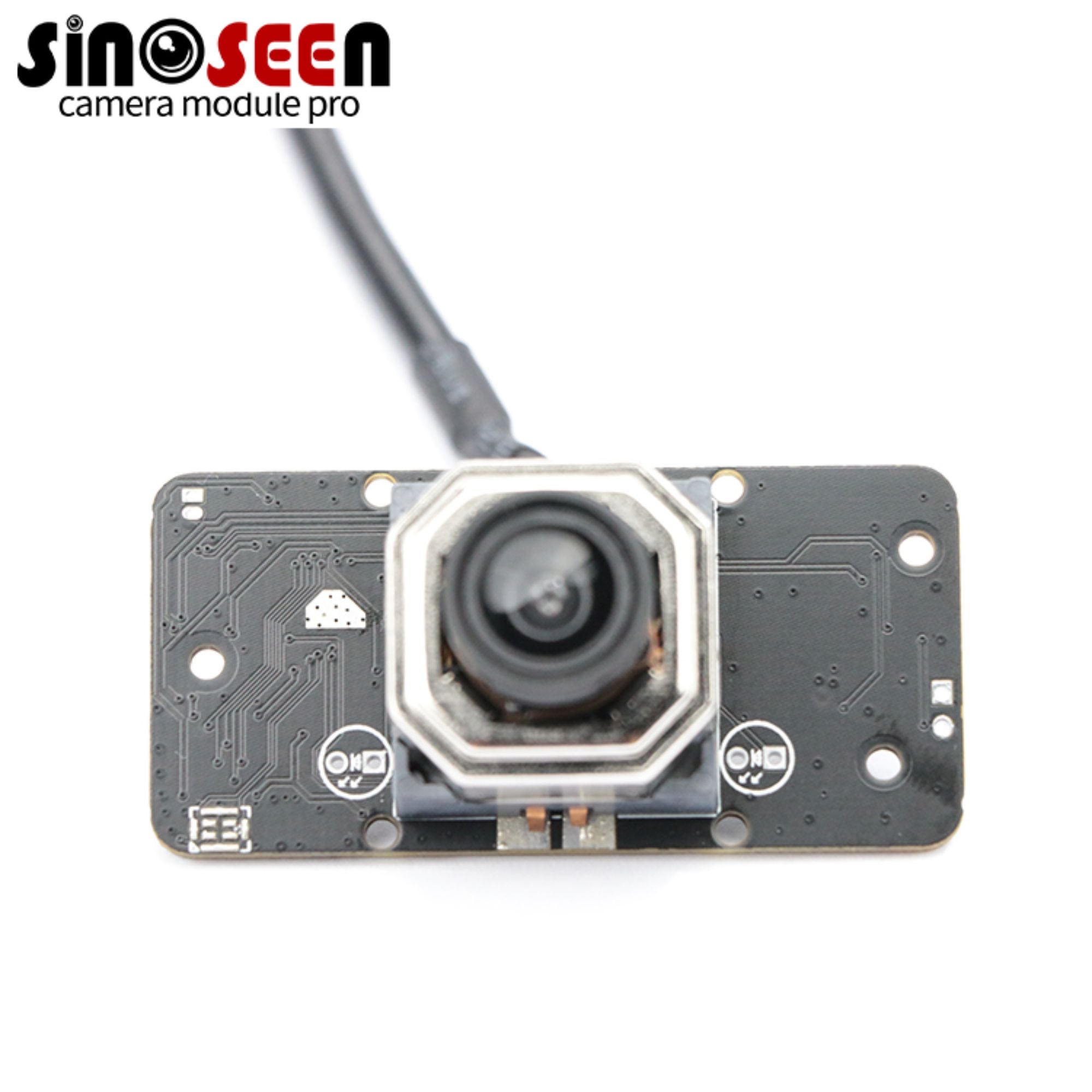
High-speed AI camera modules deliver exceptional frame rates that enable real-time decision making in dynamic robotics environments. These modules can capture and process thousands of frames per second, allowing robots to track fast-moving objects, detect sudden changes in their surroundings, and make split-second adjustments to their operations. The integration of dedicated AI processing chips directly within the camera module eliminates the latency traditionally associated with external processing units, creating a streamlined pipeline from image capture to actionable intelligence.
The processing power embedded within these camera systems enables complex computer vision algorithms to run locally, reducing dependency on external computing resources. This local processing capability ensures consistent performance even in challenging network conditions or when operating in isolated environments. Robotics manufacturers particularly value this autonomous processing capability as it enhances system reliability and reduces overall infrastructure complexity.
Advanced Sensor Technology Integration
Modern high-speed AI camera modules incorporate state-of-the-art CMOS sensors that deliver exceptional image quality even under challenging lighting conditions. These sensors feature enhanced dynamic range, superior low-light performance, and precise color reproduction, enabling robots to operate effectively in diverse environments. The combination of advanced sensor technology with intelligent image processing algorithms ensures that robots receive high-quality visual data regardless of environmental variables.
The integration of multiple sensor types within a single camera module provides comprehensive environmental awareness. Some high-speed AI camera modules combine visible light sensors with infrared capabilities, enabling robots to maintain visual perception in complete darkness or through smoke and dust. This multi-sensor approach significantly expands the operational envelope for robotic systems, making them suitable for applications ranging from industrial automation to emergency response scenarios.
Enhanced Accuracy and Precision
Real-Time Object Recognition
High-speed AI camera modules excel at identifying and classifying objects in real-time, providing robots with the situational awareness necessary for complex tasks. The embedded artificial intelligence algorithms can distinguish between different object types, assess their properties, and predict their movement patterns with remarkable accuracy. This capability is particularly valuable in manufacturing environments where robots must handle diverse components or in service applications where robots interact with various objects and obstacles.
The precision of object recognition systems within these camera modules continues to improve through machine learning algorithms that adapt to specific operational environments. As robots accumulate experience in their designated tasks, the AI systems learn to recognize subtle variations in objects, improving accuracy and reducing false positives. This adaptive learning capability ensures that robotic systems become more efficient and reliable over time, delivering consistent performance improvements throughout their operational lifecycle.
Spatial Awareness and Navigation
Advanced spatial mapping capabilities integrated within high-speed AI camera modules enable robots to build detailed three-dimensional representations of their environment. These systems can calculate distances, identify obstacles, and plan optimal navigation paths in real-time, allowing robots to move through complex spaces with confidence and efficiency. The combination of high-speed image processing with sophisticated depth perception algorithms creates a comprehensive understanding of spatial relationships.
The navigation capabilities provided by these camera modules extend beyond simple obstacle avoidance to include advanced path optimization and predictive routing. Robots equipped with high-speed AI camera modules can anticipate changes in their environment, adjust their routes proactively, and coordinate with other robotic systems to optimize overall workflow efficiency. This predictive capability is particularly valuable in dynamic environments where conditions change frequently.
Operational Efficiency Advantages
Reduced Processing Latency
The integration of AI processing capabilities directly within camera modules dramatically reduces the time required to convert visual input into actionable decisions. Traditional vision systems often require data transmission to external processors, introducing delays that can compromise performance in time-critical applications. High-speed AI camera modules eliminate these bottlenecks by performing image analysis and decision-making at the sensor level, enabling near-instantaneous responses to environmental changes.
This reduced latency is particularly crucial in applications requiring precise timing, such as pick-and-place operations, quality control inspections, or safety monitoring systems. The ability to process visual information locally enables robots to respond to situations within milliseconds rather than the seconds typically required by traditional systems. This performance improvement translates directly into increased productivity and enhanced safety in robotic applications.
Energy Efficiency Optimization
Modern high-speed AI camera modules are designed with energy efficiency as a primary consideration, incorporating advanced power management systems that optimize consumption without compromising performance. These modules utilize specialized low-power AI chips that deliver exceptional processing capabilities while maintaining minimal energy requirements. The efficient design enables longer operational periods for battery-powered robots and reduces overall system energy costs for permanently installed systems.
The energy efficiency of these camera modules extends beyond their own power consumption to impact overall system efficiency. By processing visual data locally, these modules reduce the computational load on primary robot processors, allowing those systems to operate more efficiently and potentially at lower power settings. This system-wide efficiency improvement contributes to longer operational periods and reduced maintenance requirements.
Industrial Application Benefits
Manufacturing Process Enhancement
High-speed AI camera modules have revolutionized quality control processes in manufacturing environments, enabling robots to inspect products at speeds previously impossible with human operators or traditional machine vision systems. These modules can detect minute defects, verify dimensional accuracy, and assess surface quality with consistency and precision that surpasses human capabilities. The high-speed processing capabilities ensure that quality control inspections do not create bottlenecks in production lines.
The adaptability of AI-powered vision systems allows manufacturing robots to handle diverse product lines without extensive reprogramming or hardware modifications. High-speed AI camera modules can learn to recognize new products, adjust inspection parameters automatically, and maintain consistent quality standards across different manufacturing batches. This flexibility enables manufacturers to respond quickly to changing market demands while maintaining high quality standards.
Automated Assembly Operations
The precision and speed offered by high-speed AI camera modules make them ideal for complex assembly operations where robots must manipulate small components with extreme accuracy. These systems can guide robotic arms to precise positions, verify correct component orientation, and ensure proper fit and finish in assembled products. The real-time feedback provided by these camera modules enables dynamic adjustment of assembly parameters, improving success rates and reducing waste.
Advanced assembly applications benefit from the predictive capabilities of AI-enhanced vision systems, which can anticipate potential assembly issues before they occur. High-speed AI camera modules can detect component variations, predict assembly difficulties, and suggest process adjustments to maintain optimal production efficiency. This predictive capability reduces downtime and improves overall equipment effectiveness in automated assembly environments.
Future Technology Integration
Machine Learning Evolution
The continuous advancement of machine learning algorithms ensures that high-speed AI camera modules will become increasingly sophisticated in their analytical capabilities. Future developments in neural network architectures and training methodologies will enable these systems to understand complex visual scenarios with human-like comprehension while maintaining the speed advantages that make them invaluable in robotics applications.
Edge computing integration within high-speed AI camera modules will expand their capabilities beyond simple image processing to include complex decision-making and adaptive behavior modification. These advanced systems will be able to learn from their environment, adapt their behavior patterns, and optimize their performance autonomously, creating truly intelligent vision systems that enhance robotic capabilities exponentially.
Sensor Fusion Capabilities
Future high-speed AI camera modules will incorporate multiple sensor types within integrated packages, combining visual imaging with thermal, infrared, and depth sensing capabilities. This sensor fusion approach will provide robots with comprehensive environmental awareness that surpasses human sensory capabilities, enabling operation in challenging conditions and expanding application possibilities significantly.
The integration of advanced sensor fusion with high-speed AI processing will create vision systems capable of understanding complex environmental relationships and predicting future conditions based on current observations. These predictive capabilities will enable robots to plan more effectively, respond proactively to changing conditions, and operate with greater autonomy in dynamic environments.
FAQ
What makes high-speed AI camera modules different from traditional camera systems
High-speed AI camera modules integrate artificial intelligence processing capabilities directly within the camera hardware, enabling real-time image analysis and decision-making without external processing requirements. Unlike traditional camera systems that simply capture images for external processing, these modules combine image capture with intelligent analysis, delivering processed information rather than raw image data. This integration eliminates processing delays and enables faster response times in robotic applications.
How do high-speed AI camera modules improve robotic safety
These camera modules enhance robotic safety through real-time hazard detection, collision avoidance, and predictive analysis of environmental conditions. The high-speed processing capabilities enable robots to identify potential safety issues within milliseconds and implement appropriate response measures before dangerous situations develop. The AI algorithms can learn to recognize safety patterns and anticipate hazardous conditions, providing proactive protection for both robotic systems and human operators.
What are the power consumption characteristics of high-speed AI camera modules
Modern high-speed AI camera modules are designed with energy efficiency as a primary consideration, utilizing specialized low-power AI processors that deliver high performance while maintaining minimal energy consumption. These modules typically consume significantly less power than external processing systems would require for equivalent performance, making them ideal for battery-powered robots and energy-conscious applications. The integrated design also reduces overall system power requirements by eliminating the need for separate processing units.
Can high-speed AI camera modules adapt to different lighting conditions
High-speed AI camera modules incorporate advanced sensor technology and intelligent image processing algorithms that automatically adapt to varying lighting conditions. These systems can maintain consistent performance in bright sunlight, low-light environments, and even complete darkness when equipped with infrared capabilities. The AI processing algorithms continuously analyze lighting conditions and adjust camera parameters in real-time to ensure optimal image quality and processing accuracy regardless of environmental lighting variations.