Innovative Camera Modules for Every Application | Sinoseen

All Categories

embedded camera system

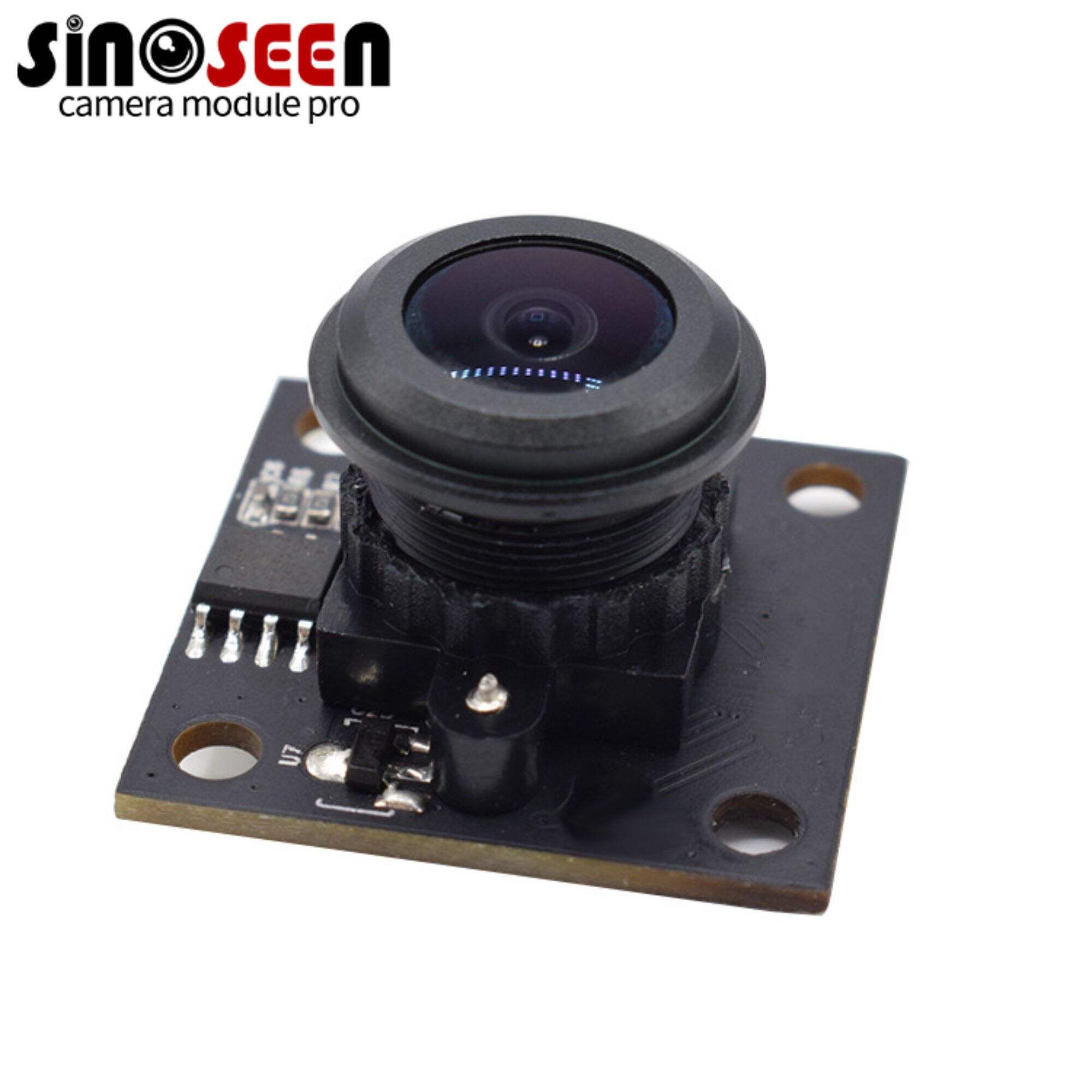
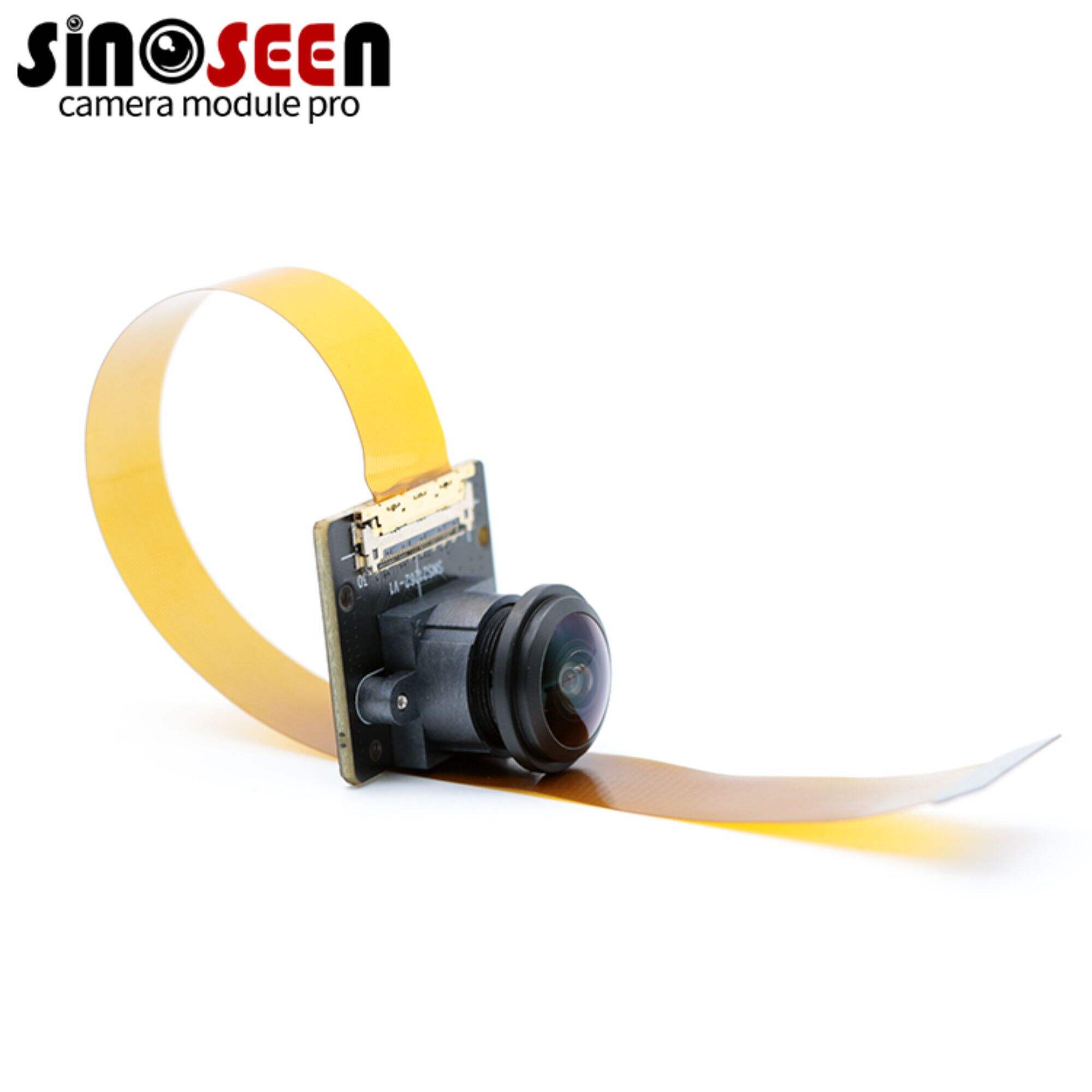
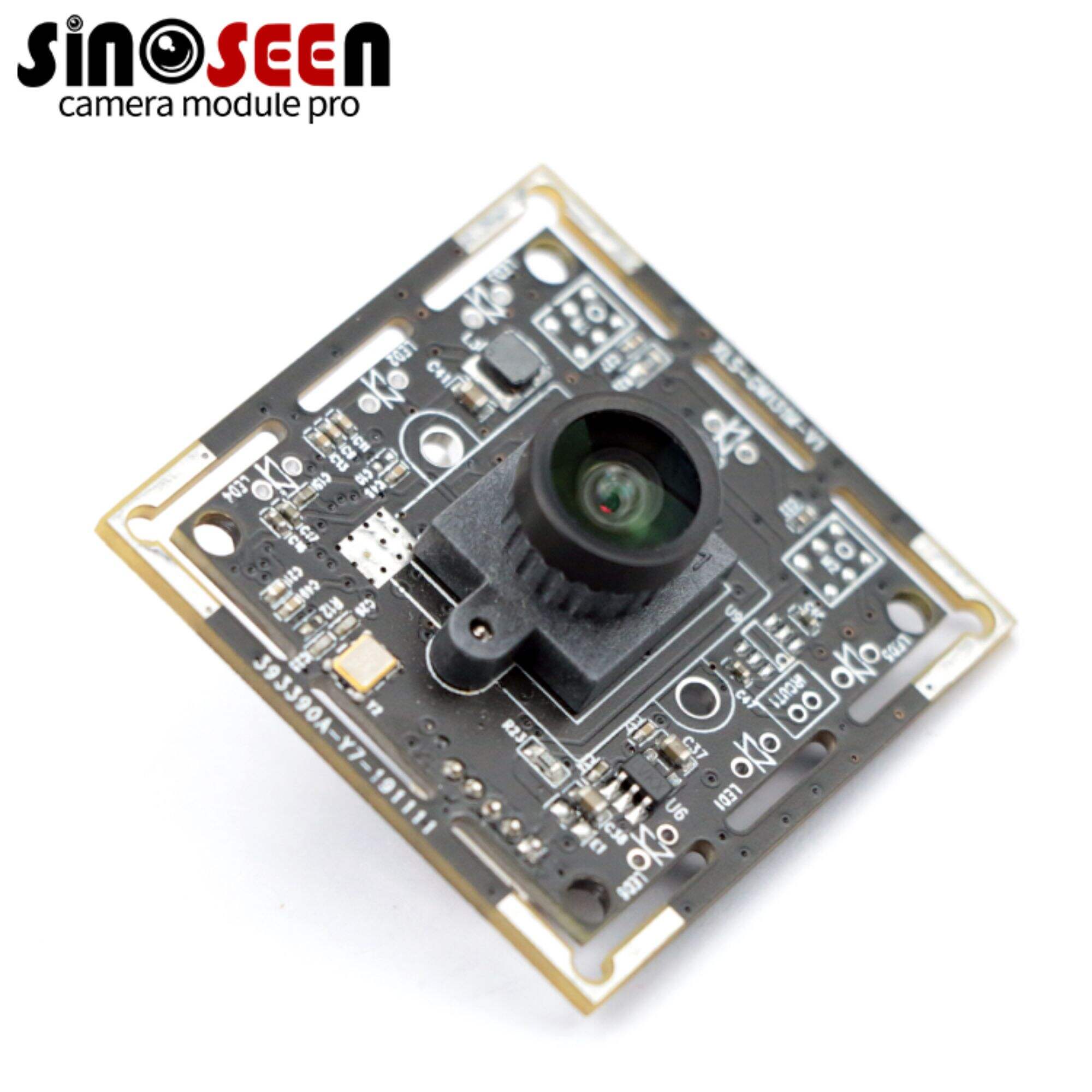
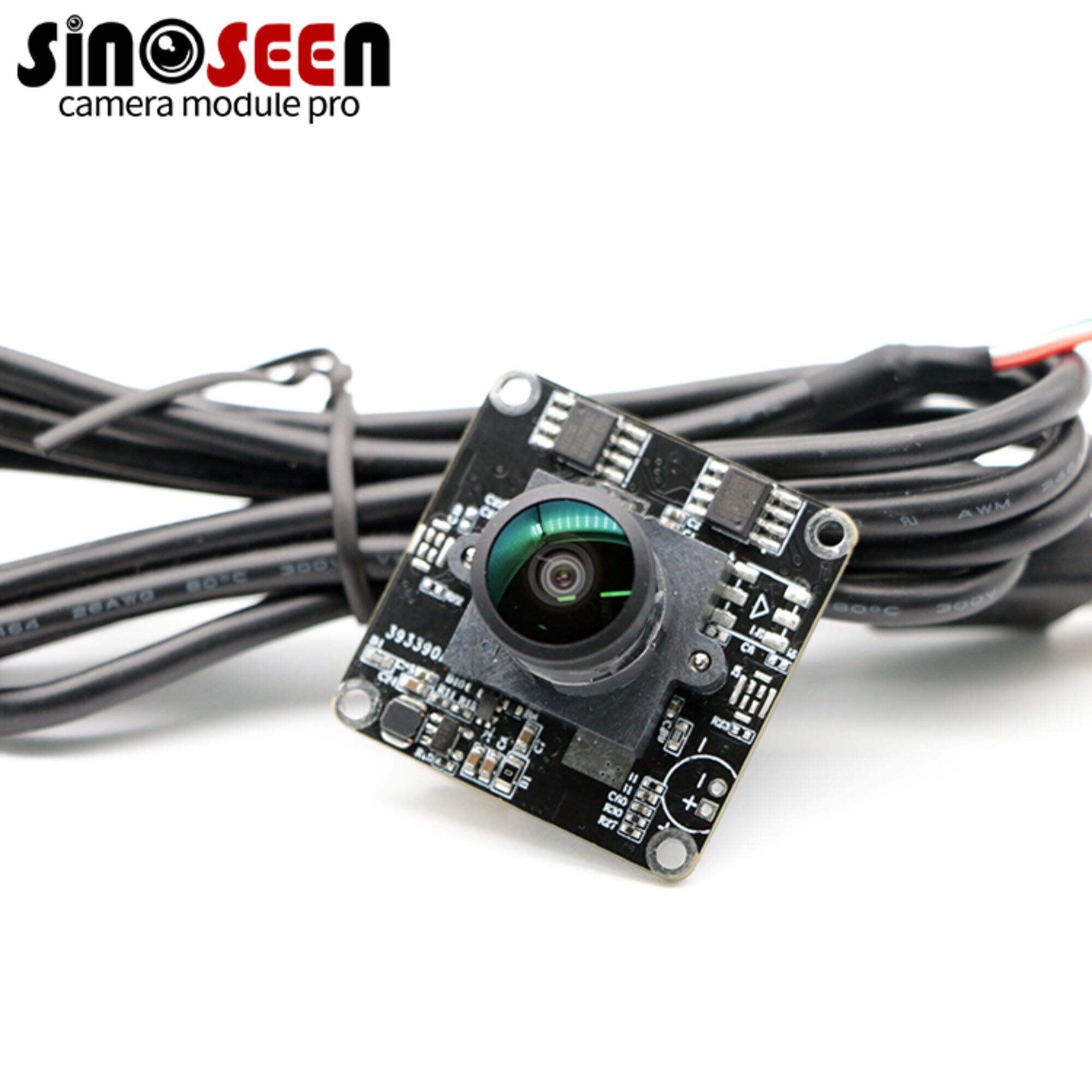
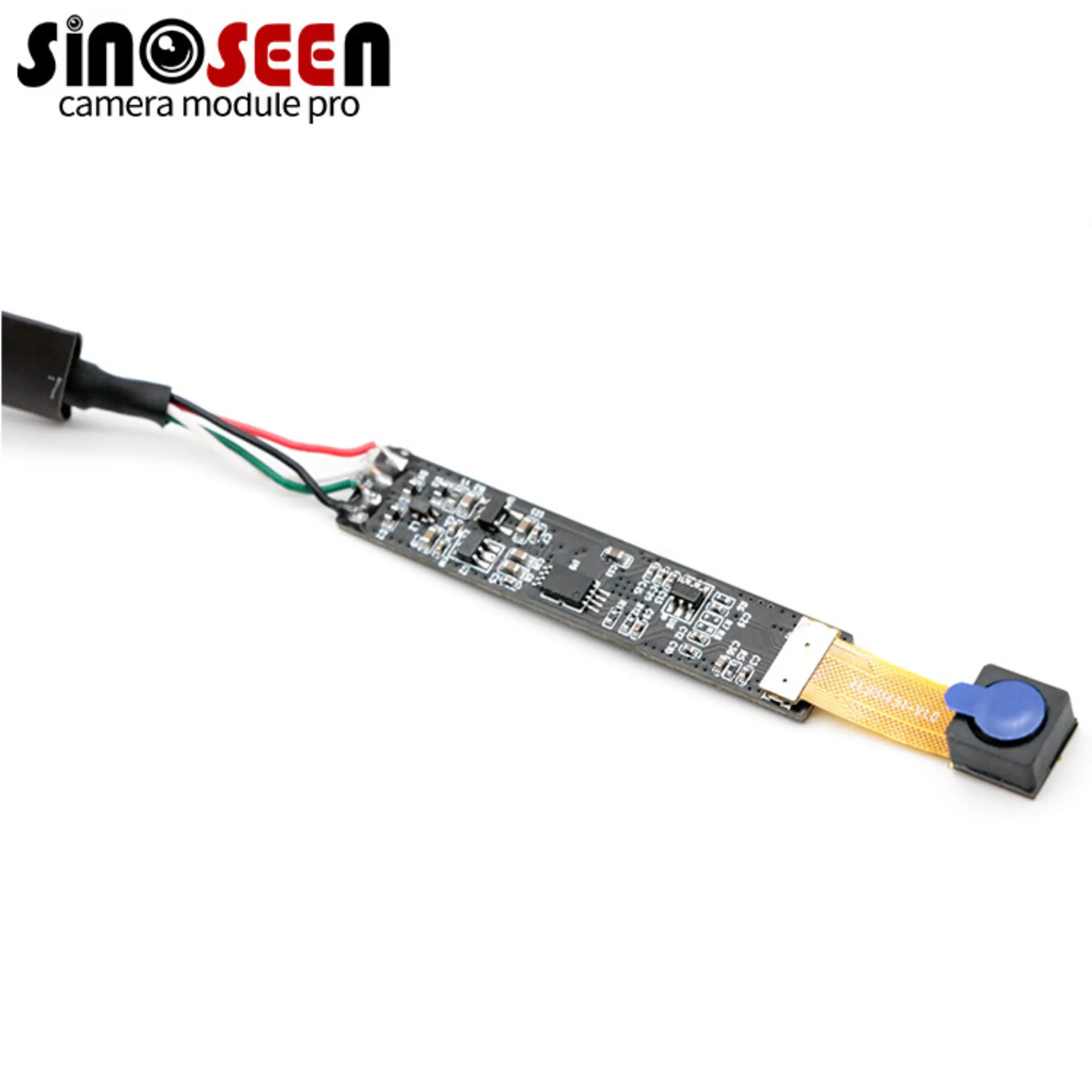
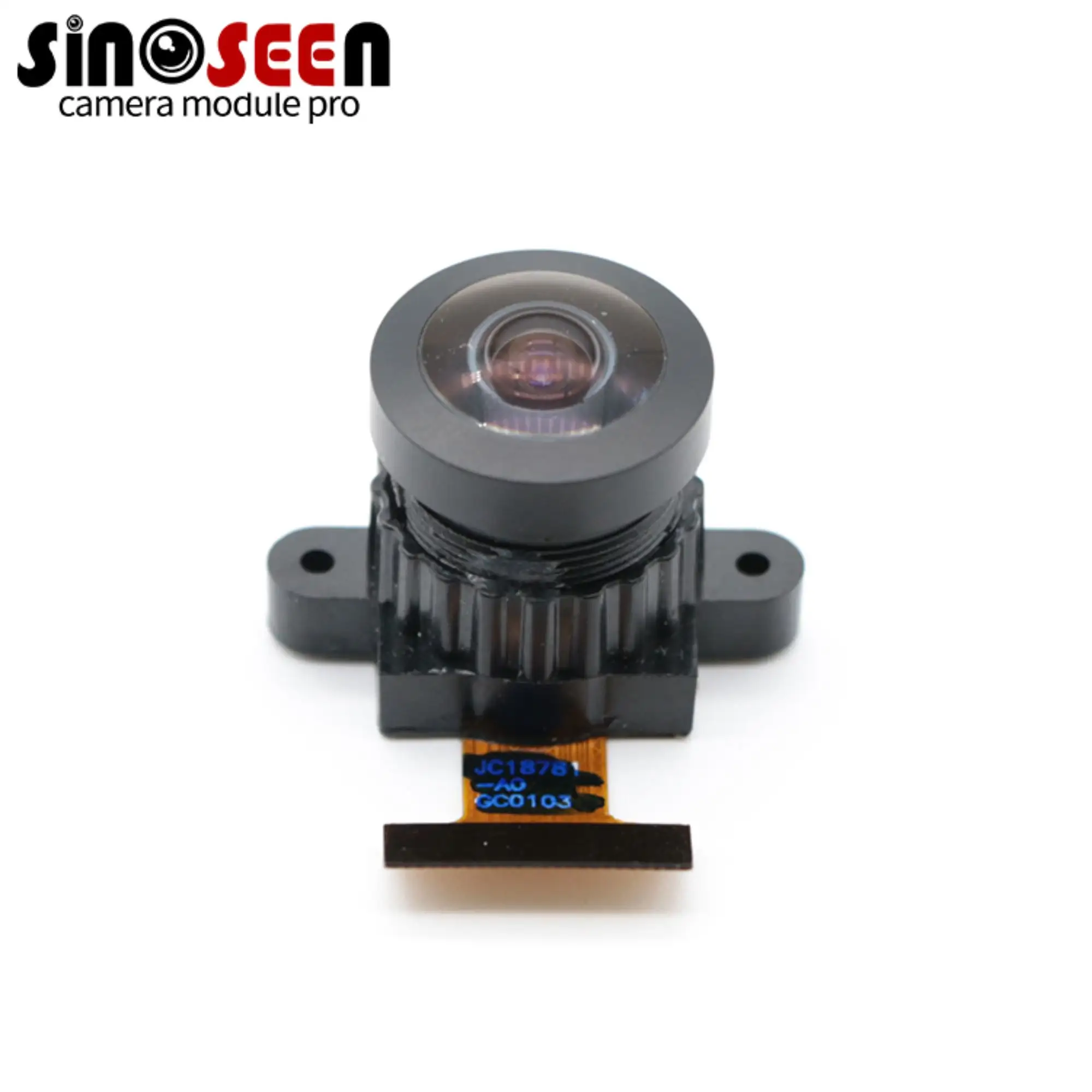
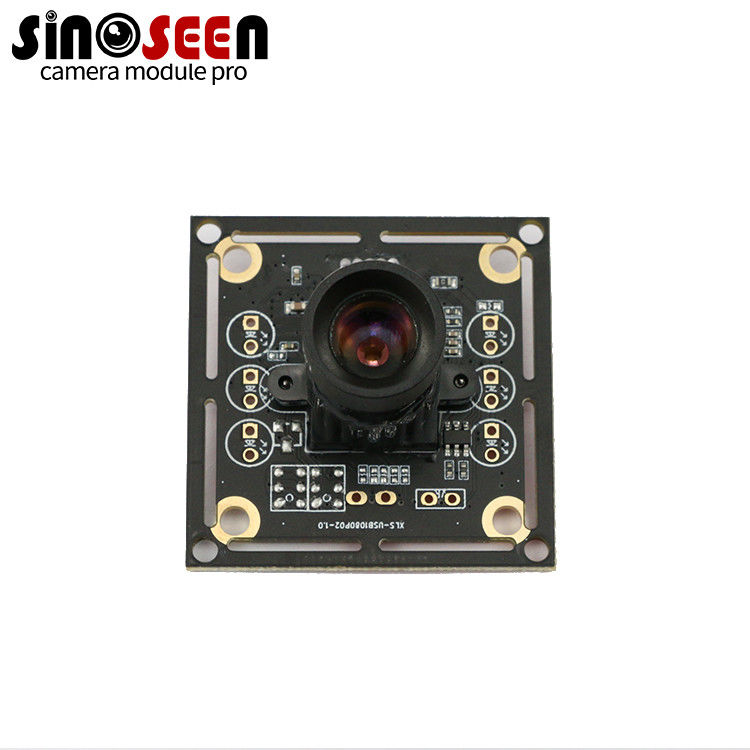
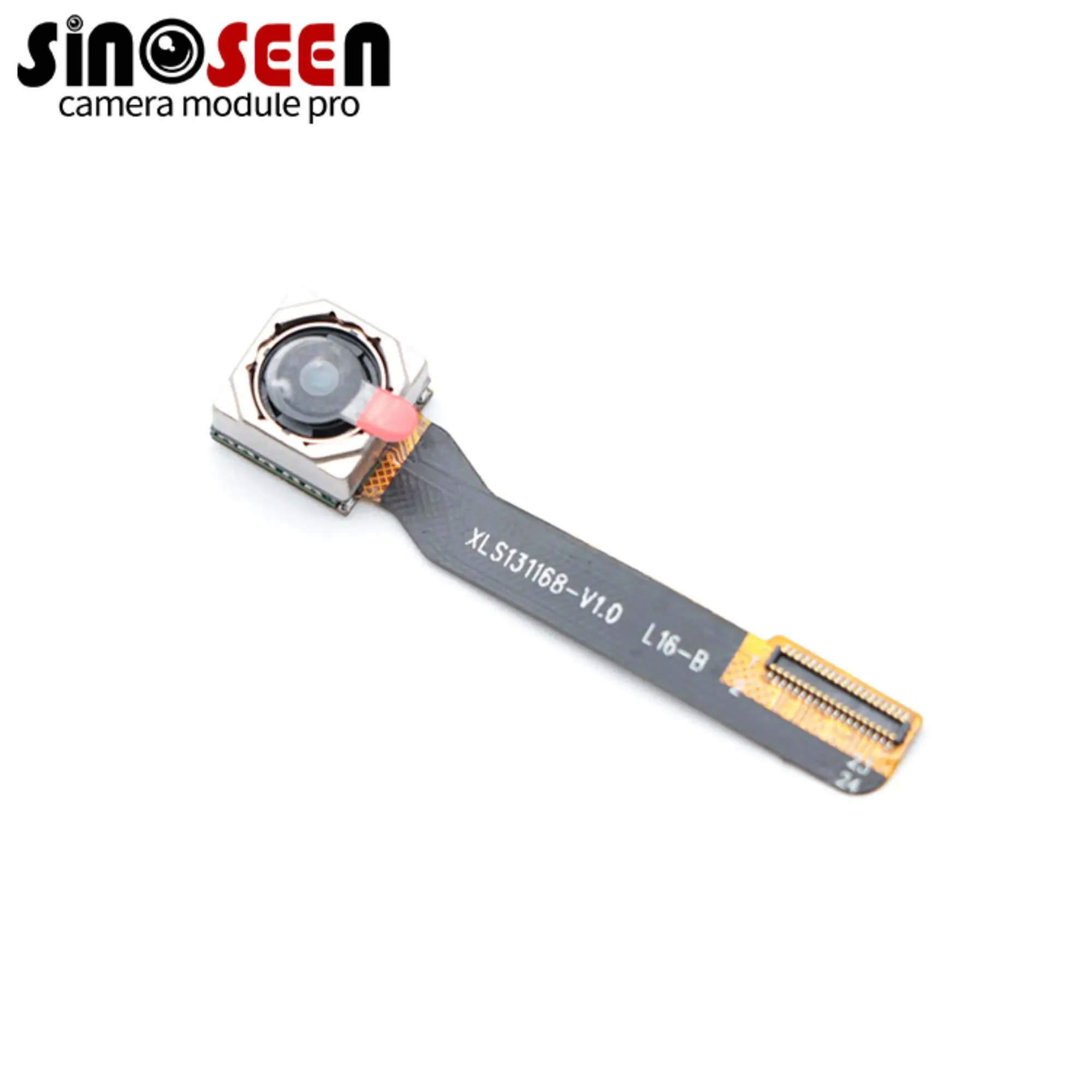
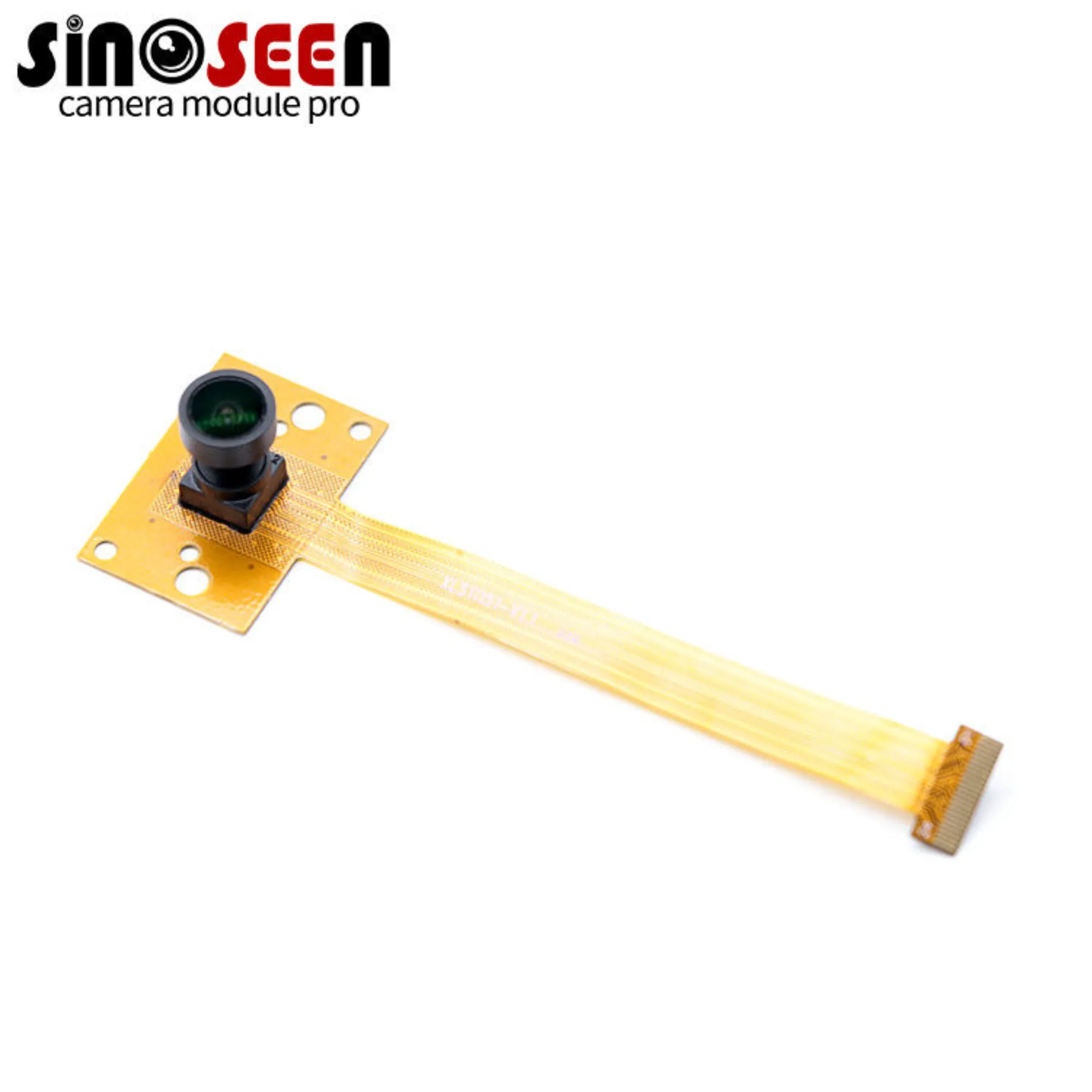
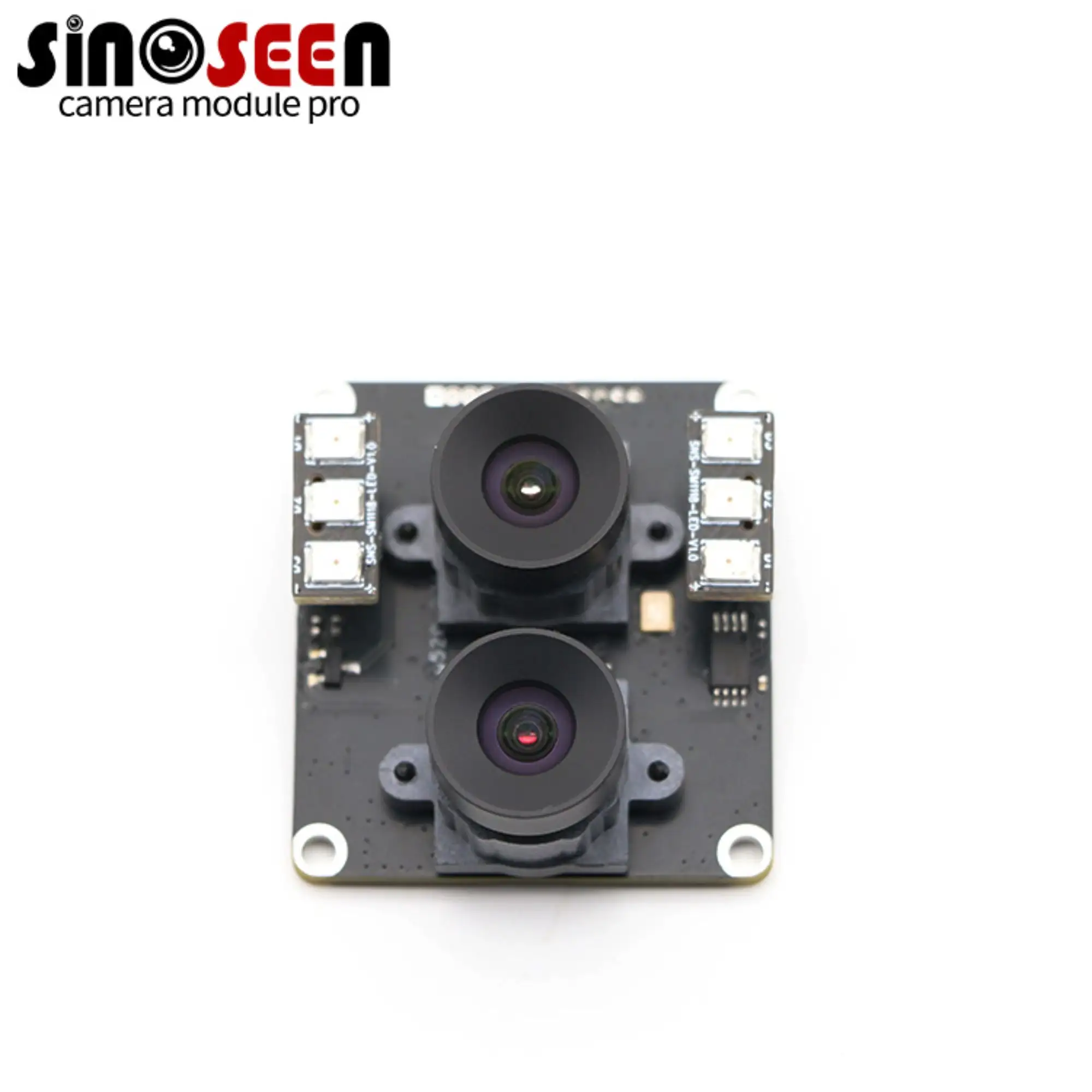
An embedded camera system represents a sophisticated integration of imaging technology directly built into devices, equipment, or infrastructure rather than existing as standalone components. This innovative approach transforms traditional photography and videography by seamlessly incorporating high-quality imaging capabilities into various applications without requiring external camera attachments. The embedded camera system operates through miniaturized sensors, advanced processors, and specialized software that work together to capture, process, and transmit visual data in real-time. These systems utilize cutting-edge technologies including CMOS sensors, digital signal processors, and compression algorithms to deliver exceptional image quality while maintaining compact form factors. The embedded camera system features automatic exposure control, white balance adjustment, and focus mechanisms that ensure optimal performance across diverse lighting conditions and environments. Modern implementations incorporate artificial intelligence and machine learning algorithms that enhance image recognition, object detection, and scene analysis capabilities. The system architecture typically includes multiple layers of functionality: hardware components such as lenses, sensors, and processing units; firmware that manages low-level operations; and software applications that provide user interfaces and advanced features. Embedded camera systems find extensive applications across numerous industries including automotive manufacturing for driver assistance systems, healthcare for diagnostic imaging, security surveillance for monitoring and access control, industrial automation for quality inspection, consumer electronics for smartphones and tablets, and Internet of Things devices for smart home applications. The versatility of embedded camera systems enables integration into robotics, drones, medical devices, retail analytics, traffic monitoring, and educational technology platforms. These systems support various output formats including high-definition video, still photography, infrared imaging, and specialized formats for specific applications. The embedded camera system architecture ensures reliable performance through robust design principles, environmental protection, and quality assurance protocols that meet industry standards and regulatory requirements.

New Products

The embedded camera system delivers substantial cost savings by eliminating the need for separate camera purchases, mounting hardware, and complex installation procedures that traditional external cameras require. Organizations reduce both initial investment costs and ongoing maintenance expenses while achieving superior integration results. The compact design of embedded camera systems maximizes space efficiency, allowing manufacturers to incorporate imaging capabilities without compromising product aesthetics or functionality. This space optimization proves especially valuable in mobile devices, automotive applications, and industrial equipment where every millimeter matters. Embedded camera systems provide enhanced reliability through purpose-built construction that withstands environmental challenges, vibrations, and temperature fluctuations better than external alternatives. The integrated design eliminates vulnerable connection points and reduces failure risks associated with loose cables or mounting issues. Power efficiency represents another significant advantage, as embedded camera systems optimize energy consumption through intelligent power management and specialized processors designed for imaging tasks. This efficiency extends battery life in portable devices and reduces operational costs in continuous monitoring applications. The seamless integration capabilities of embedded camera systems enable manufacturers to create more intuitive user experiences with streamlined controls and automatic functionality that responds to specific use cases. Real-time processing power allows these systems to perform complex image analysis, filtering, and enhancement without external computing resources. Security benefits include reduced vulnerability to tampering, theft, or unauthorized access since the embedded camera system operates as an integral part of the host device rather than an exposed external component. The standardized interfaces and protocols of embedded camera systems simplify software development and system integration processes, reducing development time and technical complexity for manufacturers. Quality assurance improves through factory calibration and testing procedures that ensure consistent performance across production runs. The scalability of embedded camera systems allows for easy upgrades and feature expansions through firmware updates and software enhancements without hardware modifications. Remote management capabilities enable administrators to configure, monitor, and troubleshoot embedded camera systems across multiple locations from centralized control centers. The reduced physical footprint and simplified installation processes of embedded camera systems minimize disruption during deployment and maintenance activities. Advanced compression algorithms and efficient data transmission protocols optimize bandwidth usage and storage requirements while maintaining image quality standards.

Latest News

Why Choose a High-Performance Embedded Camera Module for AI Applications?

02

Mar

Why Choose a High-Performance Embedded Camera Module for AI Applications?

Artificial intelligence applications demand precision, speed, and reliability in their visual data acquisition systems. An embedded camera module serves as the critical foundation for AI-powered devices, from autonomous vehicles to smart manufacturin...
View More
 How to Select the Right AI Camera Module for Facial Recognition Systems?

02

Mar

How to Select the Right AI Camera Module for Facial Recognition Systems?

Selecting the appropriate AI camera module for facial recognition systems represents a critical decision that directly impacts system performance, accuracy, and overall operational efficiency. Modern facial recognition applications demand sophisticat...
View More
How to Optimize Low-Light Performance in Custom Camera Module Designs?

02

Mar

How to Optimize Low-Light Performance in Custom Camera Module Designs?

Custom camera module designs face unique challenges when operating in environments with minimal illumination, making low-light performance optimization a critical engineering consideration. Modern applications ranging from security surveillance to au...
View More
How to Integrate a Small Camera Module into Compact Medical Devices?

02

Mar

How to Integrate a Small Camera Module into Compact Medical Devices?

Medical device miniaturization continues to revolutionize healthcare, enabling less invasive procedures and improved patient outcomes. When designing compact medical equipment, integrating a small camera module requires careful consideration of space...
View More

Get In Touch

embedded camera system

Advanced Image Processing and AI Integration

Advanced Image Processing and AI Integration

The embedded camera system incorporates sophisticated artificial intelligence algorithms and advanced image processing capabilities that revolutionize how visual data gets captured, analyzed, and utilized across various applications. This technological integration enables real-time object recognition, facial detection, motion tracking, and scene analysis without requiring external processing power or cloud connectivity. The AI-powered embedded camera system automatically adjusts exposure settings, focus parameters, and color balance based on environmental conditions and subject matter, ensuring optimal image quality in challenging lighting situations. Machine learning algorithms continuously improve performance by analyzing patterns and adapting to specific use cases, making the system more intelligent and efficient over time. The embedded camera system features advanced noise reduction technologies that produce clear, sharp images even in low-light environments, while dynamic range optimization captures details in both bright and dark areas of the same scene. Edge computing capabilities allow the embedded camera system to process complex algorithms locally, reducing latency and enabling instant decision-making for time-critical applications such as autonomous vehicles or security monitoring. The system supports multiple image formats and resolutions, automatically selecting the most appropriate settings for specific tasks or storage requirements. Advanced compression algorithms minimize file sizes while preserving image quality, optimizing storage space and transmission bandwidth. The embedded camera system includes sophisticated motion detection and tracking features that can distinguish between relevant movements and environmental factors like weather or lighting changes. Predictive analytics capabilities enable the system to anticipate events and prepare capture settings accordingly, ensuring critical moments are never missed. The integration of computer vision algorithms allows the embedded camera system to understand and interpret visual content, enabling applications such as quality control inspection, medical diagnosis assistance, and augmented reality experiences. Multi-spectral imaging capabilities extend beyond visible light to include infrared and ultraviolet spectrum analysis, providing comprehensive visual data for specialized applications. The embedded camera system maintains consistent performance through self-diagnostic features that monitor sensor health, lens cleanliness, and system functionality, automatically alerting users to maintenance needs or potential issues.
Seamless Integration and Customization Flexibility

Seamless Integration and Customization Flexibility

The embedded camera system excels in providing unparalleled integration flexibility that adapts to diverse hardware architectures, software environments, and specific application requirements without compromising performance or functionality. This adaptability makes the embedded camera system an ideal solution for manufacturers seeking to incorporate imaging capabilities into existing products or develop new applications with unique specifications. The modular design architecture allows developers to select specific components and features that match their exact requirements, avoiding unnecessary complexity and reducing costs associated with over-engineered solutions. The embedded camera system supports multiple communication protocols including USB, Ethernet, SPI, I2C, and wireless standards, ensuring compatibility with virtually any host device or system architecture. Software development kits and comprehensive APIs provide developers with powerful tools to customize functionality, integrate with existing applications, and create specialized user interfaces that match specific workflow requirements. The embedded camera system offers extensive configuration options for image parameters, capture modes, trigger settings, and output formats, allowing fine-tuning for optimal performance in specific environments or applications. Cross-platform compatibility ensures the embedded camera system works seamlessly with different operating systems, programming languages, and development frameworks, reducing integration complexity and development time. The system supports both real-time streaming and batch processing modes, accommodating applications that require immediate visual feedback as well as those focused on data collection and analysis. Scalable architecture enables easy expansion from single-camera implementations to complex multi-camera arrays with synchronized capture and coordinated control capabilities. The embedded camera system includes robust calibration tools that ensure consistent performance across multiple units and enable precise measurements for applications requiring dimensional accuracy or spatial analysis. Standard mounting interfaces and compact form factors simplify mechanical integration while providing flexibility for various installation scenarios and space constraints. The system supports remote configuration and firmware updates, enabling manufacturers to enhance functionality and fix issues without physical access to deployed units. Quality assurance protocols ensure reliable operation across temperature ranges, humidity levels, and vibration conditions commonly encountered in industrial, automotive, and outdoor applications. The embedded camera system provides comprehensive diagnostic and monitoring capabilities that help developers optimize performance, troubleshoot issues, and maintain system reliability throughout the product lifecycle.
Enhanced Security and Data Protection Features

Enhanced Security and Data Protection Features

The embedded camera system implements comprehensive security measures and data protection protocols that safeguard sensitive visual information while ensuring reliable operation in security-critical environments and applications requiring strict privacy compliance. Advanced encryption technologies protect data transmission between the embedded camera system and host devices, preventing unauthorized interception or tampering during communication processes. Secure boot mechanisms ensure only authenticated firmware and software components can operate on the embedded camera system, preventing malicious code injection and maintaining system integrity throughout operation. The system includes tamper detection features that monitor physical security and alert administrators to unauthorized access attempts or hardware modifications that could compromise data security. Role-based access controls enable administrators to define specific user permissions for camera configuration, image access, and system management functions, ensuring only authorized personnel can modify critical settings or view sensitive content. The embedded camera system supports secure element integration for hardware-based cryptographic key storage and authentication processes that meet government and enterprise security standards. Data anonymization capabilities automatically blur faces, obscure license plates, or mask other identifying information while preserving analytical value for applications requiring privacy protection. Audit logging functionality maintains detailed records of system access, configuration changes, and data transmission activities, supporting compliance requirements and security investigations. The embedded camera system includes automatic security updates that patch vulnerabilities and enhance protection measures without disrupting normal operations or requiring manual intervention. Local processing capabilities reduce reliance on cloud services and external networks, minimizing exposure to cyber threats while maintaining full functionality for critical applications. The system supports multi-factor authentication and digital certificates for secure remote access and configuration management, preventing unauthorized system modifications. Advanced intrusion detection algorithms monitor network traffic and system behavior for suspicious activities, automatically implementing protective measures when threats are identified. The embedded camera system includes secure deletion features that permanently remove sensitive data from storage devices, ensuring information cannot be recovered after disposal or decommissioning. Compliance with international security standards including FIPS, Common Criteria, and industry-specific regulations ensures the embedded camera system meets strict security requirements for government, healthcare, financial, and critical infrastructure applications. The system provides encrypted storage options for captured images and configuration data, protecting information even if physical access to storage devices is compromised.

Related Search

Get in touch