Innovative Camera Modules for Every Application | Sinoseen

All Categories

cmos camera board module

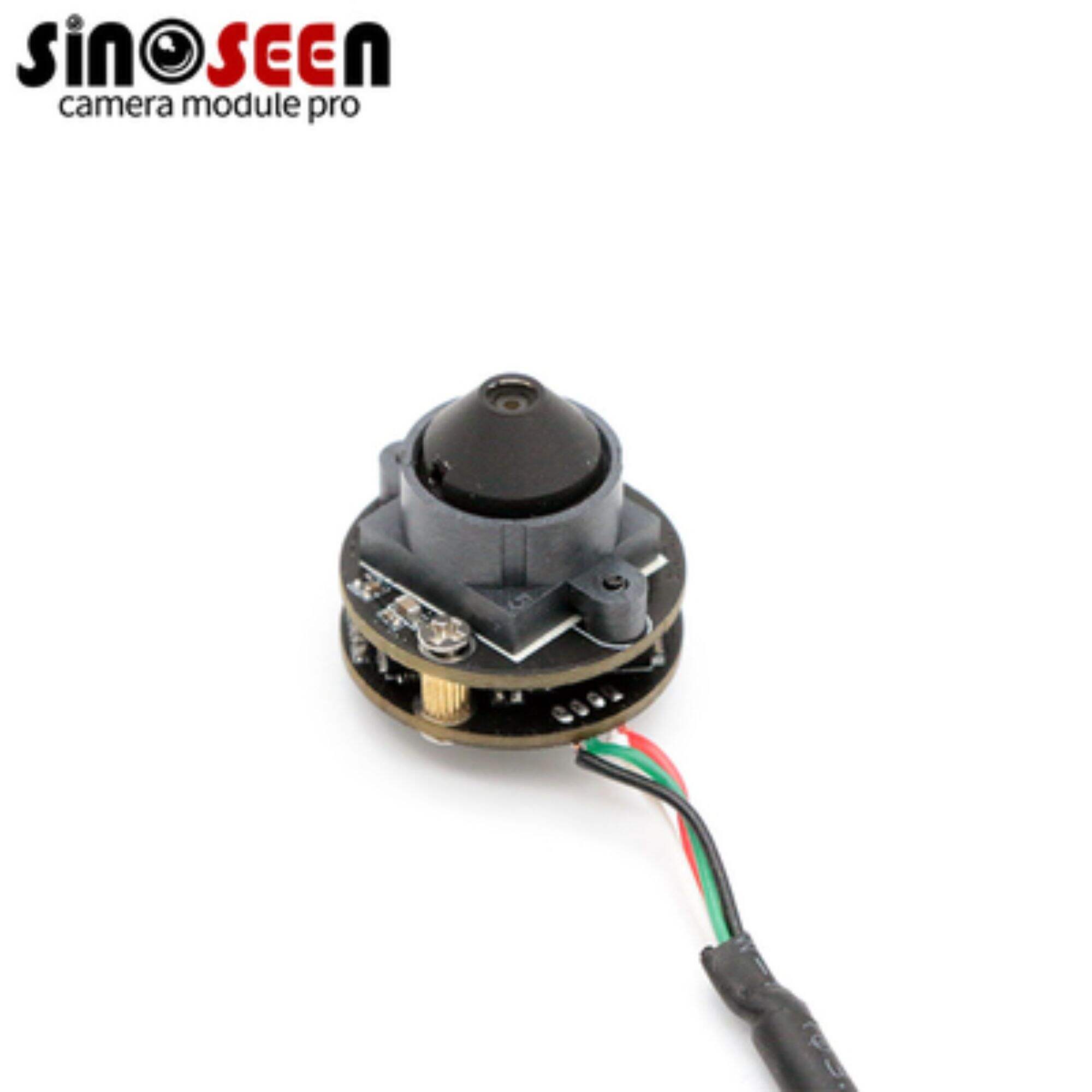
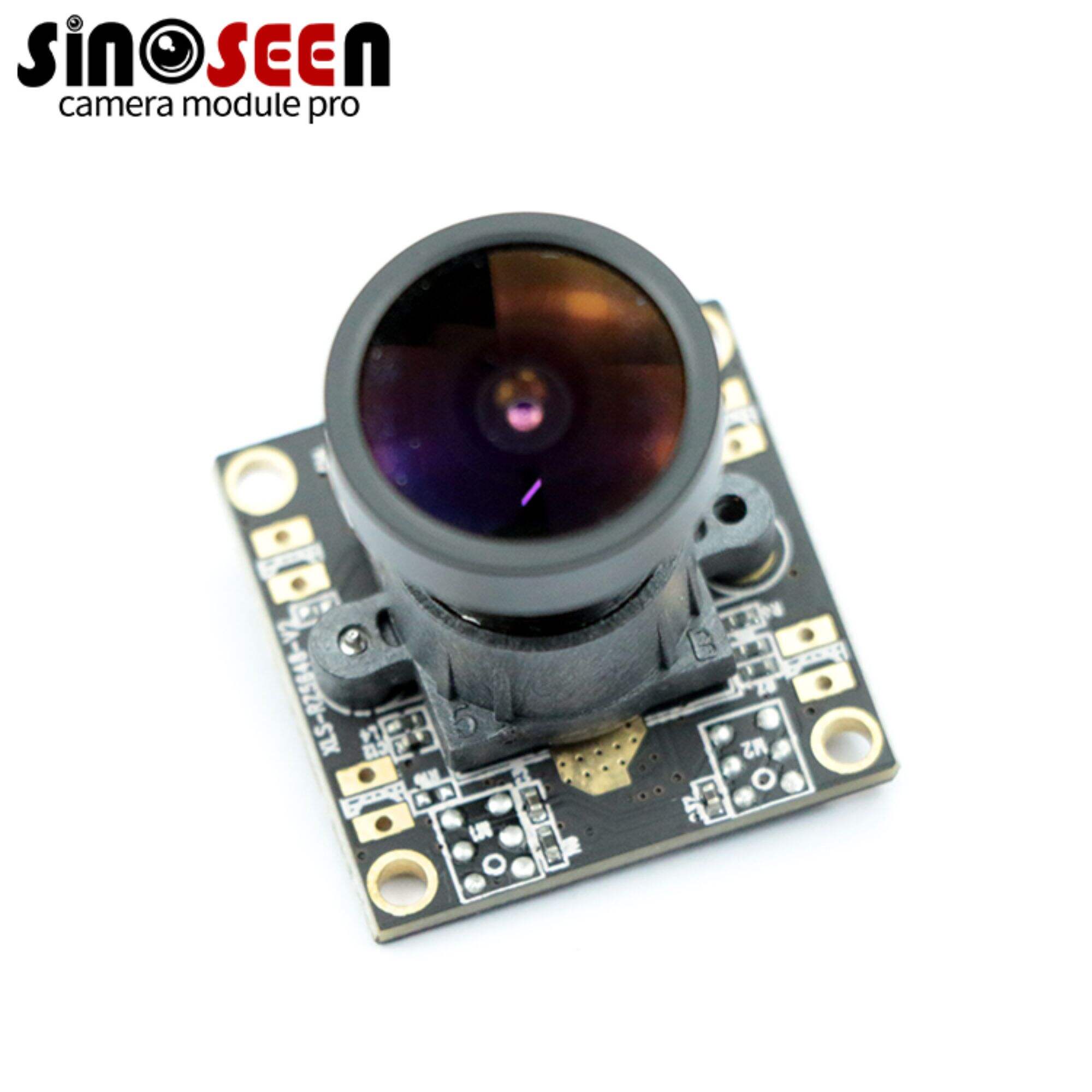
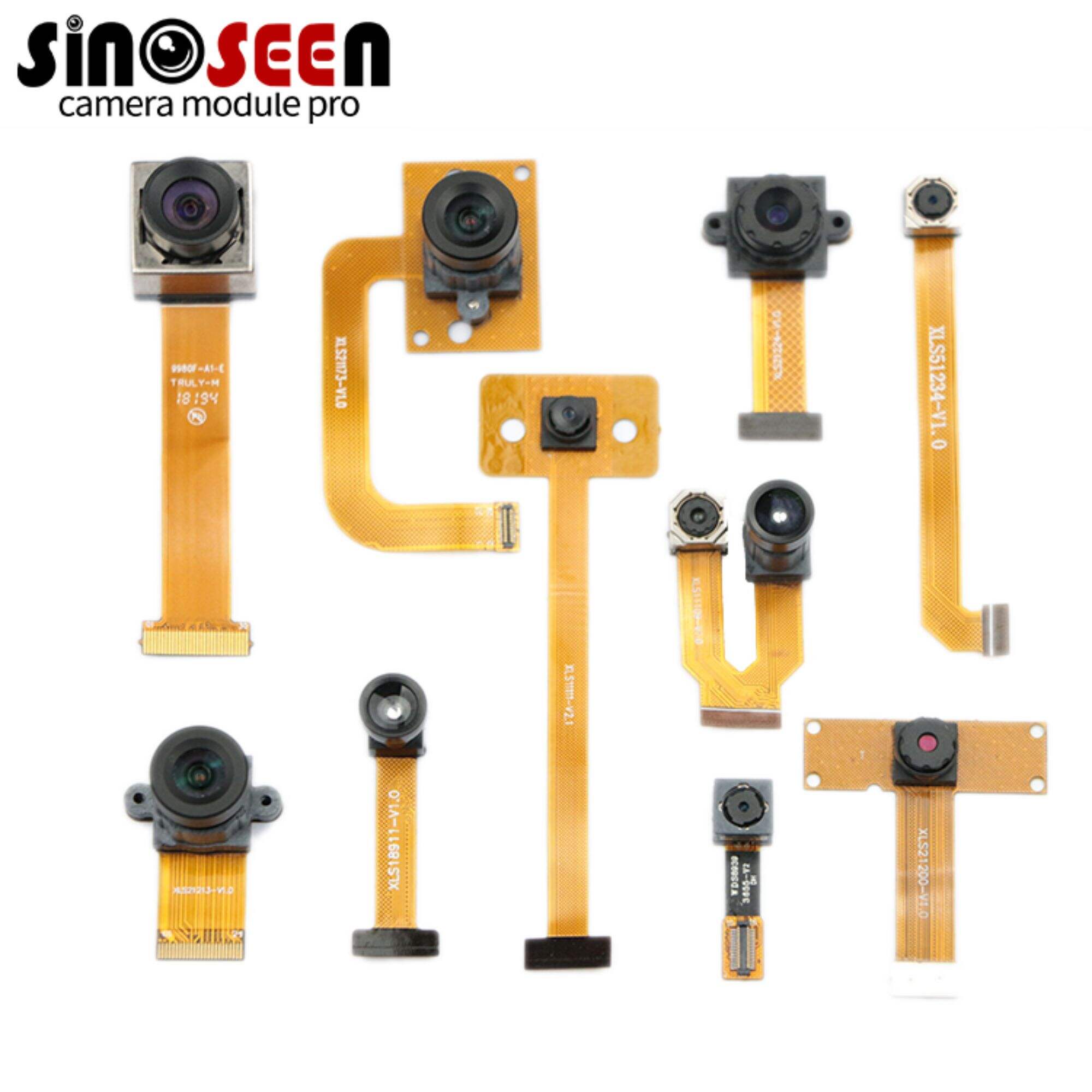
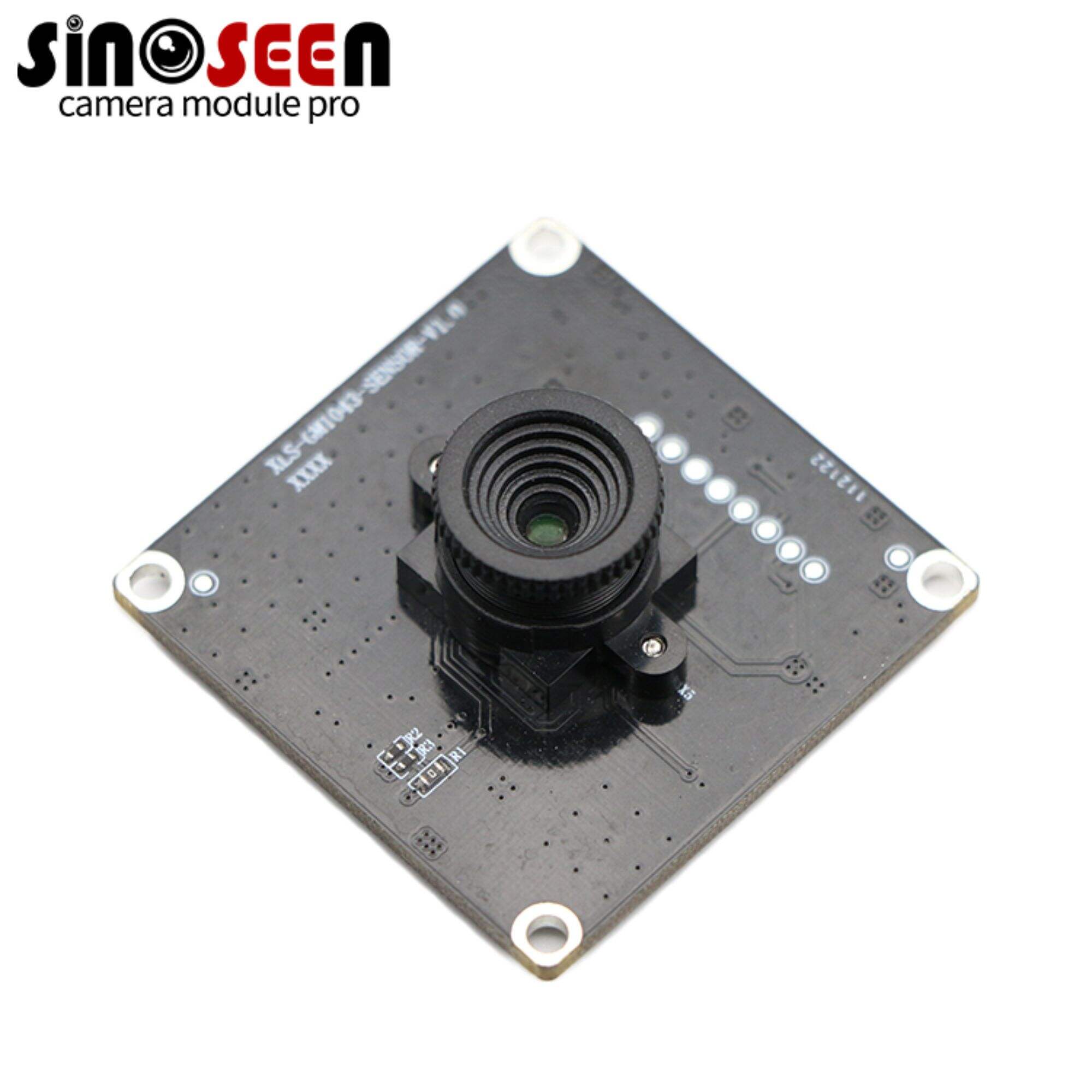
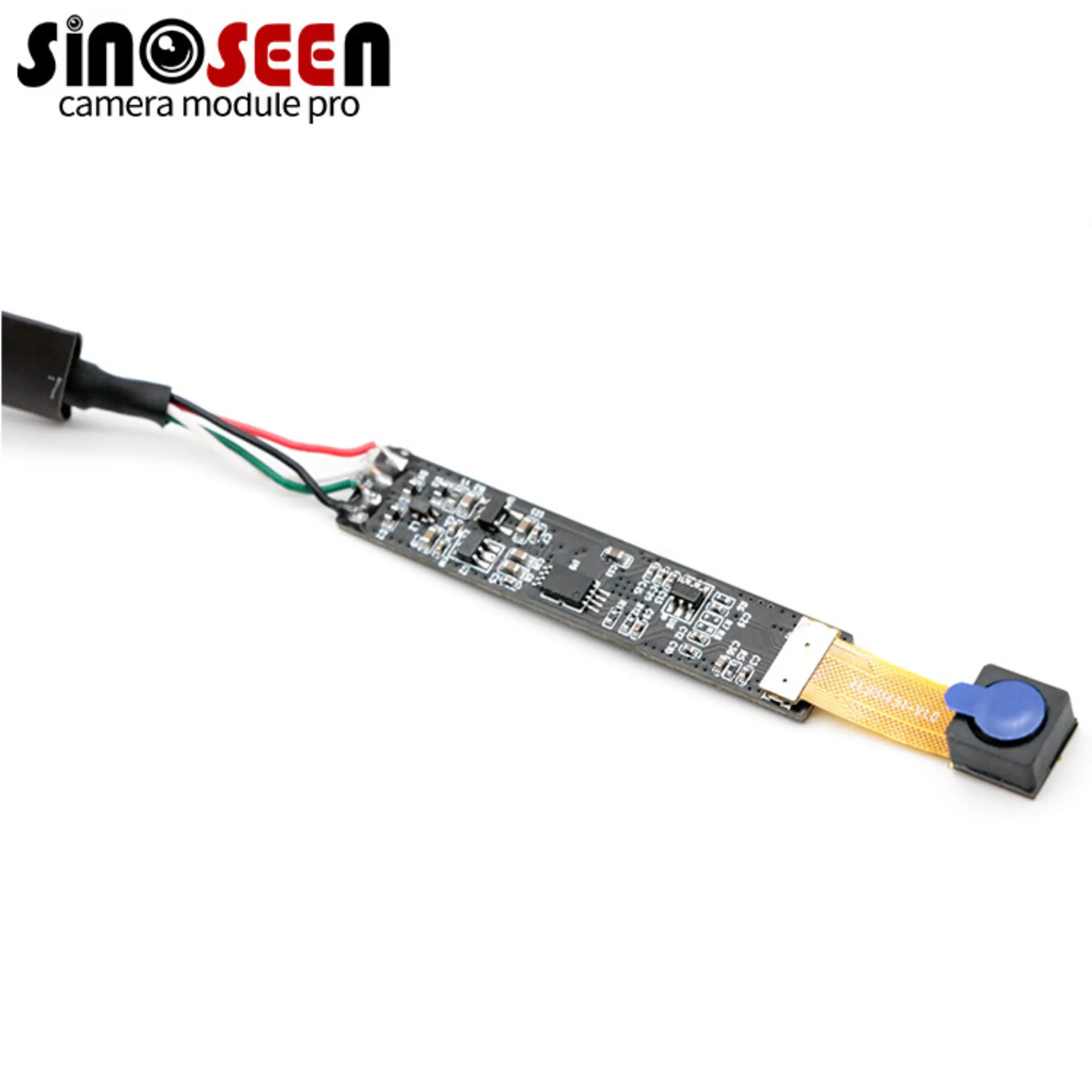
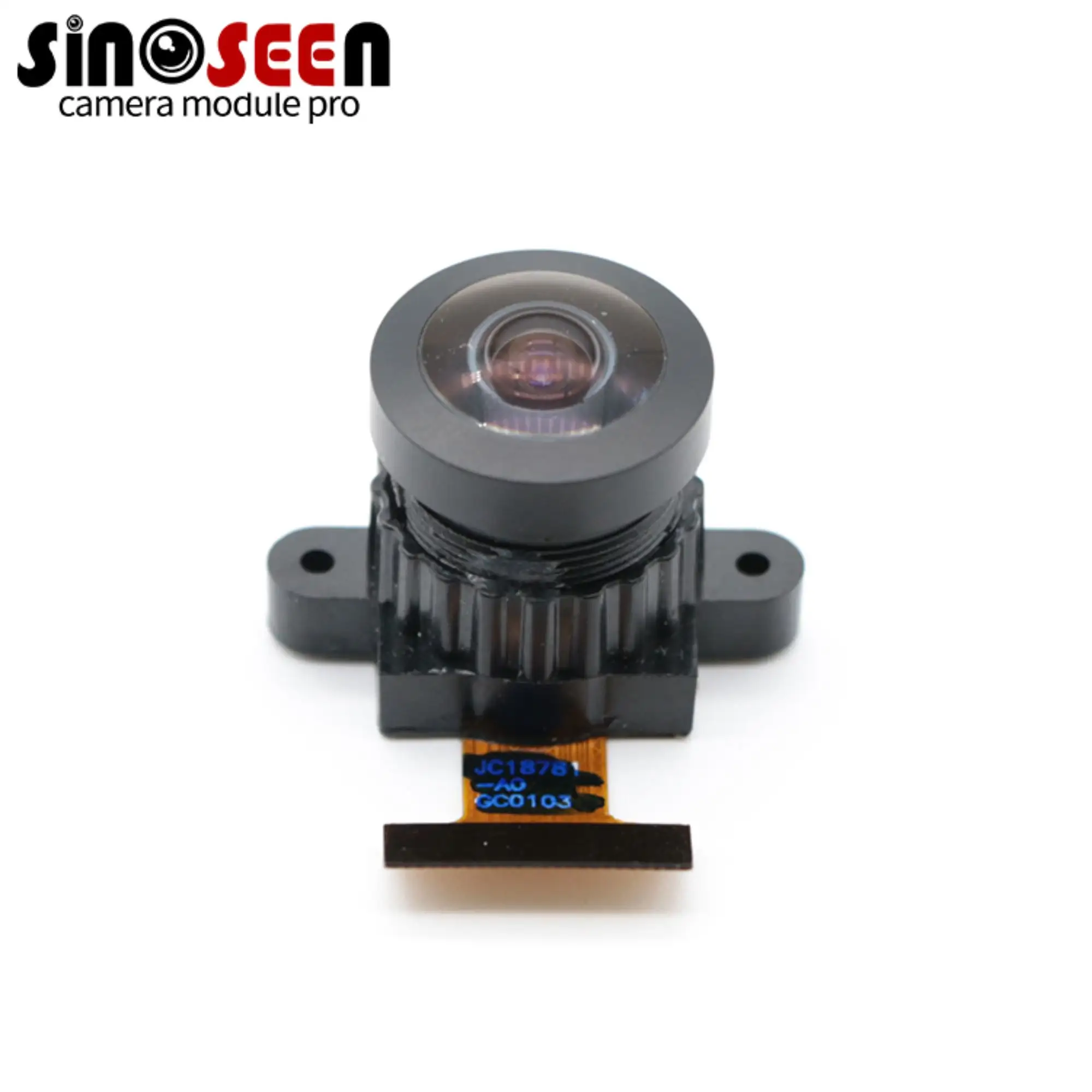
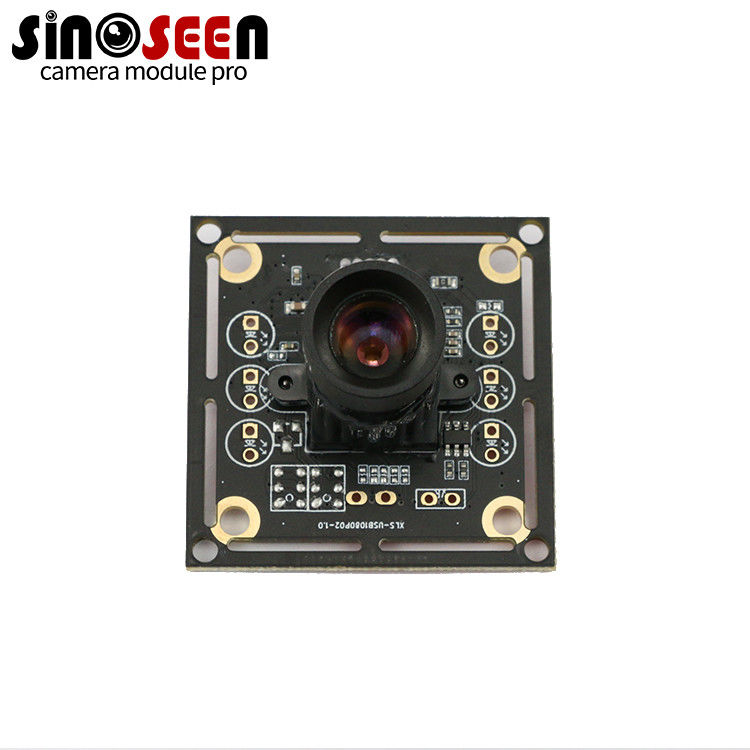
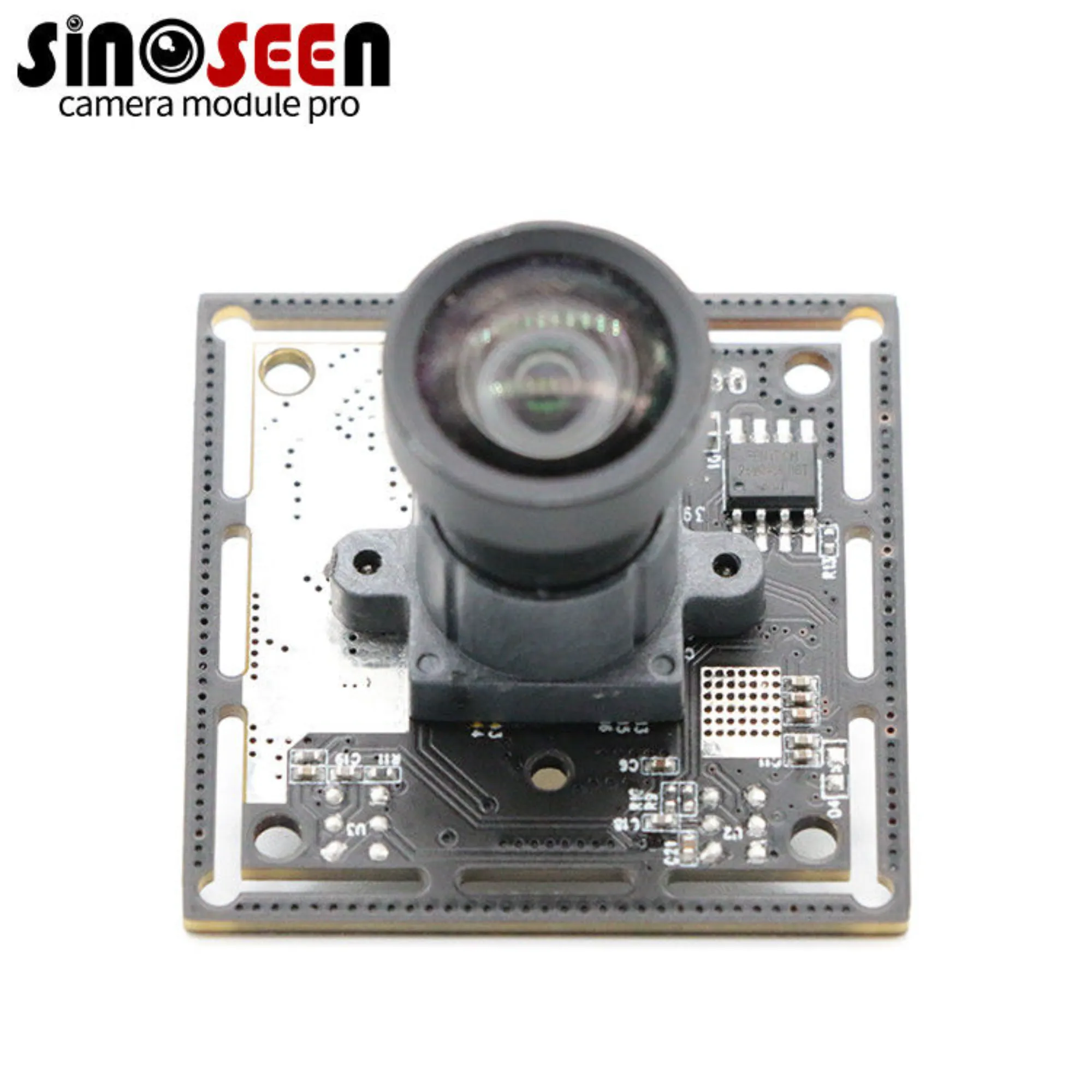
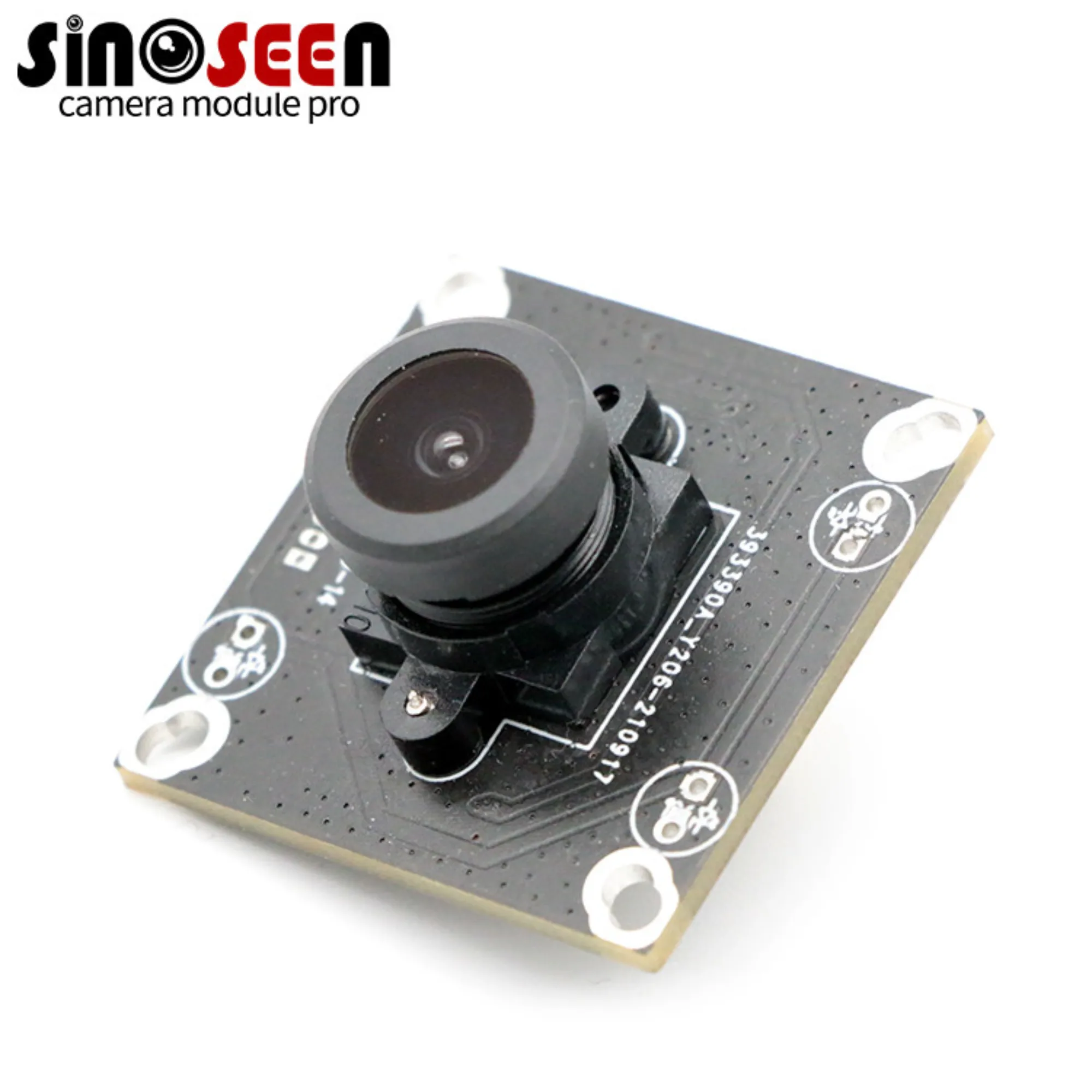
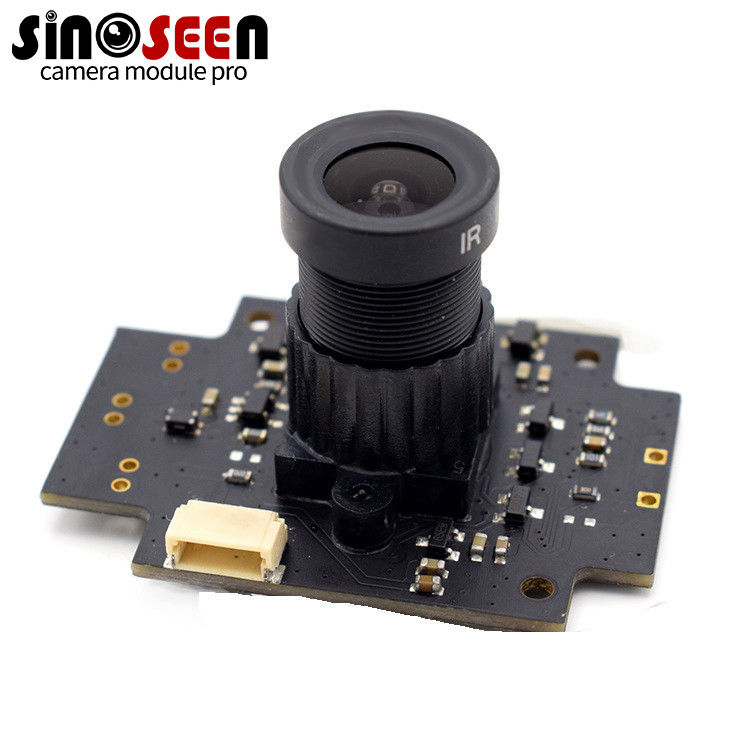
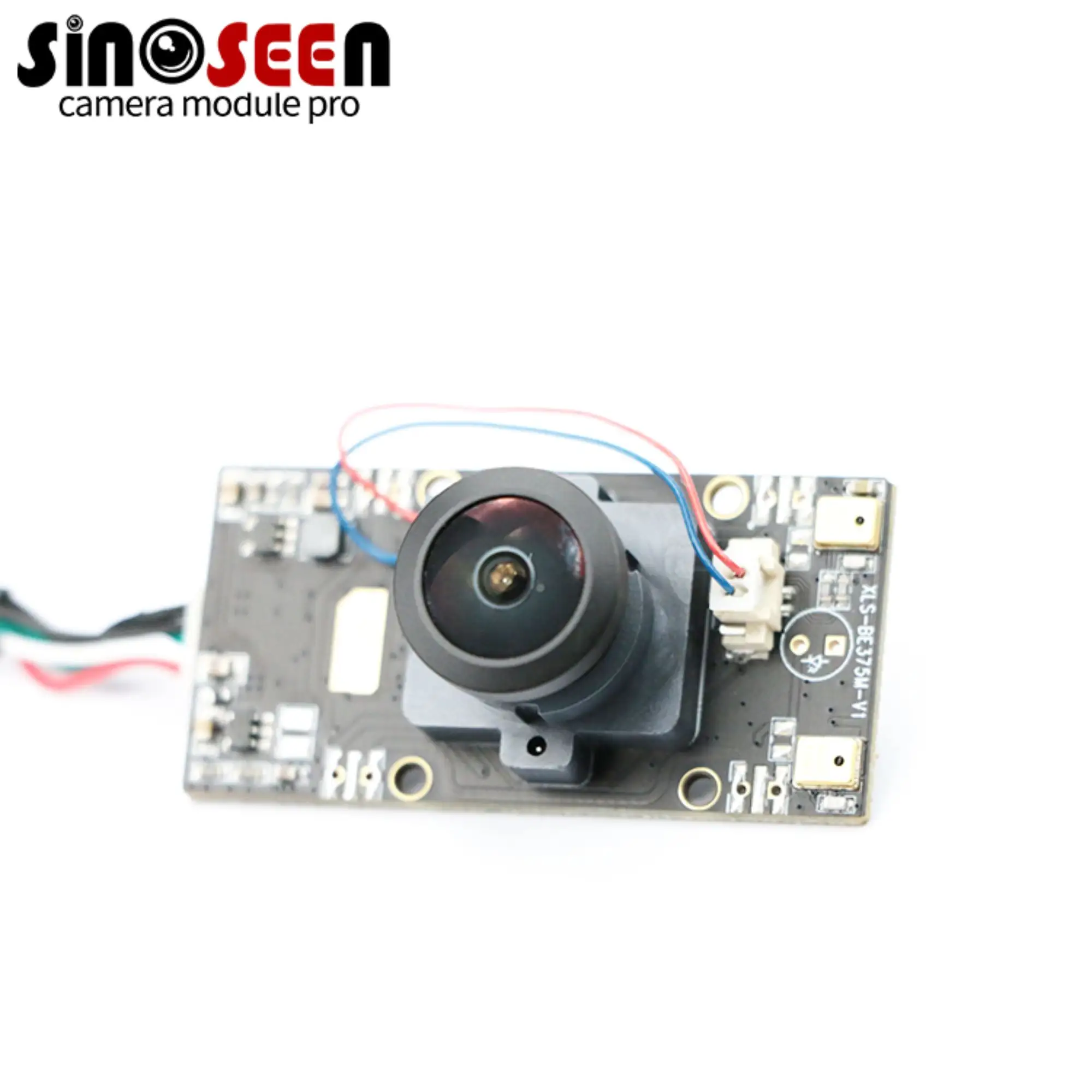
A CMOS camera board module represents a sophisticated imaging solution that integrates advanced semiconductor technology with compact design principles to deliver exceptional visual capture capabilities. These modules utilize Complementary Metal-Oxide-Semiconductor technology, which fundamentally transforms how digital imaging systems operate across various industries and applications. The CMOS camera board module serves as the core component in modern imaging devices, providing essential functions including light detection, signal processing, and digital image conversion within a streamlined form factor. The primary functions of a CMOS camera board module encompass photon capture through specialized pixel arrays, analog-to-digital signal conversion, and integrated processing capabilities that enable real-time image generation. These modules feature built-in amplifiers, noise reduction circuits, and timing control systems that work harmoniously to produce high-quality visual output. The technological architecture incorporates advanced fabrication processes that allow individual pixel control, resulting in superior image quality and enhanced performance characteristics. Key technological features include low power consumption architecture, which makes CMOS camera board modules ideal for battery-powered devices and energy-sensitive applications. The modules support various resolution configurations, ranging from basic VGA formats to ultra-high-definition specifications, accommodating diverse project requirements and performance expectations. Additionally, these modules incorporate sophisticated exposure control mechanisms, automatic gain adjustment, and digital signal processing capabilities that optimize image quality across different lighting conditions. Application domains for CMOS camera board modules span numerous industries, including security surveillance systems, automotive imaging solutions, medical diagnostic equipment, industrial automation, robotics, consumer electronics, and Internet of Things devices. In security applications, these modules provide reliable monitoring capabilities with excellent low-light performance. Automotive implementations utilize CMOS camera board modules for advanced driver assistance systems, parking assistance, and autonomous vehicle navigation. Medical applications benefit from the precise imaging capabilities for diagnostic equipment and surgical visualization systems.

Popular Products

CMOS camera board modules deliver exceptional value through their energy-efficient design, consuming significantly less power compared to traditional imaging solutions. This power efficiency translates directly into longer battery life for portable devices and reduced operational costs for continuous monitoring systems. Users benefit from extended operation periods without frequent charging or power source replacement, making these modules particularly attractive for remote deployment scenarios and mobile applications. The compact form factor of CMOS camera board modules enables seamless integration into space-constrained environments where traditional camera systems cannot fit. This miniaturization capability opens opportunities for innovative product designs and allows manufacturers to create sleeker, more portable devices without compromising imaging quality. Engineers appreciate the flexibility these modules provide during product development, as the small footprint simplifies mechanical design challenges and reduces overall system complexity. Cost-effectiveness represents another significant advantage, as CMOS camera board modules utilize mature manufacturing processes that deliver high-quality imaging at competitive price points. This affordability makes advanced imaging technology accessible to a broader range of applications and enables cost-sensitive projects to incorporate professional-grade visual capabilities. The economic benefits extend beyond initial purchase costs, as the simplified integration process reduces development time and associated engineering expenses. Real-time processing capabilities built into CMOS camera board modules eliminate the need for external processing units in many applications. This integrated approach reduces system complexity, minimizes component count, and enhances overall reliability while delivering immediate image output for time-critical applications. Users benefit from faster response times and simplified system architectures that reduce potential failure points. The versatility of CMOS camera board modules accommodates various interface options, including USB, MIPI, and parallel connections, ensuring compatibility with diverse host systems and development platforms. This flexibility simplifies integration processes and allows developers to select the most appropriate interface for their specific requirements. The modules support multiple operating systems and development environments, facilitating rapid prototyping and deployment across different platforms. Superior image quality characteristics include excellent dynamic range, accurate color reproduction, and effective noise suppression that rival much more expensive imaging solutions. These quality improvements directly benefit end users through clearer images, better detail capture, and more reliable visual information for decision-making processes.

Latest News

Why Choose a High-Performance Embedded Camera Module for AI Applications?

02

Mar

Why Choose a High-Performance Embedded Camera Module for AI Applications?

Artificial intelligence applications demand precision, speed, and reliability in their visual data acquisition systems. An embedded camera module serves as the critical foundation for AI-powered devices, from autonomous vehicles to smart manufacturin...
View More
 How to Select the Right AI Camera Module for Facial Recognition Systems?

02

Mar

How to Select the Right AI Camera Module for Facial Recognition Systems?

Selecting the appropriate AI camera module for facial recognition systems represents a critical decision that directly impacts system performance, accuracy, and overall operational efficiency. Modern facial recognition applications demand sophisticat...
View More
How to Optimize Low-Light Performance in Custom Camera Module Designs?

02

Mar

How to Optimize Low-Light Performance in Custom Camera Module Designs?

Custom camera module designs face unique challenges when operating in environments with minimal illumination, making low-light performance optimization a critical engineering consideration. Modern applications ranging from security surveillance to au...
View More
Why do Robotics Manufacturers Prefer High-Speed AI Camera Modules?

02

Mar

Why do Robotics Manufacturers Prefer High-Speed AI Camera Modules?

The robotics industry has experienced unprecedented growth in recent years, with manufacturers increasingly demanding sophisticated vision systems that can process visual data at lightning speed. High-speed AI camera modules have emerged as the corne...
View More

Get In Touch

cmos camera board module

Advanced Low-Light Performance Technology

Advanced Low-Light Performance Technology

The CMOS camera board module incorporates cutting-edge sensor technology specifically engineered to excel in challenging lighting conditions, delivering exceptional image quality even when ambient illumination is minimal. This advanced low-light capability stems from innovative pixel architecture that maximizes light gathering efficiency through enlarged photodiodes and optimized microlens arrays. The technology employs sophisticated noise reduction algorithms working in conjunction with high-sensitivity photodetectors to capture clear, detailed images in environments where traditional cameras struggle to perform adequately. Users experience dramatic improvements in image clarity during dawn, dusk, and indoor lighting scenarios, making these modules invaluable for security applications, wildlife monitoring, and automotive safety systems. The enhanced sensitivity enables capture of fine details that would otherwise be lost in shadows or poorly lit areas, providing critical visual information for analysis and decision-making processes. Professional surveillance operators particularly benefit from this capability, as it extends effective monitoring hours and reduces reliance on artificial lighting infrastructure. The low-light performance technology also incorporates intelligent exposure control mechanisms that automatically adjust sensor parameters to optimize image brightness and contrast without introducing unwanted artifacts or excessive noise. This automatic optimization ensures consistent image quality across varying lighting conditions while maintaining natural color representation and detail preservation. Industrial applications leverage this technology for quality control processes in manufacturing environments where consistent lighting may not always be available or practical to maintain. The CMOS camera board module achieves this superior low-light performance while maintaining compact dimensions and low power consumption, making it suitable for battery-powered devices that must operate continuously in remote locations. Research and development teams have specifically focused on minimizing thermal noise generation, which typically degrades image quality in low-light conditions, through advanced circuit design and optimized fabrication processes. The result is a camera module that delivers professional-grade imaging performance in a cost-effective, easily integrated package that enhances the value proposition for countless applications requiring reliable visual capture in challenging environments.
Plug-and-Play Integration Simplicity

Plug-and-Play Integration Simplicity

The CMOS camera board module features revolutionary plug-and-play integration capabilities that dramatically simplify implementation processes for engineers and developers across diverse industries and application domains. This integration simplicity stems from comprehensive driver support, standardized interface protocols, and intelligent auto-configuration features that eliminate complex setup procedures traditionally associated with camera system implementation. Development teams benefit from significantly reduced time-to-market cycles as the modules seamlessly connect with popular development platforms, microcontrollers, and single-board computers without requiring extensive hardware modifications or custom interface development. The plug-and-play functionality extends beyond basic connectivity to include automatic parameter optimization, where the CMOS camera board module intelligently configures its operational settings based on detected host system capabilities and application requirements. This intelligent configuration eliminates guesswork and reduces the likelihood of compatibility issues that can delay project completion or compromise system performance. Software developers appreciate the comprehensive SDK packages and documentation that accompany these modules, providing clear implementation guidelines, sample code, and troubleshooting resources that accelerate development processes. The standardized interfaces supported by CMOS camera board modules include widely adopted protocols that ensure compatibility with existing infrastructure and future system upgrades. This compatibility assurance protects development investments and provides flexibility for system evolution without requiring complete camera subsystem redesigns. Educational institutions and maker communities particularly value this accessibility, as it enables rapid prototyping and experimentation without deep specialized knowledge of camera interface protocols or complex configuration procedures. Industrial automation engineers leverage the plug-and-play capabilities to quickly deploy vision systems in manufacturing environments where minimal downtime is critical for maintaining production schedules. The simplified integration process reduces dependency on specialized camera experts and allows general engineering teams to successfully implement sophisticated imaging solutions. Quality assurance processes benefit from standardized installation procedures that ensure consistent performance across multiple deployment sites and reduce variability introduced by complex manual configuration steps. The CMOS camera board module design philosophy prioritizes user experience through thoughtful connector selection, clear labeling, and comprehensive compatibility testing with mainstream development ecosystems, ensuring reliable operation across diverse implementation scenarios while maintaining the advanced imaging capabilities that make these modules valuable for professional applications.
Exceptional Price-to-Performance Value Proposition

Exceptional Price-to-Performance Value Proposition

The CMOS camera board module delivers an outstanding price-to-performance value proposition that makes advanced imaging technology accessible to budget-conscious projects while maintaining professional-grade image quality and reliability standards. This exceptional value stems from mature manufacturing processes, efficient design optimization, and economies of scale that enable high-quality camera modules to be produced at competitive price points without compromising essential features or performance characteristics. Small businesses and startups particularly benefit from this affordability, as it enables incorporation of sophisticated imaging capabilities into products that might otherwise be limited to basic camera functionality due to budget constraints. The cost-effectiveness extends beyond initial purchase prices to include reduced development costs through simplified integration processes and comprehensive support resources that minimize engineering time requirements. Educational institutions leverage this value proposition to provide students with access to current imaging technology for learning and research projects without straining institutional budgets or requiring expensive specialized equipment purchases. The CMOS camera board module achieves this exceptional value through strategic component selection, optimized circuit design, and streamlined manufacturing processes that eliminate unnecessary complexity while preserving core imaging performance. Research and development investments have focused on maximizing functionality within cost-effective frameworks, resulting in modules that deliver features typically found in much more expensive imaging solutions. Industrial customers appreciate the total cost of ownership benefits, which include reliable operation, minimal maintenance requirements, and long operational lifespans that protect equipment investments over extended deployment periods. The competitive pricing enables broader adoption of automated vision systems in manufacturing environments where cost justification has previously been challenging to achieve. Consumer electronics manufacturers benefit from the ability to incorporate high-quality imaging into products at price points that maintain market competitiveness while enhancing product differentiation through superior camera performance. The value proposition includes comprehensive technical support, detailed documentation, and robust warranty coverage that reduces risk associated with component selection and provides confidence for production deployment decisions. Quantity pricing structures accommodate diverse project scales, from small prototype runs to large-scale production deployments, ensuring cost-effectiveness across different business models and market segments. The CMOS camera board module value extends to reduced time-to-market benefits, as the combination of competitive pricing and proven performance eliminates lengthy evaluation periods and accelerates product development cycles, providing additional indirect cost savings that enhance overall project economics and return on investment calculations for organizations implementing imaging solutions.

Related Search

Get in touch