
 EN
EN
 AR
AR
 DA
DA
 NL
NL
 FI
FI
 FR
FR
 DE
DE
 EL
EL
 HI
HI
 IT
IT
 JA
JA
 KO
KO
 NO
NO
 PL
PL
 PT
PT
 RO
RO
 RU
RU
 ES
ES
 SV
SV
 TL
TL
 IW
IW
 ID
ID
 SR
SR
 VI
VI
 HU
HU
 TH
TH
 TR
TR
 FA
FA
 MS
MS
 IS
IS
 AZ
AZ
 UR
UR
 BN
BN
 HA
HA
 LO
LO
 MR
MR
 MN
MN
 PA
PA
 MY
MY
 SD
SD
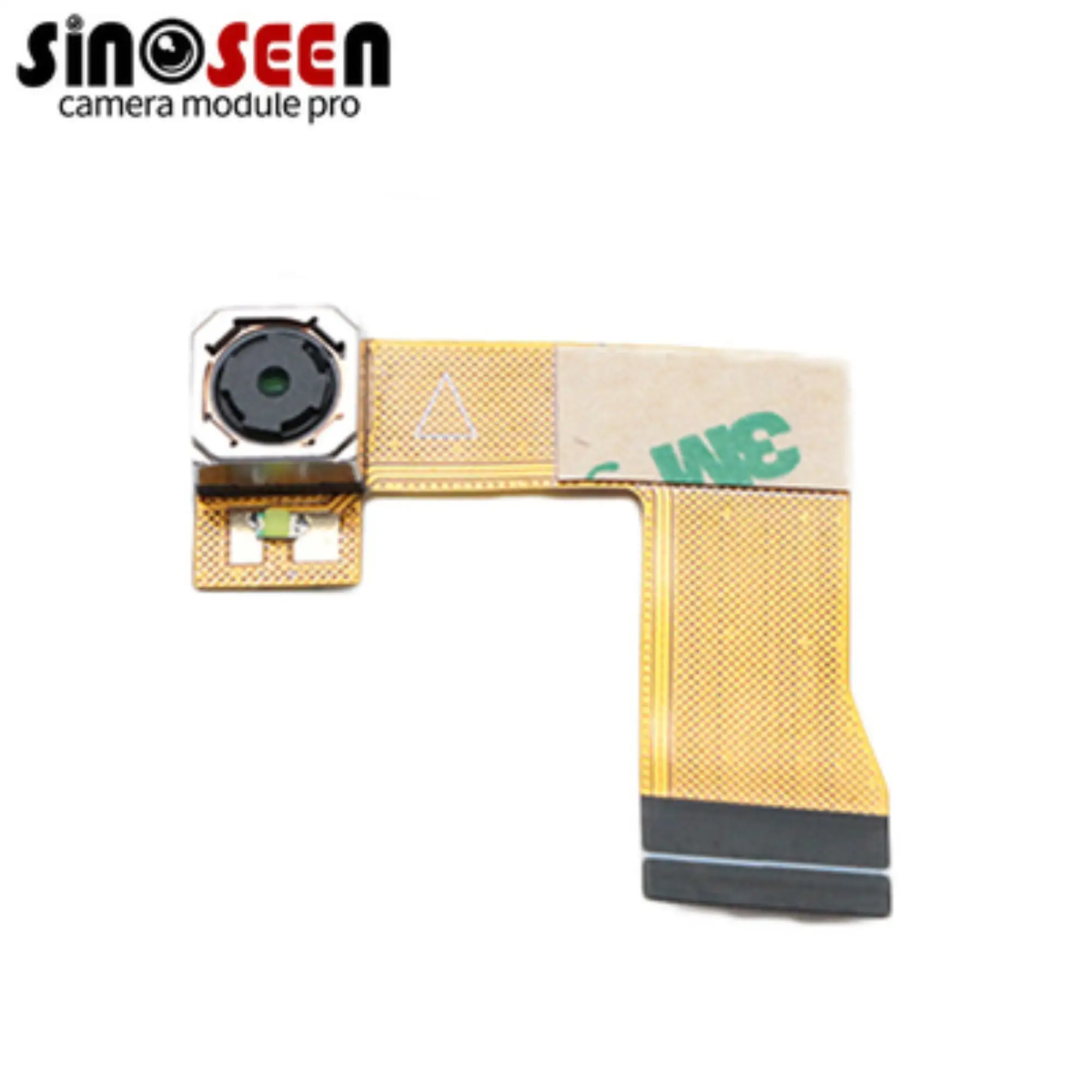
Bezprzewodowe zastosowania obrazowania przekształciły branże od systemów bezpieczeństwa w inteligentnych domach po monitorowanie przemysłowe, robotykę oraz urządzenia wspierane przez Internet rzeczy (IoT). W centrum wielu z tych innowacji znajduje się moduł kamery ESP32 – potężne połączenie wbudowanych możliwości obrazowania i bezprzewodowej łączności, umożliwiające przesyłanie danych wizualnych w czasie rzeczywistym bez ograniczeń tradycyjnych systemów przewodowych. Te zwarte i opłacalne moduły integrują czujniki obrazu z platformą mikrokontrolera ESP32, umożliwiając deweloperom tworzenie zaawansowanych rozwiązań bezprzewodowego obrazowania, które zapewniają optymalny balans między wydajnością, efektywnością energetyczną a łatwością integracji w różnorodnych scenariuszach wdrożenia.
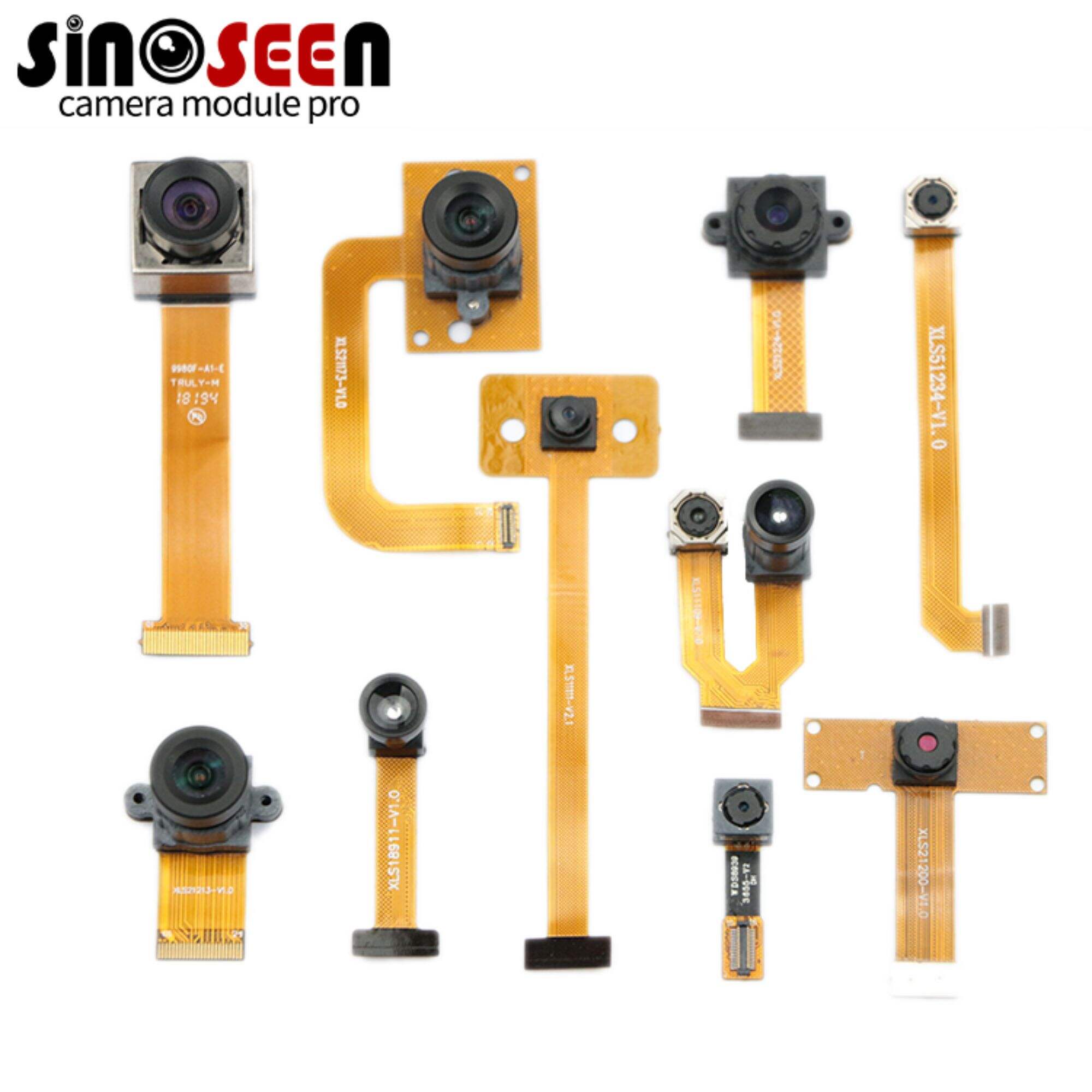
Rosnące zapotrzebowanie na bezprzewodowe rozwiązania do przetwarzania obrazów wynika z potrzeby elastycznego wdrażania, ograniczenia złożoności instalacji oraz zdalnego dostępu w zastosowaniach, w których prowadzenie kabli jest niewykonalne lub nieopłacalne. Moduł kamery oparty na układzie ESP32 rozwiązuje te wyzwania, łącząc przechwytywanie obrazu z wbudowaną łącznością WiFi i Bluetooth, umożliwiając bezproblemową integrację z istniejącymi sieciami bezprzewodowymi oraz platformami opartymi na chmurze. To połączenie technologii przetwarzania obrazów i bezprzewodowej komunikacji otworzyło nowe możliwości dla programistów chcących wdrożyć inteligentne systemy wizyjne w środowiskach o ograniczonej przestrzeni, na platformach mobilnych oraz w rozproszonych sieciach czujników, gdzie tradycyjne systemy kamer byłyby niewykonalne lub nieopłacalne.
Podstawowa architektura i funkcje bezprzewodowe modułów kamer ESP32
Integracja czujnika obrazu i komunikacji bezprzewodowej
Podstawową zaletą modułu kamery ESP32 jest jego zintegrowana architektura łącząca interfejs czujnika kamery z układem system-on-chip ESP32, który oferuje przetwarzanie dwurdzeniowe oraz funkcje WiFi i Bluetooth Low Energy. Ta integracja eliminuje konieczność stosowania oddzielnych modułów komunikacyjnych i zmniejsza ogólną złożoność systemu. Mikrokontroler ESP32 obsługuje przechwytywanie obrazów, ich przetwarzanie, kompresję oraz bezprzewodową transmisję w ramach jednego zwartego pakietu, co upraszcza proces tworzenia rozwiązań i obniża koszty zestawu elementów (BOM) dla projektantów produktów.
Większość implementacji modułów kamerowych ESP32 wykorzystuje czujniki obrazu o rozdzielczości od VGA do kilku megapikseli; konkretny wybór czujnika zależy od wymagań aplikacji dotyczących jakości obrazu, szybkości kadrowania oraz poboru mocy. Bezprzewodowa łączność modułu umożliwia przesyłanie przechwyconych obrazów w czasie rzeczywistym przez sieci WiFi do lokalnych serwerów, platform chmurowych do przechowywania danych lub aplikacji mobilnych. Ta funkcja bezprzewodowej komunikacji okazuje się szczególnie przydatna w zastosowaniach takich jak bezprzewodowe kamery bezpieczeństwa, systemy zdalnego monitoringu oraz roboty mobilne, gdzie fizyczne połączenie z systemem nadrzędnym jest niewykonalne lub ograniczałoby mobilność i elastyczność urządzenia.
Moc obliczeniowa i możliwości przetwarzania obrazu
Dualrdzeniowy procesor Xtensa LX6 w układzie ESP32 zapewnia wystarczającą moc obliczeniową do jednoczesnego wykonywania zadań związanych z przechwytywaniem obrazu, podstawową obróbką obrazu oraz komunikacją bezprzewodową. Jeden rdzeń zwykle zarządza interfejsem kamery i przepływem danych obrazowych, podczas gdy drugi rdzeń odpowiada za komunikację sieciową oraz logikę aplikacji. Ta architektura przetwarzania równoległego umożliwia modułowi kamery opartemu na układzie ESP32 osiąganie rozsądnych szybkości klatek przy jednoczesnym utrzymaniu stabilnej łączności bezprzewodowej, choć jego możliwości są ograniczone w porównaniu z dedykowanymi platformami do przetwarzania obrazu.
Kompresja obrazu staje się niezbędna w bezprzewodowych aplikacjach obrazowych, aby zmniejszyć wymagania dotyczące przepustowości oraz opóźnienia transmisji. Moduł kamery ESP32 zwykle wykorzystuje kompresję JPEG w celu osiągnięcia równowagi między jakością obrazu a wydajnością transmisji danych. Deweloperzy mogą dostosowywać parametry kompresji, aby zoptymalizować kompromis między wiernością obrazu a zużyciem przepustowości bezprzewodowej zgodnie ze specyficznymi wymaganiami danej aplikacji. W przypadku aplikacji wymagających wyższej liczby klatek na sekundę lub niższego opóźnienia moduł można skonfigurować tak, aby przesyłał obrazy o niższej rozdzielczości lub implementował algorytmy wykrywania ruchu, które aktywują pobieranie obrazu wyłącznie w momencie wystąpienia zmian wizualnych – co znacznie zmniejsza niepotrzebną transmisję danych oraz oszczędza zarówno przepustowość, jak i energię.
Wsparcie dla protokołów bezprzewodowych oraz integracja sieciowa
Moduł kamery ESP32 obsługuje wiele protokołów bezprzewodowych, przy czym WiFi jest głównym wyborem w większości aplikacji obrazowych ze względu na wysoką przepustowość oraz powszechną dostępność infrastruktury. Moduł może działać w trybie stacji, aby nawiązać połączenie z istniejącymi sieciami WiFi, lub w trybie punktu dostępu, tworząc własną sieć do bezpośredniej komunikacji urządzenie–urządzenie. Ta elastyczność umożliwia zastosowanie w różnorodnych scenariuszach wdrożenia – od integracji z istniejącymi sieciami korporacyjnymi po autonomiczną pracę w oddalonych lokalizacjach, gdzie nie ma dostępnej infrastruktury bezprzewodowej.
Implementacja WiFi w module kamery ESP32 obsługuje różne protokoły zabezpieczeń, w tym szyfrowanie WPA2, zapewniając bezpieczną transmisję danych wizualnych przez sieci bezprzewodowe. W przypadku aplikacji wymagających współpracy wielu urządzeń moduł może uczestniczyć w konfiguracjach sieci typu mesh lub komunikować się za pośrednictwem protokołów MQTT z centralnymi brokermi, umożliwiając skalowalne wdrożenia rozproszonych systemów kamer. Dodatkowo obsługa Bluetooth Low Energy zapewnia alternatywny kanał komunikacji do konfiguracji urządzenia, monitorowania jego stanu lub wymiany danych o niskiej przepustowości w sytuacjach, gdy połączenie WiFi jest niedostępne lub zużycie energii musi zostać zminimalizowane.
Zastosowania bezprzewodowego obrazowania z wykorzystaniem modułu kamery ESP32
Inteligentne systemy bezpieczeństwa i monitoringu w domu
Zastosowania systemów bezpieczeństwa w domach i małych przedsiębiorstwach stanowią jeden z najczęstszych scenariuszy wdrożenia rozwiązań opartych na module kamery ESP32. Te bezprzewodowe systemy obrazowania zapewniają wizualne monitorowanie bez konieczności stosowania skomplikowanych i kosztownych instalacji przewodowych kamer, dzięki czemu zaawansowane systemy bezpieczeństwa stają się dostępne dla szerszego grona odbiorców. Bezprzewodowa natura tych modułów umożliwia elastyczne umieszczanie ich w miejscach, gdzie prowadzenie kabli byłoby trudne lub niepożądane z powodów estetycznych, a łączność WiFi umożliwia przeglądanie obrazu w czasie rzeczywistym z poziomu smartfonów lub tabletów niezależnie od lokalizacji użytkownika.
W implementacjach systemów zabezpieczeń inteligentnych domów moduł kamery oparty na układzie ESP32 często integruje się z szerszymi systemami automatyki domowej, generując powiadomienia w przypadku wykrycia ruchu lub rozpoznania określonych wzorów wizualnych. Moduł może przesyłać strumieniowo obraz w czasie rzeczywistym do platform chmurowych służących do przechowywania danych lub do lokalnych urządzeń pamięci masowej podłączonych do sieci, tworząc zapisane archiwa do późniejszej analizy. Zagadnienia związane z poborem mocy stają się istotne w przypadku zasilanych bateryjnie kamer bezpieczeństwa, gdzie moduł kamery oparty na układzie ESP32 może stosować tryby głębokiego uśpienia oraz funkcję budzenia przy wystąpieniu zdarzenia, aby wydłużyć czas pracy między wymianą baterii lub cyklami ładowania.
Zastosowania w monitoringu przemysłowym i kontroli jakości
Środowiska produkcyjne coraz częściej wdrażają bezprzewodowe rozwiązania obrazowe do monitorowania procesów, kontroli jakości oraz oceny stanu sprzętu. Moduł kamery ESP32 zapewnia opłacalne podejście do wdrożenia wizualnego monitoringu w zakładach produkcyjnych bez konieczności stosowania rozbudowanej infrastruktury kablowej. Takie systemy mogą monitorować procesy montażowe, wykrywać wady produktów, weryfikować prawidłowe umiejscowienie komponentów lub zapewniać zdalną widoczność działania sprzętu dla zespołów serwisowych znajdujących się poza halą produkcyjną.
Bezprzewodowa funkcjonalność modułu kamery ESP32 okazuje się szczególnie przydatna w środowiskach przemysłowych, gdzie mobilność urządzeń, obracające się maszyny lub surowe warunki środowiskowe czynią połączenia przewodowe niewykonalnymi. Wiele modułów kamer może być rozproszonych w całym obiekcie i podłączonych do centralnego systemu monitoringu za pośrednictwem istniejących sieci WiFi, zapewniając kompleksowe pokrycie wizualne bez kosztów instalacyjnych związanych z tradycyjnymi przewodowymi systemami kamer. Po połączeniu z możliwościami przetwarzania brzegowego (edge processing) te moduły mogą wykonywać lokalną wstępną analizę obrazów, przesyłając jedynie istotne dane lub alerty zamiast ciągłych strumieni wideo, co zmniejsza zapotrzebowanie na przepustowość sieci w przemysłowych środowiskach o ograniczonej przepustowości.
Systemy wizyjne dla robotyki i pojazdów autonomicznych
Zastosowania robotyki mobilnej korzystają znacznie z kompaktowego kształtu i możliwości bezprzewodowych modułów z kamerą ESP32. Niezależnie od tego, czy chodzi o robotykę edukacyjną, roboty serwisowe czy małe pojazdy autonomiczne, te moduły zapewniają wizualne czucie bez dodatkowej masy i ograniczeń związanych z połączeniami przewodowymi tradycyjnych systemów kamerowych. Komunikacja bezprzewodowa umożliwia przesyłanie strumieni wideo w czasie rzeczywistym do stacji sterujących podczas pracy robota, wspierając zarówno ręczne sterowanie zdalne, jak i nawigację autonomiczną przy zdalnym nadzorze.
W zastosowaniach autonomicznych moduł kamery ESP32 może stanowić jeden z elementów wieloczujnikowego systemu, dostarczając danych wizyjnych do nawigacji, wykrywania przeszkód lub przetwarzania obrazów specyficznych dla danego zadania. Możliwości obliczeniowe modułu pozwalają na lokalne przetwarzanie obrazów w celu wyodrębnienia istotnych cech lub wykrycia konkretnych znaczników wizyjnych, co zmniejsza objętość danych wymaganych do bezprzewodowej transmisji oraz umożliwia szybsze reakcje przy podejmowaniu krytycznych pod względem czasu decyzji nawigacyjnych. Roboty rolnicze, systemy automatyzacji magazynów oraz roboty inspekcyjne wykorzystywane w monitoringu infrastruktury to rosnące obszary zastosowań, w których bezprzewodowe rozwiązania obrazowe oparte na module kamery ESP32 zapewniają praktyczne możliwości wizyjne w ramach akceptowalnych ograniczeń kosztowych.
Uwagi techniczne dotyczące wdrażania rozwiązań z wykorzystaniem modułu kamery ESP32
Zarządzanie energią i zasilanie bateryjne
Zużycie mocy stanowi kluczowy aspekt projektowania aplikacji obrazowania bezprzewodowego, szczególnie w przypadku wdrożeń zasilanych bateryjnie, gdzie czas pracy urządzenia pomiędzy kolejnymi cyklami ładowania ma bezpośredni wpływ na jego przydatność do użytku. Moduł kamery ESP32 zużywa znaczne ilości mocy podczas aktywnego przechwytywania obrazów i bezprzewodowej transmisji, co wymaga stosowania starannych strategii zarządzania energią. Moduł obsługuje różne tryby oszczędzania energii, w tym tryb lekkiego uśpienia (light sleep) i głębokiego uśpienia (deep sleep), które znacznie zmniejszają pobór prądu w sytuacjach, gdy nie jest wymagane przechwytywanie obrazów, wydłużając w ten sposób czas pracy na baterii w aplikacjach o przerywanym użytkowaniu.
Skuteczne implementacje zarządzania energią zwykle wykorzystują architektury sterowane zdarzeniami, w których moduł kamery ESP32 pozostaje w trybie niskiej mocy do momentu aktywacji przez zewnętrzne czujniki, timery lub polecenia sieciowe. Po przebudzeniu moduł szybko wykonuje zdjęcia, przesyła dane i powraca do trybu uśpienia. Takie podejście oparte na cyklu pracy (duty cycling) może wydłużyć czas pracy zasilania bateryjnego z kilku godzin do tygodni lub miesięcy – w zależności od częstotliwości aktywacji oraz wymagań dotyczących rozdzielczości obrazów. Deweloperzy muszą starannie dobrać równowagę między jakością obrazu, częstotliwością transmisji oraz zużyciem energii, aby spełnić wymagania aplikacji i osiągnąć akceptowalny czas pracy w scenariuszach zasilanych bateryjnie.
Jakość obrazu i optymalizacja przepustowości
Jakość obrazu uzyskiwana za pomocą modułu kamery ESP32 zależy od wielu czynników, w tym rozdzielczości sensora, jakości obiektywu, warunków oświetlenia oraz ustawień kompresji. Choć moduły te nie dorównują pod względem jakości obrazu profesjonalnym aparatom fotograficznym ani wysokiej klasy przemysłowym systemom wizyjnym, zapewniają one wystarczającą jakość do wielu zastosowań związanych z monitorowaniem, identyfikacją i dokumentacją. Deweloperzy muszą wybrać odpowiednie sensory oraz skonfigurować parametry kompresji, aby osiągnąć najlepszy kompromis między jakością obrazu a zużyciem przepustowości bezprzewodowej w danym przypadku użycia.
Ograniczenia przepustowości w sieciach bezprzewodowych bezpośrednio wpływają na praktyczną liczbę klatek na sekundę i rozdzielczość obrazu, jakie może obsłużyć moduł kamery ESP32. Przeciążenie sieci Wi-Fi, siła sygnału i zakłócenia ze strony innych urządzeń wpływają na osiągalną prędkość transmisji danych. Aplikacje wymagające wyższej liczby klatek na sekundę często wdrażają adaptacyjne mechanizmy jakości, które dostosowują rozdzielczość i kompresję w oparciu o dostępną przepustowość, zapewniając ciągłość działania nawet w zmiennych warunkach sieciowych. W aplikacjach, w których jakość obrazu ma kluczowe znaczenie, moduł można skonfigurować tak, aby rejestrował obrazy o wysokiej rozdzielczości z niższą liczbą klatek na sekundę, zapisując je lokalnie, gdy łączność bezprzewodowa jest tymczasowo niedostępna, i przesyłając je, gdy warunki sieciowe się poprawią.
Środowiska programistyczne i ramki integracji
Rozwijanie aplikacji dla Moduł kamery esp32 wymaga znajomości programowania systemów wbudowanych, zwykle przy użyciu frameworka ESP-IDF lub środowisk programistycznych zgodnych z Arduino. Te platformy zapewniają biblioteki do sterowania aparatem, przetwarzania obrazów oraz komunikacji bezprzewodowej, co przyspiesza cykle rozwoju. Deweloperzy muszą jednak zrozumieć ograniczenia zasobów i zaimplementować wydajny kod, aby osiągnąć akceptowalną wydajność w ramach ograniczonej pamięci i mocy obliczeniowej platformy ESP32.
Integracja z platformami chmurowymi i aplikacjami mobilnymi stanowi kolejny istotny aspekt rozwoju. Wiele implementacji modułów kamerowych opartych na układzie ESP32 wykorzystuje standardowe protokoły, takie jak HTTP, MQTT lub WebSockets, do komunikacji z usługami zapleczowymi, umożliwiając integrację z istniejącą infrastrukturą. Opracowanie aplikacji mobilnych dla systemów iOS i Android pozwala użytkownikom na oglądanie transmisji na żywo, konfigurowanie ustawień urządzenia oraz otrzymywanie alertów z rozproszonych systemów kamerowych. Integracja z chmurą umożliwia zaawansowane funkcje, takie jak zdalny dostęp z dowolnego miejsca przy połączeniu z internetem, scentralizowane przechowywanie nagrania wideo oraz analizę opartą na uczeniu maszynowym przy użyciu zasobów obliczeniowych chmury, niedostępnych na zasobowo ograniczonych platformach wbudowanych.
Kryteria wyboru i uwagi dotyczące wdrożenia
Ocenianie specyfikacji i możliwości modułu
Wybór odpowiedniego modułu kamery ESP32 do zastosowania w bezprzewodowej aplikacji obrazowej wymaga starannego oceniania specyfikacji technicznych w odniesieniu do wymagań projektowych. Kluczowymi parametrami są rozdzielczość czujnika kamery, możliwości szybkości klatek, pole widzenia, wydajność w warunkach słabego oświetlenia oraz obsługiwane formaty obrazów. Czujniki o wyższej rozdzielczości zapewniają większą szczegółowość obrazu, ale wymagają większej mocy obliczeniowej, więcej pamięci oraz większej przepustowości bezprzewodowej, co może ograniczać szybkość klatek i zwiększać zużycie energii. Wymagania aplikacji dotyczące jakości obrazu należy zrównoważyć z tymi praktycznymi ograniczeniami, aby określić optymalną konfigurację modułu.
Ponad specyfikacjami obrazowania należy wziąć pod uwagę fizyczne cechy modułu, w tym jego wymiary, opcje montażu, typy złączy oraz klasyfikację odporności na czynniki środowiskowe. W zastosowaniach przemysłowych mogą być wymagane moduły o rozszerzonym zakresie temperatur roboczych, odporności na wibracje lub wyposażone w osłony ochronne, podczas gdy w zastosowaniach konsumenckich priorytetem są zwarte formy konstrukcyjne oraz estetyczny wygląd. Dostępność opcji dostosowania, takich jak wybór obiektywu, orientacja czujnika oraz konfiguracje interfejsów, umożliwia adaptację rozwiązań opartych na module kamery ESP32 do różnorodnych wymagań integracji mechanicznej w różnych dziedzinach zastosowań.
Infrastruktura sieciowa i wymagania bezpieczeństwa
Pomyślne wdrożenie bezprzewodowych systemów obrazowania z modułem kamery ESP32 wymaga odpowiedniej infrastruktury sieciowej zapewniającej przepustowość niezbędną do obsługi wielu jednoczesnych strumieni wideo. Planowanie pojemności sieci musi uwzględniać scenariusze szczytowego obciążenia, w których wiele kamer przesyła dane równocześnie, zapewniając przy tym wystarczającą przepustowość dla innych ruchów sieciowych. Strategie rozmieszczenia punktów dostępu, wyboru kanałów oraz segmentacji sieci pomagają zoptymalizować wydajność sieci bezprzewodowej i zapobiegać zakłóceniom między urządzeniami w przypadku gęstych wdrożeń.
Zagadnienia bezpieczeństwa stają się kluczowe podczas bezprzewodowej transmisji danych wizyjnych, szczególnie w zastosowaniach obejmujących obszary wrażliwe lub przestrzenie prywatne. Implementacja modułu kamery opartego na układzie ESP32 powinna wykorzystywać zaszyfrowaną komunikację bezprzewodową, bezpieczne mechanizmy uwierzytelniania oraz regularne aktualizacje oprogramowania układowego w celu usuwania wykrytych luk bezpieczeństwa. Wymagania dotyczące ochrony danych mogą wymagać przetwarzania i przechowywania danych lokalnie zamiast ich przesyłania do chmury, zwłaszcza w jurysdykcjach z surowymi przepisami dotyczącymi ochrony danych. Deweloperzy muszą wdrożyć odpowiednie środki bezpieczeństwa w całej architekturze systemu — od uwierzytelniania urządzeń i zaszyfrowanej transmisji po bezpieczne przechowywanie danych i kontrolę dostępu w systemach zaplecza.
Skalowalność i planowanie konserwacji
Zastosowania wymagające wdrożenia wielu jednostek modułów kamer ESP32 w rozproszonych lokalizacjach korzystają z starannego zaplanowania procedur zarządzania urządzeniami i ich konserwacji. Możliwość zdalnego aktualizowania oprogramowania układowego (over-the-air) umożliwia wdrażanie poprawek błędów, łatok bezpieczeństwa oraz ulepszeń funkcjonalnych bez konieczności fizycznego dostępu do każdego urządzenia, co znacznie obniża koszty konserwacji w przypadku dużych wdrożeń. Centralne systemy monitoringu śledzące stan urządzeń, status połączenia oraz metryki wydajności pomagają zidentyfikować problemy jeszcze przed ich wpływem na skuteczność działania.
Uwagi dotyczące skalowalności wykraczają poza początkową wdrożoną implementację i obejmują zapewnienie możliwości przyszłej rozbudowy oraz dostosowania się do zmieniających się wymagań aplikacji. Modularne architektury systemów, które oddzielają oprogramowanie sprzętowe urządzeń od logiki aplikacji, umożliwiają aktualizację funkcjonalności bez konieczności wprowadzania zmian w sprzęcie. Przetwarzanie w chmurze pozwala przenieść zadania wymagające dużej mocy obliczeniowej z ograniczonego pod względem zasobów modułu kamery opartego na układzie ESP32, co umożliwia bardziej zaawansowaną analizę obrazów w miarę ewoluowania wymagań. Planowanie skalowalności od samego początku projektu zmniejsza dług techniczny i umożliwia kosztowo efektywną rozbudowę wraz ze wzrostem zakresu wdrożenia lub pojawieniem się nowych przypadków użycia w trakcie okresu eksploatacji systemu obrazowania.
Często zadawane pytania
Jaka rozdzielczość i częstotliwość klatek może osiągnąć moduł kamery ESP32 przy transmisji bezprzewodowej?
Osiągalna rozdzielczość i szybkość klatek modułu kamery ESP32 zależą od konkretnego czujnika zastosowanego w module; typowe konfiguracje obsługują rozdzielczości od VGA aż do 2 megapikseli lub wyższych. Jednak możliwości transmisji bezprzewodowej zwykle ograniczają praktyczne działanie do niższych rozdzielczości w przypadku przesyłania strumieniowego w czasie rzeczywistym. Większość implementacji umożliwia płynne przesyłanie strumienia wideo w rozdzielczości VGA z szybkością klatek od 10 do 25 klatek na sekundę przez sieć WiFi, podczas gdy wyższe rozdzielczości mogą wymagać obniżenia szybkości klatek ze względu na ograniczenia przepustowości. Moduł może przechwytywać statyczne obrazy o wyższej rozdzielczości z niższą częstotliwością, gdy priorytetem jest jakość obrazu, a nie ciągłe przesyłanie strumienia wideo.
Jak zużycie energii modułu kamery ESP32 porównuje się do zużycia energii tradycyjnych kamer przewodowych?
Moduł kamery ESP32 zużywa zazwyczaj więcej energii niż porównywalne czujki obrazu same w sobie, ponieważ dodatkowa energia jest potrzebna do transmisji bezprzewodowej oraz działania procesora ESP32. W trakcie aktywnej pracy – podczas przechwytywania obrazu i transmisji przez WiFi – pobór prądu może wynosić kilkaset miliamperów, co utrudnia ciągłą pracę w aplikacjach zasilanych bateryjnie. Jednak możliwość przejścia modułu w tryb głębokiego uśpienia, w którym pobór prądu spada do zaledwie kilku mikroamperów, umożliwia jego zastosowanie w urządzeniach bateryjnych działających w sposób okresowy. Ogólny pobór mocy jest akceptowalny w aplikacjach zasilanych z zewnętrznego źródła zasilania lub tam, gdzie cykliczne włączanie i wyłączanie (duty-cycling) pozwala zmniejszyć średni pobór mocy; jednak ciągła transmisja strumienia w wysokiej rozdzielczości z zasilania bateryjnego pozostaje niewykonalna bez znacznej pojemności baterii.
Czy moduły kamer ESP32 mogą działać niezawodnie w warunkach zewnętrznych lub trudnych warunkach środowiskowych?
Standardowe konfiguracje modułów kamerowych ESP32 są zaprojektowane do użytku w pomieszczeniach w typowym zakresie temperatur i wilgotności stosowanym w elektronice konsumenckiej. Jednak wersje zwiększonej trwałości, wyposażone w odpowiednie obudowy, powłoki ochronne (conformal coating) oraz komponenty przeznaczone do pracy w rozszerzonym zakresie temperatur, mogą funkcjonować w bardziej wymagających środowiskach. Wdrożenie na zewnątrz wymaga obudów odpornych na warunki atmosferyczne, które chronią moduł przed wilgocią, pyłem oraz skrajnymi temperaturami, zapewniając przy tym przezroczyste okienka dla soczewki kamery. Należy również wziąć pod uwagę ograniczenia zasięgu WiFi w warunkach zewnętrznych oraz potencjalne zakłócenia pochodzące od czynników środowiskowych. Dzięki odpowiedniej ochronie i prawidłowemu montażowi rozwiązania oparte na modułach kamerowych ESP32 mogą działać niezawodnie w obiektach przemysłowych, aplikacjach monitoringu zewnętrznych oraz miejscach zewnętrznego, częściowo zabezpieczonych.
Jakie środki bezpieczeństwa należy zastosować podczas wdrażania bezprzewodowych modułów kamerowych ESP32?
Zabezpieczenie wdrożenia modułu kamery ESP32 wymaga zastosowania wielu warstw ochrony, w tym szyfrowanej komunikacji WiFi przy użyciu protokołów WPA2 lub WPA3, bezpiecznej autentykacji urządzeń w celu zapobiegania nieuprawnionemu dostępowi oraz szyfrowanej transmisji danych do usług chmurowych przy użyciu protokołów TLS. Oprogramowanie układowe (firmware) należy pobierać wyłącznie ze sprawdzonych źródeł i regularnie aktualizować, aby usuwać luki bezpieczeństwa. Domyślne dane uwierzytelniające należy zastąpić silnymi, unikalnymi hasłami, a segmentacja sieci pozwala izolować urządzenia z kamerami od krytycznej infrastruktury. W przypadku wrażliwych zastosowań dodatkowe warstwy zabezpieczeń — takie jak implementacja autentykacji opartej na certyfikatach, wyłączanie niepotrzebnych usług oraz stosowanie systemów wykrywania вторżen — skutecznie chronią przed nieuprawnionym dostępem i przechwytywaniem danych.
Spis treści
- Podstawowa architektura i funkcje bezprzewodowe modułów kamer ESP32
- Zastosowania bezprzewodowego obrazowania z wykorzystaniem modułu kamery ESP32
- Uwagi techniczne dotyczące wdrażania rozwiązań z wykorzystaniem modułu kamery ESP32
- Kryteria wyboru i uwagi dotyczące wdrożenia
-
Często zadawane pytania
- Jaka rozdzielczość i częstotliwość klatek może osiągnąć moduł kamery ESP32 przy transmisji bezprzewodowej?
- Jak zużycie energii modułu kamery ESP32 porównuje się do zużycia energii tradycyjnych kamer przewodowych?
- Czy moduły kamer ESP32 mogą działać niezawodnie w warunkach zewnętrznych lub trudnych warunkach środowiskowych?
- Jakie środki bezpieczeństwa należy zastosować podczas wdrażania bezprzewodowych modułów kamerowych ESP32?