Innovative Camera Modules for Every Application | Sinoseen

All Categories

cmos camera sensor module

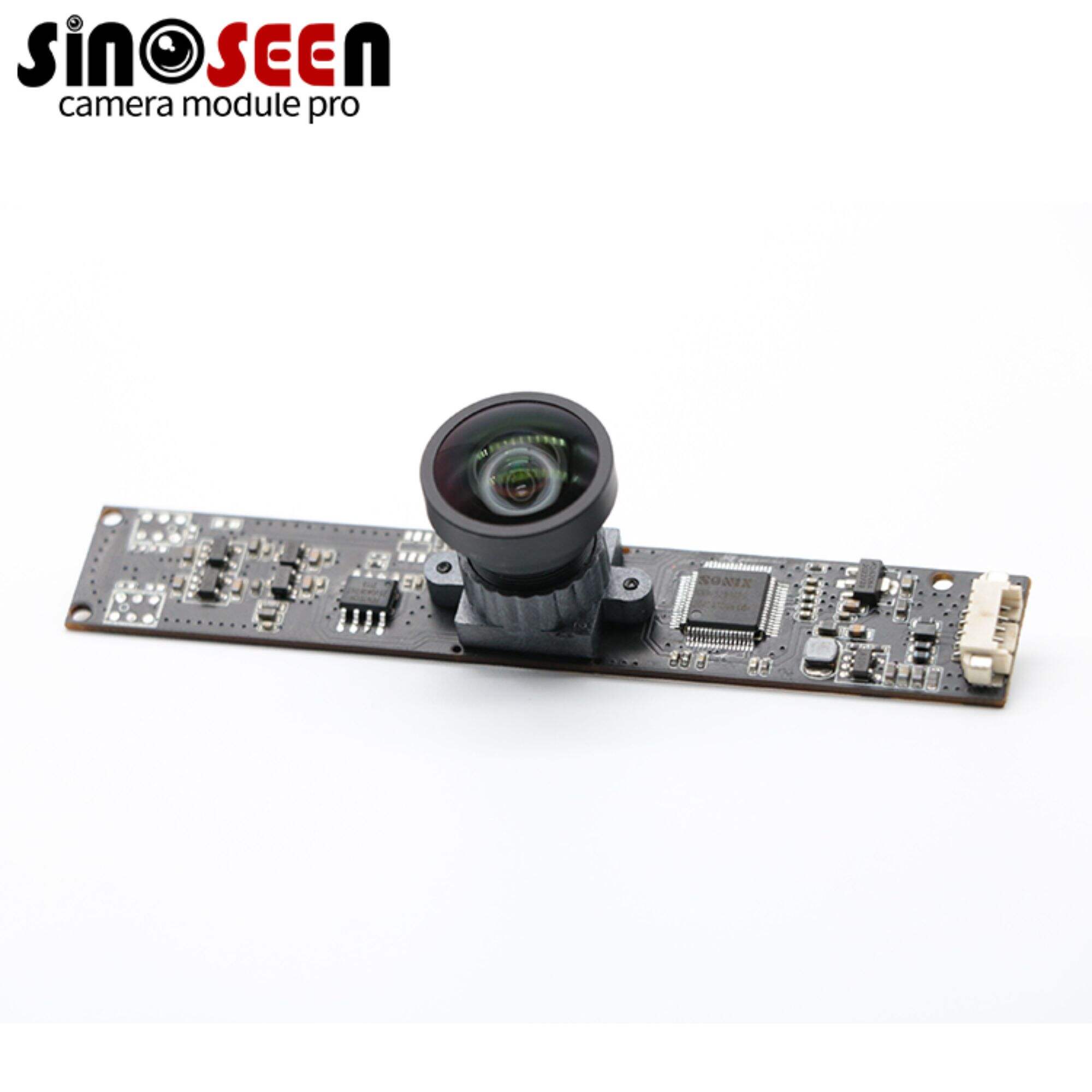
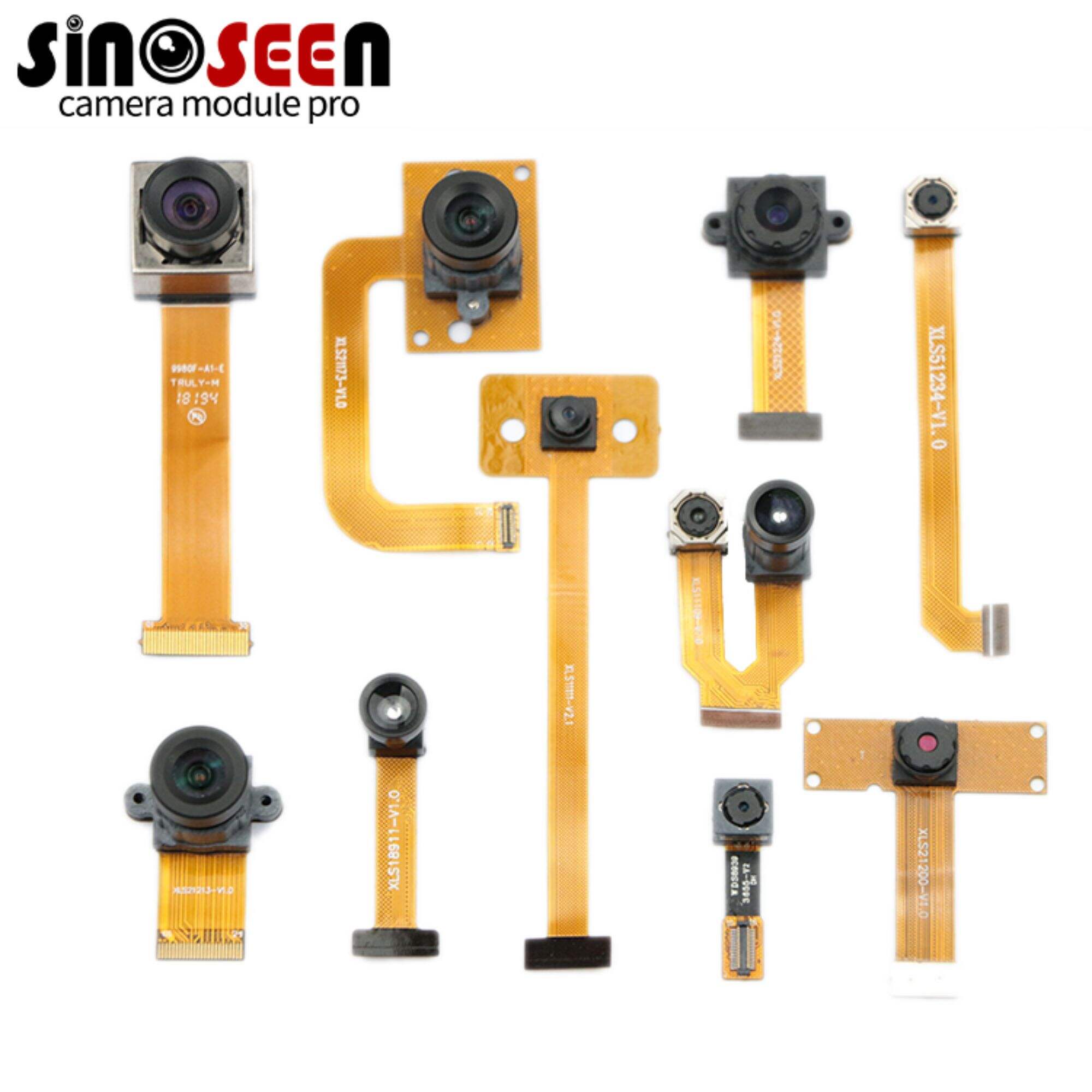
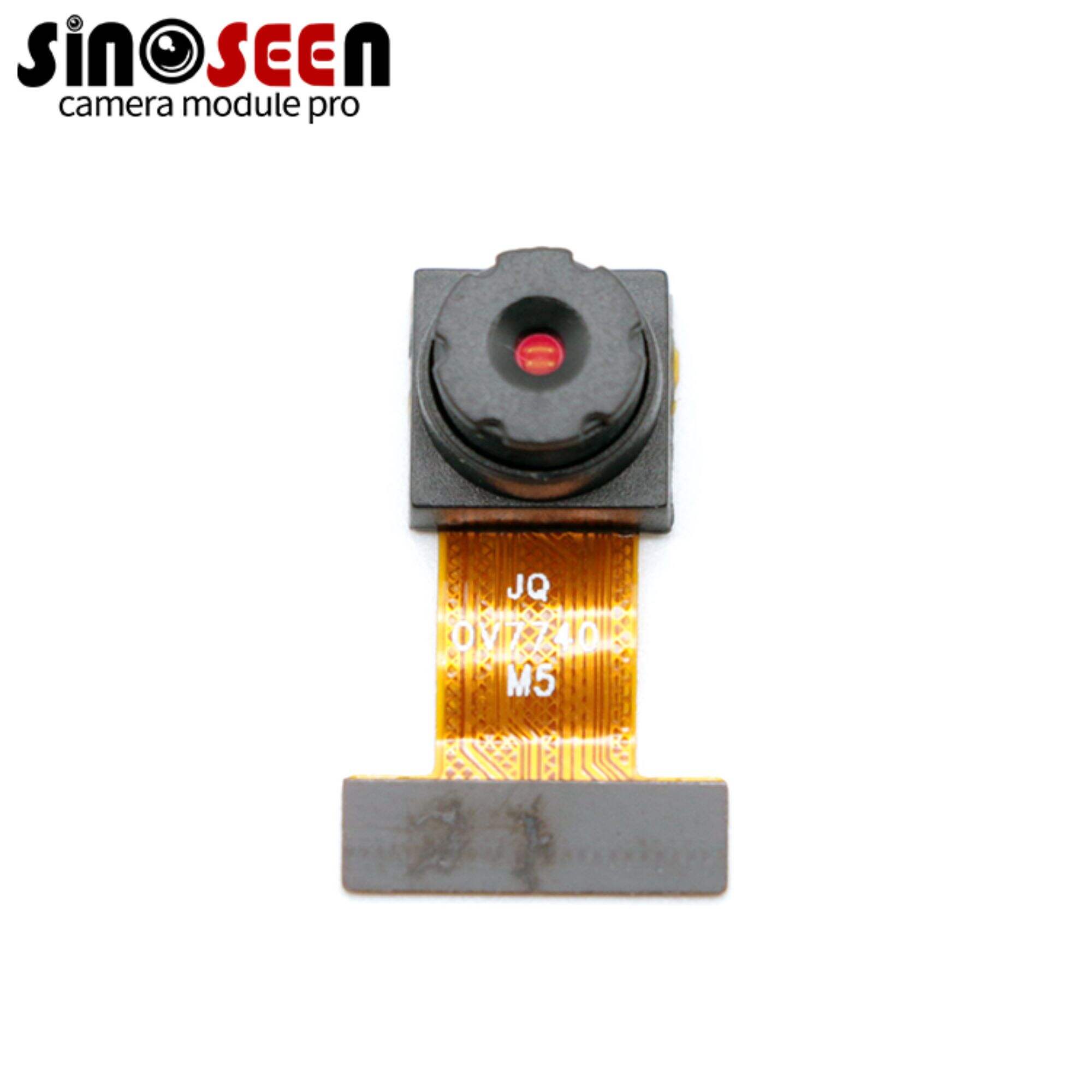
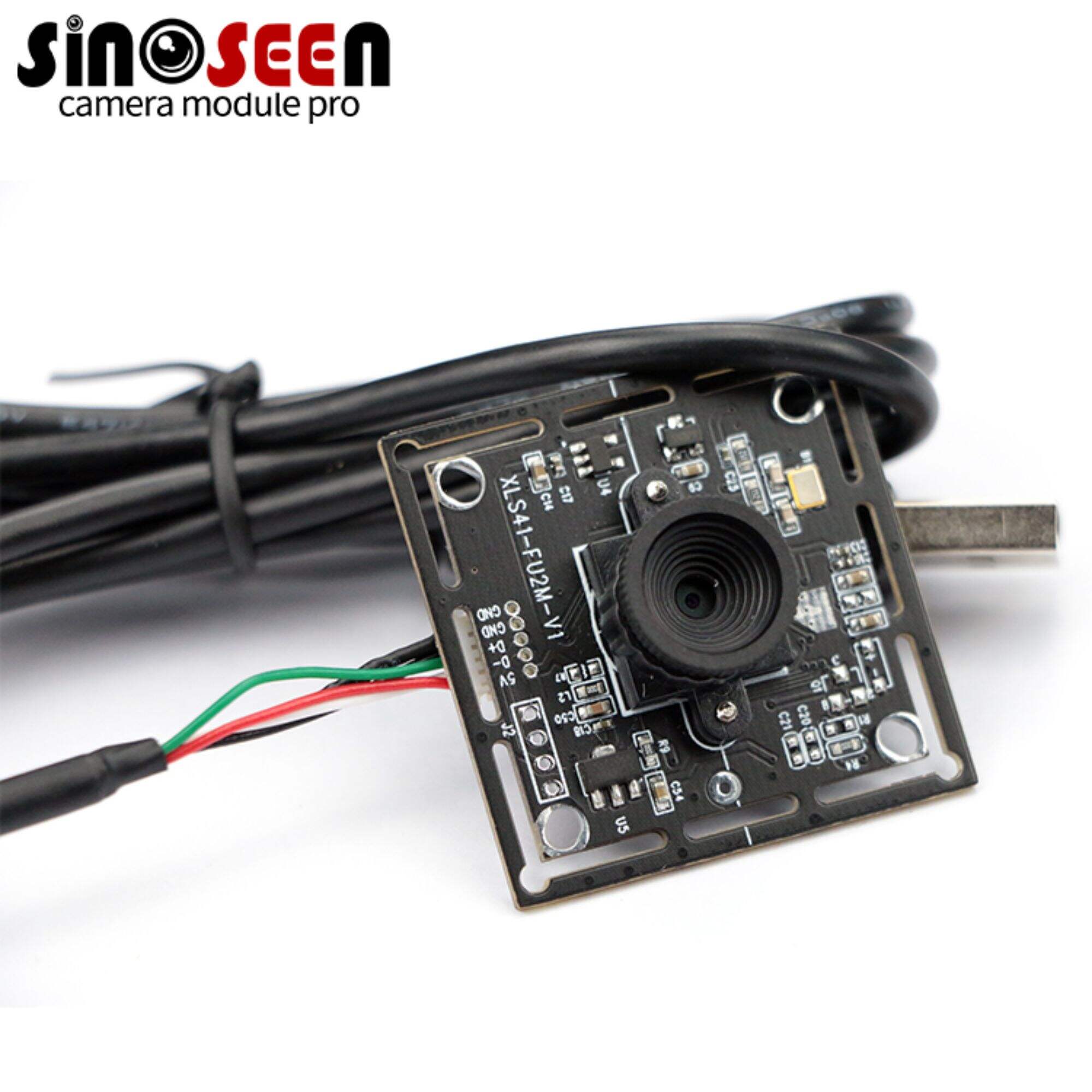
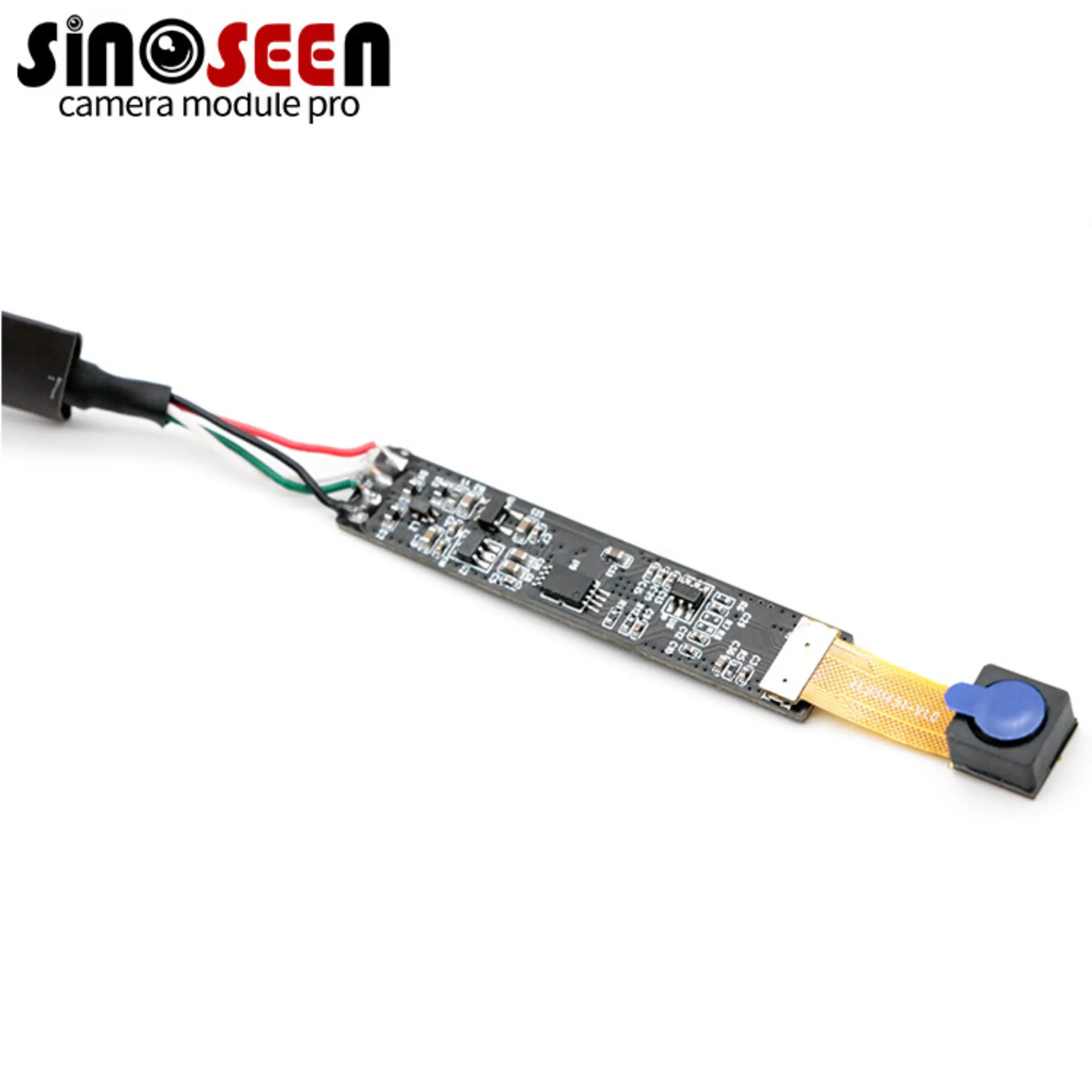
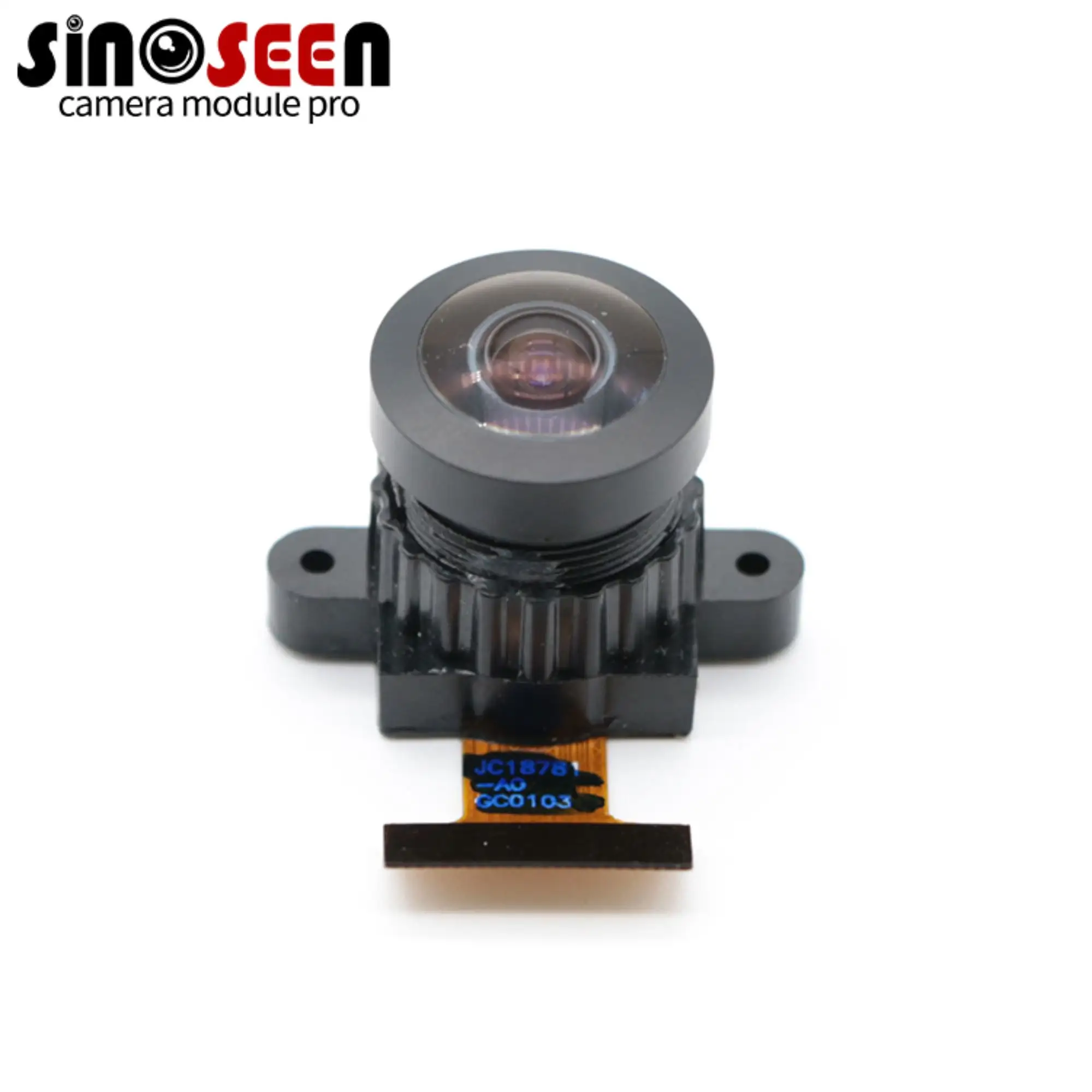
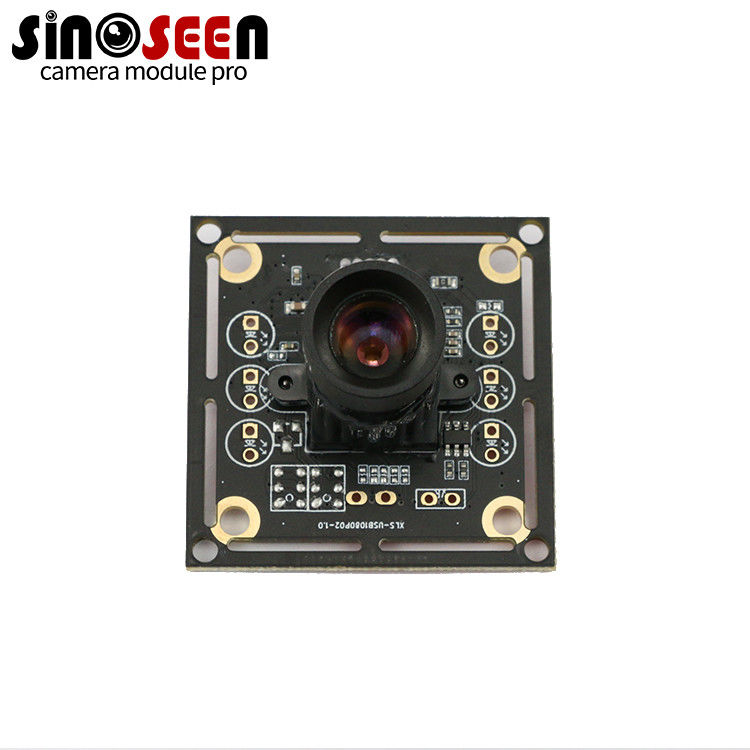
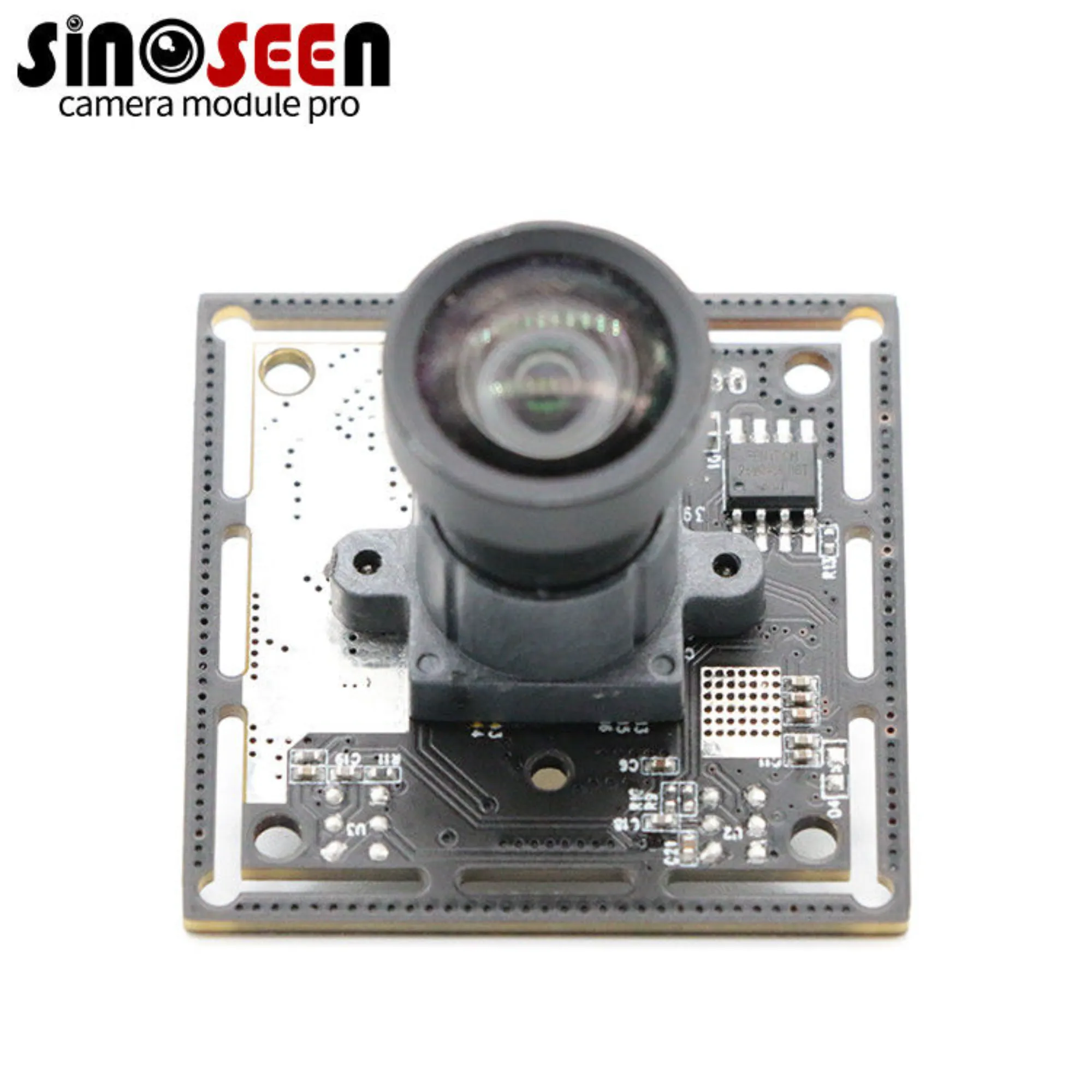
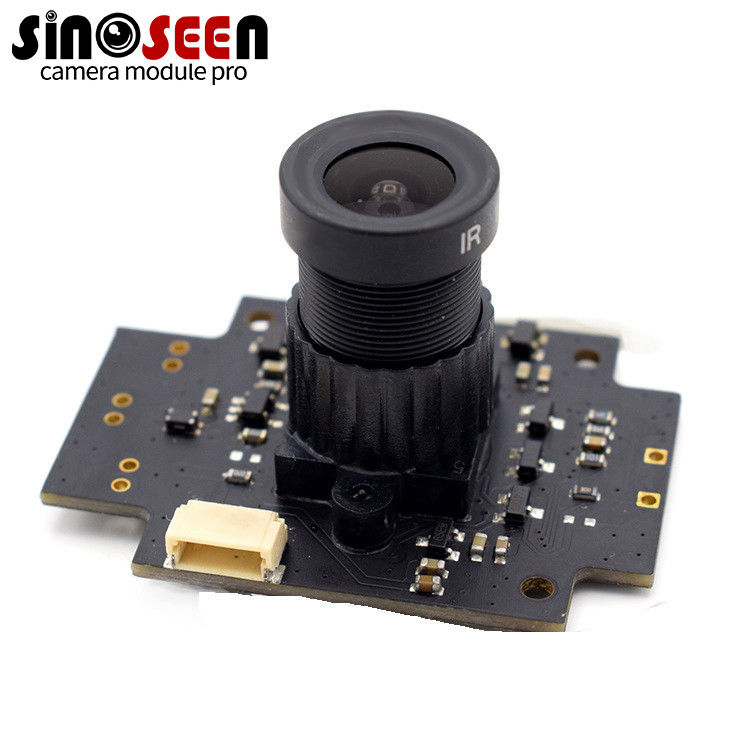
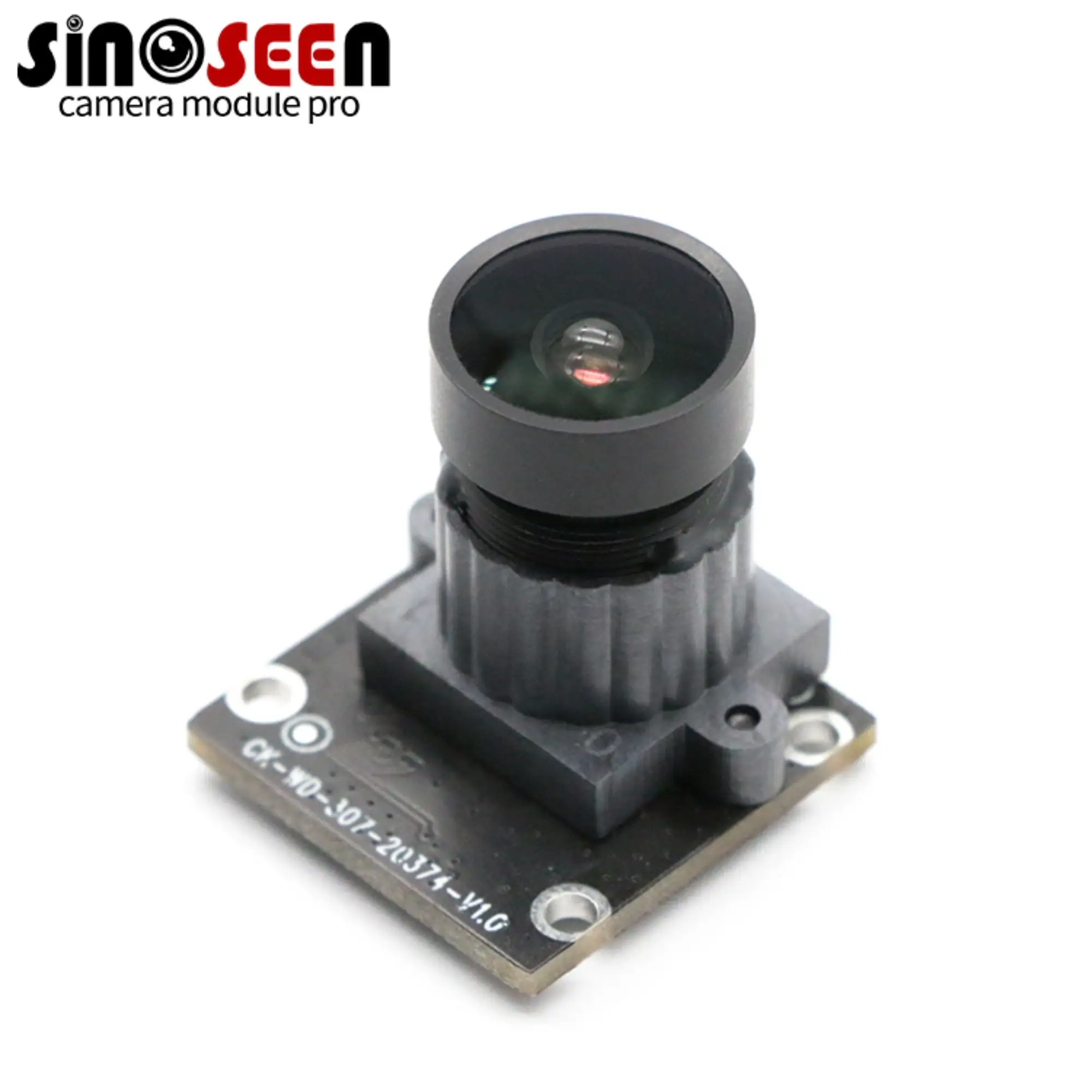
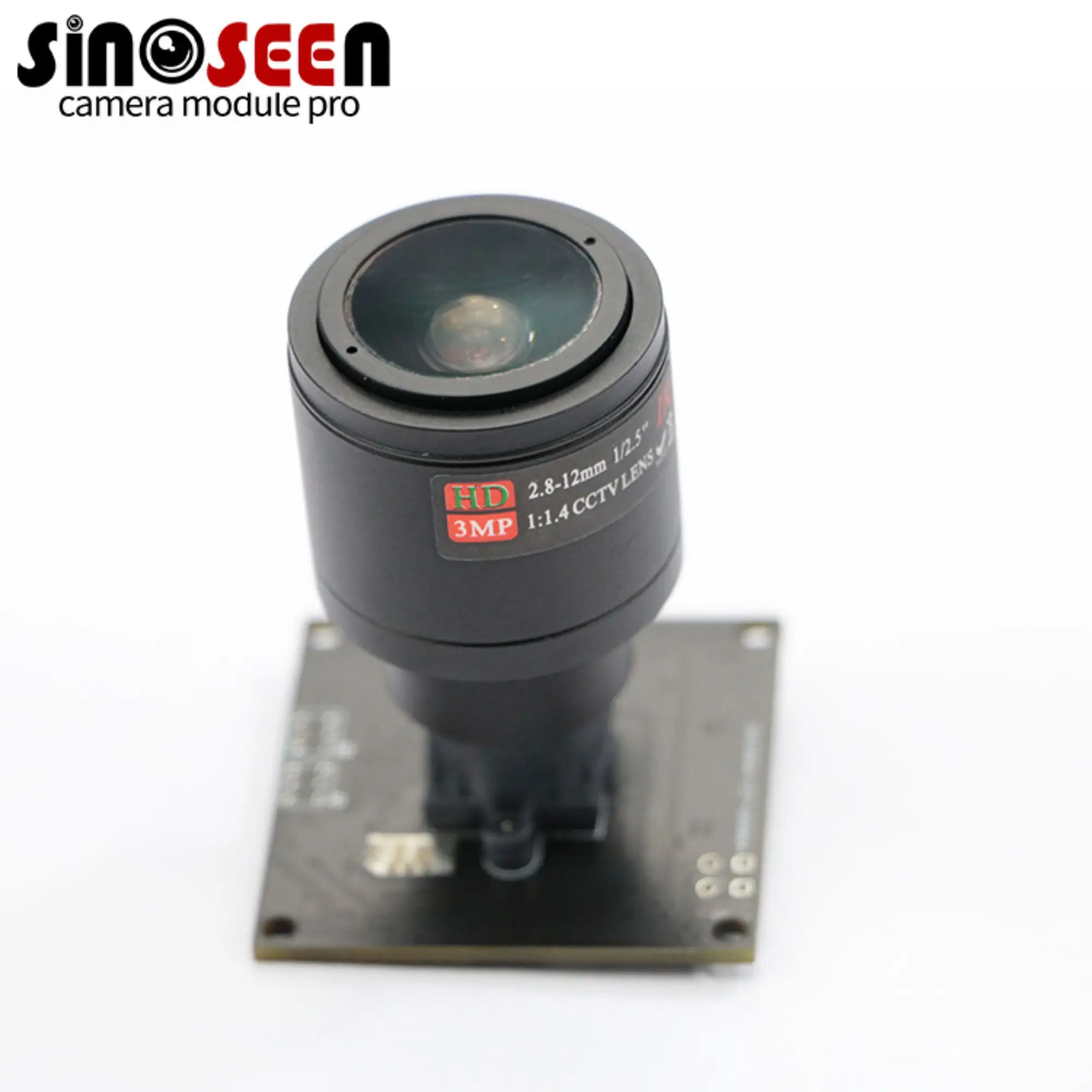
The CMOS camera sensor module represents a revolutionary advancement in digital imaging technology that has transformed how we capture and process visual information. This sophisticated component serves as the heart of modern digital cameras, smartphones, security systems, and countless other imaging devices. The CMOS camera sensor module converts light photons into electrical signals through a complex array of photodiodes, enabling the creation of high-quality digital images and videos. Unlike traditional CCD sensors, CMOS technology integrates amplifiers and noise correction circuits directly onto the chip, resulting in superior performance and efficiency. The primary function of a CMOS camera sensor module involves light detection and signal conversion through millions of tiny pixels arranged in a precise grid pattern. Each pixel captures specific wavelengths of light and converts them into corresponding electrical charges, which are then processed to create the final digital image. Modern CMOS camera sensor modules incorporate advanced features such as backside illumination technology, which significantly improves light sensitivity and image quality in challenging lighting conditions. The technological architecture of these modules includes sophisticated analog-to-digital converters, color filter arrays, and microlens systems that optimize light gathering capabilities. Applications for CMOS camera sensor modules span across numerous industries including automotive systems for advanced driver assistance, medical imaging equipment for diagnostic procedures, industrial automation for quality control processes, and consumer electronics for photography and videography. The versatility of CMOS camera sensor modules makes them essential components in surveillance cameras, drone imaging systems, machine vision applications, and mobile device cameras. These modules support various resolution formats from standard definition to ultra-high definition 4K and beyond, accommodating diverse imaging requirements across different sectors.

New Products

The CMOS camera sensor module delivers exceptional advantages that make it the preferred choice for modern imaging applications across multiple industries. Power efficiency stands out as one of the most significant benefits, as CMOS technology consumes substantially less energy compared to alternative sensor technologies. This reduced power consumption translates into longer battery life for portable devices and lower operational costs for continuous monitoring systems. The integrated circuit design allows manufacturers to incorporate additional processing capabilities directly onto the sensor chip, eliminating the need for external components and reducing overall system complexity. Cost effectiveness represents another major advantage of CMOS camera sensor modules, as the manufacturing process utilizes standard semiconductor fabrication techniques that enable mass production at competitive prices. This affordability makes high-quality imaging accessible to a broader range of applications and consumers without compromising performance standards. The compact form factor of CMOS camera sensor modules enables integration into space-constrained environments where traditional imaging solutions would be impractical. High-speed operation capabilities allow these modules to capture fast-moving subjects with minimal motion blur, making them ideal for sports photography, industrial inspection, and automotive safety systems. The digital output format eliminates the need for additional analog-to-digital conversion stages, reducing signal degradation and improving overall image quality. Advanced noise reduction technologies built into CMOS camera sensor modules ensure clear, crisp images even in low-light conditions. The scalability of CMOS technology allows manufacturers to produce sensors ranging from basic resolution modules for simple applications to ultra-high-resolution variants for professional photography and scientific imaging. Real-time processing capabilities enable immediate image analysis and decision-making in critical applications such as medical diagnostics and quality control systems. The robust construction and reliable performance of CMOS camera sensor modules ensure consistent operation across varying environmental conditions, including temperature fluctuations and humidity changes. Integration flexibility allows these modules to work seamlessly with various lens systems, optical filters, and processing platforms, providing designers with maximum versatility in system development.

Tips And Tricks

Why Choose a High-Performance Embedded Camera Module for AI Applications?

02

Mar

Why Choose a High-Performance Embedded Camera Module for AI Applications?

Artificial intelligence applications demand precision, speed, and reliability in their visual data acquisition systems. An embedded camera module serves as the critical foundation for AI-powered devices, from autonomous vehicles to smart manufacturin...
View More
 How to Select the Right AI Camera Module for Facial Recognition Systems?

02

Mar

How to Select the Right AI Camera Module for Facial Recognition Systems?

Selecting the appropriate AI camera module for facial recognition systems represents a critical decision that directly impacts system performance, accuracy, and overall operational efficiency. Modern facial recognition applications demand sophisticat...
View More
How to Optimize Low-Light Performance in Custom Camera Module Designs?

02

Mar

How to Optimize Low-Light Performance in Custom Camera Module Designs?

Custom camera module designs face unique challenges when operating in environments with minimal illumination, making low-light performance optimization a critical engineering consideration. Modern applications ranging from security surveillance to au...
View More
Why do Robotics Manufacturers Prefer High-Speed AI Camera Modules?

02

Mar

Why do Robotics Manufacturers Prefer High-Speed AI Camera Modules?

The robotics industry has experienced unprecedented growth in recent years, with manufacturers increasingly demanding sophisticated vision systems that can process visual data at lightning speed. High-speed AI camera modules have emerged as the corne...
View More

Get In Touch

cmos camera sensor module

Superior Low-Light Performance and Image Quality Enhancement

Superior Low-Light Performance and Image Quality Enhancement

The CMOS camera sensor module excels in challenging lighting conditions through advanced backside illumination technology and sophisticated pixel architecture that maximizes light capture efficiency. This innovative design positions the photodiodes closer to the incoming light source by relocating the metal wiring layers to the back of the sensor, resulting in significantly improved sensitivity and reduced noise levels. The larger effective pixel area allows for enhanced light gathering capabilities, producing clearer images with better detail preservation even in dimly lit environments. Advanced noise reduction algorithms integrated directly into the CMOS camera sensor module work in real-time to eliminate unwanted artifacts and grain, ensuring professional-quality results across various lighting scenarios. The enhanced dynamic range capabilities enable the sensor to capture both bright highlights and deep shadows simultaneously, providing more balanced and natural-looking images. This superior performance proves invaluable for security surveillance systems operating in variable lighting conditions, automotive cameras functioning during dawn and dusk hours, and mobile photography applications where optimal lighting cannot always be guaranteed. The improved signal-to-noise ratio delivered by modern CMOS camera sensor modules ensures that image quality remains consistently high regardless of environmental challenges. Color accuracy and reproduction fidelity benefit from advanced color filter array designs that optimize spectral response across the visible light spectrum. The combination of these technological improvements results in images with enhanced clarity, reduced motion blur, and superior color saturation that meets the demanding requirements of professional photography, medical imaging, and industrial inspection applications where image quality directly impacts decision-making processes and outcome accuracy.
Ultra-Fast Processing Speed and Real-Time Capabilities

Ultra-Fast Processing Speed and Real-Time Capabilities

The CMOS camera sensor module delivers unprecedented processing speeds that enable real-time image capture, analysis, and decision-making across demanding applications requiring instant response capabilities. The parallel readout architecture allows simultaneous data extraction from multiple pixel rows, dramatically reducing frame processing time and enabling high-speed continuous shooting modes essential for capturing fast-moving subjects. Advanced on-chip processing units integrated within the CMOS camera sensor module perform immediate image enhancement operations including exposure correction, color balancing, and noise reduction without requiring external processing resources. This integrated approach significantly reduces system latency and improves overall response times for time-critical applications such as autonomous vehicle navigation, industrial quality control, and medical diagnostic imaging. The high-speed data transmission capabilities support multiple output formats and interfaces, allowing seamless integration with various processing systems and display devices. Variable frame rate functionality enables users to optimize capture speed based on specific application requirements, from high-speed sports photography to detailed scientific imaging procedures. The rapid autofocus capabilities supported by modern CMOS camera sensor modules ensure sharp image capture even with moving subjects, utilizing phase-detection pixels strategically distributed across the sensor surface. Real-time preview and live streaming capabilities make these modules ideal for video conferencing, broadcast applications, and remote monitoring systems where immediate visual feedback proves essential. The minimal processing delay between light detection and digital output ensures that CMOS camera sensor modules can keep pace with rapidly changing scenes and dynamic environments. Advanced buffering systems within the sensor module prevent data loss during high-speed capture sequences, maintaining image integrity and ensuring complete data retention for critical applications requiring comprehensive documentation and analysis.
Exceptional Versatility and Integration Flexibility

Exceptional Versatility and Integration Flexibility

The CMOS camera sensor module demonstrates remarkable adaptability across diverse applications through its flexible architecture and comprehensive compatibility with various optical systems, processing platforms, and environmental conditions. The modular design approach allows seamless integration into existing systems without requiring extensive modifications to hardware or software infrastructure. Multiple interface options including MIPI CSI, USB, and Ethernet connectivity ensure compatibility with a wide range of host devices and processing units. The scalable resolution capabilities enable users to select appropriate image quality levels based on specific application requirements, from compact IoT devices requiring basic imaging to professional photography systems demanding ultra-high resolution output. Environmental resilience built into CMOS camera sensor modules ensures reliable operation across extreme temperature ranges, high humidity conditions, and varying atmospheric pressures encountered in outdoor surveillance, automotive applications, and industrial environments. The compact form factor facilitates integration into space-constrained applications such as medical endoscopes, drone imaging systems, and mobile devices where size limitations are critical design considerations. Programmable features within the CMOS camera sensor module allow customization of image parameters including exposure settings, color profiles, and processing algorithms to match specific application requirements. The ability to support various lens mounting systems and optical configurations provides designers with maximum flexibility in creating optimized imaging solutions. Power management capabilities enable efficient operation across different power supply configurations, from battery-powered portable devices to continuously powered industrial systems. The robust communication protocols supported by CMOS camera sensor modules ensure reliable data transmission and system control across various network architectures and distances. Long-term stability and consistent performance characteristics make these modules suitable for critical applications requiring dependable operation over extended periods without maintenance or recalibration requirements.

Related Search

Get in touch