Innovative Camera Modules for Every Application | Sinoseen

All Categories

camera board

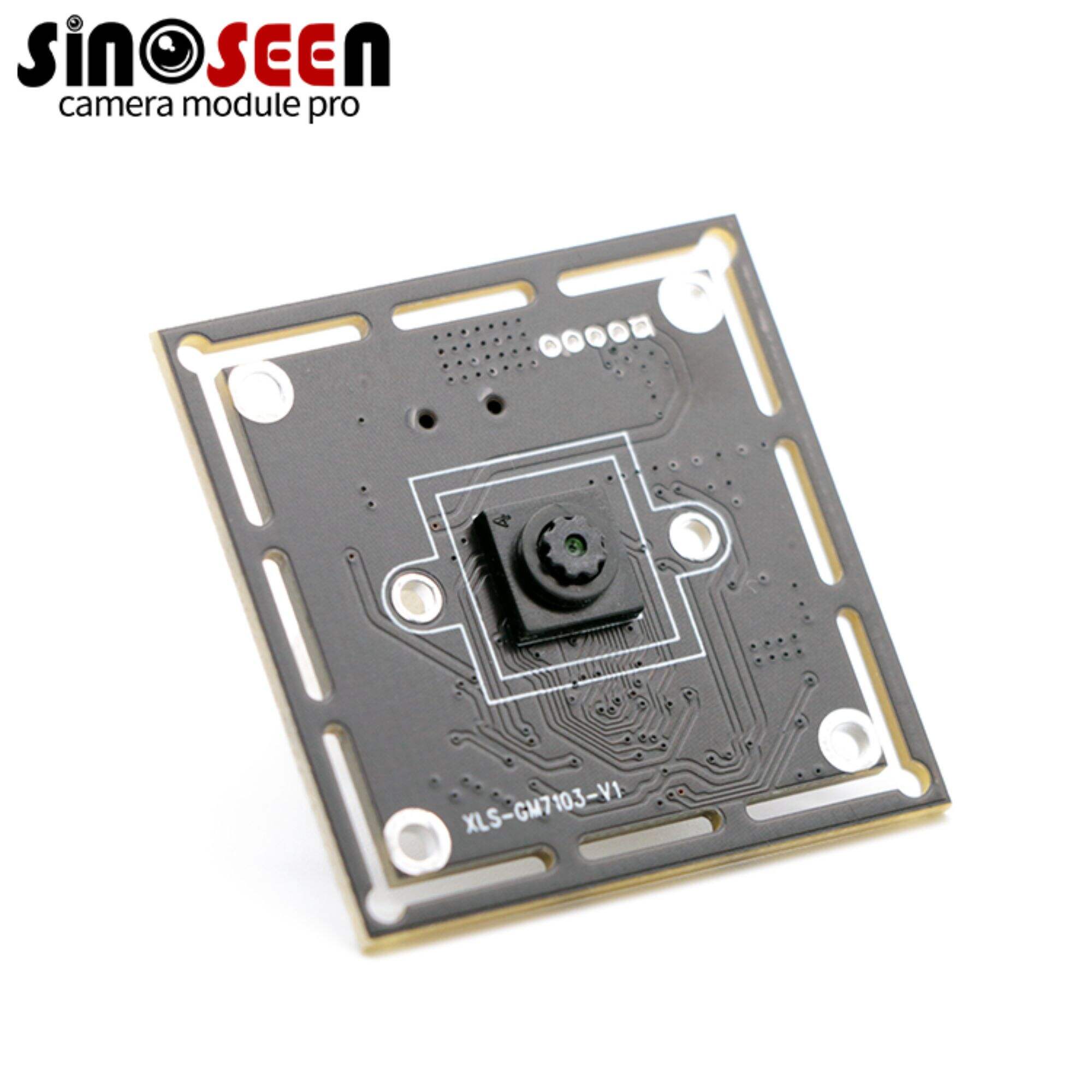
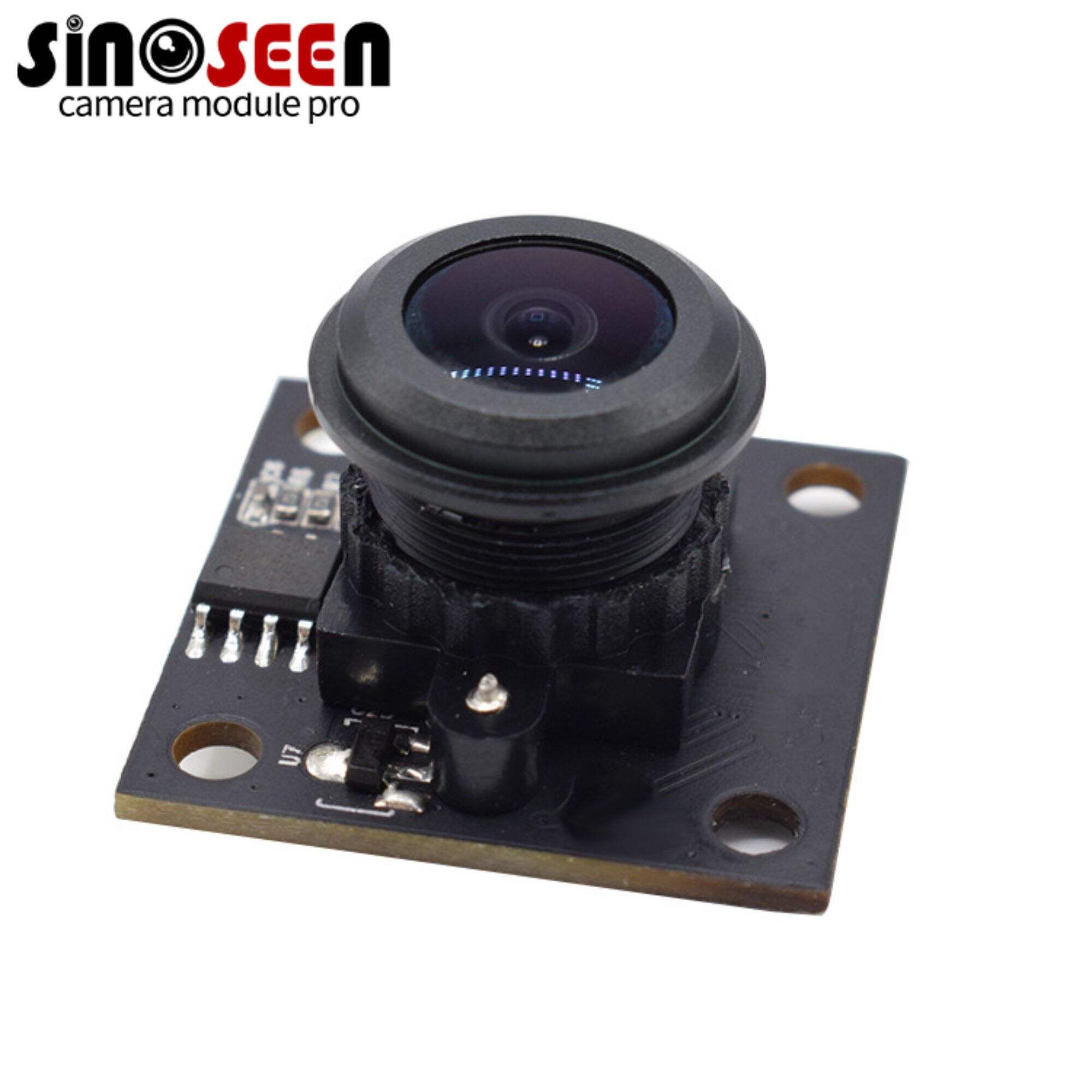
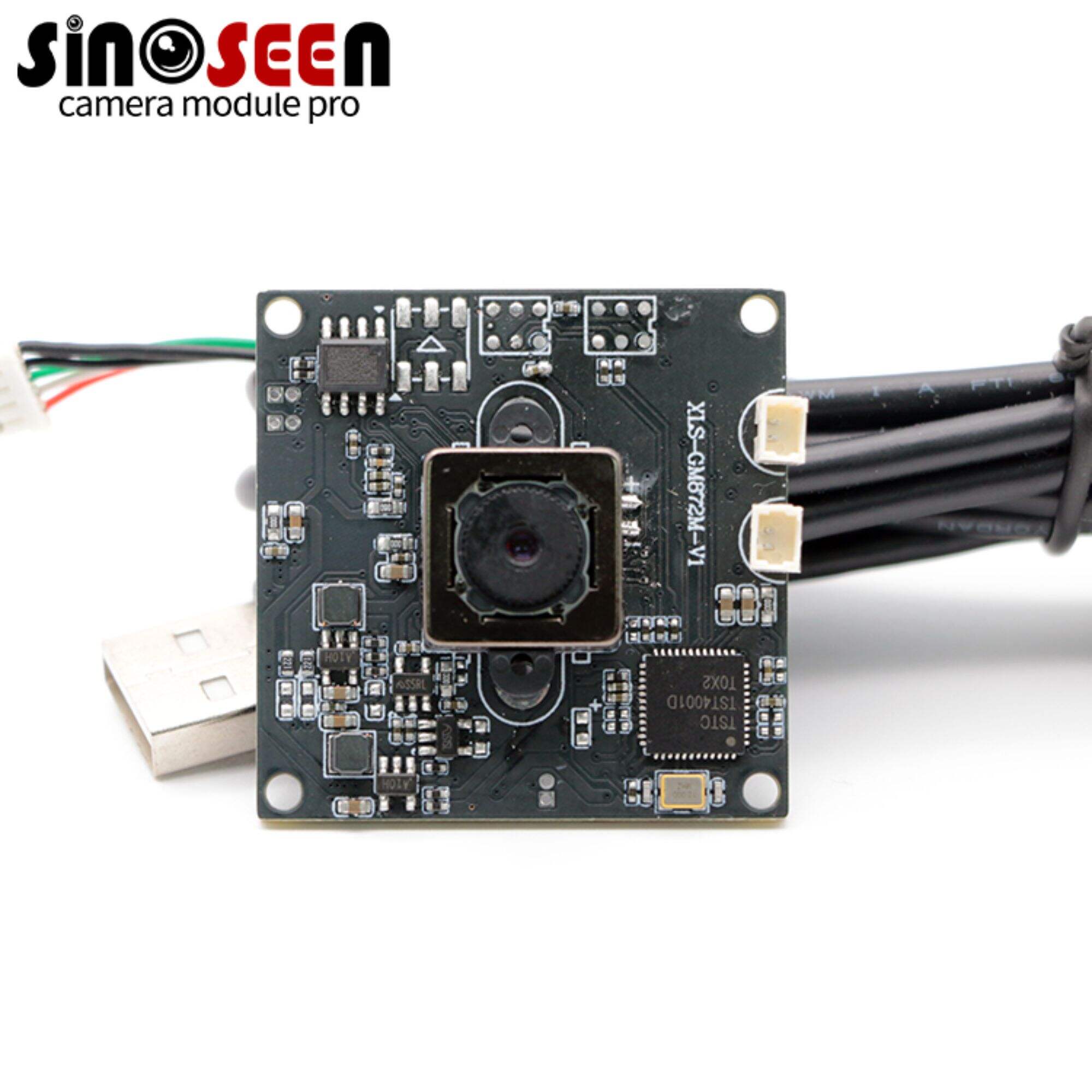
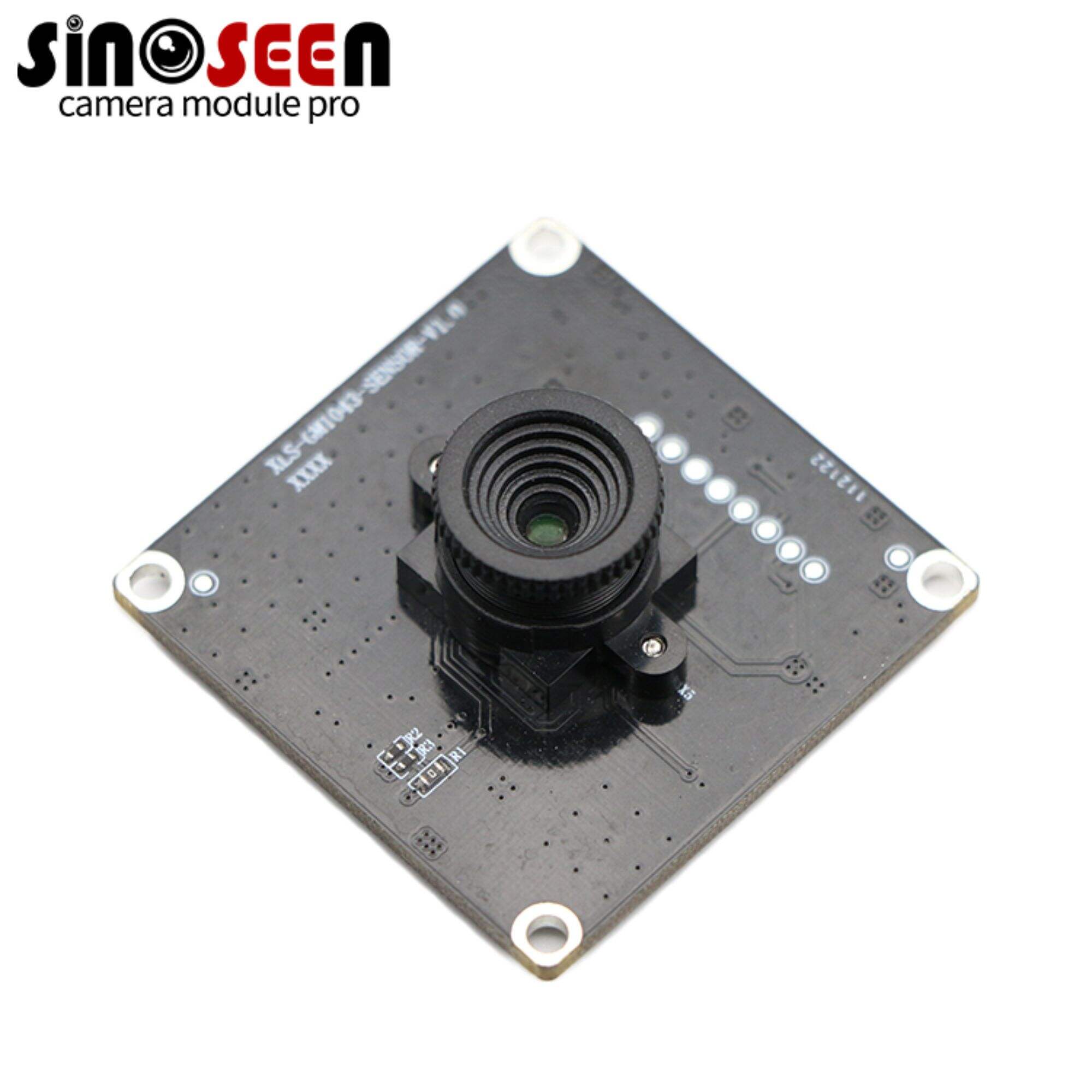
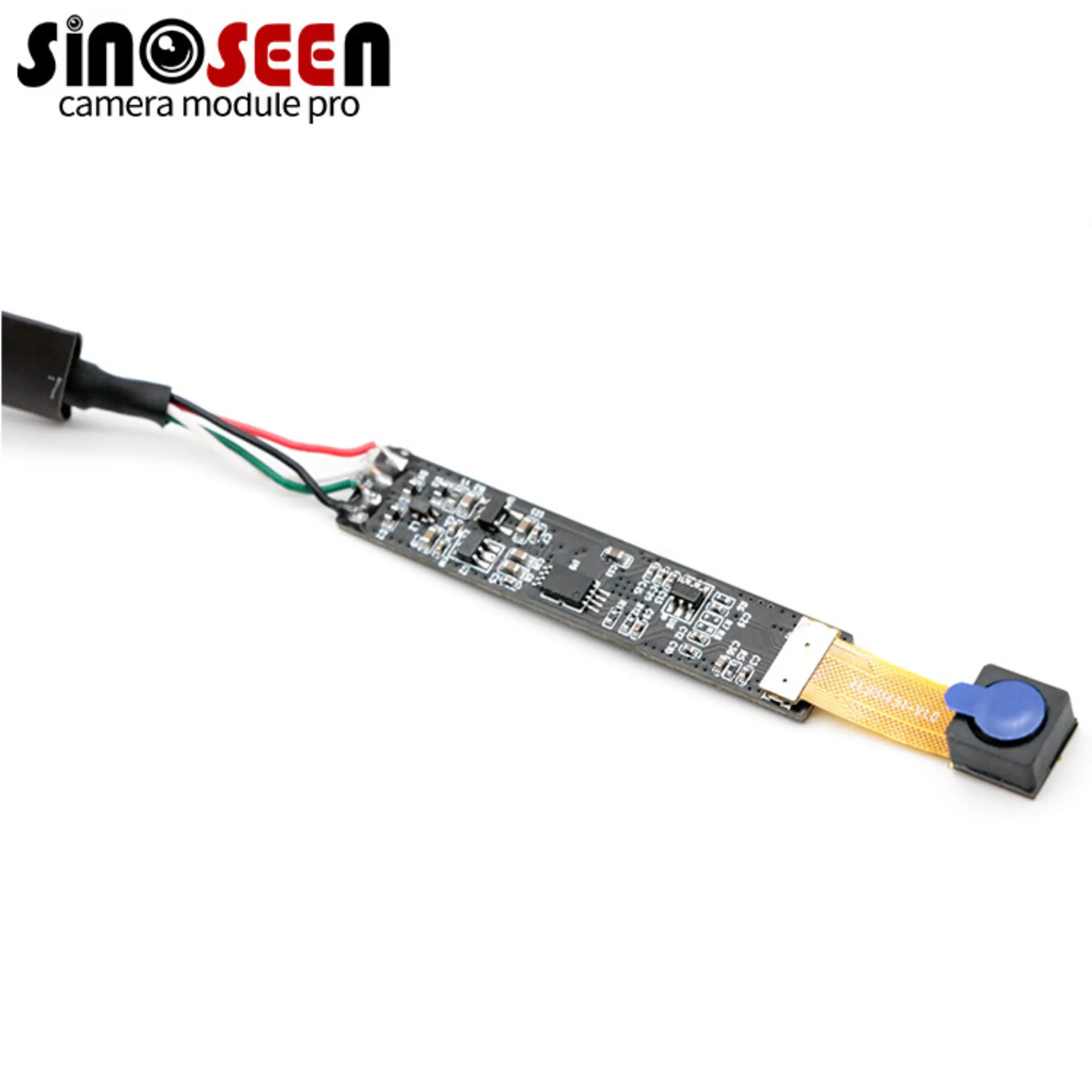
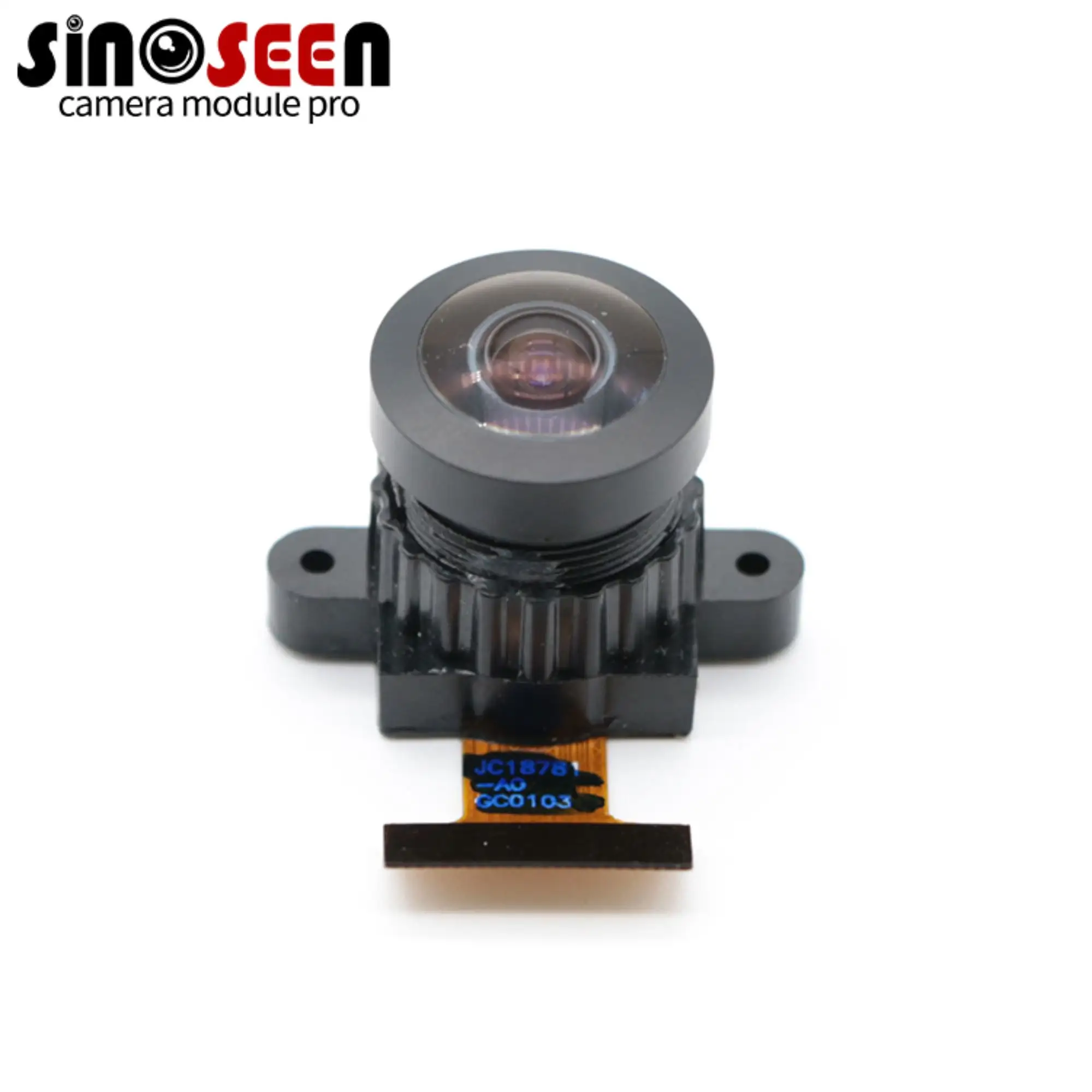
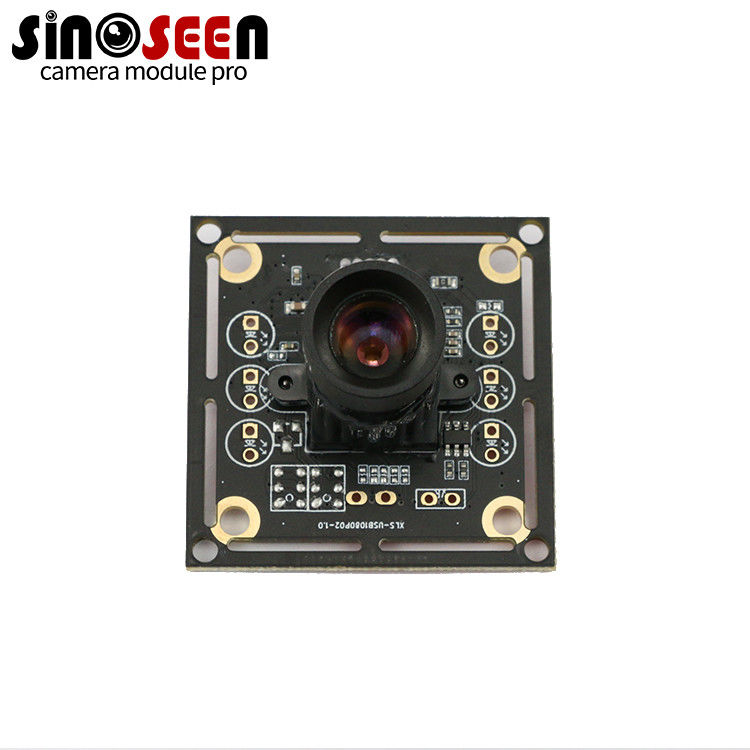
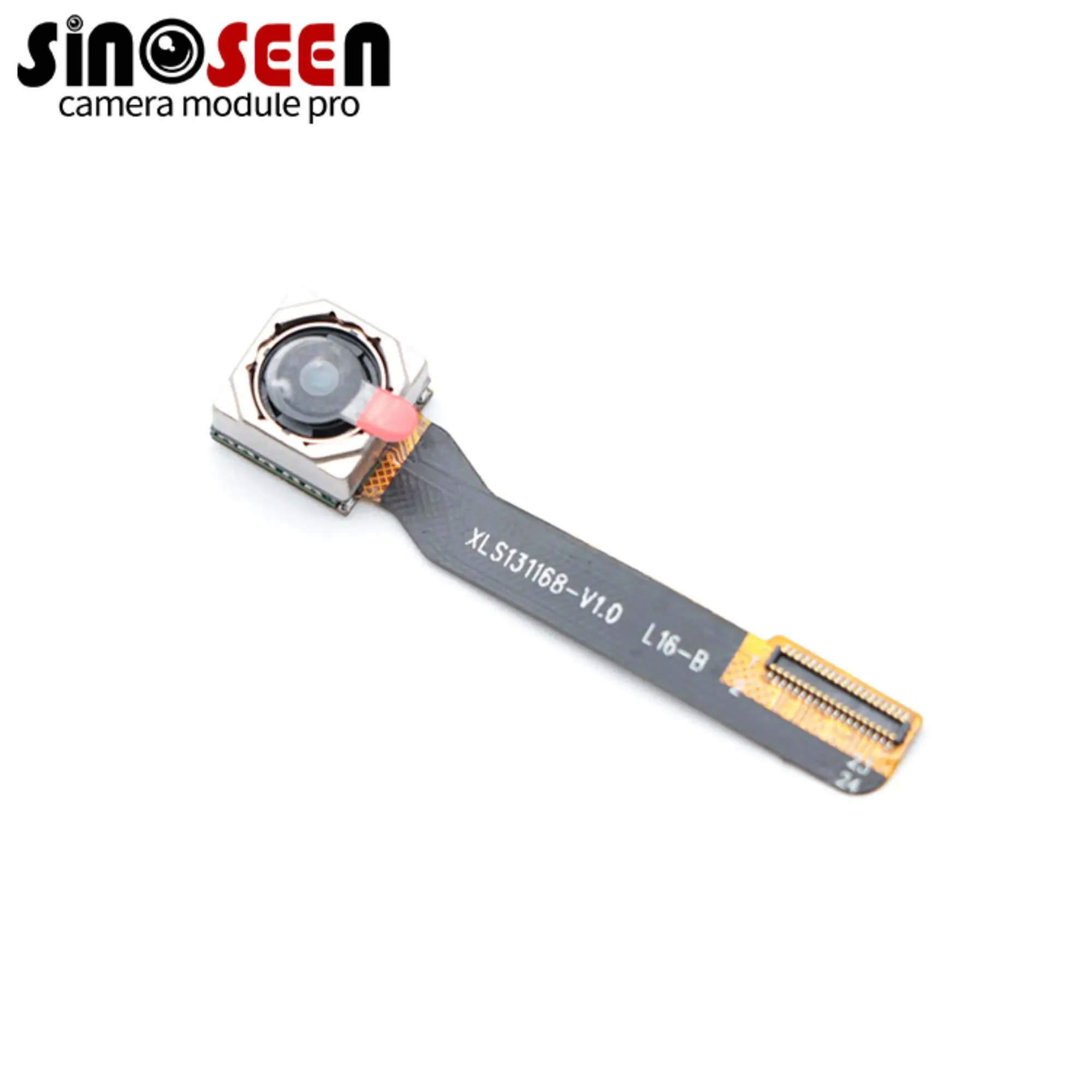
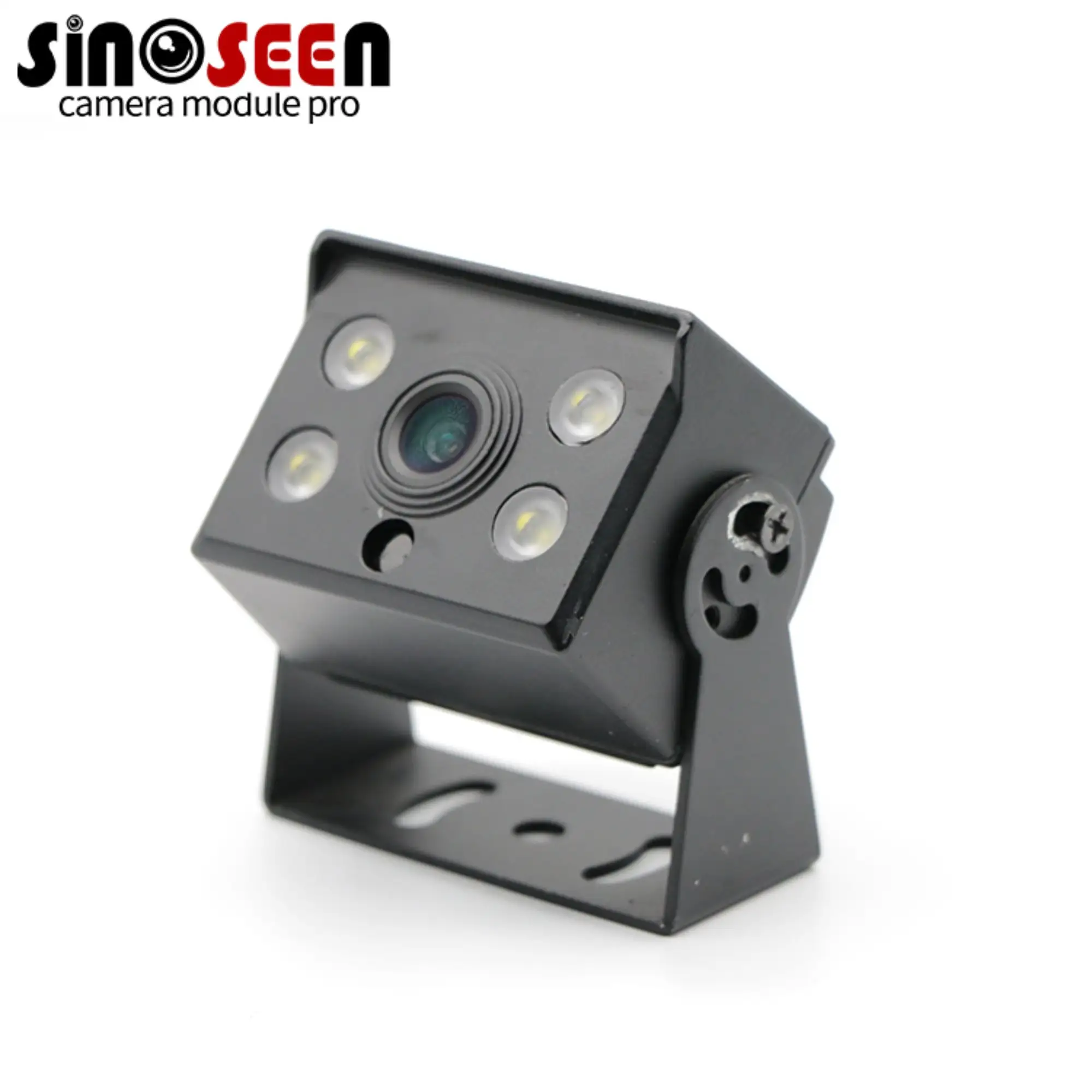
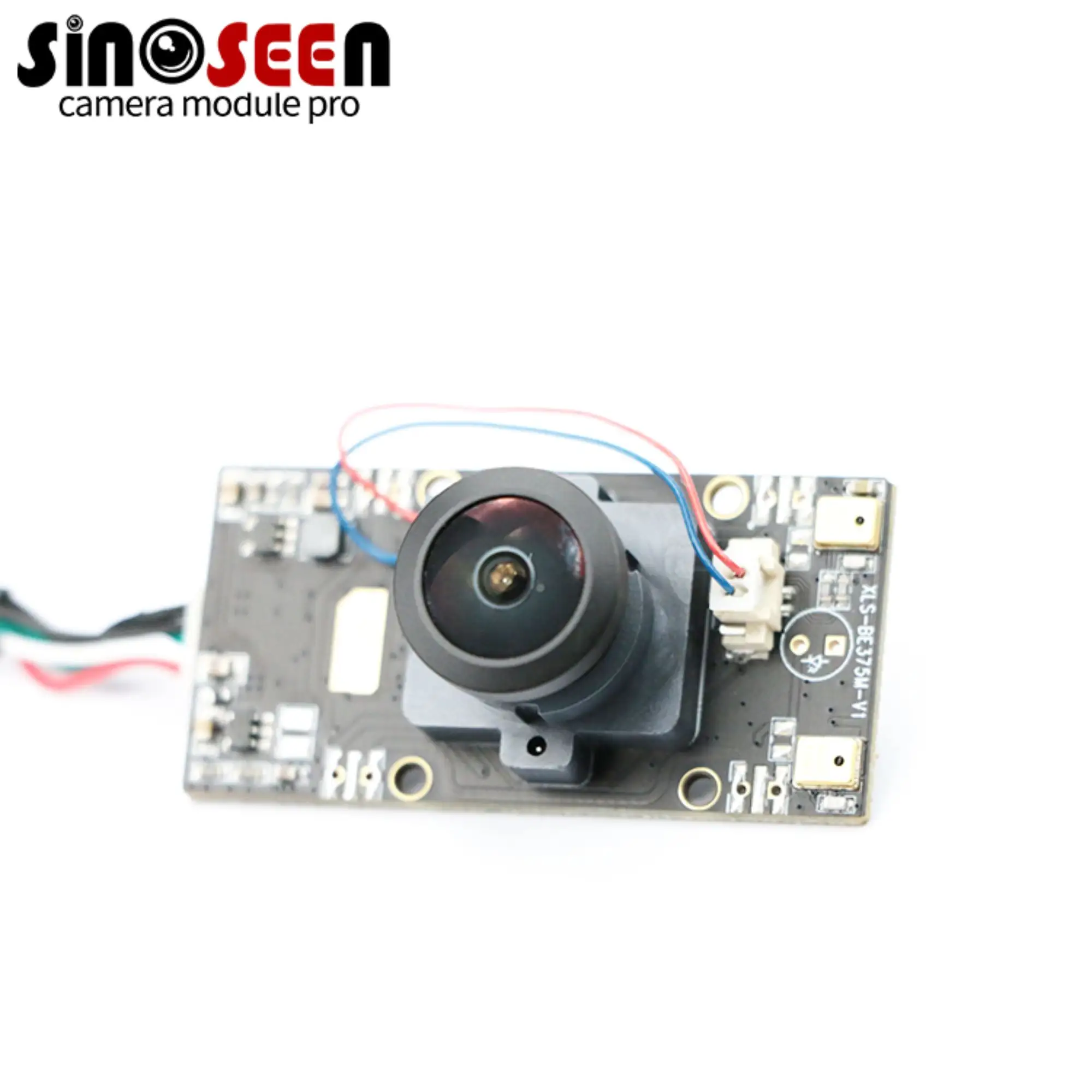
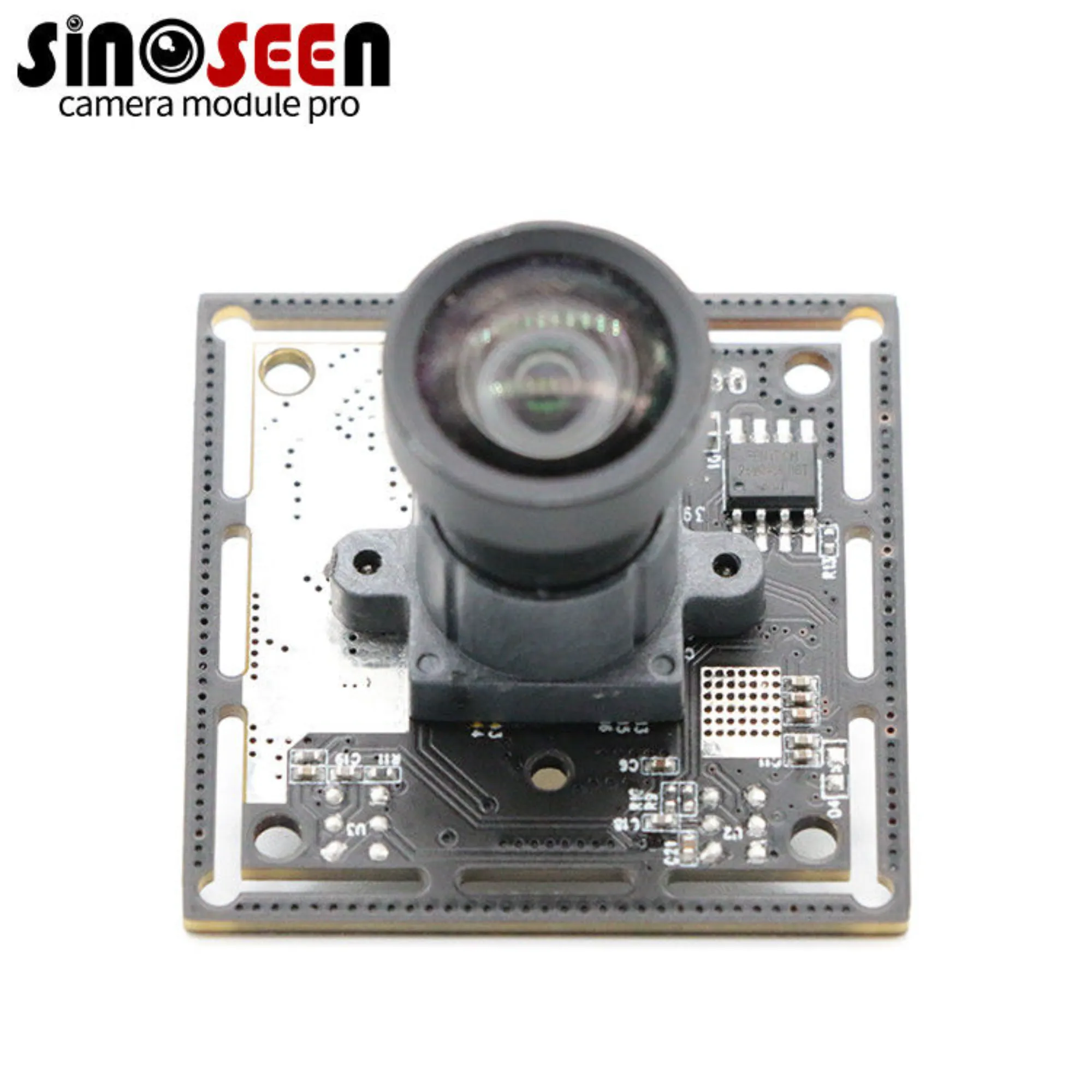
A camera board represents a sophisticated piece of technology that serves as the cornerstone of modern imaging systems. This compact electronic module integrates essential components including image sensors, processing units, and connectivity interfaces into a single, efficient platform. The camera board functions as the primary capture and processing hub for visual data, converting light into digital information through advanced photosensitive elements. These boards incorporate cutting-edge CMOS or CCD sensors that detect photons and transform them into electrical signals, which are subsequently processed by dedicated image signal processors. The technological architecture of a camera board encompasses multiple layers of functionality, from basic light detection to complex image enhancement algorithms. Modern camera boards feature sophisticated auto-focus mechanisms, exposure control systems, and white balance adjustments that ensure optimal image quality across diverse environmental conditions. The integration of these components allows for real-time image processing, enabling features such as noise reduction, color correction, and dynamic range optimization. Camera boards find extensive applications across numerous industries and sectors. In consumer electronics, they power smartphones, tablets, laptops, and digital cameras, providing users with high-quality imaging capabilities. Security and surveillance systems rely heavily on camera boards to deliver continuous monitoring solutions with exceptional clarity and reliability. Automotive applications utilize these boards for advanced driver assistance systems, backup cameras, and autonomous vehicle navigation. Medical devices incorporate specialized camera boards for endoscopic procedures, microscopy, and diagnostic imaging equipment. Industrial automation systems depend on camera boards for quality control, robotic vision, and manufacturing process monitoring. The versatility of camera boards extends to emerging technologies such as augmented reality, virtual reality, and artificial intelligence applications. These boards support various resolution standards, from standard definition to ultra-high definition 4K and beyond, accommodating diverse project requirements and performance specifications.

Popular Products

Camera boards deliver exceptional value through their remarkable versatility and adaptability to countless applications. Users benefit from the plug-and-play convenience these boards provide, eliminating complex installation procedures and reducing development time significantly. The compact form factor of camera boards allows integration into space-constrained environments where traditional camera systems cannot fit, opening up new possibilities for product design and functionality. Cost-effectiveness stands as a major advantage, as camera boards eliminate the need for separate components and reduce overall system complexity. This integrated approach translates into lower manufacturing costs, reduced assembly time, and minimized potential failure points. The standardized interfaces and communication protocols supported by camera boards ensure seamless compatibility with existing systems and infrastructure. Performance optimization represents another significant benefit, as camera boards incorporate advanced image processing algorithms that enhance image quality automatically. Users experience superior low-light performance, improved color accuracy, and reduced noise levels without requiring specialized knowledge or manual adjustments. The built-in processing capabilities handle complex computational tasks, freeing up system resources for other critical functions. Reliability and durability characterize modern camera boards, which undergo rigorous testing to withstand harsh environmental conditions including temperature fluctuations, humidity, and vibrations. This robust construction ensures consistent performance across extended operational periods, reducing maintenance requirements and operational costs. The scalability of camera board solutions allows users to select appropriate specifications based on their specific needs, from basic imaging requirements to high-performance applications demanding exceptional resolution and frame rates. Power efficiency improvements in contemporary camera boards contribute to extended battery life in portable devices and reduced energy consumption in stationary installations. The rapid technological advancement in camera board development ensures users benefit from continuous improvements in image quality, processing speed, and feature sets. Standardized mounting options and mechanical interfaces simplify integration processes, while comprehensive software development kits provide developers with powerful tools for customization and optimization. These advantages collectively position camera boards as the preferred choice for modern imaging applications across diverse industries and use cases.

Tips And Tricks

Why Choose a High-Performance Embedded Camera Module for AI Applications?

02

Mar

Why Choose a High-Performance Embedded Camera Module for AI Applications?

Artificial intelligence applications demand precision, speed, and reliability in their visual data acquisition systems. An embedded camera module serves as the critical foundation for AI-powered devices, from autonomous vehicles to smart manufacturin...
View More
 How to Select the Right AI Camera Module for Facial Recognition Systems?

02

Mar

How to Select the Right AI Camera Module for Facial Recognition Systems?

Selecting the appropriate AI camera module for facial recognition systems represents a critical decision that directly impacts system performance, accuracy, and overall operational efficiency. Modern facial recognition applications demand sophisticat...
View More
How to Optimize Low-Light Performance in Custom Camera Module Designs?

02

Mar

How to Optimize Low-Light Performance in Custom Camera Module Designs?

Custom camera module designs face unique challenges when operating in environments with minimal illumination, making low-light performance optimization a critical engineering consideration. Modern applications ranging from security surveillance to au...
View More
How to Integrate a Small Camera Module into Compact Medical Devices?

02

Mar

How to Integrate a Small Camera Module into Compact Medical Devices?

Medical device miniaturization continues to revolutionize healthcare, enabling less invasive procedures and improved patient outcomes. When designing compact medical equipment, integrating a small camera module requires careful consideration of space...
View More

Get In Touch

camera board

Advanced Image Processing Capabilities

Advanced Image Processing Capabilities

The sophisticated image processing capabilities embedded within modern camera boards represent a revolutionary advancement in digital imaging technology. These boards incorporate dedicated image signal processors that execute complex algorithms in real-time, delivering professional-grade image quality without requiring external processing hardware. The integrated processing units handle multiple simultaneous operations including noise reduction, edge enhancement, color space conversion, and dynamic range optimization. Advanced camera boards feature multi-core processors specifically designed for parallel image processing tasks, enabling them to maintain high frame rates while applying sophisticated enhancement algorithms. The processing capabilities extend to intelligent auto-exposure systems that analyze scene conditions and adjust camera settings automatically to achieve optimal image quality. White balance algorithms continuously monitor color temperature variations and compensate for different lighting conditions, ensuring accurate color reproduction across diverse environments. The camera board processing systems implement advanced temporal noise reduction techniques that compare multiple frames to identify and eliminate random noise while preserving important image details. Spatial noise reduction algorithms analyze neighboring pixels to reduce grain and improve overall image clarity. These boards support high dynamic range processing that captures multiple exposures simultaneously and combines them into single images with exceptional detail in both shadows and highlights. The processing capabilities include real-time lens correction algorithms that compensate for optical distortions, chromatic aberrations, and vignetting effects. Advanced camera boards incorporate machine learning accelerators that enable on-device artificial intelligence processing for features such as object recognition, face detection, and scene classification. The processing architecture supports multiple output formats and compression standards, allowing users to select optimal settings for their specific applications. These comprehensive processing capabilities eliminate the need for external image enhancement software and reduce system complexity while delivering superior image quality that meets professional standards across various demanding applications.
Flexible Integration and Connectivity Options

Flexible Integration and Connectivity Options

Camera boards excel in providing extensive integration flexibility and connectivity options that accommodate virtually any system architecture or application requirement. These boards support multiple communication interfaces including USB, Ethernet, SPI, I2C, and MIPI CSI, ensuring compatibility with diverse host systems and development platforms. The standardized connector systems and mechanical mounting options simplify integration processes, allowing developers to incorporate camera boards into existing designs without significant modifications. Modern camera boards feature hot-swappable interfaces that enable system upgrades and maintenance without disrupting overall operations. The modular design approach allows users to select specific camera board configurations that match their exact performance and connectivity requirements. Advanced camera boards support Power over Ethernet functionality, eliminating the need for separate power supplies and reducing installation complexity in networked systems. The boards incorporate robust communication protocols that ensure reliable data transmission even in electrically noisy environments typical of industrial applications. Wireless connectivity options available in select camera boards enable remote monitoring and control capabilities, particularly valuable for security and surveillance applications. The GPIO interfaces provided by camera boards allow direct integration with external sensors, lighting systems, and control mechanisms, creating comprehensive imaging solutions. Software development kits accompanying camera boards provide comprehensive APIs and drivers for popular operating systems and development environments, accelerating integration and reducing development costs. The boards support various lens mounting systems including C-mount, CS-mount, and custom interfaces, providing flexibility in optical system design. Advanced camera boards feature programmable hardware interfaces that can be customized for specific application requirements through firmware updates. The standardized form factors ensure mechanical compatibility across different camera board generations, protecting investment in mechanical designs and fixtures. These extensive integration and connectivity options position camera boards as versatile solutions capable of adapting to evolving system requirements and technological advances, providing long-term value and investment protection for users across diverse applications and industries.
Superior Image Quality and Performance

Superior Image Quality and Performance

Camera boards deliver exceptional image quality and performance that rivals traditional camera systems while offering significant advantages in size, power consumption, and cost-effectiveness. These boards incorporate cutting-edge image sensors with advanced pixel architectures that capture stunning detail and color accuracy across various lighting conditions. The latest camera boards feature sensors with expanded dynamic range capabilities, enabling them to capture both bright highlights and deep shadows in a single exposure with remarkable detail retention. Advanced pixel binning technologies allow camera boards to optimize performance for different scenarios, combining multiple pixels for enhanced low-light sensitivity or maintaining full resolution for maximum detail capture. The optical interfaces support high-quality lens systems that complement the sensor capabilities, ensuring sharp images across the entire field of view. Camera boards implement sophisticated timing controllers that minimize rolling shutter effects and enable precise synchronization with external lighting systems for industrial applications. The high-speed data processing capabilities ensure minimal latency between capture and output, critical for real-time applications such as machine vision and live streaming. Modern camera boards support ultra-high frame rates that enable slow-motion capture and high-speed analysis applications previously limited to specialized equipment. The thermal management systems integrated into camera boards maintain optimal sensor temperatures, ensuring consistent performance and image quality across extended operational periods. Advanced camera boards feature multi-exposure capabilities that capture HDR content natively, eliminating the need for post-processing while maintaining natural image appearance. The global shutter options available in select camera boards eliminate motion artifacts and ensure accurate capture of fast-moving subjects. Color science implementations in camera boards deliver accurate color reproduction that meets professional standards for broadcast and commercial applications. The low noise characteristics of modern camera board sensors enable exceptional performance in challenging lighting conditions without sacrificing image quality. These superior image quality and performance characteristics make camera boards suitable for demanding applications where image fidelity and reliability are paramount, delivering professional results in compact, efficient packages that outperform traditional alternatives.

Related Search

Get in touch