Innovative Camera Modules for Every Application | Sinoseen

All Categories

imaging sensor module

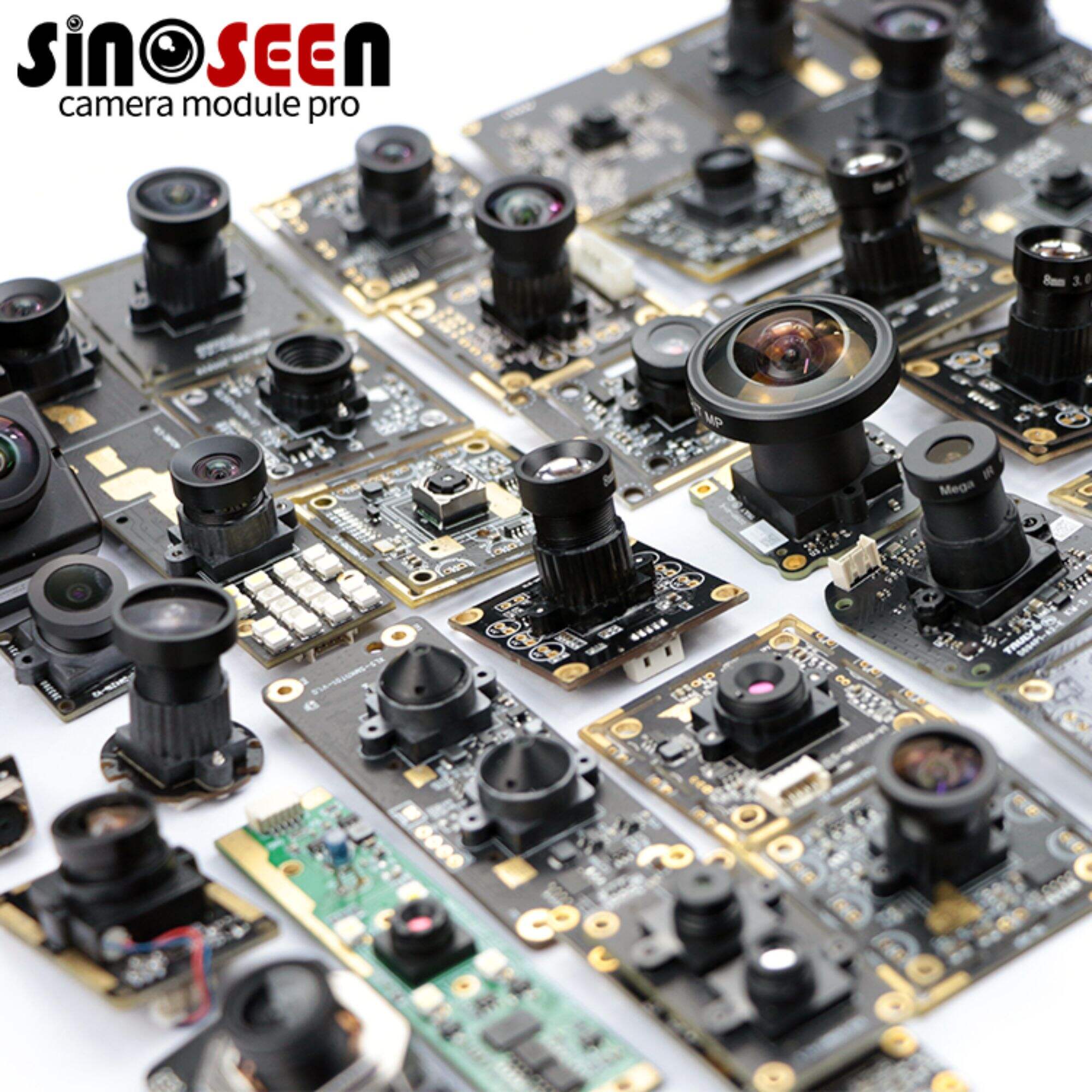
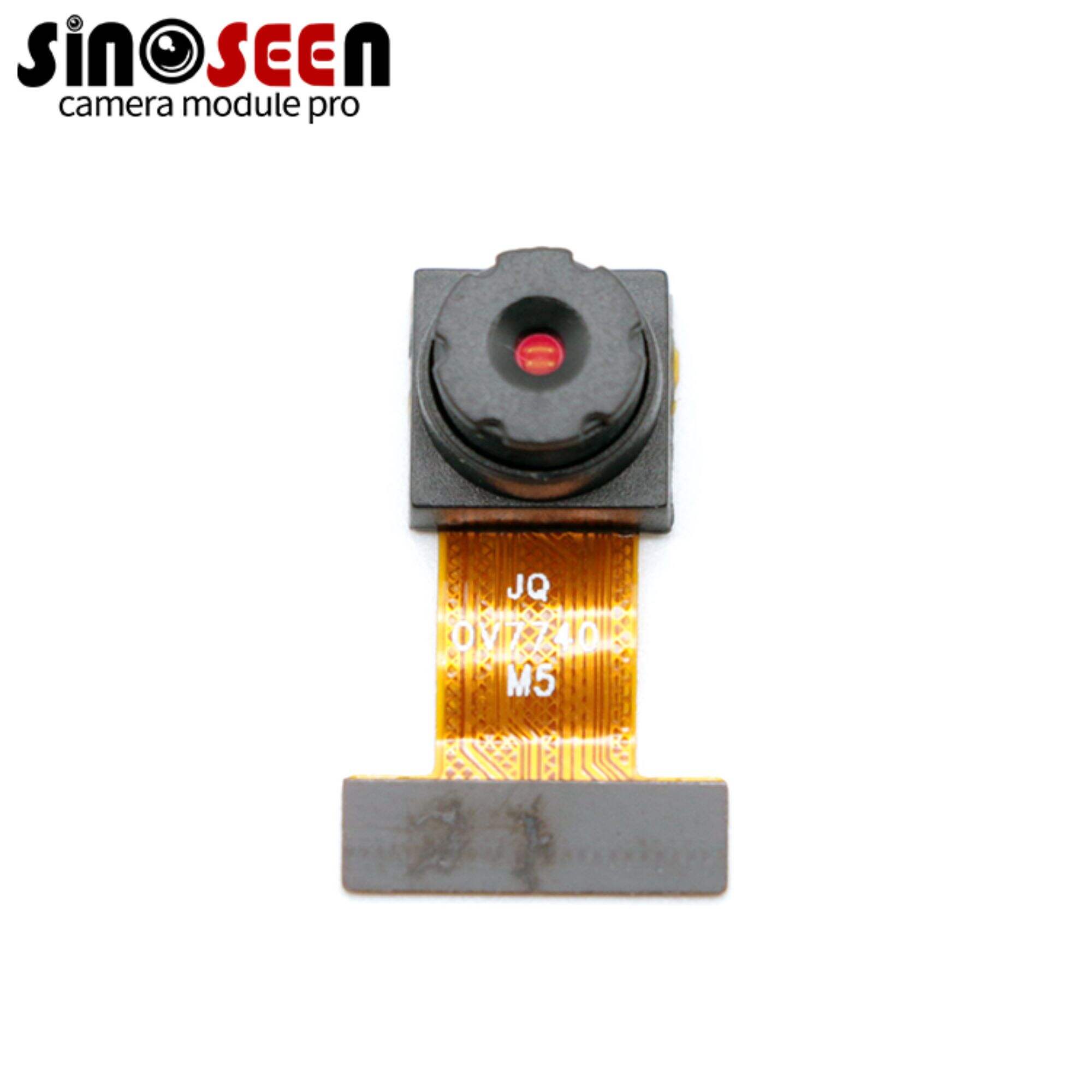
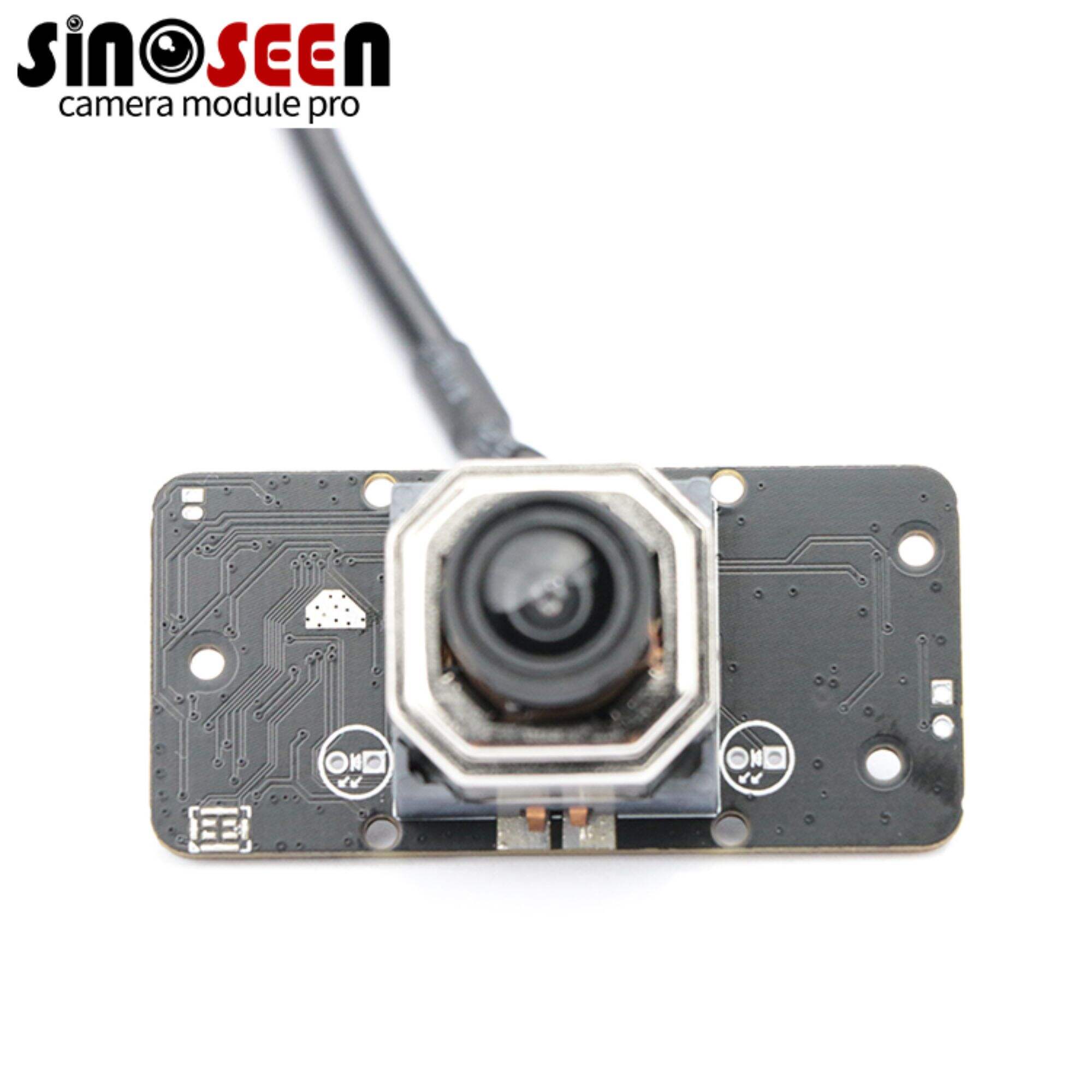
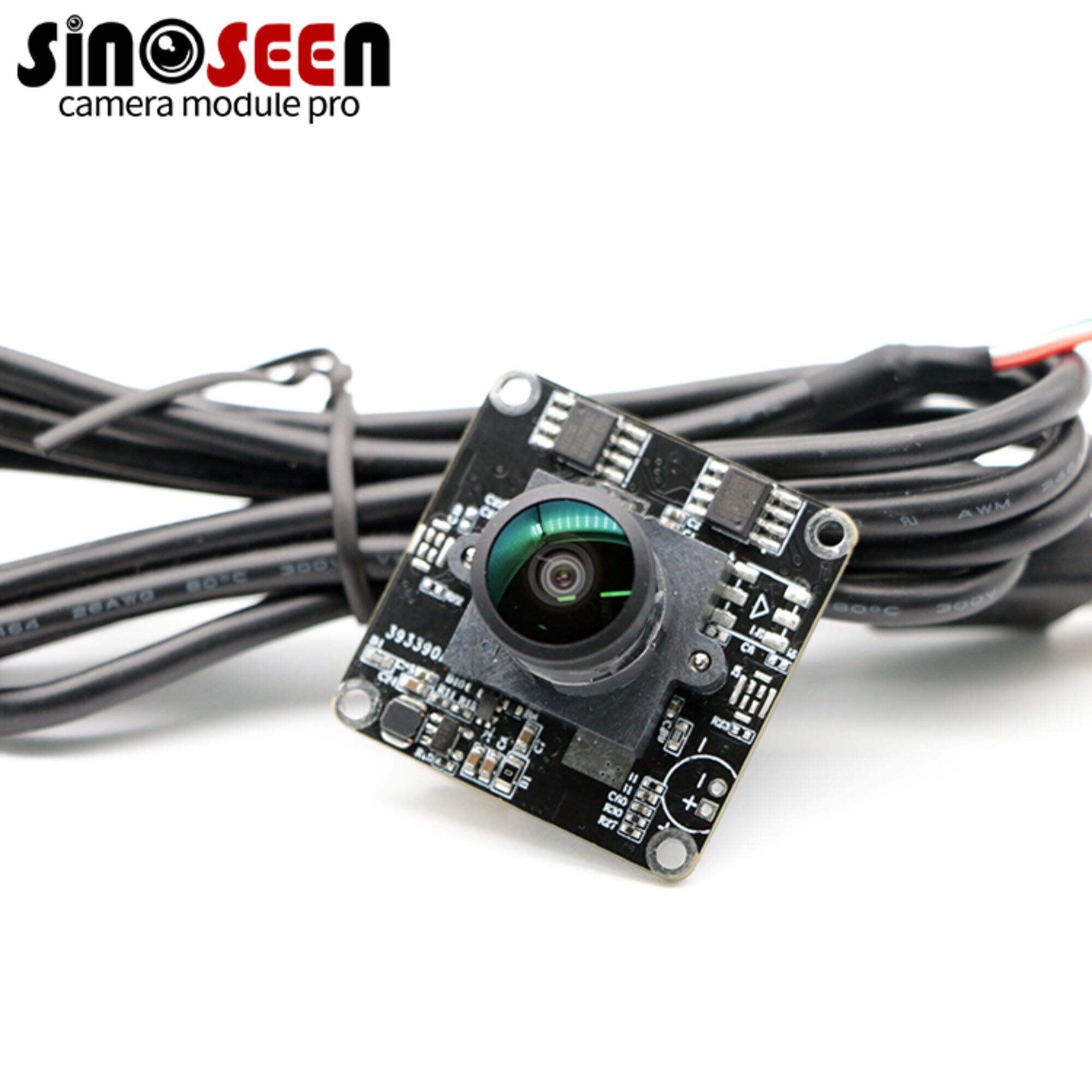
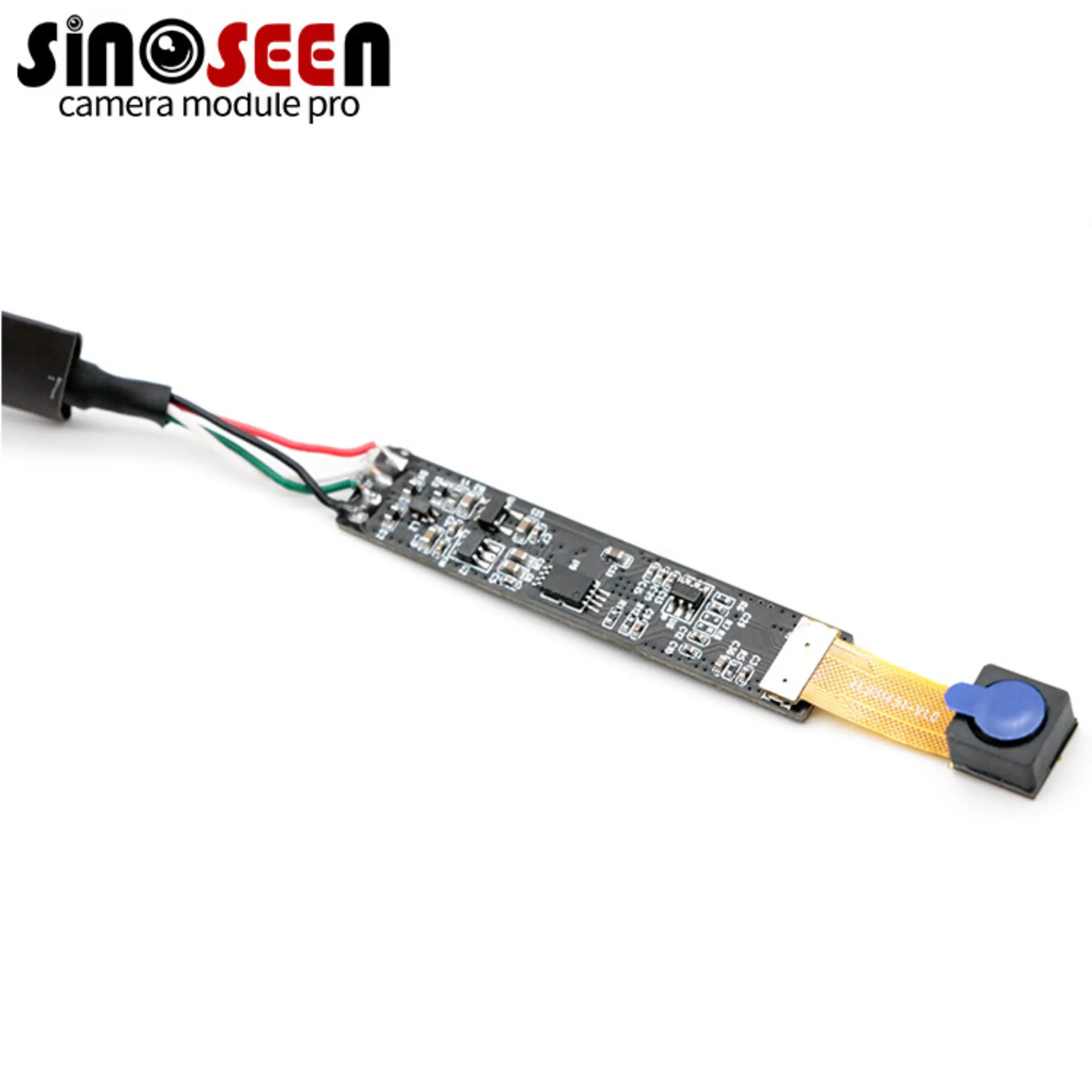
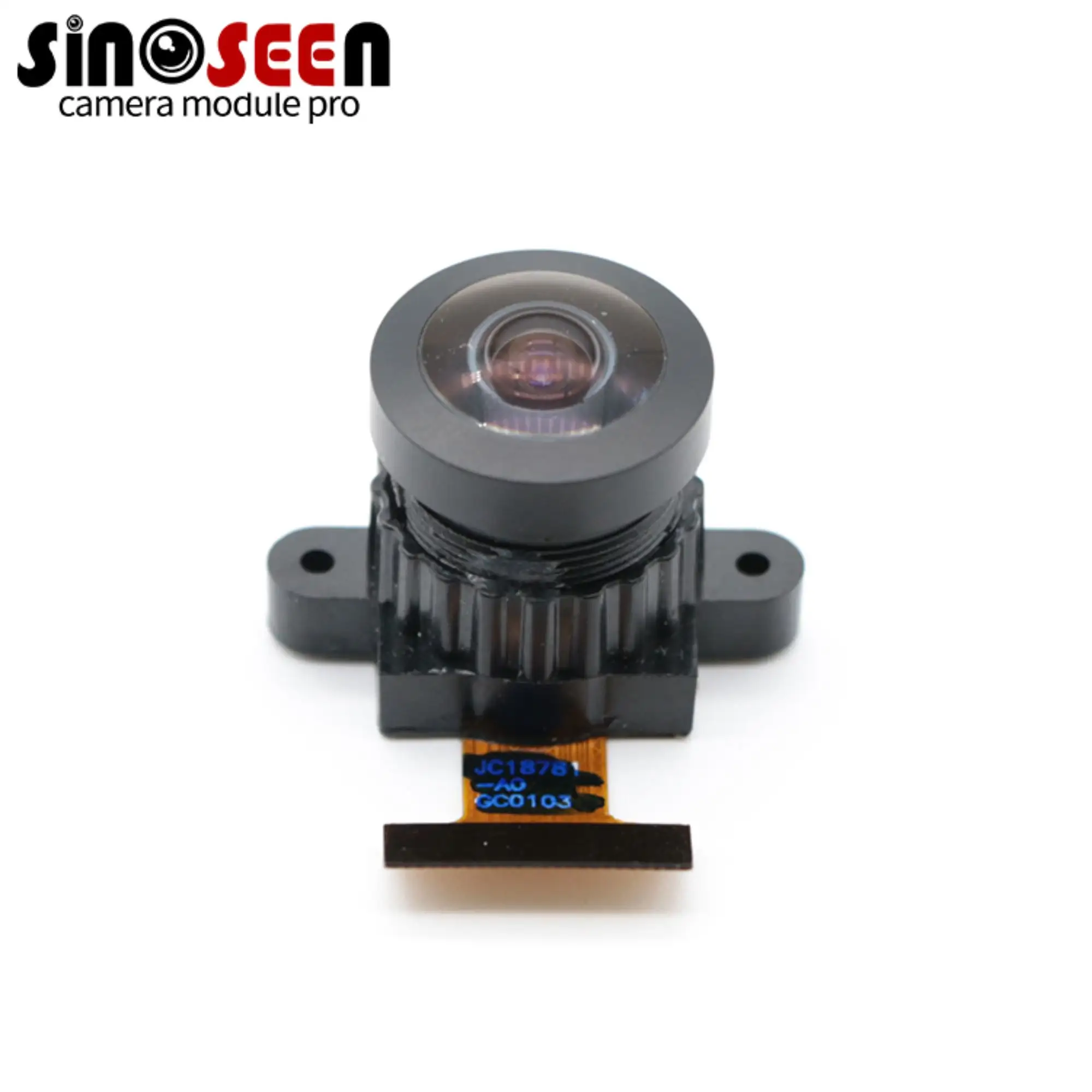
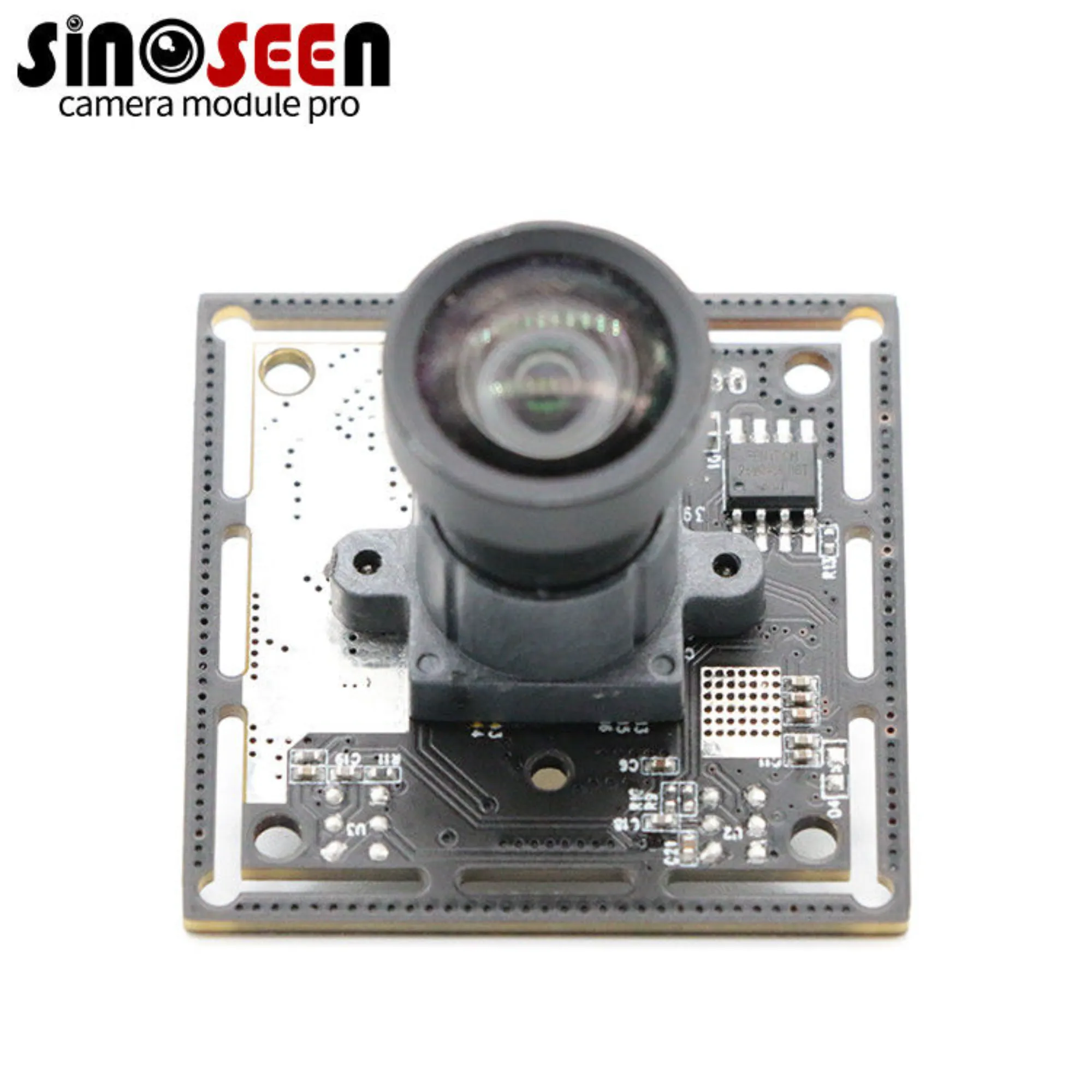
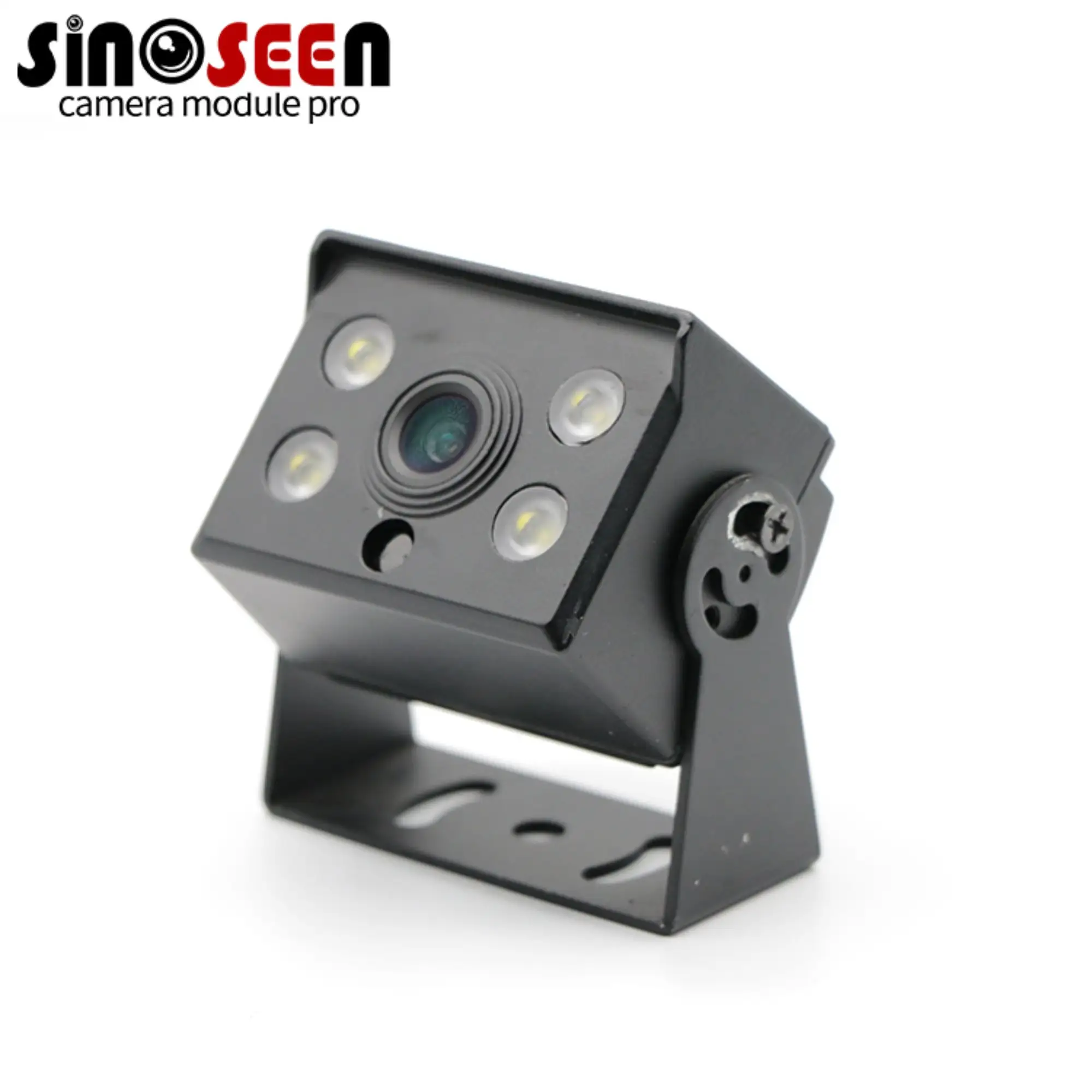
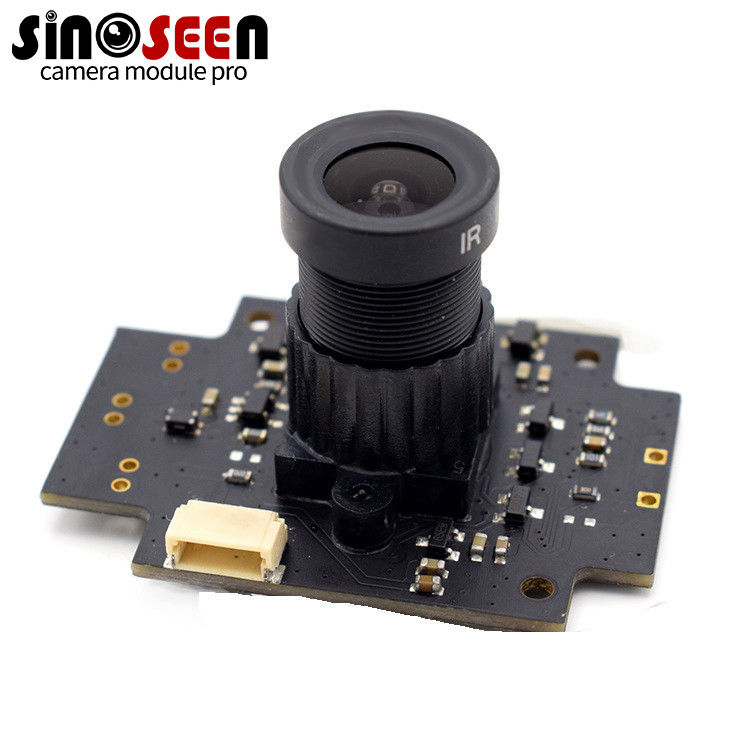
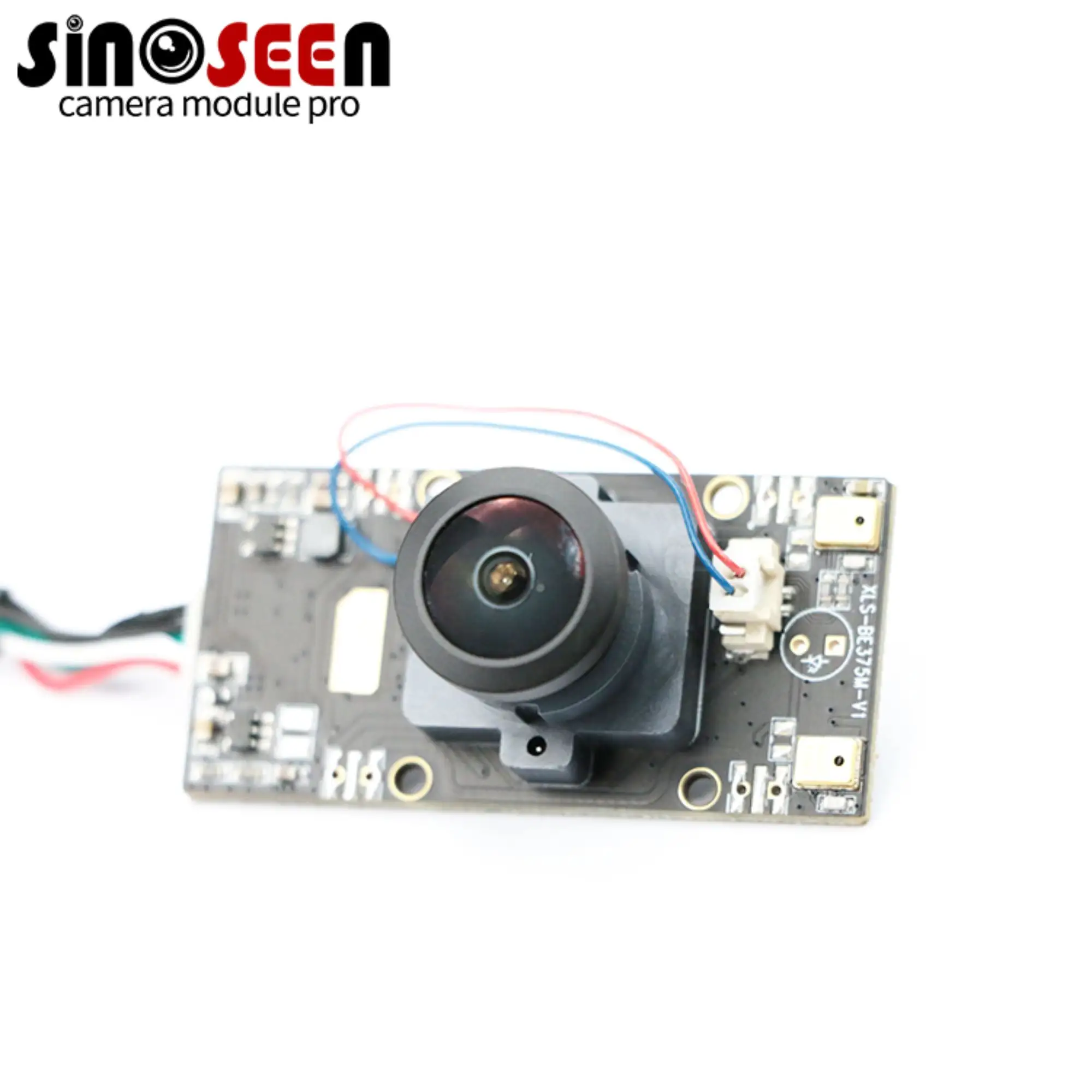
An imaging sensor module represents a sophisticated electronic component that captures light and converts it into digital signals for visual processing. This fundamental technology serves as the core of modern cameras, smartphones, security systems, and countless industrial applications. The imaging sensor module integrates multiple critical components including the sensor chip, lens assembly, image signal processor, and supporting circuitry to deliver high-quality visual data capture. These modules operate through photoelectric conversion, where photons striking the sensor surface generate electrical signals proportional to light intensity and color information. Contemporary imaging sensor modules utilize advanced CMOS or CCD technology to achieve exceptional image quality with enhanced sensitivity and reduced noise levels. The main functions encompass light detection, signal conversion, image processing, and data transmission to connected systems. Modern imaging sensor modules feature sophisticated algorithms for automatic exposure control, white balance adjustment, and real-time image enhancement. They support various resolution formats from standard definition to ultra-high-definition 4K and beyond, accommodating diverse application requirements. The technological architecture includes specialized pixel arrays, analog-to-digital converters, timing generators, and interface controllers that work synchronously to produce clear, accurate visual representations. These modules demonstrate remarkable versatility across numerous sectors including automotive safety systems, medical imaging equipment, consumer electronics, surveillance networks, and industrial inspection platforms. Advanced imaging sensor modules incorporate artificial intelligence capabilities for intelligent scene recognition, object detection, and automated optimization. Their compact form factor and energy-efficient design make them suitable for mobile devices and battery-powered applications while maintaining professional-grade performance standards.

New Products

Imaging sensor modules deliver exceptional performance benefits that revolutionize visual capture across multiple industries and applications. These advanced components provide superior image quality through cutting-edge pixel technology and sophisticated processing algorithms that enhance clarity, color accuracy, and detail reproduction. Users experience significantly improved low-light performance, enabling clear imaging in challenging environmental conditions where traditional cameras struggle. The compact design of modern imaging sensor modules allows integration into space-constrained devices without compromising functionality, making them ideal for portable electronics and embedded systems. Energy efficiency represents another major advantage, as these modules consume minimal power while delivering high-performance results, extending battery life in mobile applications. The rapid processing capabilities ensure real-time image capture and transmission, eliminating delays that could impact critical applications like security monitoring or industrial quality control. Advanced imaging sensor modules offer extensive customization options, allowing manufacturers to tailor specifications to meet specific application requirements without extensive redesign costs. Their robust construction withstands harsh environmental conditions including temperature fluctuations, humidity, and vibration, ensuring reliable operation in industrial settings. The plug-and-play compatibility simplifies integration processes, reducing development time and associated costs for system manufacturers. Modern imaging sensor modules support multiple output formats and communication protocols, providing seamless connectivity with various processing units and display systems. They incorporate intelligent features like automatic focus adjustment, exposure optimization, and noise reduction that enhance user experience while reducing manual intervention requirements. The scalable architecture allows easy upgrading to higher resolutions or enhanced features as technology advances, protecting investment in existing systems. Cost-effectiveness becomes apparent through reduced component counts, simplified assembly processes, and lower maintenance requirements compared to traditional imaging solutions. These modules enable innovative applications previously impossible with conventional camera systems, opening new market opportunities for businesses across diverse sectors.

Tips And Tricks

Why Choose a High-Performance Embedded Camera Module for AI Applications?

02

Mar

Why Choose a High-Performance Embedded Camera Module for AI Applications?

Artificial intelligence applications demand precision, speed, and reliability in their visual data acquisition systems. An embedded camera module serves as the critical foundation for AI-powered devices, from autonomous vehicles to smart manufacturin...
View More
 How to Select the Right AI Camera Module for Facial Recognition Systems?

02

Mar

How to Select the Right AI Camera Module for Facial Recognition Systems?

Selecting the appropriate AI camera module for facial recognition systems represents a critical decision that directly impacts system performance, accuracy, and overall operational efficiency. Modern facial recognition applications demand sophisticat...
View More
How to Optimize Low-Light Performance in Custom Camera Module Designs?

02

Mar

How to Optimize Low-Light Performance in Custom Camera Module Designs?

Custom camera module designs face unique challenges when operating in environments with minimal illumination, making low-light performance optimization a critical engineering consideration. Modern applications ranging from security surveillance to au...
View More
Why do Robotics Manufacturers Prefer High-Speed AI Camera Modules?

02

Mar

Why do Robotics Manufacturers Prefer High-Speed AI Camera Modules?

The robotics industry has experienced unprecedented growth in recent years, with manufacturers increasingly demanding sophisticated vision systems that can process visual data at lightning speed. High-speed AI camera modules have emerged as the corne...
View More

Get In Touch

imaging sensor module

Revolutionary High-Resolution Imaging Technology

Revolutionary High-Resolution Imaging Technology

The imaging sensor module incorporates breakthrough high-resolution technology that transforms visual capture capabilities across professional and consumer applications. This advanced system utilizes state-of-the-art pixel architecture with enhanced sensitivity and dynamic range, delivering unprecedented image quality that exceeds traditional photography standards. The revolutionary technology features ultra-fine pixel structures that capture minute details with remarkable precision, enabling applications requiring extreme accuracy such as medical diagnostics, scientific research, and quality inspection processes. Professional photographers and content creators benefit from the expanded color gamut and improved tonal reproduction that brings images to life with vivid realism. The high-resolution capability extends beyond static imaging to include ultra-high-definition video recording with exceptional frame rates, supporting modern broadcast and streaming requirements. Advanced interpolation algorithms within the imaging sensor module enhance resolution beyond native capabilities, providing users with flexibility to crop and zoom while maintaining image integrity. The technology incorporates sophisticated noise reduction mechanisms that preserve detail while eliminating unwanted artifacts, ensuring clean images even at maximum resolution settings. Multi-sampling techniques capture multiple exposures simultaneously, enabling high dynamic range imaging that reveals details in both shadows and highlights previously impossible to achieve. The revolutionary design includes adaptive pixel binning that optimizes performance based on lighting conditions, automatically adjusting resolution and sensitivity to deliver optimal results. Industrial applications benefit from the precision measurement capabilities enabled by high-resolution imaging, facilitating automated inspection systems with micron-level accuracy. The technology supports lossless digital zoom functionality, allowing users to magnify subjects without quality degradation, essential for surveillance and monitoring applications. Future-proof design ensures compatibility with emerging display technologies and storage formats, protecting investment while enabling seamless adoption of advancing standards.
Intelligent Adaptive Processing System

Intelligent Adaptive Processing System

The imaging sensor module features an intelligent adaptive processing system that automatically optimizes image capture parameters based on environmental conditions and subject characteristics. This sophisticated technology eliminates guesswork from photography while ensuring consistently excellent results across diverse shooting scenarios. The intelligent system analyzes multiple factors including ambient lighting, subject movement, color temperature, and contrast levels to determine optimal camera settings in real-time. Machine learning algorithms continuously improve performance by recognizing patterns and preferences, adapting to specific user behaviors and application requirements. The adaptive processing system includes advanced scene recognition capabilities that identify specific scenarios such as landscapes, portraits, sports, or macro photography, automatically adjusting parameters for optimal results. Real-time histogram analysis enables precise exposure control that prevents overexposure and underexposure, maintaining detail across the entire tonal range. The intelligent system incorporates predictive autofocus technology that anticipates subject movement, ensuring sharp focus even with fast-moving objects. Advanced white balance algorithms adapt to mixed lighting conditions, delivering natural color reproduction regardless of illumination sources. The processing system features intelligent noise reduction that distinguishes between image detail and unwanted noise, preserving texture while eliminating grain and artifacts. Dynamic range optimization automatically adjusts sensor parameters to capture the maximum tonal range possible in any given scene. The adaptive system includes stability compensation that detects camera movement and automatically adjusts shutter speed and ISO settings to prevent motion blur. Intelligent burst mode capabilities capture multiple frames with varying exposures, selecting the best image or combining multiple shots for enhanced results. The system learns user preferences over time, gradually customizing automatic settings to match individual shooting styles and preferences. Power management intelligence optimizes processing load based on battery levels and thermal conditions, extending operational time while maintaining performance standards.
Versatile Multi-Platform Integration Capabilities

Versatile Multi-Platform Integration Capabilities

The imaging sensor module demonstrates exceptional versatility through its comprehensive multi-platform integration capabilities, enabling seamless deployment across diverse technological ecosystems and application environments. This adaptability represents a significant competitive advantage for manufacturers and developers seeking flexible imaging solutions that can evolve with changing requirements. The module supports multiple communication interfaces including USB, MIPI CSI, Ethernet, and wireless protocols, ensuring compatibility with virtually any host system or processing platform. Universal mounting options accommodate various form factors from compact mobile devices to large industrial equipment, providing mechanical flexibility without compromising optical performance. The integration capabilities extend to software compatibility, supporting major operating systems and development frameworks including Linux, Windows, Android, and embedded real-time systems. Standardized APIs and software development kits simplify integration processes, reducing development time and technical barriers for system designers. The module incorporates hot-swappable functionality that enables field replacement without system shutdown, critical for mission-critical applications requiring continuous operation. Modular architecture allows customization of specific components such as lenses, filters, or processing units without redesigning the entire system. The versatile design supports both standalone operation and networked configurations, enabling distributed imaging systems and centralized monitoring solutions. Advanced synchronization capabilities allow multiple imaging sensor modules to work together, creating panoramic views or stereoscopic imaging systems. The integration framework includes comprehensive calibration tools and automated setup procedures that minimize installation complexity and ensure optimal performance. Backward compatibility ensures seamless upgrades from legacy systems while forward compatibility protects against technological obsolescence. The module supports various power supply configurations from battery operation to direct AC power, accommodating diverse installation environments. Comprehensive diagnostic and monitoring capabilities provide real-time system health information, enabling proactive maintenance and troubleshooting. The versatile platform supports custom firmware development, allowing specialized applications to optimize performance for specific use cases. Environmental sealing options protect sensitive components while maintaining full functionality in challenging conditions, extending deployment possibilities to outdoor and industrial environments.

Related Search

Get in touch