Innovative Camera Modules for Every Application | Sinoseen

All Categories

cmos imaging module

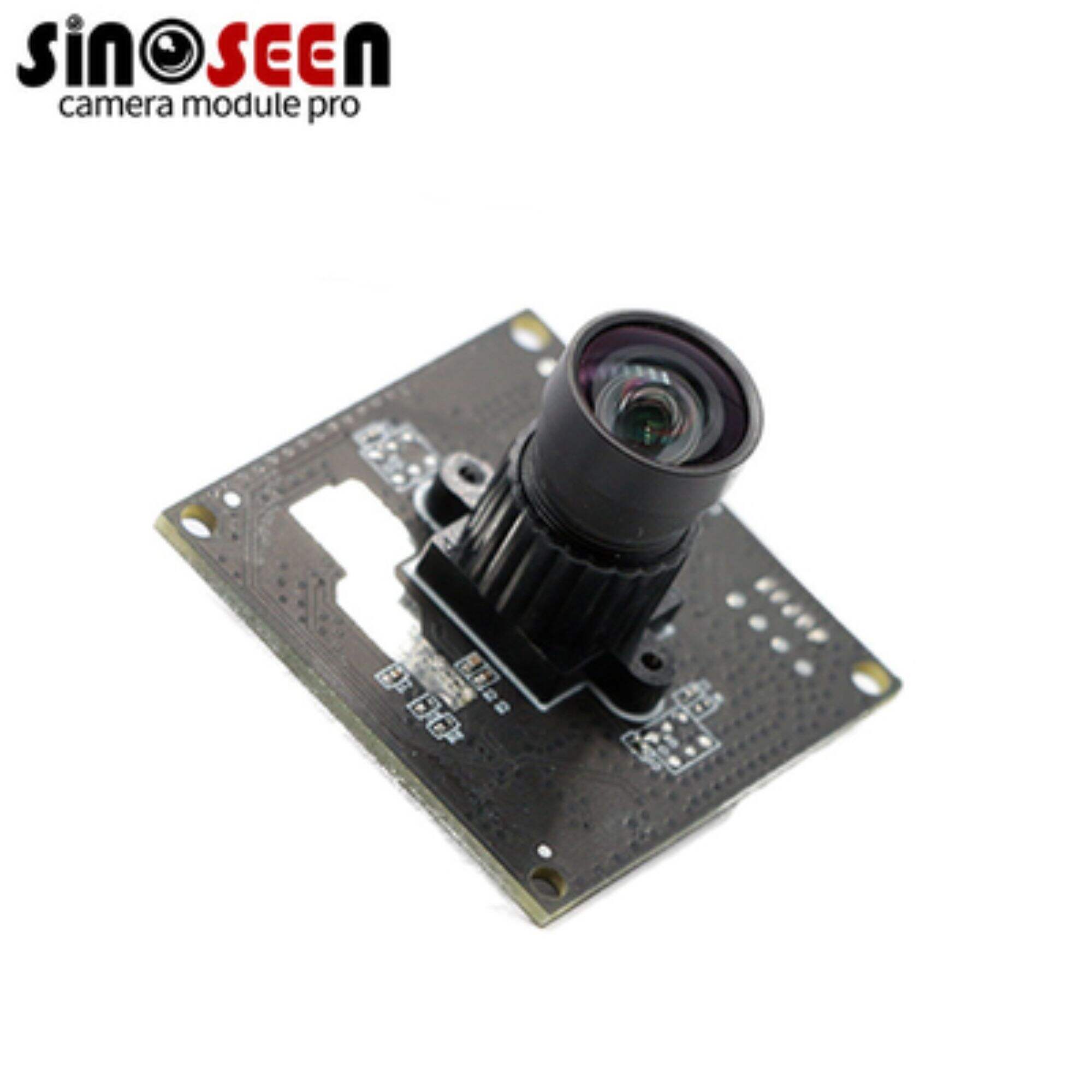
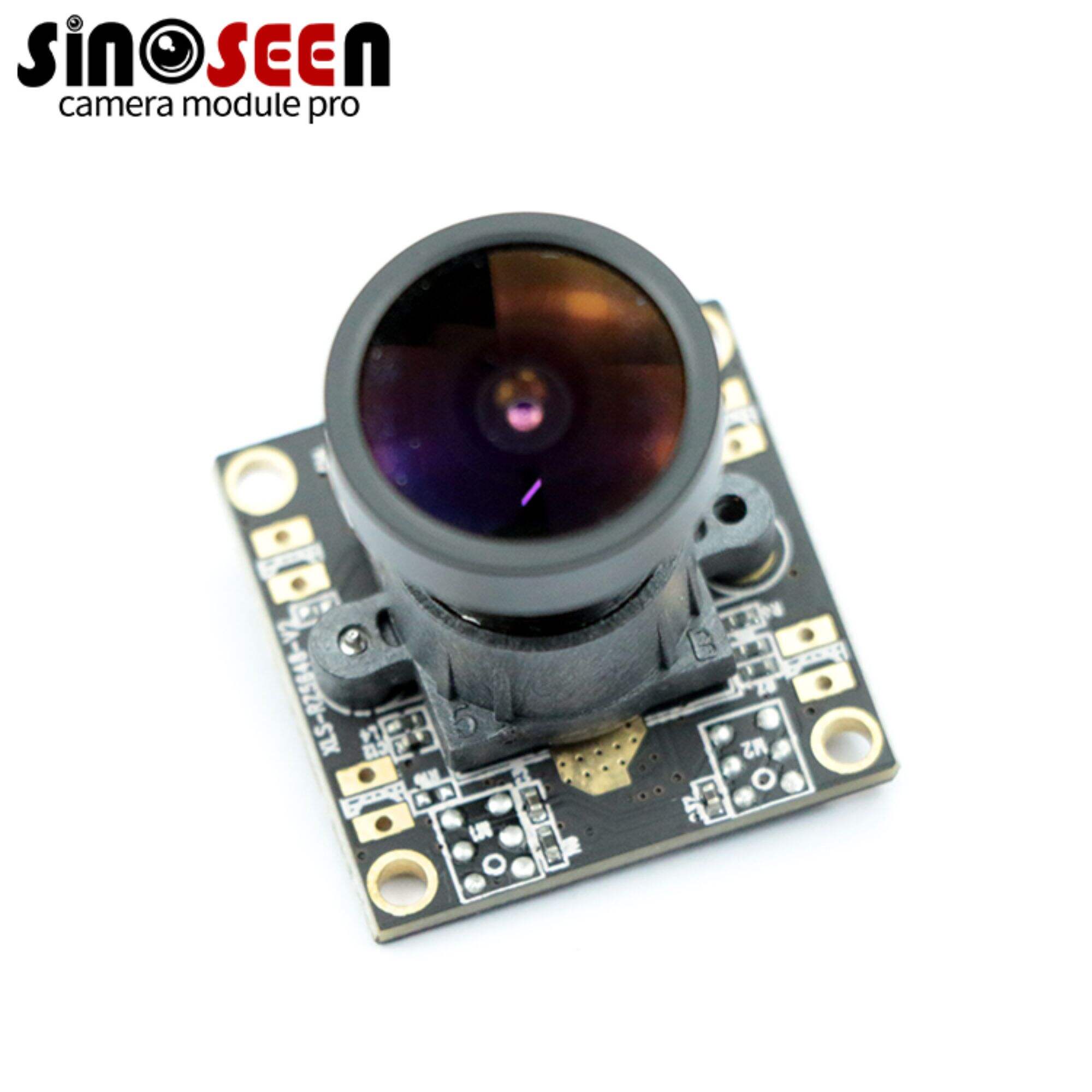
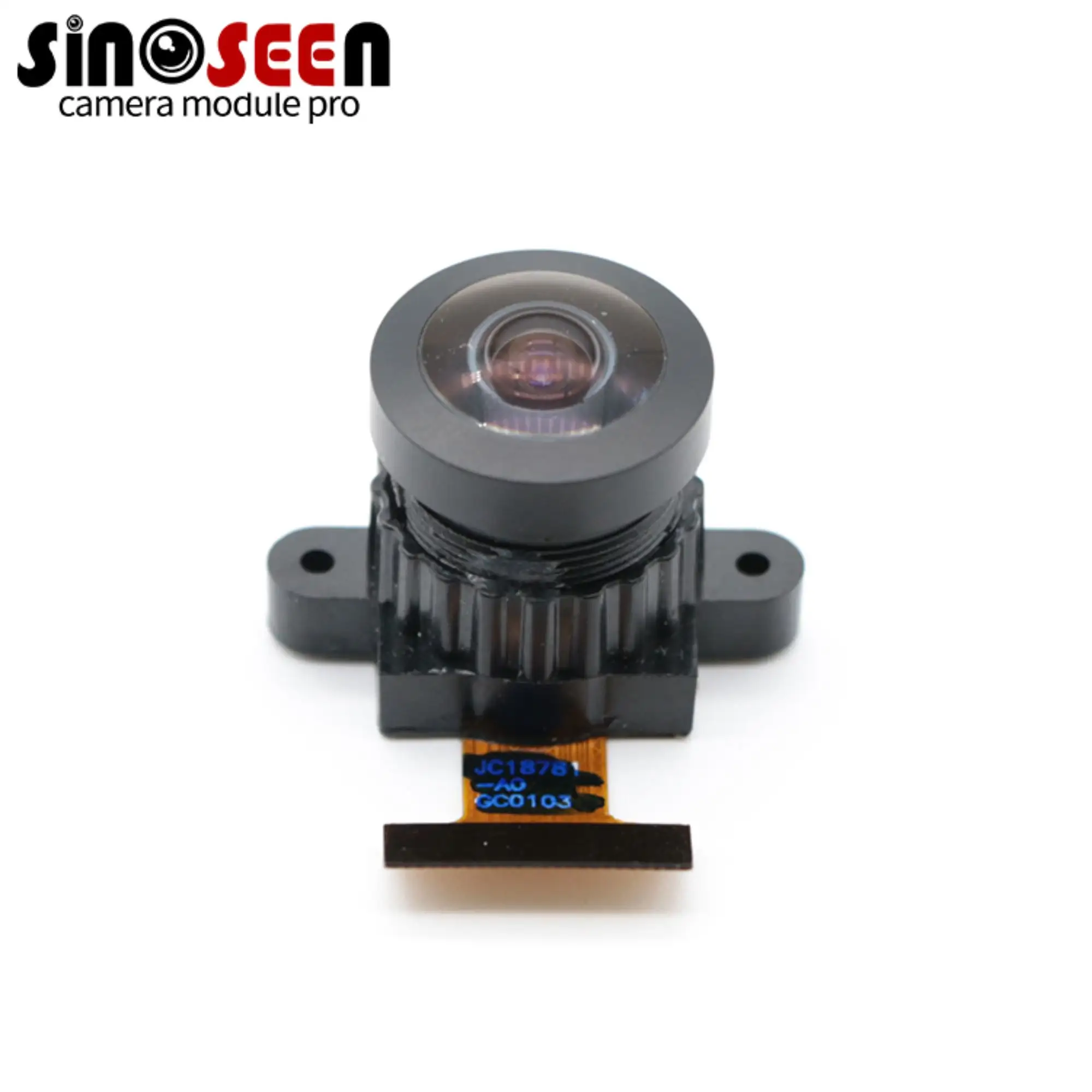
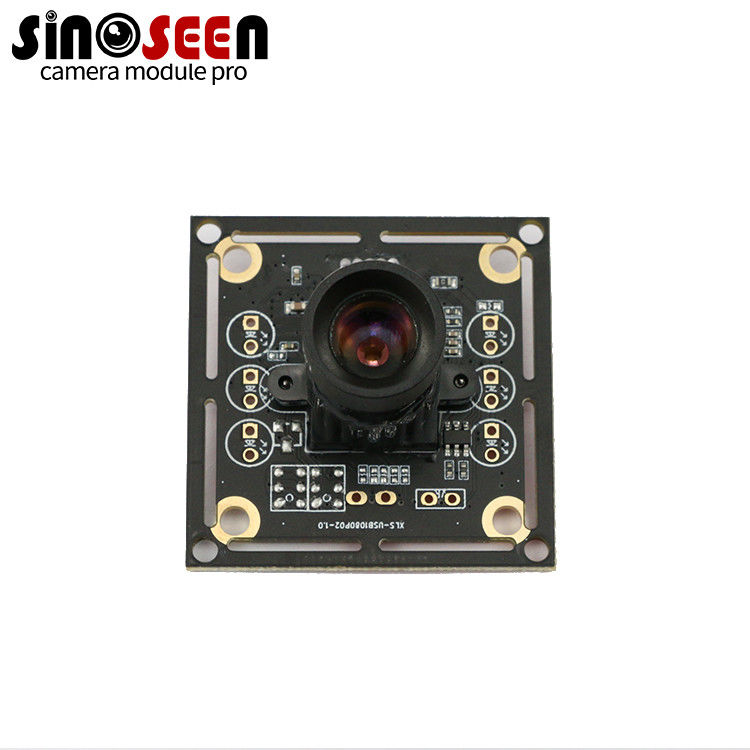
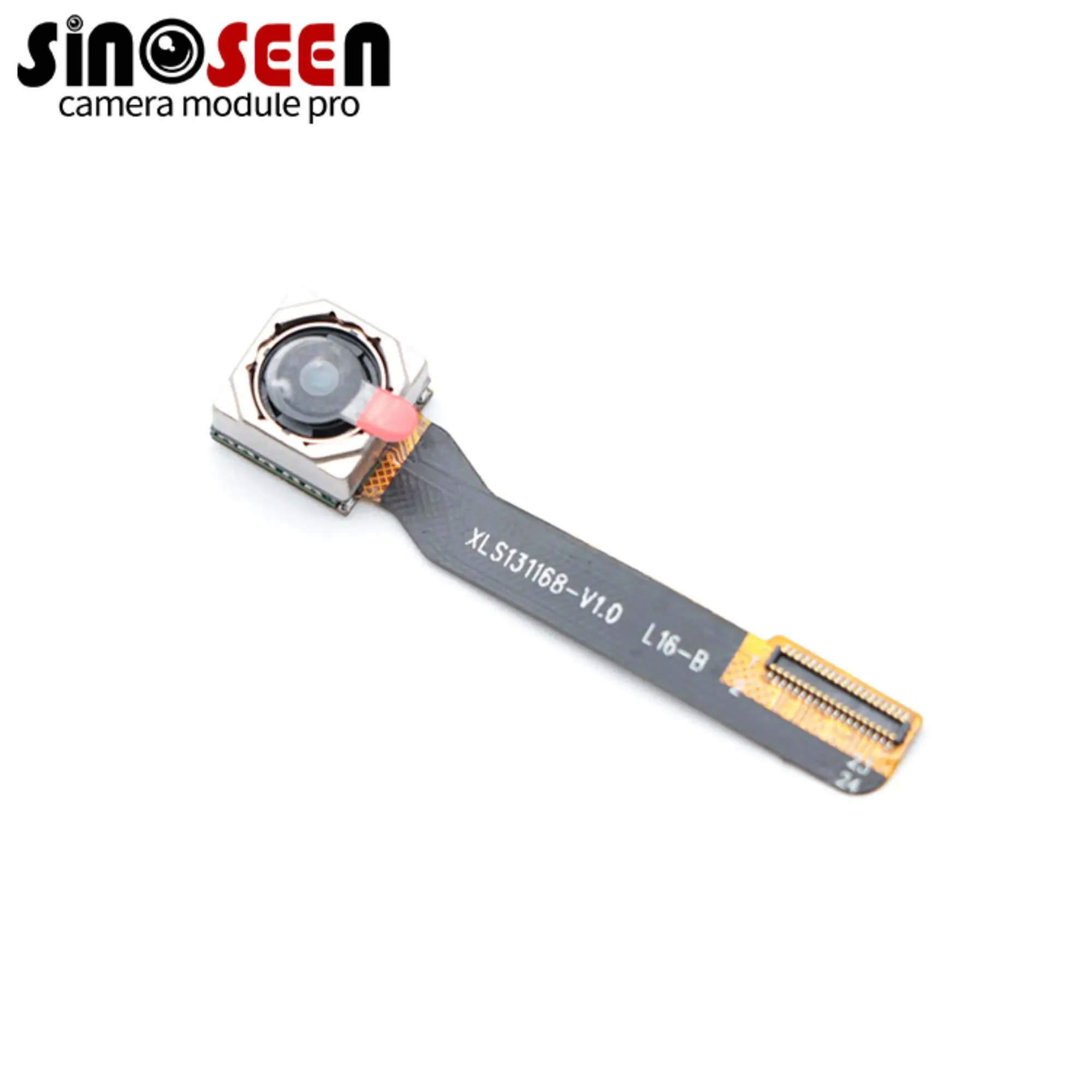
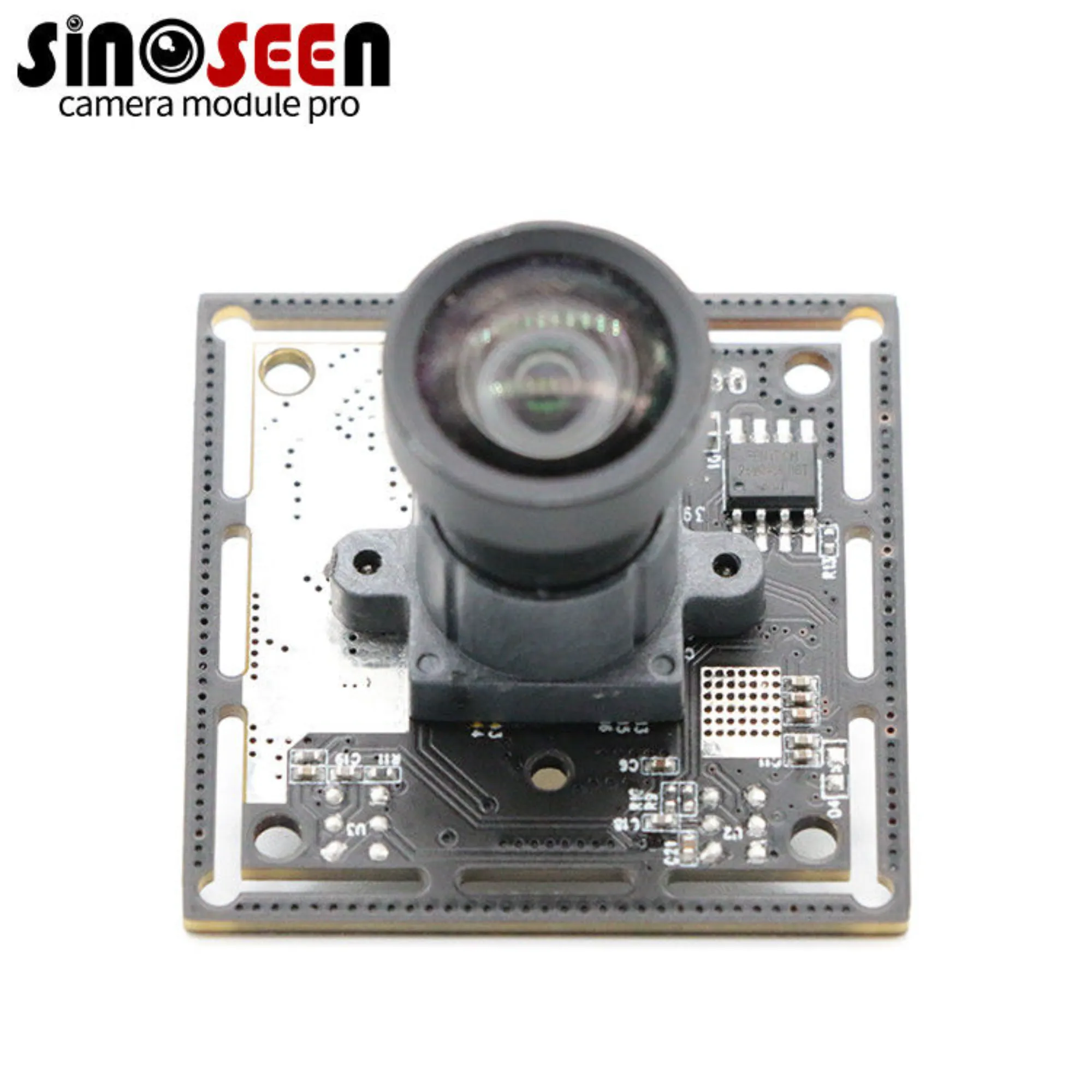
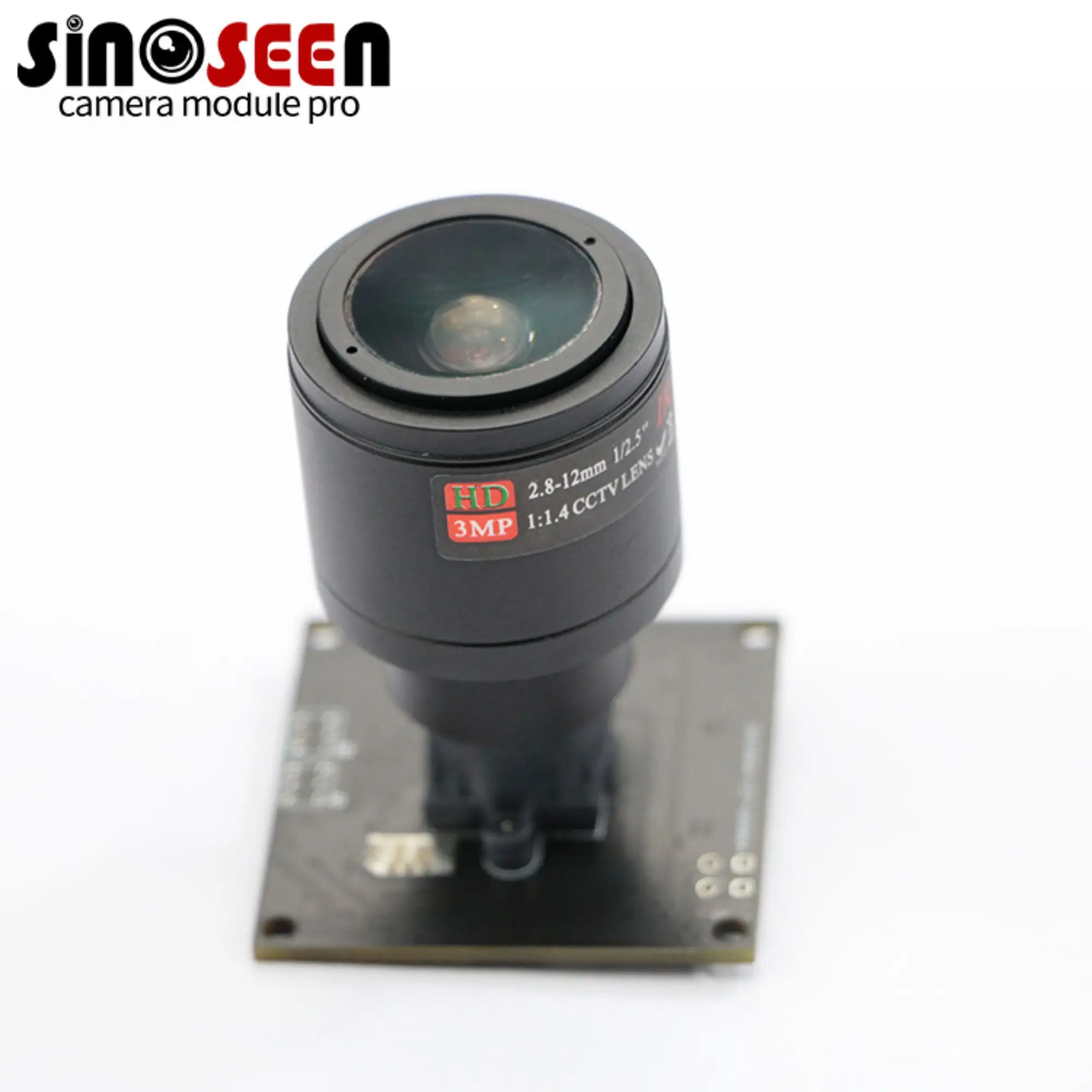
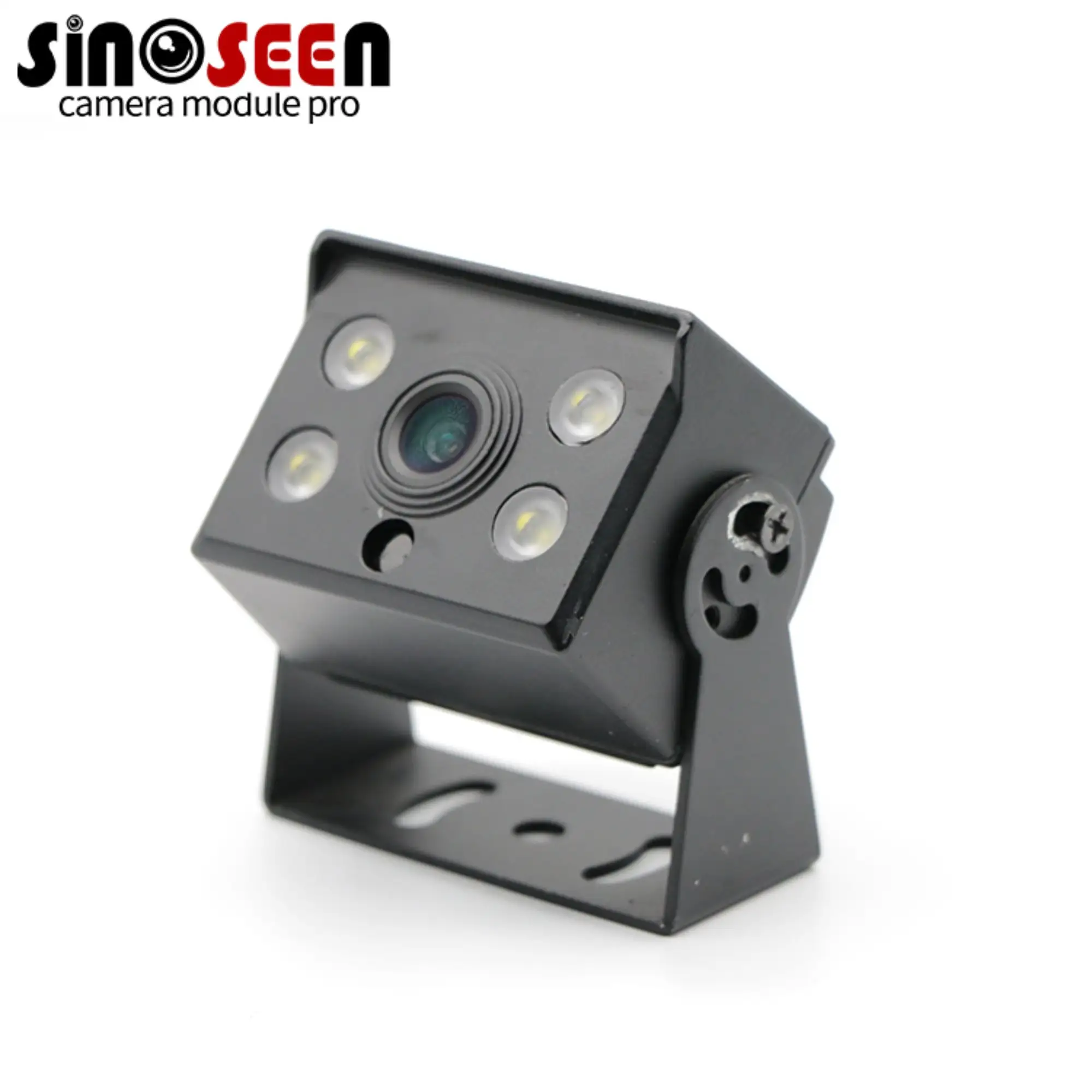
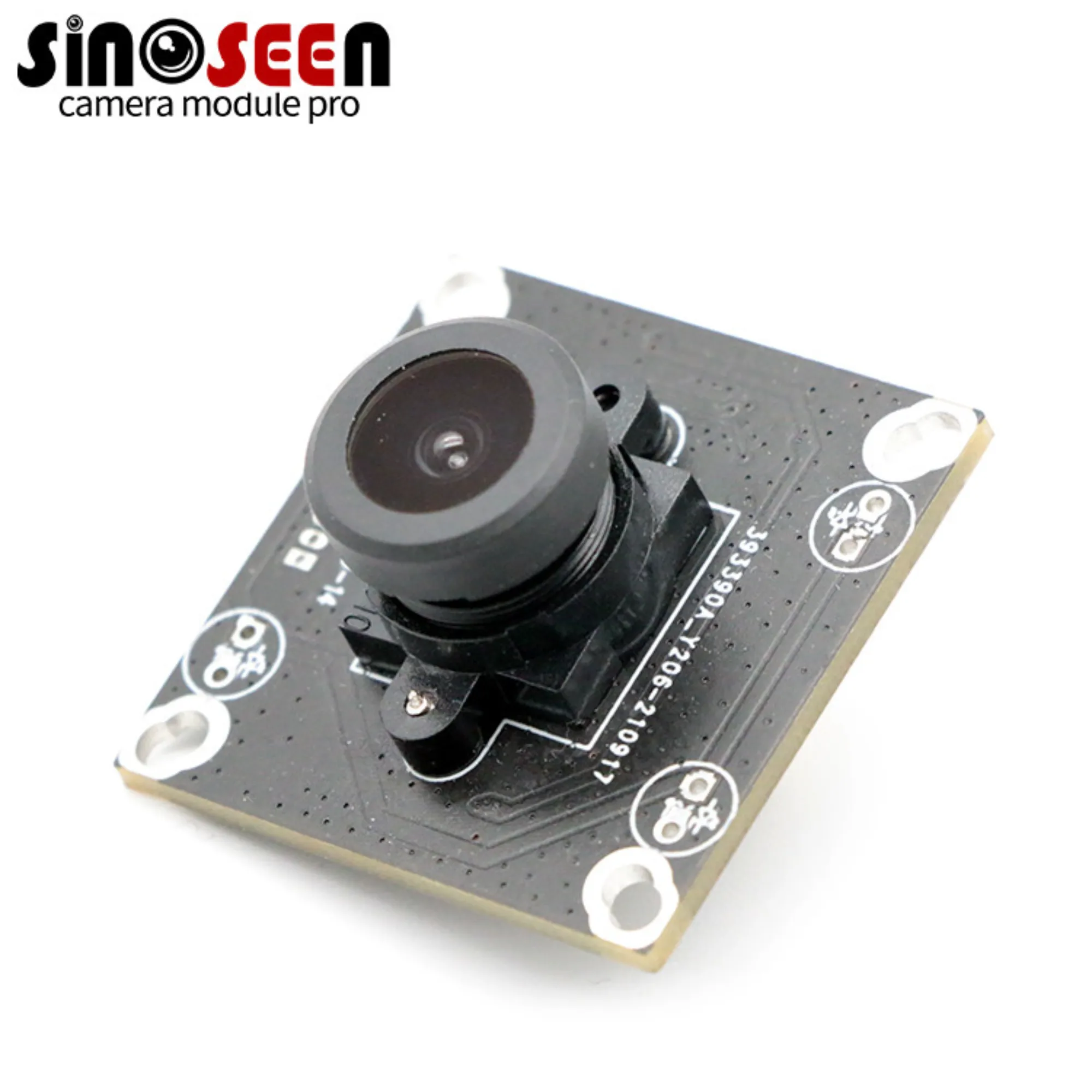
The CMOS imaging module represents a revolutionary advancement in digital photography and video capture technology, fundamentally transforming how we perceive and record visual information across countless applications. This sophisticated electronic component combines a complementary metal-oxide-semiconductor sensor with integrated processing circuitry to deliver exceptional image quality and performance efficiency. The CMOS imaging module operates by converting light photons into electrical signals through photodiodes arranged in a pixel array, subsequently processing these signals into digital image data that can be stored, transmitted, or displayed. Modern CMOS imaging modules incorporate advanced technological features including high-resolution sensors ranging from basic VGA formats to ultra-high-definition 4K and beyond, enabling crystal-clear image capture with remarkable detail preservation. The module's architectural design integrates analog-to-digital converters, amplifiers, and signal processing units directly onto the sensor chip, creating a compact and efficient imaging solution. Key technological characteristics include low power consumption, high-speed data transfer capabilities, and excellent noise reduction algorithms that ensure superior image quality even in challenging lighting conditions. The CMOS imaging module supports various output formats including raw sensor data, compressed JPEG images, and real-time video streams, making it versatile for diverse implementation requirements. Advanced features such as automatic exposure control, white balance adjustment, and digital zoom functionality are seamlessly integrated into modern CMOS imaging modules. These modules find extensive applications across consumer electronics, automotive safety systems, medical imaging equipment, security surveillance cameras, industrial inspection machinery, and smartphone photography systems. The compact form factor and standardized interface protocols make CMOS imaging modules easily integrable into existing hardware designs, while their robust construction ensures reliable operation across wide temperature ranges and environmental conditions.

New Products

The CMOS imaging module delivers exceptional power efficiency compared to traditional imaging solutions, consuming significantly less energy while maintaining superior performance standards that extend battery life in portable devices and reduce operational costs in continuous-use applications. This energy-saving characteristic makes the CMOS imaging module particularly valuable for mobile devices, wireless security cameras, and IoT applications where power conservation directly impacts user experience and deployment feasibility. The module's integrated architecture eliminates the need for separate processing components, reducing overall system complexity and manufacturing costs while improving reliability through fewer interconnections and potential failure points. Cost-effectiveness represents another major advantage of the CMOS imaging module, as mass production techniques and semiconductor manufacturing advances have made these high-performance components increasingly affordable without compromising quality or functionality. The module's compact design enables integration into space-constrained applications where traditional imaging systems would be impractical, opening new possibilities for product miniaturization and innovative form factors. Real-time image processing capabilities built into the CMOS imaging module provide immediate access to captured visual data, eliminating delays associated with external processing requirements and enabling responsive applications such as machine vision systems and live video streaming. The module's digital output format ensures seamless integration with modern computing systems and eliminates analog signal degradation issues that plague older imaging technologies. Flexibility in configuration options allows developers to optimize the CMOS imaging module for specific application requirements, adjusting parameters such as resolution, frame rate, and image processing algorithms to achieve desired performance characteristics. The module's robust construction and solid-state design provide excellent durability and shock resistance, making it suitable for demanding industrial and automotive applications where traditional cameras might fail. Advanced noise reduction algorithms integrated within the CMOS imaging module ensure consistent image quality across varying lighting conditions, reducing the need for additional image enhancement processing and simplifying system design requirements.

Practical Tips

 How to Select the Right AI Camera Module for Facial Recognition Systems?

02

Mar

How to Select the Right AI Camera Module for Facial Recognition Systems?

Selecting the appropriate AI camera module for facial recognition systems represents a critical decision that directly impacts system performance, accuracy, and overall operational efficiency. Modern facial recognition applications demand sophisticat...
View More
How to Optimize Low-Light Performance in Custom Camera Module Designs?

02

Mar

How to Optimize Low-Light Performance in Custom Camera Module Designs?

Custom camera module designs face unique challenges when operating in environments with minimal illumination, making low-light performance optimization a critical engineering consideration. Modern applications ranging from security surveillance to au...
View More
How to Integrate a Small Camera Module into Compact Medical Devices?

02

Mar

How to Integrate a Small Camera Module into Compact Medical Devices?

Medical device miniaturization continues to revolutionize healthcare, enabling less invasive procedures and improved patient outcomes. When designing compact medical equipment, integrating a small camera module requires careful consideration of space...
View More
Why do Robotics Manufacturers Prefer High-Speed AI Camera Modules?

02

Mar

Why do Robotics Manufacturers Prefer High-Speed AI Camera Modules?

The robotics industry has experienced unprecedented growth in recent years, with manufacturers increasingly demanding sophisticated vision systems that can process visual data at lightning speed. High-speed AI camera modules have emerged as the corne...
View More

Get In Touch

cmos imaging module

Ultra-Low Power Consumption for Extended Operation

Ultra-Low Power Consumption for Extended Operation

The CMOS imaging module achieves remarkable power efficiency through innovative circuit design and advanced semiconductor manufacturing processes that minimize energy consumption while maximizing imaging performance. This ultra-low power characteristic stems from the module's ability to selectively activate only necessary circuit components during operation, implementing sophisticated power management protocols that dynamically adjust consumption based on imaging requirements. Unlike traditional imaging systems that maintain constant power draw regardless of activity levels, the CMOS imaging module intelligently scales its energy usage to match operational demands, resulting in power consumption reductions of up to 70 percent compared to conventional solutions. This efficiency advantage translates directly into extended battery life for portable devices, reduced heat generation in enclosed systems, and lower operational costs for continuous-use installations. The power-saving benefits become particularly pronounced in applications requiring 24/7 operation, such as security surveillance systems and industrial monitoring equipment, where energy costs can represent significant portions of total ownership expenses. Battery-powered devices incorporating CMOS imaging modules experience substantially longer operational periods between charges, enhancing user convenience and expanding deployment possibilities in remote locations where power access is limited. The module's sleep mode functionality further extends battery life by reducing standby power consumption to minimal levels while maintaining rapid wake-up capabilities for instant imaging activation. Environmental benefits also result from the reduced power requirements, as lower energy consumption contributes to decreased carbon footprint and supports sustainable technology initiatives. The combination of high performance and low power consumption makes the CMOS imaging module an ideal choice for energy-conscious applications across consumer electronics, automotive systems, and industrial equipment where operational efficiency directly impacts user satisfaction and cost-effectiveness.
Superior Image Quality with Advanced Processing

Superior Image Quality with Advanced Processing

The CMOS imaging module incorporates cutting-edge image processing algorithms and sensor technologies that deliver exceptional visual quality across diverse lighting conditions and application requirements. Advanced pixel architectures within the module utilize sophisticated photodiode designs and micro-lens arrays that maximize light gathering efficiency while minimizing noise interference, resulting in crisp, clear images with accurate color reproduction and excellent dynamic range. The integrated signal processing capabilities include real-time noise reduction algorithms that analyze incoming image data and intelligently filter unwanted artifacts without compromising image detail or sharpness. This processing occurs at the hardware level, ensuring consistent performance without requiring external computational resources or introducing processing delays that could impact real-time applications. The module's automatic exposure control systems continuously monitor scene conditions and adjust sensor parameters to maintain optimal image brightness and contrast, preventing overexposure in bright conditions and preserving detail in low-light situations. White balance correction algorithms automatically compensate for various lighting sources, ensuring accurate color representation whether operating under natural sunlight, fluorescent illumination, or LED lighting conditions. High-resolution sensor options available in CMOS imaging modules support capture of fine details essential for applications such as document scanning, quality control inspection, and medical imaging where precision is critical. The module's wide dynamic range capabilities enable simultaneous capture of both shadow and highlight details in high-contrast scenes, eliminating the need for multiple exposures or post-processing corrections. Advanced features such as digital image stabilization and motion detection are seamlessly integrated into the processing pipeline, providing additional value for applications requiring stable imagery or movement tracking capabilities. The combination of hardware-level processing and intelligent algorithms ensures that the CMOS imaging module consistently delivers professional-quality results while maintaining the simplicity and cost-effectiveness that makes it accessible for widespread deployment across various industries and applications.
Versatile Integration with Comprehensive Interface Support

Versatile Integration with Comprehensive Interface Support

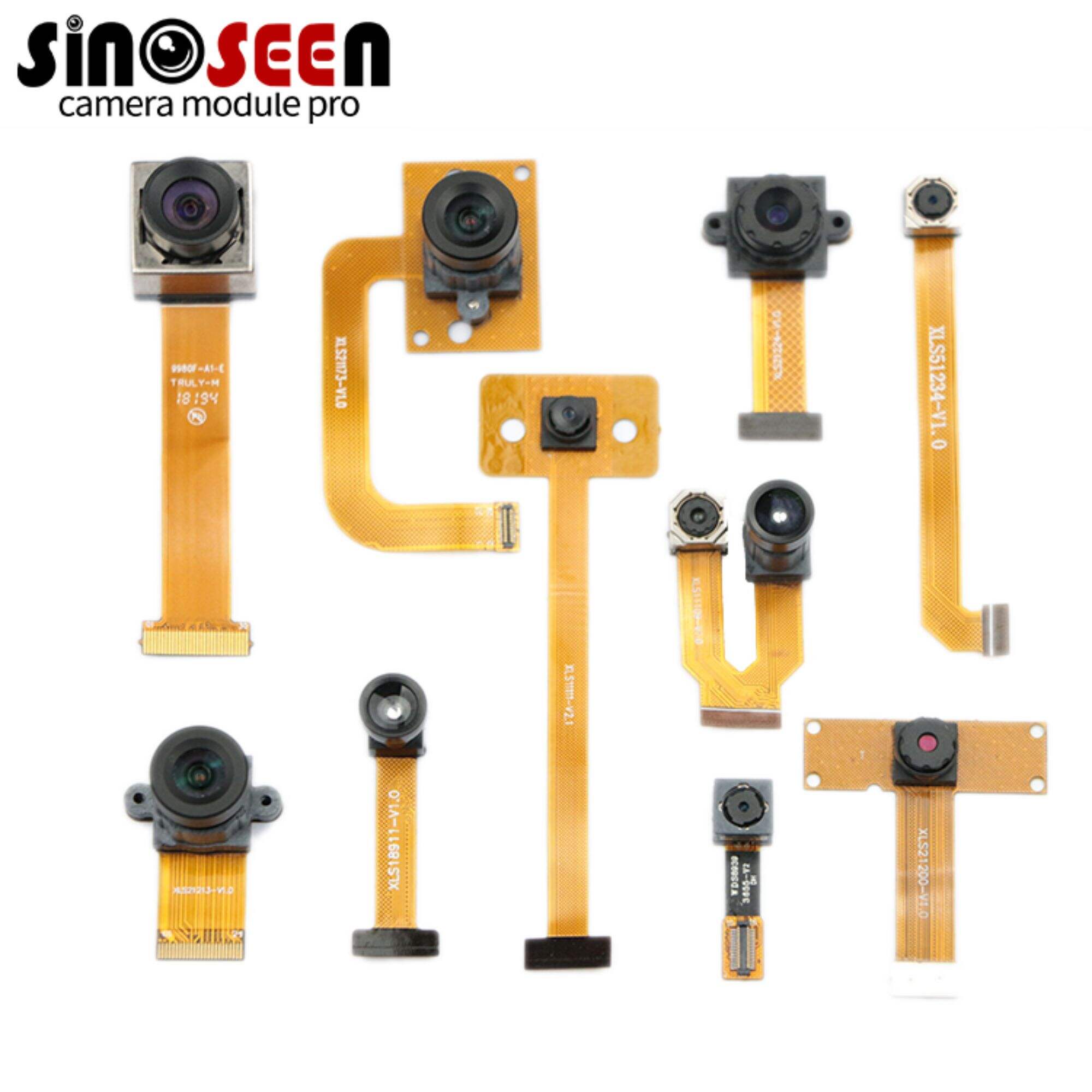
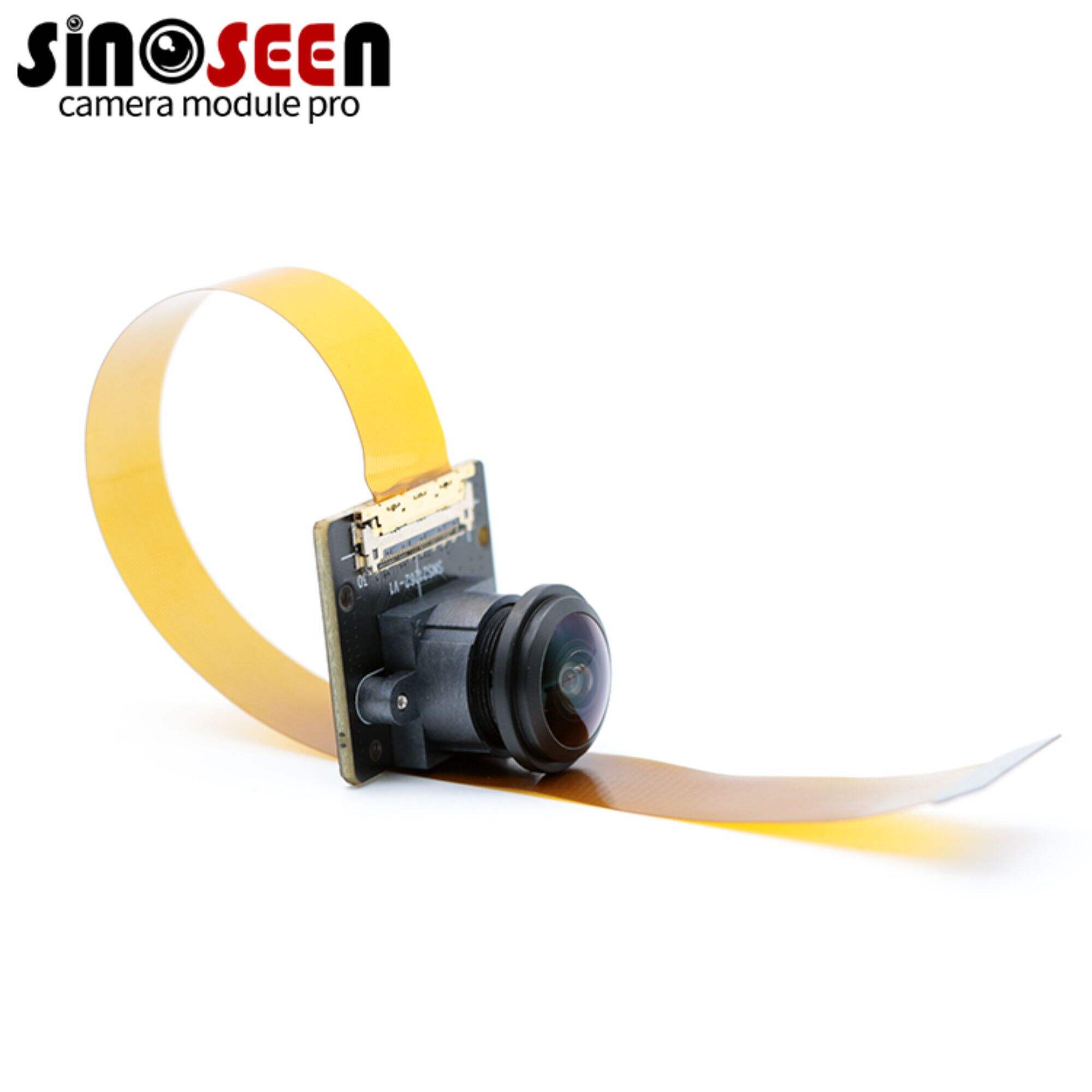
The CMOS imaging module offers unparalleled integration flexibility through comprehensive interface support and standardized connection protocols that simplify implementation across diverse hardware platforms and system architectures. Modern CMOS imaging modules support multiple industry-standard interfaces including USB, MIPI CSI, I2C, and SPI, enabling seamless connection to microcontrollers, single-board computers, and embedded systems without requiring specialized interface circuitry or complex signal conditioning. This versatility allows developers to integrate the module into existing designs with minimal modifications, reducing development time and engineering costs while ensuring compatibility with established system infrastructures. The module's plug-and-play functionality extends to software integration, with comprehensive driver support and development libraries available for popular operating systems and programming environments, enabling rapid application development and reducing time-to-market for new products. Standardized mounting options and compact form factors ensure mechanical compatibility with various enclosure designs and space-constrained installations, while flexible cable lengths and connector types accommodate different physical layout requirements. The CMOS imaging module's ability to operate across wide voltage ranges and temperature specifications makes it suitable for demanding environmental conditions found in automotive, industrial, and outdoor applications where traditional cameras might fail or require additional protection. Configuration flexibility allows developers to customize module parameters such as resolution, frame rate, and output format to match specific application requirements, optimizing performance for particular use cases without necessitating hardware modifications. The module's scalable architecture supports future expansion and feature additions through firmware updates, protecting investment in deployed systems while enabling access to improved capabilities as technology advances. Multiple modules can be synchronized for stereo vision applications or multi-camera systems, with built-in timing controls and external trigger support ensuring precise coordination between units. This comprehensive integration support makes the CMOS imaging module an ideal choice for applications ranging from simple webcam functionality to complex machine vision systems, providing the flexibility and reliability necessary for successful product deployment across diverse markets and technical requirements.

Related Search

Get in touch