 EN
EN
 AR
AR
 DA
DA
 NL
NL
 FI
FI
 FR
FR
 DE
DE
 EL
EL
 HI
HI
 IT
IT
 JA
JA
 KO
KO
 NO
NO
 PL
PL
 PT
PT
 RO
RO
 RU
RU
 ES
ES
 SV
SV
 TL
TL
 IW
IW
 ID
ID
 SR
SR
 VI
VI
 HU
HU
 TH
TH
 TR
TR
 FA
FA
 MS
MS
 IS
IS
 AZ
AZ
 UR
UR
 BN
BN
 HA
HA
 LO
LO
 MR
MR
 MN
MN
 PA
PA
 MY
MY
 SD
SD

How to Select the Right Night Vision Camera for Outdoor Use
Understanding Night Vision Technology for Outdoor Surveillance
The evolution of night vision technology has revolutionized outdoor security and surveillance capabilities. Modern night vision cameras combine sophisticated sensors, advanced imaging processors, and cutting-edge optics to deliver exceptional visibility in low-light conditions. Whether you're looking to secure your property, monitor wildlife, or enhance your outdoor activities, selecting the right night vision camera requires careful consideration of various technical specifications and environmental factors.
Essential Features of Outdoor Night Vision Cameras
Image Quality and Resolution
The cornerstone of any night vision camera system lies in its ability to capture clear, detailed images in darkness. High-resolution sensors, typically ranging from 1080p to 4K, ensure that crucial details remain visible even in challenging lighting conditions. Look for cameras offering at least 1080p resolution for optimal clarity, while understanding that higher resolutions may require more storage space and bandwidth.
Modern night vision cameras utilize advanced image processing algorithms to enhance contrast, reduce noise, and improve overall picture quality. The best models maintain color accuracy during twilight hours and seamlessly transition to infrared mode when darkness falls, ensuring consistent surveillance coverage.
Infrared Illumination Range
The infrared (IR) illumination range determines how far your night vision camera can effectively see in complete darkness. Professional-grade outdoor cameras typically offer IR ranges between 50 to 150 feet, with some high-end models extending beyond 200 feet. The actual effective range depends on environmental conditions, including ambient light, weather, and the presence of reflective surfaces.
Consider the specific requirements of your surveillance area when evaluating IR range. A larger property may necessitate multiple cameras or models with extended IR capabilities to ensure comprehensive coverage without blind spots.
Weather Resistance and Durability Standards
IP Ratings Explained
Outdoor night vision cameras must withstand various weather conditions while maintaining optimal performance. The Ingress Protection (IP) rating system indicates a camera's resistance to dust and water. Look for cameras with at least IP66 rating, which guarantees protection against powerful water jets and complete dust resistance.
Higher IP ratings, such as IP67 or IP68, offer additional protection against temporary immersion, making them ideal for areas prone to flooding or severe weather conditions. Remember that weather resistance extends beyond water protection to include UV resistance and temperature tolerance.
Construction Materials and Design
The physical construction of your night vision camera significantly impacts its longevity and reliability. High-quality materials like aircraft-grade aluminum and reinforced polymers offer superior durability while resisting corrosion and temperature extremes. Anti-vandal features, including impact-resistant housings and tamper-proof mounting systems, provide additional security against physical interference.
Consider cameras with built-in heaters and fans for installations in regions experiencing extreme temperature variations. These climate control features prevent condensation and ensure consistent operation in both freezing winters and scorching summers.
Advanced Features and Connectivity Options
Smart Detection Capabilities
Modern night vision cameras incorporate artificial intelligence and advanced analytics to enhance surveillance effectiveness. Look for features like motion detection, person detection, and zone monitoring to reduce false alarms and focus on relevant security events. Some models offer facial recognition and vehicle detection, providing more detailed information about potential security threats.
The integration of smart detection features with mobile notifications ensures immediate awareness of security events, allowing for rapid response to potential threats. Consider cameras offering cloud storage options for secure backup of important footage and easy access from multiple devices.
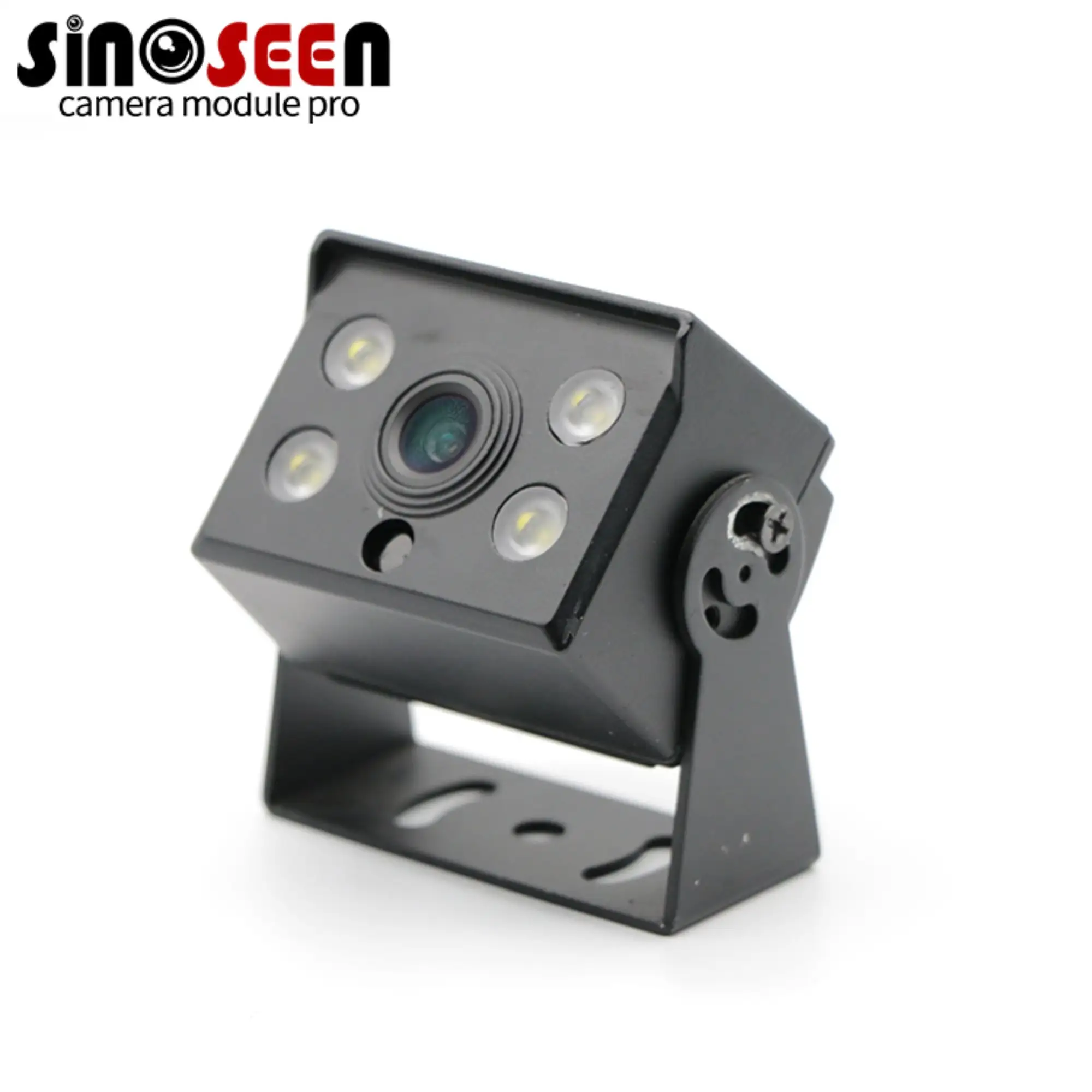
Network Integration and Remote Access
Connectivity options play a crucial role in the functionality of outdoor night vision cameras. Most modern systems offer both wireless and wired connection options, with Wi-Fi being increasingly popular for its flexibility and ease of installation. Ensure your chosen camera supports current security protocols and encryption standards to protect your surveillance feed from unauthorized access.
Consider cameras that offer ONVIF compliance for seamless integration with existing security systems and third-party applications. Remote viewing capabilities through dedicated mobile apps provide convenient monitoring from anywhere, while supporting features like two-way audio and live streaming enhance interaction capabilities.
Installation and Maintenance Considerations
Optimal Placement Strategies
The effectiveness of your night vision camera largely depends on its placement and mounting position. Consider factors such as field of view, lighting conditions, and potential obstacles when selecting installation locations. Mount cameras at a height of 8-10 feet for optimal coverage while maintaining accessibility for maintenance.
Pay attention to potential sources of interference, including strong lights, reflective surfaces, and moving vegetation. Proper alignment and angle adjustment ensure maximum coverage of critical areas while minimizing blind spots and false triggers.
Long-term Maintenance Requirements
Regular maintenance ensures optimal performance and longevity of your night vision camera system. Establish a routine cleaning schedule to remove dust, cobwebs, and other debris that may affect image quality or IR illumination. Periodically check and tighten mounting hardware to prevent camera misalignment due to wind or vibration.
Consider investing in cameras with self-cleaning features or protective coatings that reduce maintenance requirements. Regular firmware updates ensure your camera system remains secure and continues to benefit from the latest feature improvements and security patches.
Frequently Asked Questions
What is the difference between thermal and infrared night vision?
Thermal cameras detect heat signatures to create images, making them effective in complete darkness and through visual obstacles. Infrared night vision cameras use IR illumination to enhance visible light, providing more detailed images but requiring some ambient light or IR illumination to function effectively.
How much storage capacity do I need for my night vision camera?
Storage requirements depend on factors including resolution, frame rate, and recording schedule. As a general rule, plan for 60-100GB per camera per month for 1080p continuous recording. Implement motion detection and scheduled recording to optimize storage usage.
Can weather conditions affect night vision camera performance?
Yes, extreme weather conditions can impact performance. Heavy rain, fog, or snow may reduce visibility and IR effectiveness. Choose cameras with appropriate IP ratings and built-in environmental controls to maintain reliable operation in challenging weather conditions.
How often should night vision cameras be replaced?
While quality night vision cameras can last 5-10 years with proper maintenance, consider upgrading every 3-5 years to benefit from technological improvements in resolution, features, and security capabilities. Regular assessment of system performance helps determine optimal replacement timing.