 EN
EN
 AR
AR
 DA
DA
 NL
NL
 FI
FI
 FR
FR
 DE
DE
 EL
EL
 HI
HI
 IT
IT
 JA
JA
 KO
KO
 NO
NO
 PL
PL
 PT
PT
 RO
RO
 RU
RU
 ES
ES
 SV
SV
 TL
TL
 IW
IW
 ID
ID
 SR
SR
 VI
VI
 HU
HU
 TH
TH
 TR
TR
 FA
FA
 MS
MS
 IS
IS
 AZ
AZ
 UR
UR
 BN
BN
 HA
HA
 LO
LO
 MR
MR
 MN
MN
 PA
PA
 MY
MY
 SD
SD

Are Micro Camera Modules Suitable for Medical Equipment
Advancing Healthcare Through Miniature Imaging Technology
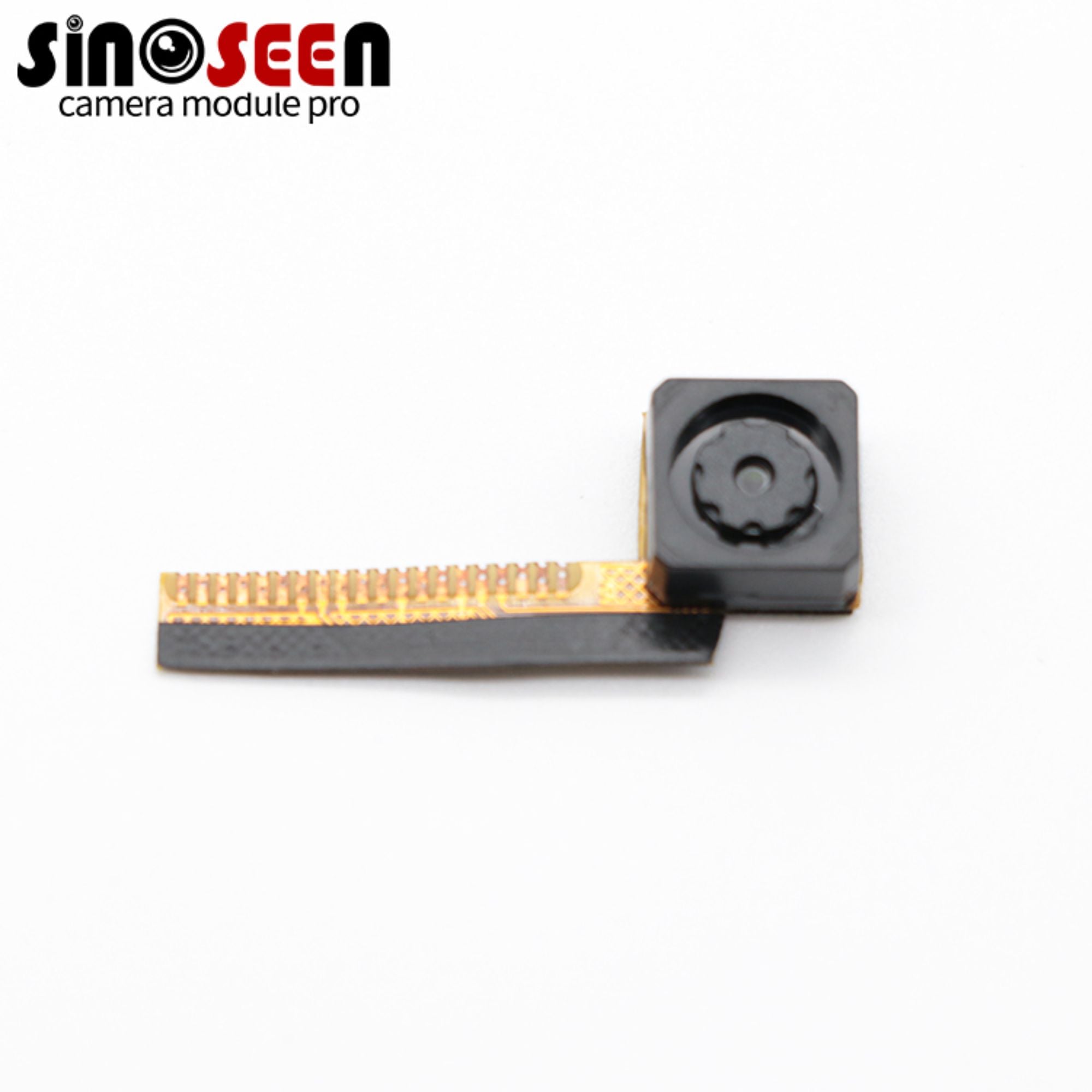
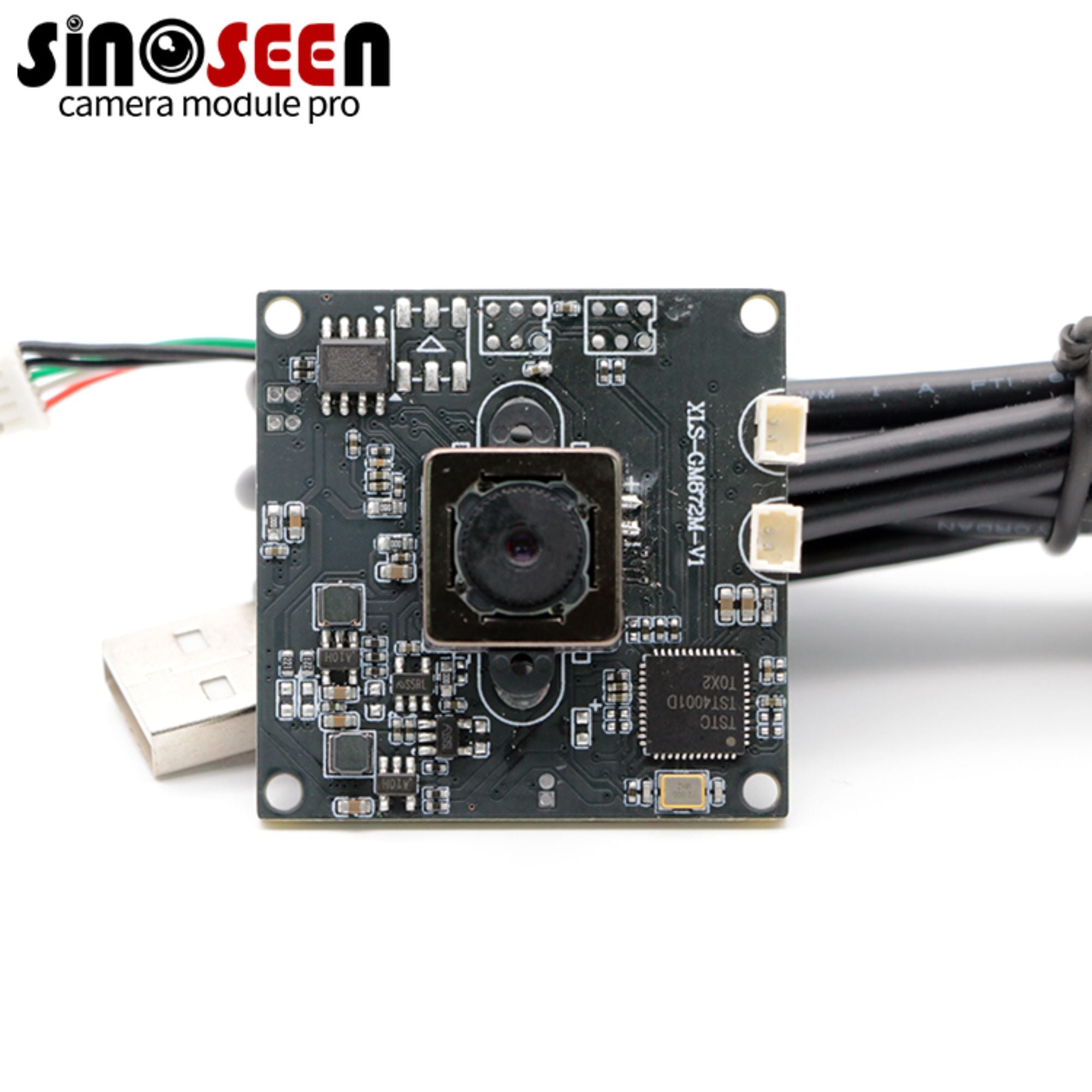
The integration of micro camera modules into medical equipment has revolutionized how healthcare professionals diagnose, treat, and monitor patients. These sophisticated imaging devices, often smaller than a grain of rice, have opened new possibilities in medical procedures and diagnostic capabilities. As healthcare technology continues to evolve, micro camera modules have become instrumental in developing more precise, less invasive, and more effective medical solutions.
Essential Components and Features of Medical Micro Camera Modules
Advanced Sensor Technology
Modern micro camera modules utilize state-of-the-art sensor technology that enables high-resolution imaging in extremely compact forms. These sensors, typically CMOS-based, offer superior light sensitivity and can capture detailed images even in challenging lighting conditions common in medical settings. The latest micro camera modules incorporate enhanced dynamic range capabilities, ensuring clear visualization of both bright and shadowed areas during procedures.
The sensor technology in medical-grade micro camera modules also features specialized coatings and filters that reduce noise and optimize image quality. This advancement ensures that healthcare providers receive precise, artifact-free images essential for accurate diagnosis and treatment planning.
Specialized Optics and Focusing Systems
The optical systems in medical micro camera modules are engineered specifically for healthcare applications. These systems often include auto-focusing capabilities and specialized lenses that maintain clarity across various depths and viewing angles. The precision-engineered optics enable medical professionals to examine minute details of tissue, blood vessels, and cellular structures with unprecedented accuracy.
Advanced micro camera modules also incorporate anti-reflection coatings and optical stabilization features, ensuring consistent image quality even during dynamic procedures. These technological improvements have made these devices invaluable in both diagnostic and surgical applications.
Applications in Modern Medical Procedures
Minimally Invasive Surgery
One of the most significant applications of micro camera modules is in minimally invasive surgical procedures. These tiny cameras, integrated into endoscopes and surgical instruments, allow surgeons to navigate through small incisions while maintaining excellent visualization of the surgical site. This capability has led to reduced patient recovery times, decreased post-operative complications, and improved surgical outcomes.
The latest generation of micro camera modules offers enhanced depth perception and 3D imaging capabilities, providing surgeons with better spatial awareness during procedures. This advancement has particularly benefited complex surgical interventions where precise manipulation in confined spaces is crucial.
Diagnostic Imaging and Monitoring
In diagnostic applications, micro camera modules have transformed the way healthcare providers examine and monitor patients. These devices enable real-time visualization of internal structures, allowing for immediate assessment and decision-making. From capsule endoscopy to dental imaging, micro camera modules provide detailed visual information while maximizing patient comfort.
The integration of artificial intelligence with micro camera modules has further enhanced their diagnostic capabilities. AI-powered image analysis can help identify potential abnormalities and assist healthcare providers in making more accurate diagnoses.
Technical Considerations and Requirements
Sterilization and Durability
Medical micro camera modules must withstand rigorous sterilization processes while maintaining their imaging quality. Manufacturers employ specialized materials and protective coatings that resist high temperatures, chemicals, and repeated sterilization cycles. The durability of these components ensures reliable performance in demanding medical environments.
Quality control measures for medical-grade micro camera modules include extensive testing for chemical resistance, thermal stability, and mechanical durability. These stringent requirements ensure that the devices maintain their functionality and safety throughout their operational lifetime.
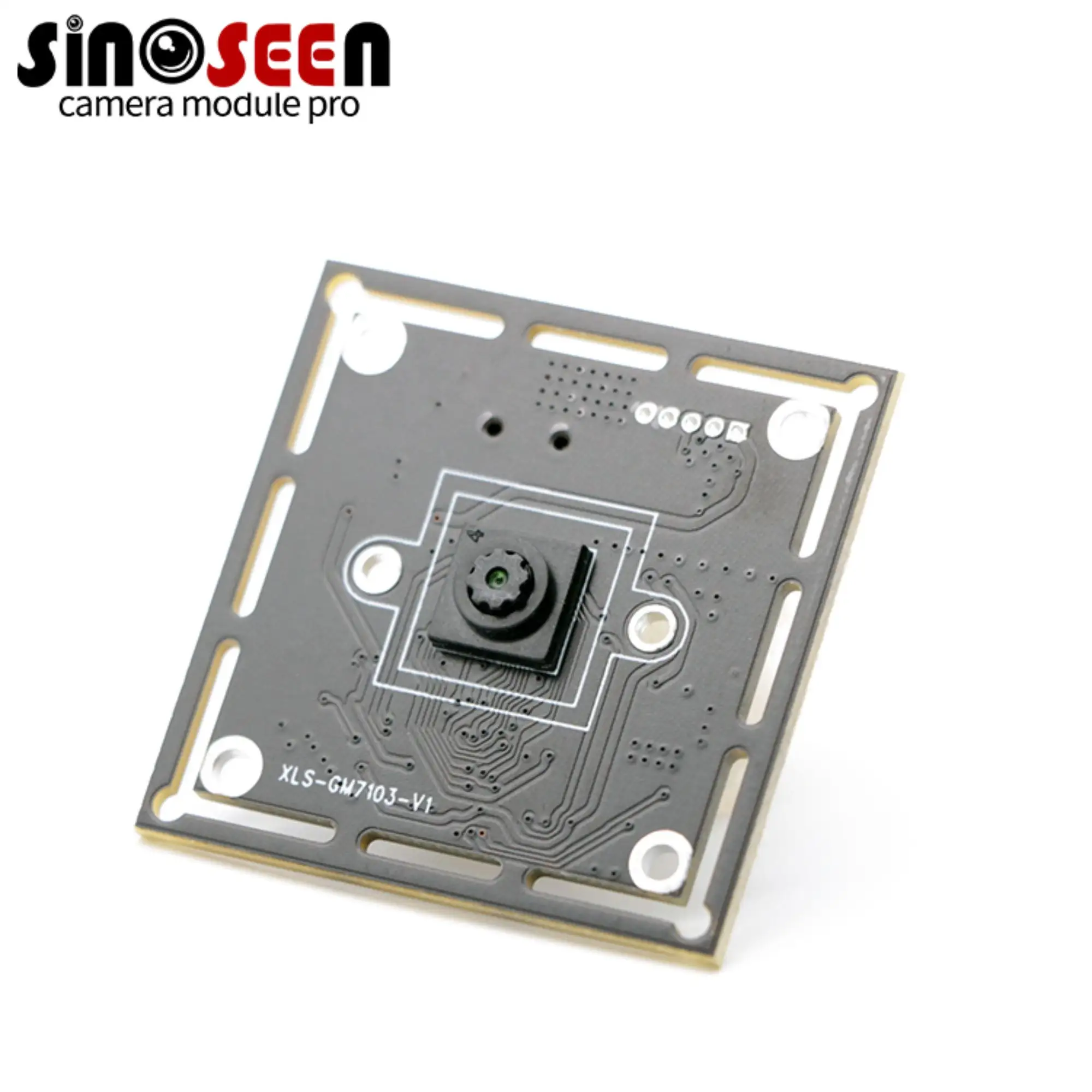
Image Processing and Data Management
Advanced image processing capabilities are essential for medical micro camera modules. Real-time processing algorithms enhance image quality, reduce noise, and optimize contrast for better visualization. These systems must also integrate seamlessly with hospital information systems for efficient data storage and retrieval.
Modern micro camera modules incorporate sophisticated compression algorithms that maintain image quality while facilitating quick data transmission and storage. This capability is crucial for telemedicine applications and remote consultations.
Future Developments and Innovations
Enhanced Resolution and Sensitivity
The next generation of micro camera modules promises even higher resolution and improved light sensitivity. Emerging sensor technologies and advanced optical designs will enable better visualization in challenging conditions, potentially leading to earlier detection of medical conditions and more precise surgical interventions.
Research is ongoing into quantum dot sensors and novel optical materials that could revolutionize the capabilities of medical micro camera modules. These innovations may soon enable visualization of structures and processes at the cellular level in real-time.
Integration with Emerging Technologies
The future of medical micro camera modules lies in their integration with emerging technologies such as augmented reality, artificial intelligence, and robotic systems. This convergence will enable more sophisticated diagnostic tools and surgical assistance systems, potentially improving patient outcomes across various medical procedures.
Development of smart micro camera modules that can automatically adjust settings based on environmental conditions and procedure requirements is already underway. These advancements will further enhance the utility and effectiveness of these devices in medical applications.
Frequently Asked Questions
What resolution can medical micro camera modules achieve?
Modern medical micro camera modules can achieve resolutions up to 4K UHD, with some specialized versions capable of even higher resolutions. The exact resolution depends on the specific application and the type of sensor technology employed.
How long do medical micro camera modules typically last?
With proper maintenance and care, medical micro camera modules can last 3-5 years of regular use. However, this lifespan can vary depending on usage patterns, sterilization frequency, and environmental conditions.
Are micro camera modules safe for internal medical procedures?
Yes, medical-grade micro camera modules are specifically designed and tested to meet strict safety standards for internal medical procedures. They are manufactured using biocompatible materials and undergo rigorous testing to ensure patient safety.