 EN
 AR
 DA
 NL
 FI
 FR
 DE
 EL
 HI
 IT
 JA
 KO
 NO
 PL
 PT
 RO
 RU
 ES
 SV
 TL
 IW
 ID
 SR
 VI
 HU
 TH
 TR
 FA
 MS
 IS
 AZ
 UR
 BN
 HA
 LO
 MR
 MN
 PA
 MY
 SD

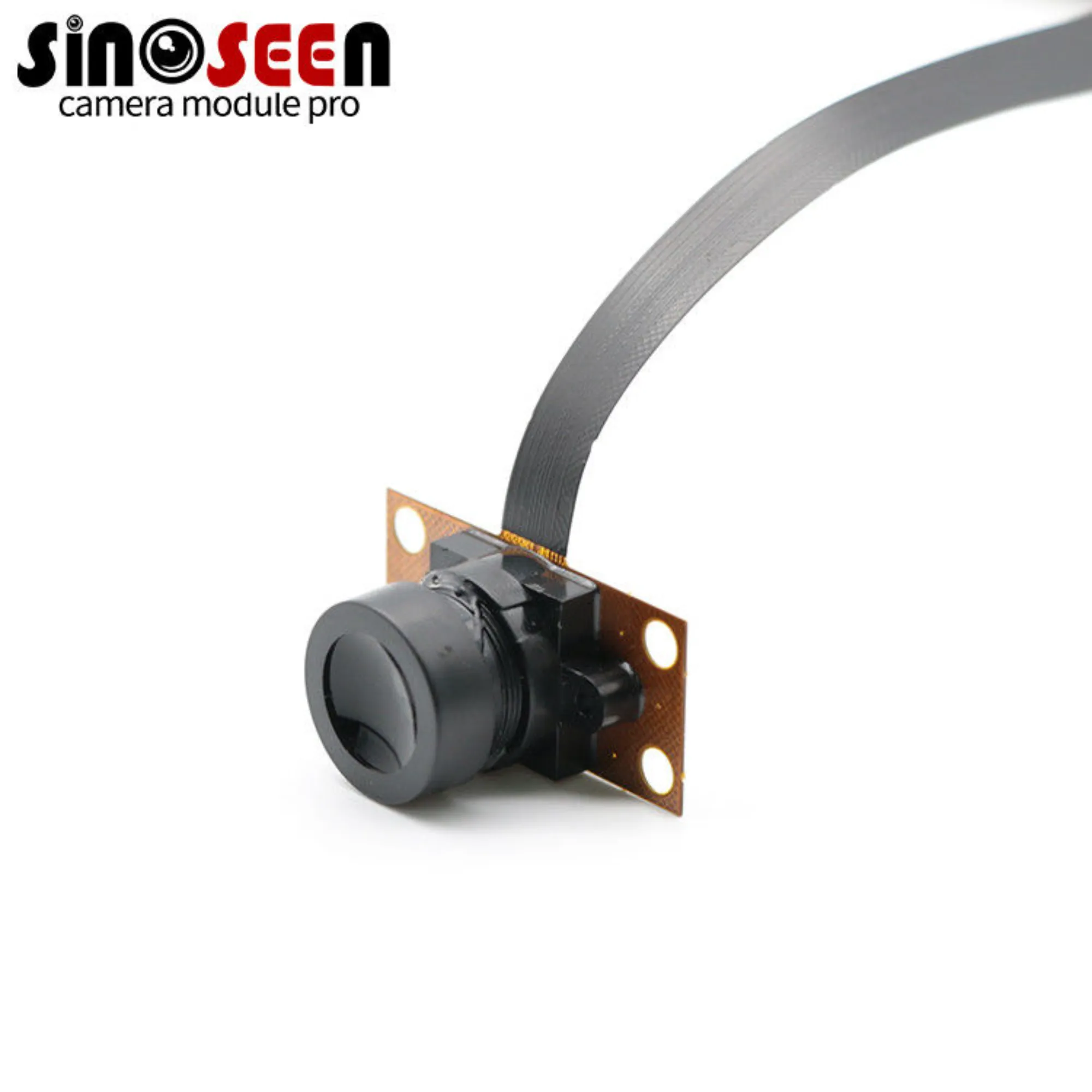
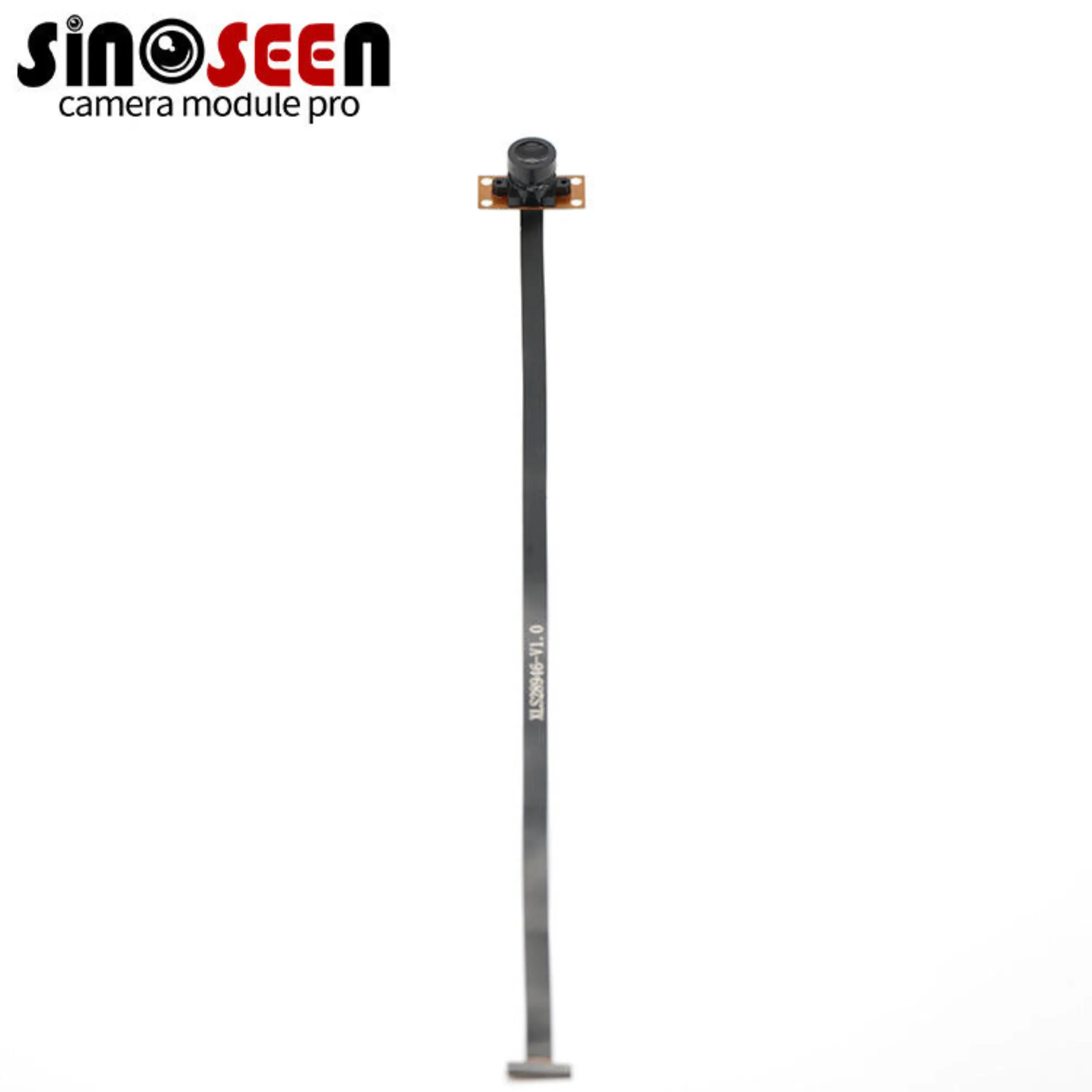
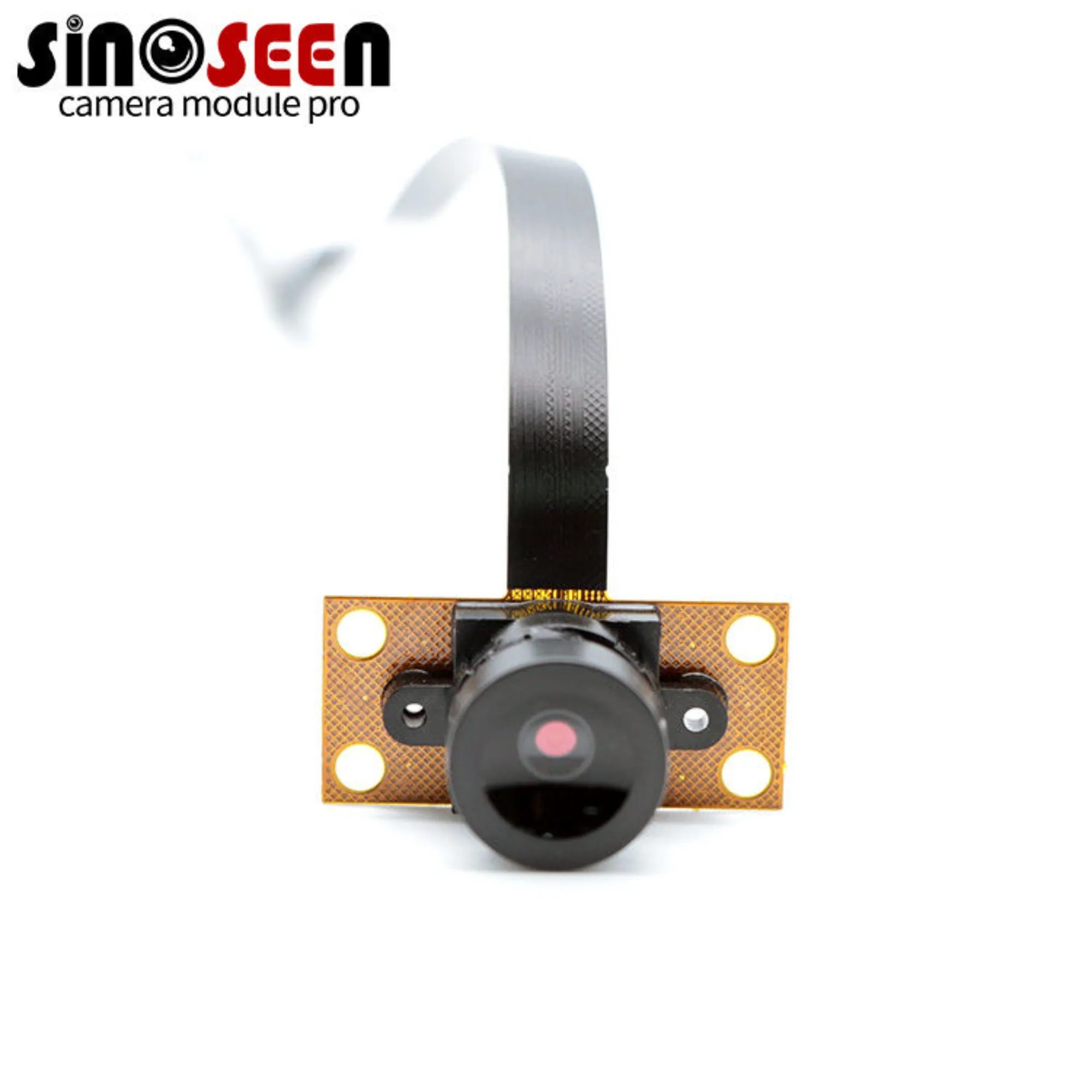
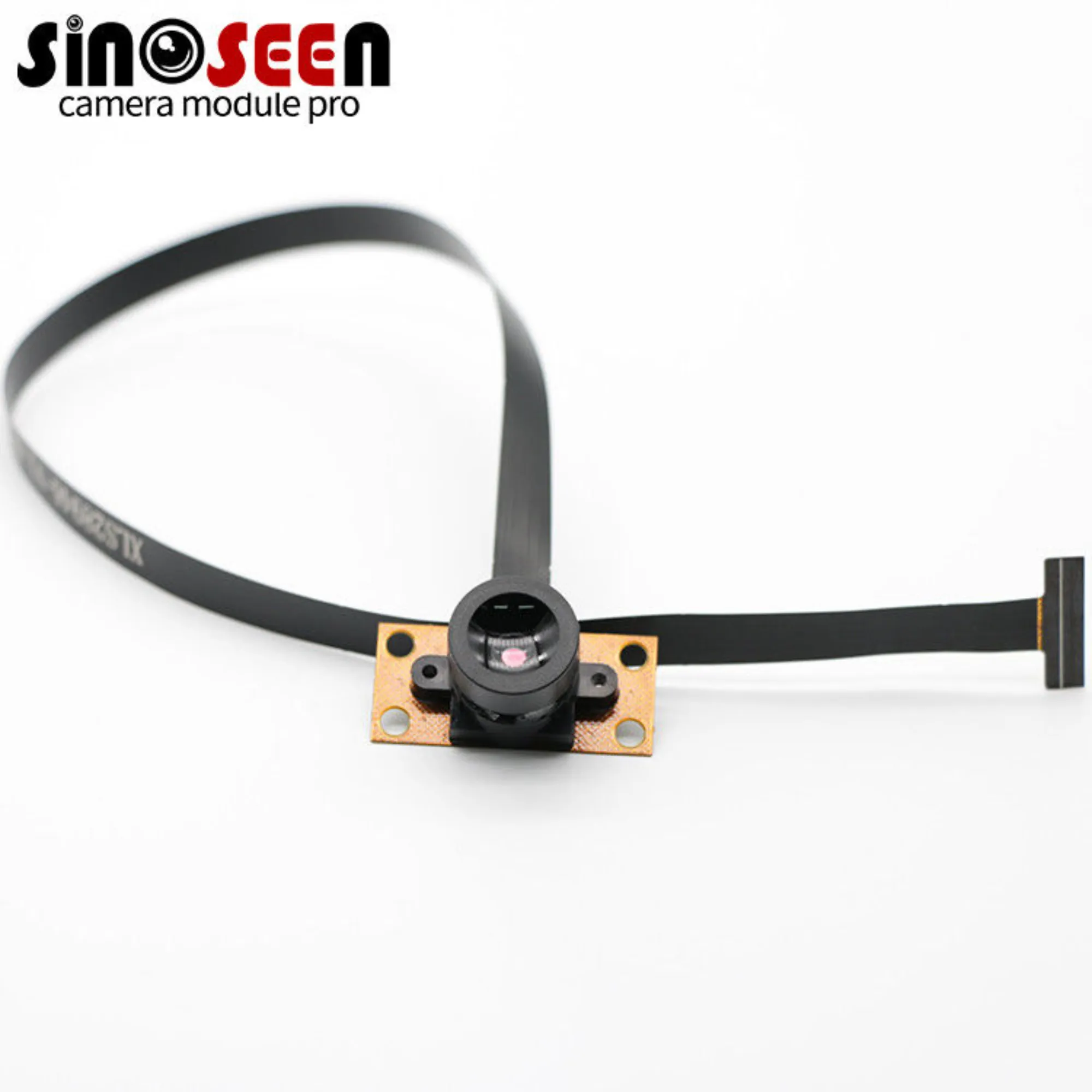
High Temperature Resistance OV2775 HDR ADAS MIPI Camera Module 2MP 1080P
Product Details:
| Place of Origin: | Shenzhen,China |
| Brand Name: | Sinoseen |
| Certification: | RoHS |
| Model Number: | SNS-28946-V1.0 |
Payment & Shipping Terms:
| Minimum Order Quantity: | 3 |
|---|---|
| Price: | negotiable |
| Packaging Details: | Tray+Anti-static bag in carton box |
| Delivery Time: | 2-3weeks |
| Payment Terms: | T/T |
| Supply Ability: | 500000 pieces/month |
- Parameter
- Related products
- Inquiry
Product Description
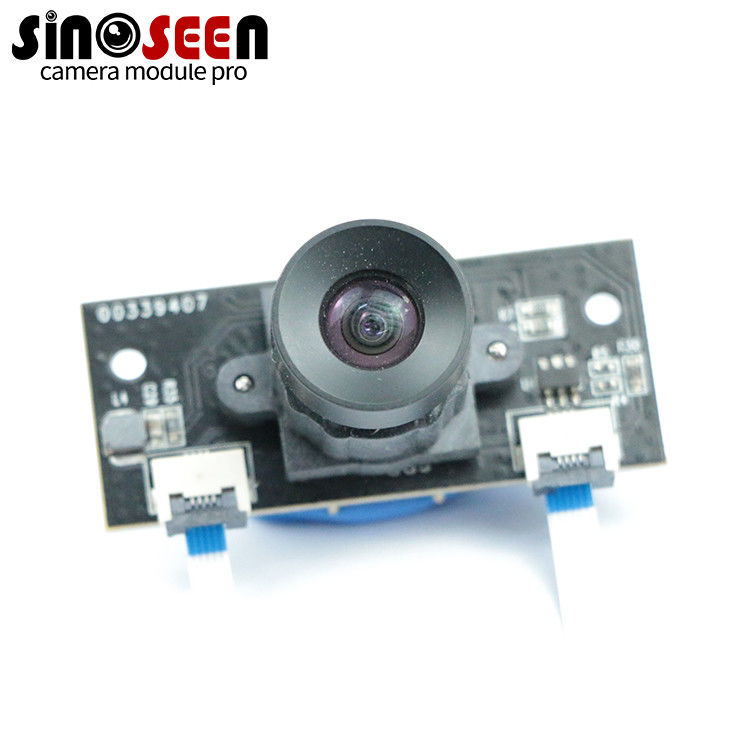
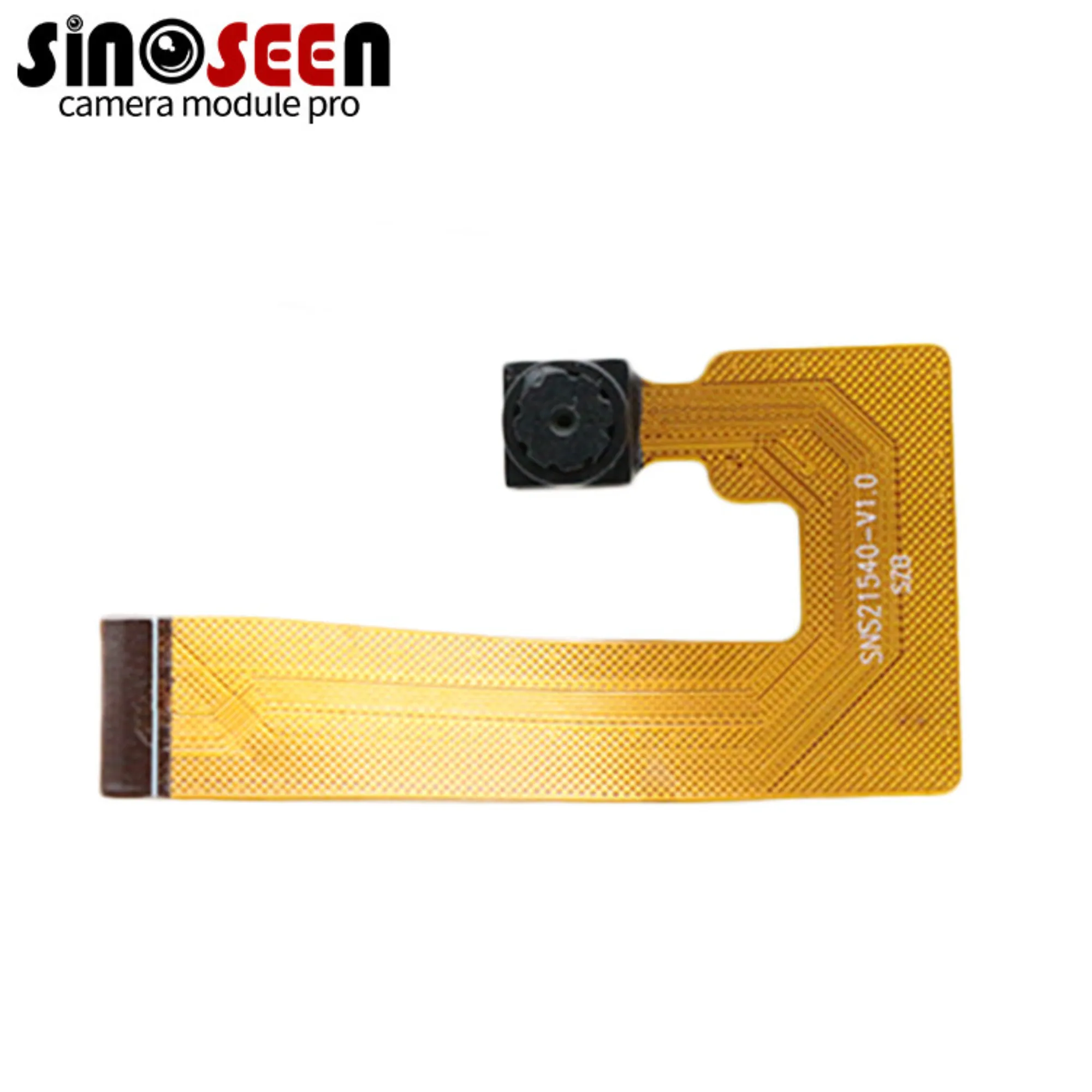
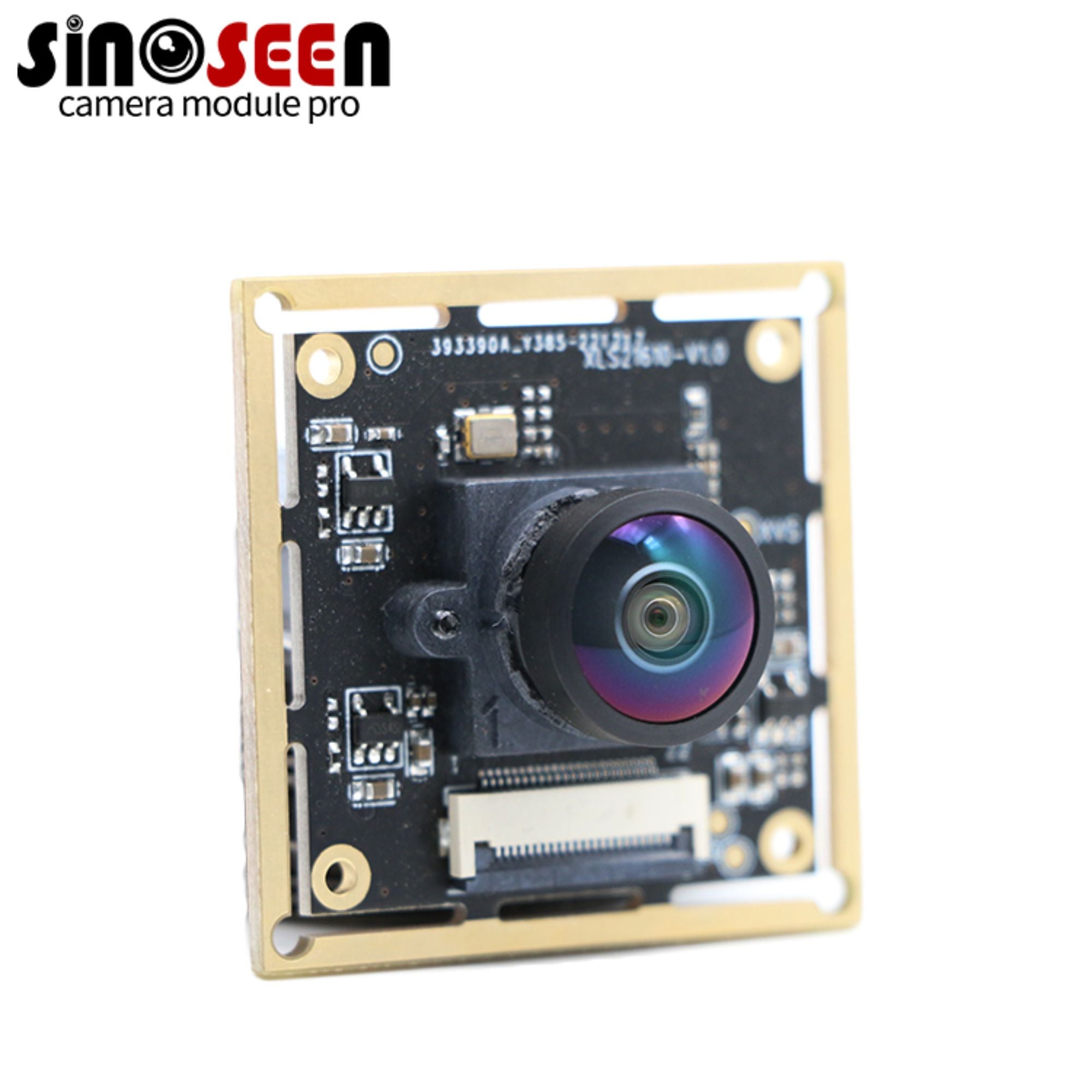
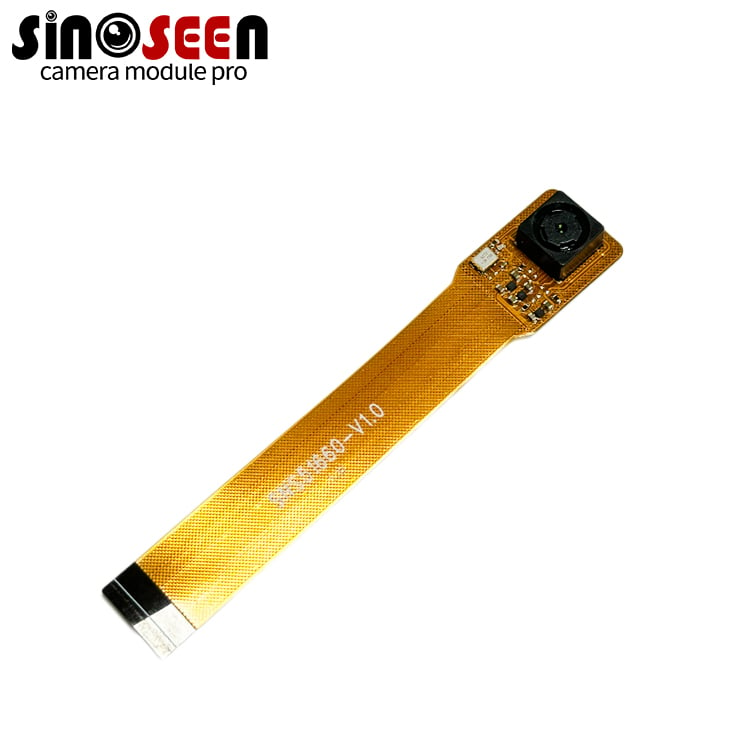
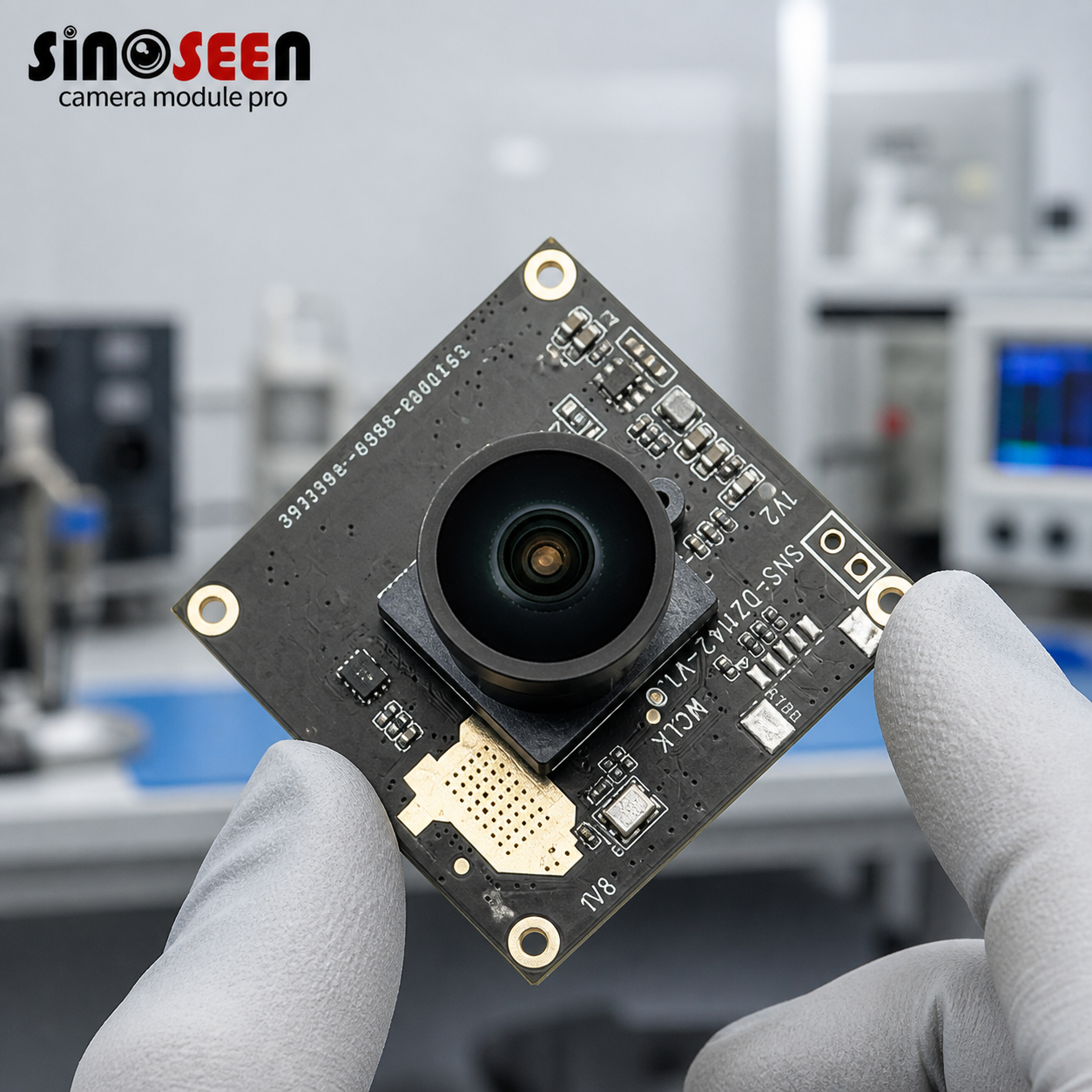
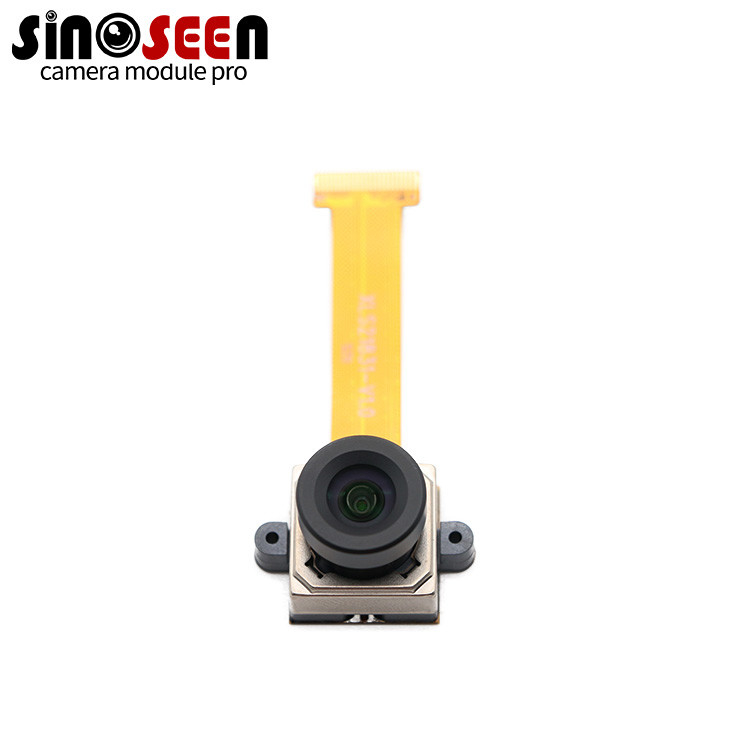
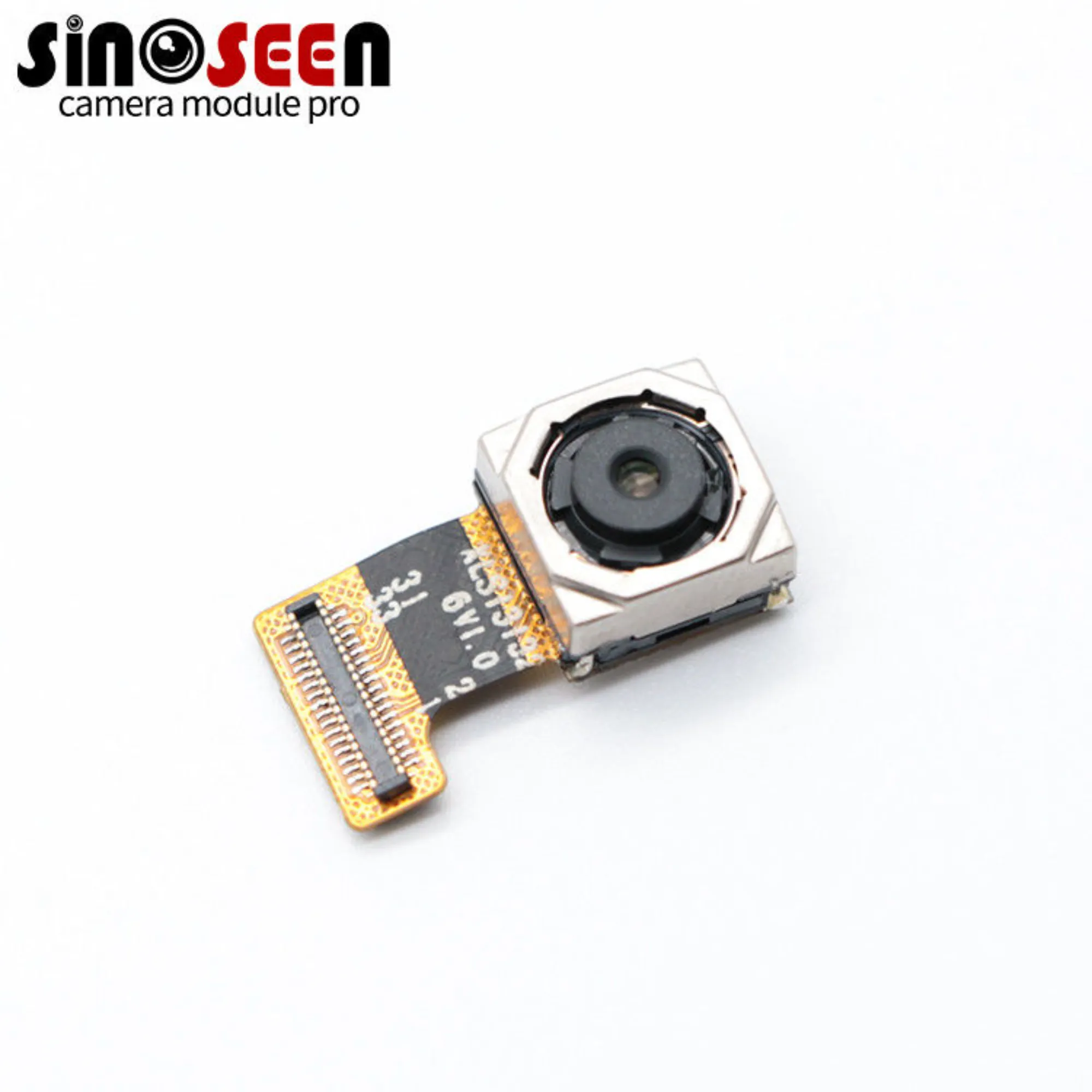
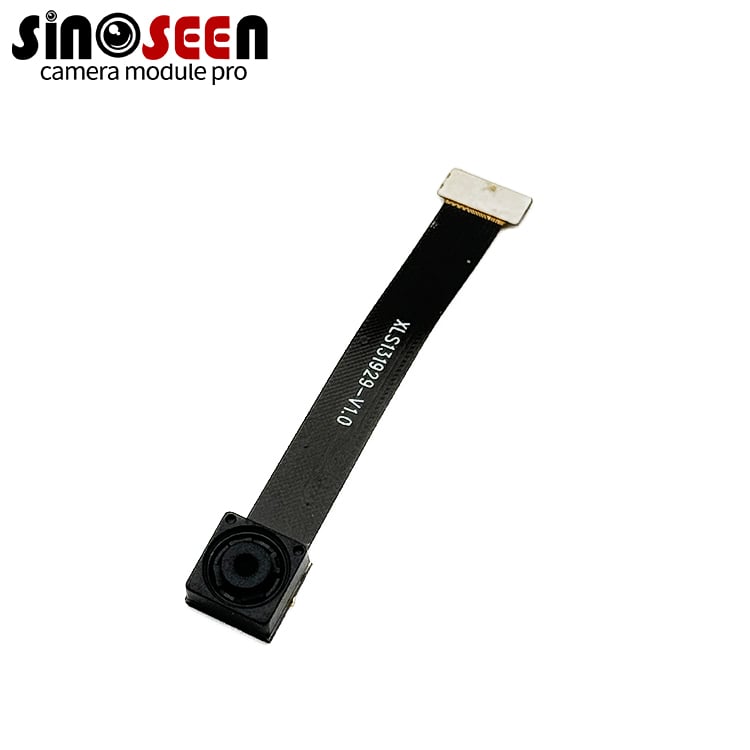
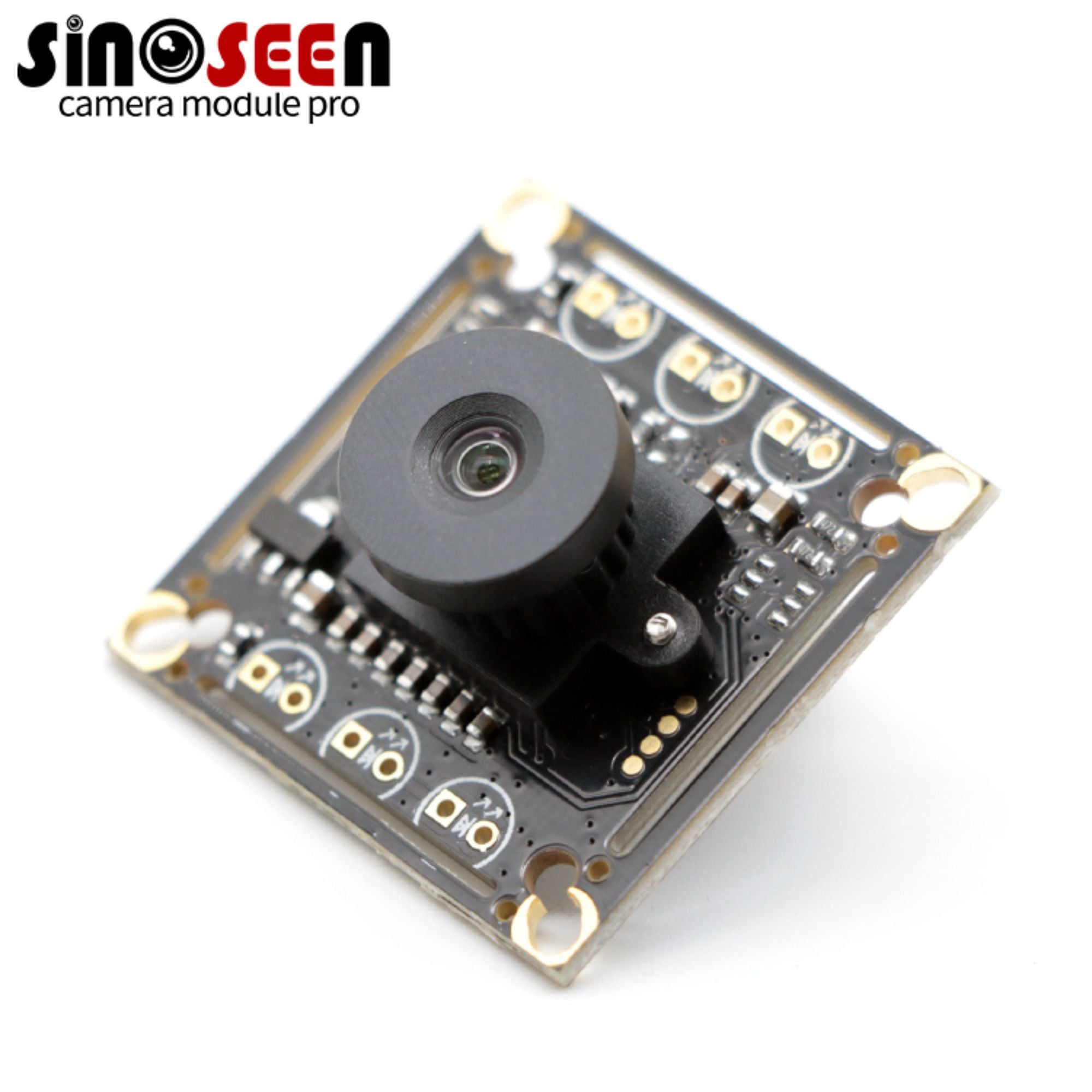
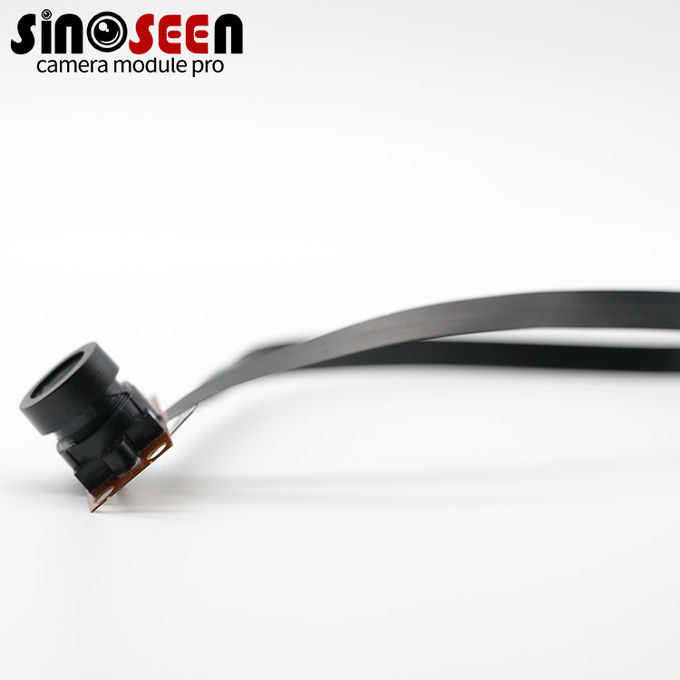
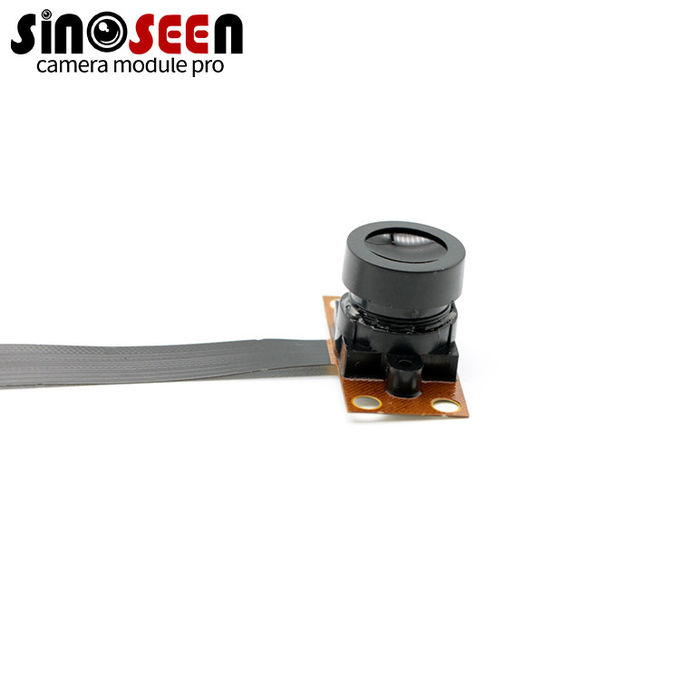
The High Temperature Resistance 2MP 1080P HDR ADAS MIPI Camera Module is a cutting-edge solution designed for automotive applications, particularly Advanced Driver Assistance Systems (ADAS). Equipped with the Omnivision OV2775 Sensor, this module offers high-resolution imaging with 1080P HDR capability, ensuring superior image quality in varying lighting conditions. Its high temperature resistance allows it to operate reliably in extreme temperatures ranging from -40°C to 105°C, making it ideal for use in harsh automotive environments. Additionally, the MIPI interface enables seamless connectivity to host devices, while the compact and lightweight design ensures easy integration. With its advanced features and robust construction, this camera module is the perfect choice for automotive imaging applications requiring reliability, high performance, and versatility.
Product Introduction & Features
Imaging for changing agricultural lighting
Greenhouses, farm entrances, and sheltered growing areas can contain strong brightness differences. Evaluate this module for projects that need to observe both illuminated and shaded regions, with image tuning matched to the actual installation.
HDR image capture
The OV2775 supports high dynamic range imaging. Final results depend on the selected sensor mode, exposure settings, and host image-processing pipeline.
Embedded integration
Plan the camera connection together with the host hardware. Connector pinout, power rails, driver support, and image processing should be reviewed before sample evaluation.
Application-focused configuration
Start with the required scene coverage and object distance. These requirements help determine the lens choice and mechanical arrangement for the finished device.
Module No |
SNS-28946-V1.0 |
Pixel Size |
2.8μm x 2.8μm |
Effective Pixels |
2MP 1920(H) x 1080(V) |
Video output |
Raw Bayer10bit/8bit |
Active Array Size Video Rate |
1080p@30FPS |
Image Sensor |
1/2.9" |
Sensor Type |
Omnivision OV2775 |
Lens view |
FOV100°(optional),F/N(optional) |
TV Distortion |
<1% |
AEC |
Support |
AEB |
Support |
AGC |
Support |
Operating voltage |
AVDD:3.0~3.6V DOVDD:1.7~3.6V DVDD:1.7~1.9V |
Operating temperature |
-40~105℃ |
Storage temperature |
-40~125℃ |
Dimensions |
Customizable |
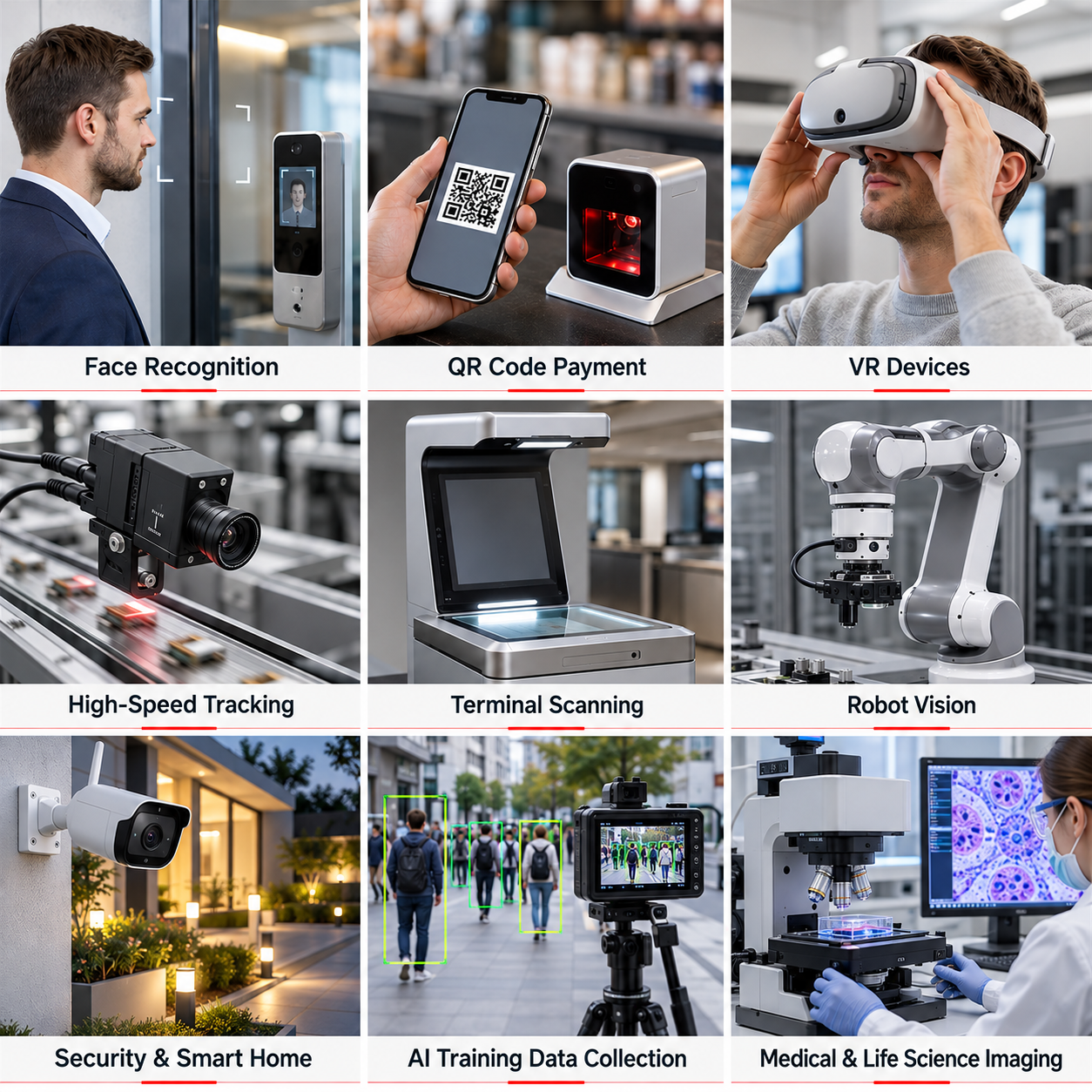
Application Areas
Face Recognition: Face capture for access control.
QR Code Payment: Code imaging for decoding.
VR Devices: Visual input for motion tracking.
High-Speed Tracking: Moving-object image capture.
Terminal Scanning: Document and barcode imaging.
Robot Vision: Images for positioning and guidance.
Security & Smart Home: Indoor and outdoor monitoring.
AI Training Data Collection: Image capture for AI datasets.
Medical & Life Science Imaging: Image capture for microscopy and research.
OEM/ODM Customization & Development Process
Match the Camera to Your Integration Requirements
A suitable camera configuration must fit both the imaging task and the device structure. Sinoseen provides OEM/ODM camera module services and can assess changes to the optical setup, flexible-circuit layout, connection arrangement, and supported operating configuration.
| Project Requirement | Areas for Engineering Review | Information to Provide |
| The camera does not fit the enclosure | Camera-head placement, FPC outline, and routing | Mechanical drawings and available space |
| cene coverage or working distance is unsuitable | Lens selection, field of view, and focus setting | Target dimensions and capture distance |
| The host connection differs from the standard design | Connector, pin assignment, and interface configuration | Host specifications and connection requirements |
| Moving targets require sharper capture | Exposure, lighting, and supported frame-rate modes | arget speed, sample images, and lighting conditions |
| he project requires infrared imaging | Filter and lens suitability | Illumination wavelength and imaging requirements |
Customization feasibility, development scope, cost, and lead time are confirmed after engineering review.
Customization Process
Step 1 — Share Your Requirements
Provide the application, host platform, required resolution and frame rate, working distance, installation space, and estimated quantity.
Step 2 — Review the Configuration
Assess the sensor operating mode, interface, lens, and mechanical arrangement. Identify any changes required for the target device.
Step 3 — Confirm Drawings and Evaluation Criteria
Agree on the configuration, connection details, mechanical revision, and sample acceptance requirements before prototype production.
Step 4 — Evaluate Samples
Test image quality, sustained frame rate, exposure behavior, host integration, and mechanical fit in the actual operating environment.
Step 5 — Approve the Production Configuration
Confirm the accepted sample, drawings, optical components, and operating configuration before proceeding with volume production.
Send Your Drawings and Imaging Requirements
About Sinoseen
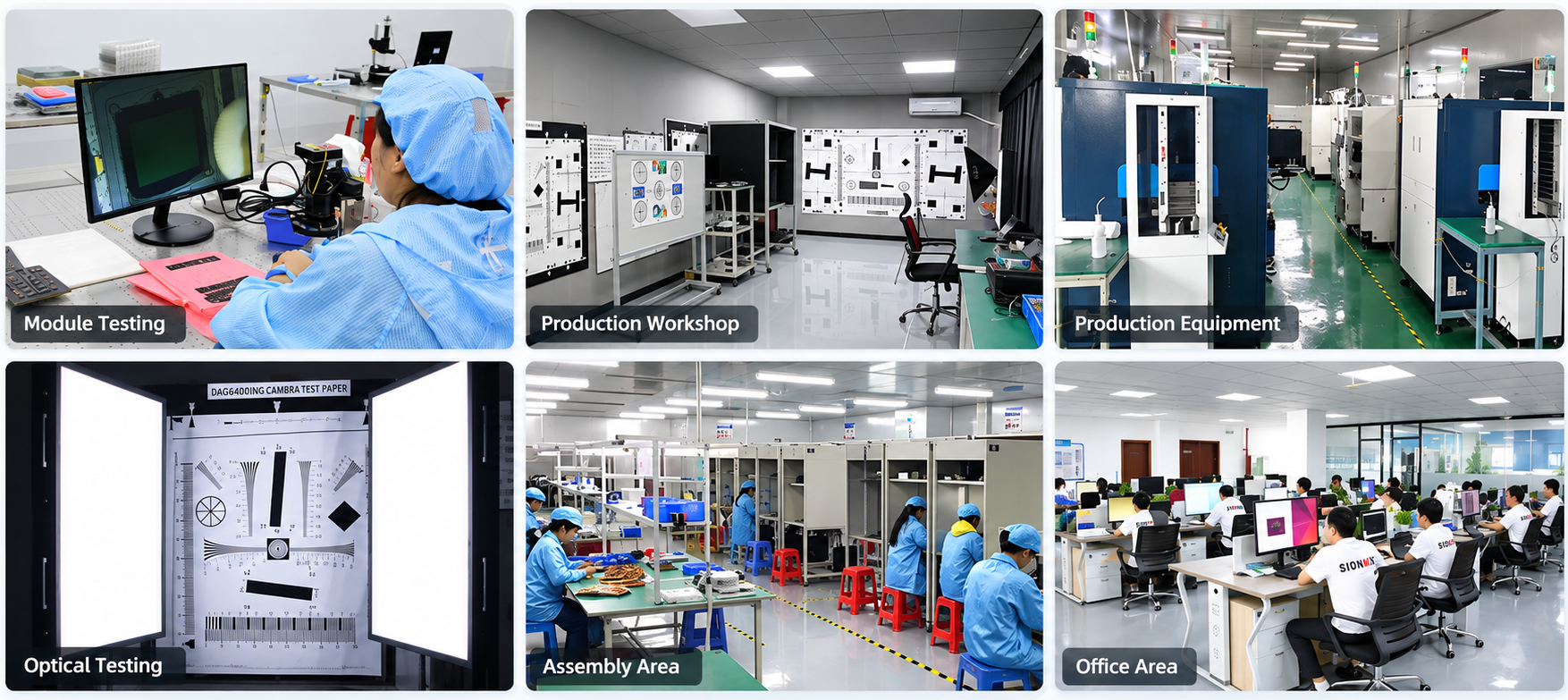
Shenzhen Sinoseen Technology Co., Ltd. was established in June 2016 and specializes in CMOS camera module design, development, manufacturing, and OEM/ODM services.
Its product portfolio includes USB, MIPI, and DVP camera modules, with services extending from development through manufacturing and after-sales support.
For embedded vision projects, Sinoseen works with customers to assess the imaging task alongside mechanical and electrical integration requirements. This helps define a camera configuration that can be evaluated in the intended device before production approval.
Certifications & Intellectual Property
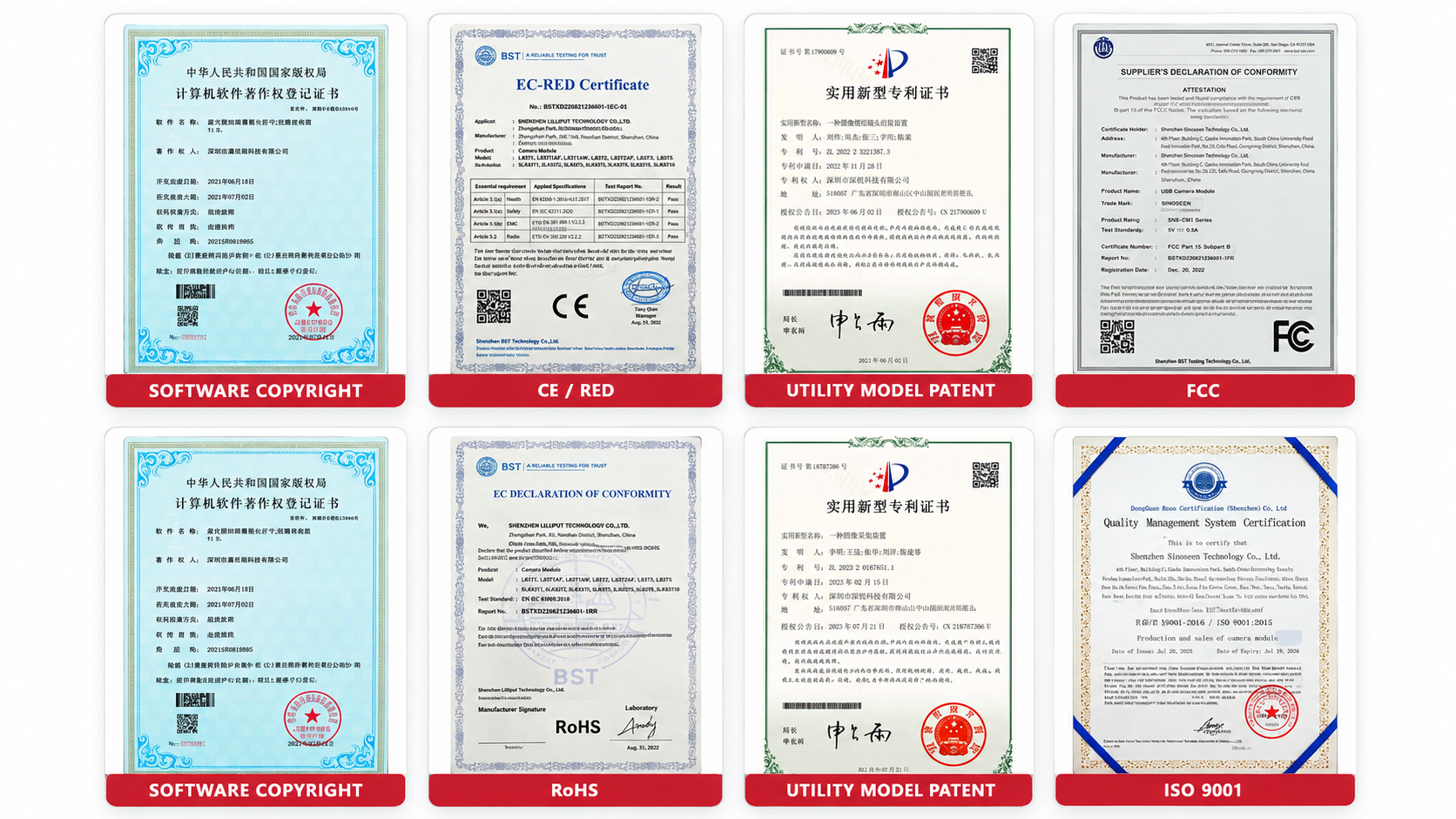
Sinoseen’s documentation includes quality management records, product compliance documents, software copyrights, and utility model patents. For your camera module project, please request the current documents applicable to the selected model and configuration, including relevant CE, FCC, or RoHS documentation.
Frequently Asked Questions
Q1: What should I test for a smart agriculture application?
Evaluate the camera at the intended working distance under direct light, shade, and backlighting. Check whether image detail and exposure behavior meet your application requirements.
Q2: Does the camera perform crop recognition by itself?
Crop recognition requires application software and a trained or configured vision model on the processing platform. Define the recognition task before selecting and testing the camera.
Q3: Is this a USB plug-and-play camera?
This version uses MIPI. Integration requires a compatible host connection and appropriate software support.
Q4: Is it suitable for installation outdoors?
For outdoor deployment, specify the enclosure, moisture protection, operating temperature, and condensation requirements as part of the complete device design.
Shenzhen Sinoseen Technology Co., LTD
China top 10 camera module manufacturer
If you are struggling to find the right camera module solution, please contact us,
we will customize all kinds of USB/MIPI/DVP interface camera modules according to your needs,
and have a dedicated team to provide you with the most suitable solution.