 EN
EN
 AR
AR
 DA
DA
 NL
NL
 FI
FI
 FR
FR
 DE
DE
 EL
EL
 HI
HI
 IT
IT
 JA
JA
 KO
KO
 NO
NO
 PL
PL
 PT
PT
 RO
RO
 RU
RU
 ES
ES
 SV
SV
 TL
TL
 IW
IW
 ID
ID
 SR
SR
 VI
VI
 HU
HU
 TH
TH
 TR
TR
 FA
FA
 MS
MS
 IS
IS
 AZ
AZ
 UR
UR
 BN
BN
 HA
HA
 LO
LO
 MR
MR
 MN
MN
 PA
PA
 MY
MY
 SD
SD

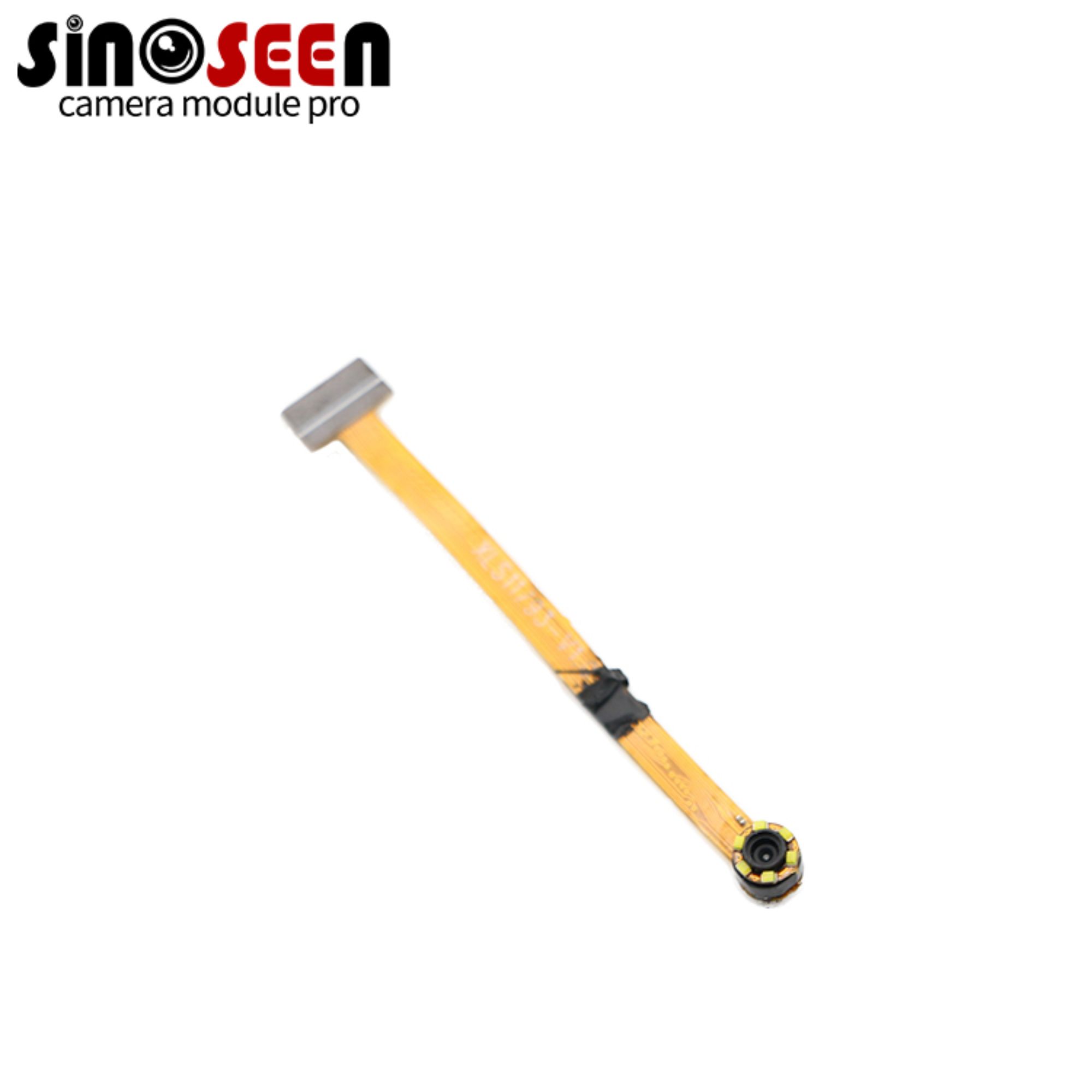
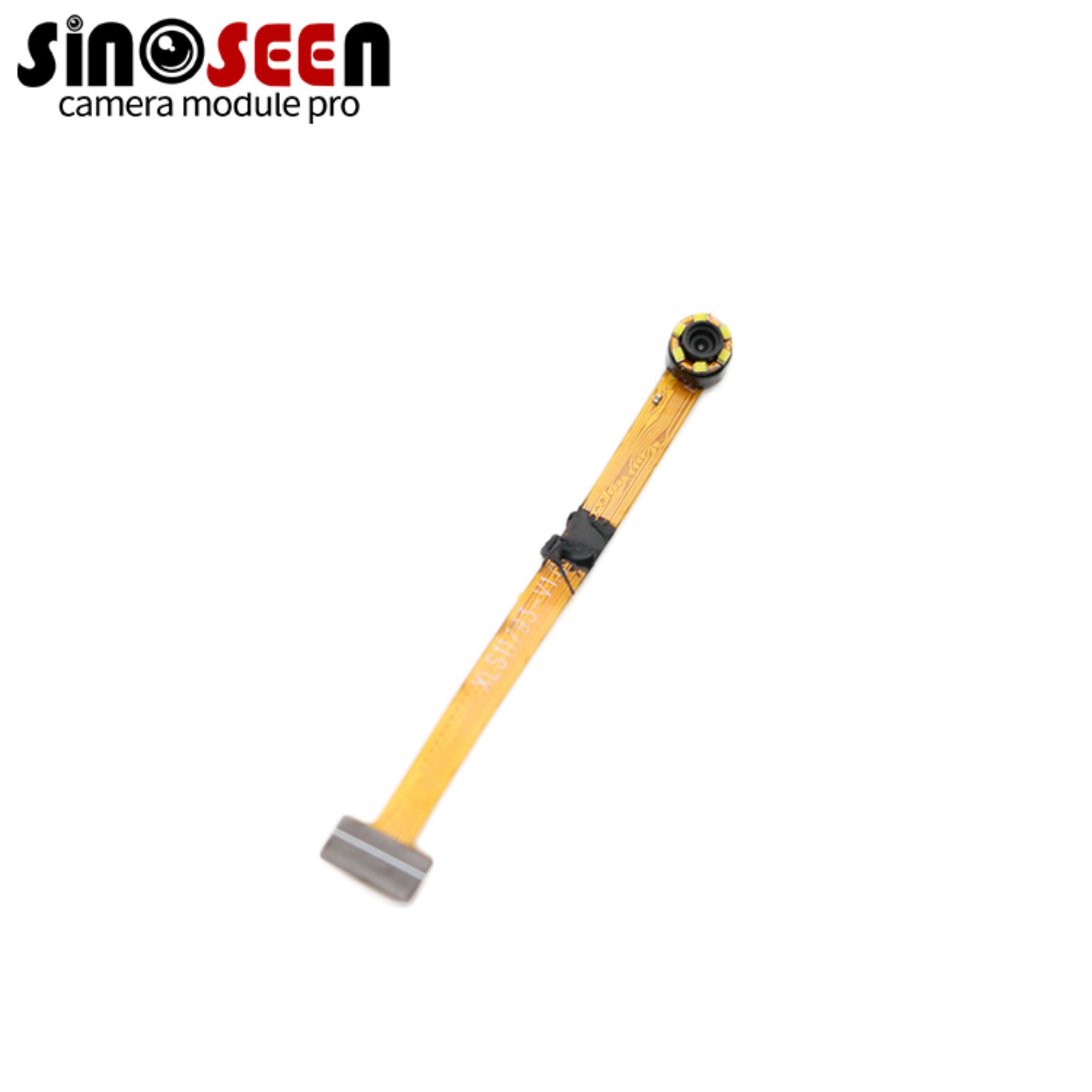
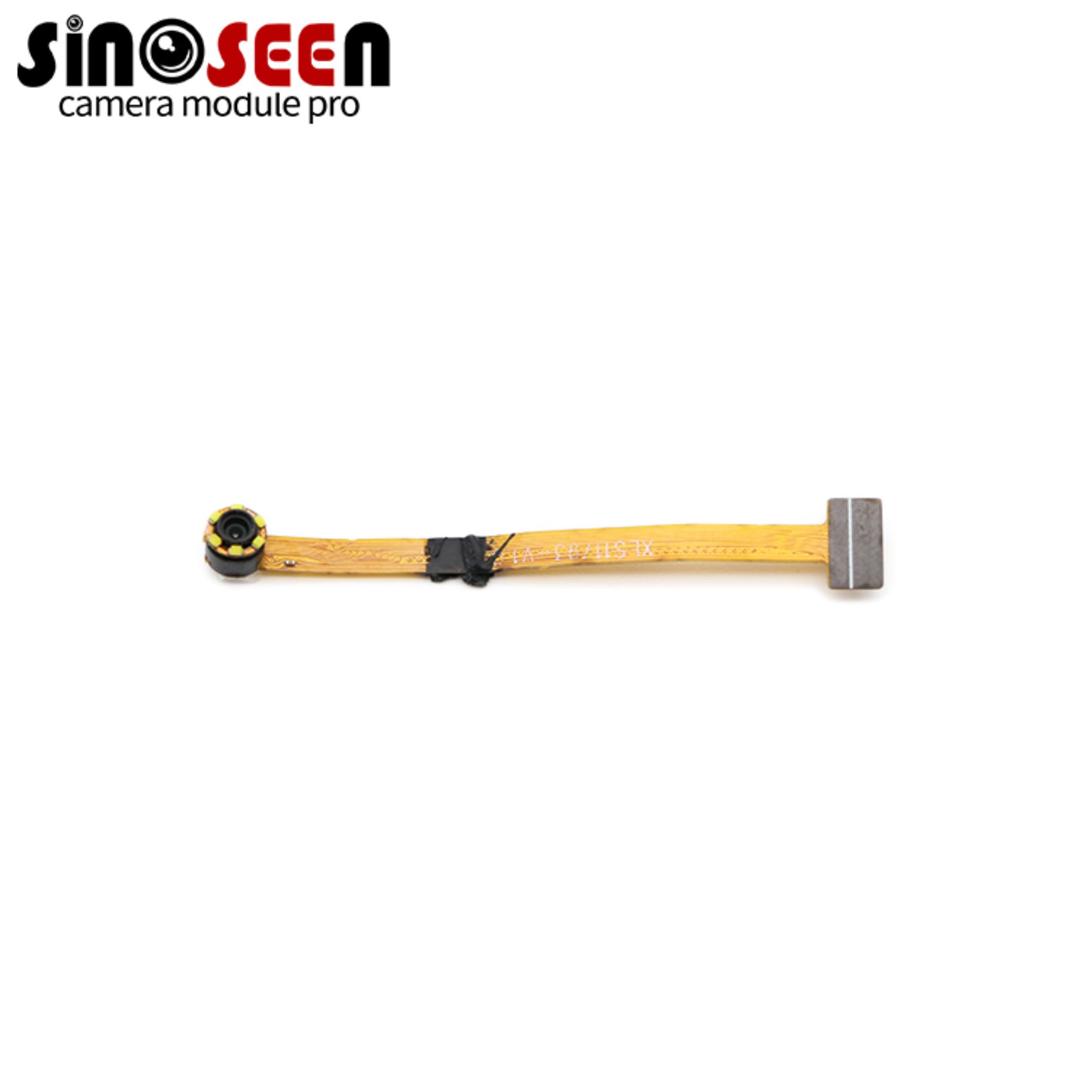
BF2013 Sensor Portable Visual Dental Scaler Endoscope 60FPS Module
Product Details:
Place of Origin: |
Shenzhen,China |
Brand Name: |
Sinoseen |
Certification: |
RoHS |
Model Number: |
XLS11793-V1.0 |
Payment & Shipping Terms:
Minimum Order Quantity: |
1 |
Price: |
negotiable |
Packaging Details: |
Tray+Anti-static bag in carton box |
Delivery Time: |
2-3weeks |
Payment Terms: |
T/T |
Supply Ability: |
500000 pieces/month |
- Parameter
- Related products
- Inquiry
- Detail Information
Type: |
EndoscopeCamera Module |
Sensor: |
1/10" BYD BF3703 |
Resolution: |
0.3MP 640(H) X 480(V) |
Dimensions: |
Customizable |
Lens FOV: |
55°(optional) |
Focus Type: |
Fixed Focus |
Interface: |
DVP |
Feature: |
Endoscope Camera Module |
High Light: |
BF2013 Sensor 0.3mp Camera Module DVP Parallel 0.3mp Camera Module DVP Camera Module For Skin Detection |
||
Product Description
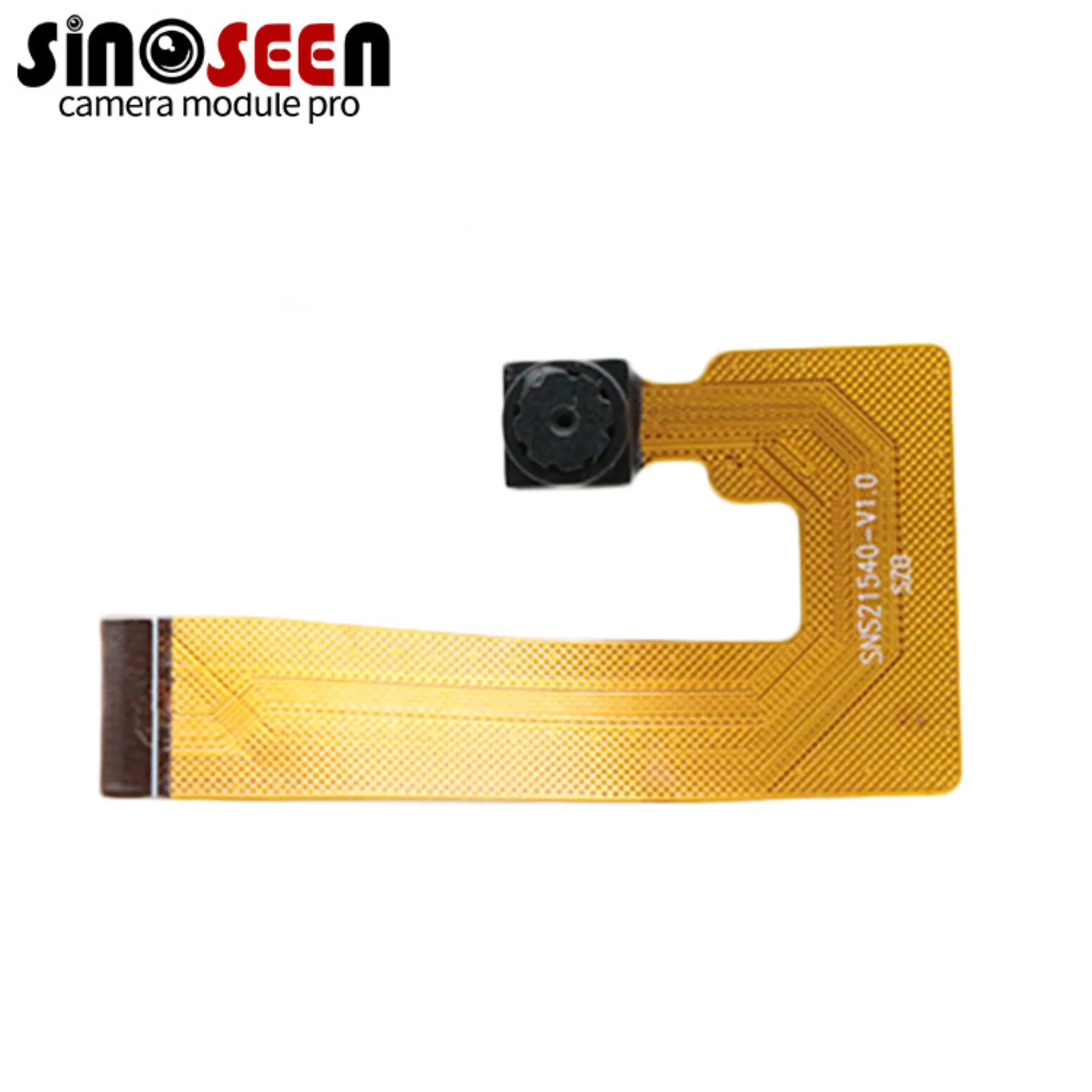
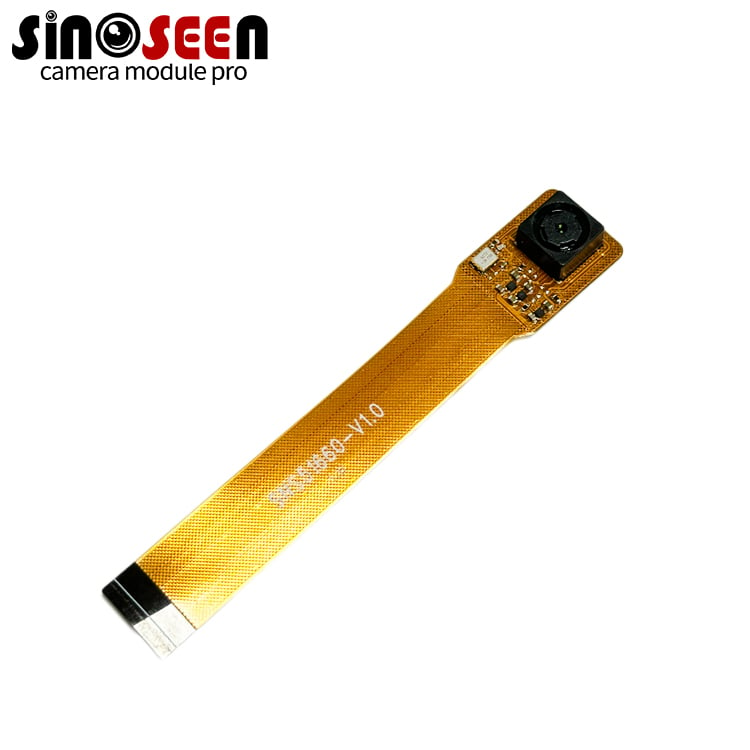
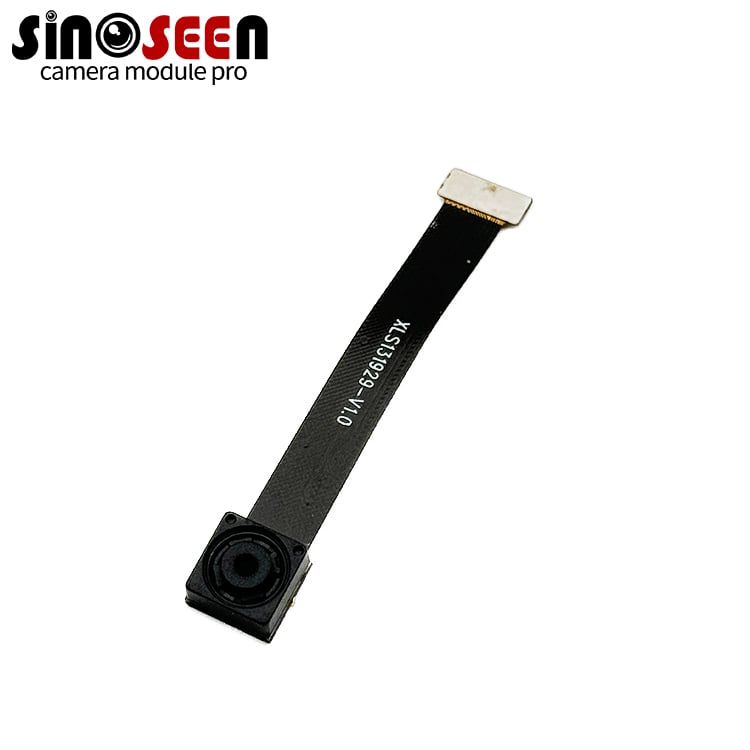
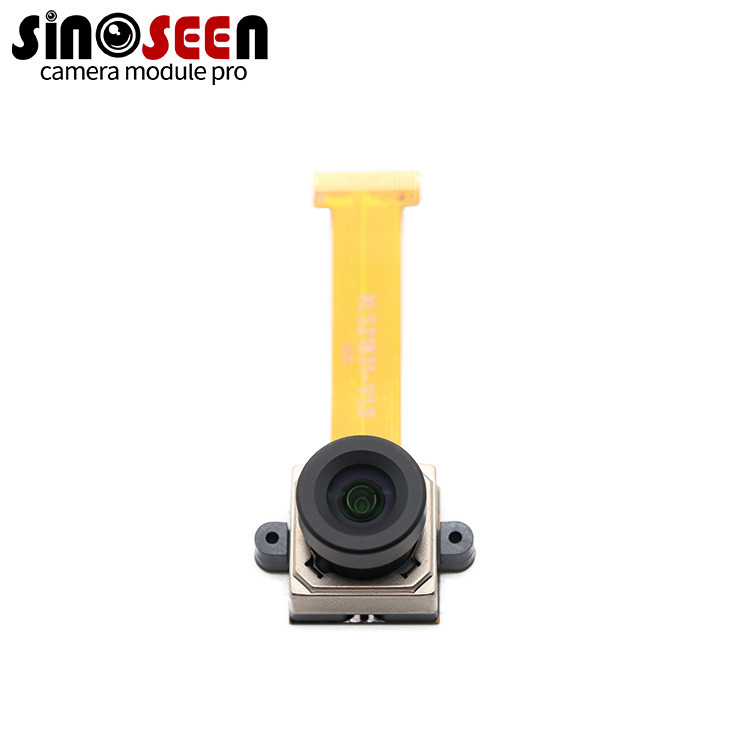
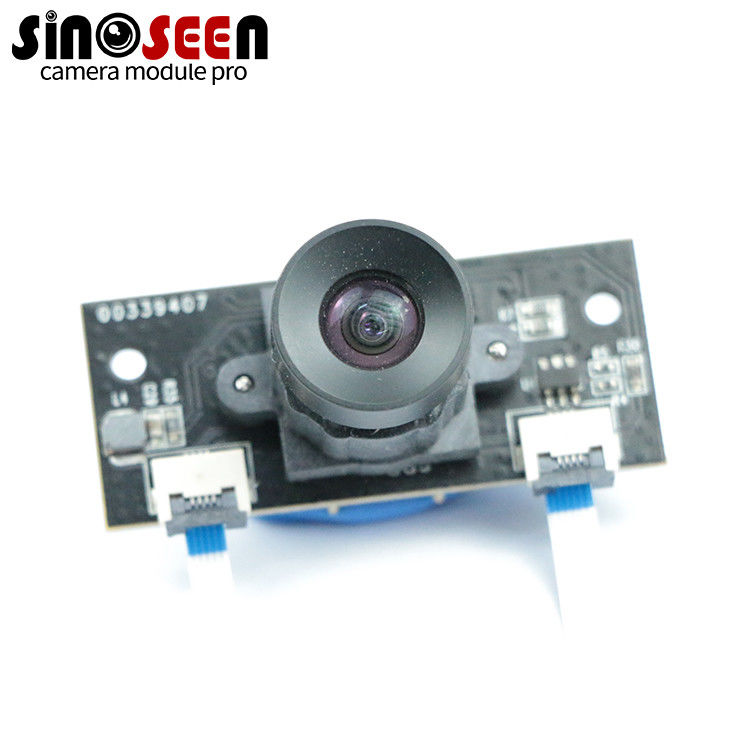
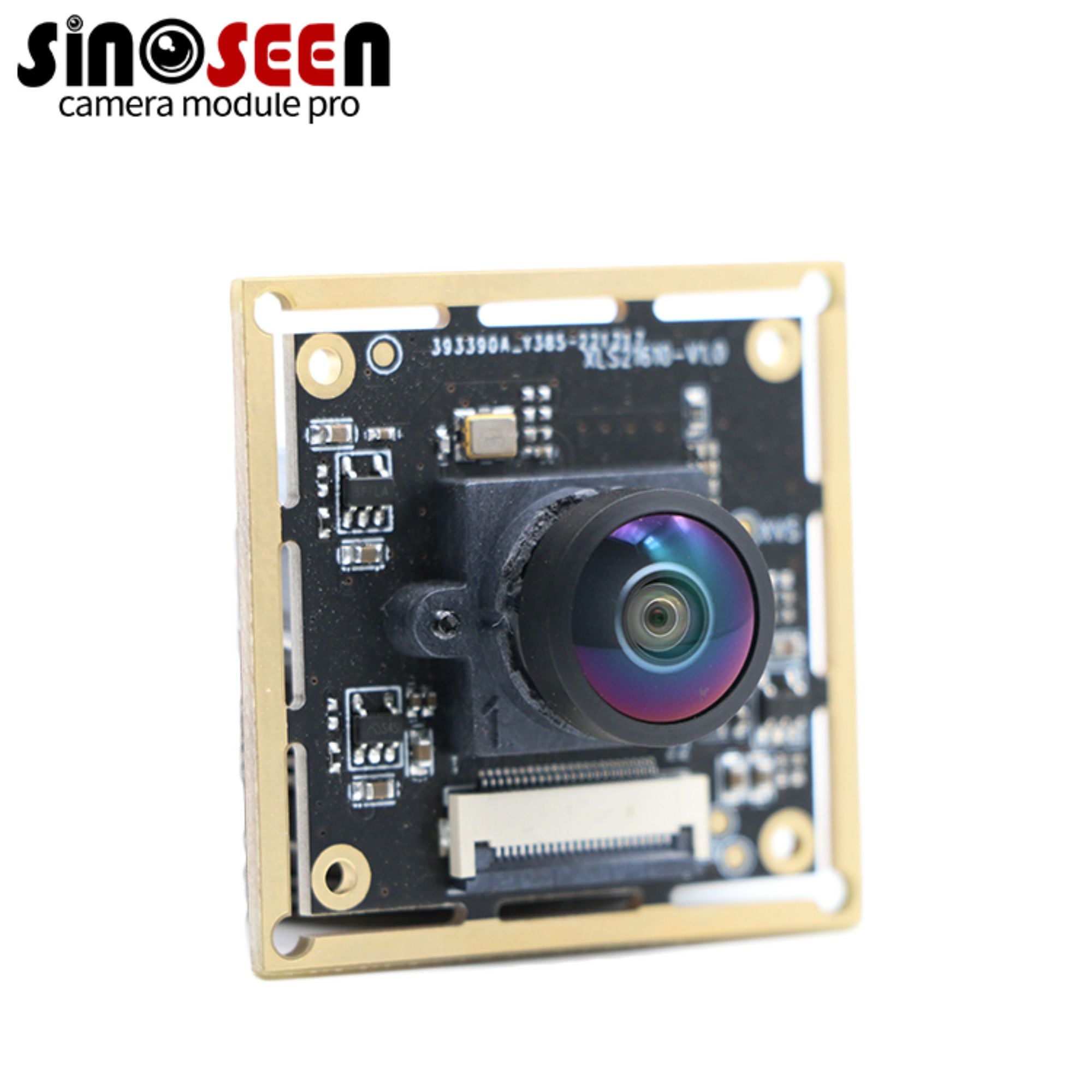
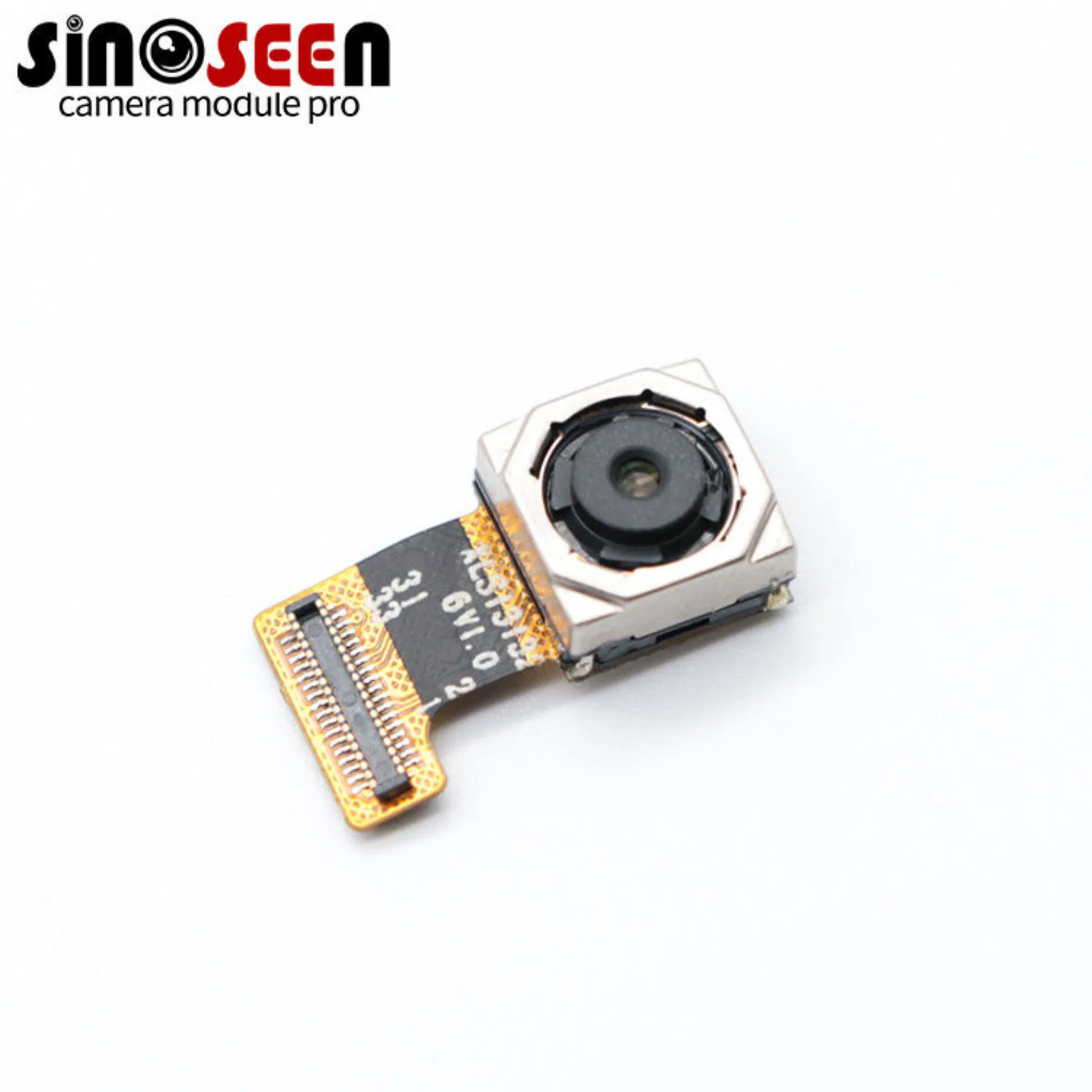
The camera module contains a BF2013 sensor, which is a 0.3 MP sensor with a resolution of 640x480 pixels and a frame rate of 60 fps. It is designed for skin detection applications and uses a DVP parallel port interface. The BF2013 sensor is optimized for skin detection. The camera captures images with precise color representation, making it suitable for applications involving the identification and analysis of human skin color. It utilizes the DVP parallel port interface for data transmission, which is a common interface used to connect cameras to processors in embedded systems. This provides fast and efficient data transmission for real-time processing of image data. The camera module is ideal for skin detection applications. This technology can be applied in various scenarios, including cosmetic analysis, dermatology applications, or any situation where accurate skin tone detection and analysis is necessary.
Product Overview
For a visual dental device, camera selection must account for the available installation space, viewing distance and illumination around the target. The XLS11793-V1.0 can be evaluated as the imaging component of such a system, with image display and processing implemented by the host.
Integration should include checks for focus at the intended distance, reflections from illuminated surfaces, connector routing and sustained image capture. The camera module supplies images; cleaning functions and image analysis belong to the completed device and its software.
Specification
Module No |
XLS11793-V1.0 |
Pixel Size |
2.2μm x 2.2μm |
Effective Pixels |
0.3MP 640(H) x 480(V) |
Video output |
Raw Bayer10bit/8bit |
Active Array Size Video Rate |
VGA@30FPS; QVGA@90FPS |
Image Sensor |
1/10" |
Sensor Type |
BYD BF3703 |
Lens view |
FOV55°(optional),F/N(optional) |
TV Distortion |
<1% |
AEC |
Support |
AEB |
Support |
AGC |
Support |
Operating voltage |
AVDD:3.0~3.6V DOVDD:1.7~3.6V DVDD:1.7~1.9V |
Operating temperature |
-20~70℃ |
Storage temperature |
0~50℃ |
Dimensions |
Customizable |
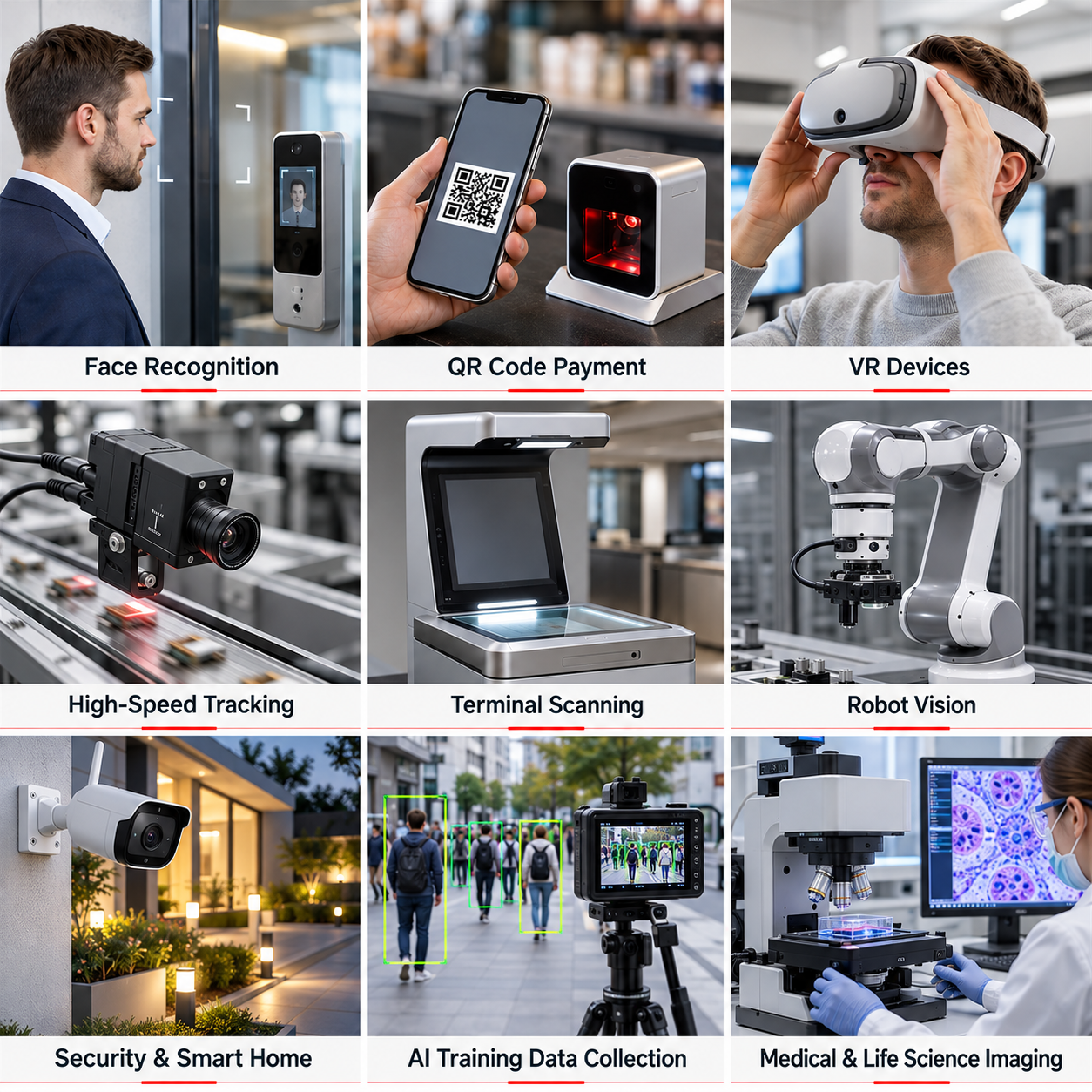
Application Areas
Face Recognition: Face capture for access control.
QR Code Payment: Code imaging for decoding.
VR Devices: Visual input for motion tracking.
High-Speed Tracking: Moving-object image capture.
Terminal Scanning: Document and barcode imaging.
Robot Vision: Images for positioning and guidance.
Security & Smart Home: Indoor and outdoor monitoring.
AI Training Data Collection: Image capture for AI datasets.
Medical & Life Science Imaging: Image capture for microscopy and research.
OEM/ODM Customization & Development Process
Match the Camera to Your Integration Requirements
A suitable camera configuration must fit both the imaging task and the device structure. Sinoseen provides OEM/ODM camera module services and can assess changes to the optical setup, flexible-circuit layout, connection arrangement, and supported operating configuration.
| Project Requirement | Areas for Engineering Review | Information to Provide |
| The camera does not fit the enclosure | Camera-head placement, FPC outline, and routing | Mechanical drawings and available space |
| cene coverage or working distance is unsuitable | Lens selection, field of view, and focus setting | Target dimensions and capture distance |
| The host connection differs from the standard design | Connector, pin assignment, and interface configuration | Host specifications and connection requirements |
| Moving targets require sharper capture | Exposure, lighting, and supported frame-rate modes | arget speed, sample images, and lighting conditions |
| he project requires infrared imaging | Filter and lens suitability | Illumination wavelength and imaging requirements |
Customization feasibility, development scope, cost, and lead time are confirmed after engineering review.
Customization Process
Step 1 — Share Your Requirements
Provide the application, host platform, required resolution and frame rate, working distance, installation space, and estimated quantity.
Step 2 — Review the Configuration
Assess the sensor operating mode, interface, lens, and mechanical arrangement. Identify any changes required for the target device.
Step 3 — Confirm Drawings and Evaluation Criteria
Agree on the configuration, connection details, mechanical revision, and sample acceptance requirements before prototype production.
Step 4 — Evaluate Samples
Test image quality, sustained frame rate, exposure behavior, host integration, and mechanical fit in the actual operating environment.
Step 5 — Approve the Production Configuration
Confirm the accepted sample, drawings, optical components, and operating configuration before proceeding with volume production.
Send Your Drawings and Imaging Requirements
About Sinoseen
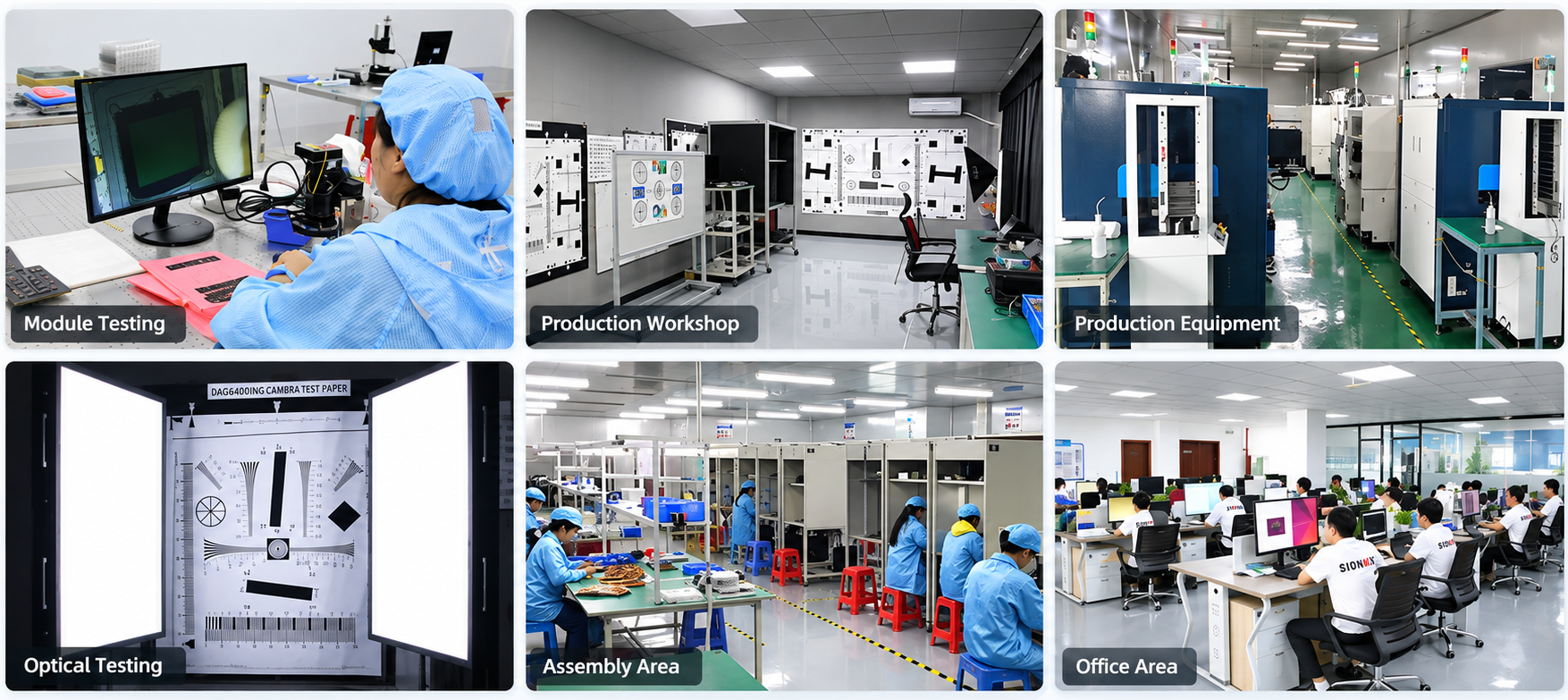
Shenzhen Sinoseen Technology Co., Ltd. was established in June 2016 and specializes in CMOS camera module design, development, manufacturing, and OEM/ODM services.
Its product portfolio includes USB, MIPI, and DVP camera modules, with services extending from development through manufacturing and after-sales support.
For embedded vision projects, Sinoseen works with customers to assess the imaging task alongside mechanical and electrical integration requirements. This helps define a camera configuration that can be evaluated in the intended device before production approval.
Certifications & Intellectual Property
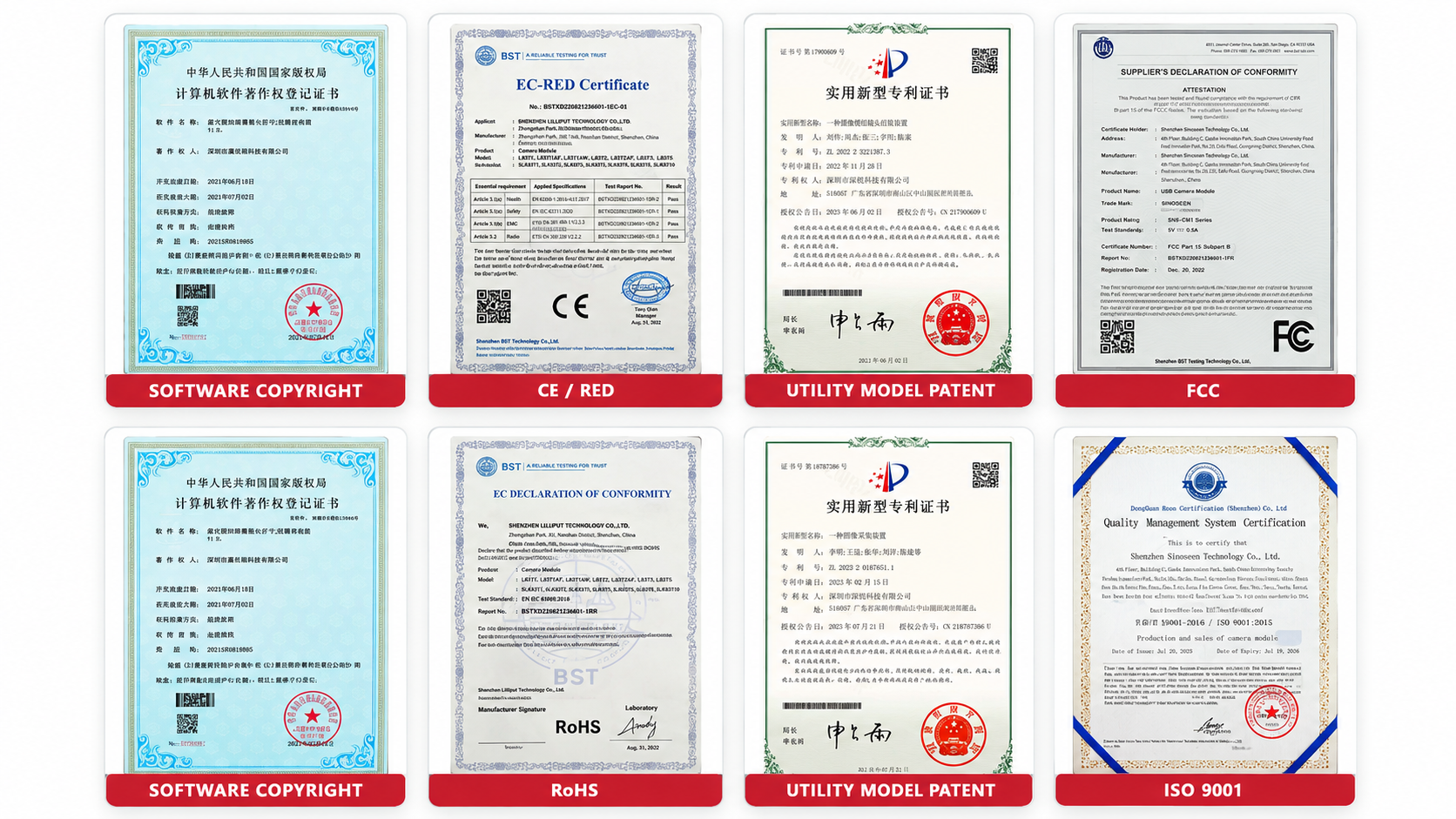
Sinoseen’s documentation includes quality management records, product compliance documents, software copyrights, and utility model patents. For your camera module project, please request the current documents applicable to the selected model and configuration, including relevant CE, FCC, or RoHS documentation.
Shenzhen Sinoseen Technology Co., LTD
China top 10 camera module manufacturer
If you are struggling to find the right camera module solution, please contact us, we will customize all kinds of USB/MIPI/DVP interface camera modules according to your needs, and have a dedicated team to provide you with the most suitable solution.
FAQ:
Q1. How to choose the right camera module?
A: Please tell us your specific needs, such as application scenarios, resolution, size, and lens requirements. We will have a professional team of engineers to assist you in choosing the most suitable camera module.
Q2. How to start proofing?
A: After confirming all the parameters, we will draw a drawing to confirm the details with you. Once the drawing is confirmed, we will arrange a proofing.
Q3: How do I send the payment?
A: Currently we accept T/T bank transfer and Paypal.
Q4: How long does it take to make a sample?
A: If it is a USB camera module, it usually takes 2-3weeks, if it is a MIPI or DVP camera module, it usually takes 10-15days.
Q5: How long will it take to receive the sample after it is ready?
A: After the samples have been tested and there is no problem, we will send the samples to you via DHL FedEx UPS or any other courier methods, usually within a week.