 EN
EN
 AR
AR
 DA
DA
 NL
NL
 FI
FI
 FR
FR
 DE
DE
 EL
EL
 HI
HI
 IT
IT
 JA
JA
 KO
KO
 NO
NO
 PL
PL
 PT
PT
 RO
RO
 RU
RU
 ES
ES
 SV
SV
 TL
TL
 IW
IW
 ID
ID
 SR
SR
 VI
VI
 HU
HU
 TH
TH
 TR
TR
 FA
FA
 MS
MS
 IS
IS
 AZ
AZ
 UR
UR
 BN
BN
 HA
HA
 LO
LO
 MR
MR
 MN
MN
 PA
PA
 MY
MY
 SD
SD

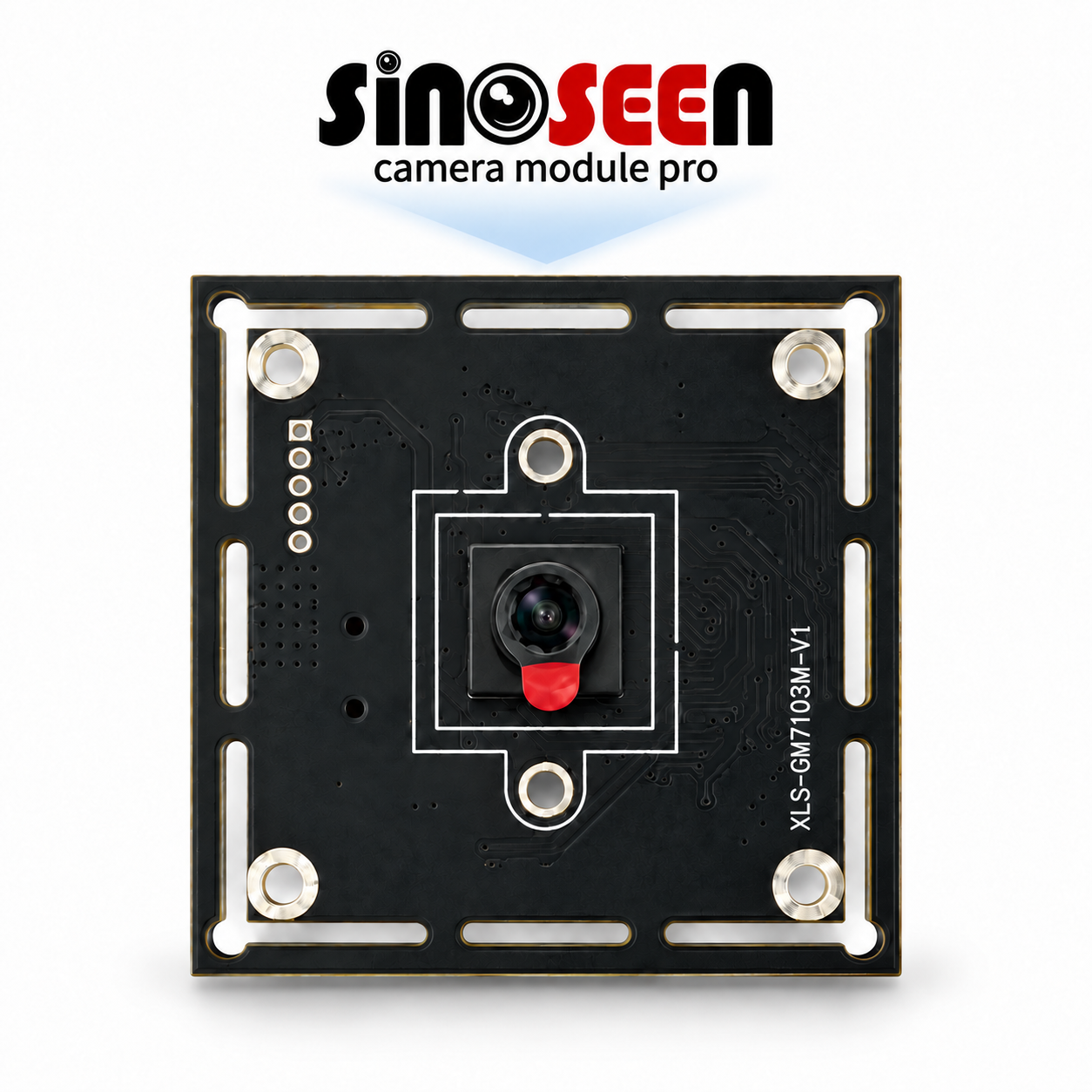
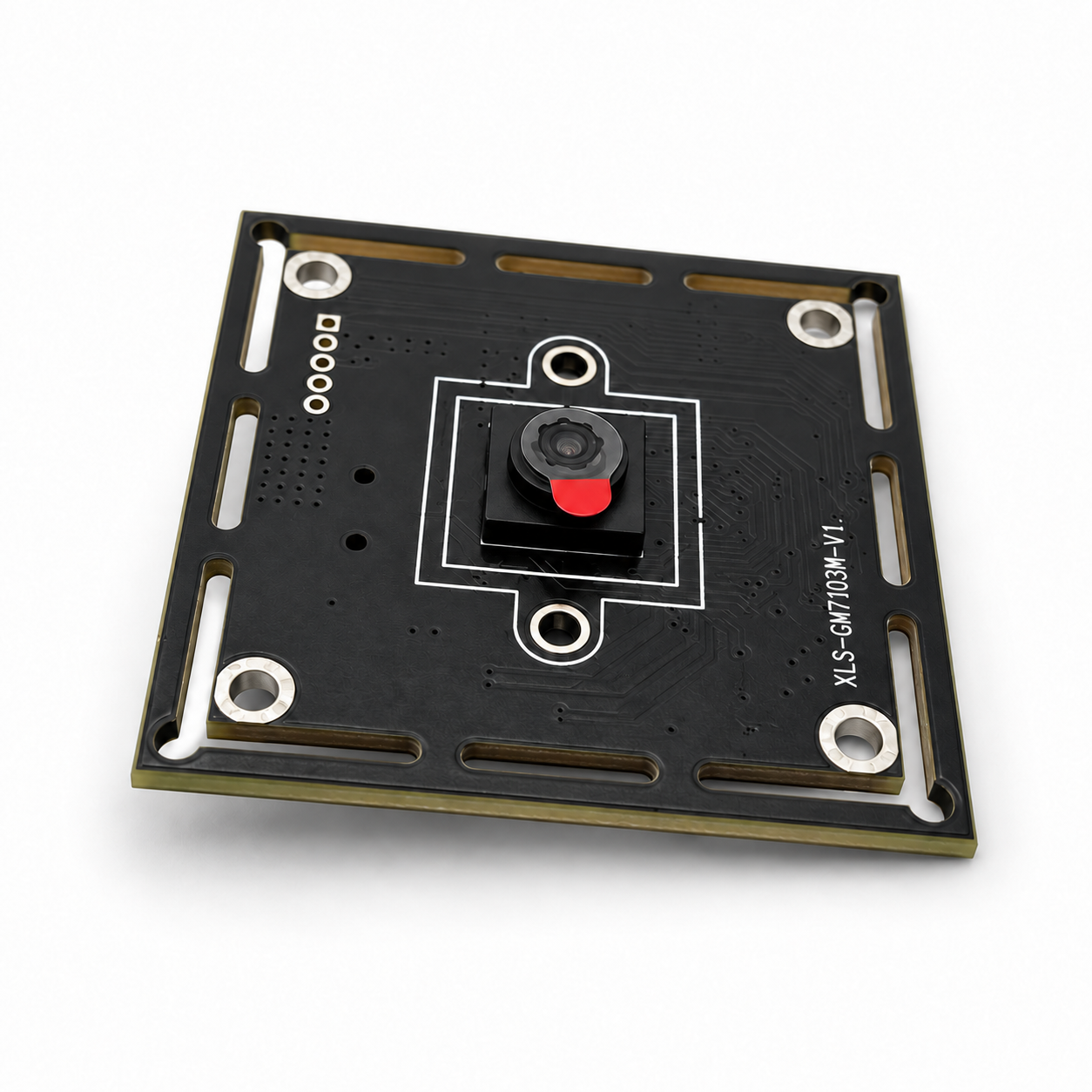
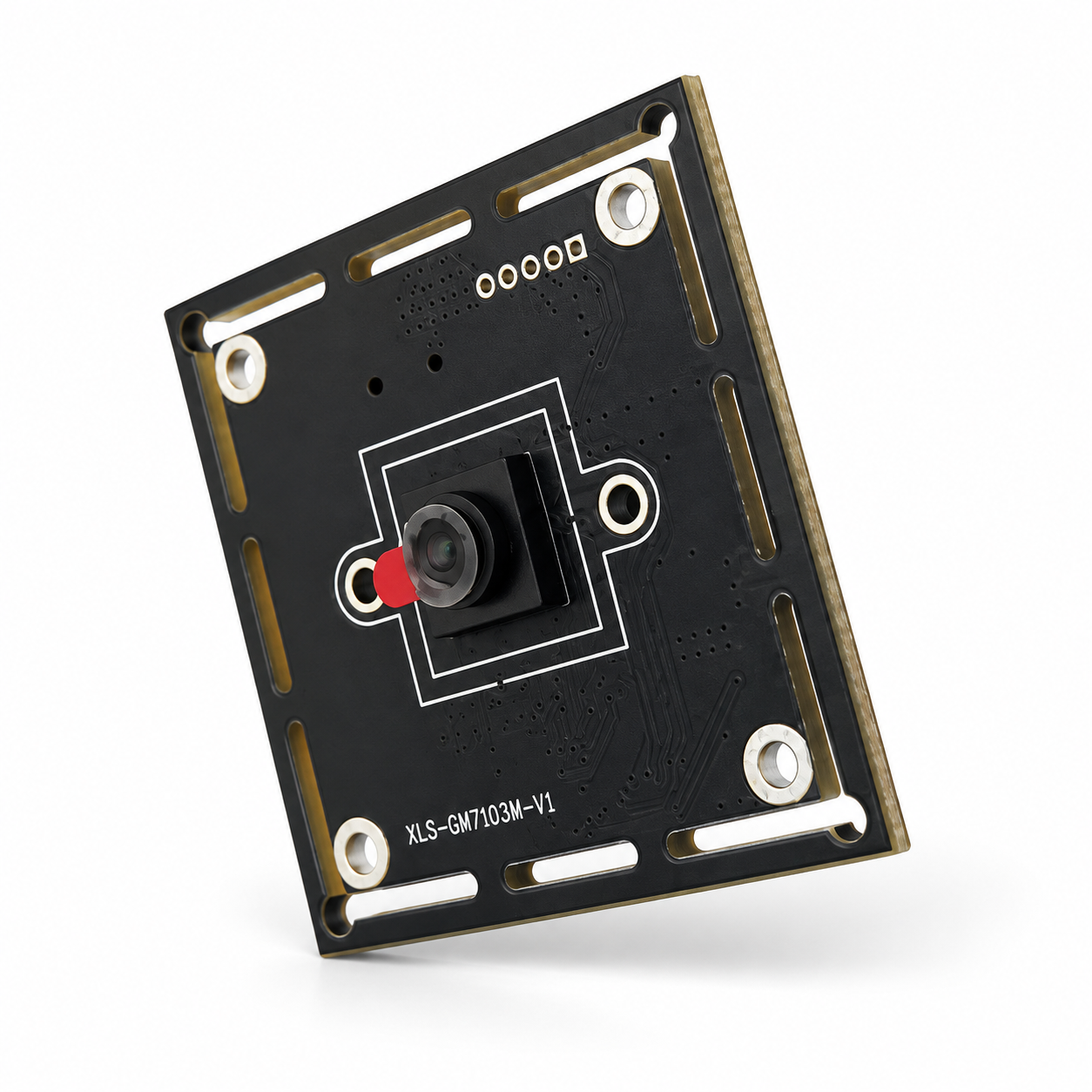
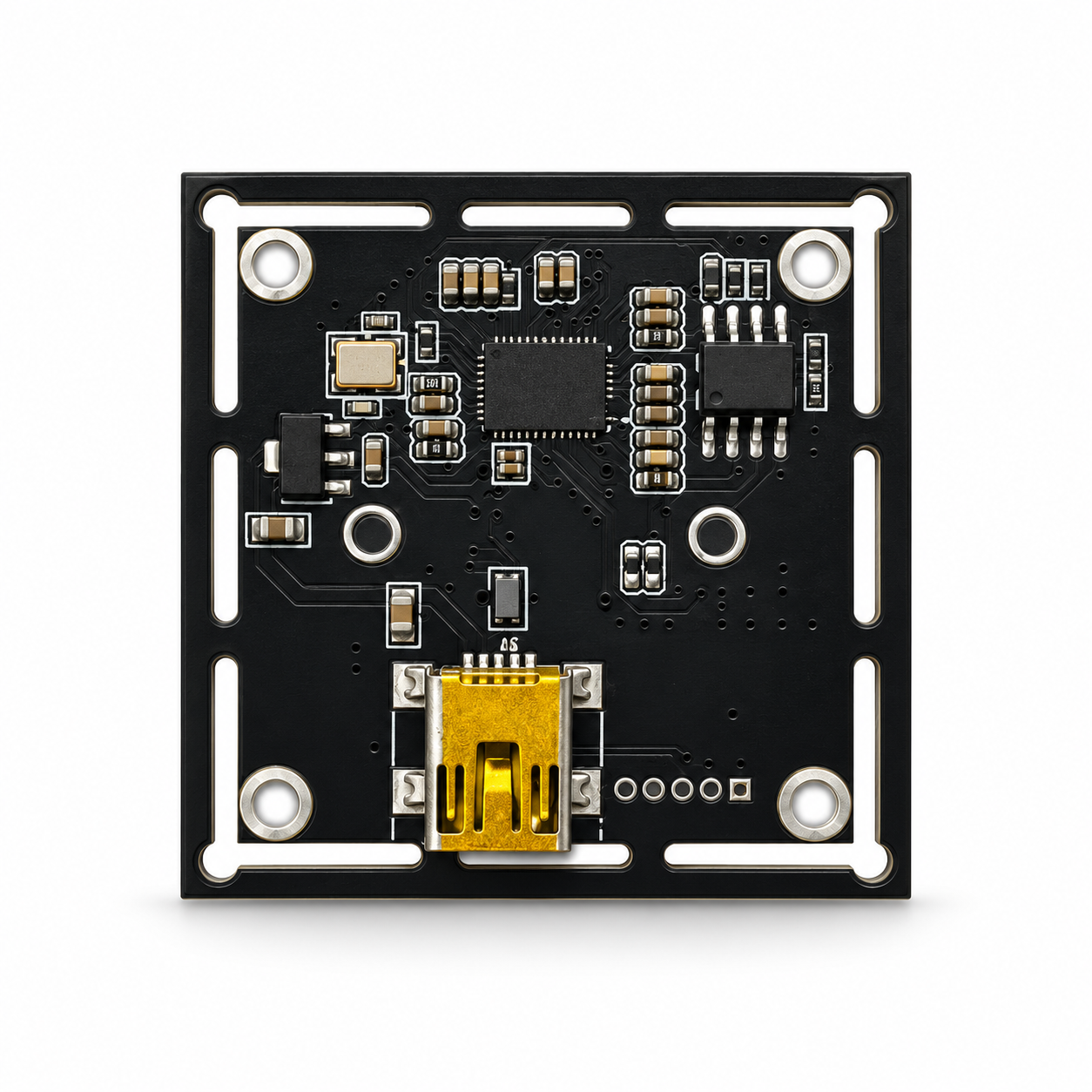
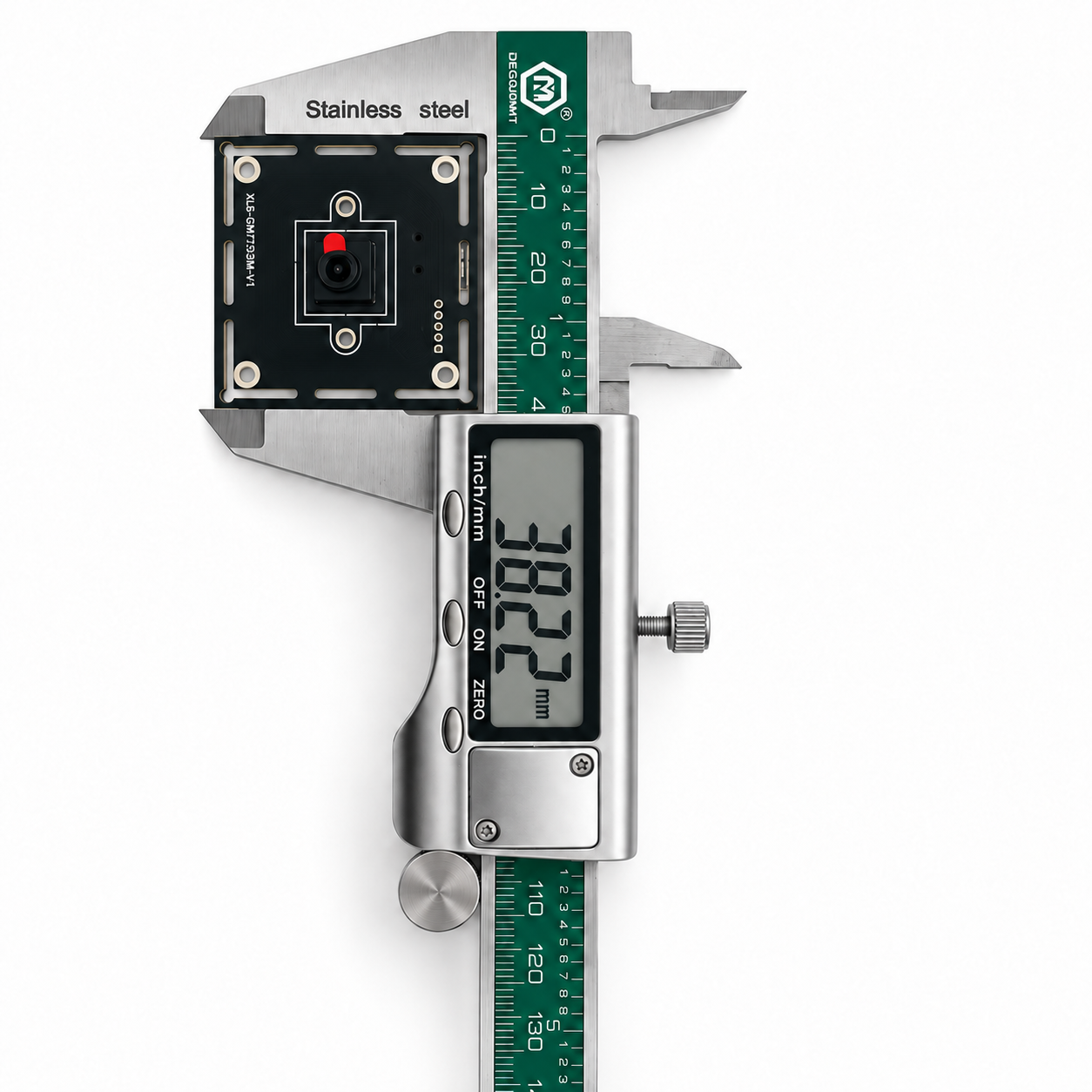
GC0308 VGA USB 2.0 UVC Camera Module 640x480 25FPS Low Distortion Manual Focus for Barcode QR Code Scanner
Product Details:
Place of Origin: |
Shenzhen,China |
Brand Name: |
Sinoseen |
Certification: |
RoHS |
Model Number: |
SNS-GM7103M-V1 |
Payment & Shipping Terms:
Minimum Order Quantity: |
3 |
Price: |
negotiable |
Packaging Details: |
Tray+Anti-static bag in carton box |
Delivery Time: |
2-3weeks |
Payment Terms: |
T/T |
Supply Ability: |
500000 pieces/month |
- Parameter
- Related products
- Inquiry
Product Description
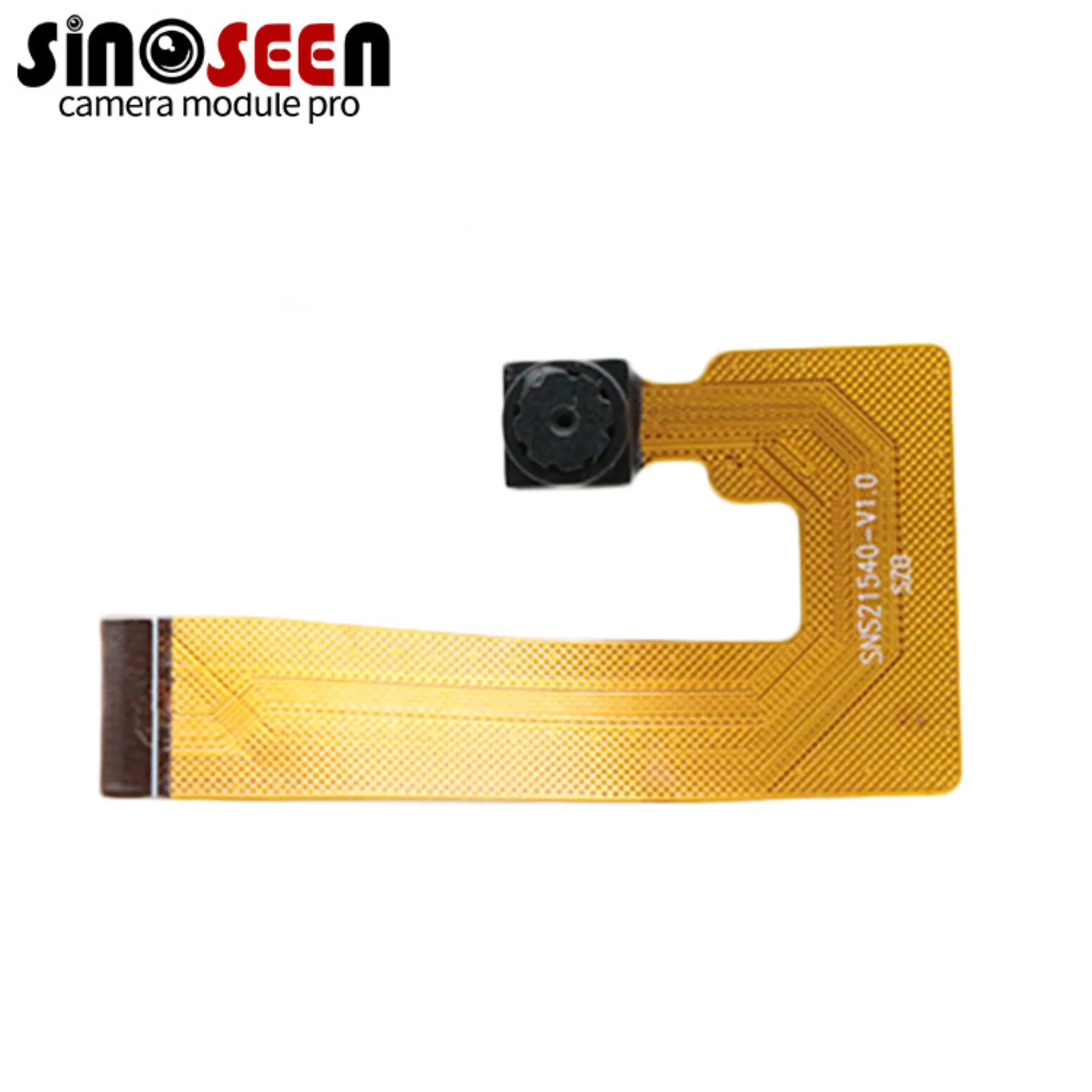
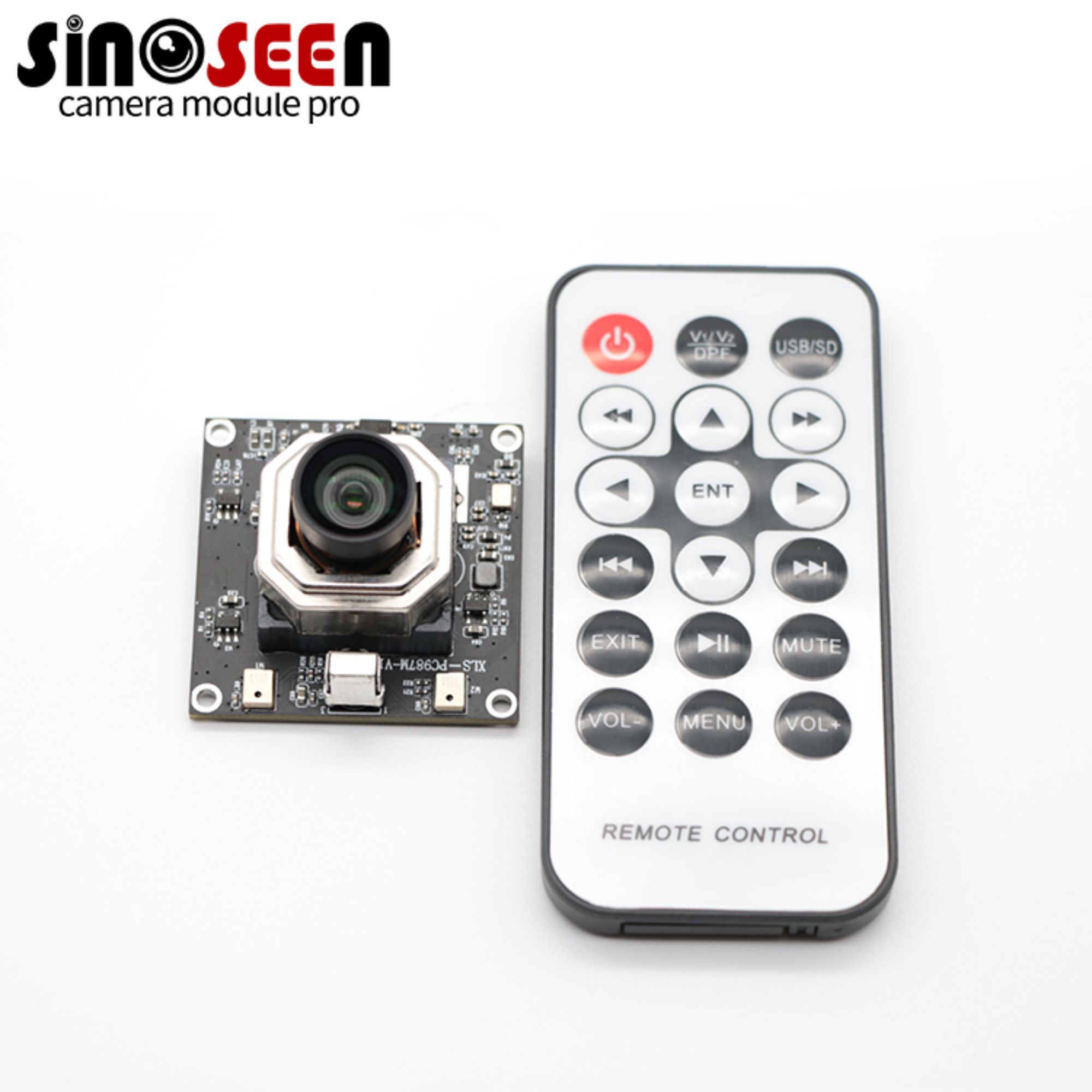
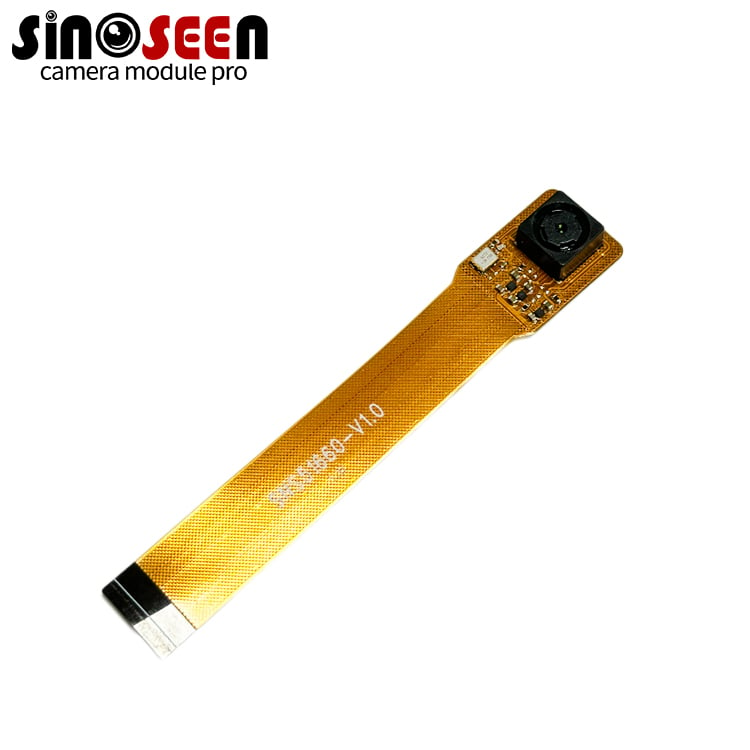
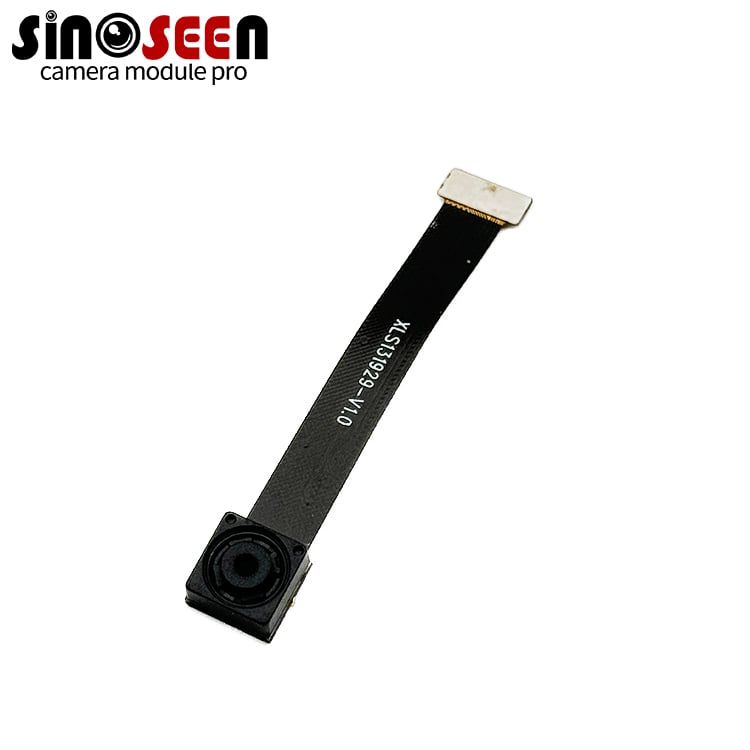
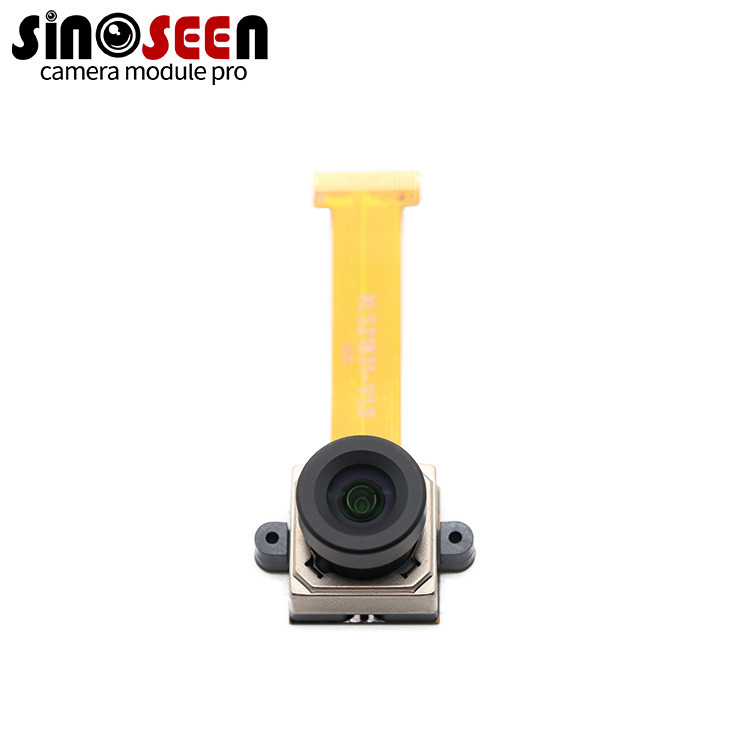
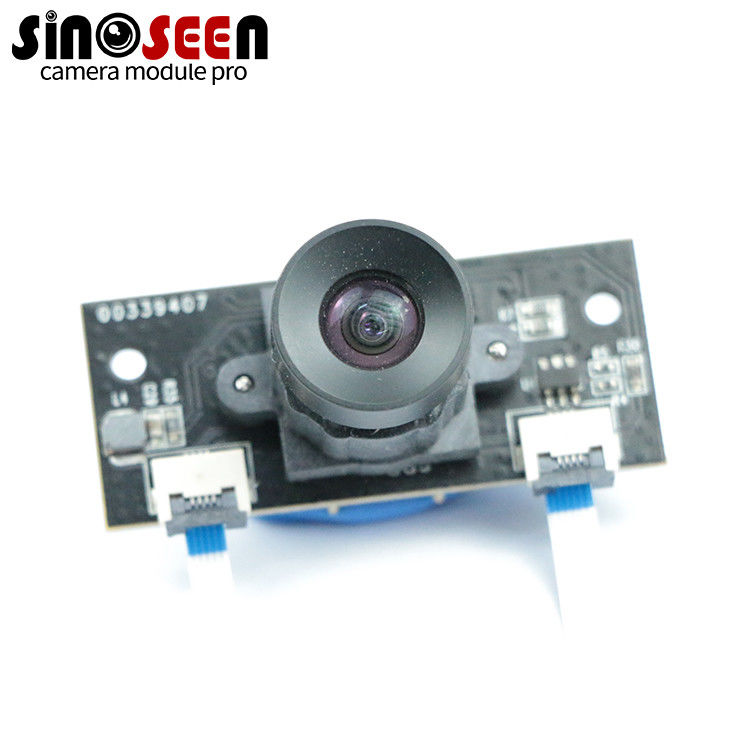
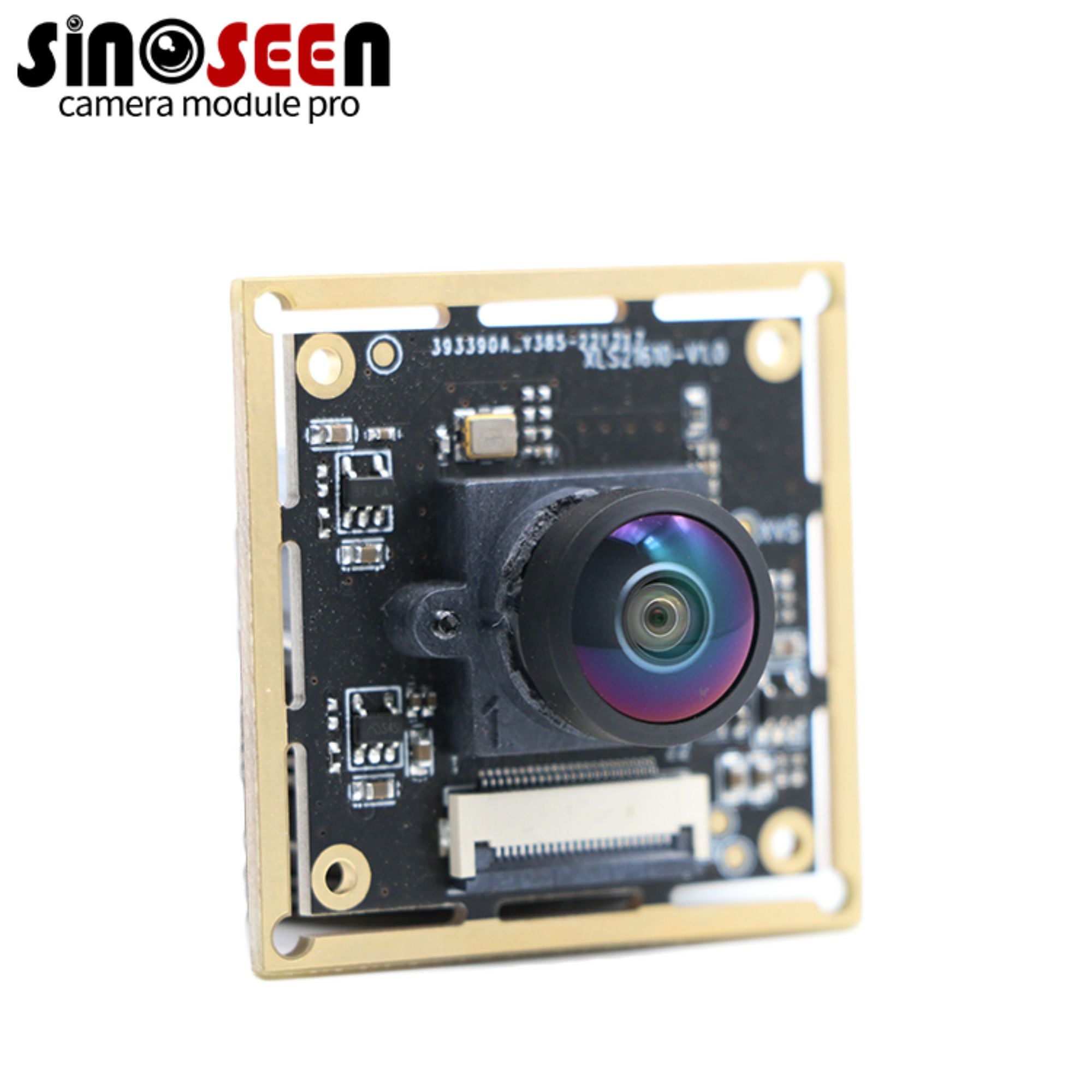
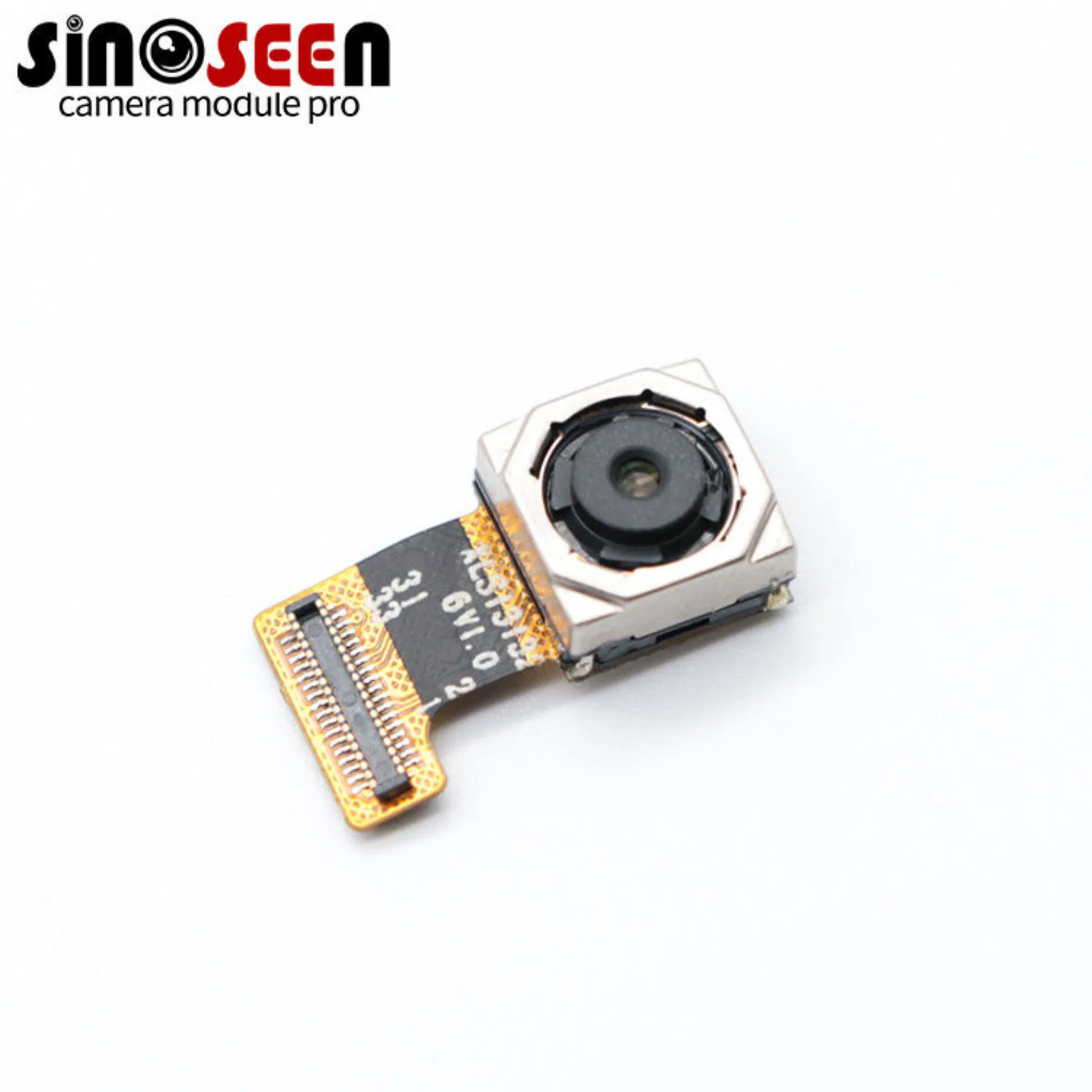
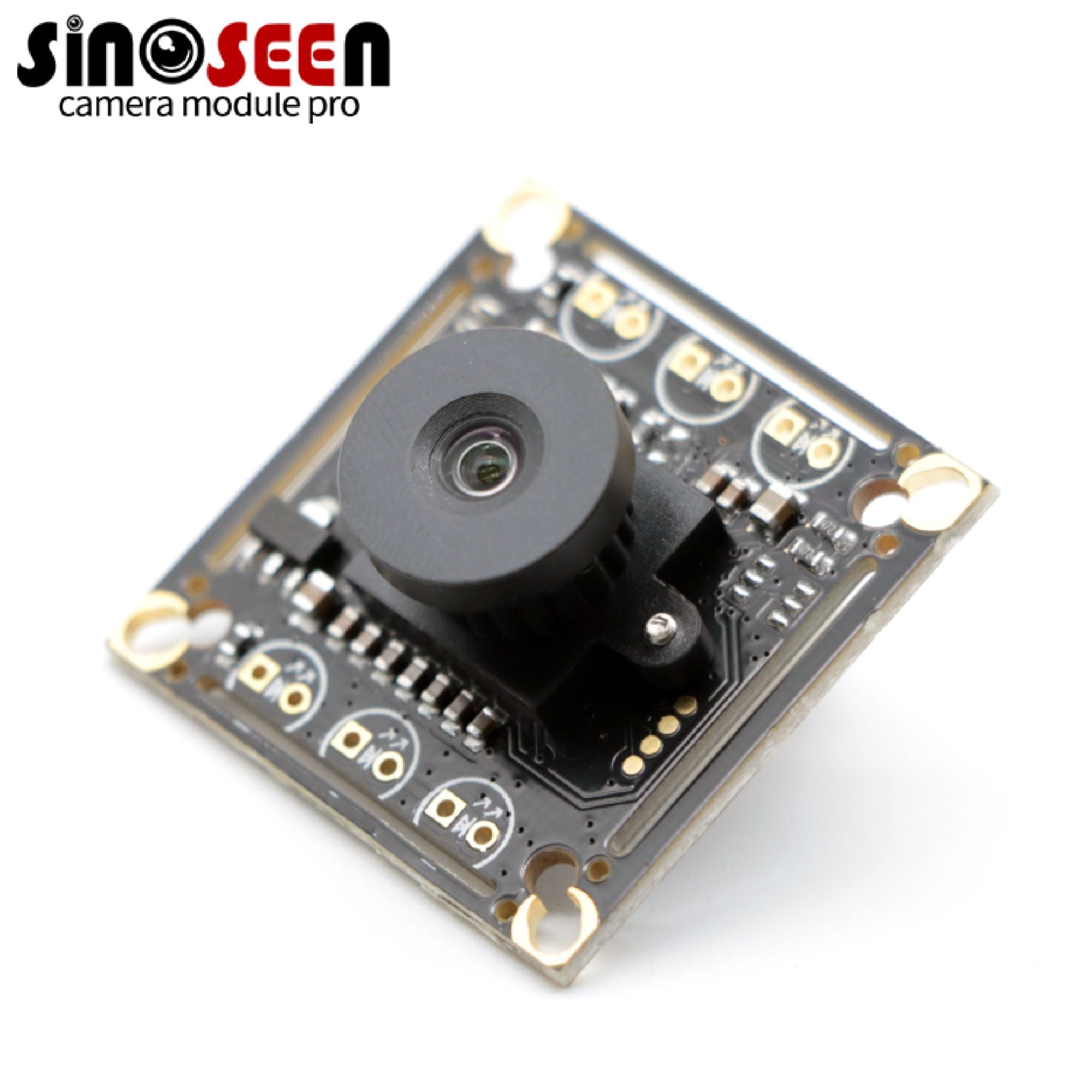
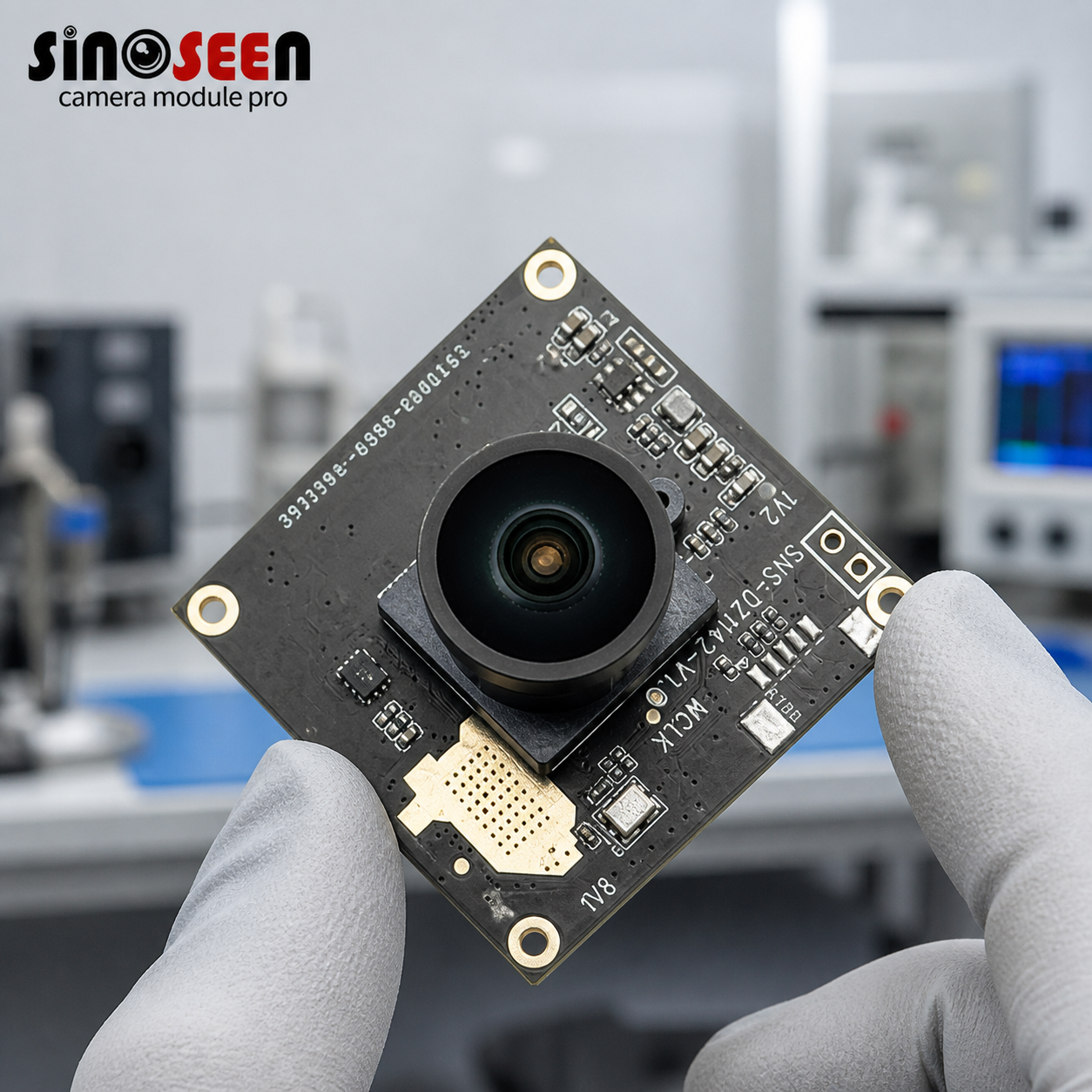
The SNS-GM7103-V1 is a compact USB 2.0 camera module built around the GC0308 CMOS image sensor. It provides native VGA-level imaging at up to 25FPS and supports MJPG and YUV video output through a UVC-compatible USB interface.
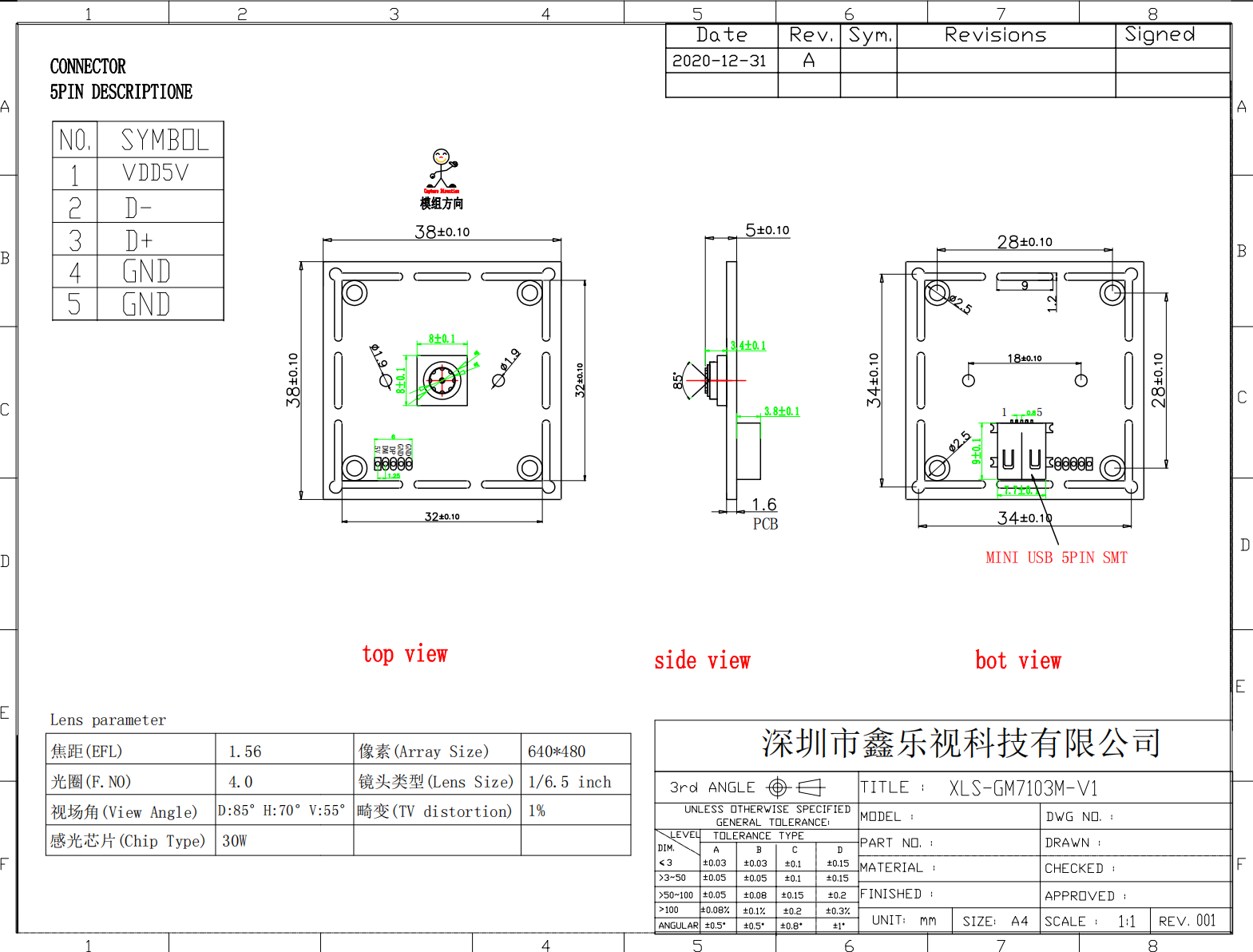
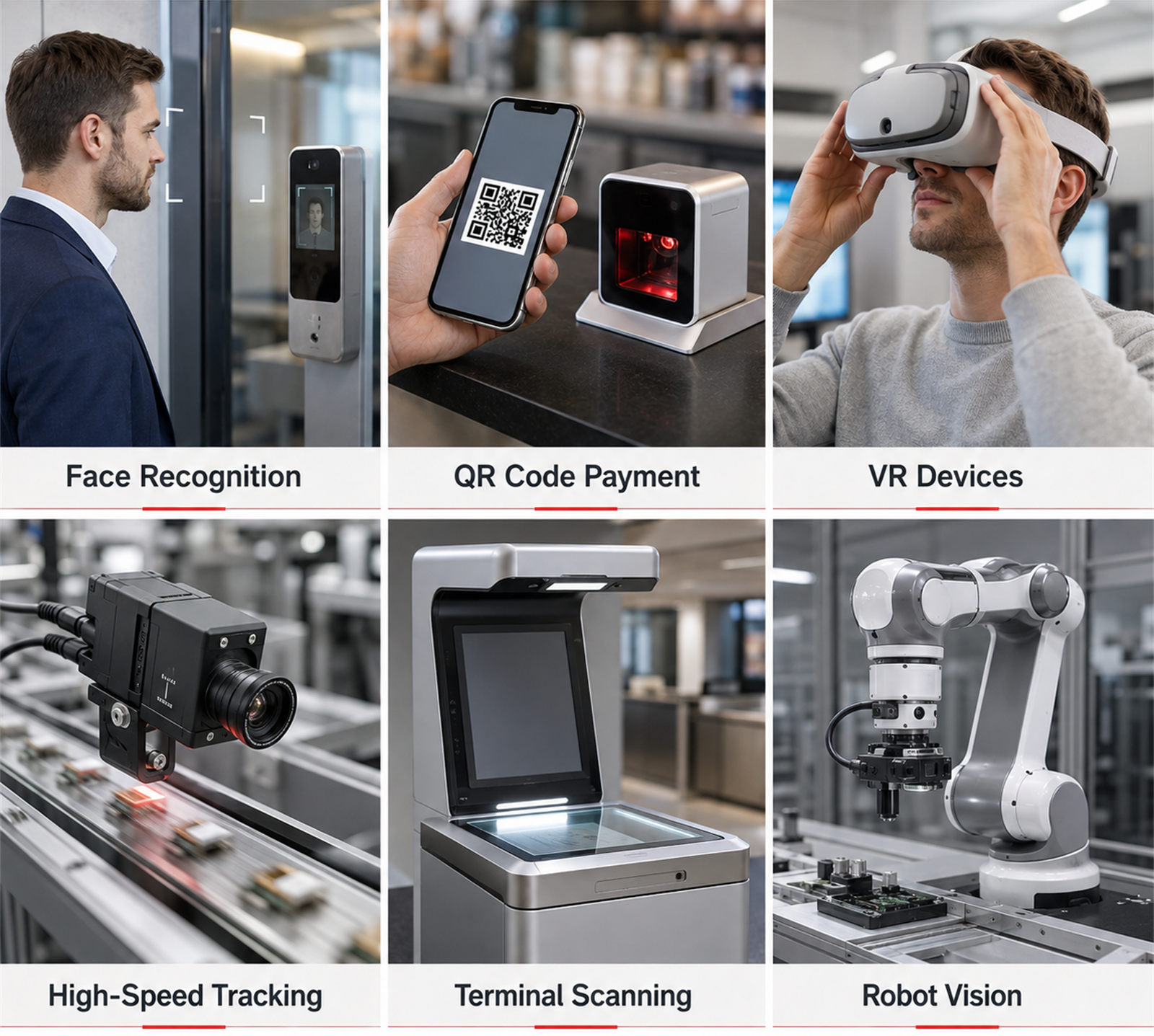
The module features optical distortion of ≤1%, an 85° ±5° field of view and adjustable focus from approximately 3 cm to infinity. These characteristics make it suitable for close-range image capture in barcode scanners, QR code readers, vending machines, kiosks and embedded visual terminals.
The standard camera board measures 38 × 38 mm and uses an M5 × P0.35 lens mount. Sinoseen can customize the PCB dimensions, connector, cable length, lens, field of view, focus distance, image orientation and firmware according to the customer's device and project requirements.
Key Features
GC0308 CMOS image sensor
Native VGA 640 × 480 resolution
Up to 25FPS video output
USB 2.0 interface with UVC compatibility
MJPG and YUV output formats
Low optical distortion of ≤1%
85° ±5° field of view
Adjustable focus from approximately 3 cm to infinity
Compact 38 × 38 mm camera board
M5 × P0.35 lens mount
5V ±5% power supply
Compatible with Windows, macOS, Android and Linux
Suitable for barcode scanners, QR code readers and embedded terminals
PCB, connector, cable, lens and firmware customization available
Detail Information
Model Number : |
SNS-GM7103-V1 |
Sensor: |
1/6.5" GalaxyCore GC0308 |
Resolution: |
648(H)X488(V) |
Dimensions: |
38x38 mm (customizable) |
Lens FOV: |
70°(optional) |
Focus Type: |
Fixed Focus |
Interface: |
USB2.0 |
Feature: |
Low Cost |
Resolution and Frame Rate
| Output Resolution | Listed Frame Rate |
| 1280 × 960 | 25 fps |
| 1280 × 720 | 25 fps |
| 352 × 288 | 25 fps |
| 320 × 240 | 25 fps |
| 160 × 120 | 25 fps |
Confirm the corresponding output formats when selecting and approving the sample configuration.
OEM/ODM Customization & Development Process
Configure the Camera Around Your Device Requirements
Capturing an image is only one part of integration. Installation space, lens position, cable routing, and the host platform all affect the final configuration.
Sinoseen provides OEM/ODM camera module services. The following requirements can be submitted for engineering review. Feasibility, development costs, and lead times depend on the agreed scope.
| The standard board does not fit the enclosure | PCB outline, mounting holes, and connector placement | Mechanical drawings, available space, and assembly requirements |
| The image covers too much or too little of the scene | Lens selection, FOV, and working distance | Target dimensions, capture distance, and sample images |
| The cable arrangement interferes with assembly | Cable length, connector type, and routing | Host connection details and routing drawings |
| Default image settings do not meet the task requirements | Supported image settings and firmware adjustments | Original images, lighting conditions, and target results |
| The interface does not match the host | Alternative module selection or a new design | Host platform, interface, and output requirements |
USB, MIPI, and DVP require different integration approaches. Changing the interface may require a different module architecture rather than a cable change.
How a Customization Project Progresses
Step 1 — Share Your Requirements
Describe the application, host platform, target resolution and frame rate, working distance, and installation constraints. Include mechanical drawings or reference images where available.
Step 2 — Review Feasibility
Determine whether the standard configuration meets the requirements and identify any changes needed to the lens, board, cable, or firmware.
Step 3 — Confirm the Configuration and Drawings
Agree on dimensions, interfaces, optical configuration, and sample evaluation requirements before arranging prototype production.
Step 4 — Evaluate Samples
Test the sample in the actual device. Check image quality, autofocus behavior, software compatibility, and mechanical fit, then provide feedback on any required changes.
Step 5 — Confirm the Production Configuration
Before proceeding with a volume order, confirm the approved hardware, lens, cable, and firmware versions, together with the delivery requirements.
Share your host platform, installation drawings, and imaging requirements to begin a customization assessment.
About Sinoseen
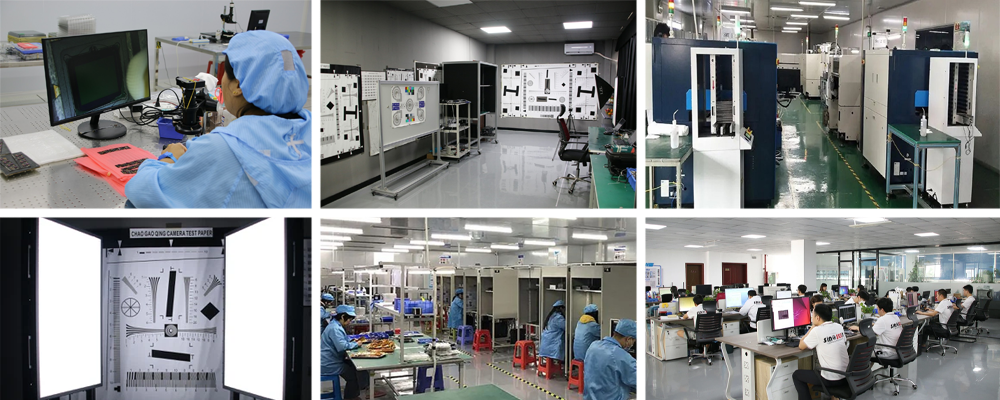
Shenzhen Sinoseen Technology Co., Ltd. specializes in CMOS camera module design, manufacturing and OEM/ODM customization. We provide USB, MIPI and DVP camera modules, together with global shutter, low-light, endoscope, autofocus, IR-cut and binocular imaging solutions. From requirements review and sensor and lens selection to PCB/FPC design, prototyping, testing, production and after-sales support, our team helps customers develop camera modules for embedded vision, industrial equipment, smart terminals, robotics and other application-specific projects.
Application Areas
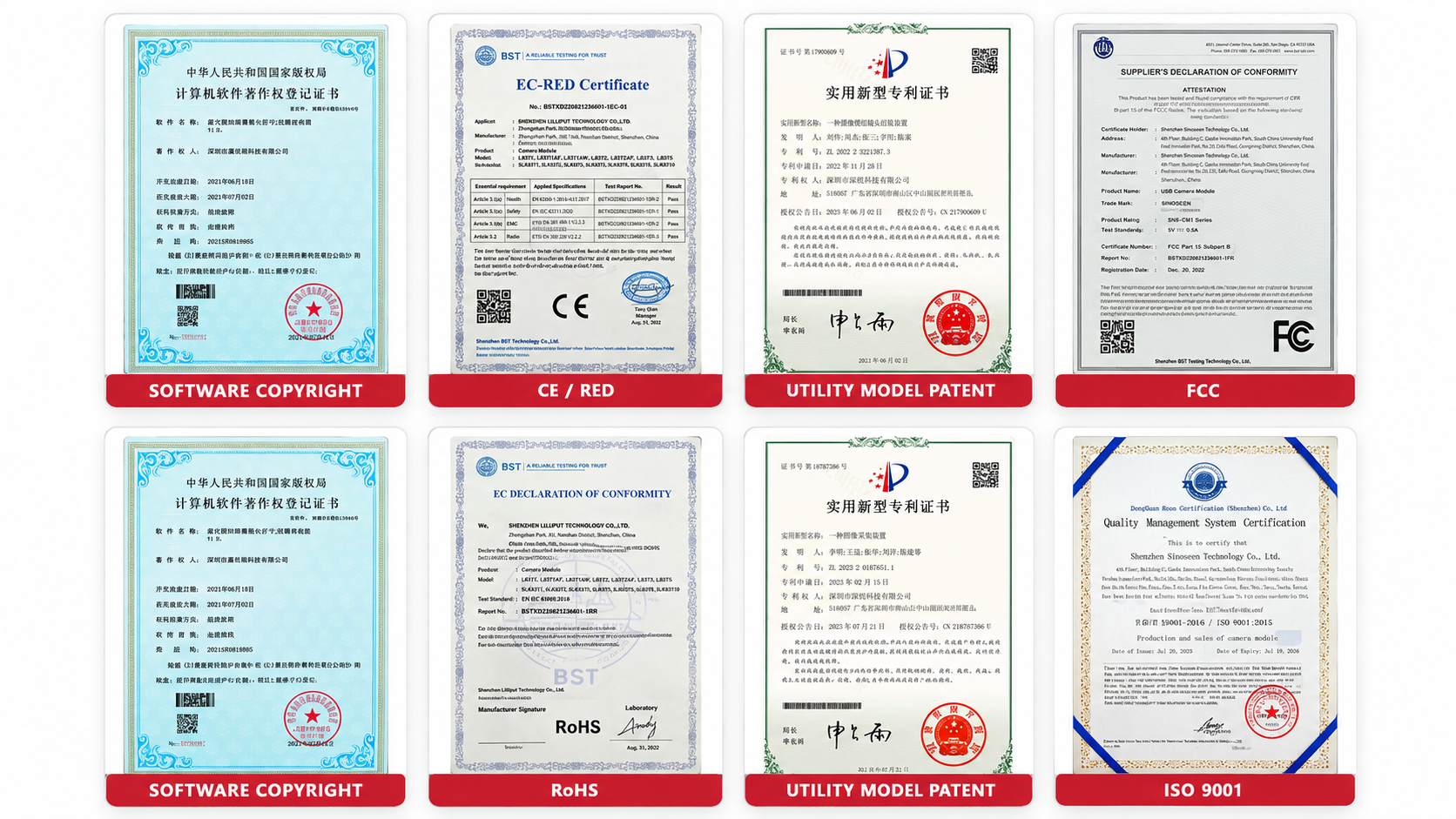
Certifications
Shenzhen Sinoseen Technology Co., LTD
China top 10 camera module manufacturer
If you are struggling to find the right camera module solution, please contact us, we will customize all kinds of USB/MIPI/DVP interface camera modules according to your needs, and have a dedicated team to provide you with the most suitable solution.
FAQ:
Q1. How to choose the right camera module?
A: Please tell us your specific needs, such as application scenarios, resolution, size, and lens requirements. We will have a professional team of engineers to assist you in choosing the most suitable camera module.
Q2. How to start proofing?
A: After confirming all the parameters, we will draw a drawing to confirm the details with you. Once the drawing is confirmed, we will arrange a proofing.
Q3: How do I send the payment?
A: Currently we accept T/T bank transfer and Paypal.
Q4: How long does it take to make a sample?
A: If it is a USB camera module, it usually takes 2-3weeks, if it is a MIPI or DVP camera module, it usually takes 10-15days.
Q5: How long will it take to receive the sample after it is ready?
A: After the samples have been tested and there is no problem, we will send the samples to you via DHL FedEx UPS or any other courier methods, usually within a week.