 EN
 AR
 DA
 NL
 FI
 FR
 DE
 EL
 HI
 IT
 JA
 KO
 NO
 PL
 PT
 RO
 RU
 ES
 SV
 TL
 IW
 ID
 SR
 VI
 HU
 TH
 TR
 FA
 MS
 IS
 AZ
 UR
 BN
 HA
 LO
 MR
 MN
 PA
 MY
 SD

GC02M1B 2MP Monochrome MIPI Camera Module for Handheld Scanners
Product Details:
Place of Origin: |
Shenzhen,China |
Brand Name: |
Sinoseen |
Certification: |
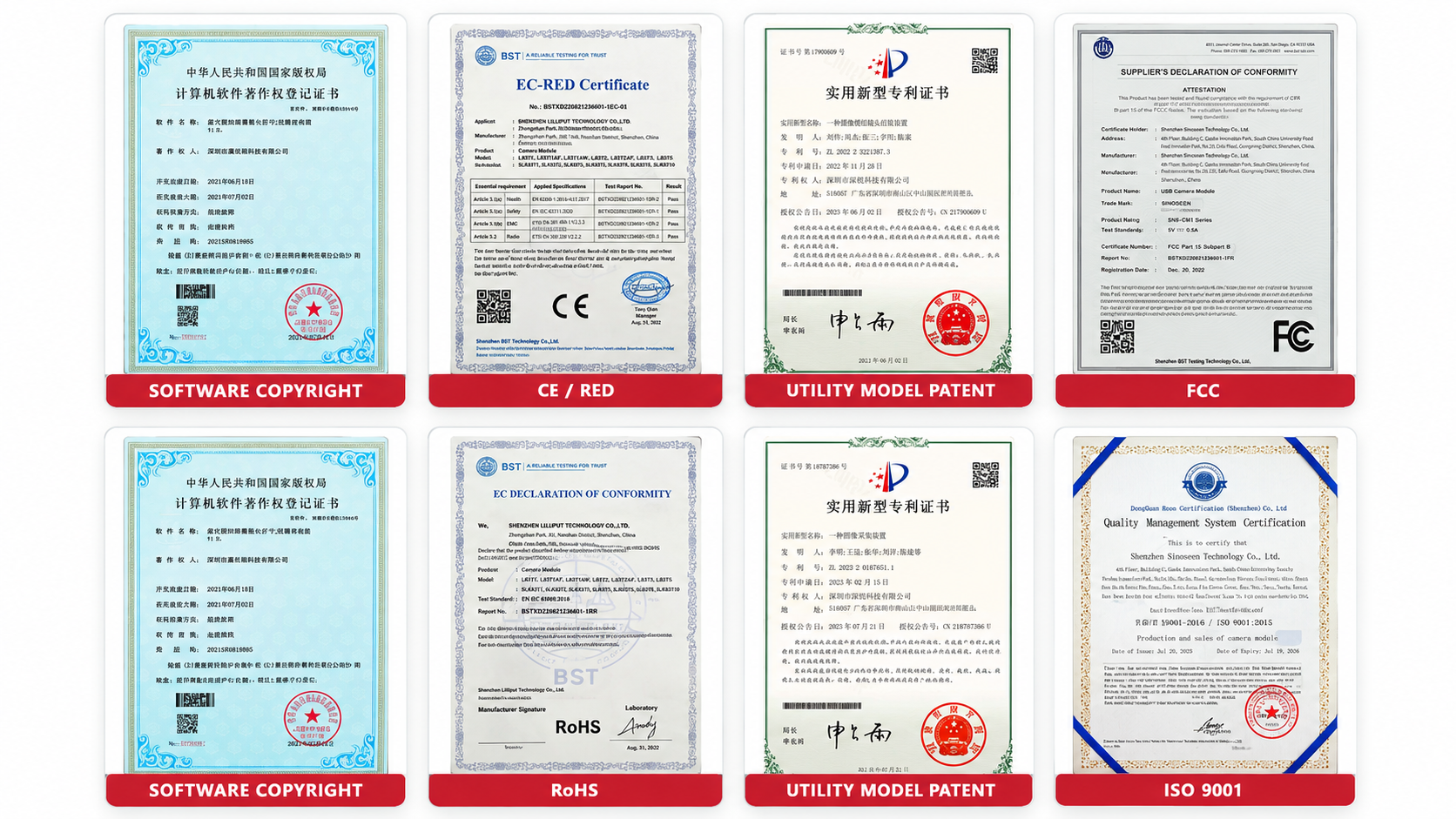
RoHS CE/RED FCC ISO |
Model Number: |
XLS22381-V1.0 |
Payment & Shipping Terms:
Minimum Order Quantity: |
1 |
Price: |
negotiable |
Packaging Details: |
Tray+Anti-static bag in carton box |
Delivery Time: |
2-3weeks |
Payment Terms: |
T/T |
Supply Ability: |
500000 pieces/month |

- Parameter
- Related products
- Inquiry
Product Overview
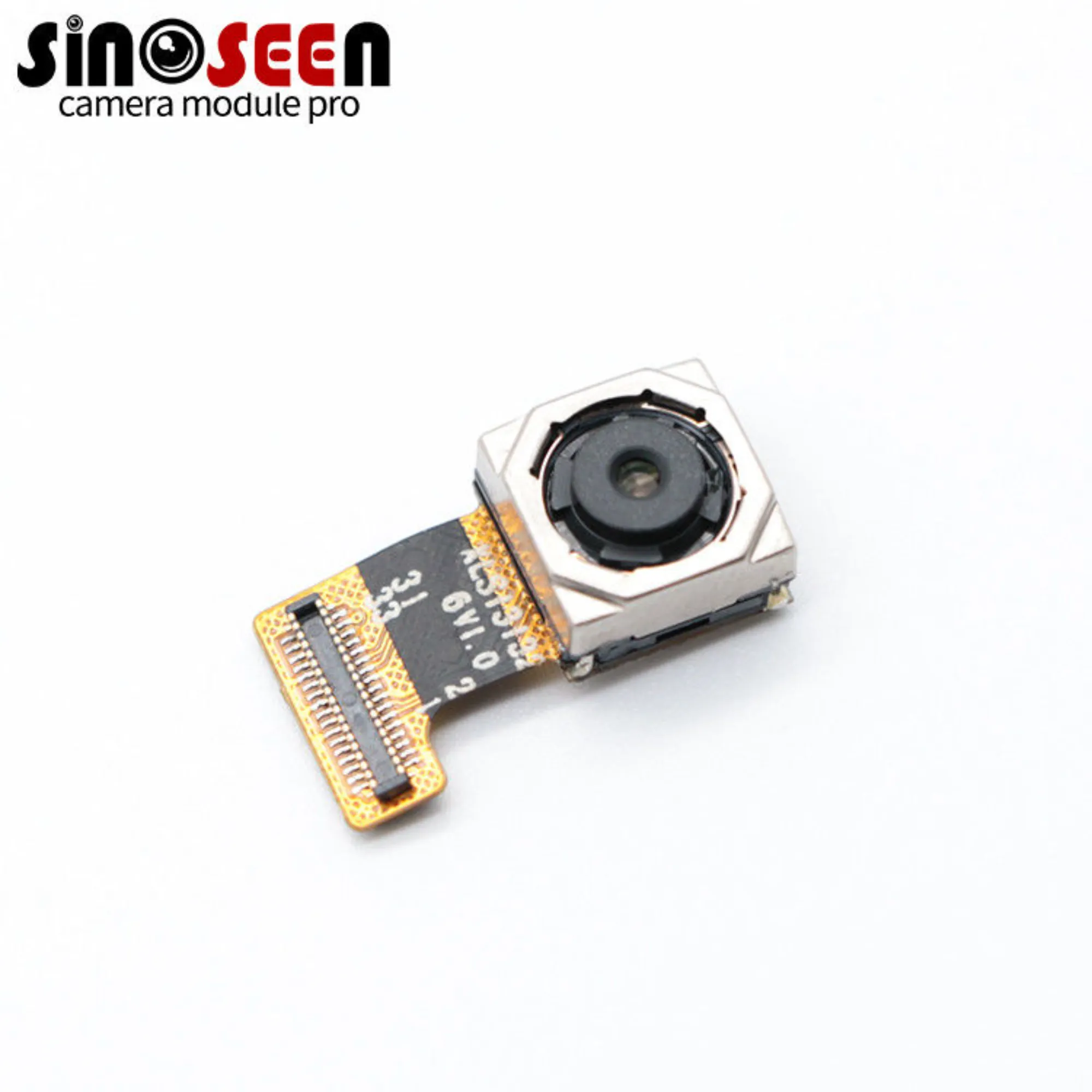
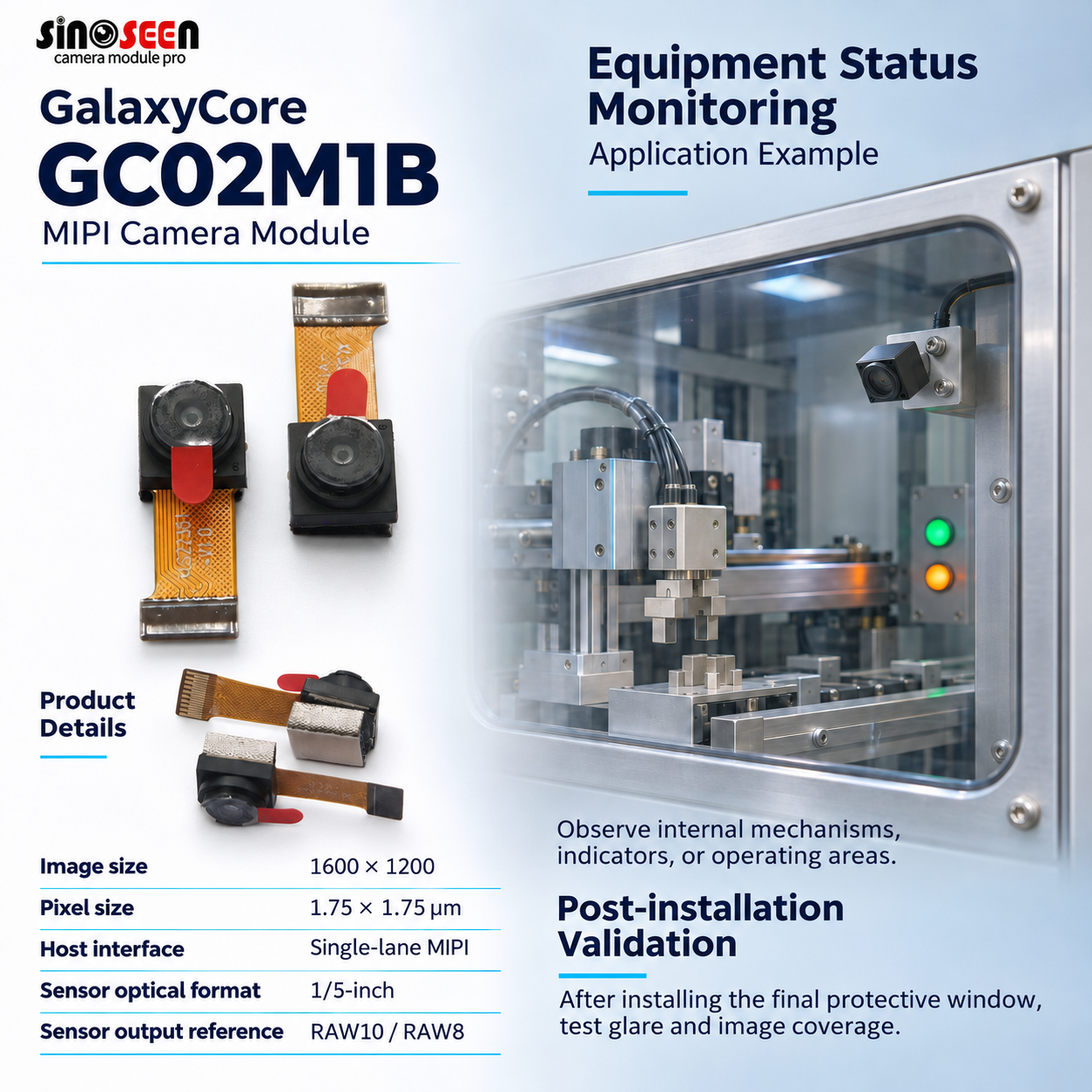
This Sinoseen camera module uses the GalaxyCore GC02M1B monochrome CMOS sensor for 2MP image capture. The supplied module specification lists a 1600 × 1200 image size, a 6.5 × 6.5 mm base, and a 6.4 mm overall height.
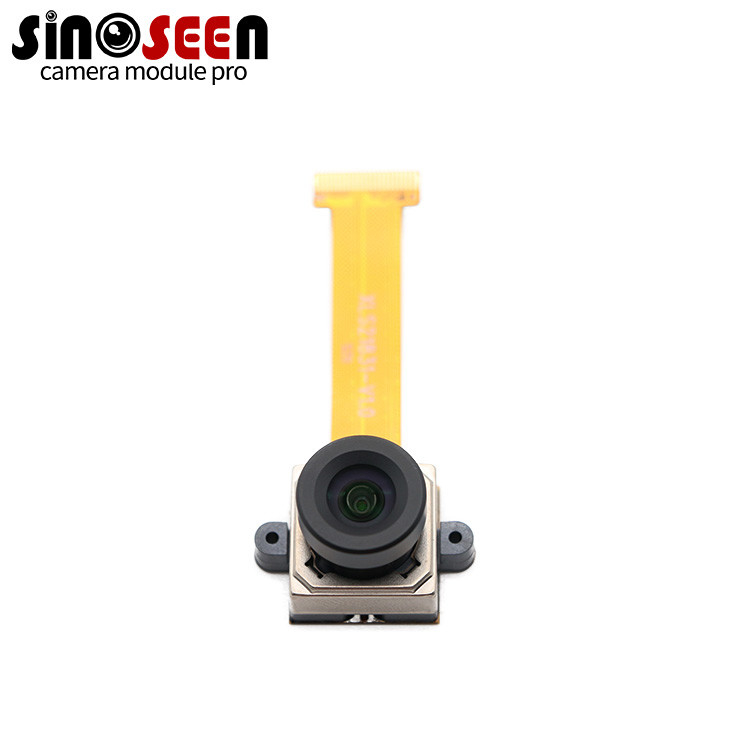
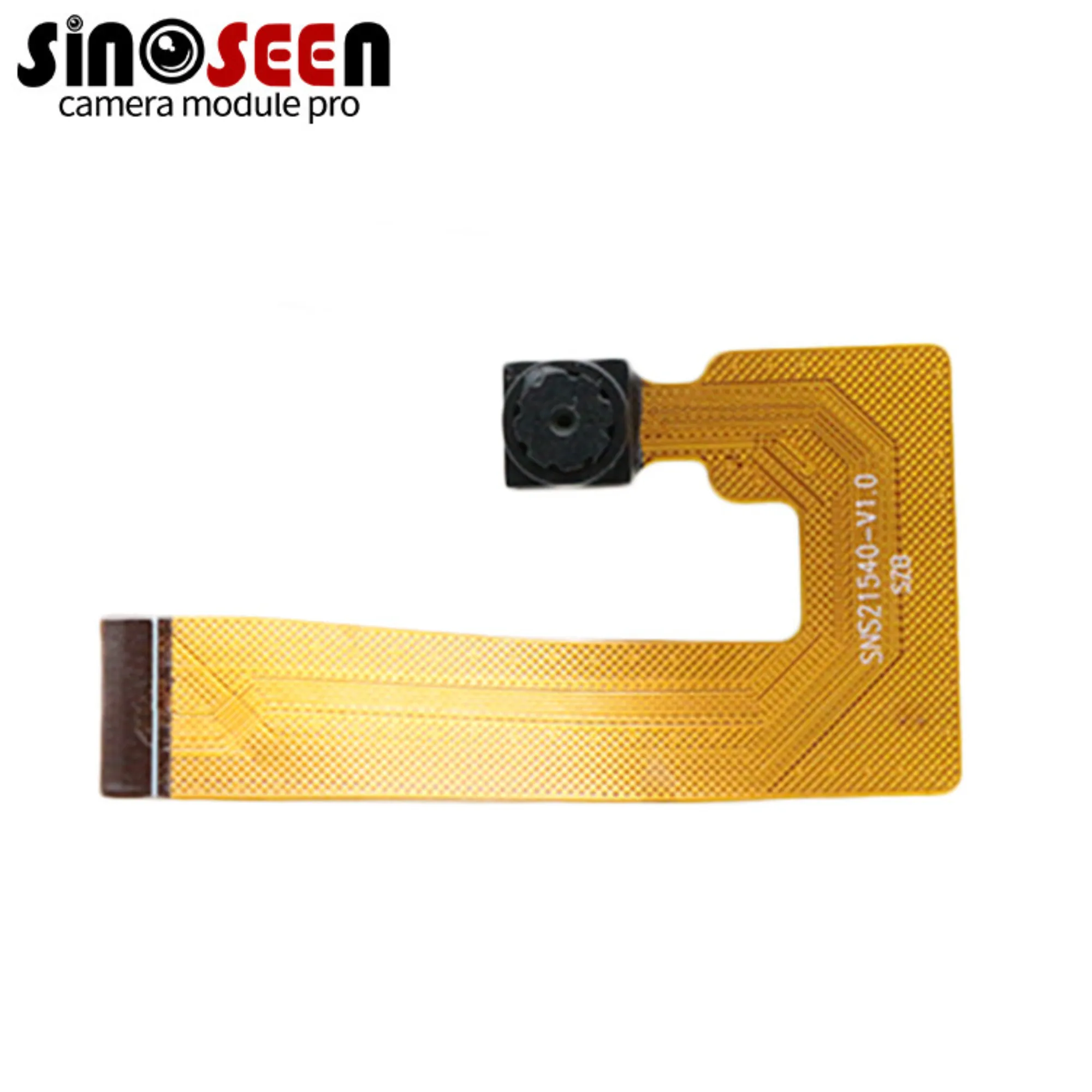
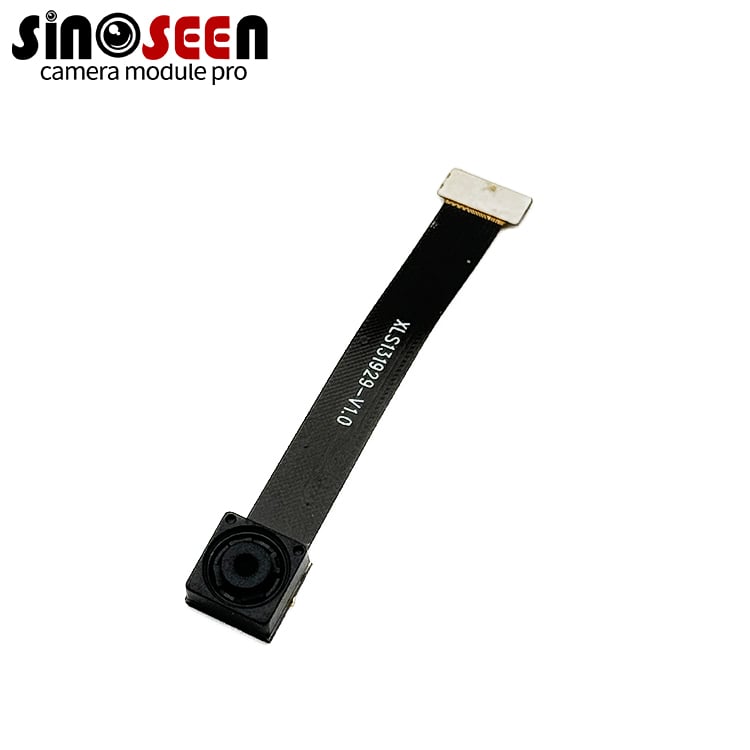
The optical configuration uses a 2.2 mm F/3.0 lens with a nominal 76° diagonal field of view. A flexible printed circuit connects the imaging head to the host-side connection. The drawing specifies a 17.5 mm overall assembly length, which should be reviewed alongside the lens position and host-board location when planning the enclosure.
For barcode or marking capture, provide the smallest target dimensions, working distance, and lighting conditions. These requirements help establish the lens and focus setting to test with your decoding or image-processing software.
Product Advantages
Small imaging head for confined mounting areas. Use the 6.5 mm square base and 6.4 mm height to assess fit inside a handheld terminal or compact housing. Allow clearance for the lens opening, wiring, and protective window.
Monochrome imaging for brightness and pattern analysis. Evaluate printed codes, markings, edges, and surface features in grayscale. Test the contrast of the actual target under your intended illumination.
Single-lane MIPI integration. Review the module pinout, host receiver, power rails, and driver support together. Confirm the required RAW format and capture mode before completing the host-board design.
Defined optics for sample testing. The specified 2.2 mm lens and viewing angles give your team a starting configuration for checking target coverage, focus, and visible detail.
FPC structure for internal routing. Review the circuit shape and connection position against your enclosure. Engineering can assess requested routing or connector changes before sampling.
Key Specifications
| Parameter | Specification |
| Image sensor | GalaxyCore GC02M1B |
| Imaging type | Monochrome |
| Listed module image size | 1600 × 1200, 2MP class |
| Sensor optical format | 1/5 inch |
| Sensor pixel size | 1.75 × 1.75 µm |
| Sensor output reference | RAW10 / RAW8 |
| Sensor interface | Single-lane MIPI |
| Sensor frame-rate references | 30 fps at UXGA, 30 fps at 720p, 60 fps at SVGA |
| Base dimensions | 6.5 × 6.5 mm, each ±0.2 mm |
| Overall module height | 6.4 ±0.2 mm |
| Overall assembly length | 17.5 ±0.2 mm |
| Effective focal length | 2.2 mm ±5% |
| Aperture | F/3.0 nominal |
| Field of view | 76° diagonal, 64° horizontal, 50° vertical, listed tolerance ±3° |
| Lens construction | Three plastic elements with IR filter |
| FPC thickness | 0.12 ±0.05 mm |
Application Scenarios
Handheld barcode and QR-code terminals. Evaluate real codes at the required reading distance. Include the smallest code size, print quality, surface finish, and expected movement in the sample test.
Label and part-marking capture. Check whether text, identifiers, or markings occupy enough pixels for your software to process. Test reflective and low-contrast targets under representative lighting.
Compact inspection fixtures. Evaluate part presence, orientation, or visible assembly features where the camera position is constrained. Verify the view through the finished housing opening.
OEM/ODM Customization Process
Define the imaging task. Provide the application, target size, working-distance range, viewing area, lighting, and expected subject movement. Include your host platform and estimated quantity.
Review the optics. Assess the lens, focus setting, and filter against the target. For scanning projects, use representative codes and materials to define the required detail.
Review mechanical and electrical integration. Check the module envelope, FPC route, connector, host interface, and power requirements. Engineering can assess feasible lens, filter, circuit, or mounting changes.
Validate a sample in the device. Test focus, coverage, contrast, sustained capture, and software performance on the intended host with the final housing fitted.
Approve the production configuration. Confirm the sample, drawing revision, component configuration, and acceptance criteria, then agree on pricing, minimum order quantity, and lead time.
About Sinoseen
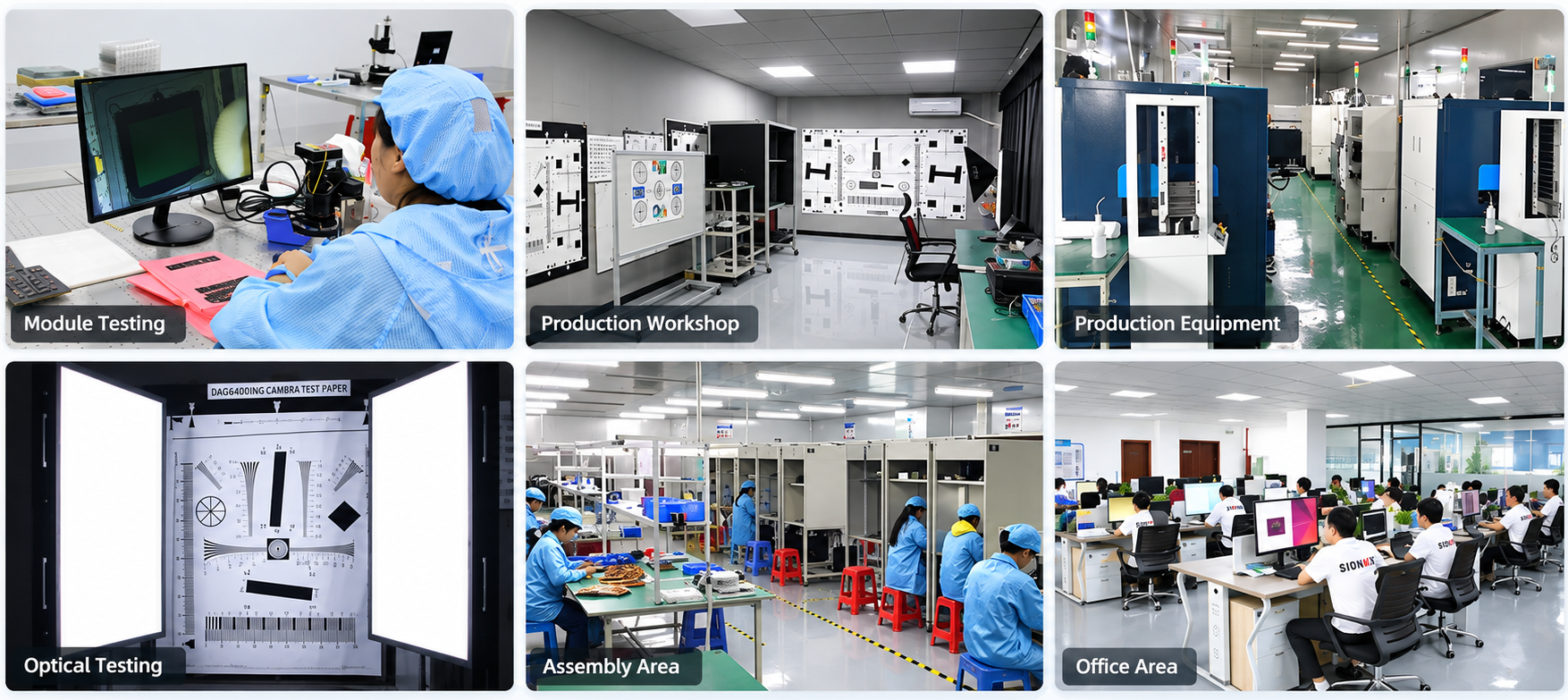
Shenzhen Sinoseen Technology Co., Ltd. was established in June 2016 and specializes in CMOS camera module design, development, manufacturing, and OEM/ODM services.
Its product portfolio includes USB, MIPI, and DVP camera modules, with services extending from development through manufacturing and after-sales support.
For embedded vision projects, Sinoseen works with customers to assess the imaging task alongside mechanical and electrical integration requirements. This helps define a camera configuration that can be evaluated in the intended device before production approval.
Certifications & Intellectual Property
Sinoseen’s documentation includes quality management records, product compliance documents, software copyrights, and utility model patents. For your camera module project, please request the current documents applicable to the selected model and configuration, including relevant CE, FCC, or RoHS documentation.
Frequently Asked Questions
Does the 6.5 mm dimension describe the complete scanner size?
It describes the camera module’s square base. The finished device needs additional clearance for the enclosure, lens opening, illumination, and connection.
What resolution and frame rate can I use?
The module specification lists a 1600 × 1200 image size. Sensor references include 30 fps at UXGA and 60 fps at SVGA. Verify the delivered mode on your host using the selected module and software configuration.
Can the module decode barcodes by itself?
The module captures the images used by the scanning system. Decoding depends on the host software and image quality. Evaluate the complete setup with your actual codes.
What working distance does this lens support?
Provide the nearest and farthest target positions and the smallest detail to capture. These requirements can be used to review focus and establish sample acceptance criteria.
Can I use infrared illumination?
The optical assembly includes an IR filter. Share the illuminator wavelength so filter transmission and the optical configuration can be reviewed together.
Can I request a different FPC or lens?
Send the enclosure drawing, routing path, host connection, working distance, and required viewing area. Sinoseen can review feasible changes before preparing samples.