 EN
EN
 AR
AR
 DA
DA
 NL
NL
 FI
FI
 FR
FR
 DE
DE
 EL
EL
 HI
HI
 IT
IT
 JA
JA
 KO
KO
 NO
NO
 PL
PL
 PT
PT
 RO
RO
 RU
RU
 ES
ES
 SV
SV
 TL
TL
 IW
IW
 ID
ID
 SR
SR
 VI
VI
 HU
HU
 TH
TH
 TR
TR
 FA
FA
 MS
MS
 IS
IS
 AZ
AZ
 UR
UR
 BN
BN
 HA
HA
 LO
LO
 MR
MR
 MN
MN
 PA
PA
 MY
MY
 SD
SD

Selecting the Right Night Vision IR Camera Module for Low-Light Surveillance.
In today's security-conscious world, the demand for reliable surveillance systems that perform exceptionally in low-light conditions has never been higher. A night vision IR camera module represents the cornerstone of effective 24/7 monitoring, enabling organizations to maintain comprehensive security coverage regardless of ambient lighting conditions. These sophisticated imaging devices utilize advanced infrared technology and high-sensitivity sensors to capture clear, detailed footage even in complete darkness, making them indispensable for critical surveillance applications.
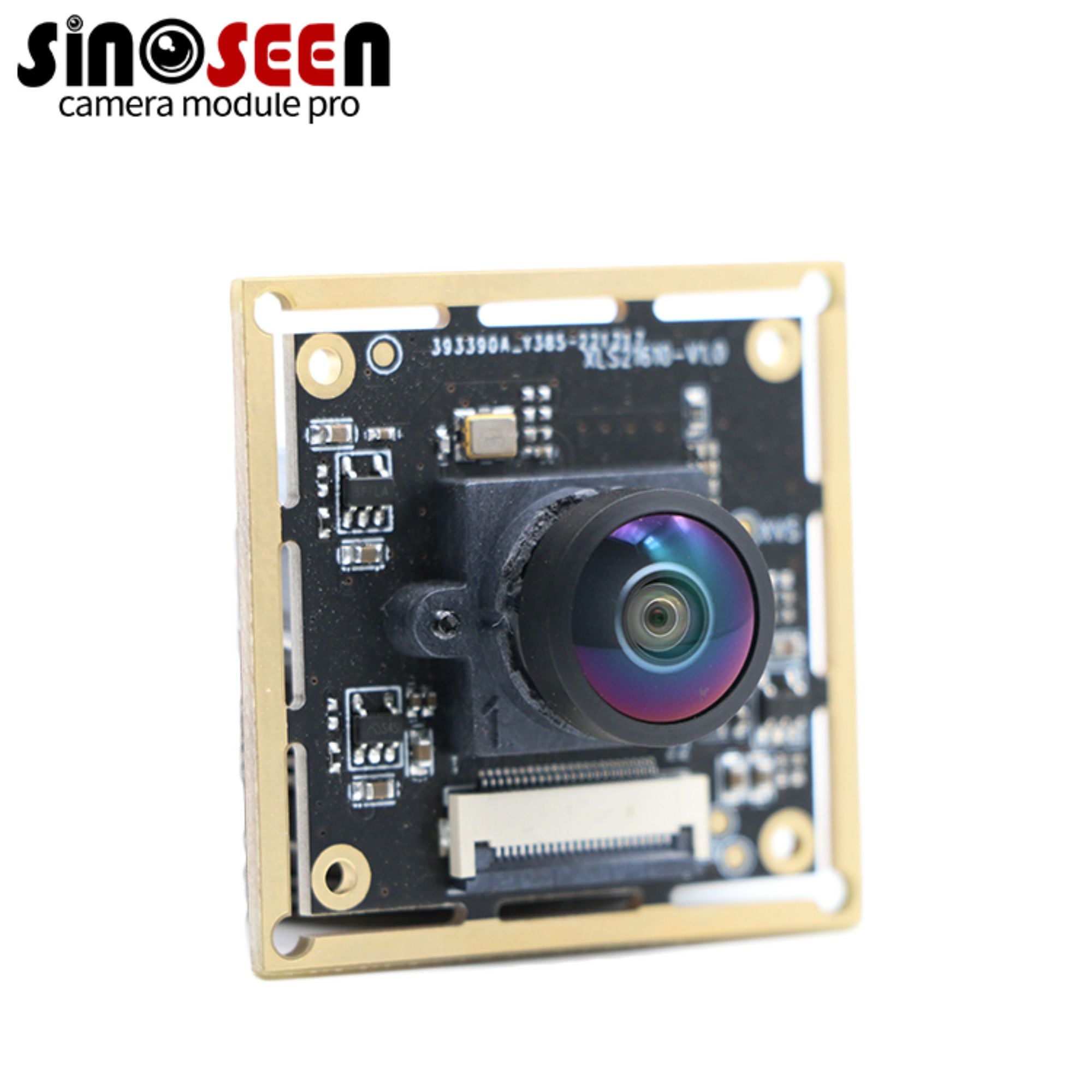
The selection process for an optimal night vision IR camera module requires careful consideration of multiple technical specifications, environmental factors, and specific application requirements. Understanding the fundamental principles behind infrared imaging technology and the various sensor technologies available in the market enables security professionals to make informed decisions that align with their operational objectives. Modern surveillance systems increasingly rely on these advanced imaging solutions to bridge the gap between daytime and nighttime security coverage, ensuring continuous protection for assets, personnel, and facilities.
Understanding Night Vision Technology and IR Illumination
Infrared Spectrum and Wavelength Considerations
Night vision IR camera module technology operates primarily within the near-infrared spectrum, typically ranging from 700 to 1000 nanometers. This invisible light spectrum allows cameras to illuminate scenes without alerting subjects to the presence of active surveillance. The wavelength selection directly impacts the camera's performance characteristics, with shorter wavelengths providing better image quality but reduced penetration through atmospheric conditions like fog or smoke.
Understanding the relationship between wavelength and performance helps security professionals optimize their surveillance systems for specific environmental conditions. Cameras operating at 850nm wavelengths offer excellent image clarity and are widely compatible with standard infrared illuminators, while 940nm systems provide more covert operation due to their completely invisible illumination signature. The choice between these wavelengths depends on the balance required between image quality and stealth operations.
Active vs Passive Infrared Systems
The distinction between active and passive infrared systems represents a fundamental design consideration in night vision IR camera module selection. Active systems incorporate built-in infrared illuminators that project invisible light onto the surveillance area, ensuring consistent performance regardless of ambient infrared radiation. These systems typically deliver superior image quality and extended detection ranges, making them ideal for perimeter security and outdoor surveillance applications.
Passive infrared systems rely on existing heat signatures and ambient infrared radiation to generate images, offering completely covert operation without any active illumination signature. While passive systems consume less power and provide excellent stealth characteristics, their performance varies significantly based on environmental conditions and the thermal contrast between objects and their surroundings. The selection between active and passive systems should align with specific operational requirements and security protocols.
Critical Specifications for Low-Light Performance
Sensor Technology and Sensitivity Ratings
The heart of any effective night vision IR camera module lies in its image sensor technology, which determines the system's ability to capture usable footage in challenging lighting conditions. Modern CMOS and CCD sensors feature varying sensitivity levels, typically measured in lux ratings that indicate the minimum illumination required for acceptable image quality. High-performance sensors can operate effectively at illumination levels as low as 0.001 lux, enabling surveillance in near-complete darkness.
Advanced sensor technologies incorporate specialized architectures that enhance low-light performance through larger pixel sizes, improved signal processing, and reduced noise characteristics. Back-illuminated sensor designs maximize light collection efficiency, while specialized coatings and micro-lens arrays optimize photon capture. Understanding these technical specifications enables security professionals to select night vision IR camera module solutions that meet their specific performance requirements while maintaining cost-effectiveness.
Resolution and Image Quality Parameters
Resolution specifications significantly impact the surveillance effectiveness of night vision IR camera module systems, determining the level of detail available for identification and analysis purposes. Higher resolution sensors provide enhanced image clarity and enable digital zoom functionality without significant quality degradation, but may exhibit reduced sensitivity in extremely low-light conditions due to smaller individual pixel sizes.
The balance between resolution and low-light sensitivity requires careful consideration based on surveillance objectives and typical operating conditions. Applications requiring detailed facial recognition or license plate reading benefit from higher resolution capabilities, while general area monitoring may prioritize sensitivity over pixel count. Modern sensor technologies increasingly offer improved performance across both parameters, enabling systems that deliver exceptional image quality without compromising low-light effectiveness.
Environmental Factors and Installation Considerations
Weatherproofing and Durability Requirements
Outdoor surveillance applications demand night vision IR camera module systems with robust environmental protection capabilities. Industry-standard IP ratings indicate the level of protection against dust ingress and water penetration, with IP66 and IP67 ratings providing excellent protection for most outdoor installations. These protective measures ensure consistent performance across varying weather conditions while maintaining long-term reliability.
Temperature tolerance represents another critical environmental consideration, particularly for installations in extreme climates. Quality night vision IR camera module systems incorporate thermal management features that maintain optimal sensor performance across wide temperature ranges, typically from -40°C to +60°C. Extended temperature ratings ensure reliable operation in harsh environments while preventing condensation and thermal drift that could compromise image quality.
Power Consumption and Thermal Management
Efficient power management extends system operational life and reduces infrastructure requirements for surveillance installations. Modern night vision IR camera module designs incorporate advanced power management circuits that optimize consumption based on operational modes and environmental conditions. Adaptive illumination control automatically adjusts infrared output based on scene requirements, maximizing efficiency while maintaining image quality.
Thermal management prevents performance degradation and extends component lifespan through effective heat dissipation strategies. Passive cooling solutions utilizing heat sinks and thermal conductive materials provide reliable temperature control without additional power consumption. Active cooling systems may be necessary for high-performance applications or enclosed installations where ambient heat accumulation poses challenges to optimal sensor operation.
Integration and Connectivity Options
Interface Standards and Protocol Compatibility
Modern surveillance systems require night vision IR camera module solutions that seamlessly integrate with existing infrastructure and management platforms. Standard interface protocols including Ethernet, USB, and specialized camera interfaces enable straightforward connectivity while maintaining signal integrity and transmission reliability. Network-enabled cameras support remote configuration, monitoring, and firmware updates, simplifying system management and maintenance procedures.
Protocol compatibility ensures interoperability with diverse security management systems and video analytics platforms. Support for industry standards such as ONVIF enables integration with third-party software solutions, while proprietary protocols may offer enhanced features and performance optimization. The selection of appropriate interface standards should consider both immediate integration requirements and future system expansion possibilities.
Video Compression and Storage Optimization
Efficient video compression algorithms reduce bandwidth requirements and storage costs while maintaining acceptable image quality for surveillance applications. Modern night vision IR camera module systems support advanced compression standards including H.264 and H.265, which provide significant reductions in file sizes without compromising critical image details. Variable bitrate encoding adapts compression levels based on scene complexity and motion activity, optimizing storage efficiency.
Smart compression technologies incorporate scene analysis algorithms that allocate higher quality encoding to regions of interest while applying more aggressive compression to static background areas. This intelligent approach maximizes storage efficiency while ensuring that critical surveillance details remain clearly visible. Integration with network-attached storage systems and cloud-based platforms provides scalable storage solutions that accommodate varying retention requirements and access patterns.
Performance Optimization and Configuration
Infrared Illumination Range and Coverage
The effective range and coverage pattern of infrared illumination directly impact surveillance system effectiveness and installation requirements. Quality night vision IR camera module systems provide adjustable illumination patterns that can be optimized for specific surveillance areas, minimizing wasted illumination while maximizing coverage efficiency. Variable focus illuminators enable precise beam shaping for both wide-area monitoring and focused observation applications.
Range specifications should account for both maximum detection distance and practical identification ranges under typical operating conditions. Factors including atmospheric conditions, target reflectivity, and sensor sensitivity all influence actual performance, making field testing essential for accurate range determination. Multi-illuminator configurations can extend coverage areas and provide redundancy for critical surveillance applications where consistent performance is essential.
Image Enhancement and Processing Features
Advanced image processing capabilities enhance night vision IR camera module performance through real-time optimization of brightness, contrast, and noise reduction. Digital noise reduction algorithms minimize grain and artifacts common in low-light imaging, while dynamic range enhancement reveals details in both shadow and highlighted areas of the surveillance scene. These processing features significantly improve image usability for security analysis and evidence collection purposes.
Automatic gain control adjusts sensor sensitivity based on ambient lighting conditions, ensuring optimal image quality across varying illumination levels. Wide dynamic range capabilities handle challenging lighting scenarios where both bright and dark areas exist within the same scene, preventing overexposure of illuminated areas while maintaining visibility in shadow regions. Customizable processing parameters allow fine-tuning of image characteristics to match specific application requirements and operator preferences.
Application-Specific Selection Criteria
Perimeter Security and Outdoor Monitoring
Perimeter security applications require night vision IR camera module systems capable of detecting intrusions across extended distances while providing sufficient detail for threat assessment. Long-range infrared illumination and high-sensitivity sensors enable effective monitoring of fence lines, property boundaries, and access points throughout the night hours. Weather resistance and stable mounting systems ensure consistent performance despite environmental challenges.
Motion detection capabilities integrated with night vision IR camera module systems provide automated alert generation when unauthorized activity occurs within monitored areas. Advanced analytics can differentiate between human intrusions, vehicle movement, and environmental factors such as wildlife or vegetation movement, reducing false alarms while maintaining security effectiveness. Integration with access control systems enables comprehensive perimeter protection that responds appropriately to different types of security events.
Indoor Surveillance and Access Control
Indoor surveillance applications benefit from night vision IR camera module solutions optimized for shorter ranges and controlled environments. Discrete infrared illumination prevents visible light pollution while maintaining surveillance capability during off-hours or in areas with limited ambient lighting. Compact form factors and aesthetic designs enable installation in sensitive areas where visible security cameras might be inappropriate or intrusive.
Integration with access control systems enhances security effectiveness by providing visual verification of credential-based entry attempts. Night vision IR camera module systems can capture clear images of individuals accessing secure areas, creating comprehensive audit trails that support security investigations and compliance requirements. High-resolution capabilities ensure that facial features and identification credentials remain clearly visible even in challenging lighting conditions.
FAQ
What is the typical infrared illumination range for night vision IR camera module systems
The infrared illumination range varies significantly based on camera specifications, illuminator power, and environmental conditions. Standard night vision IR camera module systems typically provide effective illumination ranges from 50 to 150 meters, while high-power systems can extend coverage to 300 meters or more. Actual performance depends on factors including sensor sensitivity, atmospheric conditions, and target reflectivity, making field testing essential for accurate range determination in specific installations.
How do weather conditions affect night vision IR camera module performance
Weather conditions significantly impact night vision IR camera module effectiveness through various mechanisms. Rain and snow can scatter infrared illumination and reduce image clarity, while fog and atmospheric moisture can limit effective range by absorbing infrared radiation. Temperature extremes may affect sensor performance and require thermal management solutions, while wind and precipitation can cause vibration and obstruct lens surfaces, necessitating regular maintenance and protective housing solutions.
What maintenance requirements should be considered for night vision IR camera module systems
Regular maintenance ensures optimal performance and extends system lifespan for night vision IR camera module installations. Lens cleaning removes dust, moisture, and debris that can degrade image quality, while housing inspections verify weatherproofing integrity and mounting stability. Infrared illuminator performance should be checked periodically to ensure consistent illumination output, and firmware updates may be necessary to maintain compatibility with evolving security management platforms and enhance system capabilities.
Can night vision IR camera module systems operate effectively in complete darkness
Yes, active night vision IR camera module systems can operate effectively in complete darkness by providing their own infrared illumination. These systems project invisible infrared light that illuminates the surveillance area, enabling clear image capture even when no ambient light is present. The effective range and image quality in complete darkness depend on illuminator power, sensor sensitivity, and environmental factors, but quality systems can provide usable surveillance footage in zero-light conditions throughout their specified operational range.