Innovative Camera Modules for Every Application | Sinoseen

All Categories

ultra low light camera module

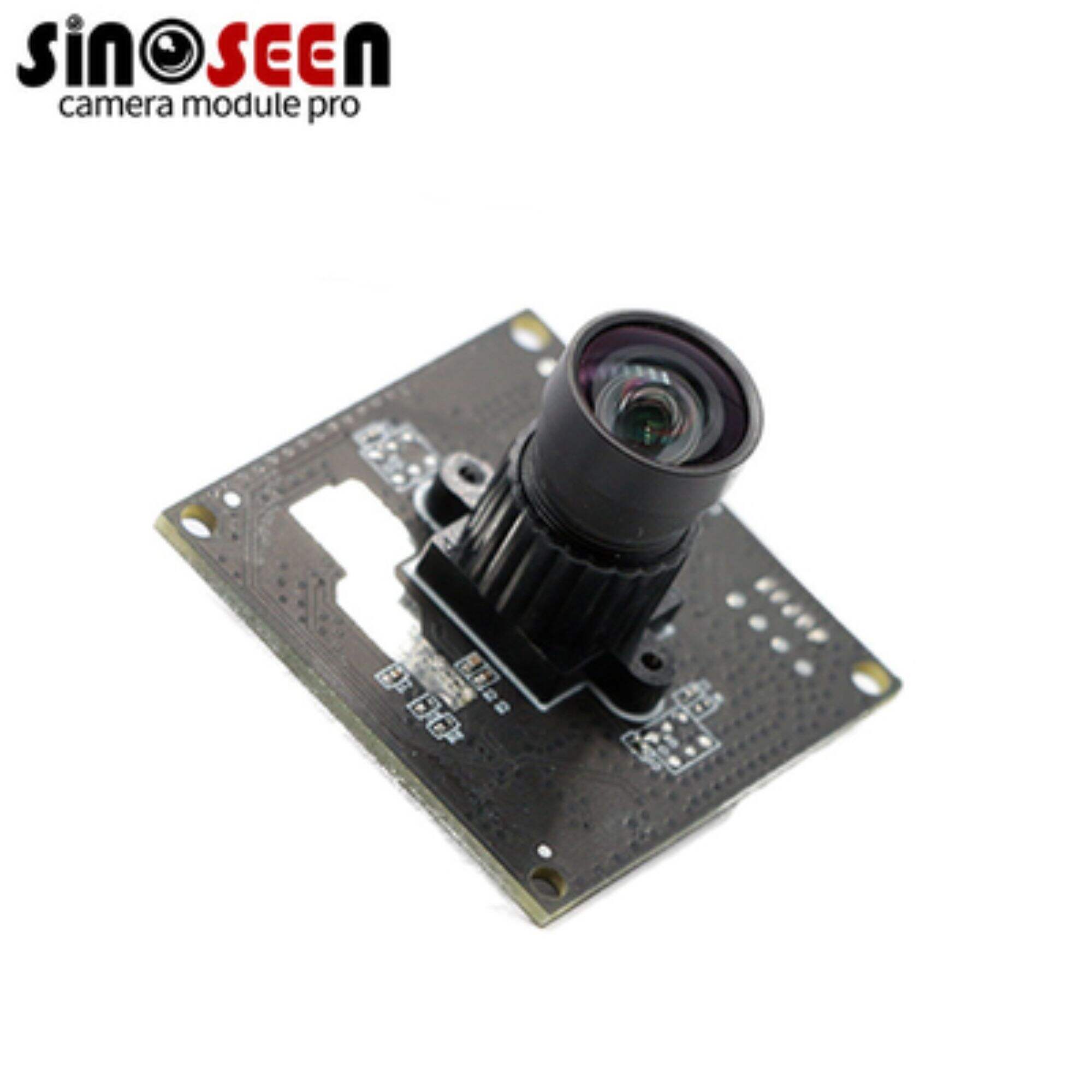
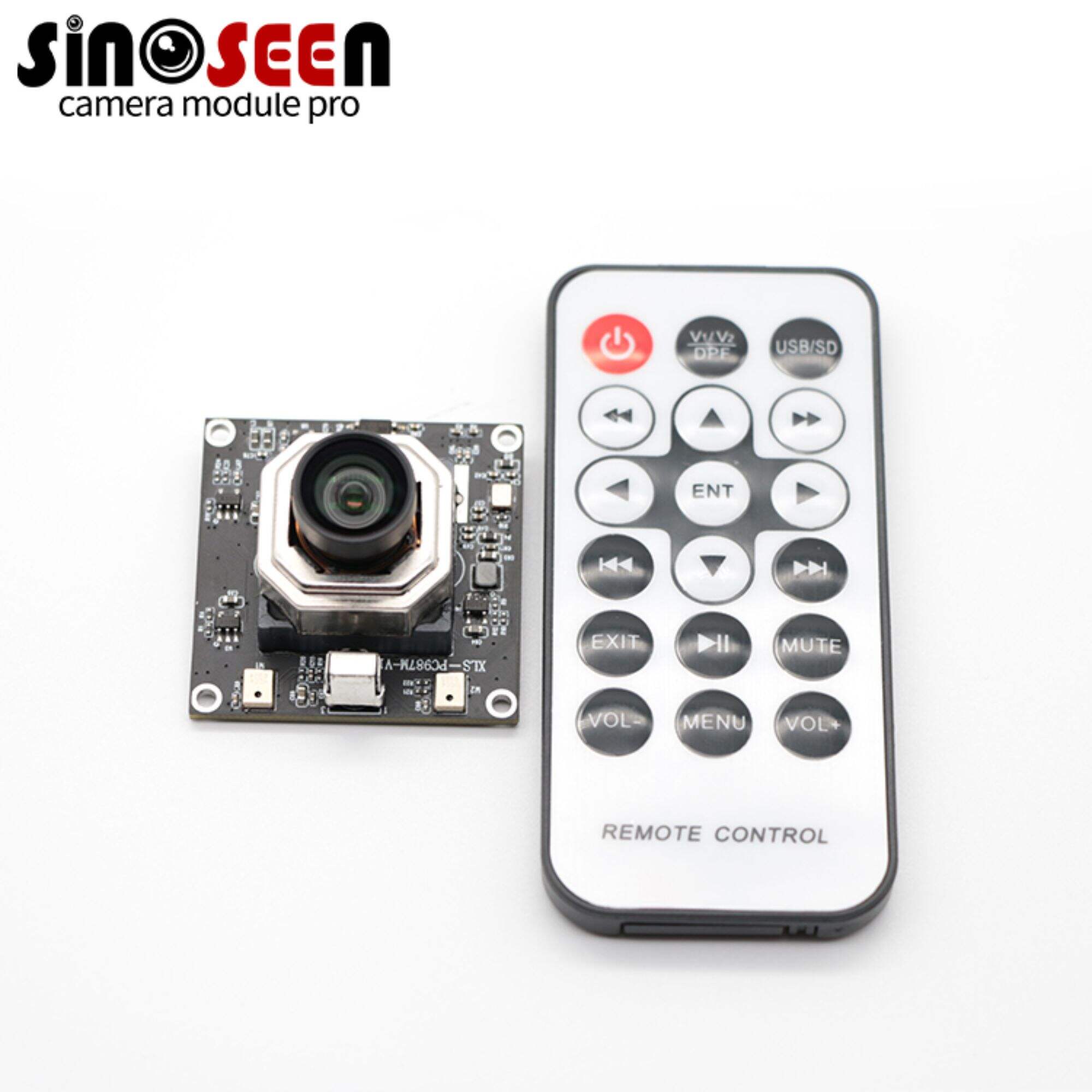
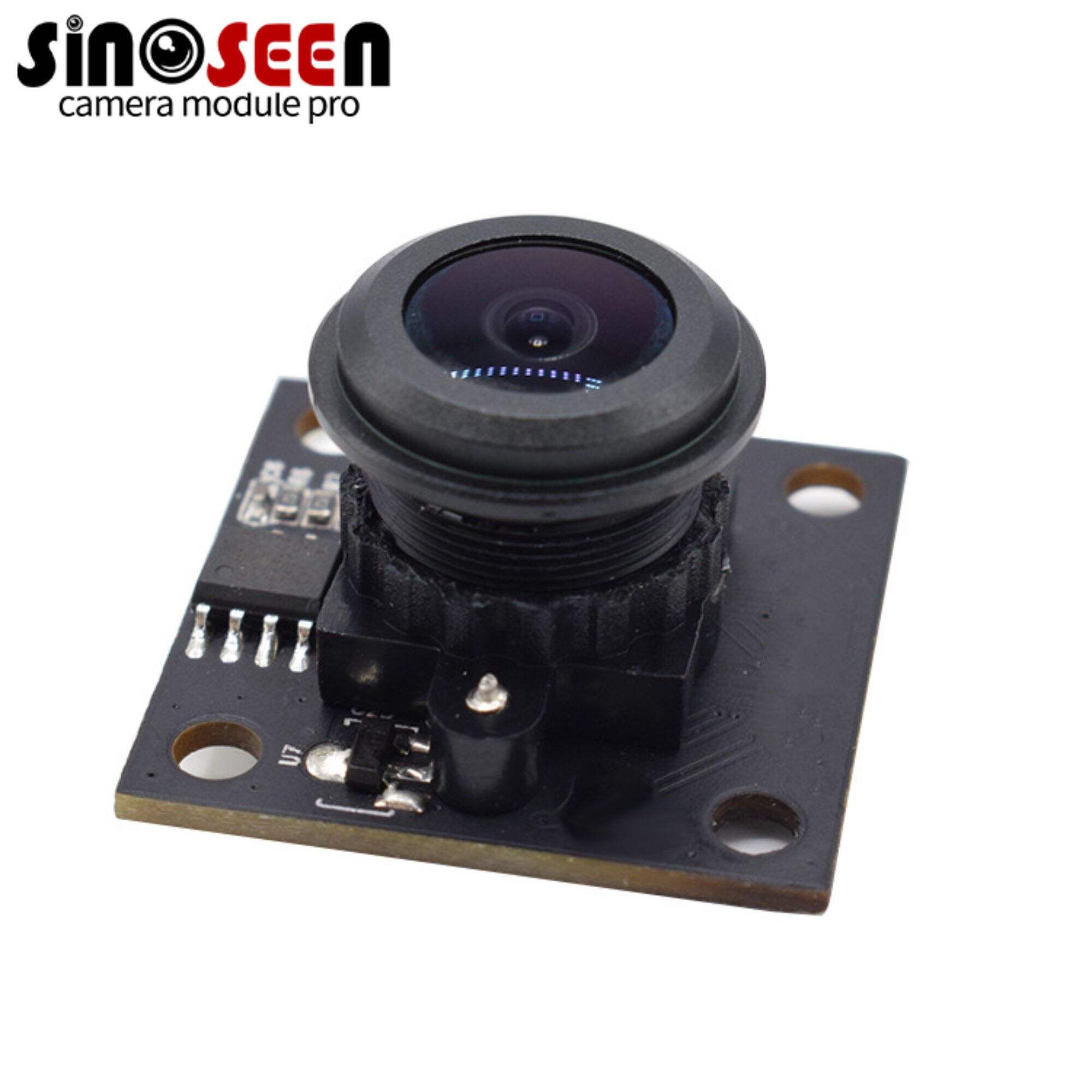
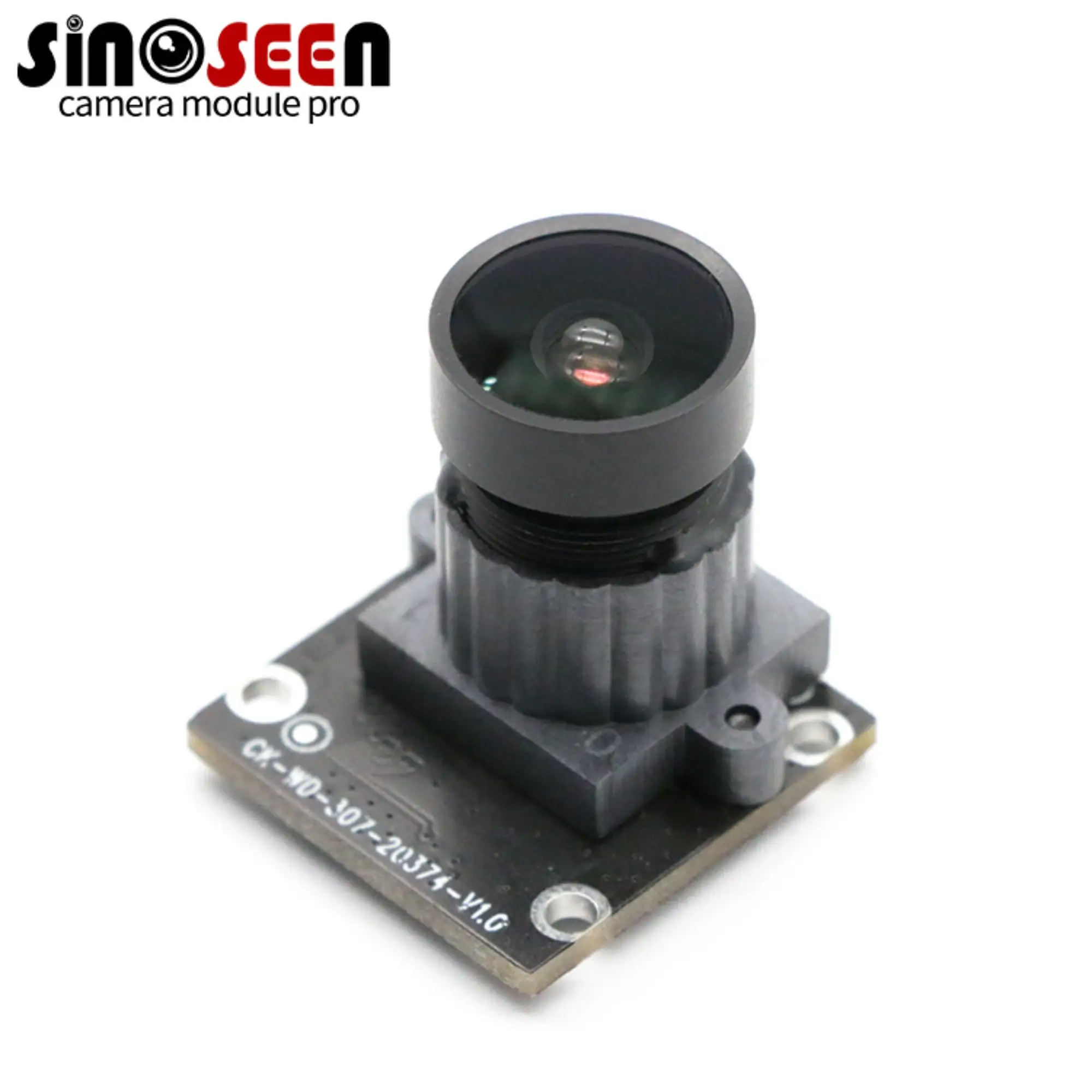
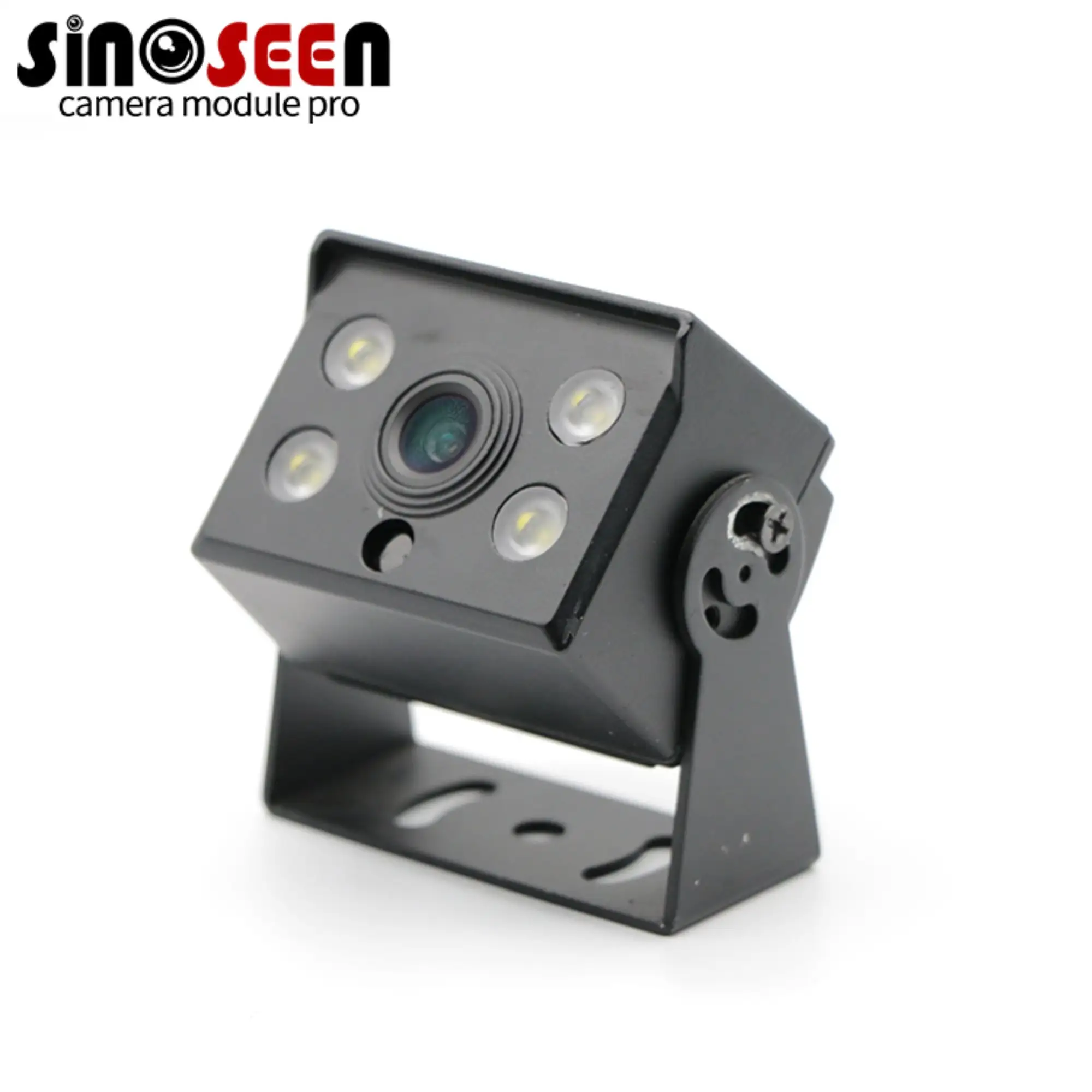
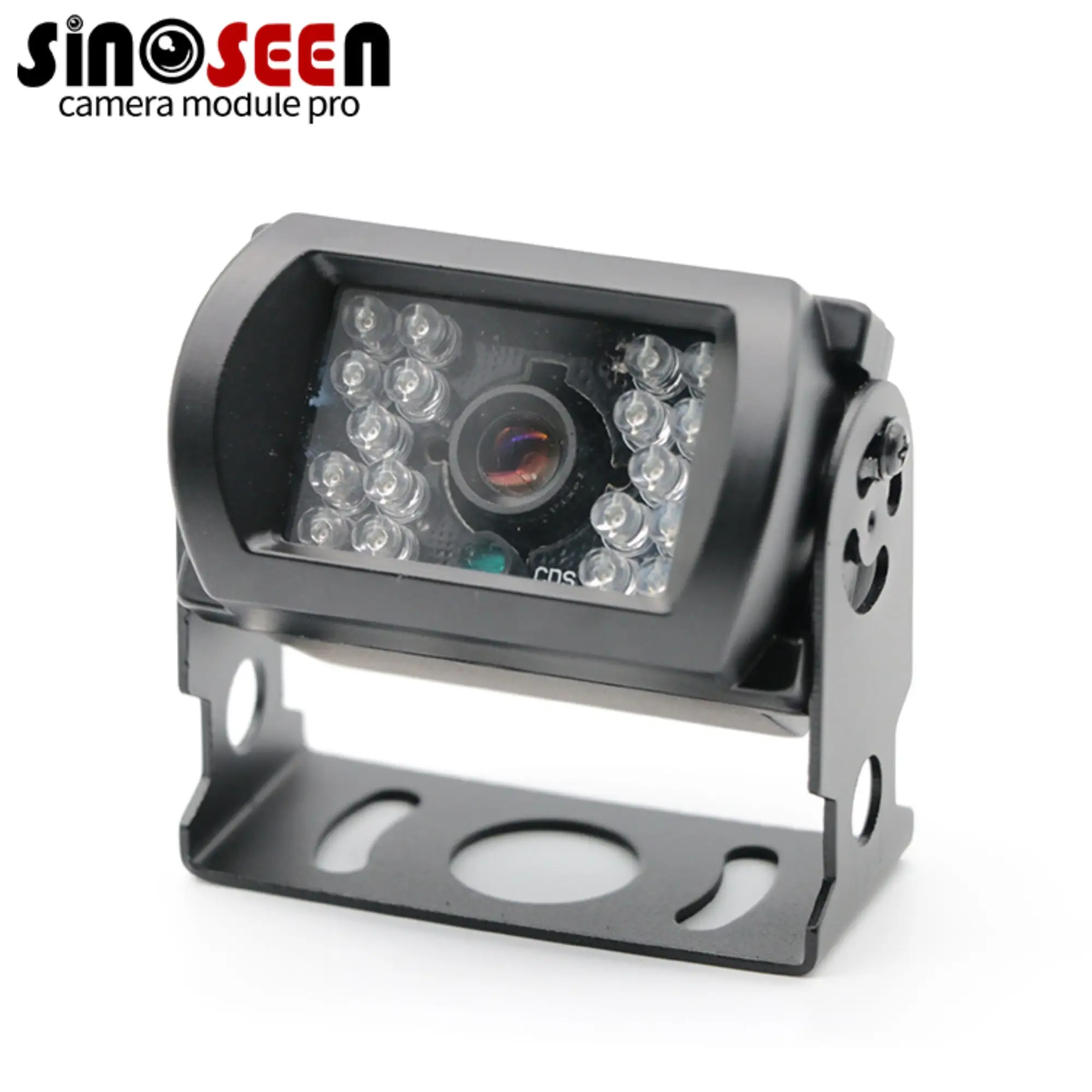
The ultra low light camera module represents a revolutionary advancement in imaging technology, designed to capture exceptional quality footage in challenging lighting conditions where traditional cameras struggle. This sophisticated optical device integrates cutting-edge sensor technology with advanced image processing capabilities to deliver outstanding performance when natural or artificial illumination is minimal. Modern ultra low light camera modules utilize large pixel sensors, typically ranging from 2.8 to 5.0 micrometers, which significantly increase light gathering capacity compared to standard imaging sensors. The technology incorporates back-illuminated sensor architecture that maximizes photon collection efficiency by positioning the photodiode layer closer to the incoming light source. Advanced noise reduction algorithms work in conjunction with high-sensitivity sensors to minimize digital noise while preserving crucial image details. These modules feature enhanced quantum efficiency ratings, often exceeding 80 percent, which translates to superior light conversion capabilities. The ultra low light camera module typically supports multiple exposure modes, including automatic exposure control and manual sensitivity adjustments, allowing users to optimize performance for specific environmental conditions. Integration capabilities include standard interfaces such as MIPI CSI-2, USB, and Ethernet connections, ensuring compatibility with various host systems and platforms. Temperature compensation mechanisms maintain consistent performance across operating ranges from -40 to 85 degrees Celsius. The modules incorporate sophisticated lens systems with fast apertures, typically f/1.2 to f/1.8, maximizing light transmission while maintaining sharp focus characteristics. Applications span security surveillance, automotive night vision systems, medical imaging equipment, industrial inspection cameras, wildlife monitoring devices, and astronomical photography equipment. The ultra low light camera module delivers exceptional image quality with minimal motion blur, even in starlight conditions as low as 0.001 lux illumination levels.

New Product Releases

The ultra low light camera module delivers significant cost savings for businesses by reducing infrastructure requirements and operational expenses. Traditional surveillance systems require extensive lighting installations and high-power illumination sources, which consume substantial electricity and demand frequent maintenance. This advanced imaging solution eliminates these costly lighting needs while providing superior image quality in natural darkness conditions. Security professionals benefit from enhanced monitoring capabilities that operate effectively during power outages or when stealth operation is essential. The technology reduces false alarm rates by capturing clear details of actual security threats rather than shadows and unclear movements that trigger conventional motion detection systems. Installation flexibility increases dramatically since these modules function independently of ambient lighting conditions, allowing placement in previously unsuitable locations. Maintenance costs decrease substantially because the ultra low light camera module requires no additional lighting equipment, reducing component failure points and service calls. Energy efficiency improvements contribute to lower operational costs and reduced carbon footprint, making this technology environmentally responsible. The modules provide consistent performance throughout varying weather conditions, including fog, rain, and snow, where traditional cameras with supplementary lighting often fail. Image quality remains stable across temperature fluctuations and humidity changes, ensuring reliable operation in challenging environments. The ultra low light camera module offers exceptional versatility for multiple applications within single installations, from perimeter security to detailed forensic analysis. Advanced digital processing eliminates the need for expensive image enhancement software or post-processing equipment. Real-time monitoring capabilities enable immediate threat response without delays caused by poor visibility conditions. The technology supports continuous operation without the heat generation and power consumption associated with infrared illuminators. Integration simplicity reduces installation time and technical expertise requirements, allowing faster deployment and reduced labor costs. Long-term reliability exceeds conventional camera systems due to fewer mechanical components and reduced thermal stress from supplementary lighting equipment.

Practical Tips

Why Choose a High-Performance Embedded Camera Module for AI Applications?

02

Mar

Why Choose a High-Performance Embedded Camera Module for AI Applications?

Artificial intelligence applications demand precision, speed, and reliability in their visual data acquisition systems. An embedded camera module serves as the critical foundation for AI-powered devices, from autonomous vehicles to smart manufacturin...
View More
 How to Select the Right AI Camera Module for Facial Recognition Systems?

02

Mar

How to Select the Right AI Camera Module for Facial Recognition Systems?

Selecting the appropriate AI camera module for facial recognition systems represents a critical decision that directly impacts system performance, accuracy, and overall operational efficiency. Modern facial recognition applications demand sophisticat...
View More
How to Optimize Low-Light Performance in Custom Camera Module Designs?

02

Mar

How to Optimize Low-Light Performance in Custom Camera Module Designs?

Custom camera module designs face unique challenges when operating in environments with minimal illumination, making low-light performance optimization a critical engineering consideration. Modern applications ranging from security surveillance to au...
View More
Why do Robotics Manufacturers Prefer High-Speed AI Camera Modules?

02

Mar

Why do Robotics Manufacturers Prefer High-Speed AI Camera Modules?

The robotics industry has experienced unprecedented growth in recent years, with manufacturers increasingly demanding sophisticated vision systems that can process visual data at lightning speed. High-speed AI camera modules have emerged as the corne...
View More

Get In Touch

ultra low light camera module

Exceptional Low Light Performance with Advanced Sensor Technology

Exceptional Low Light Performance with Advanced Sensor Technology

The ultra low light camera module achieves remarkable imaging capabilities through revolutionary sensor design that fundamentally changes how cameras capture light in dark environments. The technology utilizes large-format pixels measuring between 2.8 to 5.0 micrometers, significantly larger than standard camera sensors, which dramatically increases the surface area available for photon collection. This enhanced light-gathering capacity allows the camera to detect and process minimal light sources that would be invisible to conventional imaging systems. The back-illuminated sensor architecture represents a critical advancement, positioning the photodiode layer directly beneath the microlens array and eliminating obstacles that typically block incoming photons. This configuration increases quantum efficiency to levels exceeding 80 percent, meaning the sensor converts four out of every five photons into usable electrical signals. Advanced manufacturing processes ensure exceptional uniformity across the sensor surface, eliminating hot spots and dead pixels that could compromise image quality. The ultra low light camera module incorporates sophisticated analog-to-digital conversion circuitry that preserves subtle brightness variations while maintaining excellent signal-to-noise ratios. Temperature-compensated gain control maintains consistent sensitivity across operational temperature ranges, ensuring reliable performance in extreme weather conditions. The sensor technology includes built-in dark current suppression mechanisms that minimize thermal noise generation, allowing for extended exposure times without image degradation. Multi-sampling techniques capture multiple readings per pixel, enabling advanced noise reduction algorithms to distinguish between actual image data and electronic interference. This exceptional low light performance translates to practical benefits including clear facial recognition at distances exceeding 50 meters in starlight conditions, detailed license plate reading capabilities during complete darkness, and comprehensive area surveillance without any supplementary illumination requirements.
Real-Time Processing and Intelligent Image Enhancement

Real-Time Processing and Intelligent Image Enhancement

The ultra low light camera module incorporates powerful onboard processing capabilities that deliver immediate image enhancement and analysis without external computing resources. Advanced digital signal processors work in real-time to optimize every captured frame, automatically adjusting exposure parameters, gain settings, and noise reduction algorithms based on current lighting conditions. The intelligent processing system analyzes scene characteristics continuously, distinguishing between static background elements and moving objects to optimize sensitivity settings for each area of the image. Adaptive algorithms automatically compensate for changing environmental conditions, including gradual sunset transitions, passing cloud cover, and intermittent artificial lighting sources. The ultra low light camera module features sophisticated motion detection capabilities that function effectively even when objects move slowly or partially blend with background elements. Built-in temporal noise reduction compares multiple consecutive frames to identify and eliminate random noise patterns while preserving legitimate image details and movement characteristics. Spatial filtering techniques analyze adjacent pixel relationships to enhance edge definition and improve overall image sharpness without introducing artificial artifacts. The processing system includes advanced dynamic range optimization that automatically balances bright and dark areas within the same scene, preventing overexposure of illuminated zones while maintaining detail visibility in shadowed regions. Color accuracy remains consistent across varying light spectrums, from natural starlight to artificial sodium or LED illumination sources. The real-time enhancement capabilities eliminate the delay associated with post-processing software, enabling immediate security responses and live monitoring applications. Customizable processing profiles allow users to optimize performance for specific applications, whether prioritizing maximum sensitivity, fastest response times, or highest image quality. The intelligent system learns from environmental patterns, automatically adjusting sensitivity curves and processing parameters based on location-specific lighting conditions and seasonal variations.
Versatile Integration and Robust Environmental Performance

Versatile Integration and Robust Environmental Performance

The ultra low light camera module excels in diverse integration scenarios through comprehensive connectivity options and exceptional environmental resilience that ensures reliable operation across challenging deployment conditions. Multiple interface standards including MIPI CSI-2, USB 3.0, and Gigabit Ethernet provide seamless compatibility with existing infrastructure and future system upgrades. The compact form factor accommodates space-constrained installations while maintaining full functionality and thermal management capabilities. Robust environmental specifications enable continuous operation across temperature ranges from -40 to 85 degrees Celsius, making the ultra low light camera module suitable for arctic monitoring stations, desert surveillance applications, and industrial environments with extreme temperature variations. Sealed optical assemblies provide IP67-rated protection against dust ingress and water immersion, ensuring reliable performance during severe weather events and high-humidity conditions. Vibration resistance meets military specifications for shock and movement tolerance, allowing installation on mobile platforms, marine vessels, and industrial machinery without performance degradation. The module supports flexible mounting options including standard tripod connections, custom brackets, and permanent fixture installations. Power efficiency optimization enables extended battery operation for remote monitoring applications, with typical power consumption below 3 watts during normal operation. Advanced lens coatings resist condensation formation and maintain optical clarity across temperature cycles and humidity changes. The ultra low light camera module includes comprehensive diagnostic capabilities that monitor sensor performance, temperature conditions, and optical system status, providing early warning indicators for maintenance requirements. Modular design philosophy enables field-replaceable components and simplified repair procedures, reducing downtime and service costs. The system supports remote configuration and firmware updates through network connections, allowing performance optimization and feature enhancement without physical access to installation locations. Long-term stability testing demonstrates consistent performance characteristics over multi-year operational periods, with minimal sensitivity degradation and maintained calibration accuracy throughout the expected service life.

Related Search

Get in touch