
 EN
EN
 AR
AR
 DA
DA
 NL
NL
 FI
FI
 FR
FR
 DE
DE
 EL
EL
 HI
HI
 IT
IT
 JA
JA
 KO
KO
 NO
NO
 PL
PL
 PT
PT
 RO
RO
 RU
RU
 ES
ES
 SV
SV
 TL
TL
 IW
IW
 ID
ID
 SR
SR
 VI
VI
 HU
HU
 TH
TH
 TR
TR
 FA
FA
 MS
MS
 IS
IS
 AZ
AZ
 UR
UR
 BN
BN
 HA
HA
 LO
LO
 MR
MR
 MN
MN
 PA
PA
 MY
MY
 SD
SD
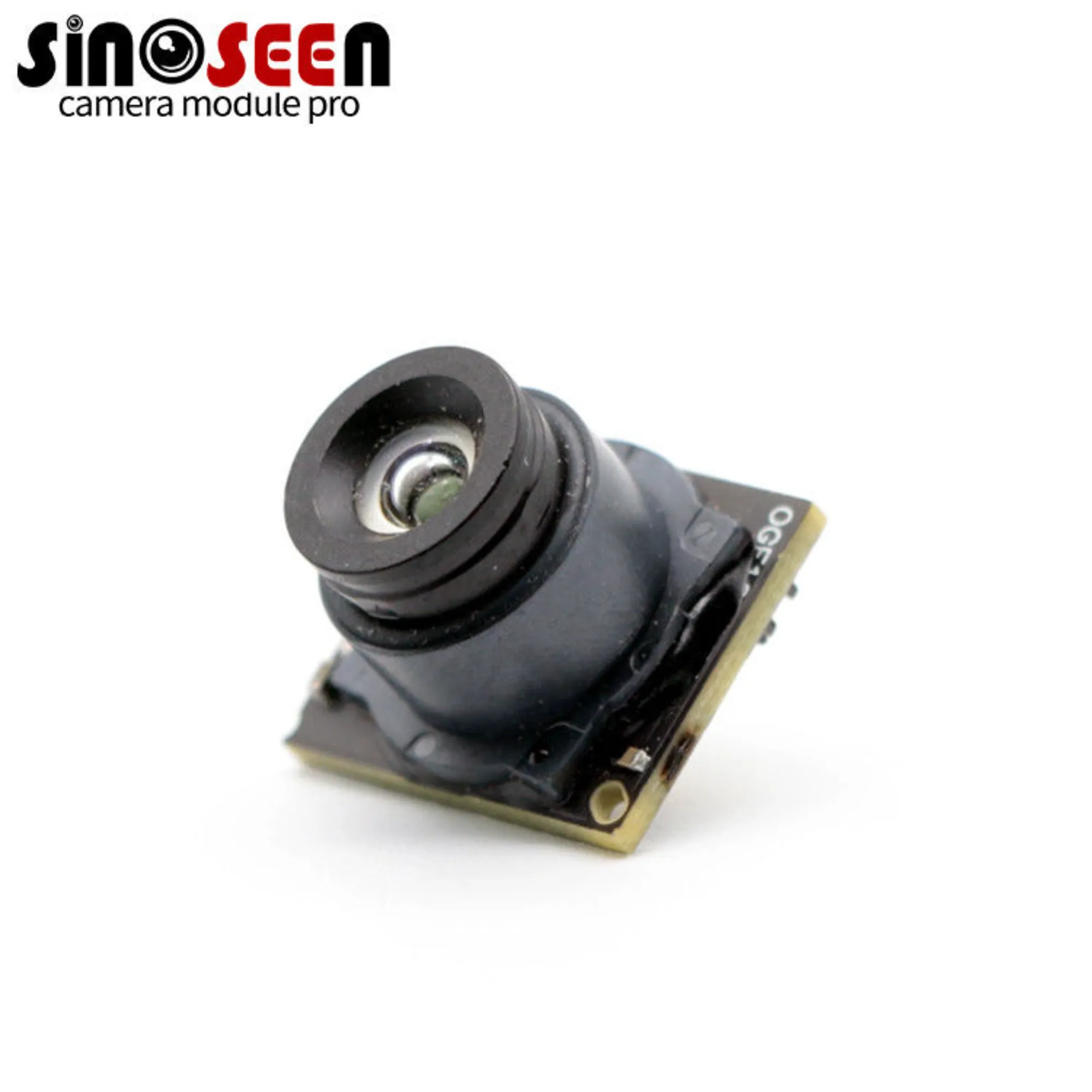
Industrial vision projects demand camera modules that deliver exceptional imaging performance, reliability, and adaptability across diverse operational environments. The IMX415 camera module has emerged as a preferred solution for system integrators, equipment manufacturers, and vision solution providers seeking wholesale components that combine Sony's advanced sensor technology with flexible integration capabilities. This 8-megapixel imaging solution addresses critical requirements in machine vision, quality inspection, robotics guidance, and intelligent monitoring applications where precise visual data acquisition directly impacts operational outcomes and product quality standards.
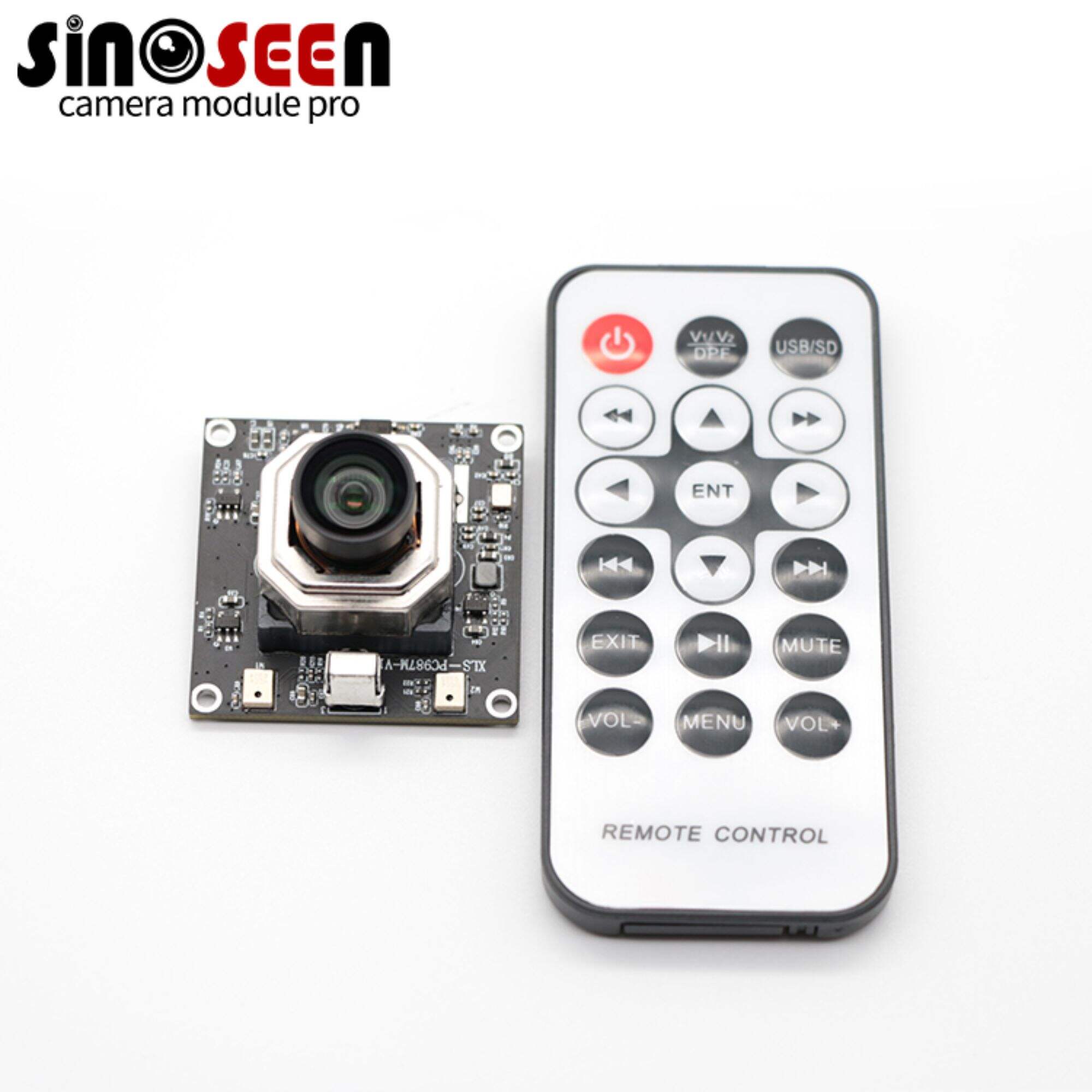
Wholesale procurement of the IMX415 camera module enables industrial vision integrators to standardize imaging components across product lines while maintaining cost efficiency through volume purchasing arrangements. The module's architecture supports 4K resolution output, high dynamic range imaging, and low-light sensitivity characteristics essential for industrial environments where lighting conditions vary significantly. Understanding the technical specifications, integration requirements, and application-specific advantages of this camera module helps procurement teams and engineering departments make informed decisions that align with project timelines, budget constraints, and long-term system performance objectives in competitive industrial markets.
Technical Specifications Driving Industrial Vision Performance
Sensor Architecture and Image Quality Fundamentals
The IMX415 camera module utilizes Sony's diagonal 8.47mm CMOS image sensor with 3864 × 2180 effective pixels, delivering true 8-megapixel resolution that captures fine details essential for defect detection, dimensional measurement, and optical character recognition tasks. The sensor employs a 2-micron pixel size that balances resolution density with individual pixel light-gathering capability, enabling effective operation across illumination ranges from bright manufacturing floors to dimly lit inspection chambers. This pixel architecture supports frame rates up to 30fps at full resolution, providing sufficient temporal sampling for most static and moderate-speed industrial vision applications without motion blur artifacts.
The back-illuminated sensor structure enhances quantum efficiency by positioning photodiodes closer to the light-receiving surface, improving signal collection especially in wavelengths beyond 600nm where traditional front-illuminated designs show reduced sensitivity. Industrial vision projects involving infrared imaging, thermal pattern recognition, or low-contrast material inspection benefit from this architectural advantage. The IMX415 camera module's read noise performance remains below 3 electrons RMS at optimal gain settings, preserving signal fidelity in applications requiring precise grayscale differentiation such as surface finish evaluation or subtle color variation detection in quality control processes.
Dynamic Range Capabilities for Challenging Industrial Environments
High dynamic range functionality represents a critical specification for industrial vision systems operating in environments with simultaneous bright and shadowed regions. The IMX415 camera module implements multiple exposure HDR technology, capturing image information across exposure ratios that extend effective dynamic range beyond 90dB in optimized configurations. This capability proves essential in applications like welding inspection where intense arc light coexists with darker substrate areas, or automotive component scanning where reflective metallic surfaces neighbor matte plastic elements within single frame captures.
Industrial integrators selecting the IMX415 camera module for wholesale deployment gain access to programmable exposure control that adapts to varying scene content without requiring external lighting modifications. The module supports both linear and logarithmic response curves, allowing vision algorithm developers to optimize image data characteristics for specific detection tasks. Projects involving outdoor equipment monitoring benefit from the sensor's ability to maintain image quality across solar angle changes throughout operational days, reducing false detections caused by lighting variations that would compromise systems with narrower dynamic range specifications.
Interface Standards and Integration Flexibility
The IMX415 camera module typically implements MIPI CSI-2 output interfaces with four-lane configurations supporting data rates sufficient for real-time 4K video streaming at full frame rates. This standardized interface protocol simplifies integration with contemporary embedded vision processors, FPGA-based image processing platforms, and industrial computer systems equipped with compatible receiver circuitry. Wholesale procurement of modules with consistent interface specifications reduces validation effort across multiple installation sites and enables hardware platform reuse across different project phases or customer installations.
Physical integration considerations include standardized mounting dimensions compatible with C-mount and CS-mount lens systems widely deployed in industrial optics inventories. The IMX415 camera module's compact form factor accommodates space-constrained installations within robotic end effectors, inline inspection stations, and portable diagnostic equipment. Power consumption specifications typically range between 1.5 to 2.5 watts during active imaging, allowing battery-powered mobile vision systems to operate for extended periods without thermal management complications. These integration characteristics make the module suitable for retrofit projects where existing mechanical enclosures and power budgets constrain component selection options.
Application Scenarios in Industrial Vision Deployments
Manufacturing Quality Inspection Systems
Quality assurance operations in manufacturing environments represent primary application domains for the IMX415 camera module, where consistent imaging performance directly correlates with defect detection rates and false rejection minimization. Electronics assembly lines deploy these modules in automated optical inspection stations that examine solder joint quality, component placement accuracy, and PCB trace continuity across thousands of units per shift. The 8-megapixel resolution provides sufficient spatial sampling to identify 0.1mm dimensional deviations while maintaining inspection speeds compatible with production throughput requirements in high-volume manufacturing facilities.
Pharmaceutical packaging verification systems utilize the IMX415 camera module for multi-point inspection protocols that verify label placement, expiration date printing, and seal integrity across blister packs and bottle assemblies. The module's autofocus capabilities accommodate varying product heights on conveyor systems without manual adjustment, reducing changeover times between product SKUs. Industrial vision integrators specify wholesale quantities of these camera modules to standardize imaging hardware across multiple inspection stations, simplifying maintenance procedures and spare parts inventory management while ensuring consistent image quality standards across all verification checkpoints in regulated production environments.
Robotic Guidance and Navigation Applications
Automated guided vehicles and collaborative robotic systems depend on vision modules that provide reliable environmental perception for navigation, obstacle avoidance, and manipulation task execution. The IMX415 camera module's low-latency image acquisition supports real-time path planning algorithms that respond to dynamic workspace changes within cycle times measured in milliseconds. Warehouse automation projects deploy these modules in mobile robot platforms where 4K resolution enables simultaneous wide-area monitoring and detailed feature extraction for QR code reading, pallet detection, and docking alignment operations without requiring multiple specialized cameras.
Pick-and-place robotic cells in assembly operations integrate the IMX415 camera module into hand-eye coordination systems that guide gripper positioning with sub-millimeter accuracy. The sensor's global shutter option eliminates rolling shutter distortion during rapid robot movements, preserving spatial relationships essential for accurate 3D pose estimation from stereo vision configurations. Industrial system builders purchasing these modules wholesale can deploy standardized vision processing pipelines across diverse robotic platforms, reducing software development costs and accelerating deployment timelines for custom automation solutions tailored to specific manufacturing processes or material handling workflows.
Intelligent Surveillance and Monitoring Infrastructure
Critical infrastructure monitoring applications require camera modules that operate reliably across extended temperature ranges and varying ambient lighting conditions typical of outdoor industrial sites. The IMX415 camera module's specifications align with requirements for perimeter security systems at chemical plants, power generation facilities, and logistics terminals where personnel safety and asset protection depend on continuous visual monitoring. The 8-megapixel resolution enables operators to digitally zoom into recorded footage for forensic analysis while maintaining sufficient image detail for identification and incident reconstruction purposes.
Process monitoring systems in heavy industry deploy the IMX415 camera module to observe equipment operation, detect abnormal conditions, and document procedural compliance in environments where direct human observation poses safety risks. Steel mills utilize these vision modules to monitor furnace operations, conveyor material flow, and structural integrity indicators across facilities spanning multiple acres. The camera module's HDR capabilities prove essential in these scenarios where scene content includes both incandescent materials and shadowed structural elements within single camera views. Wholesale procurement enables facility operators to maintain consistent imaging standards across hundreds of monitoring points while simplifying system maintenance through component standardization.
Procurement Considerations for Wholesale Camera Module Selection
Supply Chain Reliability and Component Lifecycle Management
Industrial vision projects requiring multi-year support commitments benefit from selecting camera modules with established production stability and component availability assurances. The IMX415 camera module utilizes Sony sensor components with documented production roadmaps extending beyond typical consumer electronics lifecycles, reducing obsolescence risks for systems designed to operate over decade-long service periods. Procurement teams evaluating wholesale suppliers should verify inventory depth, lead time consistency, and contractual provisions for advance notification of specification changes or end-of-life transitions that could impact spare parts availability or system expansion plans.
Volume purchasing agreements for the IMX415 camera module should address quality assurance protocols including incoming inspection criteria, failure rate expectations, and warranty coverage terms specific to industrial operating conditions. Reputable wholesale suppliers provide technical documentation including optical characteristics, dimensional specifications, and environmental qualification test results that enable system designers to validate component suitability without extensive independent testing. Establishing relationships with suppliers offering application engineering support accelerates integration troubleshooting and optimizes module configuration for specific project requirements, particularly in custom optics selection and image processing parameter tuning.
Total Cost Analysis Beyond Unit Pricing
Wholesale procurement decisions for the IMX415 camera module should account for total ownership costs extending beyond initial purchase price to include integration effort, software development requirements, and long-term maintenance expenses. Modules with comprehensive SDK support and reference implementations reduce software development timelines, particularly for projects requiring custom image processing algorithms or integration with proprietary machine vision frameworks. The availability of Linux, Windows, and RTOS drivers for the IMX415 camera module's interface standards minimizes platform-specific development work across diverse embedded system architectures.
Optical component costs represent significant budget elements in vision system deployments, making lens compatibility an important selection criterion. The IMX415 camera module's sensor format and mount standards align with extensive catalogs of industrial lenses spanning focal lengths from wide-angle surveillance to telephoto inspection applications. Standardizing on this module platform enables organizations to leverage existing lens inventories across multiple projects, reducing per-system costs and simplifying field service operations through interchangeable component strategies. Energy efficiency specifications also impact total cost in large-scale deployments where hundreds of cameras operate continuously, making the module's sub-2.5 watt power consumption advantageous for installations with limited electrical infrastructure or sustainability objectives.
Technical Support and Customization Capabilities
Complex industrial vision projects often require camera module customizations addressing specific optical, mechanical, or environmental requirements beyond standard catalog specifications. Wholesale suppliers offering engineering collaboration capabilities can modify the IMX415 camera module platform to accommodate custom lens assemblies, protective enclosures, or specialized interface protocols required by proprietary system architectures. These customization services prove particularly valuable in medical imaging equipment, aerospace inspection systems, and defense applications where standard commercial modules cannot satisfy regulatory requirements or performance specifications.
Post-deployment technical support quality significantly impacts system uptime and maintenance costs over operational lifetimes. Selecting wholesale partners with responsive engineering support teams helps resolve integration challenges, optimize imaging parameters for evolving application requirements, and implement firmware updates addressing discovered issues or enabling new capabilities. The IMX415 camera module's market maturity ensures substantial knowledge bases exist for common integration scenarios, but direct access to experienced technical personnel accelerates resolution of unique challenges encountered in novel application contexts or harsh operating environments not addressed in standard documentation.
Integration Best Practices for Industrial Vision Systems
Optical System Design and Lens Selection
Maximizing image quality from the IMX415 camera module requires careful lens selection matching sensor characteristics to application requirements. The module's 2-micron pixel pitch demands high-resolution optics capable of resolving spatial frequencies exceeding 250 line pairs per millimeter to avoid diffraction-limited performance degradation. Industrial machine vision applications should specify lenses with modulation transfer function curves maintaining at least 30% contrast at the sensor's Nyquist frequency to preserve edge definition essential for dimensional measurement and defect detection algorithms.
Working distance and field of view calculations must account for the IMX415 camera module's diagonal sensor dimension when selecting appropriate focal lengths for specific inspection tasks. Close-range applications examining small components may require microscope objectives or telecentric lenses that maintain constant magnification across depth of field, while wide-area monitoring applications benefit from rectilinear or low-distortion fisheye optics. Illumination design should consider the sensor's spectral response curve, which peaks near 550nm in visible spectrum applications but extends effectively into near-infrared wavelengths for specialized industrial imaging tasks requiring monochromatic lighting to enhance material contrast or reduce ambient light interference.
Image Processing Pipeline Optimization
Extracting maximum value from the IMX415 camera module's imaging capabilities requires optimized processing pipelines that balance computational efficiency with algorithm accuracy. Raw sensor data from the module benefits from calibrated color correction matrices, lens distortion compensation, and defective pixel mapping applied as preprocessing steps before application-specific analysis algorithms. Industrial vision systems should implement these corrections in hardware-accelerated processing stages to minimize latency and enable real-time throughput in high-speed inspection scenarios.
The IMX415 camera module's HDR output modes generate image data requiring tone mapping or exposure fusion algorithms to produce analysis-ready frames. Vision system designers must select processing approaches appropriate to their specific detection tasks, as techniques optimized for human viewing may not preserve subtle intensity variations essential for automated defect classification algorithms. Maintaining raw sensor data archives alongside processed output streams enables retrospective algorithm refinement and machine learning model training without requiring recapture of original inspection samples, particularly valuable in applications where defect occurrence rates are low and building representative training datasets requires extended data collection periods.
Environmental Protection and Reliability Engineering
Industrial environments expose camera modules to temperature extremes, vibration, contaminants, and electromagnetic interference that can degrade performance or cause premature failures. Deploying the IMX415 camera module in these conditions requires protective enclosures with appropriate ingress protection ratings, thermal management provisions, and shock isolation mounting systems. Electronics assembly inspection stations in temperature-controlled cleanrooms require minimal protection, while outdoor infrastructure monitoring applications may demand IP67-rated housings with active cooling or heating elements maintaining operational temperature ranges.
Vibration isolation becomes critical in applications where the IMX415 camera module mounts to moving machinery or robotic manipulators subjected to repetitive accelerations. Flexible cable management and strain relief provisions prevent connector fatigue and maintain signal integrity across millions of motion cycles. Electromagnetic compatibility testing should verify that module operation remains stable in proximity to variable frequency drives, servo motors, and switching power supplies common in industrial automation environments. Wholesale procurement specifications should include environmental qualification requirements ensuring delivered modules meet application-specific reliability targets without extensive conditioning or burn-in procedures prior to system integration.
Future-Proofing Industrial Vision Investments
Scalability Across Evolving Application Requirements
Vision system architectures built around the IMX415 camera module should accommodate future capability expansions without requiring complete hardware replacement. Modular processing platform designs enable computational upgrades supporting more sophisticated algorithms as artificial intelligence techniques mature and deep learning models require additional inference throughput. The camera module's standardized interfaces facilitate integration with emerging edge computing platforms incorporating neural processing units optimized for vision workloads, extending system relevance as machine learning adoption accelerates across industrial quality control and predictive maintenance applications.
Network infrastructure planning should anticipate bandwidth requirements for transmitting 4K video streams from multiple IMX415 camera module installations to centralized processing or cloud storage systems. Gigabit Ethernet and higher-speed industrial networking standards provide sufficient capacity for compressed video transmission, while direct fiber connections support uncompressed workflows in latency-sensitive applications. Wireless connectivity options including 5G industrial private networks offer deployment flexibility in facilities where cable installation costs prove prohibitive, though reliability and latency characteristics require careful evaluation for mission-critical vision systems.
Software Ecosystem and Algorithm Development Resources
The IMX415 camera module benefits from extensive software library support spanning open-source computer vision frameworks, commercial machine vision toolkits, and specialized industrial imaging SDKs. This ecosystem maturity accelerates algorithm development and reduces dependency on proprietary software platforms, providing long-term flexibility as project requirements evolve or organizational technology strategies shift. Vision system developers can leverage pre-trained neural networks for common industrial inspection tasks, adapting foundation models to specific product variations through transfer learning approaches that require modest training datasets compared to developing custom algorithms from first principles.
Simulation environments incorporating accurate IMX415 camera module performance models enable algorithm validation prior to physical system deployment, reducing field commissioning time and minimizing production disruption during system installation. These virtual prototyping capabilities prove particularly valuable in applications requiring complex multi-camera coordination or integration with robotic motion planning systems where physical testing iterations consume significant time and resources. Maintaining separation between imaging hardware interfaces and application logic through abstraction layers facilitates future camera module upgrades or alternative sensor integration without requiring extensive software redesign, protecting algorithm development investments across technology transitions.
FAQ
What resolution and frame rate does the IMX415 camera module support for industrial applications?
The IMX415 camera module delivers 8-megapixel resolution with 3864 × 2180 effective pixels, supporting frame rates up to 30fps at full resolution output. This combination provides sufficient spatial detail for defect detection, dimensional measurement, and optical character recognition while maintaining temporal sampling adequate for most static and moderate-speed industrial inspection tasks. The module can operate at higher frame rates when configured for reduced resolution output modes, enabling flexibility for applications prioritizing speed over maximum spatial resolution.
How does the IMX415 camera module handle varying lighting conditions in industrial environments?
The IMX415 camera module implements high dynamic range imaging technology that captures scene information across exposure ratios extending effective dynamic range beyond 90dB in optimized configurations. This capability enables the module to simultaneously image bright and shadowed regions within single frames, essential for applications like welding inspection or automotive component scanning where reflective surfaces coexist with matte materials. The back-illuminated sensor architecture enhances low-light sensitivity while programmable exposure controls adapt to changing ambient conditions without requiring external lighting modifications.
What interface standards does the IMX415 camera module use for integration with vision processing systems?
The IMX415 camera module typically implements MIPI CSI-2 output interfaces with four-lane configurations supporting real-time 4K video streaming. This standardized protocol simplifies integration with contemporary embedded vision processors, FPGA platforms, and industrial computers equipped with compatible receiver circuitry. The interface provides sufficient bandwidth for full-resolution image transmission at maximum frame rates while maintaining signal integrity across typical cable lengths encountered in industrial equipment installations.
Can the IMX415 camera module be customized for specific industrial vision project requirements?
Wholesale suppliers offering engineering collaboration capabilities can customize the IMX415 camera module platform to address specific optical, mechanical, or environmental requirements beyond standard catalog specifications. Customization options typically include modified lens assemblies, specialized protective enclosures, alternative interface protocols, and firmware adaptations for unique operational scenarios. These services prove particularly valuable in applications with regulatory requirements or performance specifications that standard commercial modules cannot satisfy, though customization feasibility and minimum order quantities vary among suppliers based on modification complexity and production implications.
Table of Contents
- Technical Specifications Driving Industrial Vision Performance
- Application Scenarios in Industrial Vision Deployments
- Procurement Considerations for Wholesale Camera Module Selection
- Integration Best Practices for Industrial Vision Systems
- Future-Proofing Industrial Vision Investments
-
FAQ
- What resolution and frame rate does the IMX415 camera module support for industrial applications?
- How does the IMX415 camera module handle varying lighting conditions in industrial environments?
- What interface standards does the IMX415 camera module use for integration with vision processing systems?
- Can the IMX415 camera module be customized for specific industrial vision project requirements?